





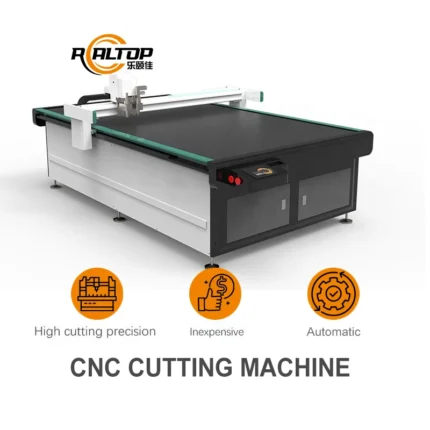
RT-D2516/RT-S2516 CNC Oscillating Knife Cutting Machine | Manufacturer
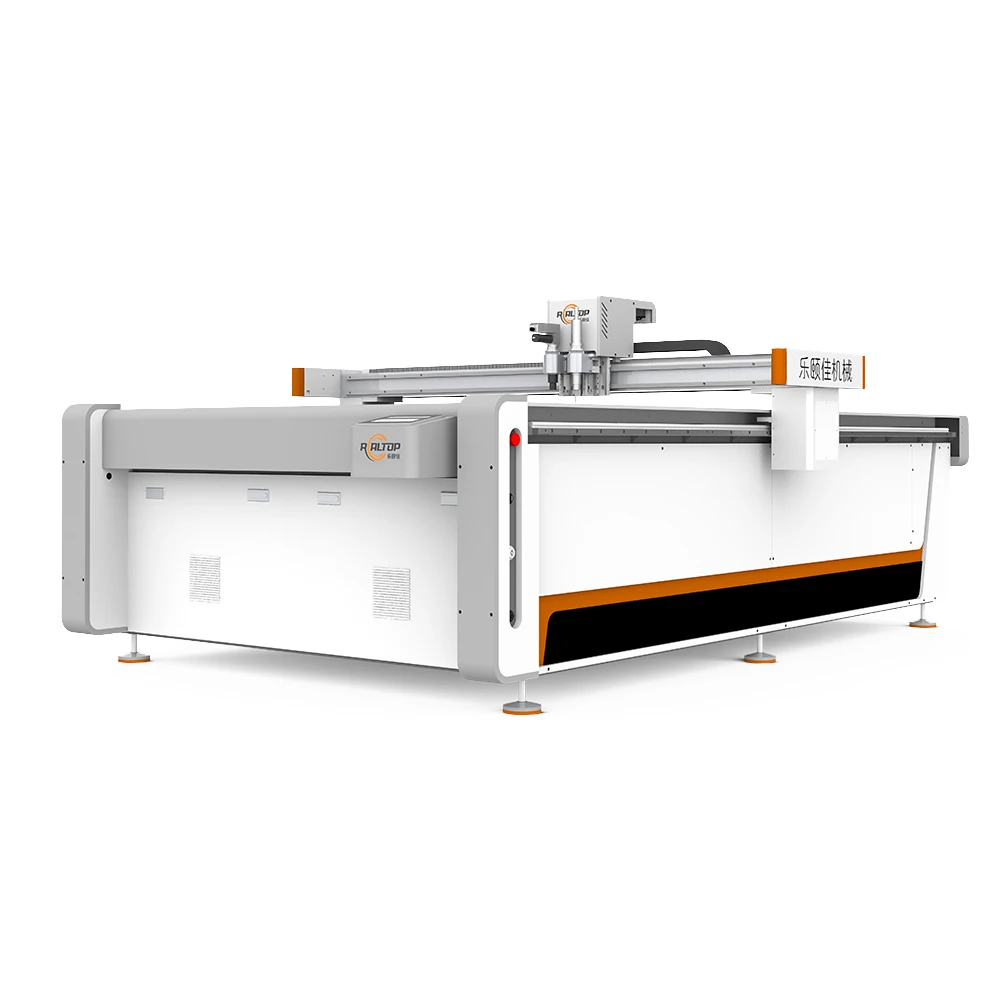
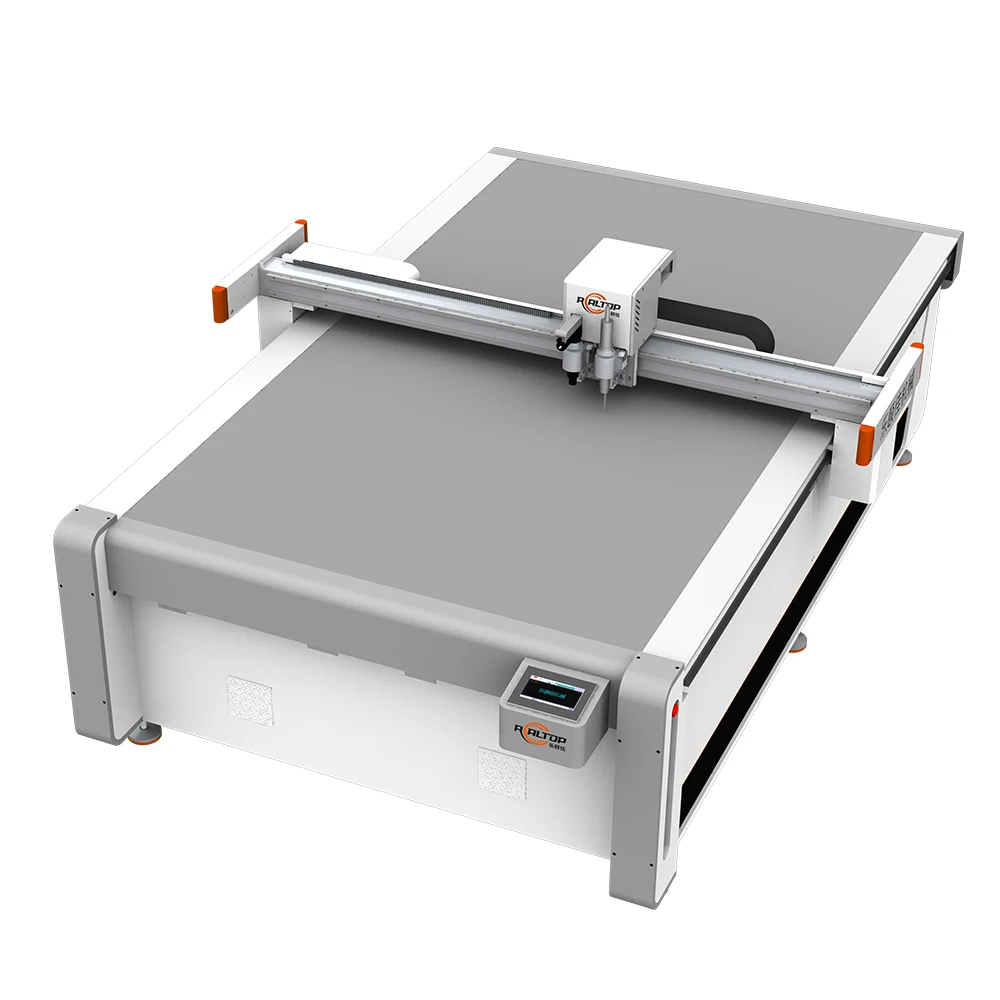
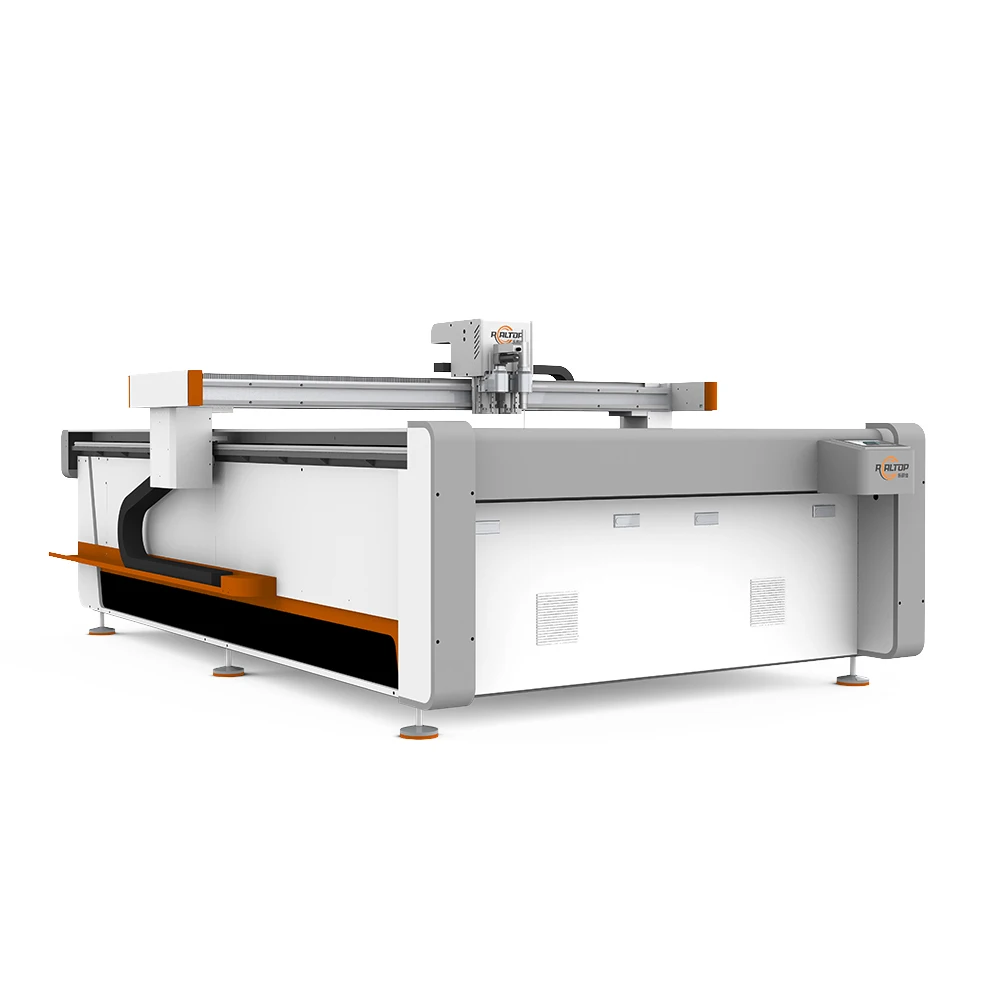
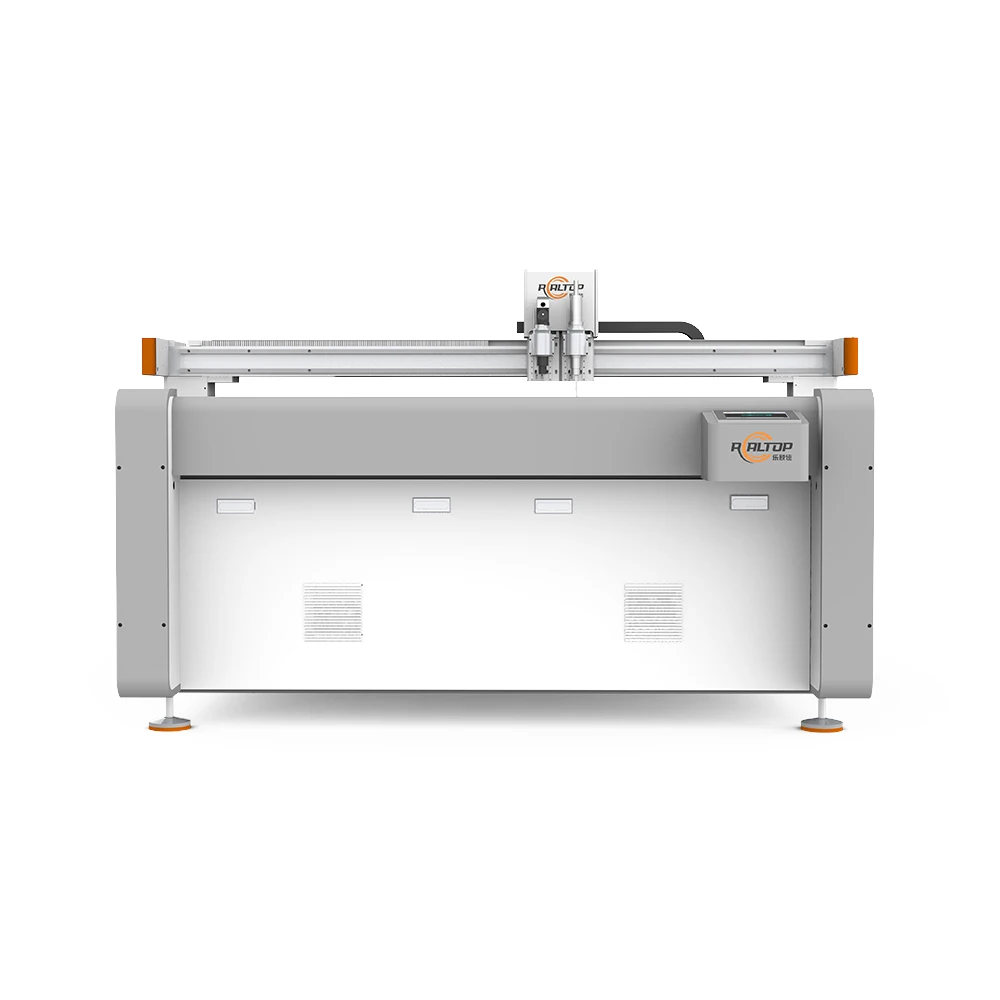
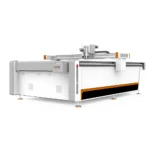
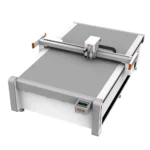
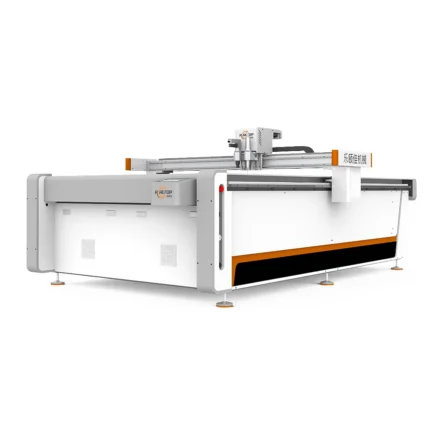
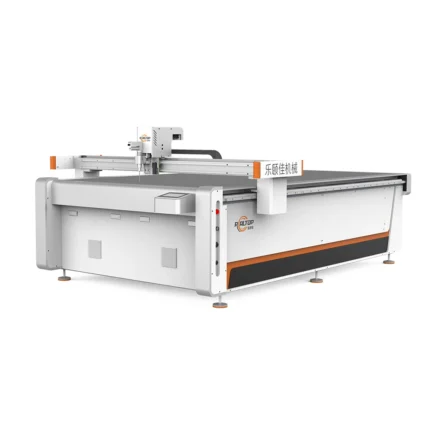
RT-D2516/RT-S2516 CNC Oscillating Knife Cutting Machine, 1600×2500mm Working Area, 9kW, 380V — engineered for non-thermal processing of packaging and flexible materials where laser cutting leaves charred edges or fails on thick substrates.
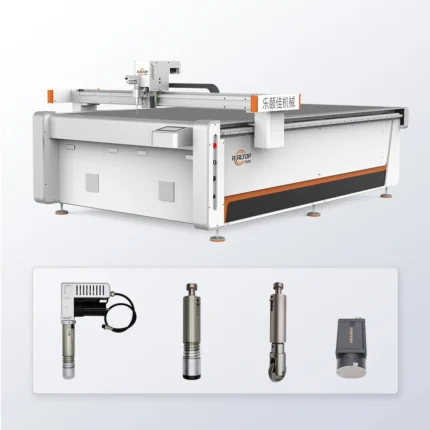
- Swiss imported oscillating knife head with full-cut, half-cut and cursor positioning
- Aluminum honeycomb vacuum table with zoned suction for small-part hold-down
- Delta servo and Taiwan Hiwin linear guide, ≤0.1mm repeatability, up to 2000mm/s traverse
- Professional nesting software with crease-line recognition and multi-format import
Sample cutting on your own material, tool head specified per substrate, and voltage plus control language confirmed before shipment — backed by in-house design and core factory production.
Material-matched tooling configuration — the oscillating knife head selection and vacuum table zoning are specified against your actual packaging substrate and smallest part geometry, confirmed by sample cutting before commitment.
Technical Specifications
| Parameter | Value |
|---|---|
| Product Type | CNC Oscillating Knife Cutting Machine |
| Model | RT-D2516/RT-S2516 |
| Working Area | 1600×2500mm |
| Overall Dimensions | 3450×2300×1250mm |
| Rated Power | 9kW |
| Voltage | 380V±10% |
| Table Type | Flat aluminum alloy honeycomb vacuum table |
| Tool Head | Swiss imported oscillating knife with full-cut, half-cut and cursor positioning |
| Translational Velocity | 800-2000mm/s |
| Cutting Speed | 200-800mm/s (varies by material) |
| Cutting Thickness | Up to 100mm (varies with material, source value — verify against manufacturer catalog) |
| Repeated Accuracy | ≤0.1mm |
| Transmission System | Digital servo motor, linear guide, synchronous belt, ball screw |
| Vacuum Pump | 7.5kW |
| Safety Device | Infrared sensors |
| Instruction System | HP-GL compatible format |
| Key Features | Delta servo motor, Germany imported conveyor belt, auto feeding, Taiwan Hiwin rail, professional carton nesting software |
Application Suitability
| Application | Material or Output |
|---|---|
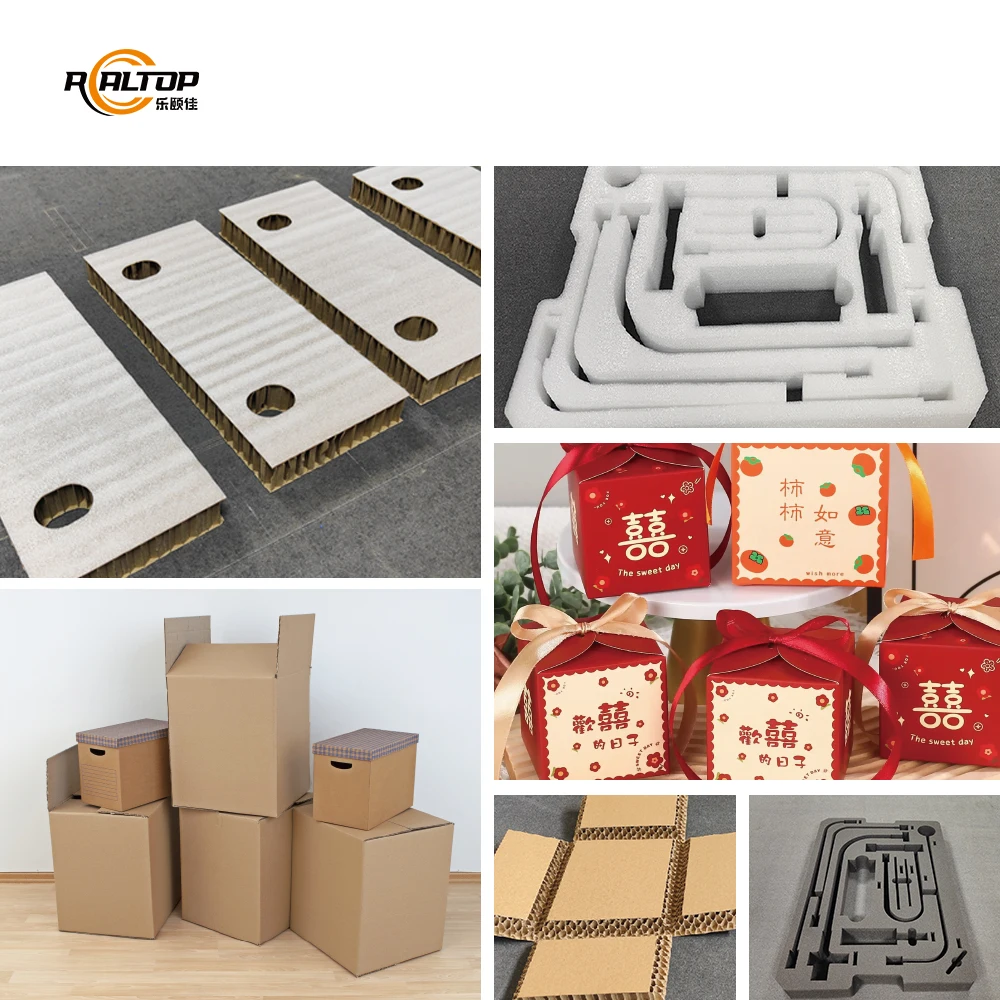
| Packaging carton sample making | Corrugated board, grey board, card stock |
| Large electrical carton packaging | Thick corrugated and multi-layer board |
| Express paper box packaging | Single and double-wall corrugated |
| High-end gift box packaging | Rigid board, specialty paper, magnetic closure stock |
| Snack food packaging | Food-grade card stock and laminated board |
| Sticker and label contour cutting | Vinyl, adhesive-backed paper, reflective film |
| Flexible material processing | Leather, PVC, sponge composite leather, silicone, rubber, soft glass |
What Happens When Your Corrugated Board Crushes Under the Knife
Cutting thick corrugated or composite packaging board demands more than a working area figure — it requires verified tooling pressure, correct blade geometry and sufficient vacuum hold-down for your exact material stack.
I remember a packaging buyer from South America who sent us a standard sample request on 3mm grey board. The cuts were clean, the edges square. Then he mentioned his actual production runs included 8mm double-wall corrugated with a laminated top sheet. That changed everything — blade angle, oscillation frequency, vacuum zone mapping. We ran his material in our Jinan workshop and found the standard blade produced delamination on the bottom flute. A different Swiss blade profile solved it, but only because we tested before shipping [NEED_CITE: oscillating knife blade geometry and corrugated board cutting quality]. Ordering a CNC oscillating knife cutting machine for laser cutting and engraving without substrate-specific trials is how buyers end up with ragged edges and crushed flutes on their production floor.
Non-Thermal Cutting Where Laser Leaves Burn Marks
Thick corrugated board and composite packaging materials present a fundamental problem for CO2 laser systems. The thermal energy required to cut through 8mm or 10mm board produces charred edges, discolored cut lines and a smell that contaminates food-grade packaging. An oscillating knife system removes material mechanically rather than thermally, leaving the substrate edge exactly as it was before the cut — no seal, no discoloration, no fume extraction requirement. For packaging sample makers producing high-end gift boxes or food-contact cartons, this distinction is not cosmetic; it determines whether the finished sample can be presented to an end client or must be rejected.
Vacuum Zoning and the Small-Part Lift Problem
When a cutting layout includes small sticker contours or narrow carton flap tabs, a single-zone vacuum table cannot generate enough localized suction to hold those pieces flat. The result is material lift mid-cut, producing dimension errors and blade drag marks. The RT-D2516/RT-S2516 addresses this with a zoned vacuum adsorption platform paired with a 7.5kW pump, allowing suction to follow the cutting head across defined areas [NEED_CITE: vacuum table zoning principles for CNC digital cutting systems]. Before confirming the configuration, the smallest part in your typical nesting layout should be evaluated to ensure the zone grid matches your geometry.
Reading the Specs Beyond Working Area
The 1600×2500mm working area defines the maximum sheet footprint, but the cutting speed range of 200-800mm/s tells you how the machine behaves across different substrates. Thin sticker vinyl cuts at the upper end with a drag knife, while 10mm grey board requires the lower range with the oscillating head engaged. The Delta servo motor and Taiwan Hiwin linear guide maintain ≤0.1mm repeatability across that full speed span, which matters when a packaging die-line includes both long straight crease lines and tight radius corners on the same sheet. The HP-GL compatible instruction system and professional carton nesting software accept multiple file formats, reducing the conversion step between your design workstation and the machine controller. Language options on the control panel — English, Russian, Italian, Chinese and custom requests — eliminate operator guesswork on the shop floor.
The Cost of Skipping the Material Trial
Buyers who approve a configuration based on standard demo materials frequently discover that their actual substrate behaves differently under the knife. A PVC sheet with a plasticizer content above a certain threshold may gum the blade. A laminated corrugated board may delaminate if the oscillation frequency is too aggressive. The half-cut function — useful for kiss-cutting sticker sheets without penetrating the backing paper — requires exact depth calibration against your specific liner thickness [NEED_CITE: kiss-cut depth calibration on adhesive-backed materials]. These variables are not captured in a spec sheet. They surface only when your material is mounted on the table and the first cut is made.
Why Source This Machine Through Our Workshop
In-house design and production covering knife cutting systems means the RT-D2516/RT-S2516 configuration is adjusted to your material rather than sold as a fixed package. The tool head selection — oscillating knife, drag knife, creasing wheel or pen — is determined by your substrate list and confirmed through sample cutting on your own material before commitment. Voltage is configured to your local grid standard, the control panel language is set before shipment, and software file format compatibility is validated against your existing nesting workflow. The flat vacuum table and conveyor feed options are selected based on whether you run rigid board sheets or roll-fed flexible materials. Every machine leaves our Jinan facility with a factory test record documenting performance on your specified materials.
Documentation & Verification
- Machine specification sheet with confirmed tool head and table configuration for your material
- Electrical schematic showing 380V±10% wiring and Delta servo motor connections
- Sample cutting report on your corrugated board, sticker stock or flexible substrate before dispatch
- Professional carton nesting software license with confirmed file format compatibility note
- Spare parts list including Swiss imported blade consumables and recommended replacement intervals
- CE declaration and factory test record covering the RT-D2516/RT-S2516 unit before shipment
Installation, Commissioning & Support
- Floor space allocation for 3450×2300×1250mm overall dimensions plus material staging clearance
- Dedicated 9kW power circuit at 380V±10% with appropriate breaker rating for servo and vacuum pump startup surge
- Vacuum pump placement and exhaust routing for the 7.5kW unit to maintain workshop air quality
- First-run parameter calibration including cutting speed, oscillation frequency and vacuum zone mapping on your material
- Operator training on the nesting software interface in your selected control language
- Consumable blade inventory and reorder procedure for the Swiss imported tool head
What We Need From Your Next Inquiry
Send us the specific materials you cut — substrate type, thickness range and whether sheets or rolls. Include your typical daily volume and the smallest part dimension in your nesting layouts. Confirm your local voltage, frequency and preferred control panel language. If you have an existing CAD workflow, share a sample file so we can validate software compatibility before quotation. We will run your material in our workshop and return a sample cutting report with the recommended configuration.
Frequently Asked Questions
Q: How is cutting thickness verified for my specific packaging board before I commit?
A: Send us a representative sample of your actual material — corrugated grade, thickness and any lamination. We mount it on the RT-D2516/RT-S2516 vacuum table in our Jinan workshop, test multiple blade profiles and oscillation settings, and return a cutting report with edge quality photographs and the recommended tooling configuration before you confirm the order.
Q: What file formats does the carton nesting software accept from my existing design workflow?
A: The professional carton nesting software imports HP-GL compatible formats and other standard vector file types used in packaging design. We validate compatibility against a sample file from your system during the pre-order stage, confirming that crease lines, cut contours and registration marks transfer correctly to the machine controller.
Q: How does oscillating knife cutting compare to CO2 laser for thick corrugated packaging board?
A: CO2 laser cutting on thick corrugated board produces charred edges and thermal discoloration, which is unacceptable for presentation-grade packaging samples. The oscillating knife on the RT-D2516/RT-S2516 cuts mechanically with no heat, leaving clean unburnt edges on board stock up to the verified thickness limit for your specific material.
Q: What voltage configurations and control panel languages can be set before shipment?
A: The standard voltage is 380V±10%, configurable to match your local grid requirements. Control panel language options include English, Russian, Italian and Chinese, with special language requests accommodated. Both parameters are confirmed in writing before the machine enters production.
Q: What spare blades and consumable parts ship with the machine?
A: Each RT-D2516/RT-S2516 unit ships with a spare parts list that includes Swiss imported oscillating and drag knife blades matched to your material profile. The documentation specifies replacement intervals based on substrate abrasiveness, and the reorder supply chain is established before delivery to prevent production downtime.


Related products
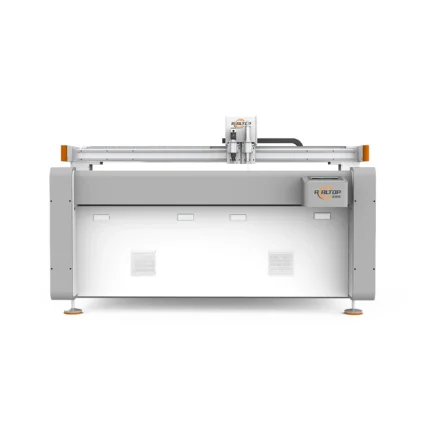
CNC Flatbed Cutter 2026 Digital Corrugated Box Making Machine
Product Introduction
High-precision CNC flatbed cutter designed for efficient cardboard box production. Ideal for 2026 digital corrugated box manufacturing, offering precise cutting and reliable performance for professional packaging solutions.
Key Specifications
| Type | CNC Flatbed Cutter |
| Application | Cardboard Box Production |
| Technology | 2026 Digital System |
| Material | Corrugated Board |

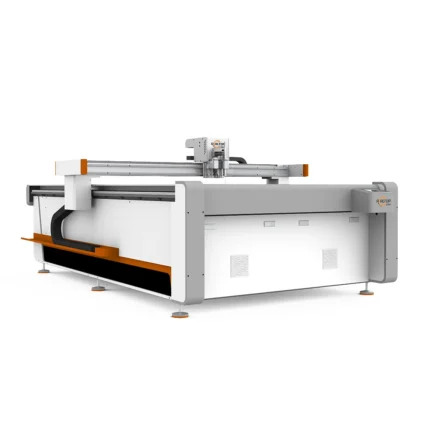
CNC Flatbed Oscillating Knife Cutting Machine 2026
Product Introduction
High-performance CNC Flatbed Oscillating Knife Cutting Machine 2026, ideal for precision cutting of various materials with advanced oscillating knife technology, ensuring efficient and accurate operations for industrial manufacturing needs.Specifications
| Model | 2026 |
| Type | CNC Flatbed Oscillating Knife Cutting Machine |

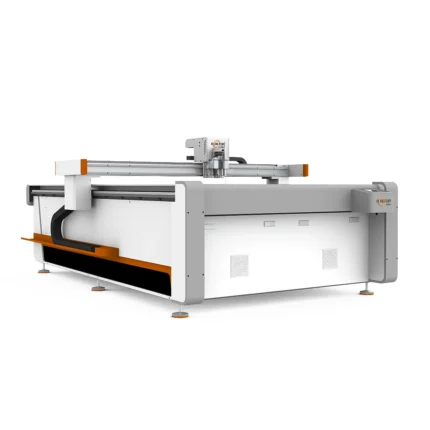
Realtop 2026 CNC Oscillating V-Cut Machine
Product Introduction
Realtop CNC Oscillating V-Cut Machine 2026 is a precision equipment designed for efficient V-cutting operations, ideal for various material processing needs with advanced CNC technology.
Key Specifications
| Model | Realtop CNC Oscillating V-Cut Machine 2026 |
| Type | CNC Oscillating V-Cut Machine |
| Application | Precision V-cutting operations |
| Feature | Advanced CNC technology |

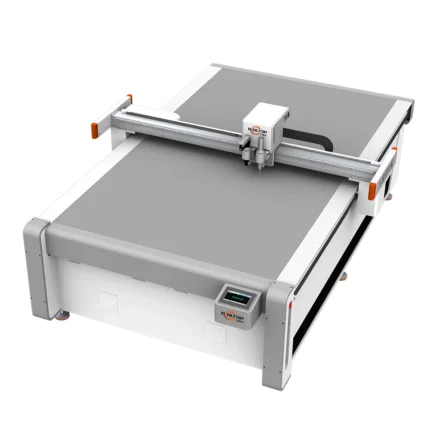
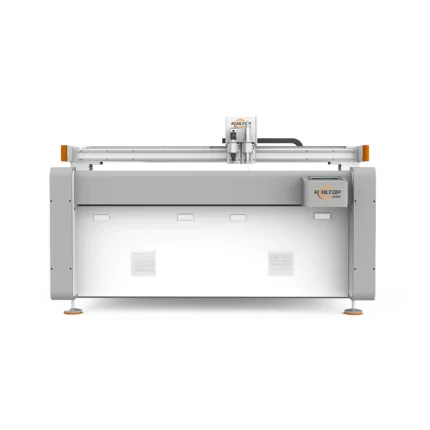
REALTOP 2026 Digital Industrial Cardboard Box Cutter
Product Introduction
REALTOP Digital Industrial Cardboard Box Cutter Machine 2026 is a professional industrial-grade cutting equipment designed for efficient cardboard box processing, ideal for manufacturing and packaging applications.
Product Parameters
| Model | 2026 |
| Type | Digital Industrial Cardboard Box Cutter |
| Application | Cardboard Box Processing |
| Feature | Industrial-grade, Efficient Cutting |

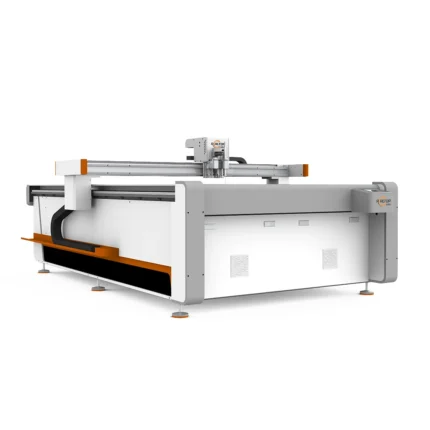
Realtop CNC Carton Box Cutter 2026 CCD Camera Honeycomb Cutting
Product Introduction
Realtop CNC Carton Box Cutter 2026 is a professional cutting solution featuring CCD Camera and Honeycomb Cutting technology, ideal for precise carton box processing with efficient performance.Product Parameters
| Model | Realtop CNC Carton Box Cutter 2026 |
| Vision System | CCD Camera |
| Cutting Technology | Honeycomb Cutting |

商品评价
There are no reviews yet.