


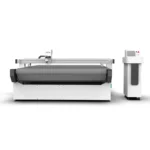
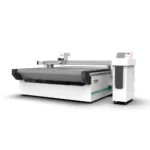
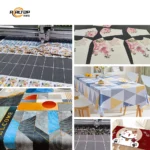


Silk Scarf Cutting Machine 2026 – Automatic Industrial CNC Textile Cutter
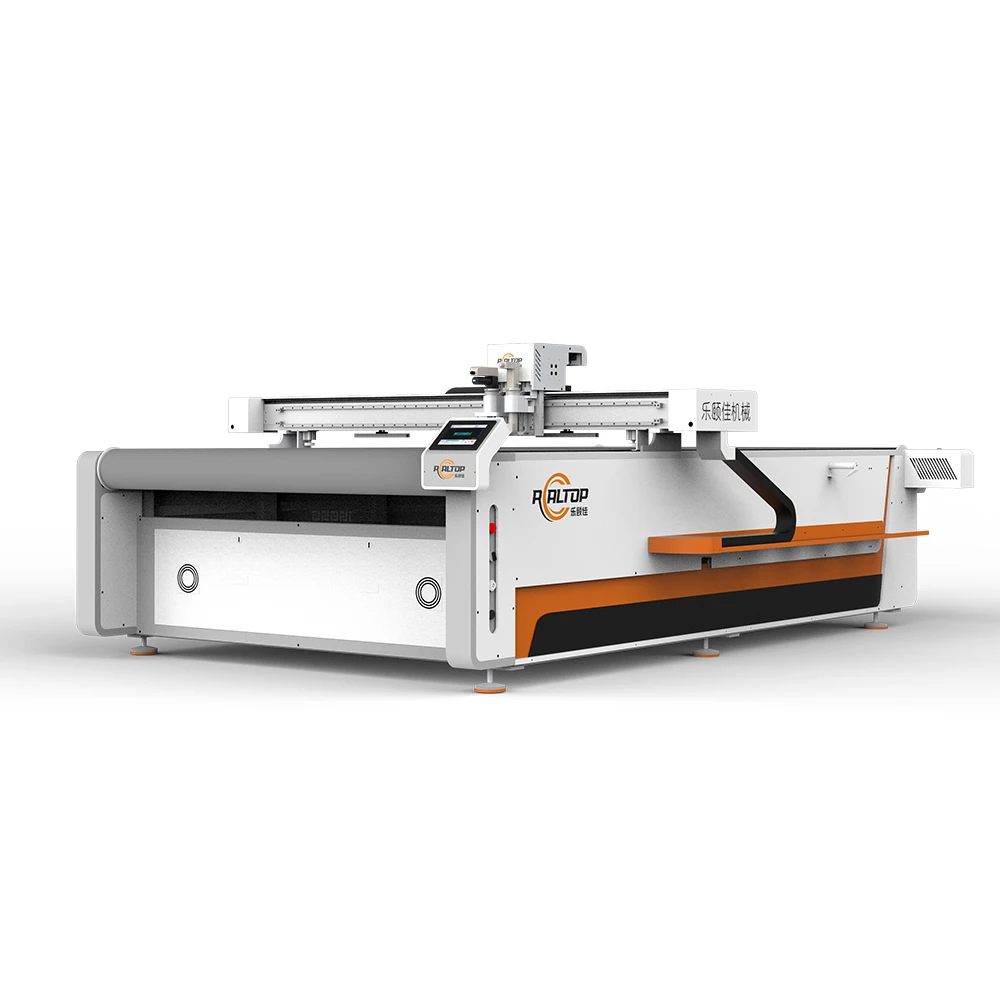
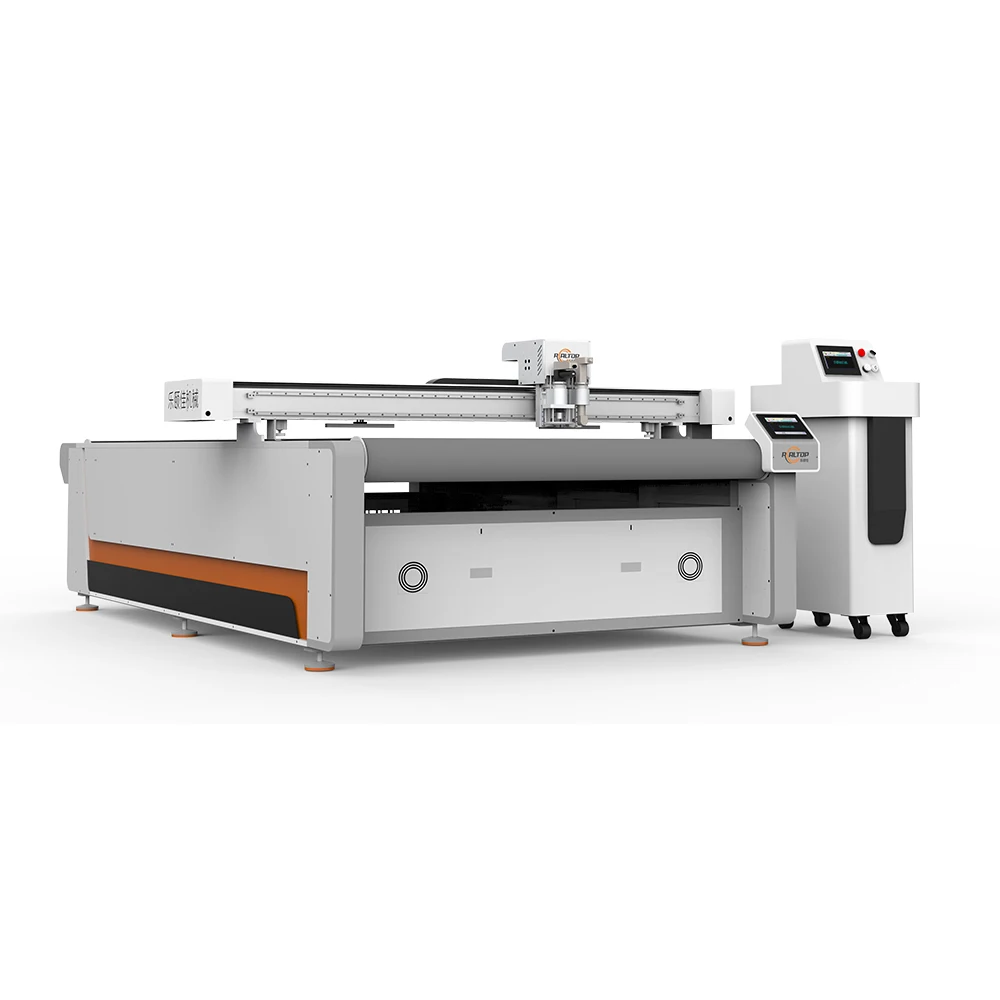
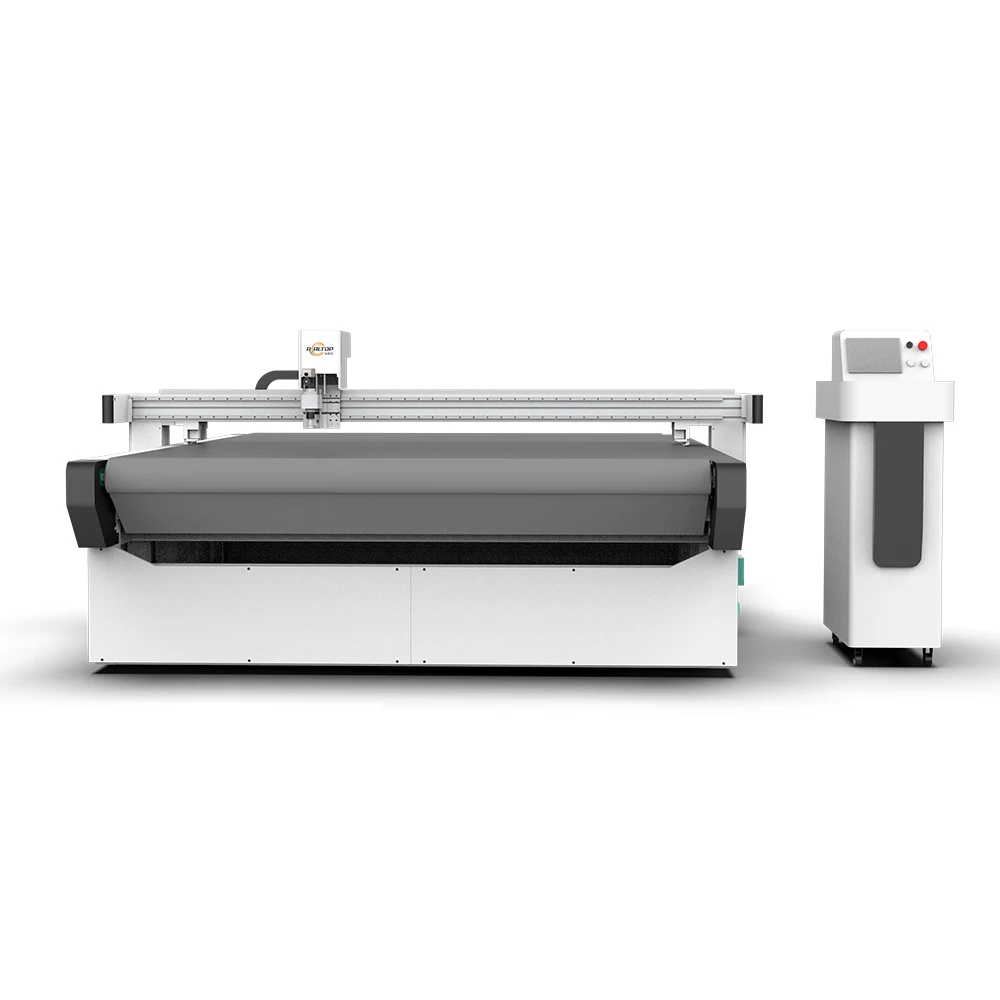
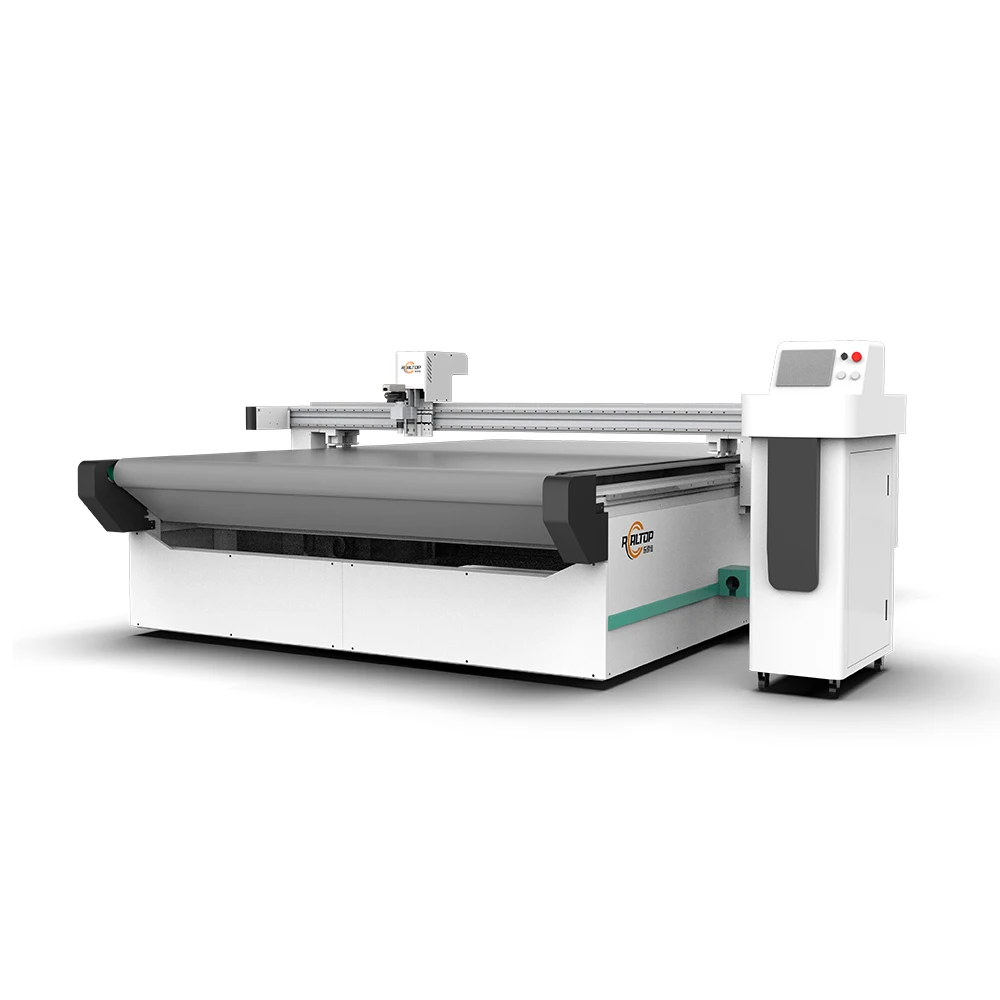
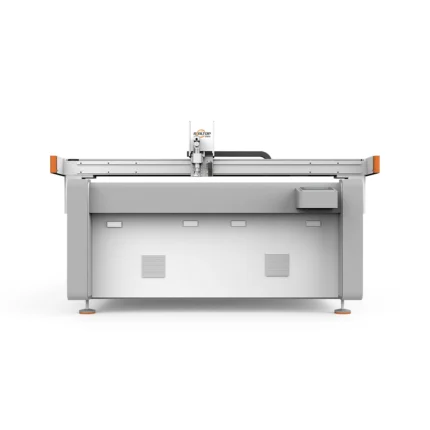
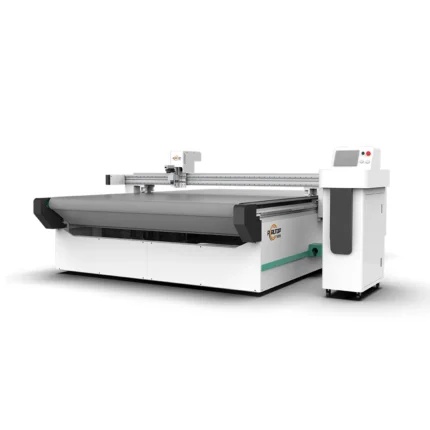
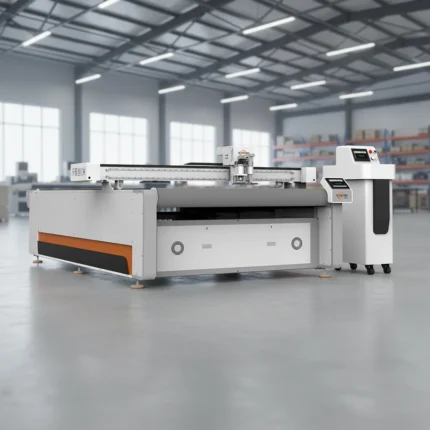
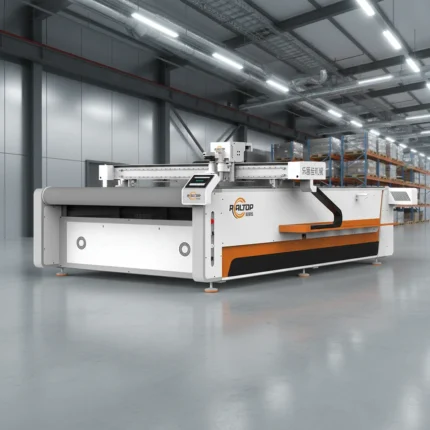
Silk Scarf Cutting Machine, 1600×2500mm Working Area, Oscillating Knife, ±0.1mm Accuracy — configured for delicate textile processing where cold knife cutting prevents scorching and fused edges common with laser methods.
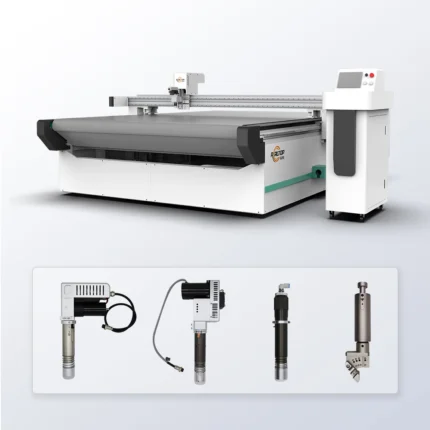
- Interchangeable tool heads matched to fabric weight and weave density
- Aluminum bellows vacuum table with zoning for secure adsorption of thin, slippery textiles
- DXF, AI, PDF file import for nesting workflow integration
Buyer’s own material sample cutting report provided before order confirmation, with tool head and vacuum configuration specified per fabric type.
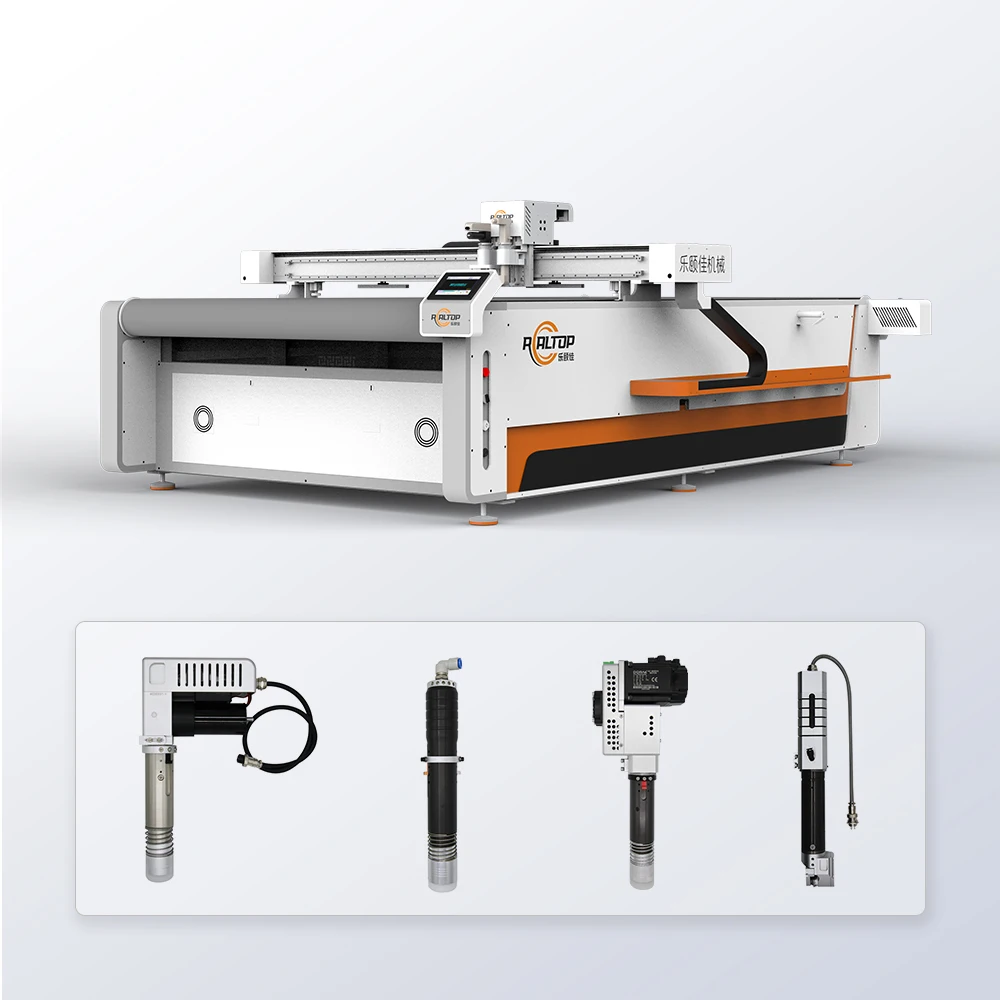
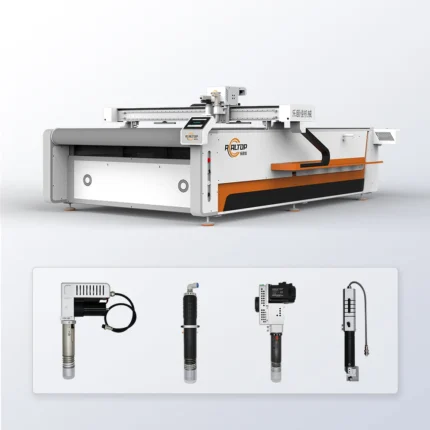
Cold-Knife Textile Cutting — Configured per fabric weight and weave with interchangeable oscillating, rotary, and kiss-cutting heads to preserve edge integrity on silk, lace, and technical composites without thermal damage.
Technical Specifications
| Parameter | Value |
|---|---|
| Product Type | CNC Oscillating Knife Cutting Machine for Textile |
| Working Area | 1600×2500 mm |
| Tool Head Options | Oscillating knife, Driven rotary knife, Creasing wheel, Kiss cutting tool, Pneumatic knife, Milling tool, V groove knife |
| Cutting Speed | 0–2000 mm/s |
| Cutting Thickness | ≤ 30 mm (basis not stated in source — confirm material type and layer count) |
| Positioning Accuracy | ±0.1 mm |
| Vacuum Pump Power | 9 kW |
| Control System | PLC control panel |
| Servo Motor Options | Panasonic, Delta, Dorna |
| Voltage Options | 110V, 220V, 380V |
| Supported File Formats | PLT, DXF, AI, PDF |
| Machine Dimensions (L×W×H) | 3300×2100×1350 mm |
| Safety Features | Infrared sensor device, emergency stop |
| Interface Language Options | English, Russian, Italian, Chinese, custom language support |
| Certification | CE |
Application Suitability
| Application | Material or Output |
|---|---|
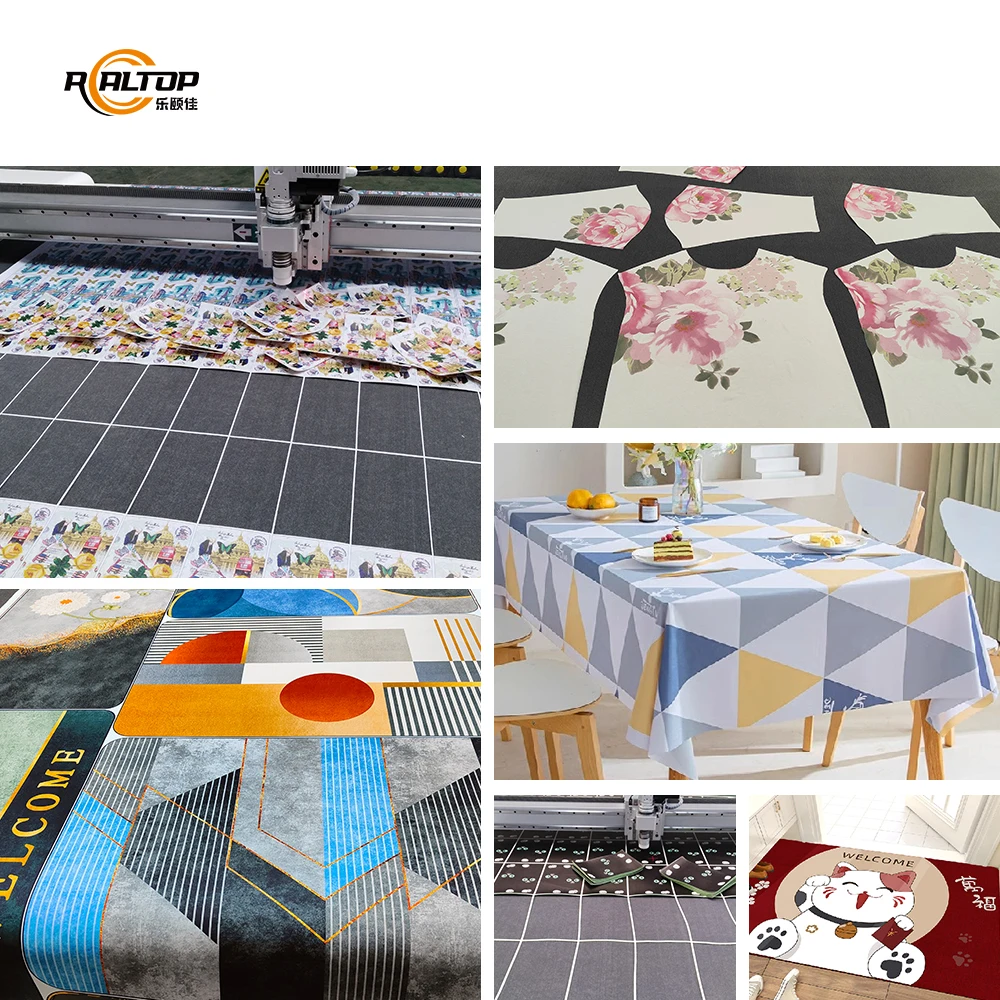
| Silk scarf and luxury accessory production | Lightweight silk, chiffon, and satin requiring burr-free, unfused edges |
| Apparel manufacturing | Suits, knitwear, lace, and complex woven or knitted fabrics |
| Automotive interior trimming | Seat fabrics, carpets, and PVC floor mats |
| Home textile converting | Sofa upholstery fabrics, curtains, and large-format rugs |
| Composite material processing | Carbon fiber prepreg and aramid layers for structural components |
What "Working Area" Tells You — and What It Hides About Fabric Holding
A 1600×2500 mm table is only useful if the vacuum system actually keeps lightweight silk flat at production speed.
I spent years watching textile converters buy machines based on table dimensions alone, then discover during commissioning that the vacuum zoning could not hold small pattern pieces down on lightweight fabrics. The silk lifted at the edges mid-cut, producing skewed contours and wasted material. This CNC textile cutting machine manufacturer addresses that gap with a 9 kW vacuum pump driving an aluminum bellows vacuum table, but the real question buyers need answered is how the table zones are configured for their specific pattern layout and fabric weight [NEED_CITE: vacuum table zoning standards for textile cutting equipment].
Tool Head Matching Determines Edge Quality on Delicate Fibers
Silk and fine synthetics respond differently to each cutting method. An oscillating knife works well on tightly woven fabrics and multi-layer stacks, while a driven rotary knife suits loose-weave and stretch materials where the blade needs to follow the fabric movement. Kiss cutting tools allow partial-depth scoring for appliqué or laminated textile work. This CNC textile cutting machine manufacturer offers seven interchangeable tool heads on a single machine frame, so a producer cutting silk scarves today can switch to automotive carpet work tomorrow without buying a separate unit.
Vacuum Adsorption and Flatness Tolerance on Thin Textiles
Thin, slippery fabrics like charmeuse silk or coated nylon require the table surface to maintain uniform flatness across the entire working area. Any dip or crown causes the material to bridge between vacuum zones, leaving sections unheld during the cut pass. The aluminum bellows table design on this machine provides the flatness tolerance needed for repeat positioning accuracy of ±0.1 mm. For multi-layer cutting up to 30–50 mm thickness (basis not stated in source — confirm fabric type and layer density), the vacuum system must generate enough localized suction to compress the stack while the knife penetrates [NEED_CITE: multi-layer fabric cutting vacuum requirements for textile manufacturing].
Reading the Specifications Beyond the Brochure Numbers
The cutting speed range of 0–2000 mm/s represents the servo-driven travel capability, but actual cutting speed on silk scarf production depends on fabric weight, layer count, and the complexity of the contour path. High speed on a straight cut is straightforward; maintaining ±0.1 mm accuracy through tight radii on stretch knit requires the servo system — available with Panasonic, Delta, or Dorna motors — to decelerate and track precisely. The PLC control panel processes DXF, AI, PDF, and PLT files, which covers most nesting software outputs used in garment and textile workflows. Voltage configurability across 110V, 220V, and 380V means the electrical specification must be confirmed against the buyer’s workshop supply before the machine enters production, not after it arrives.
The Cost of Specifying the Wrong Tool Head for Your Fabric
I once visited a workshop where the operator was cutting silk twill with an oscillating knife configured for heavy canvas. The blade frequency was too aggressive, pulling threads at the cut edge and leaving a frayed finish on every piece. Switching to a driven rotary head and adjusting the vacuum zone map resolved the issue within an afternoon, but the factory had already scrapped two full production runs. Choosing the wrong tool head for lightweight or coated textiles produces ragged edges, crushed fibers, or delaminated layers — defects that often go unnoticed until the finished product reaches quality inspection [NEED_CITE: tool head selection impact on textile edge quality].
Why Source This Machine From the Factory That Builds It
This CNC textile cutting machine manufacturer designs and assembles both knife and laser cutting systems in-house, which means the cutting method recommendation comes from engineers who understand both technologies and can match the process to the material rather than forcing one approach. Every machine ships with a sample cutting report produced on the buyer’s own fabric, so edge quality and dimensional accuracy are verified before commitment. The tool head and vacuum table configuration is specified per material weight and thickness, not left as a generic default. Voltage, plug type, and control language are confirmed before production begins, eliminating the mismatch that leaves machines idle in the workshop waiting for a transformer or a language patch. File format compatibility with the buyer’s existing nesting software is tested during the sample phase.
Documentation & Verification
- Machine specification sheet listing all seven tool head options and their rated material ranges
- Electrical schematic confirming voltage, frequency, and plug type for destination market
- Sample cutting report on buyer’s own silk or target fabric with edge quality photographs
- Factory test record documenting positioning accuracy and vacuum adsorption performance
- Software licence and file format compatibility note for DXF, AI, PDF, and PLT workflows
- Spare parts list with recommended consumables for oscillating knife blades and vacuum seals
Installation, Commissioning & Support
- Requires a level concrete floor to support the 3300×2100×1350 mm machine footprint without deflection
- Dedicated electrical circuit matching confirmed voltage (110V, 220V, or 380V) with appropriate breaker rating
- 9 kW vacuum pump requires separate power feed and exhaust routing for textile dust extraction
- First-run commissioning includes tool head calibration, vacuum zone mapping, and servo tuning for ±0.1 mm accuracy
- Operator training covers PLC panel navigation, file import from nesting software, and tool changeover procedures
- Preventive maintenance schedule for blade replacement intervals, vacuum filter cleaning, and belt tension checks
Before Requesting a Quotation
Send us a sample of the fabric or textile material you intend to cut, along with the target thickness or number of layers for multi-ply production. Specify your workshop voltage and frequency, the control interface language your operators require, and the file format your current nesting or design software exports. If you run mixed materials — for example, silk scarves and PVC mats on the same line — indicate the full range so the tool head package covers every application.
Frequently Asked Questions
Q: How do I confirm cutting thickness for multi-layer silk versus heavier woven fabrics?
A: Cutting thickness depends on fabric density, weave type, and compression under vacuum. The machine handles up to 30 mm as a general reference, but multi-layer silk stacks compress differently than canvas or denim. We run a sample cutting test on your actual material to verify achievable layer count and edge quality before the order is finalized.
Q: Which tool head is correct for lightweight silk compared to coated technical textiles?
A: Lightweight, slippery fabrics typically suit a driven rotary knife that follows the material without pulling. Coated or laminated textiles often require an oscillating knife at specific frequency settings. We configure the tool head package based on your sample material and production mix, rather than shipping a single default head.
Q: What voltage and language options are available for different export markets?
A: The machine supports 110V, 220V, and 380V configurations, with control interface available in English, Russian, Italian, Chinese, and custom languages. Voltage and plug type must be confirmed before production begins to match your workshop electrical supply and avoid post-delivery transformer requirements.
Q: How does vacuum table zoning affect small or irregular pattern pieces?
A: Small pieces require concentrated vacuum zones to prevent lifting during cutting. The aluminum bellows table with 9 kW pump provides the adsorption force needed, but the zone map must be configured for your typical pattern layout. We verify holding performance on your actual pattern files during the sample cutting phase.
Q: Is the control software compatible with my existing nesting and design workflow?
A: The PLC system imports PLT, DXF, AI, and PDF formats, covering most industry nesting software outputs. We test compatibility with your specific files during the sample phase to confirm that contour data, layer assignments, and tool path instructions transfer correctly without manual rework.


Related products
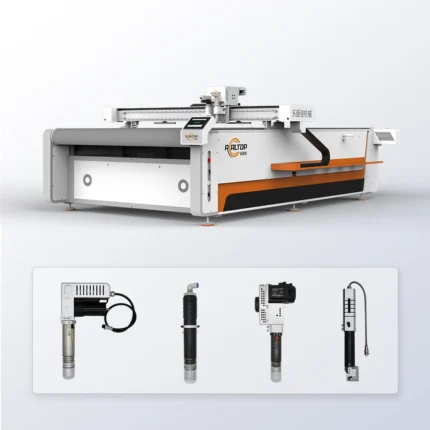
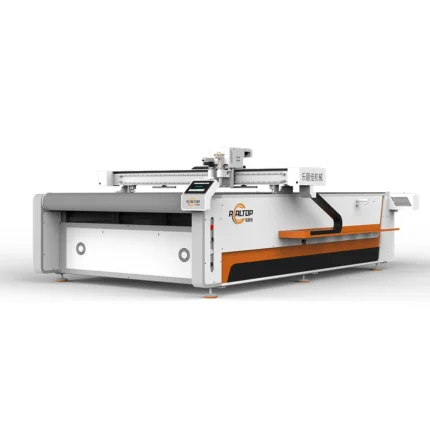
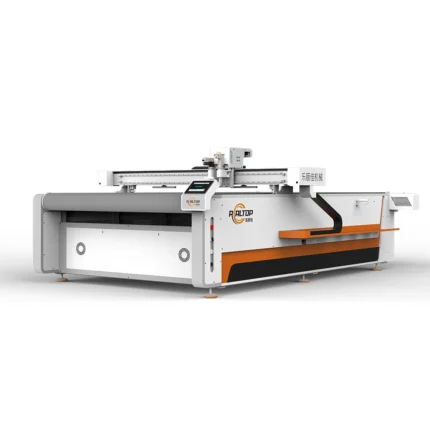
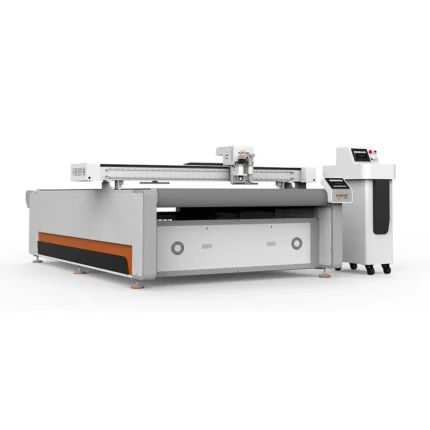
2026 Auto CNC Cloth Cutting Machine High-Precision Fabric Leather Plotter
Product Introduction
2026 Auto CNC Cloth Cutting Machine, a high-precision fabric & leather plotter designed for efficient cutting. Ideal for textile and leather industries with advanced CNC technology.
Key Specifications
| Model | Auto CNC Cloth Cutting Machine 2026 |
| Application | Fabric & Leather |
| Precision | High-Precision Cutting |
| Type | CNC Plotter |
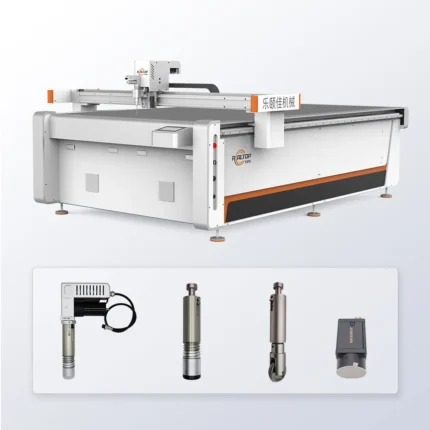
2026 Carbon Fiber Cloth Cutting Machine – China Manufacturer
Product Introduction
Fabric Sample Cutter Pillow Machine ¨C 2026 Carbon Fiber Cloth Cutting Machine, ideal for precise cutting of carbon fiber cloth and fabric samples, suitable for pillow production and related textile applications.Product Parameters
| Name | Fabric Sample Cutter Pillow Machine |
| Model | 2026 |
| Material | Carbon Fiber Cloth |
| Application | Pillow Fabric Cutting |
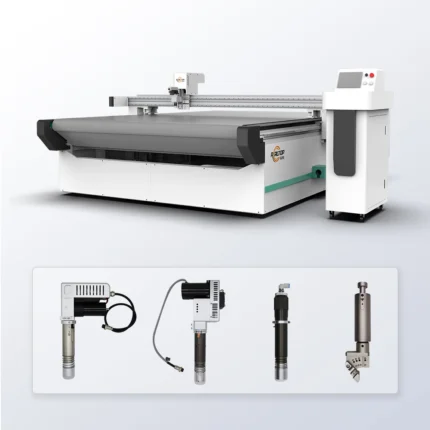
2026 Flatbed Oscillating Knife Cutter 1600x3500mm Auto-Feeding Textile
Product Overview
Flatbed Oscillating Knife Cutting Machine 2026 is a high-precision textile fabric cutter with auto-feeding function, ideal for efficient and accurate cutting tasks in textile manufacturing. It combines advanced oscillating knife technology with a large working area to meet industrial production needs.Key Specifications
| Model | 2026 |
| Working Area | 1600x3500mm |
| Feeding System | Auto-Feeding |
| Cutting Type | Oscillating Knife |
| Application | Textile Fabric |
Automatic Fabric Cutting Machine 1200mm Delta Servo 2026
Product Parameters
| Cutting Width | 1200mm |
| Servo System | Delta Servo |
| Model Year | 2026 |
Introduction
High-performance Automatic Fabric Cutting Machine with 1200mm cutting width, equipped with Delta Servo for precision. Ideal for efficient fabric processing in textile industry, ensuring accurate and fast cutting operations.
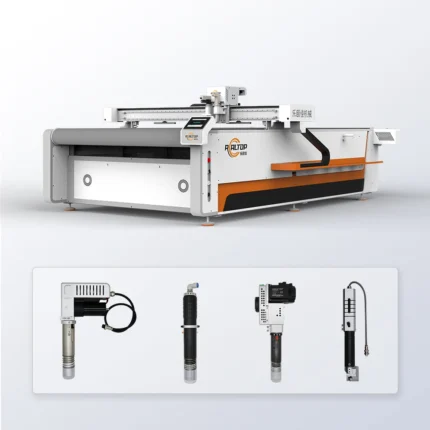
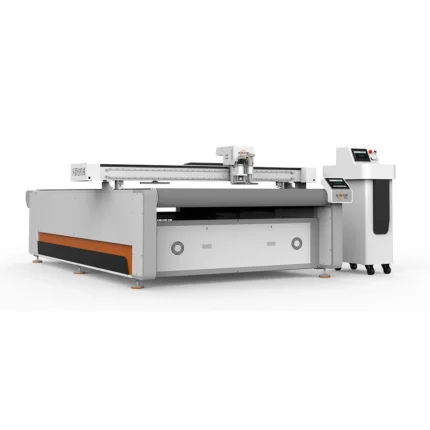
Custom CNC Shirt Fabric Cutting Machine 2026
Product Introduction
Custom CNC Shirt Fabric Cutting Machine 2026, ideal for precise fabric cutting in garment manufacturing, offering efficient and accurate cutting solutions.
Product Parameters
| Model | Custom CNC Shirt Fabric Cutting Machine 2026 |
| Type | CNC Fabric Cutting Machine |
| Application | Shirt Fabric Cutting |
| Year | 2026 |
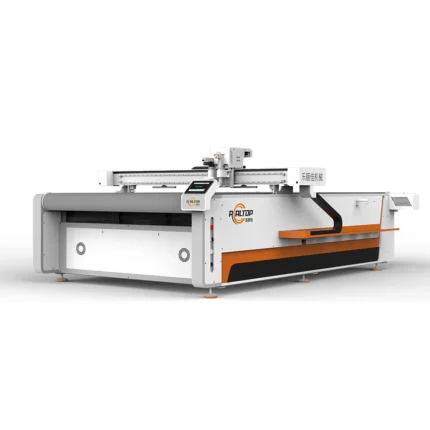

Electric Fabric Rotary Cutter 2026 12V Auto-Cut Industrial
Product Introduction
Industrial-grade Electric Fabric Rotary Cutter designed for precise cutting of scan-printed cloth. Features 12V auto-cut functionality for efficient, automated operation, ideal for professional textile processing.Product Parameters
| Power Supply | 12V |
| Function | Auto-Cut |
| Application | Scan-Printed Cloth |
| Type | Industrial Electric Rotary Cutter |
商品评价
There are no reviews yet.