

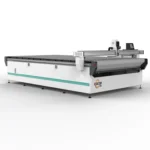
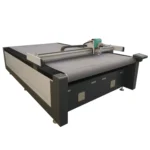
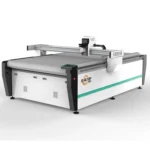
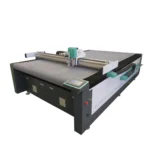
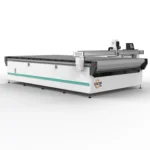

Single Ply Oscillating Knife Cutter for Fabric – Factory Direct
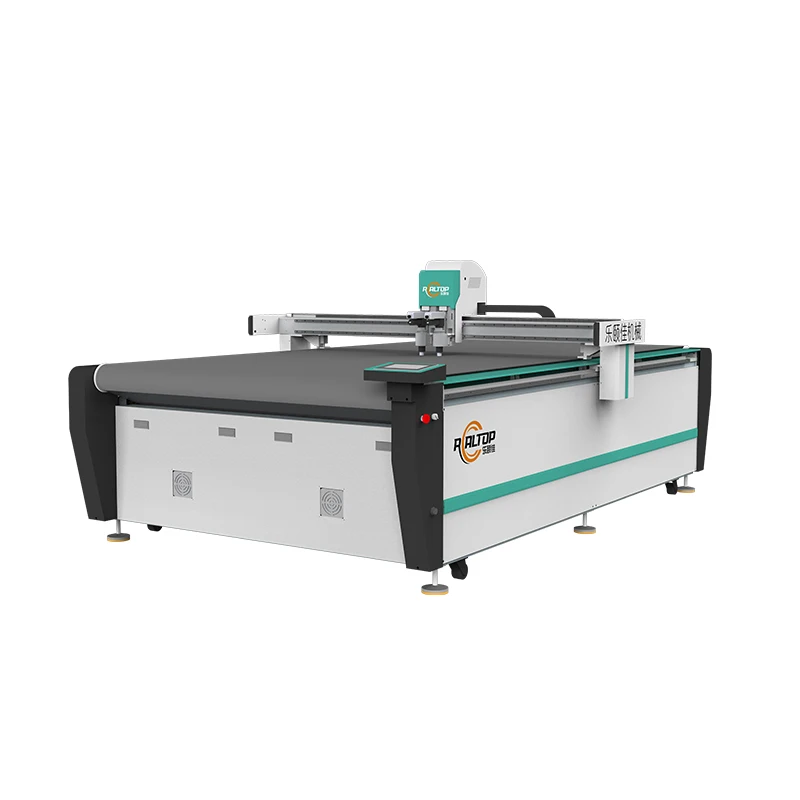
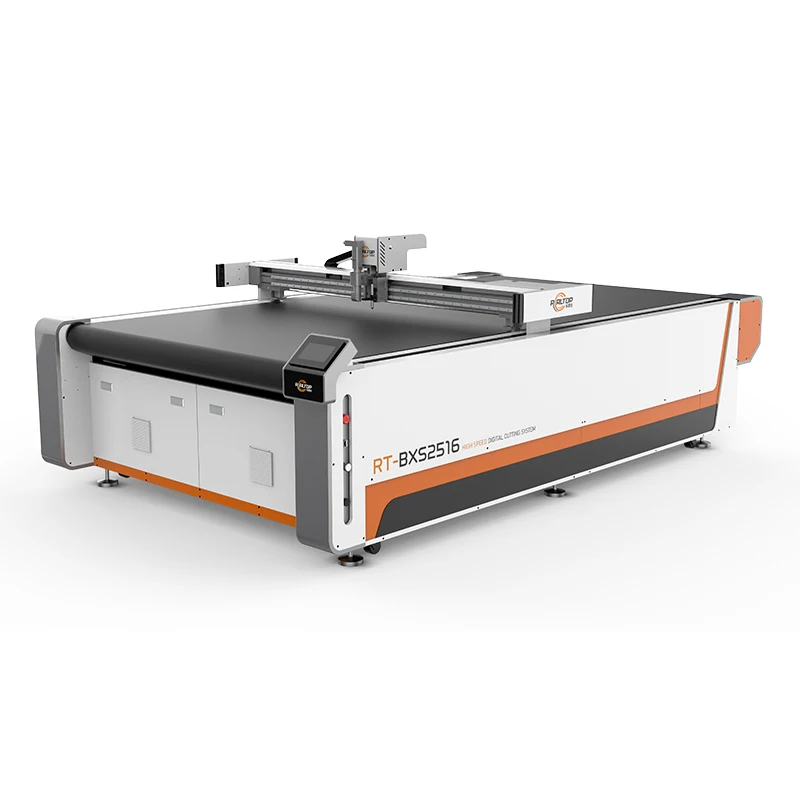
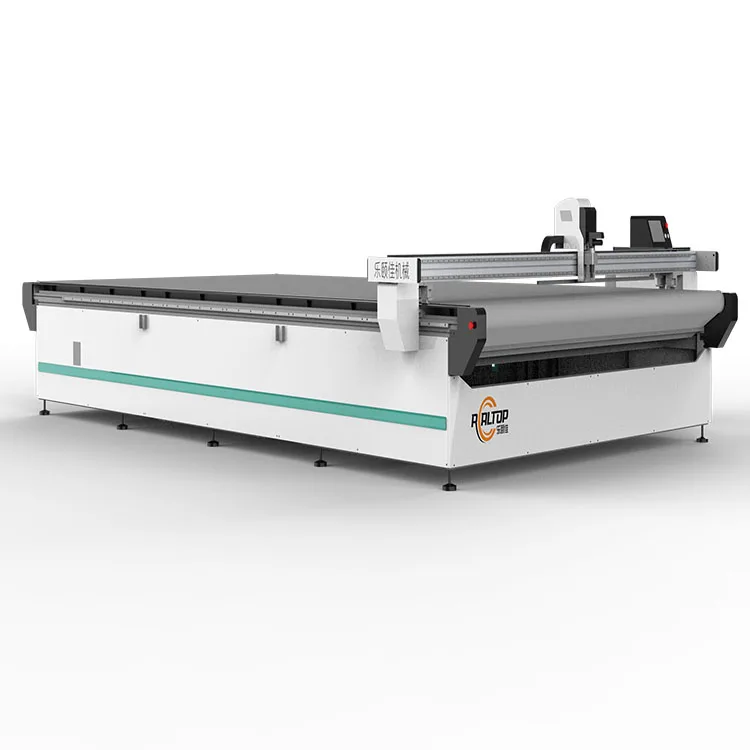
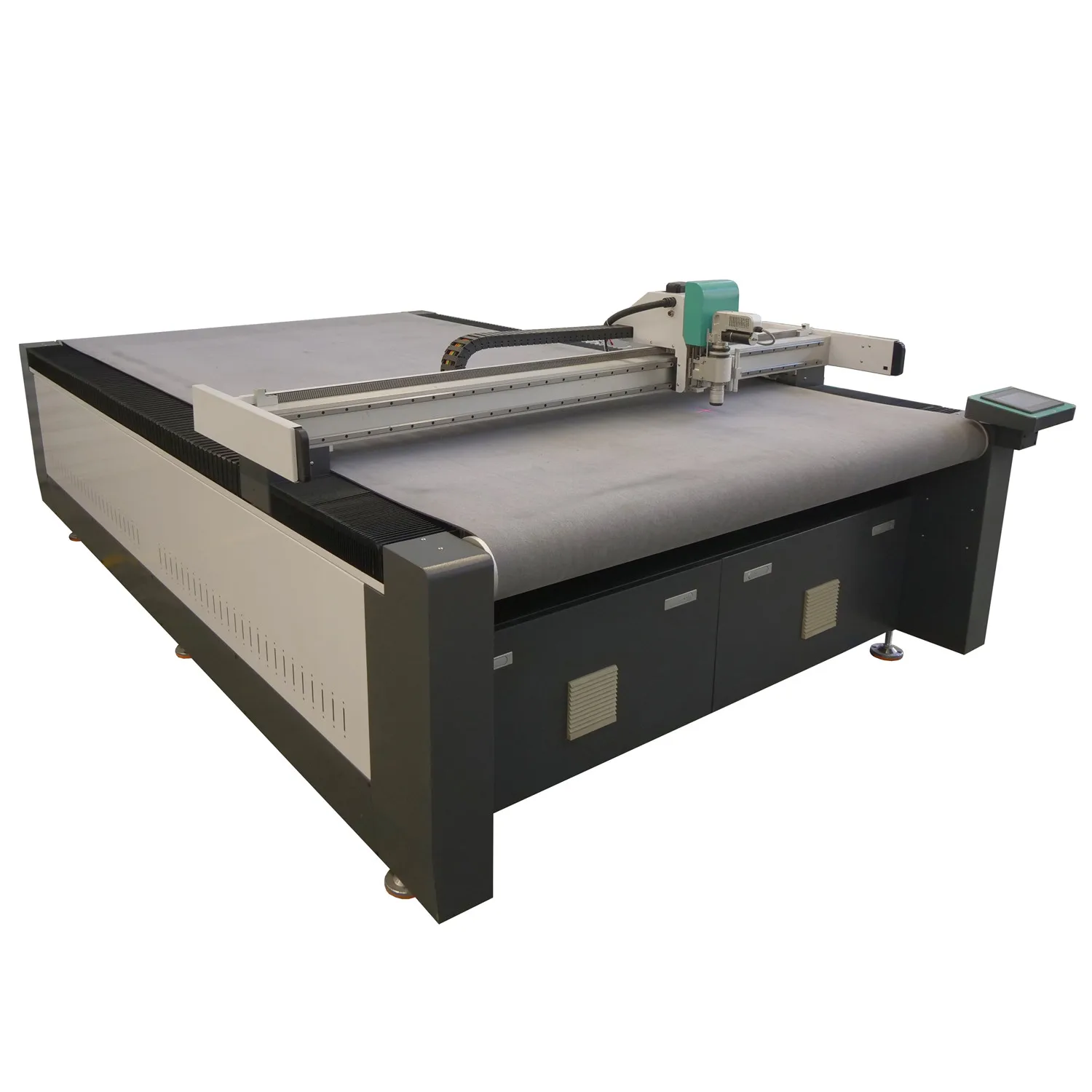
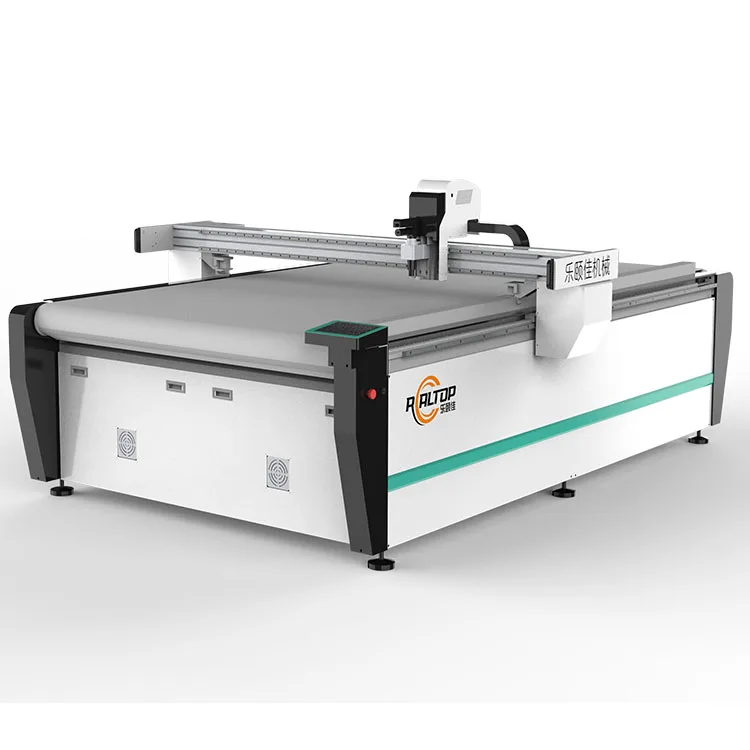
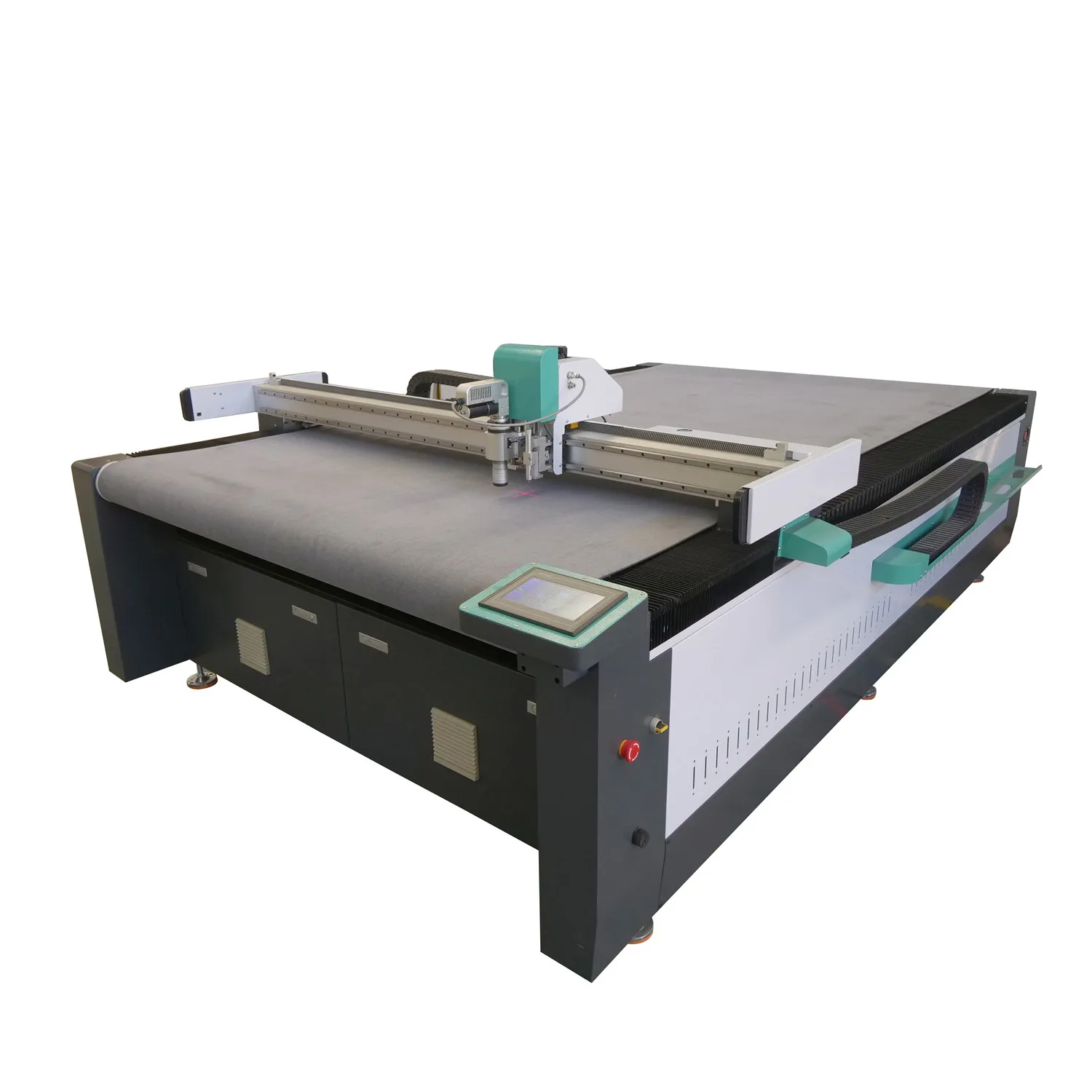
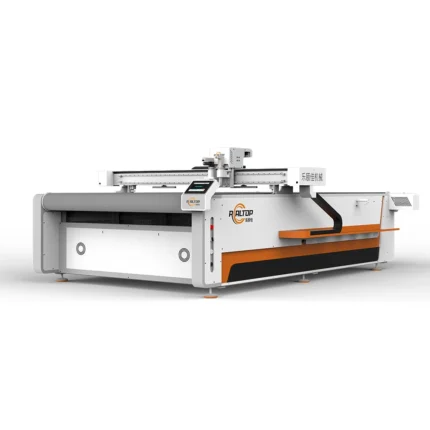
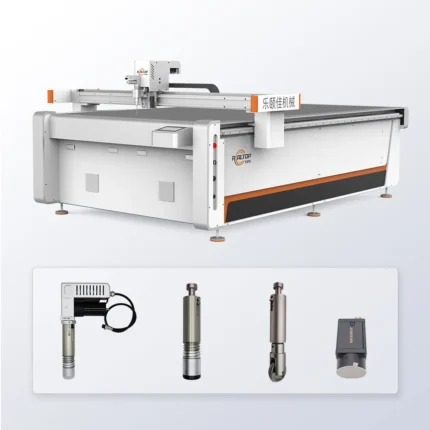
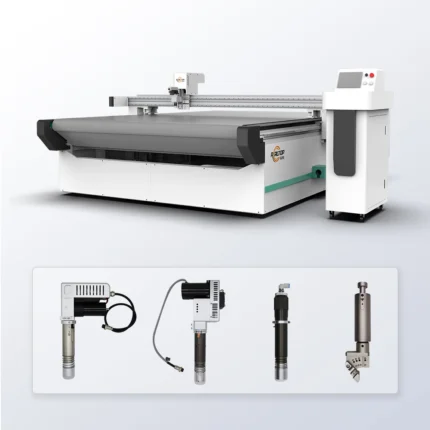
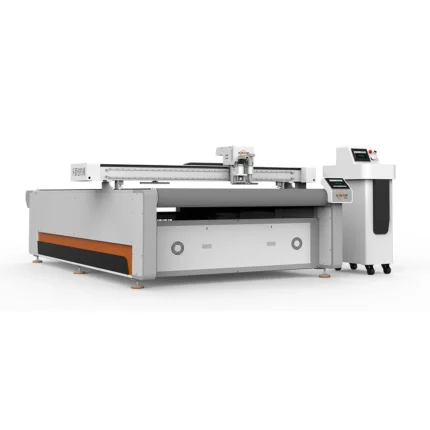
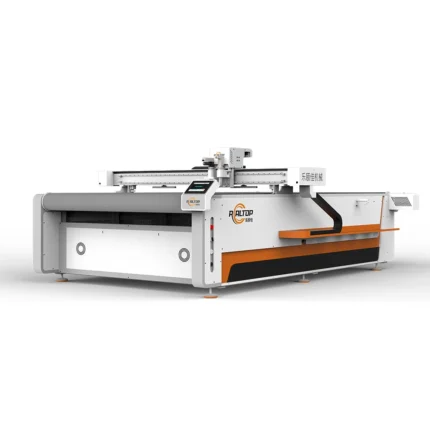
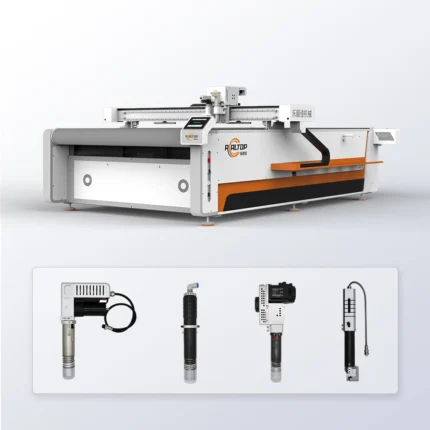
RT-D2516/RT-S2516 CNC Oscillating Knife Cutting Machine, 1600×2500mm working area, ≤100mm cutting thickness — configured with magnesium-aluminum alloy vacuum adsorption table and multi-tool head options including oscillating knife, drag knife, creasing wheel and punching for fabric, leather and composite material processing.
-
Evaluating laser versus blade cutting for your fabric or foam? This system delivers clean, burr-free edges without thermal discoloration, and sample cutting on your own material lets you verify edge quality and throughput before commitment.
-
In-house design covers both knife and laser technologies, so you can match the cutting method to your material rather than force one approach — with voltage, control language and tool head configuration confirmed before shipment.
Multi-Method Cutting Capability — we build both knife and laser systems under one roof, so fabric and leather buyers can verify which thermal or mechanical process suits their material before committing to a single machine.
Technical Specifications
| Parameter | Value |
|---|---|
| Product Type | CNC Oscillating Knife Cutting Machine |
| Model | RT-D2516 / RT-S2516 |
| Working Area | 1600 × 2500 mm |
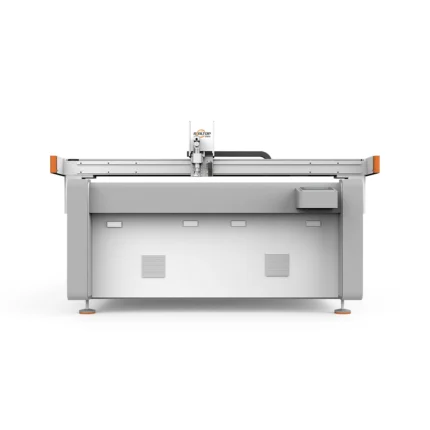
| Machine Dimensions | 3450 × 2300 × 1250 mm |
| Rated Power | 9 kW |
| Voltage | 380V ± 10% |
| Translational Velocity | 800 – 2000 mm/s |
| Maximum Cutting Thickness | ≤ 100 mm (varies with material density and tool head) |
| Repeated Accuracy | ≤ 0.1 mm |
| Transmission System | Digital servo motor, linear guide, synchronous belt, ball screw |
| Table Type | Flat working table or auto-feeding table with magnesium-aluminum alloy vacuum adsorption |
| Vacuum Pump | 7.5 kW |
| Servo Motor | Delta (Panasonic optional) |
| Guide Rail | Taiwan Hiwin |
| Conveyor Belt | Germany imported |
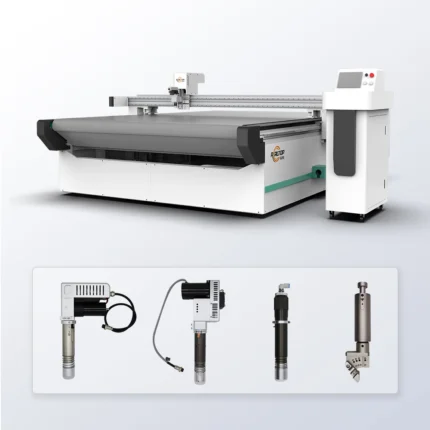
| Tool Head Options | Oscillating knife, drag knife, pneumatic knife, circular knife, V-cutting knife, creasing wheel, punching, brush (others available) |
| Instruction Format | HP-GL compatible |
| Software | Auto typesetting supporting PLT, DXF, AI |
| Control Interface | Touch screen with multi-language support (English, Russian, Italian, Chinese, customizable) |
| Safety Devices | Infrared sensors, anti-collision, emergency stop |
| Standards | CE |
Application Suitability
| Application | Material or Output |
|---|---|
| Garment and footwear production | Single-ply and multi-ply fabric, leather, synthetic textile, shoe uppers, lining |
| Automotive interior trim | Leather hides, PU composites, sound-dampening foam, headliner fabric |
| Sealing and gasket fabrication | Rubber, PTFE, ETFE, non-woven fiber, silicone sheet |
| Soft furnishings and upholstery | Carpet, sponge, PU foam, EVA, XPE, non-woven fabric |
| Luggage and bag manufacturing | PVC, PU, Oxford cloth, canvas, composite board |
| Advertising and signage | Vinyl, sticker film, flexible banner, corrugated board |
Why Edge Discoloration Happens When You Default to Laser
A physical blade eliminates thermal damage that no amount of air assist can fix on heat-sensitive synthetics.
Many buyers spec a CO2 laser cutting and engraving machine for fabric work without realizing that polyester, nylon, and PVC-based textiles melt or char at the cut edge, producing discoloration and hardened seams that fail downstream quality checks. For these materials, a CO2 laser cutting and engraving machine simply introduces a thermal variable that a blade does not. The RT-D2516 / RT-S2516 oscillating knife system removes heat from the equation entirely, leaving a clean mechanical shear on woven, non-woven, and coated fabrics [NEED_CITE: thermal degradation thresholds for common synthetic textiles].
Blade Mechanics Versus Thermal Cutting on Flexible Materials
An oscillating knife vibrates at high frequency to slice through fabric layers without dragging or fraying the edge, which is the primary failure mode when a drag knife is forced through multi-ply layups. The tool head options on this CO2 laser cutting and engraving machine alternative include oscillating, drag, pneumatic, and circular knives, each matched to a specific material behavior rather than treated as interchangeable. A buyer cutting automotive headliner foam at 30 mm will get a different edge profile from an oscillating knife than from a high-power vibrating knife, and the correct choice depends on density and backing composition.
Vacuum Zoning and Material Hold-Down Integrity
The magnesium-aluminum alloy vacuum table paired with a 7.5 kW pump provides zoned adsorption across the 1600 × 2500 mm surface. Small garment pattern pieces tend to lift at the trailing edge when vacuum zones are too broad, causing the blade to catch and produce ragged cuts. Zoned control means operators can activate only the sections under active cutting, concentrating suction where it matters. For auto-feeding configurations, the Germany-imported conveyor belt feeds roll goods continuously while vacuum maintains flat registration through the cutting zone [NEED_CITE: vacuum hold-down requirements for flexible sheet materials].
What the Spec Sheet Numbers Actually Mean on the Floor
The ≤ 0.1 mm repeated accuracy figure matters most when nesting tight garment patterns where a 0.3 mm drift across a 2500 mm stroke wastes an entire panel width of premium leather. Imported digital servo motors driving Taiwan Hiwin linear guides maintain positional repeatability across the full working area, which is the mechanical foundation that software nesting depends on. Translational velocity of 800 – 2000 mm/s is the travel speed between cuts, not the cutting speed itself — actual cutting speed depends on material thickness and tool head resistance. The 9 kW rated power covers the servo system, vacuum pump load, and control electronics operating simultaneously, so buyers should confirm their shop circuit can deliver 380V ± 10% on a dedicated breaker before installation.
The Cost of Skipping the Tool-Head Conversation
Buyers who select a cutting table based on working area alone often discover mid-production that the default drag knife produces crushed edges on foam or frayed hems on loose-weave fabric. Wrong tool selection is the most common cause of material waste on these systems, and the loss compounds daily across production volumes. A gasket manufacturer cutting PTFE sheet will need a different blade geometry and oscillation frequency than a shoe factory cutting layered leather, and no single default configuration covers both [NEED_CITE: material-specific tool head selection for CNC knife cutting].
Why Sourcing Directly From the Manufacturer Matters Here
In-house design and production of both knife and laser systems means we can honestly tell a buyer when a CO2 laser cutting and engraving machine is the wrong choice for their material and redirect them to a knife platform instead. Tool head and table configurations are specified per material sample, not pulled from a standard catalog page. Voltage, plug type, and control panel language are confirmed before production starts, reducing arrival-site surprises. Sample cutting on the buyer’s own material provides a physical record of edge quality, cutting depth, and cycle time before any order commitment is made.
Documentation & Verification
- Machine specification sheet listing all tool heads and table zones confirmed against your material
- Electrical schematic with voltage and frequency matched to your facility supply
- Sample cutting report on your fabric type, thickness, and sheet size with edge photos
- Software license and file format compatibility note for PLT, DXF, and AI workflows
- Factory test record documenting repeated accuracy across the full working area before crating
- Spare parts list with oscillating knife blades, vacuum cups, and belt segments identified
Installation, Commissioning & Support
- Floor space allocation of at least 4000 × 3000 mm accounting for the 3450 × 2300 mm footprint and operator clearance
- Dedicated 380V circuit with breaker rated above the 9 kW system draw plus vacuum pump startup surge
- Machine arrives with tool head and vacuum table pre-assembled; gantry alignment verified on-site during commissioning
- Touch screen language set to operator preference during installation, with HP-GL instruction format walkthrough
- First-run parameter tuning on your actual material, adjusting oscillation frequency and feed rate per tool head
- Replacement blade inventory and vacuum belt inspection schedule established before operator training concludes
Preparing Your Inquiry
Share your primary fabric or flexible material type, single-ply or multi-ply thickness, and maximum sheet or roll width so we can recommend the correct tool head and table configuration. Confirm your facility voltage, frequency, and preferred control language so the electrical and interface build matches your shop floor from day one.
Frequently Asked Questions
Q: How do I decide between a CO2 laser cutting and engraving machine and an oscillating knife for my fabric?
A: The decision depends on your material’s heat sensitivity. Synthetics like polyester and PVC discolor or melt under laser thermal processing, while natural fibers may seal cleanly. We run a sample cut on your actual material using both methods so you can compare edge quality, odor, and downstream sewing performance before choosing a platform.
Q: Can the control interface be set to our local language before the machine ships?
A: Yes. The touch screen supports English, Russian, Italian, and Chinese as standard options, with additional languages configurable during production. We confirm the operator’s preferred language during the specification review stage so the interface is ready on first power-up.
Q: Which tool head should I specify for cutting layered leather versus single-ply woven fabric?
A: Layered leather typically requires a high-power oscillating knife with controlled downstroke to prevent hide shifting between plies, while single-ply woven fabric works best with a standard oscillating knife at higher frequency. We recommend a sample cut on both configurations using your actual leather weight and fabric GSM.
Q: Will my existing CAD files import directly into the nesting software?
A: The auto typesetting software natively reads PLT, DXF, and AI formats. We verify your specific file structure and nesting workflow during the pre-order stage and provide a compatibility note confirming which import settings preserve your pattern geometry and grain-line markers.
Q: What happens if the voltage at my facility does not match the standard 380V?
A: The system accepts 380V ± 10%, and we configure the transformer and motor windings to your confirmed supply voltage and frequency before assembly. Provide a utility specification sheet or electrician report with your inquiry so we can match the electrical build precisely.


Related products
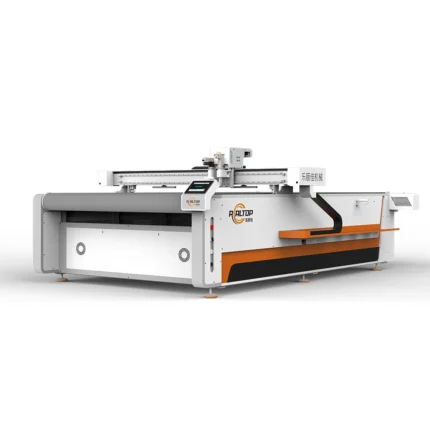
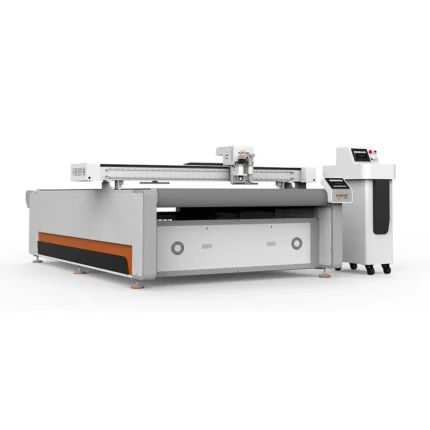
2026 Auto CNC Cloth Cutting Machine High-Precision Fabric Leather Plotter
Product Introduction
2026 Auto CNC Cloth Cutting Machine, a high-precision fabric & leather plotter designed for efficient cutting. Ideal for textile and leather industries with advanced CNC technology.
Key Specifications
| Model | Auto CNC Cloth Cutting Machine 2026 |
| Application | Fabric & Leather |
| Precision | High-Precision Cutting |
| Type | CNC Plotter |
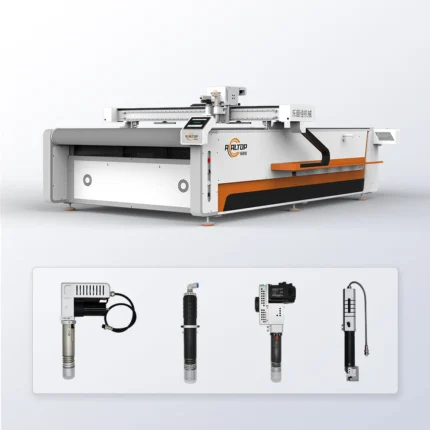
2026 Carbon Fiber Cloth Cutting Machine – China Manufacturer
Product Introduction
Fabric Sample Cutter Pillow Machine ¨C 2026 Carbon Fiber Cloth Cutting Machine, ideal for precise cutting of carbon fiber cloth and fabric samples, suitable for pillow production and related textile applications.Product Parameters
| Name | Fabric Sample Cutter Pillow Machine |
| Model | 2026 |
| Material | Carbon Fiber Cloth |
| Application | Pillow Fabric Cutting |
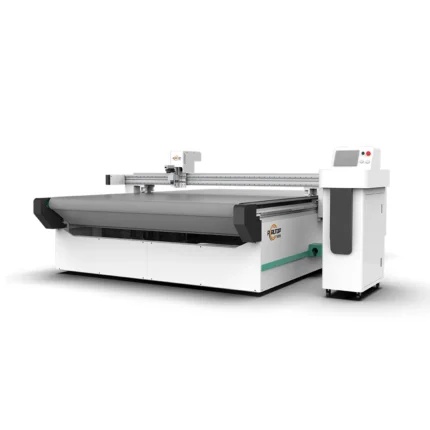
2026 Flatbed Oscillating Knife Cutter 1600x3500mm Auto-Feeding Textile
Product Overview
Flatbed Oscillating Knife Cutting Machine 2026 is a high-precision textile fabric cutter with auto-feeding function, ideal for efficient and accurate cutting tasks in textile manufacturing. It combines advanced oscillating knife technology with a large working area to meet industrial production needs.Key Specifications
| Model | 2026 |
| Working Area | 1600x3500mm |
| Feeding System | Auto-Feeding |
| Cutting Type | Oscillating Knife |
| Application | Textile Fabric |
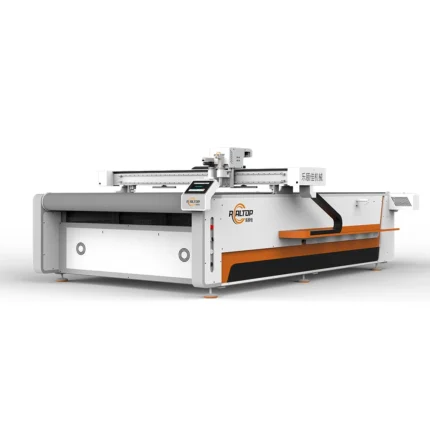
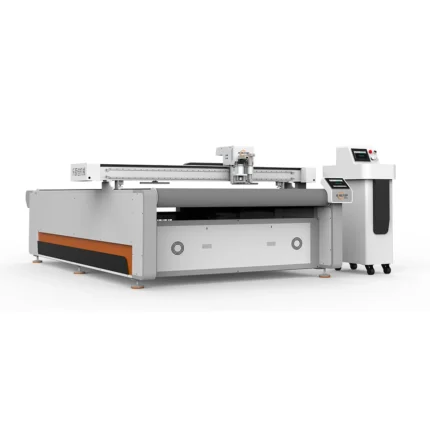
2026 Inflatable Surf SUP Board Cutting Machine
Product Introduction
Ideal for inflatable surf SUP board production, this 2026 cutting machine ensures precise and efficient cutting, tailored for manufacturers seeking reliable performance in water sports equipment manufacturing.
Specifications
| Application | Inflatable Surf SUP Board |
| Type | Cutting Machine |
| Model Year | 2026 |
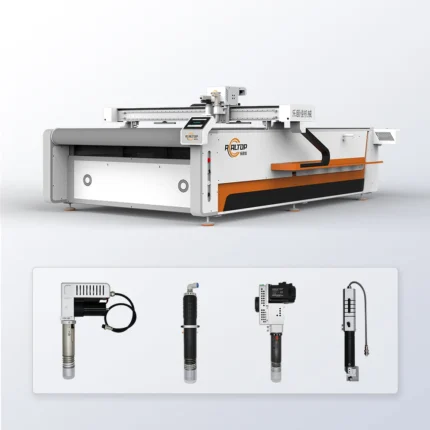
Automatic Fabric Cutting Machine 1200mm Delta Servo 2026
Product Parameters
| Cutting Width | 1200mm |
| Servo System | Delta Servo |
| Model Year | 2026 |
Introduction
High-performance Automatic Fabric Cutting Machine with 1200mm cutting width, equipped with Delta Servo for precision. Ideal for efficient fabric processing in textile industry, ensuring accurate and fast cutting operations.

Jinan Realtop PVC Cutting Machine 2026 CE Certified
Product Introduction
Jinan Realtop PVC Cutting Machine 2026 is a CE-certified cutting solution, ideal for precise PVC material processing. Designed for efficiency and reliability in industrial applications.Product Parameters
| Model | 2026 |
| Certification | CE Certified |
| Application | PVC Cutting |
| Manufacturer | Jinan Realtop |
商品评价
There are no reviews yet.