

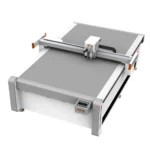
Technical Guide CNC Vibrating Knife Cutter for Cardboard Box Cutting
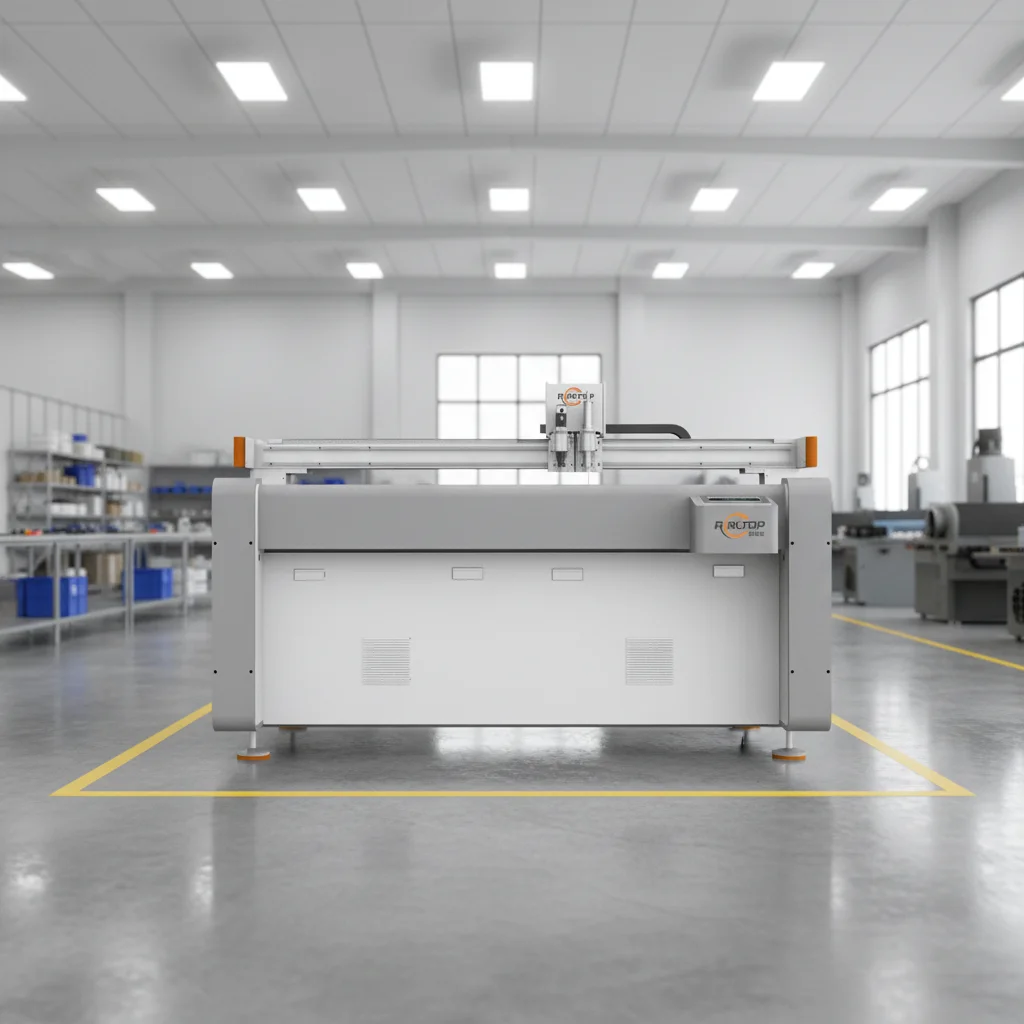
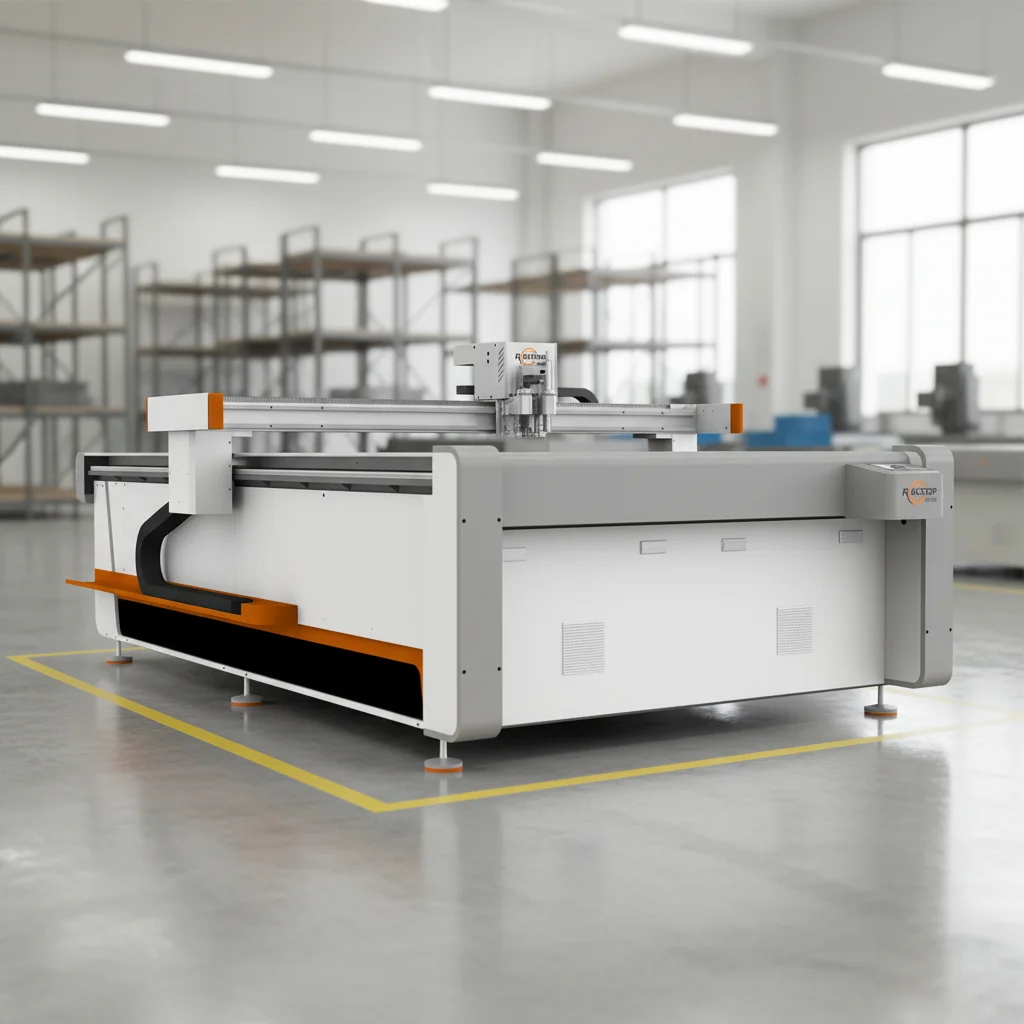
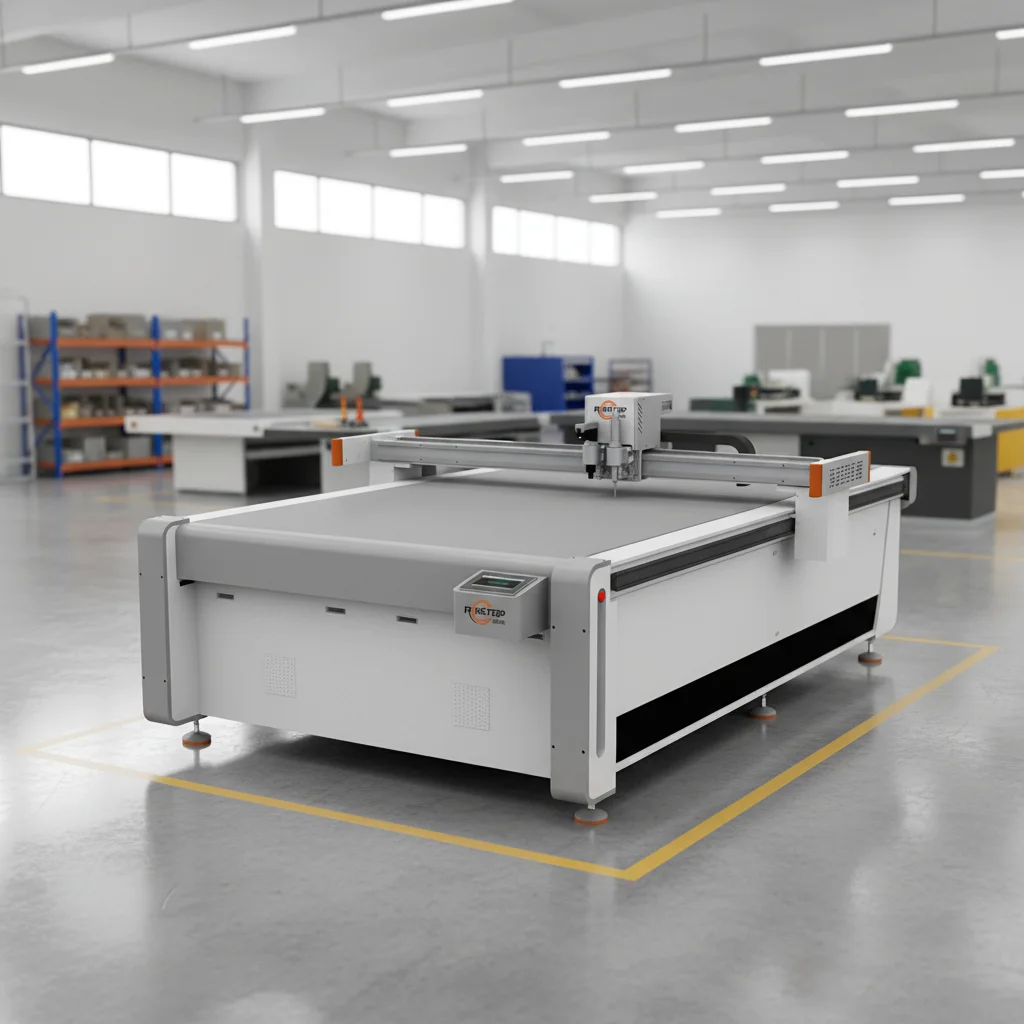
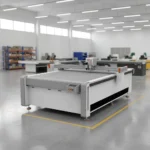
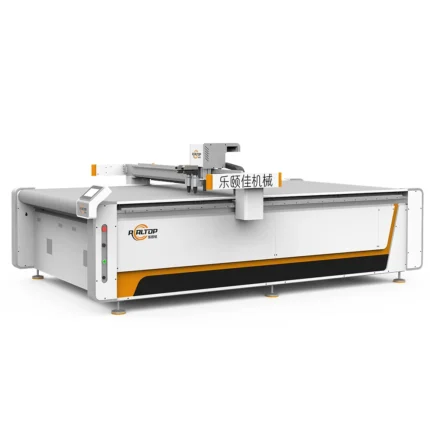
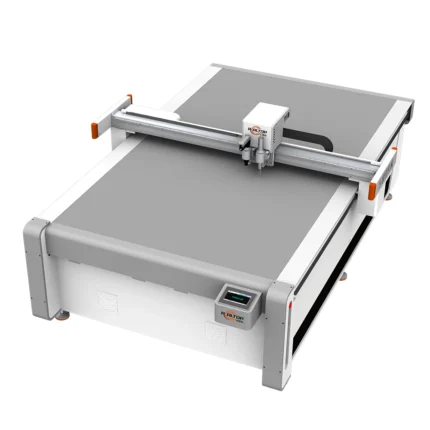
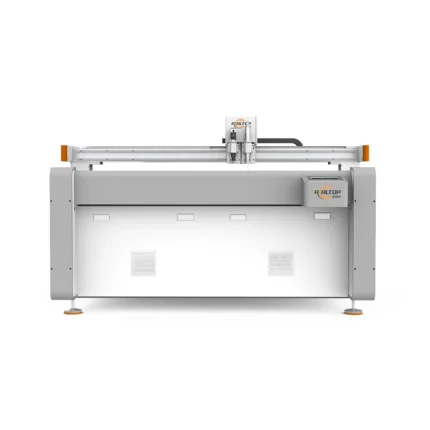
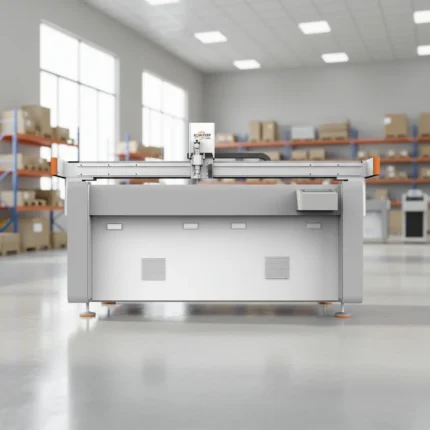
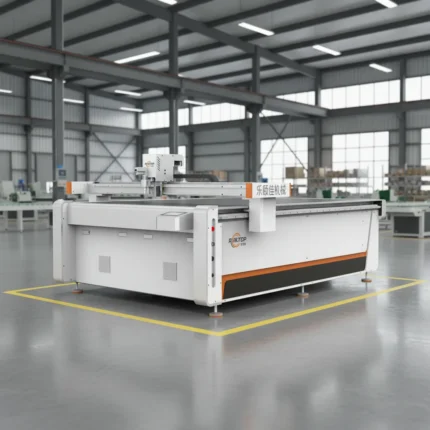
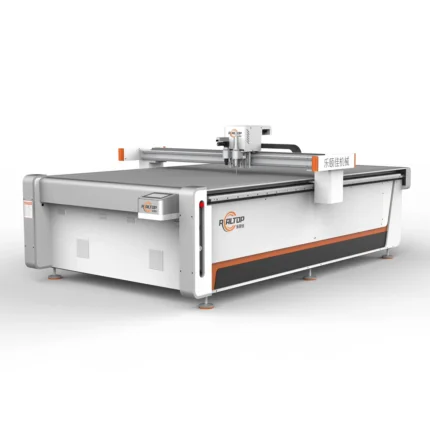
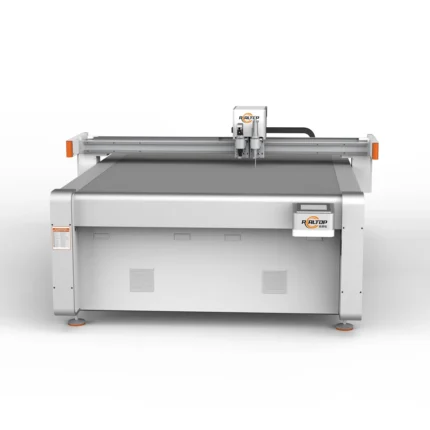
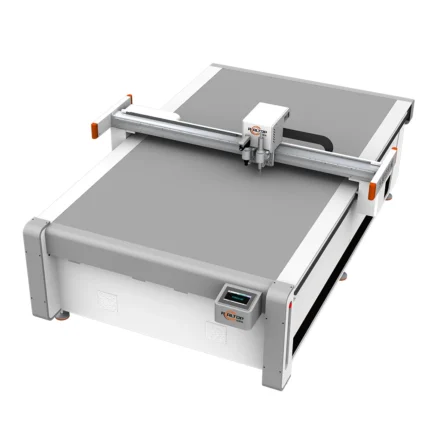
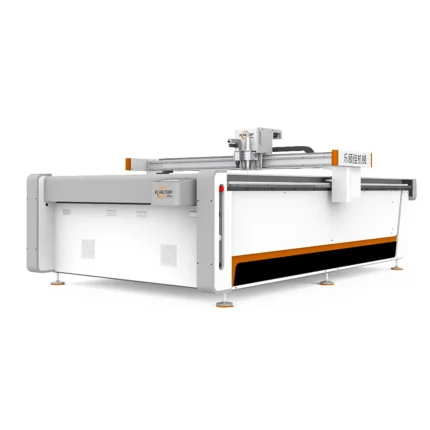
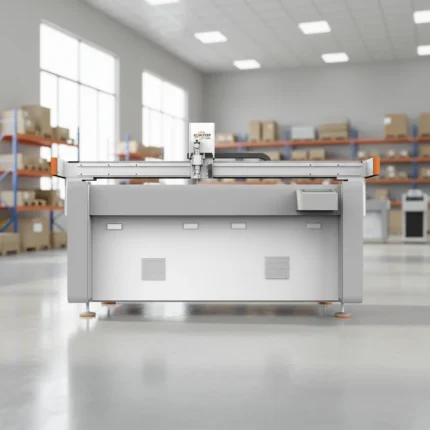
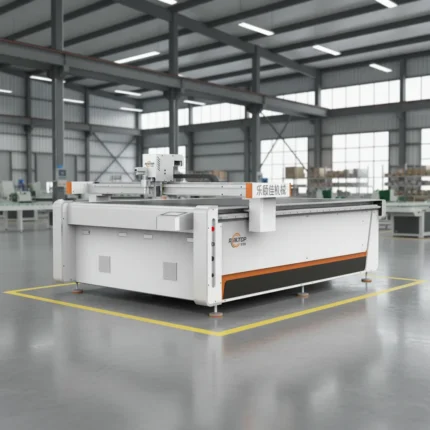
CNC Oscillating Knife Cutting Machine, 1600×2500mm Working Area, ±0.1mm Accuracy, 9kW Vacuum Pump — configured for corrugated cardboard, foam inserts and composite packaging substrates.
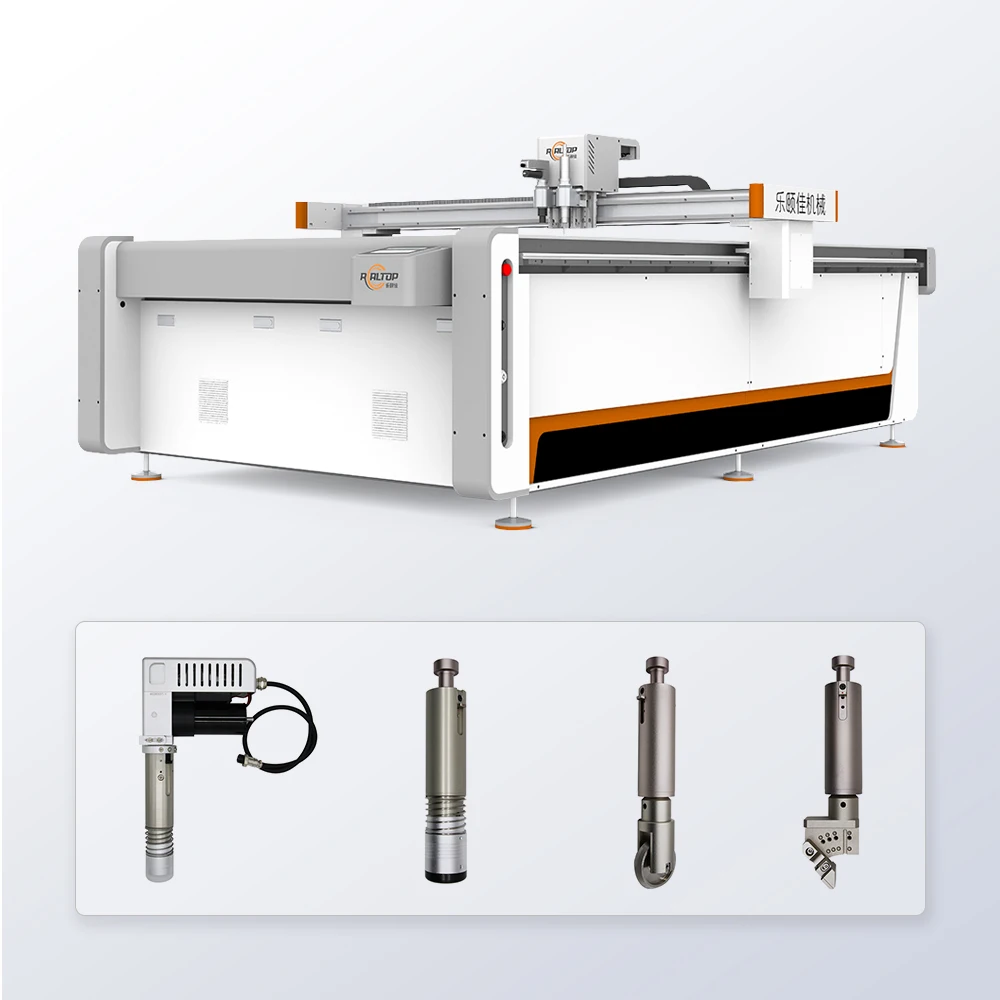
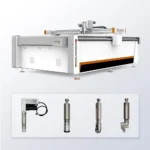
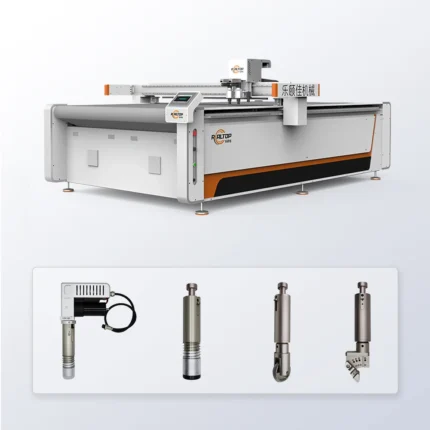
- Interchangeable tool heads including oscillating knife, creasing wheel and V-groove knife matched to flute profile and board density, with aluminum bellows vacuum table ensuring secure hold-down across the full bed for clean cuts without die tooling.
- Dedicated packaging structure design software imports PLT, DXF, AI and PDF files directly into the nesting workflow.
Sample cutting on your own corrugated or foam material is completed before order confirmation, with tool head and table configuration specified per your exact material thickness and production volume.
Material-Matched Configuration — tool head and table setup specified per corrugated flute profile and board density rather than a generic working area quote.
Technical Specifications
| Parameter | Value |
|---|---|
| Product Type | CNC Oscillating Knife Cutting Machine |
| Working Area | 1600×2500 mm |
| Tool Head Options | Oscillating knife, Driven rotary knife, Creasing wheel, Kiss cutting tool, Pneumatic knife, Milling tool, V groove knife |
| Cutting Speed | 0-1500 mm/s |
| Cutting Thickness | ≤ 40 mm (basis not stated in source — confirm material type / density / flute profile) |
| Cutting Accuracy | ±0.1 mm |
| Vacuum Pump Power | 9 kW |
| Vacuum Table | Aluminum bellows vacuum table |
| Voltage Options | 110V, 220V, 380V (frequency not specified in source) |
| Control System | PLC control panel |
| Servo Drive Options | Panasonic, Delta, Dorna (source value — verify against manufacturer catalog) |
| Software & File Formats | PLT, DXF, AI, PDF; dedicated packaging box structure design software included |
| Safety Device | Infrared sensor device and emergency stop device |
| Machine Size | 3300×2100×1350 mm |
| Language Options | English, Russian, Italian, Chinese; special languages customizable |
| Standards | CE (implied by CE declaration in documentation; verify certificate availability) |
Application Suitability
| Application | Material or Output |
|---|---|
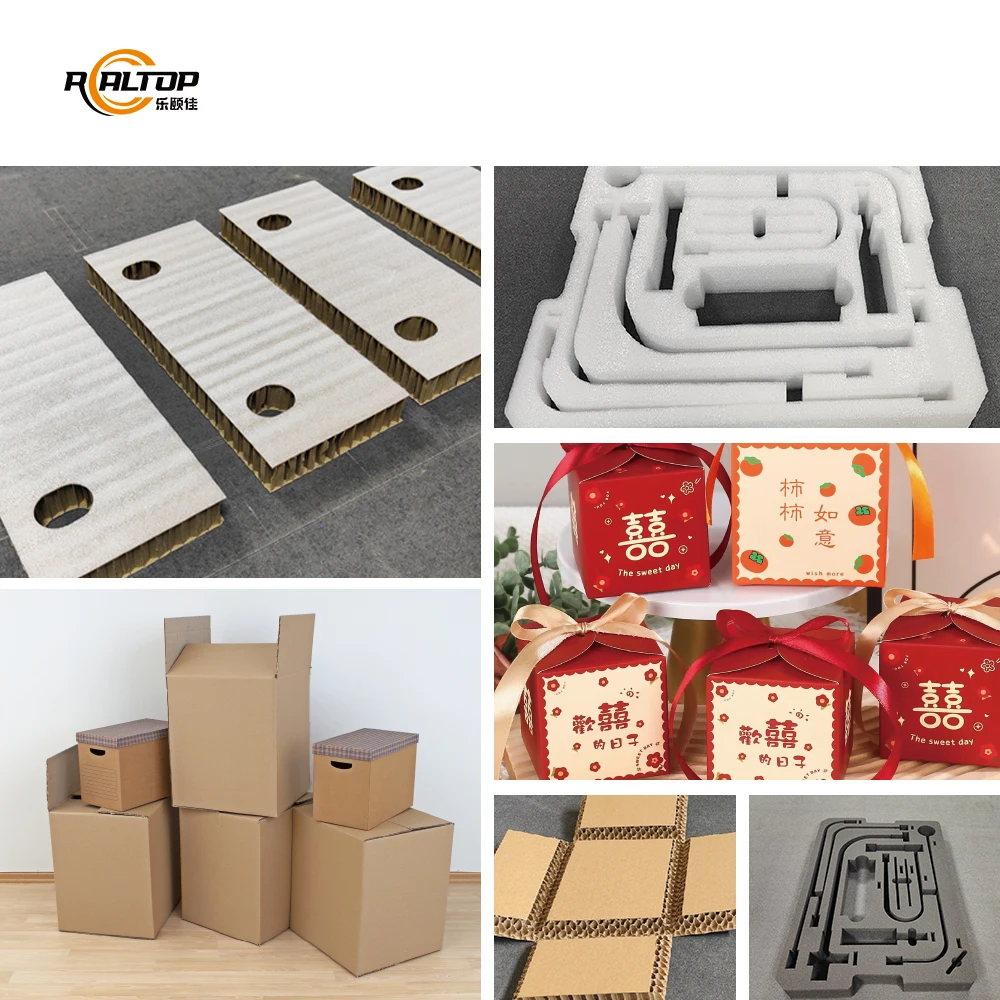
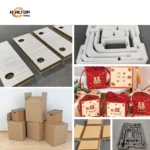
| Packaging sample making | Corrugated cardboard (E-flute, B-flute, BC-flute), greyboard, cardstock |
| Carton prototyping and short-run production | Art paper, specialty paper, adhesive-backed composite sheets |
| Protective insert fabrication | EVA foam, EPE foam, PU foam stock |
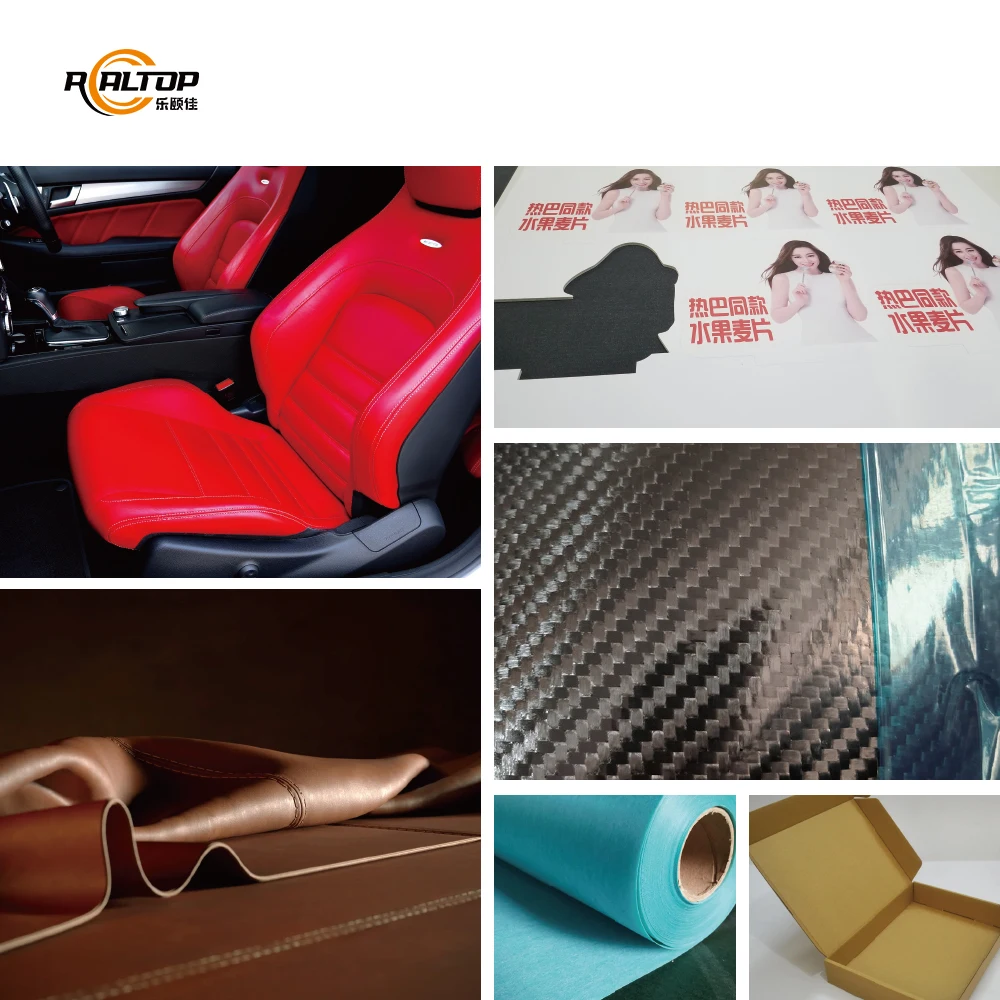
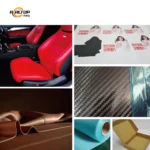
| Non-metallic component cutting | Rubber mats, thin PVC/PET sheets, synthetic leather, velvet and non-woven fabric |
Why Voltage Verification Must Precede the CO2 Laser Cutting and Engraving Machine Order
A transformer delay on site costs far more than a confirmed spec sheet before production.
I worked on a shipment where the destination workshop ran three-phase 220V, but the order paperwork defaulted to 380V. The CO2 laser cutting and engraving machine sat on the floor for weeks waiting for a step-down transformer. That single oversight pushed back the buyer’s entire sample approval schedule. Now every quote we issue locks voltage and frequency in writing before the frame is welded [NEED_CITE: voltage and frequency standards by export market]. A mismatch at the control panel can damage the PLC board, void warranty coverage, and leave operators staring at a dark screen on commissioning day.
Laser Process Parameters That Define Edge Quality
The CO2 laser cutting and engraving machine family on rttcuter.com covers power ratings across the range, each matched to a specific non-metal substrate. Acrylic edge sealing, wood engraving depth, and textile contour cutting all respond differently to wattage, focal length, and assist gas configuration. Selecting the correct tube and lens combination before order avoids rework after installation.
Assist Gas and Extraction Requirements for Clean Cuts
Compressed air assist keeps acrylic edges flame-polished, while inert gas prevents oxidation on coated paper stocks. Extraction capacity must match the volume of fumes generated at the chosen wattage and feed rate. Under-sizing the extraction fan leads to residue buildup on the lens and a noticeable drop in cut quality within the first production shift [NEED_CITE: CE machinery directive requirements for industrial equipment].
Reading the Specs Beyond the Headline Numbers
Working area alone does not tell the full story. The 1600×2500 mm bed accommodates standard packaging sheet formats, but cutting accuracy of ±0.1 mm is what actually allows tight registration on complex box structures with multiple crease lines. The 9 kW vacuum pump paired with an aluminum bellows table holds thin cardstock flat without edge lift, which matters when the oscillating knife traces a tight radius. Software compatibility with PLT, DXF, AI, and PDF files means the packaging structure design workflow can continue without format conversion delays. Voltage configurable from 110V to 380V with customizable control language removes two common commissioning obstacles before the machine leaves the factory floor.
The Hidden Cost of an Under-Specified Tool Head
Choosing the wrong tool head for a given material produces ragged edges on corrugated board or crushes foam inserts beyond usable tolerance. A buyer who specifies only working area and ignores flute profile may find the oscillating knife cannot penetrate a BC-flute double-wall sheet at production speed. Vacuum table zoning that is too coarse for small die-cut shapes causes parts to lift mid-cut, generating scrap and forcing a full re-run [NEED_CITE: typical tooling mismatch costs in short-run packaging].
Why Buyers Source This Equipment Here
In-house design covers both knife and laser cutting technologies, so the cutting method is matched to the material rather than forced into one category. Tool head and table configuration is specified per material thickness and flute profile before the order is confirmed. CCD camera positioning is available for printed contour work where registration to a graphic is critical. Software compatibility is verified against the buyer’s existing file formats before shipment. Voltage, plug type, and control language are locked in writing, and sample cutting on the buyer’s own material is completed before commitment.
Documentation & Verification
- Machine specification sheet listing every confirmed tool head and table option
- Electrical schematic with voltage and frequency locked to destination market
- Tool head and table configuration list matched to buyer’s material profile
- Sample cutting report produced on buyer’s own corrugated or foam stock
- Software licence and file format compatibility note for PLT, DXF, AI, PDF workflows
- Factory test record documenting accuracy and vacuum hold-down before dispatch
Installation, Commissioning & Support
- Foundation must support 3300×2100×1350 mm footprint with level tolerance under ±1 mm
- Dedicated circuit required matching confirmed 110V, 220V, or 380V supply and frequency
- Machine ships partially assembled; vacuum table and gantry require on-site alignment
- PLC control panel parameters set against buyer’s material thickness during first run
- Operation training covers tool head changeover and crease wheel depth adjustment
- Spare parts list includes oscillating knife blades, creasing wheels, and vacuum seals
What to Prepare Before Requesting a Quote
Send material type, thickness, and flute profile along with the maximum sheet size you intend to process. Confirm your workshop voltage, frequency, and the control language your operators need. If you run an existing nesting or packaging structure design workflow, share a sample file so software compatibility is verified before the order is placed.
Frequently Asked Questions
Q: How do I confirm the cutting thickness capability for my specific corrugated board?
A: Provide the flute profile (E, B, BC), ply count, and board density. We run a sample cut on your exact material and document edge quality, crease depth, and cutting speed in a test report before the order is finalized.
Q: Which tool head should I choose for my packaging material mix?
A: Oscillating knife handles corrugated and foam. Creasing wheel scores fold lines on cardstock. Kiss cutting tool cuts adhesive layers without penetrating the liner. We recommend a configuration after reviewing your full material list.
Q: Can the voltage and control language be customized for my market?
A: Voltage is configurable across 110V, 220V, and 380V with plug type matched to your region. Control panel language options include English, Russian, Italian, and Chinese, with special languages available on request before shipment.
Q: Will the software work with my existing packaging design files?
A: The system imports PLT, DXF, AI, and PDF formats directly. We verify compatibility against a sample file from your current workflow and provide a written confirmation note before production begins.
Q: What happens during the factory test before shipment?
A: The machine runs your material at production speed. We measure cutting accuracy against the ±0.1 mm specification, check vacuum hold-down across the full 1600×2500 mm bed, and record all results in a test report shared with you before dispatch.


Related products
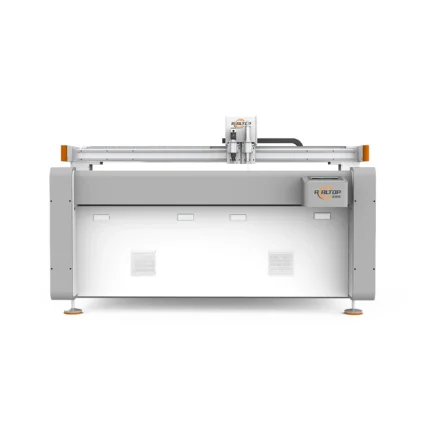
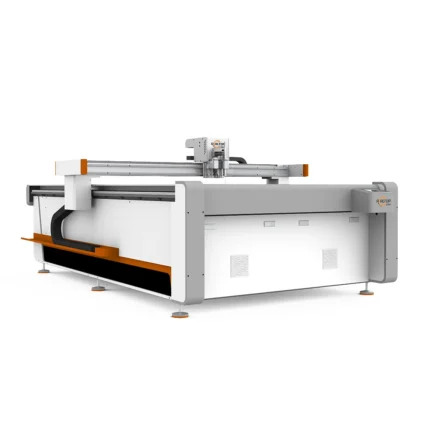
Automatic CNC Cutter Plotter 2026 Flat Bed Cardboard Cutter
Product Introduction
Automatic CNC Cutter Plotter 2026 is a flat bed cardboard cutting machine designed for precise and efficient cutting tasks. Ideal for various cardboard processing needs, it combines advanced CNC technology to deliver accurate results, suitable for manufacturing and packaging applications.Product Parameters
| Type | Automatic CNC Cutter Plotter |
| Model | 2026 |
| Design | Flat Bed |
| Application | Cardboard Cutting |
Automatic Die-less Cardboard Vibrating Knife Cutter 2026
Product Introduction
Automatic Die-less Cardboard Vibrating Knife Cutter 2026, a precision cutting solution for cardboard materials, featuring advanced die-less technology for efficient and flexible cutting operations. Ideal for various cardboard processing needs in manufacturing and packaging industries.Key Specifications
| Model | 2026 |
| Type | Automatic Die-less Cutter |
| Cutting Tool | Vibrating Knife |
| Material | Cardboard |
Automatic Digital Cardstock Cutter 2026 CNC Cutter
Product Introduction
Automatic Digital Cardstock Cutter 2026 is a CNC cutting machine ideal for white cardboard and kraft paper. It offers precise and efficient cutting performance, suitable for various paper processing needs in manufacturing and craft applications.Key Specifications
| Type | CNC Digital Cutting Machine |
| Material Compatibility | White Cardboard, Kraft Paper |
| Operation | Automatic |
| Application | Paper Cutting & Processing |
CNC Vibrating Knife Cutter 2026 Custom Cartons Packaging
Product Introduction
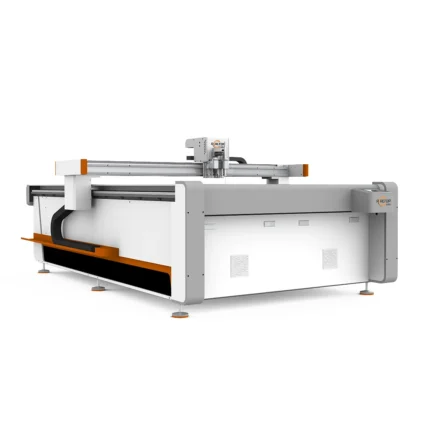
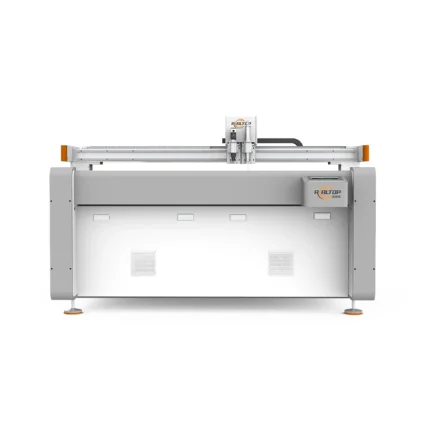
CNC Vibrating Knife Cutter 2026 is ideal for custom cartons & packaging, offering precise cutting solutions for various materials. Engineered by a leading Chinese welding & cutting equipment manufacturer, it ensures efficiency and accuracy for packaging production needs.Key Specifications
| Model | 2026 |
| Type | CNC Vibrating Knife Cutter |
| Application | Custom Cartons & Packaging |
| Manufacturer | Chinese Leading Factory |
Digital Box Cutter 2026 Oscillating Knife Cardboard Cutter
Product Parameters
| Model | Digital Box Cutter 2026 |
| Cutting Type | Oscillating Knife |
| Material | Corrugated Cardboard |
Introduction
Professional oscillating knife cutting machine for corrugated cardboard. Ideal for precise, efficient cutting in packaging production. Reliable performance from China's leading welding & cutting equipment manufacturer.
商品评价
There are no reviews yet.