




Technical Guide Digital Cutting Creasing Machine for Cardboard
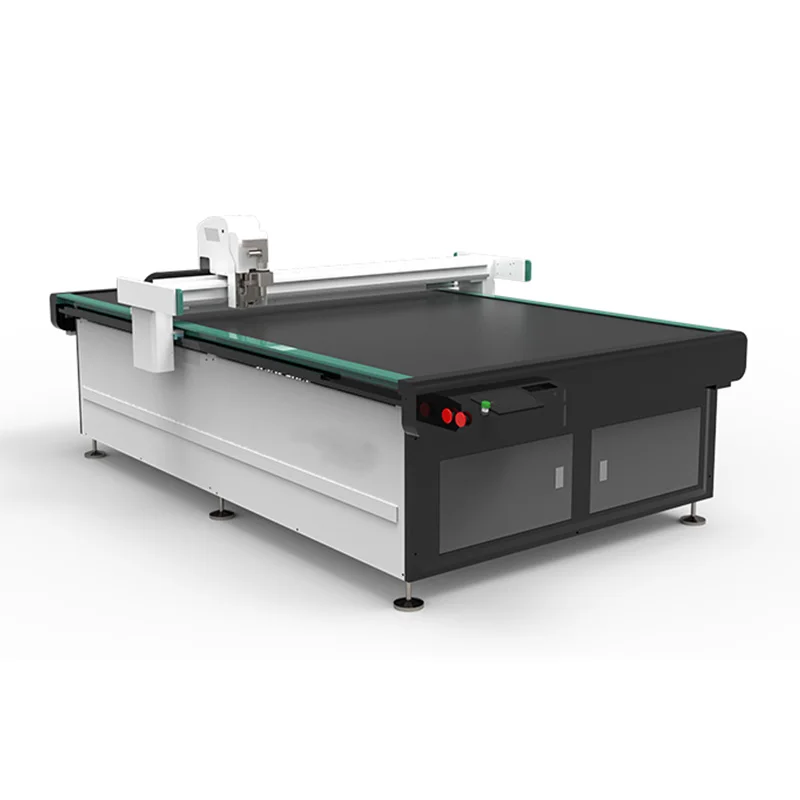
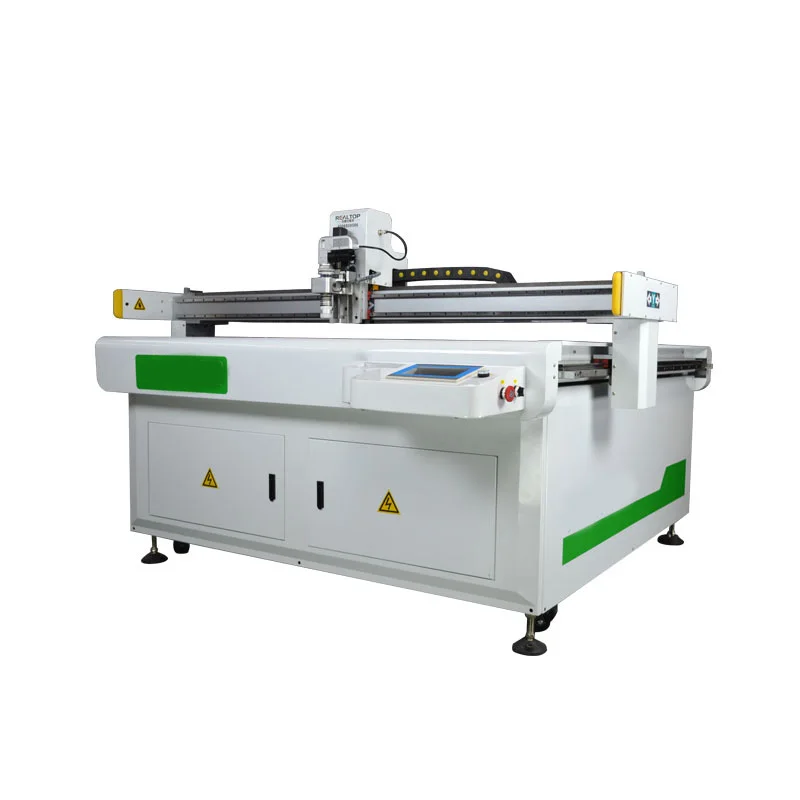
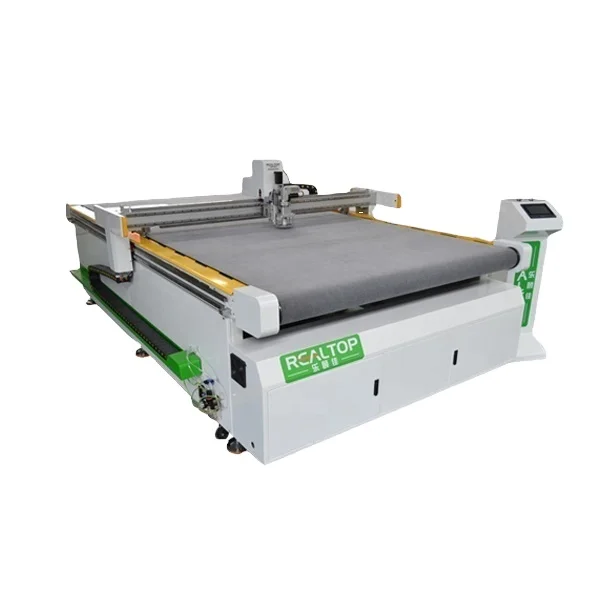
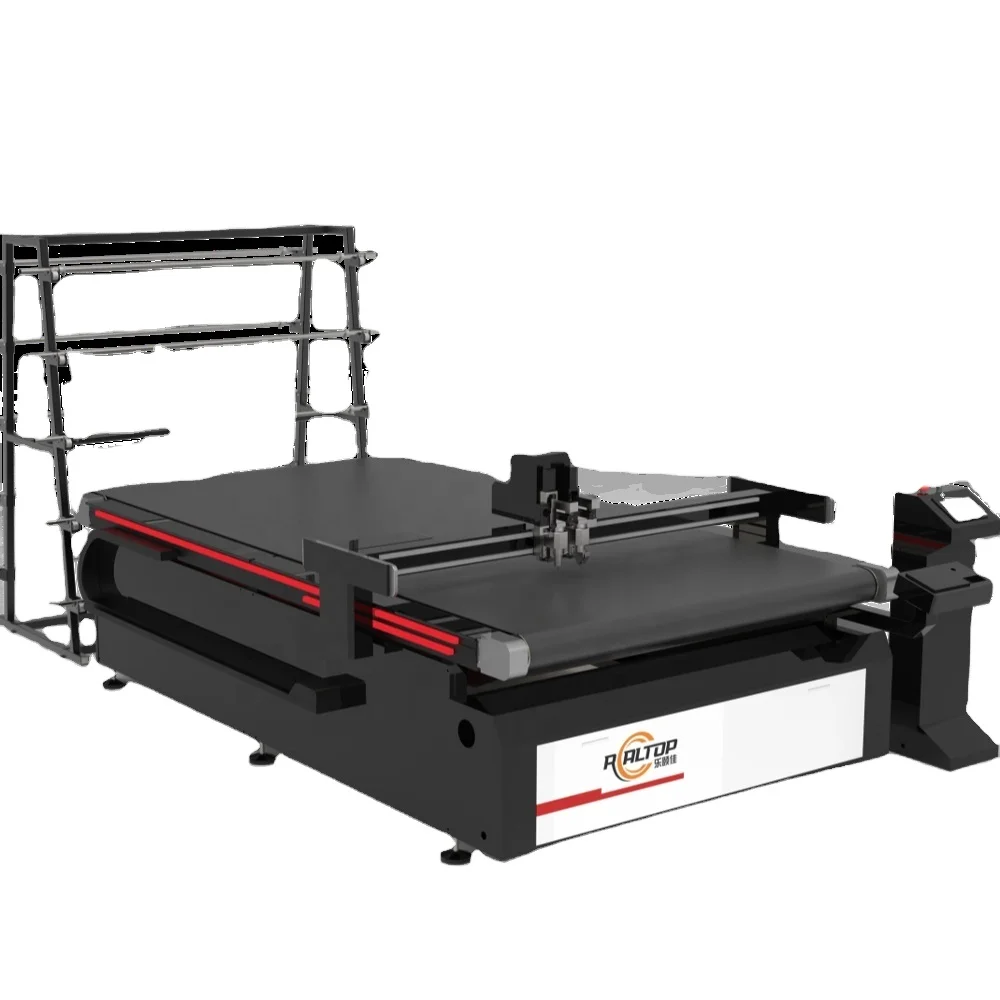
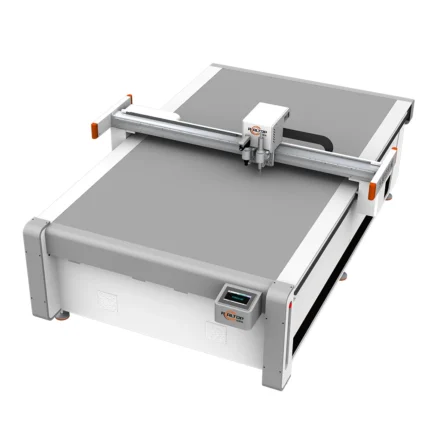
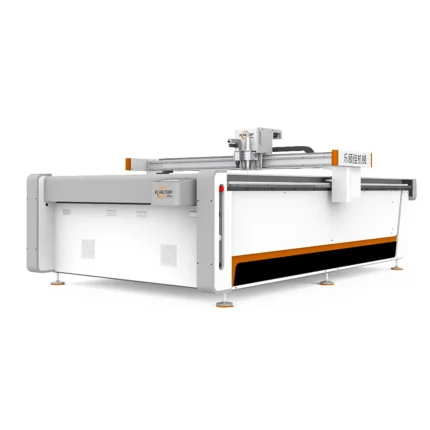
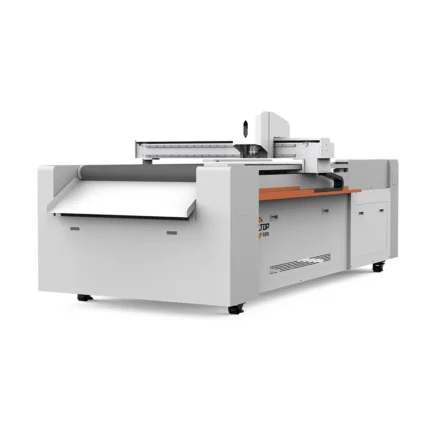
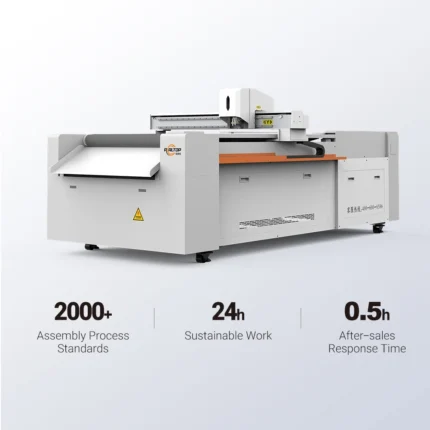
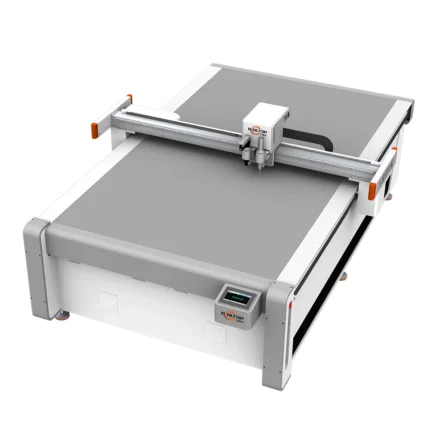
RT-D2516/RT-S2516 Digital Cutting and Creasing Machine, 1600×2500mm, 9kW — configured with Swiss oscillating knife, pneumatic creasing tool and 7.5kW vacuum table for folding carton, corrugated and grey board sample production. HP-GL compatible instruction system integrates with packaging design workflows, while Yaskawa servo drives and Hiwin linear rails deliver ≤0.1mm repeatability for precise crease line placement. Sample cutting on your own board stock confirms knife edge quality and creasing depth before commitment.
Mechanical Cutting Precision — The RT-D2516/RT-S2516 oscillating knife and creasing platform eliminates laser heat concerns entirely, delivering clean edges on corrugated board and grey board without thermal distortion or smoke extraction requirements.
Technical Specifications
| Parameter | Value |
|---|---|
| Model | RT-D2516/RT-S2516 |
| Product Type | Digital Cutting and Creasing Machine |
| Working Area | 1600×2500mm |
| Machine Size (Overall Dimensions) | 3450×2300×1250mm |
| Rated Power | 9kW |
| Voltage | 380V±10% |
| Vacuum Pump | 7.5kW |
| Multifunctional Tool Head | Swiss imported knife with vibration full cutting, vibration half cutting and cursor location |
| Translational Velocity | 800-1200mm/s |
| Cutting Speed | 200-800mm/s (according to different cutting materials) |
| Pneumatic Cutting Tool Capacity | Up to 70mm thickness |
| Repeated Accuracy | ≤0.1mm |
| Transmission System | Digital servo motor, linear guide, synchronous belt, ball screw (imported) |
| Servo Motor | Japanese Yaskawa |
| Linear Rail | Taiwan Hiwin |
| Conveyor Belt | Germany imported |
| Working Table | Flat vacuum table with auto feeding system |
| Instruction System | HP-GL compatible format |
| Safety Device | Infrared sensors |
| Assembly State | Fully assembled |
Application Suitability
| Application | Material or Output |
|---|---|
| Folding carton packaging | Grey board, coated card stock, corrugated board |
| Corrugated packaging sample making | Single-face, double-wall corrugated sheets |
| Gift box and display box prototyping | Foam board, magnet-closure box board |
| Sticker and label contour cutting | Self-adhesive vinyl, paper labels, kiss-cut sheets |
| Carton sample prototyping | White board, kraft board, recycled paper stock |
Why Power Ratings Matter When Laser Process Is Not an Option
A quoted power figure means nothing when the real cutting depth fails to match production requirements — this mechanical knife system sidesteps the laser power confusion by cutting through pressure and vibration frequency instead.
Packaging buyers who initially consider CO2 laser cutting and engraving machine specifications often discover that non-metal board stock chars at the edges, produces smoke residue on folding lines, and requires extraction infrastructure they never budgeted for. The RT-D2516/RT-S2516 addresses these concerns by using physical blade action, where the Swiss imported knife vibrates at high frequency to shear through corrugated flutes cleanly [NEED_CITE: mechanical cutting edge quality standards for packaging board].
Knife Process Versus Laser Process for Board Stock
Understanding how to choose between thermal and mechanical cutting defines the outcome for packaging sample production. The CO2 laser cutting and engraving machine specifications relevant to acrylic or wood do not translate to corrugated board, where heat seals the edge fibers and prevents proper creasing fold quality afterward.
The Vibration Knife Advantage on Corrugated Flutes
The oscillating knife on this digital cutting and creasing machine operates through high-frequency vibration that separates material fibers mechanically rather than thermally. When cutting B-flute or E-flute corrugated board, the vibration half cutting function scores the top liner without crushing the underlying flute structure — something a continuous-wave laser cannot achieve without compromising the corrugation. The pneumatic cutting tool capacity up to 70mm thickness allows double-wall and triple-wall board to pass through in a single operation, maintaining structural integrity at the cut edge.
Creasing Wheel Positioning and Fold Quality
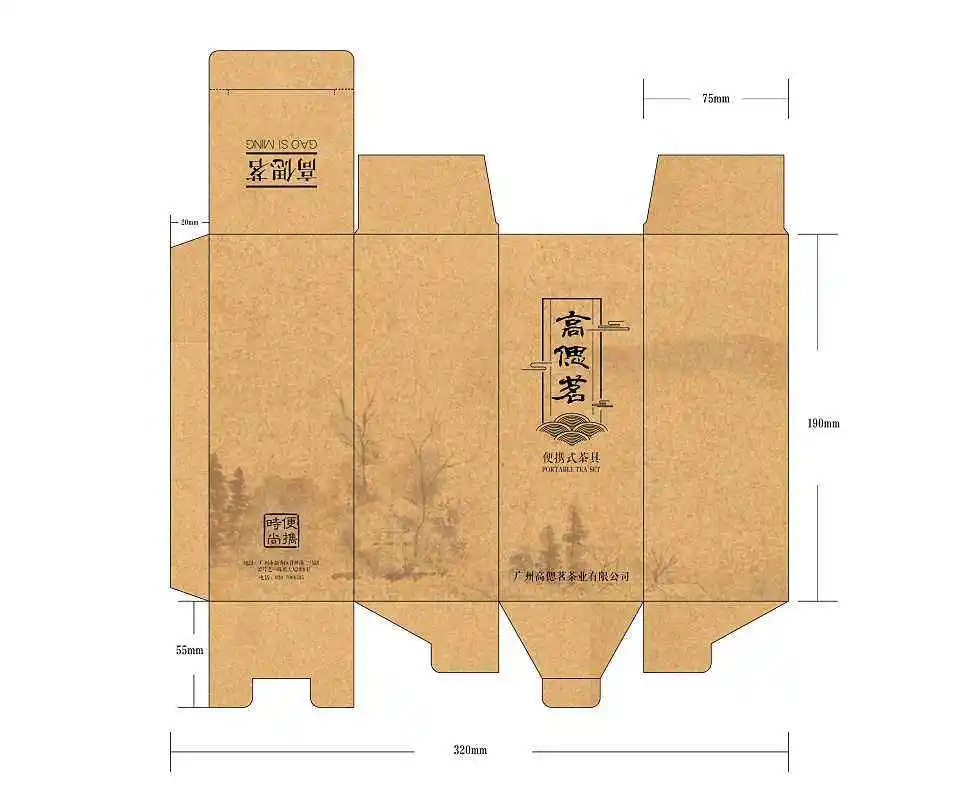
The creasing wheel works in sequence with the knife head during the same job cycle, pressing fold lines into the board at positions dictated by the HP-GL compatible file. The ≤0.1mm repeated accuracy ensures that crease lines align precisely with cut edges across hundreds of sample iterations, which is critical when a gift box prototype must fold square and close flush. Unlike laser scoring, which burns a groove and weakens the board, the creasing wheel compresses fibers along the fold axis while leaving surrounding material at full strength [NEED_CITE: packaging creasing standards for structural integrity].
Decoding the Specification Sheet for Production Reality
The 7.5kW vacuum pump paired with the flat vacuum table holds corrugated sheets flat against the cutting surface — a requirement that becomes critical when cutting nested carton patterns where small tabs and dust flaps can lift mid-cycle and ruin the piece. The Japanese Yaskawa servo motors and Taiwan Hiwin linear rails form the positioning foundation, translating file coordinates into physical knife and creasing wheel movements with the ≤0.1mm repeatability that packaging prototyping demands. The auto feeding system with Germany imported conveyor belt moves sheets onto the table without manual alignment, reducing setup time between different board thicknesses and job changeovers.
What Wrong Tool Head Selection Costs in Packaging Work
Selecting a drag knife for thick corrugated board where a vibration knife is required produces torn edges and compressed flute ends that compromise box strength ratings. Running creasing wheel pressure too low leaves fold lines that crack on first fold; too high crushes the board and weakens the panel. These misconfigurations surface during sample approval, not during machine testing [NEED_CITE: tool head selection consequences in corrugated processing].
Production Capability Without the Guesswork
The facility builds both knife and laser cutting platforms under one roof, allowing the buyer to match cutting method to material rather than force one technology across every job. Tool head and table configuration is specified per the buyer’s board type and sample volume before the order is placed. Software file format compatibility is confirmed against the buyer’s existing design workflow — HP-GL is the baseline, but verification prevents surprises at commissioning. Sample cutting on the buyer’s own corrugated stock happens before commitment, producing a physical test report that documents edge quality and crease depth on that specific material.
Documentation & Verification
- Machine specification sheet confirming tool head options and vacuum pump rating for your board thickness range
- Electrical schematic with 380V±10% voltage confirmation matched to your facility supply
- Sample cutting report on your corrugated or grey board stock documenting edge and crease quality
- Tool head and table configuration list showing the exact knife and creasing wheel specified for your materials
- Operation manual in confirmed control language with maintenance intervals for Yaskawa servo and Hiwin rail lubrication
- Factory test record with repeated accuracy measurements taken on your board format
Installation, Commissioning & Support
- The 9kW rated power plus 7.5kW vacuum pump requires dedicated circuit capacity confirmed before machine arrival
- Overall dimensions of 3450×2300×1250mm dictate door clearance and floor space allocation in the sample room
- Fully assembled state means the machine arrives ready for power connection and conveyor belt tensioning only
- First-run commissioning includes tool head pressure calibration on your specific corrugated flute and board thickness
- Spare parts list covers Swiss knife blades, creasing wheels, and conveyor belt sections for ongoing operation
Moving Forward With Material Details
To configure this digital cutting and creasing machine for your packaging operation, provide the board types and flute profiles you sample most frequently, your typical sheet dimensions before nesting, and the voltage and frequency standards at your facility. Include your existing design software name so file format compatibility can be confirmed before the machine ships.
Frequently Asked Questions
Q: Is this a laser machine or a knife cutting machine?
A: The RT-D2516/RT-S2516 is a CNC oscillating knife and creasing system with no laser source. It uses mechanical vibration cutting and wheel-based creasing for packaging board stock. Buyers evaluating laser cutting machine how to choose should look at thermal process equipment on our laser-specific platform instead.
Q: How to choose between CO2 laser and oscillating knife for packaging materials?
A: CO2 laser cuts with heat, which chars corrugated board edges and prevents clean folding. Oscillating knife cuts mechanically, preserving flute structure and allowing proper creasing. For folding carton and sample making, mechanical knife cutting produces fold-ready edges without thermal damage.
Q: What board thickness and flute type can the pneumatic cutting tool handle?
A: The pneumatic cutting tool capacity reaches up to 70mm thickness, accommodating double-wall and triple-wall corrugated board along with thick grey board and foam core materials. The vibration knife handles standard single-face and E-flute corrugated with clean edge separation.
Q: Voltage and control language confirmation before shipment — what must the buyer specify?
A: The machine operates on 380V±10%, so buyers must confirm their facility voltage matches this range and specify the required plug type. Control language availability should be confirmed during the quotation phase to ensure the operator interface matches workshop requirements.
Q: Sample cutting on buyer’s own material — how to arrange and evaluate the test?
A: Send representative samples of your corrugated board, grey board, or sticker stock to the factory for test cutting. The resulting sample cutting report documents knife edge quality, creasing wheel depth, and fold performance on your specific material before any purchase commitment.


Related products
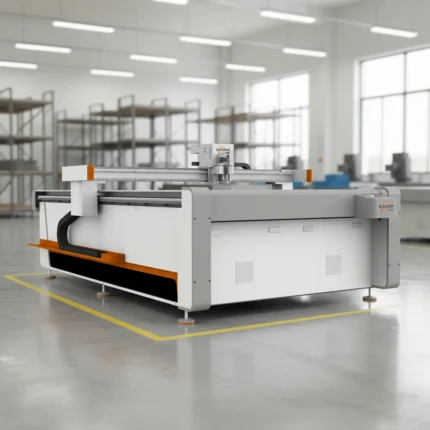
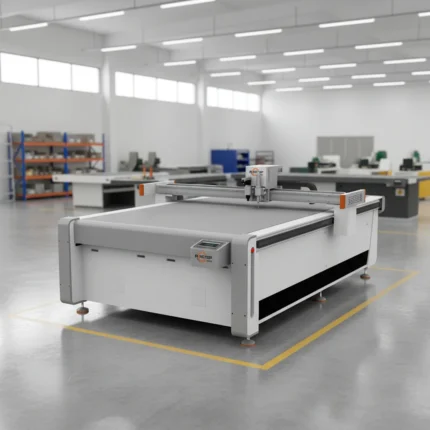
2026 Digital Flatbed Cutting Plotter Auto Corrugated Box Die Cutter
Product Introduction
Digital Flatbed Cutting Plotter 2026, ideal for auto corrugated box die cutting, offering precision and efficiency for professional packaging production.Specifications
| Type | Digital Flatbed Cutting Plotter |
| Model | 2026 |
| Application | Auto Corrugated Box Die Cutting |
| Function | Precision Cutting & Plotting |

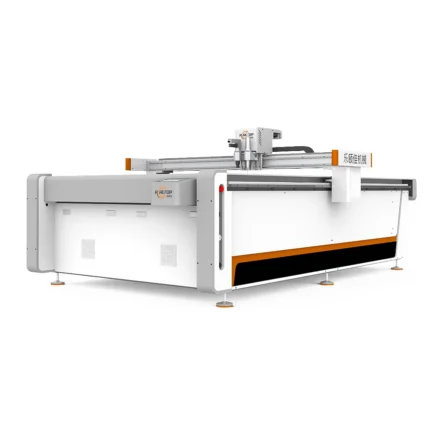
CNC Flatbed Oscillating Knife Cutting Machine 2026
Product Introduction
High-performance CNC Flatbed Oscillating Knife Cutting Machine 2026, ideal for precision cutting of various materials with advanced oscillating knife technology, ensuring efficient and accurate operations for industrial manufacturing needs.Specifications
| Model | 2026 |
| Type | CNC Flatbed Oscillating Knife Cutting Machine |
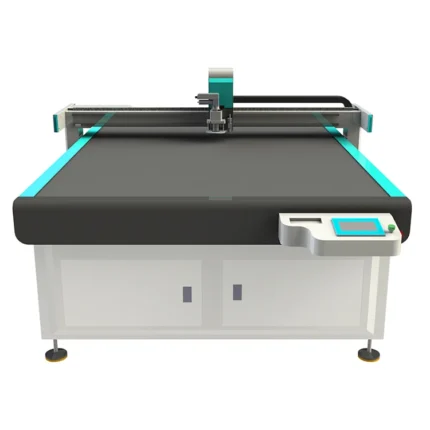
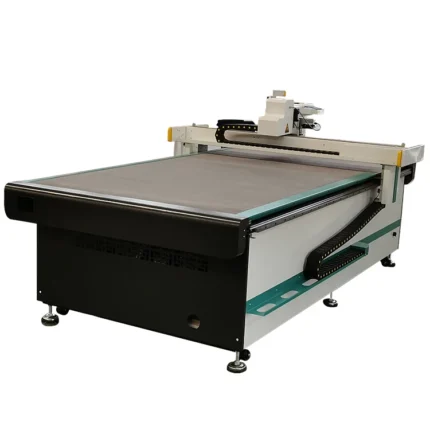
CNC Oscillating Knife Cutting Machine 2026 for Corrugated Cardboard & Honeycomb
Product Introduction
2026 CNC Oscillating Knife Cutting Machine, ideal for corrugated cardboard and honeycomb materials, offering precise and efficient cutting solutions for your production needs.Specifications
| Model | 2026 |
| Type | CNC Oscillating Knife Cutting Machine |
| Applicable Materials | Corrugated Cardboard, Honeycomb |
| Cutting Method | Oscillating Knife |
CNC Vibrating Knife Cutter 2026 Custom Cartons Packaging
Product Introduction
CNC Vibrating Knife Cutter 2026 is ideal for custom cartons & packaging, offering precise cutting solutions for various materials. Engineered by a leading Chinese welding & cutting equipment manufacturer, it ensures efficiency and accuracy for packaging production needs.Key Specifications
| Model | 2026 |
| Type | CNC Vibrating Knife Cutter |
| Application | Custom Cartons & Packaging |
| Manufacturer | Chinese Leading Factory |

REALTOP 2026 Digital Industrial Cardboard Box Cutter
Product Introduction
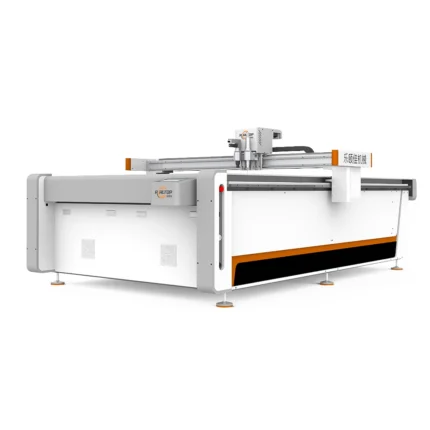
REALTOP Digital Industrial Cardboard Box Cutter Machine 2026 is a professional industrial-grade cutting equipment designed for efficient cardboard box processing, ideal for manufacturing and packaging applications.
Product Parameters
| Model | 2026 |
| Type | Digital Industrial Cardboard Box Cutter |
| Application | Cardboard Box Processing |
| Feature | Industrial-grade, Efficient Cutting |

商品评价
There are no reviews yet.