


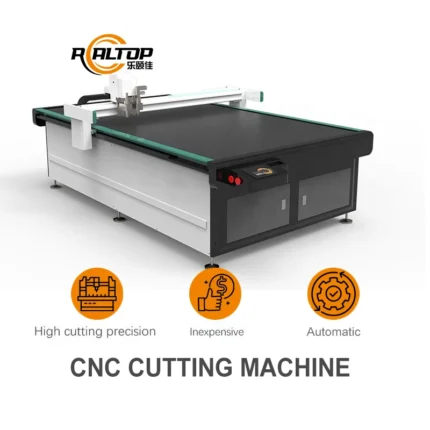
Auto CNC Die Cut Machine 1600x3200mm for Packaging – Factory Supply
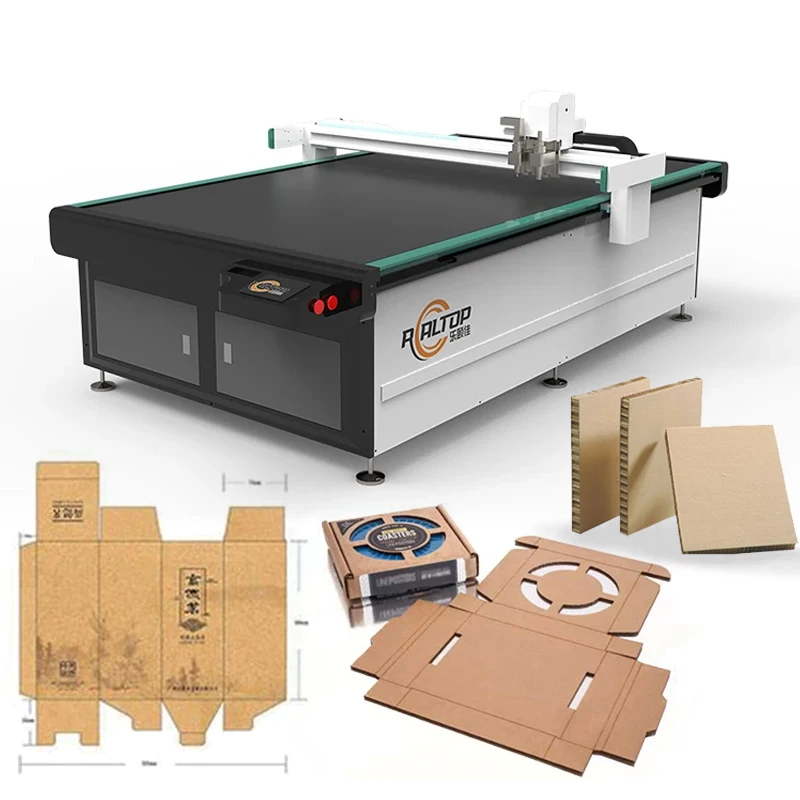
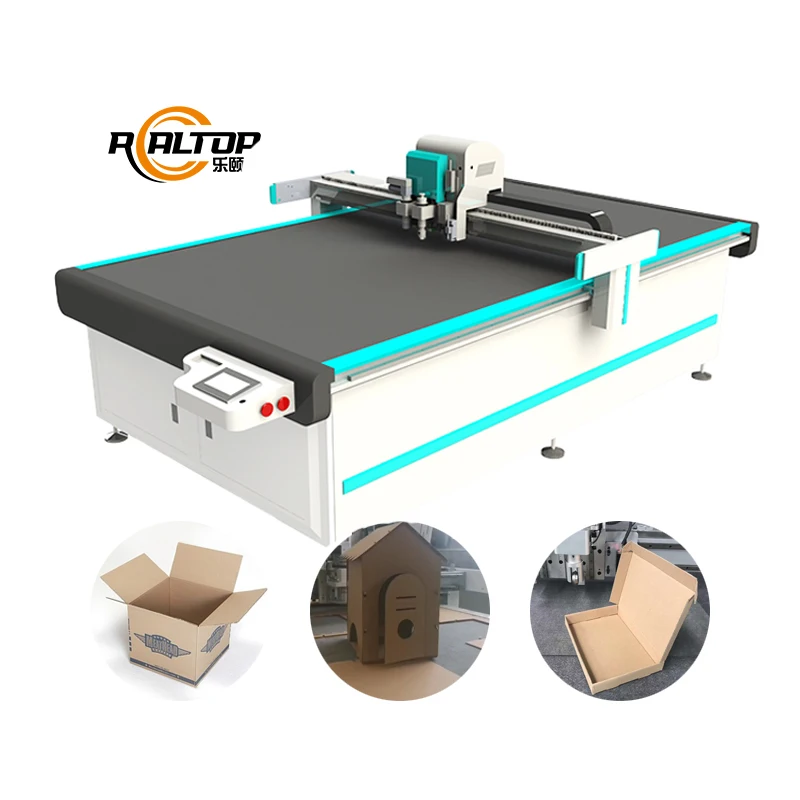
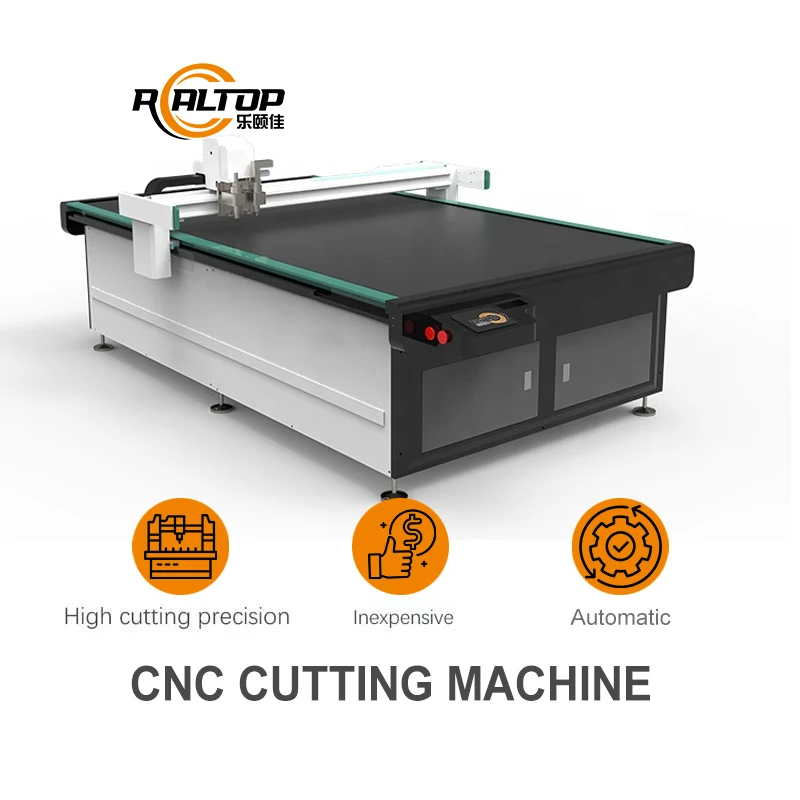
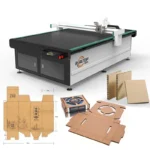
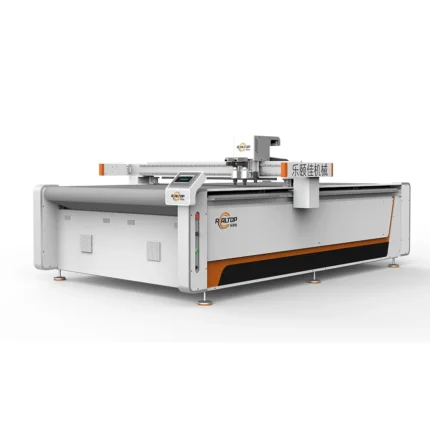
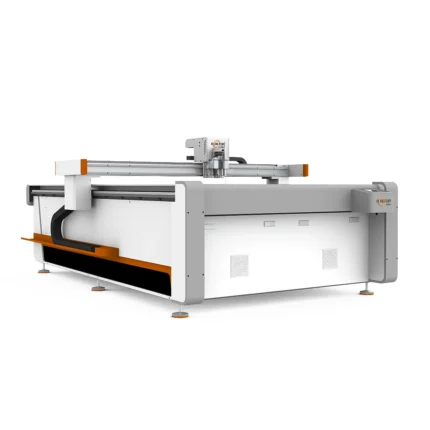
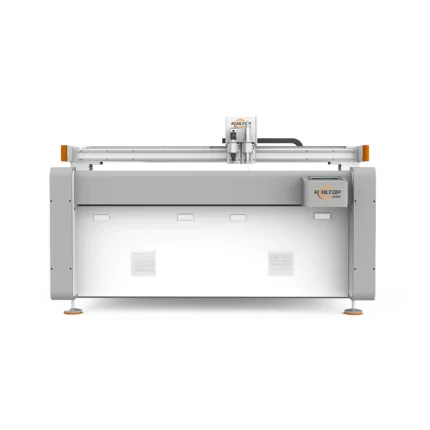
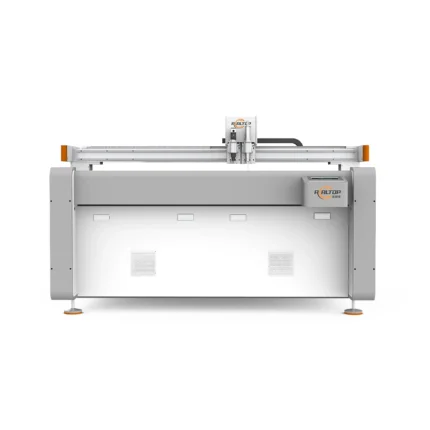
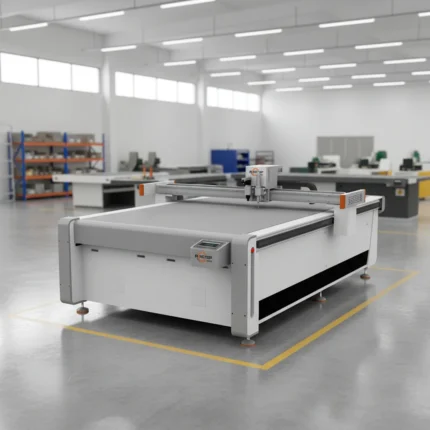
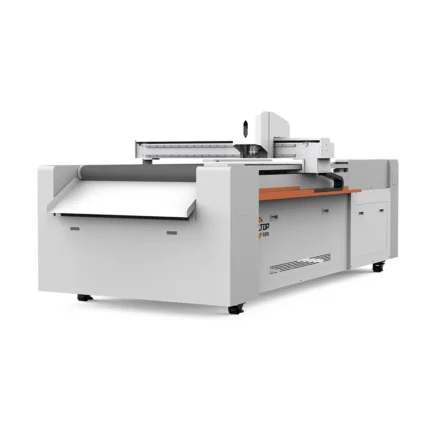
CNC Oscillating Knife Cutting Table, 2500×1300mm / 1600×2500mm Working Area, ≤18mm Thickness — configured for packaging carton sample making and sticker contour cutting with multi-tool head support.
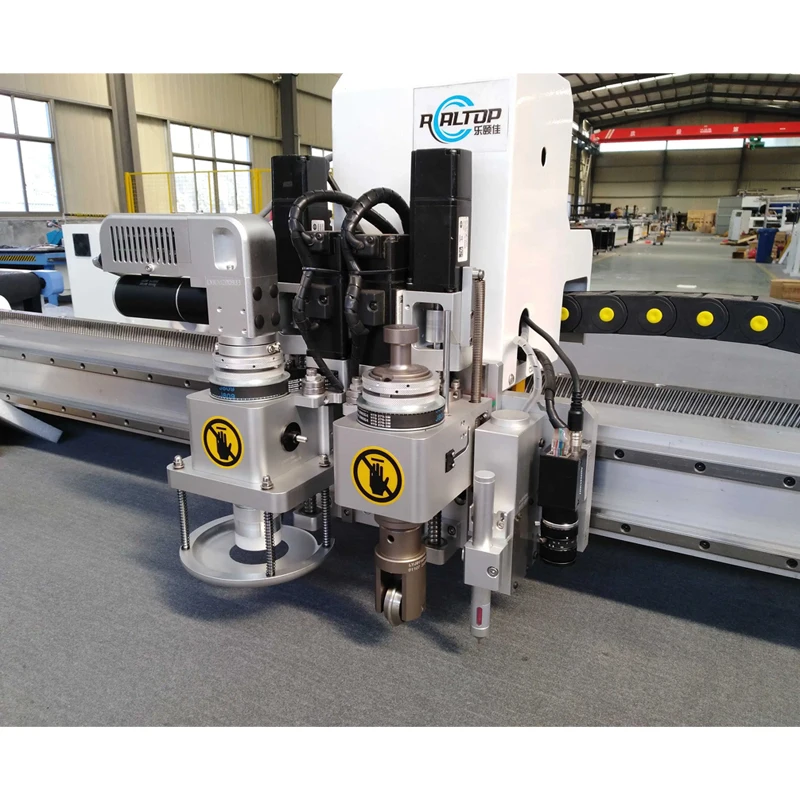
- Oscillating knife, creasing wheel, kiss-cut and round punch tools handle corrugated cardboard, labels and PP paper in one setup
- Vacuum table with zoned adsorption keeps small parts flat during cutting at <0.05mm repeatability
- Supports DXF, OLT, PDF and AI file formats with CCD positioning for printed contour recognition
Sample cutting on your own cardboard grade and flute type is completed before order commitment, with tool head configuration, vacuum zoning and control language documented prior to shipment.
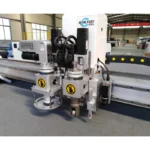
Tool Head and Table Configuration — a CNC oscillating knife cutting table specified per material thickness and flute type, so cardboard, sticker and corrugated jobs each run on the correct knife and vacuum zone rather than a single default setup.
Technical Specifications
| Parameter | Value |
|---|---|
| Product Type | CNC Oscillating Knife Cutting Table |
| Working Area | 2500×1300mm / 1600×2500mm |
| Machine Size | 3550×1910×1400mm / 3450×2300×1250mm |
| Cutting Tools | Oscillating knife, Creasing tool, Kiss-Cut Knife Tool, Round punch |
| Max Cutting Thickness | ≤18mm (basis not stated in source — confirm material and flute type) |
| Fixing Method | Vacuum system with zoned adsorption |
| Rated Power | 9 kW |
| Servo System | Dongling servo (Delta servo motor available as option) |
| Repeated Accuracy | <0.05mm |
| Voltage | 380V (frequency to be confirmed per destination market) |
| Supported File Formats | DXF, OLT, PDF, AI |
| Transmission Method | Ethernet port |
| Safety Device | Infrared sensors with emergency stop |
| Control Language | English, Russian, Italian, Chinese (special languages customizable) |
| Delivery Time | <30 working days |
| Warranty | 1 year (excludes felt and knife blades) |
Application Suitability
| Application | Material or Output |
|---|---|
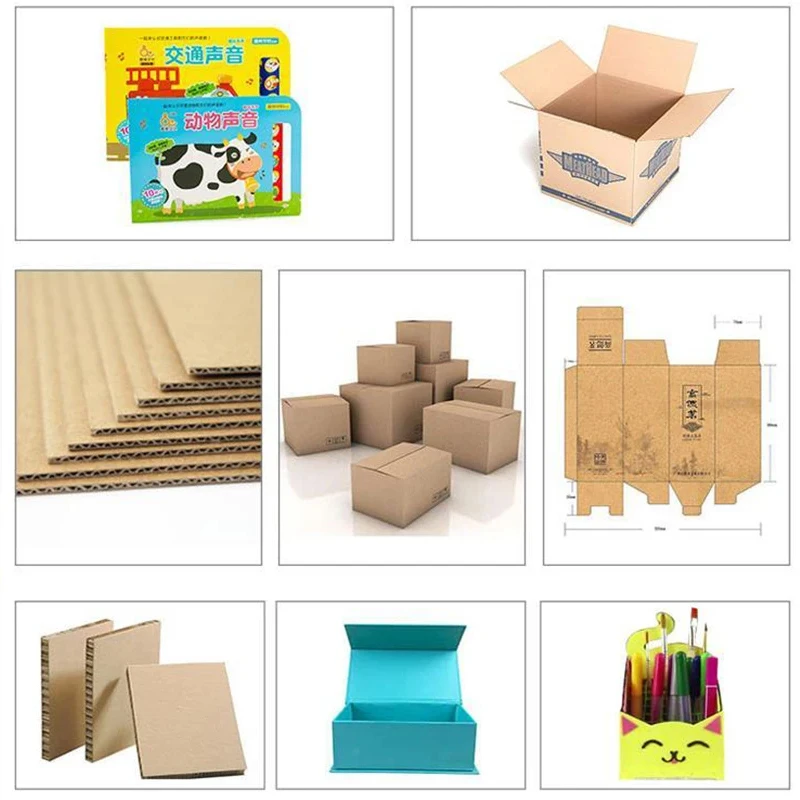
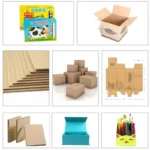
| Packaging carton and box sample making | Corrugated cardboard, greyboard, white card up to 18mm |
| Sticker and label contour cutting | Self-adhesive vinyl, PP paper, coated label stock |
| Advertising signage and billboard production | Foam board, PVC sheet, honeycomb board |
| Business card and tag manufacturing | Card stock, laminated paper, thin plastic sheets |
What "Max 18mm Thickness" Actually Means for Your Material
Thickness ratings shift depending on flute profile, board density and whether the material is laminated.
I have watched buyers approve a sample cut on white card, then run greyboard with lamination on the same setup and end up with crushed flutes and frayed edges across a full batch [NEED_CITE: material density variation in corrugated and laminated board cutting]. The CNC laser cutting and engraving machine manufacturer behind this line addresses that gap by offering both knife and laser process options — and for packaging work, specifying the exact oscillating knife angle, vacuum zone and creasing wheel for the buyer’s actual production stock before the order is placed.
Knife Process Selection for Packaging Stock
Packaging materials respond differently to oscillating versus drag knife action. Corrugated cardboard with open flutes needs an oscillating blade that slices through without compressing the flute structure, while dense greyboard benefits from a stiffer blade at higher frequency. This CNC oscillating knife cutting table supports multi-tool head configurations so the creasing wheel, kiss-cut knife and round punch operate in the same setup, reducing handling between cutting and finishing stages.
Vacuum Zoning and Small Part Stability
A full-sheet vacuum hold works for large carton blanks but fails when the job shifts to small stickers or nested tag layouts. The aluminum honeycomb table on this CNC laser cutting and engraving machine manufacturer platform uses zoned adsorption [NEED_CITE: vacuum table zoning principles for CNC flatbed cutters], allowing the operator to activate only the zones under the active cutting area. Small parts stay flat instead of lifting into the blade path, which protects edge quality and prevents material waste on short-run label jobs.
Reading the Specs That Matter on the Floor
The <0.05mm repeated accuracy figure comes from the combination of imported linear guide rails and rack transmission — important when a carton design has interlocking tabs that must fit after folding. The 9 kW rated power covers the oscillating knife motor, vacuum pump and servo drives simultaneously without tripping circuits mid-job. Ethernet transmission replaces older USB workflows, letting the machine sit on a shop network where nesting files are sent directly from the design station. File format support spans DXF, OLT, PDF and AI, which covers the output of most packaging design software without requiring a secondary conversion step.
The Hidden Cost of a Default Configuration
When a CNC knife table ships with a single tool head and full-table vacuum regardless of the buyer’s material, the consequences surface within the first production week [NEED_CITE: tool head mismatch effects on corrugated and laminated materials]. Crushed flutes on E-flute cardboard mean the box fails compression testing. Kiss-cut blades set too deep cut through the liner instead of stopping at the backing paper, ruining label rolls. These are not machine defects — they are configuration errors that a pre-shipment sample cut on the buyer’s own stock would have caught.
Why Source This Equipment Here
The manufacturer designs and produces both knife and laser cutting systems in-house, meaning a packaging buyer gets the process matched to the material rather than being sold whatever machine happens to be in stock. Tool head and table configurations are specified per material type and production volume before the order is finalized. CCD camera positioning is available for printed contour work on stickers and labels, with recognition parameters tested at production speed. Voltage, plug type and control language are confirmed and documented before shipment, avoiding on-site electrical rework. The buyer’s own material is sample-cut before commitment, with a report showing edge quality, creasing depth and cutting speed.
Documentation & Verification
- Machine specification sheet listing included tool heads and active vacuum zones
- Electrical schematic with voltage and frequency matched to destination market
- Sample cutting report on buyer’s own cardboard grade and thickness
- Software licence and file format compatibility note for DXF, OLT, PDF, AI workflows
- Factory test record documenting repeated accuracy and tool path verification
- Operation and maintenance manual in confirmed control language
Installation, Commissioning & Support
- Floor space planning around 3450×2300mm footprint with clearance for material loading
- Dedicated 380V circuit rated for 9 kW continuous draw with correct plug type
- Machine arrives partially assembled; vacuum table and gantry require on-site alignment
- First-run parameter setting for buyer’s specific cardboard thickness and flute type
- Oscillating blade replacement training covering the 10 included blades and angle adjustment
- Routine linear rail and rack inspection schedule based on daily operating hours
Before You Request a Quote
Send the actual material type, board grade, thickness and whether the stock is laminated or bare. Include your standard sheet size, daily volume and the file formats your design team outputs. Confirm the local voltage and frequency, preferred control language and whether your workflow requires CCD contour recognition for printed stock.
Frequently Asked Questions
Q: How is cutting method chosen between knife and laser for packaging materials?
A: Knife cutting handles corrugated cardboard, greyboard and sticker stock without burning edges or releasing fumes, making it the standard for packaging. Laser cutting suits acrylic signage and textile applications. A manufacturer covering both technologies recommends the correct process based on your specific material rather than defaulting to one method.
Q: What tool head configuration fits my cardboard thickness and flute type?
A: E-flute corrugated typically needs an oscillating knife at moderate frequency with a separate creasing wheel for fold lines. B-flute and thicker boards require a stiffer blade and adjusted vacuum pressure. The configuration is confirmed through a sample cut on your actual stock before the order is placed.
Q: Is the vacuum table zoned for small packaging parts?
A: Yes. The aluminum honeycomb table supports zoned adsorption so the operator activates only the sections under the cutting area. This prevents small stickers, tags and nested carton parts from lifting during cutting, protecting edge quality and reducing material waste on short-run jobs.
Q: What file formats does the software accept for packaging design?
A: The system imports DXF, OLT, PDF and AI files directly, covering output from most packaging and graphic design software. A file format compatibility note is provided before shipment to confirm the buyer’s existing nesting workflow transfers without additional conversion steps.
Q: What voltage and language options are confirmed before shipment?
A: The standard 380V configuration is adjustable for destination market frequency and plug type. Control language options include English, Russian, Italian and Chinese, with custom languages available. All electrical and language specifications are documented in the order confirmation before production begins.


Related products
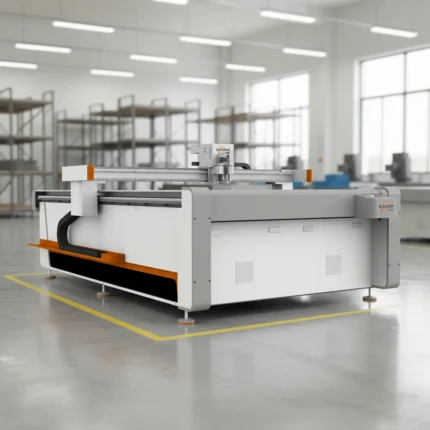
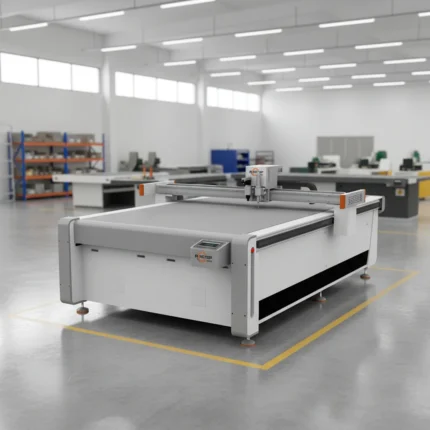
2026 Digital Flatbed Cutting Plotter Auto Corrugated Box Die Cutter
Product Introduction
Digital Flatbed Cutting Plotter 2026, ideal for auto corrugated box die cutting, offering precision and efficiency for professional packaging production.Specifications
| Type | Digital Flatbed Cutting Plotter |
| Model | 2026 |
| Application | Auto Corrugated Box Die Cutting |
| Function | Precision Cutting & Plotting |
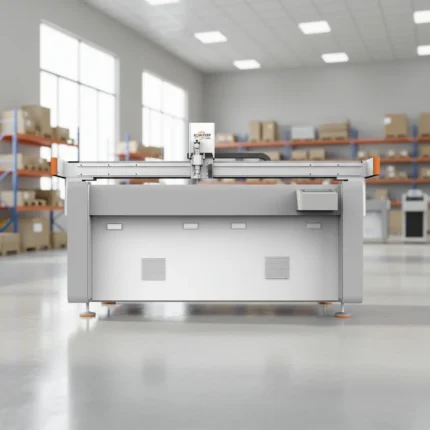
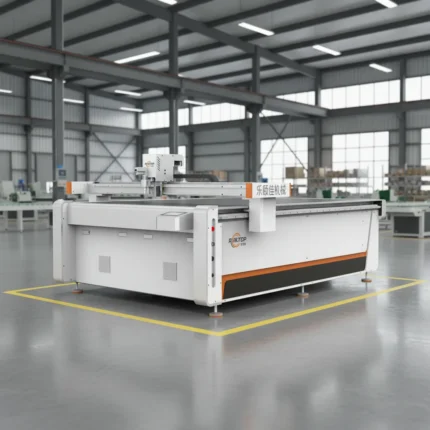
Automatic Die-less Cardboard Vibrating Knife Cutter 2026
Product Introduction
Automatic Die-less Cardboard Vibrating Knife Cutter 2026, a precision cutting solution for cardboard materials, featuring advanced die-less technology for efficient and flexible cutting operations. Ideal for various cardboard processing needs in manufacturing and packaging industries.Key Specifications
| Model | 2026 |
| Type | Automatic Die-less Cutter |
| Cutting Tool | Vibrating Knife |
| Material | Cardboard |
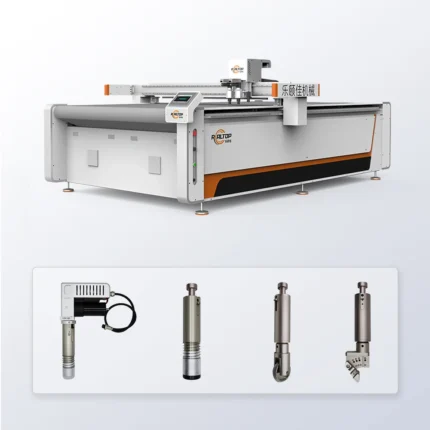
CNC Flatbed Cutter 2026 Digital Corrugated Box Making Machine
Product Introduction
High-precision CNC flatbed cutter designed for efficient cardboard box production. Ideal for 2026 digital corrugated box manufacturing, offering precise cutting and reliable performance for professional packaging solutions.
Key Specifications
| Type | CNC Flatbed Cutter |
| Application | Cardboard Box Production |
| Technology | 2026 Digital System |
| Material | Corrugated Board |


Realtop 2026 CNC Oscillating V-Cut Machine
Product Introduction
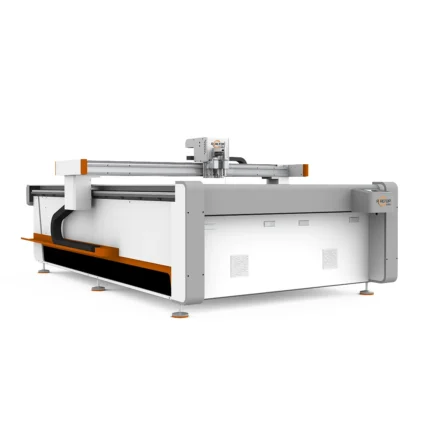
Realtop CNC Oscillating V-Cut Machine 2026 is a precision equipment designed for efficient V-cutting operations, ideal for various material processing needs with advanced CNC technology.
Key Specifications
| Model | Realtop CNC Oscillating V-Cut Machine 2026 |
| Type | CNC Oscillating V-Cut Machine |
| Application | Precision V-cutting operations |
| Feature | Advanced CNC technology |
商品评价
There are no reviews yet.