

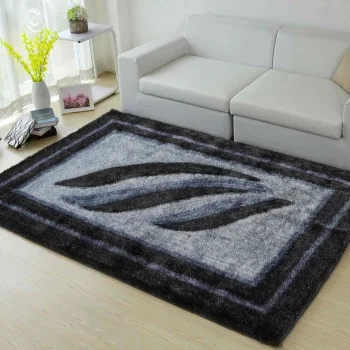
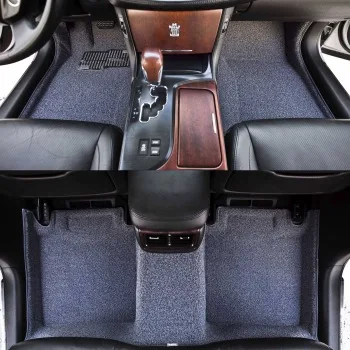

Carpet Floor Mat CNC Cutting Machine – Manufacturer
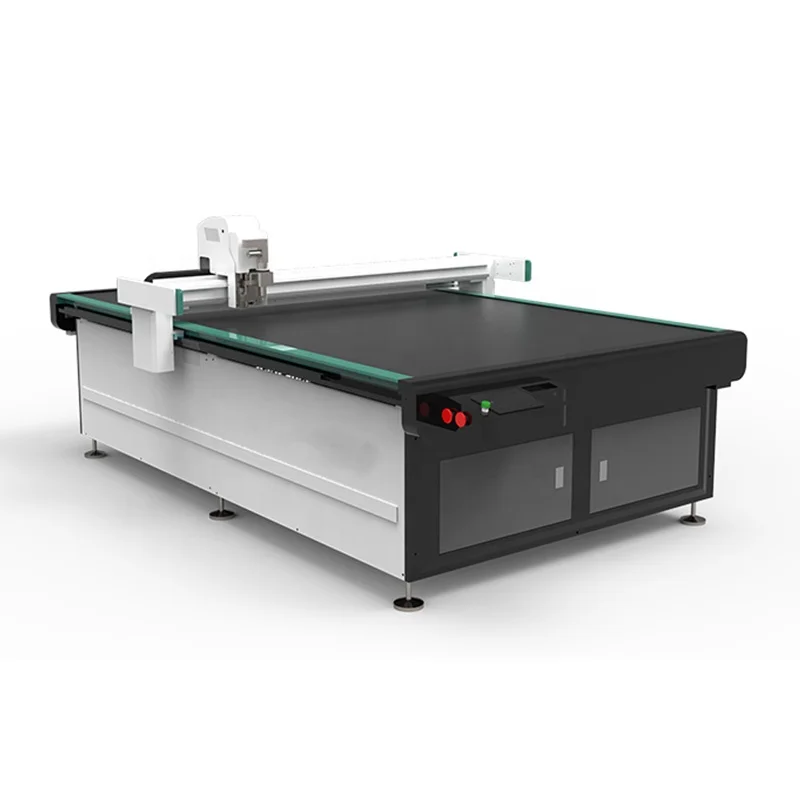
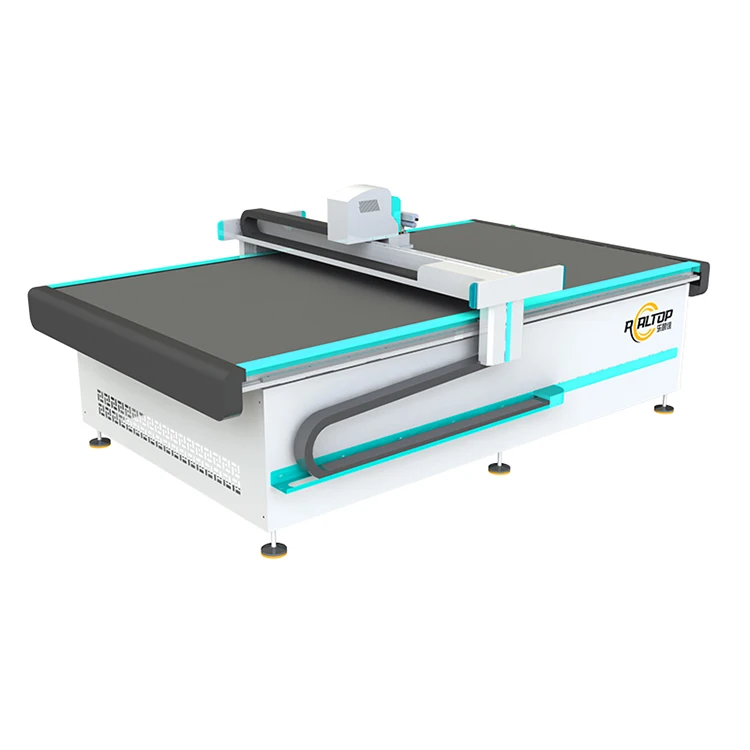
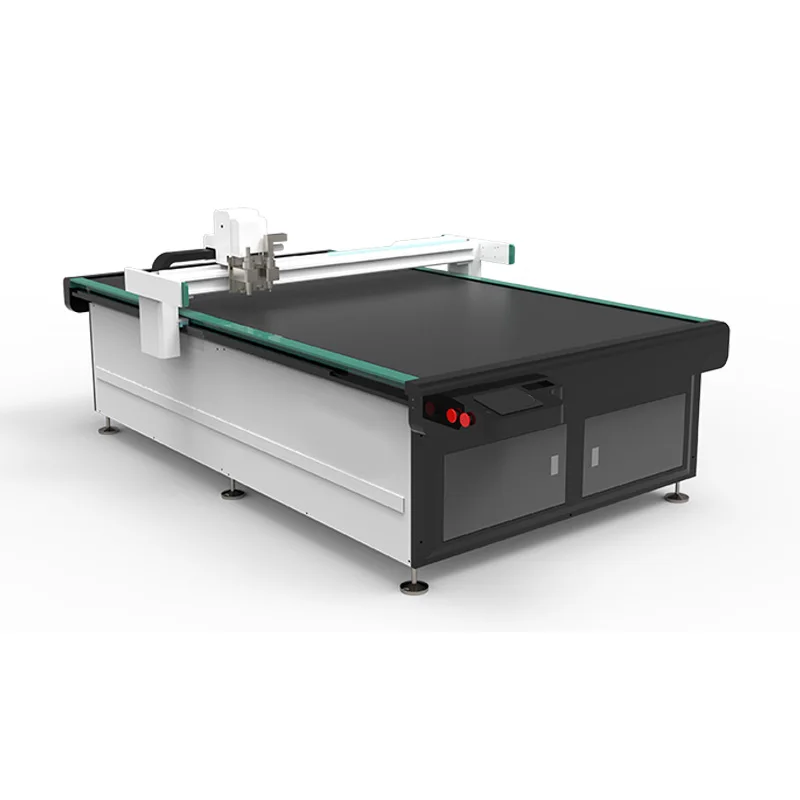
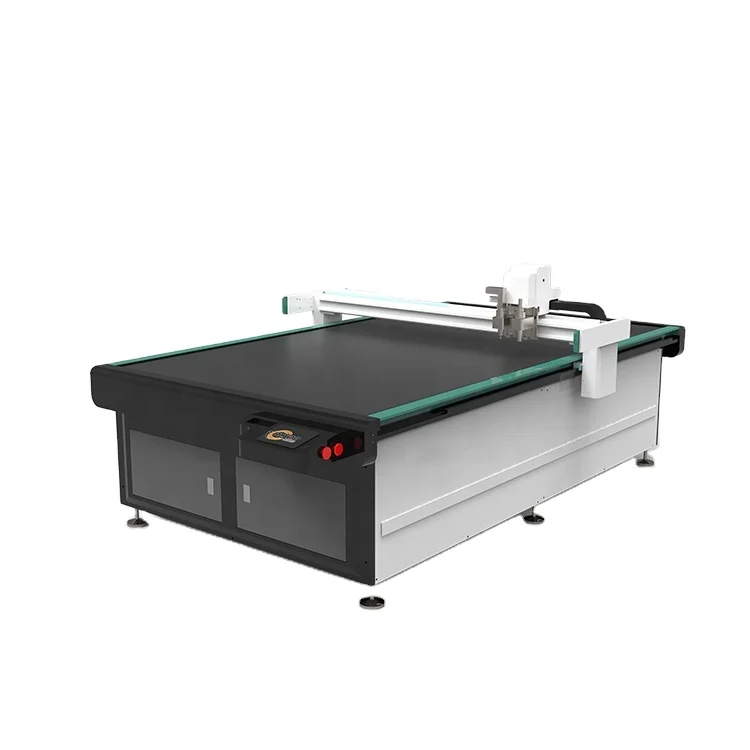
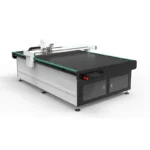
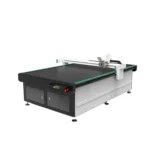
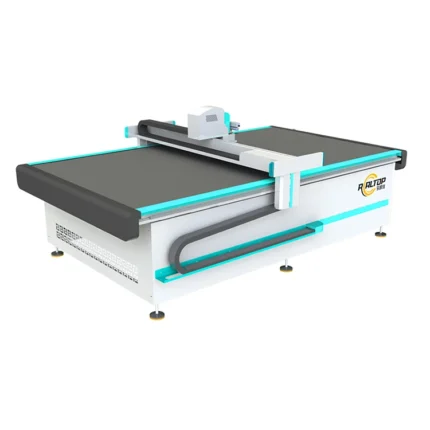
RT-D2516/RT-S2516 CNC Oscillating Knife Cutting Machine, 1600×2500mm Working Area, 380V, Swiss Knife Head — configured for carpet, car mat and flexible composite cutting with auto-feeding conveyor and 7.5kW vacuum hold-down.
- Yaskawa servo drive with Hiwin linear guide delivers ≤0.1mm repeatability across roll-to-sheet production
- HP-GL compatible system supports your existing nesting files and DXF/PLT workflows
- Knife cutting avoids thermal edge sealing, preserving material integrity on foam, PU, EVA and sponge composites
Sample cutting on your own carpet or mat stock confirms tool head and table configuration before order commitment, with voltage and plug standard verified for your destination market.
Custom tooling configuration — RT-D2516/RT-S2516 ships with a Swiss oscillating knife and auto-feed conveyor selected for rolled carpet and multi-layer car mat stock rather than a generic flatbed setup.
Technical Specifications
| Parameter | Value |
|---|---|
| Model | RT-D2516/RT-S2516 |
| Product Type | CNC Oscillating Knife Cutting Machine |
| Working Area | 1600 × 2500 mm |
| Machine Dimensions | 3450 × 2300 × 1250 mm |
| Rated Power | 9 kW |
| Vacuum Pump Power | 7.5 kW |
| Table Type | Flat working table with auto-feeding conveyor |
| Tool Head | Swiss imported oscillating knife (full cut, half cut, cursor positioning) |
| Drive System | Japanese Yaskawa digital servo motor |
| Linear Motion | Taiwan Hiwin rail with synchronous belt and ball screw |
| Repeatability | ≤ 0.1 mm |
| Translational Velocity | 800–1200 mm/s |
| Instruction Format | HP-GL compatible |
| Voltage | 380V ±10% |
| Safety System | Infrared sensor array |
| Assembly State | Fully assembled |
Application Suitability
| Application | Material or Output |
|---|---|
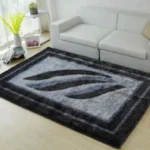
| Custom carpet and floor mat fabrication | Woven carpet rolls, tufted rugs, non-woven mat stock |
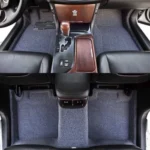
| Automotive interior and car mat production | Sponge composite leather, PU, EVA, XPE multi-layer sheets with or without fiberglass backing |
| Gasket and seal fabrication | Rubber, silicon, PTFE, ETFE, soft glass sheets |
| Footwear and leather goods | Leather, garment cloth, bags materials, flexible PVC |
| Composite and foam processing | Foam board, sponge, PU, EVA, PE, PP sheets |
Why Material Composition Changes the Entire Cutting Setup
A carpet or car mat that cuts cleanly as a single layer on the showroom sample may hide a fiberglass-reinforced backing that frays under the wrong blade frequency — the RT-D2516/RT-S2516 configuration is locked only after a test cut on the buyer’s actual roll stock.
I have watched buyers commit to a machine based on a standard polyester carpet sample, then receive a batch of automotive floor mats with a woven glass-fiber base layer. The knife dragged through that backing, lifting fibers and leaving ragged edges that forced the entire lot into scrap. The problem was never the working area or the servo drive — it was the tool head selection and oscillation frequency set without knowing the real material stack. [NEED_CITE: composite backing layer effects on oscillating knife edge quality]
This CNC oscillating knife cutting machine addresses that gap through a pre-order sample cutting protocol where the buyer ships actual production material to the factory. The cutting depth, blade type, and vacuum zoning are then documented in a written report before the configuration sheet is finalized.
Knife Process Control on Multi-Layer Mat Stock
The Swiss oscillating knife on the RT-D2516/RT-S2516 runs full-cut, half-cut, and cursor-positioning modes, allowing a single setup to through-cut a carpet face while kiss-cutting a backing layer for easy peel-weed. Oscillation frequency is adjusted per material density so that dense rubber underlay receives a higher stroke rate while soft sponge composite runs at a lower setting to prevent compression tearing. This matters because automotive mats often stack three or four dissimilar layers, and a single fixed-frequency blade will either crush the top layer or fail to penetrate the base.
Vacuum Zoning and Small-Part Hold-Down
A 7.5 kW vacuum pump feeds the flat working table through zone-controlled channels. When cutting large carpet panels, the full table area pulls vacuum evenly. When the nest shifts to small gasket pieces or car mat inserts, individual zones are isolated so suction concentrates under each part. Without zoning, small lightweight foam or non-woven pieces lift off the belt mid-cut, shifting the registration and producing unusable edges. [NEED_CITE: vacuum table zoning requirements for small-part CNC knife cutting]
Reading the Spec Sheet Against Real Production Needs
The 1600 × 2500 mm working area fits standard carpet roll widths up to approximately 1.6 meters, and the German-imported auto-feeding conveyor belt advances material continuously for roll-to-sheet workflows without manual repositioning. The Yaskawa servo drive paired with Hiwin linear rails holds ≤ 0.1 mm repeatability, which keeps contour cuts on printed mats aligned with the graphic register across long production runs. Rated power at 9 kW covers the servo, vacuum, and conveyor draw together — buyers should confirm that their workshop supply can sustain this load alongside other equipment on the same circuit. The HP-GL compatible instruction system accepts common nesting file formats, but software license terms and specific DXF/PLT import compatibility should be confirmed in writing before the order is placed. [NEED_CITE: HP-GL format compatibility with common nesting software platforms]
What Happens When the Configuration Is Guesswork
Choosing a drag knife instead of an oscillating knife on fiberglass-backed automotive mats produces crushed edges and delaminated layers that no amount of post-trimming can fix. Skipping the sample cut protocol means discovering the mismatch only after the machine arrives and the first real production sheet is loaded. Inadequate vacuum zoning on small parts causes registration drift that accumulates across a full nest, turning what looked like a minor hold-down issue into hours of scrapped material and missed shipment deadlines. [NEED_CITE: consequences of incorrect tool head selection on composite mat materials]
Why Buyers Source This Machine Here
In-house design covers both knife and laser cutting processes, so a buyer processing acrylic signage alongside carpet mats can evaluate which method suits each material instead of being locked into one technology. The tool head, table configuration, and conveyor setup are specified per material type and daily volume rather than sold as a fixed catalog package. Sample cutting on the buyer’s own carpet or mat stock is completed and documented before any production commitment is made. Voltage at 380V ±10% and plug standard are confirmed against the destination market’s electrical code before the machine leaves the factory floor. The documentation package includes the electrical schematic, software license note, and file format compatibility statement so the buyer’s IT team can verify integration before the crate is opened.
Documentation & Verification
- Machine specification sheet listing confirmed tool head and vacuum zone configuration
- Sample cutting report produced on buyer-supplied carpet or mat material
- Electrical schematic with voltage and frequency confirmed for destination market
- Factory test record documenting run cycle on configured working area
- Software license and HP-GL file format compatibility note included at dispatch
- Spare parts list covering blades, knife holders, and conveyor belt segments
Installation, Commissioning & Support
- Fully assembled delivery — position on level floor with clearance around the 3450 × 2300 mm footprint for material loading
- Dedicated 380V ±10% circuit rated for the 9 kW total draw plus vacuum pump startup surge
- Vacuum table leveling and zone calibration performed during first-day commissioning
- Auto-feed conveyor tension and tracking adjusted to buyer’s specific roll stock width
- Oscillation frequency and blade depth parameters set per sample-cut report on buyer’s material
- Operator training covers tool change, zone switching, and HP-GL file import workflow
Before You Request a Quote
Share the exact material composition of your carpet or floor mat stock, including any backing layers such as fiberglass, rubber, or foam composite, along with maximum sheet thickness and daily cutting volume. Confirm your workshop voltage, frequency, and plug standard, plus the nesting software and file formats currently in use. If your material has a printed contour that requires optical registration, state that requirement up front so the correct positioning system can be evaluated.
Frequently Asked Questions
Q: How is cutting quality verified on my specific carpet or car mat material before I place the order?
A: You ship a roll sample of your actual production material to the factory. The cutting method, blade type, oscillation frequency, and vacuum zone layout are tested on that sample, and a written cutting report is returned with the results. The machine configuration is finalized only after you approve that report, so there is no guesswork when the equipment arrives at your facility.
Q: Is knife cutting or laser cutting the better process for my mat material?
A: It depends on the material composition. Knife cutting avoids thermal edge sealing, which is preferred on automotive mats and carpet where a clean mechanical edge is required. Laser cutting seals synthetic edges and suits certain textile applications. Both methods are available from the same manufacturing team, so you can evaluate which process fits your material before committing to a machine type.
Q: Can the software import my existing DXF or PLT nesting files?
A: The instruction system supports HP-GL compatible formats, which covers many common nesting outputs. Before the order is confirmed, you provide your actual file samples, and software compatibility is tested and documented in writing. If your workflow uses a specific nesting platform, that detail should be shared during the inquiry stage so any integration requirements are identified early.
Q: What voltage and plug standard will the machine be configured for?
A: The RT-D2516/RT-S2516 runs on 380V ±10%, and the plug type is matched to your destination market’s standard. Voltage, frequency, and plug configuration are confirmed in writing before production begins. The electrical schematic is included in the documentation package so your local electrician can verify the supply circuit before the machine is uncrated.
Q: What blade consumables are included, and how do I reorder?
A: The initial shipment includes a set of blades and knife holders matched to your material type. A spare parts list with part numbers is included in the documentation package. Reorder lead times for standard consumables are typically short, but you should confirm stocking quantities for your production volume during the commissioning stage to avoid unplanned downtime.



商品评价
There are no reviews yet.