



CNC Corrugated Box Cutting Machine 2026 Oscillating Knife | Factory Supply
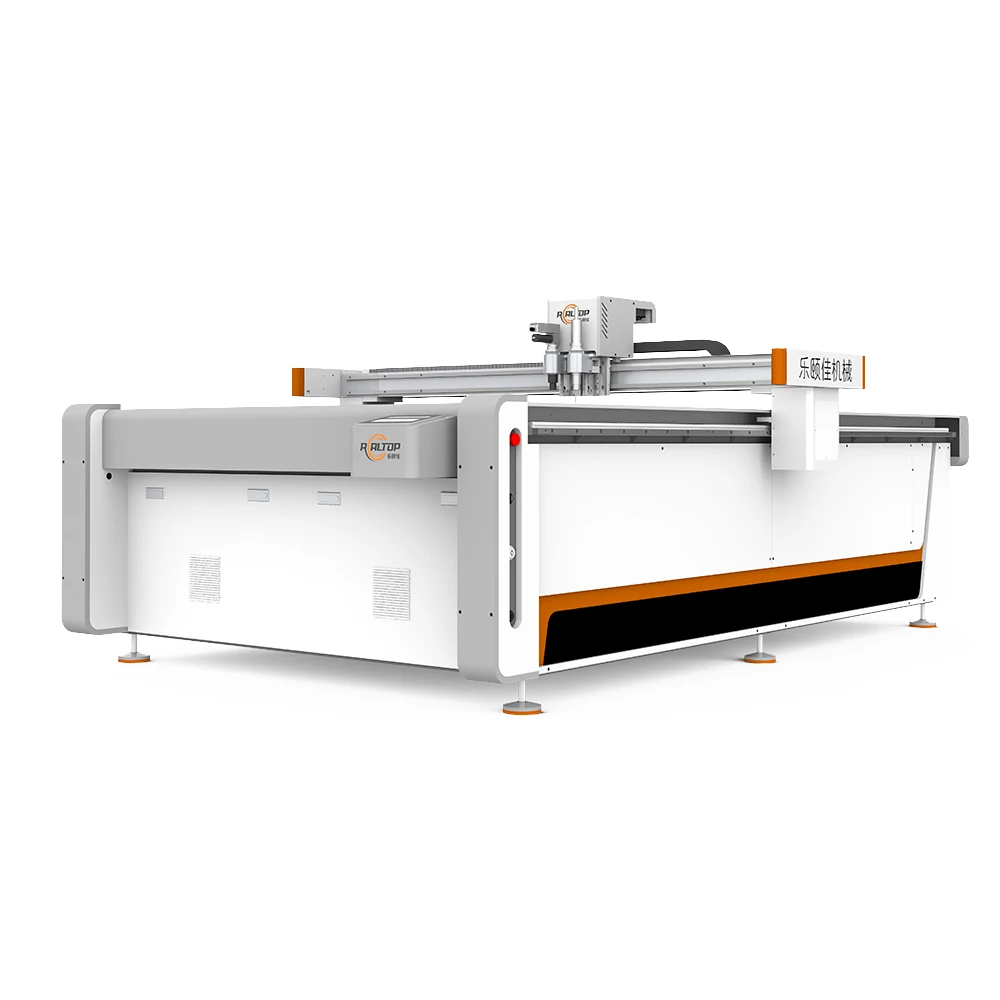
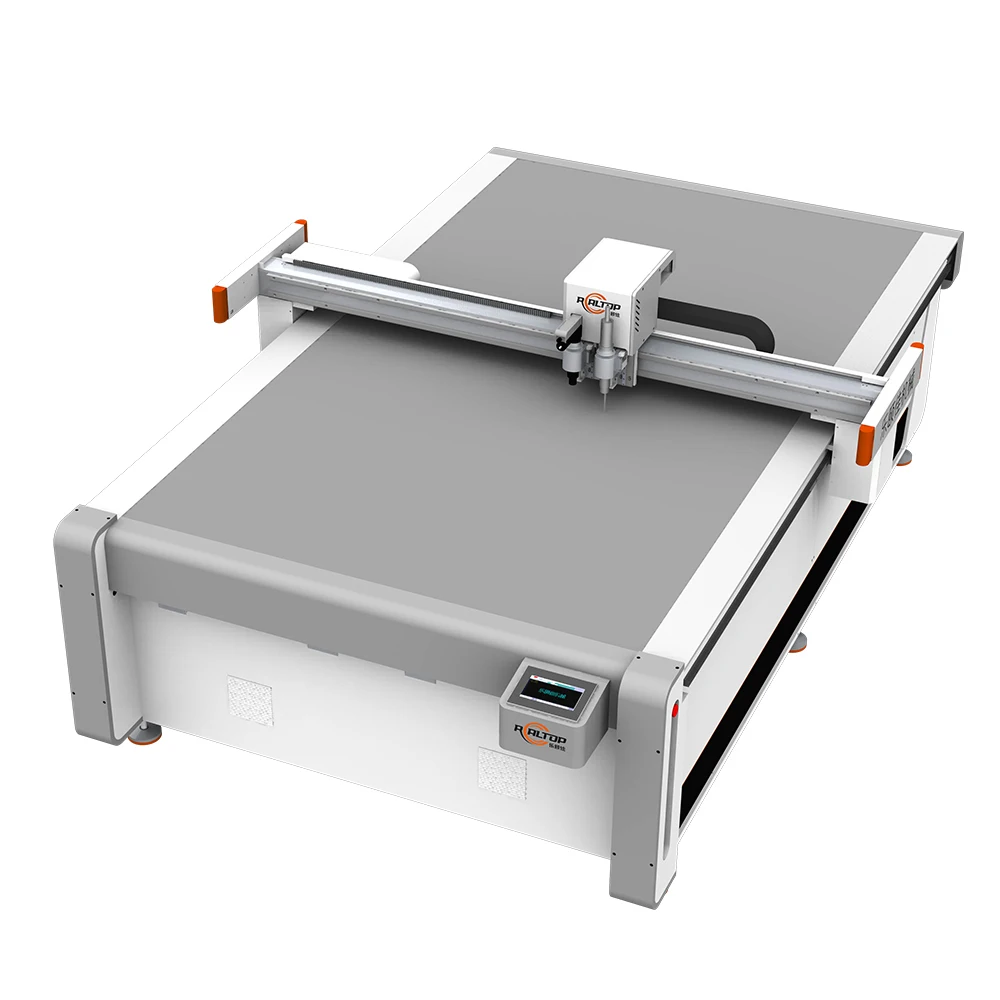
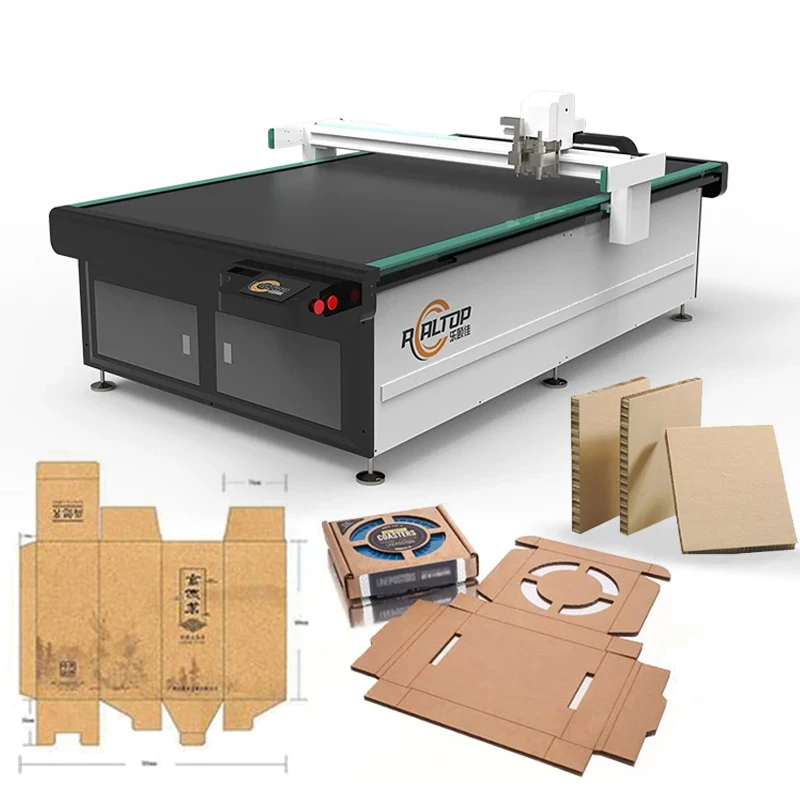
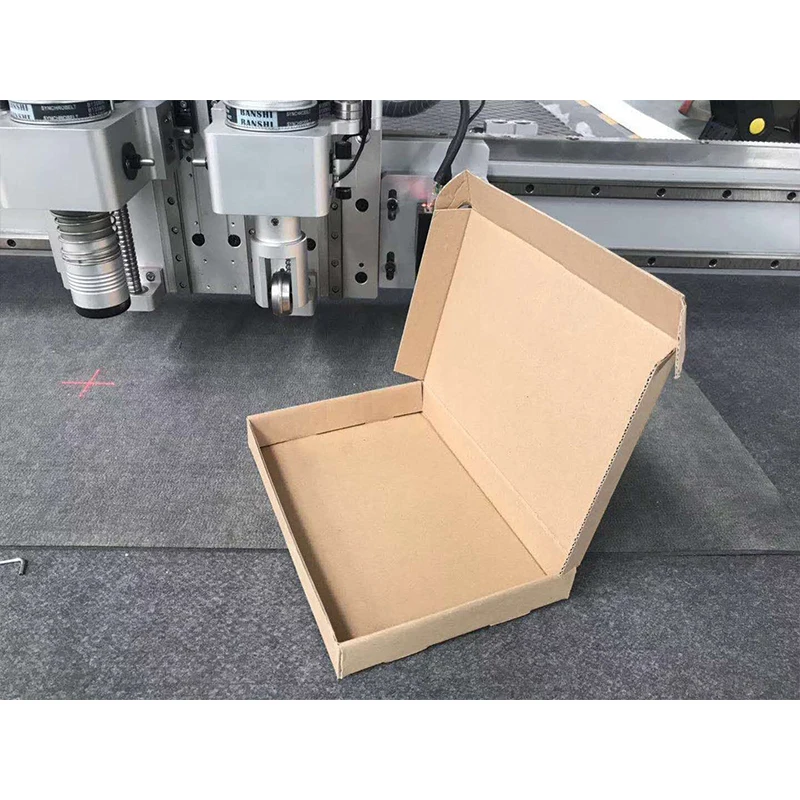
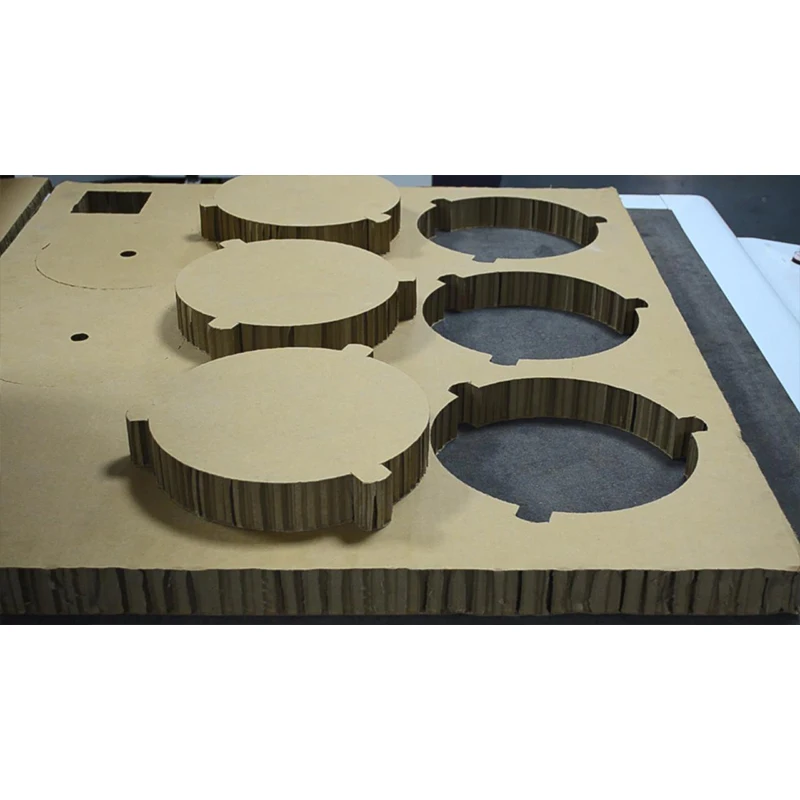
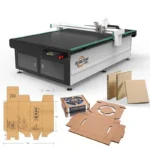
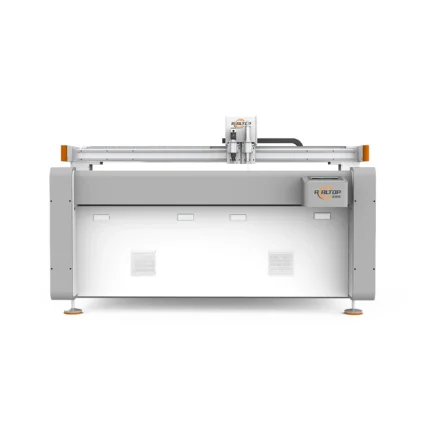
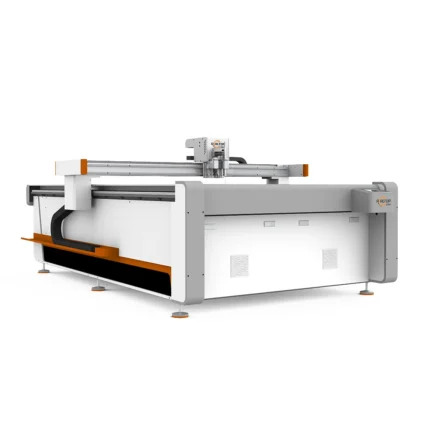
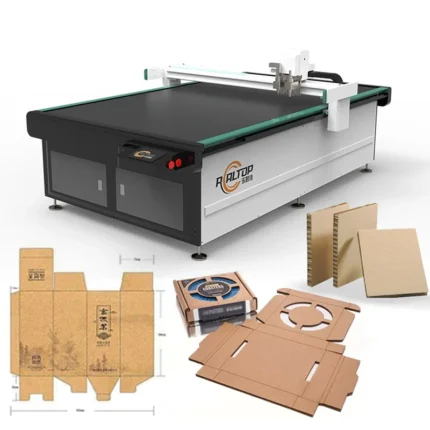
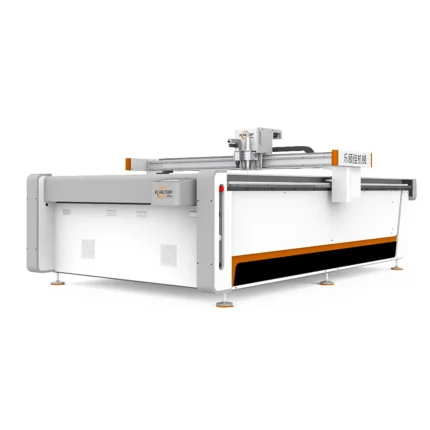
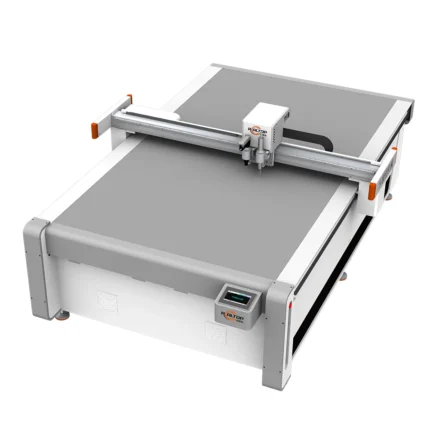
RT–R2513 / RT-D2516 / RT-S2516 CNC Oscillating Knife Corrugated Box Cutting Machine, 2500×1300mm / 2500×1600mm, 9KW — equipped with oscillating knife, creasing wheel and kiss-cut tools for clean edge cutting on corrugated board, stickers and labels without scorch marks.
- Aluminum honeycomb vacuum table with 7.5kW pump holds material flat across the full working area
- Repeated accuracy <0.05mm via imported linear guide and rack transmission
- Professional carton nesting software imports DXF, AI, PDF and OLT files for fast sample turnaround
Sample cutting on your own board grade is completed before order confirmation, with voltage, plug and control language locked to your market before shipment.
Tooling Flexibility Matched to Substrate — Oscillating knife, creasing wheel, kiss-cut and round punch tools configured per corrugated flute grade and sticker stock before the order is finalized.
Technical Specifications
| Parameter | Value |
|---|---|
| Product Type | CNC Oscillating Knife Corrugated Box Cutting Machine |
| Working Area | 2500×1300 mm (RT–R2513) / 1600×2500 mm (RT-D2516 / RT-S2516) |
| Machine Size | 3550×1910×1400 mm (RT–R2513) / 3450×2300×1250 mm (RT-D2516 / RT-S2516) |
| Cutting Thickness | ≤18 mm (basis to be confirmed for flute type and board grade) |
| Cutting Tools | Oscillating knife, creasing tool, kiss-cut knife, round punch |
| Repeated Accuracy | <0.05 mm |
| Transmission | Imported straight-line square guide and rack transmission |
| Vacuum Table | Aluminum alloy honeycomb structure vacuum adsorption platform |
| Vacuum Pump | 7.5 kW |
| Rated Power | 9 kW |
| Voltage | 380 V (frequency to be confirmed for target market) |
| Profile Format | DXF, OLT, PDF, AI |
| Transmission Method | Ethernet port |
| Frame | Welded thick square seamless steel structure, high temperature treatment |
| Safety Device | Infrared sensors, emergency stop |
| Software | Professional carton nesting software, customized system language |
| Delivery Time | <30 working days |
Application Suitability
| Application | Material or Output |
|---|---|
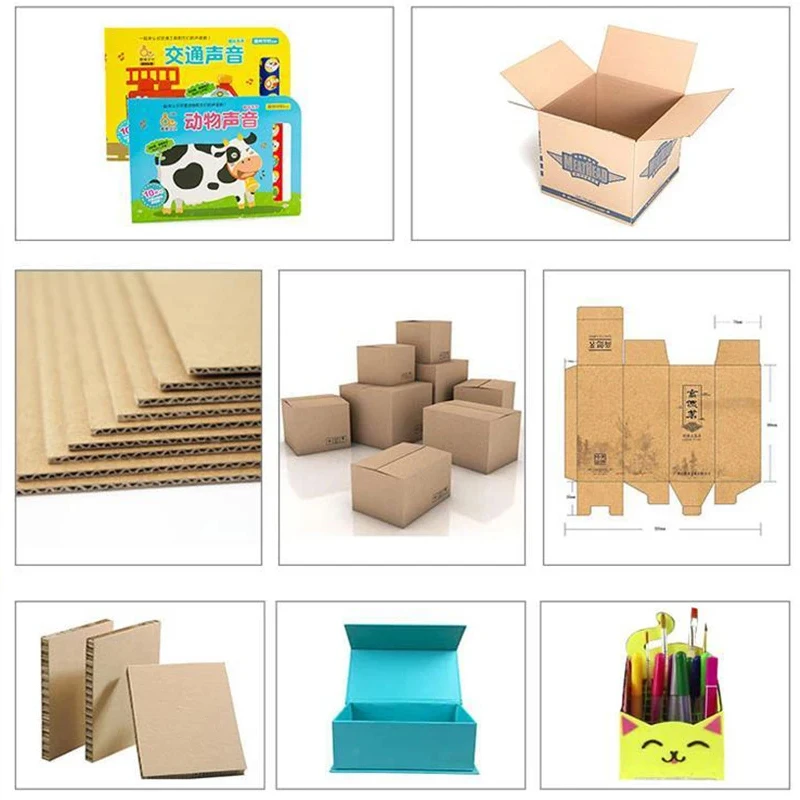
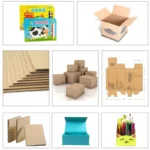
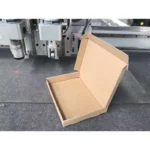
| Packaging sample making | Corrugated carton board across varying flute profiles without die tooling |
| Sticker and label contour cutting | Printed vinyl, PP paper and adhesive label stock on release liner |
| Carton box manufacturing | Single and double-wall corrugated board for electrical appliance and logistics packaging |
| High-end gift box prototyping | Laminated cardboard and specialty paper substrates with kiss-cut and crease lines |
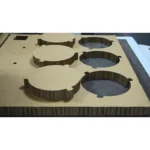
| Short-run point-of-sale display | Corrugated and honeycomb paper board with mixed cut and fold operations |
Why Corrugated Board Burns Before the Laser Head Even Finishes
When buyers ask about a laser cutting and engraving machine for packaging, the first issue that surfaces on the shop floor is charred fiber along the cut edge. Corrugated board is mostly cellulose with trapped air in the flute channels; a CO2 beam ignites the exposed liner and leaves a brown scorch line that packaging clients reject on sight. A CNC oscillating knife cutting machine for corrugated box production sidesteps this entirely because the blade severs fibers mechanically rather than thermally, leaving a clean edge ready for folding and gluing without secondary cleanup [NEED_CITE: thermal degradation of cellulose substrates during laser processing].
Clean mechanical cuts eliminate the scorch and smoke that laser processing leaves on corrugated and sticker substrates.
I have watched packaging sample shops in humid climates try to run corrugated prototypes on CO2 machines, only to spend more time sanding burn marks off fold lines than actually cutting samples. The extraction system pulls smoke but cannot stop the discoloration where the beam exits the bottom flute.
The Mechanical Cut Advantage on Fibrous Substrates
An oscillating knife vibrates at high frequency while advancing through the board, slicing corrugated flutes cleanly without compressing the surrounding structure. This matters for packaging sample making where the buyer inspects the fold line quality before committing to a production die. The cutting method produces no heat-affected zone, so adhesive-backed sticker stock releases from the liner without melted edges bonding back to the backing paper. A CNC knife cutting machine for corrugated box work handles the transition from single-flute board to multi-layer laminated card within the same software nest.
Tool Head Configuration for Mixed Packaging Jobs
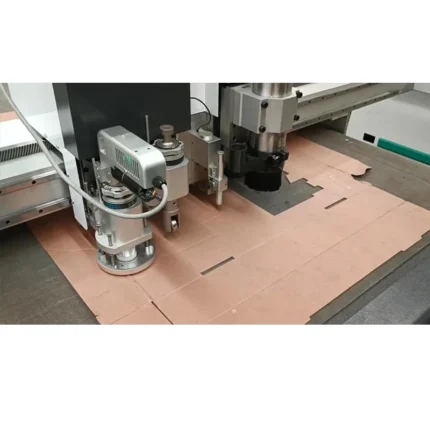
The cutting head accepts multiple tools simultaneously, which matters when a single packaging sample requires a through-cut outline, a creasing line for folds, a kiss-cut window, and a round punch for a finger hole. The creasing wheel deforms the corrugated board along the fold line without severing it, preserving the structural continuity of the flute. Kiss-cut depth is adjustable so the blade scores the face material while leaving the backing liner intact for label dispensing. Each tool position is defined in the nesting software before the file reaches the machine controller.
How Specs Translate to Daily Production Decisions
The ≤18 mm cutting thickness rating depends entirely on the flute profile and board grade being processed. A double-wall BC-flute board at 6 mm cuts differently from a solid fiber laminated card at 12 mm; the oscillating knife stroke and blade geometry must match. The imported straight-line square guide and rack transmission maintain the <0.05 mm repeated accuracy across the full 2500×1300 mm or 1600×2500 mm working area, which prevents cumulative drift when cutting multiple copies of a nesting layout. The 7.5 kW vacuum pump paired with the aluminum alloy honeycomb table holds thin sticker sheets flat without edge lift, a common failure point on lighter vacuum systems when cutting small label parts [NEED_CITE: vacuum adsorption requirements for thin flexible substrates]. The 9 kW rated power figure reflects the combined servo, spindle and vacuum load at the 380 V supply; buyers in 60 Hz markets need to confirm transformer compatibility before the machine ships.
The Hidden Cost of Underspecified Tooling
Choosing an oscillating knife blade without matching the flute depth leads to frayed edges on the bottom liner because the blade tip deflects instead of shearing clean through. A creasing wheel set too deep cracks the top liner on double-wall board, making the fold look broken on the finished sample. Kiss-cut tools calibrated on one sticker material often cut through the backing liner when the operator switches to a thicker vinyl, ruining an entire sheet of nested labels. These mismatches surface during production, not during the factory test, because the sample report used a different board grade [NEED_CITE: tooling wear and substrate mismatch in digital cutting operations].
Why Source This Configuration Here
The design team specifies tool head combinations per material and production volume rather than shipping a default configuration that may not match the buyer’s actual board grades. Sample cutting on the buyer’s own corrugated stock confirms edge quality, crease depth and kiss-cut release before the order is confirmed. Voltage, plug type and control panel language are verified against the destination market’s electrical standards, so the machine powers up on arrival without waiting for a transformer shipment. Software compatibility is checked against the buyer’s existing CAD workflow and nesting file formats before production begins [NEED_CITE: industrial electrical standards by export region]. The in-house production line builds both knife and laser configurations, so a buyer can compare the two methods on the same material and choose based on cut quality rather than defaulting to whichever machine is available.
Documentation & Verification
- Machine specification sheet listing confirmed tool head configuration and working area dimensions
- Electrical schematic with voltage and frequency matched to destination market before dispatch
- Sample cutting report produced on buyer’s own corrugated board grade and sticker stock
- Tool head and table configuration list specifying blade type, creasing wheel and kiss-cut setup
- Software licence and file format compatibility note covering DXF, AI, PDF and OLT import
Installation, Commissioning & Support
- Floor space planning based on 3550×1910 mm or 3450×2300 mm machine footprint with operator clearance
- Dedicated 380 V circuit provision sized for the 9 kW rated power draw at confirmed frequency
- Vacuum pump commissioning on the 7.5 kW unit with table zone mapping for small-part holding
- Controller language setup and software nesting parameter tuning during first-day production run
- Oscillating blade and creasing wheel spare parts list with recommended replacement intervals
Before You Send an Inquiry
Packaging buyers get accurate configuration recommendations by providing the corrugated flute profile, board thickness range and typical sheet size they process daily. Specify the destination voltage and frequency, the plug standard and the preferred control panel language so the electrical package matches the workshop on arrival. Confirm whether the existing design workflow uses DXF, AI or PDF files and whether the nesting software needs to integrate with a specific upstream CAD system.
Frequently Asked Questions
Q: Why use a knife instead of a laser for corrugated packaging samples?
A: Laser beams char cellulose fibers in corrugated board, leaving brown scorch marks along cut edges and fold lines that packaging clients reject. An oscillating knife cuts mechanically without heat, producing clean edges that are ready for gluing and presentation without secondary sanding. The absence of smoke also reduces extraction requirements in the workshop.
Q: How does board flute type affect the cutting thickness capacity?
A: The ≤18 mm rating applies differently depending on whether the board is single-face, single-wall or double-wall construction. A BC-flute double-wall board at 6 mm requires different blade geometry and oscillation stroke than a solid laminated card at 12 mm. Always request sample cutting on your specific board grade before finalizing the tool configuration.
Q: Can the machine run sticker contour cutting and corrugated board on the same day?
A: Yes, the cutting head holds multiple tools so operators switch from the oscillating knife for corrugated outlines to the kiss-cut knife for sticker sheets without manual tool changes. The vacuum table holds thin adhesive-backed materials flat during cutting, and the nesting software manages mixed material jobs within the same production queue.
Q: What electrical information must be confirmed before the machine ships?
A: The base voltage is 380 V, but the frequency (50 Hz or 60 Hz) and plug standard must match the destination workshop. Buyers should confirm their supply capacity for the 9 kW rated load and specify the control panel language. Electrical mismatches discovered after arrival cause multi-week delays while transformers are sourced locally.


Related products
Automation CNC Pizza Box Machine 2026 Rotary Die Cutting
Product Parameters
| Type | Automation CNC Pizza Box Machine |
| Model Year | 2026 |
| Rotary Die Cutting | |
| Operation | Automated CNC Control |
Introduction
This 2026 Automation CNC Pizza Box Machine features advanced rotary die cutting technology, ensuring precise and efficient pizza box production. With automated CNC control, it offers high productivity and accuracy for professional manufacturing needs.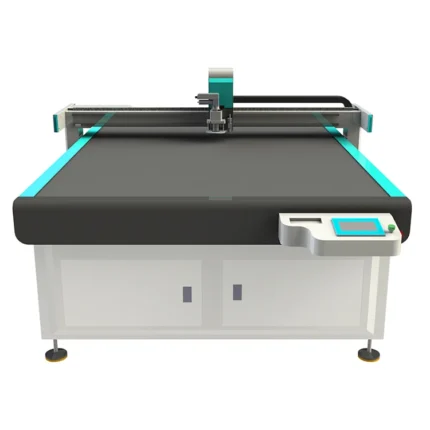
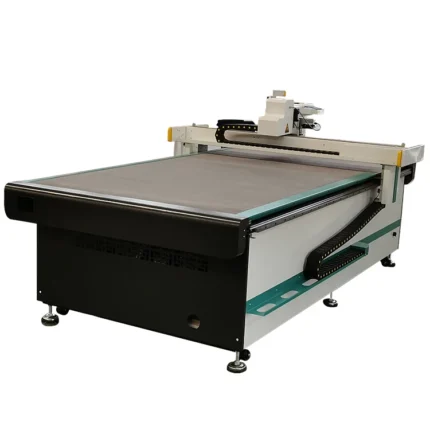
CNC Oscillating Knife Cutting Machine 2026 for Corrugated Cardboard & Honeycomb
Product Introduction
2026 CNC Oscillating Knife Cutting Machine, ideal for corrugated cardboard and honeycomb materials, offering precise and efficient cutting solutions for your production needs.Specifications
| Model | 2026 |
| Type | CNC Oscillating Knife Cutting Machine |
| Applicable Materials | Corrugated Cardboard, Honeycomb |
| Cutting Method | Oscillating Knife |

CNC Vibrating Knife Cutter 2026 Custom Cartons Packaging
Product Introduction
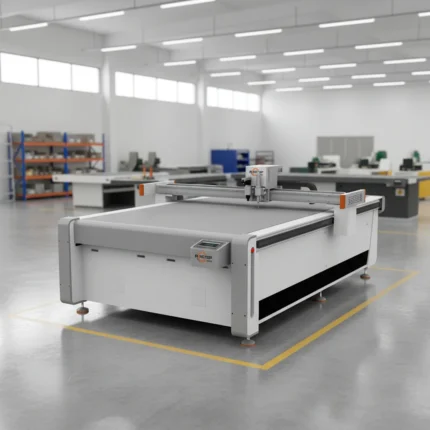
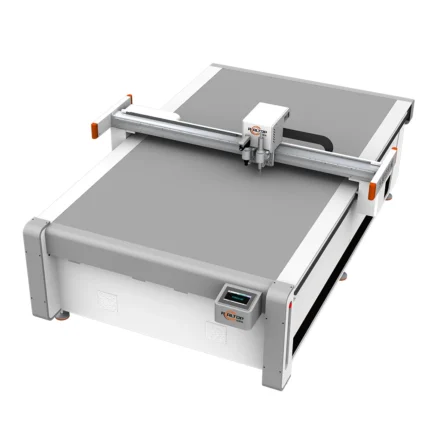
CNC Vibrating Knife Cutter 2026 is ideal for custom cartons & packaging, offering precise cutting solutions for various materials. Engineered by a leading Chinese welding & cutting equipment manufacturer, it ensures efficiency and accuracy for packaging production needs.Key Specifications
| Model | 2026 |
| Type | CNC Vibrating Knife Cutter |
| Application | Custom Cartons & Packaging |
| Manufacturer | Chinese Leading Factory |


Digital CNC Cardboard Cutting Machine 2026
Product Introduction
High-precision Digital CNC Cardboard Cutting Machine 2026, ideal for efficient cardboard processing with advanced CNC technology, ensuring precise and fast cutting performance for various packaging and craft applications.
Key Specifications
| Model | 2026 |
| Type | Digital CNC Cutting Machine |
| Material | Cardboard |
| Feature | High Precision, Efficient Cutting |


Realtop 2026 CNC Oscillating V-Cut Machine
Product Introduction
Realtop CNC Oscillating V-Cut Machine 2026 is a precision equipment designed for efficient V-cutting operations, ideal for various material processing needs with advanced CNC technology.
Key Specifications
| Model | Realtop CNC Oscillating V-Cut Machine 2026 |
| Type | CNC Oscillating V-Cut Machine |
| Application | Precision V-cutting operations |
| Feature | Advanced CNC technology |
商品评价
There are no reviews yet.