



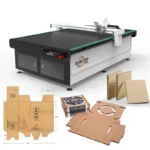

CNC Corrugated Carton Cutting Machine 3000mm – Technical Guide
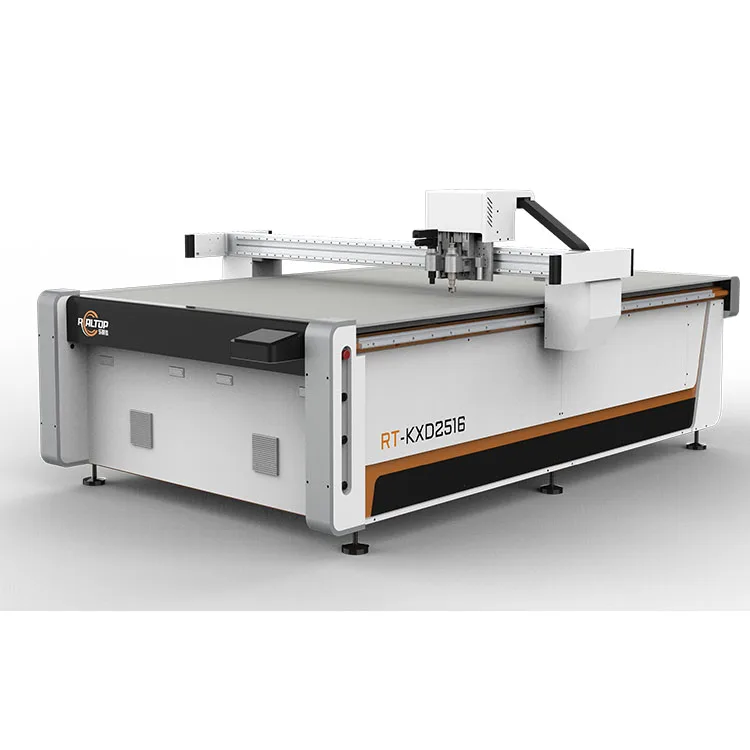
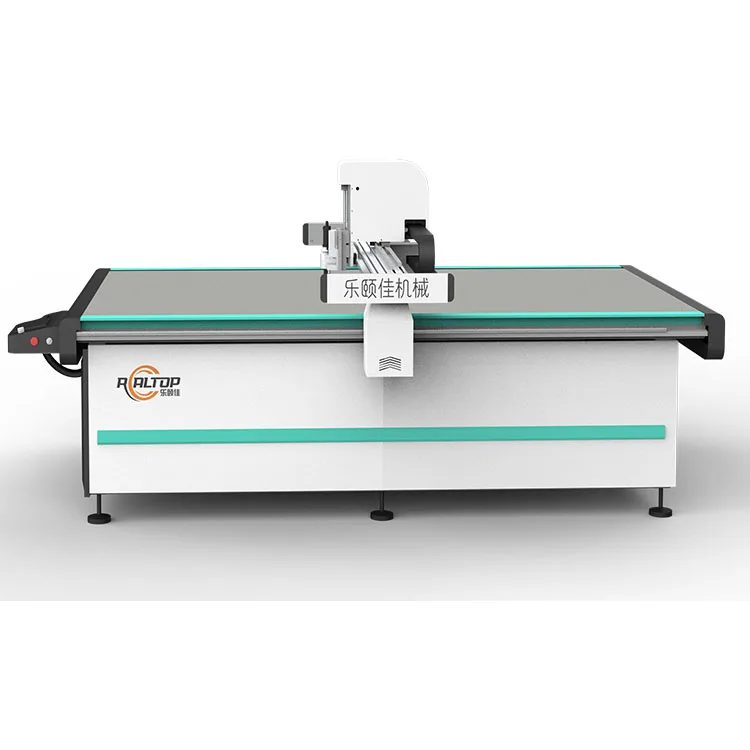
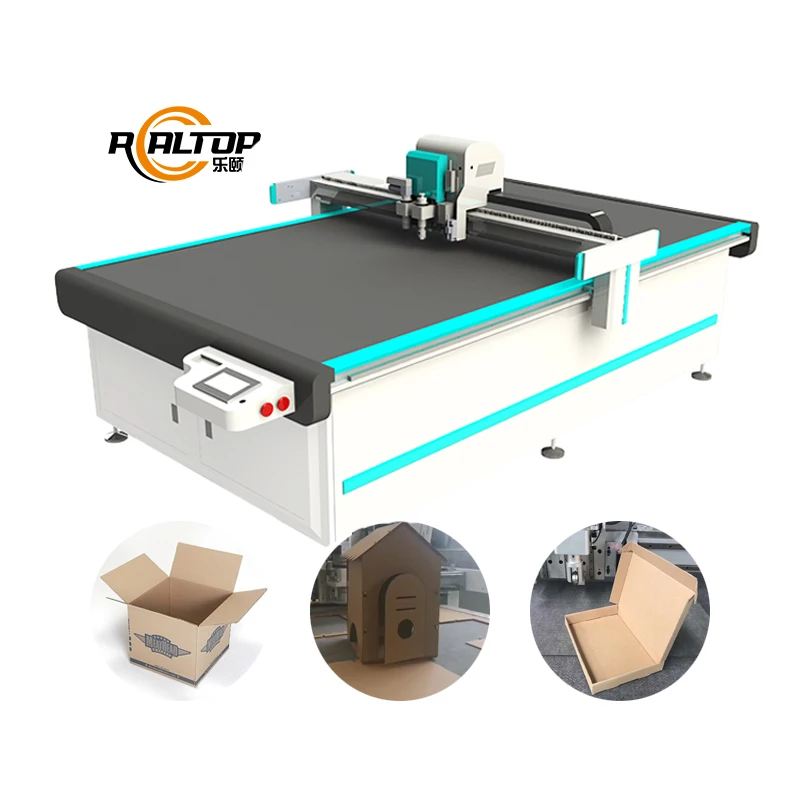
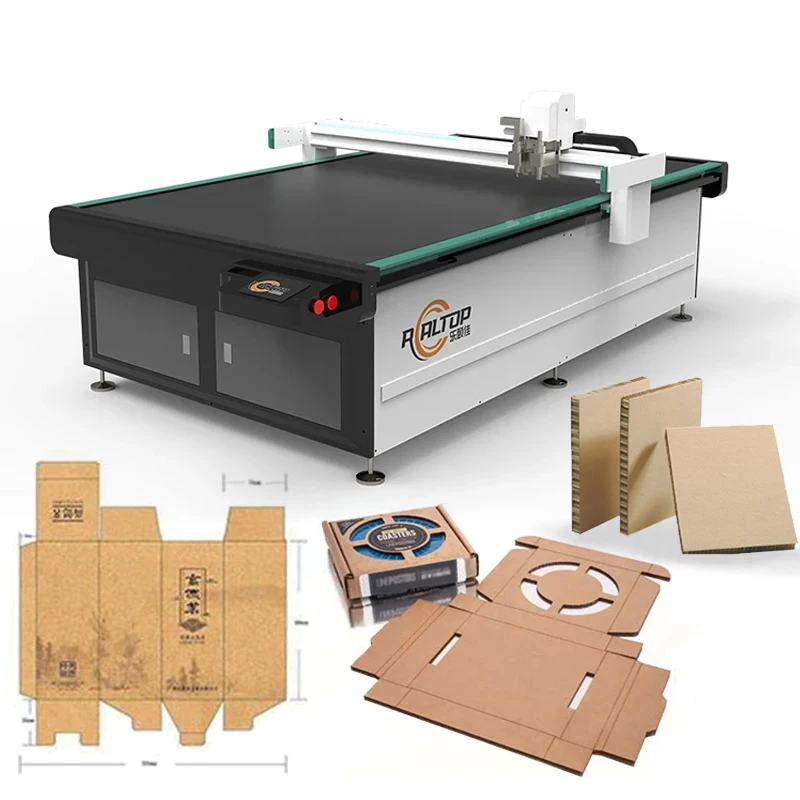
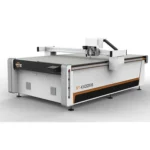
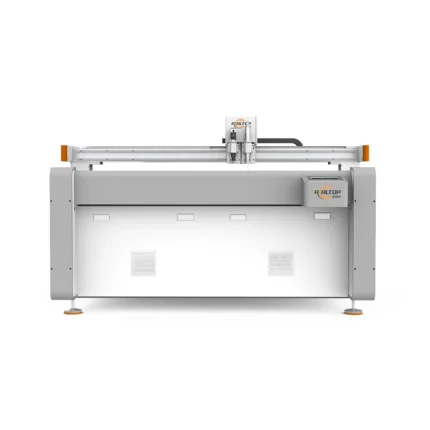
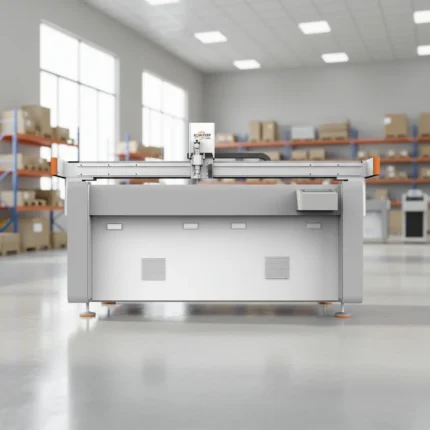
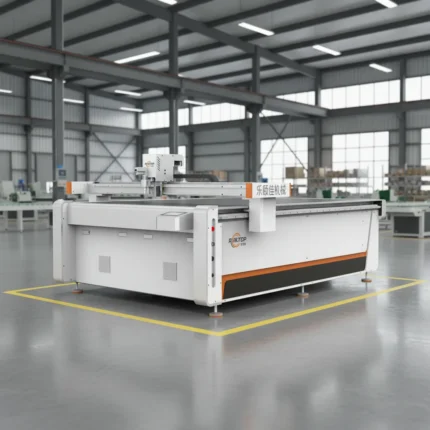
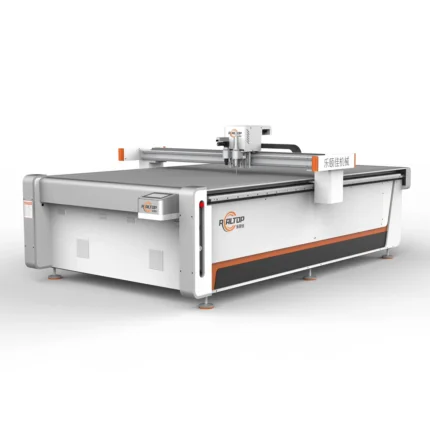
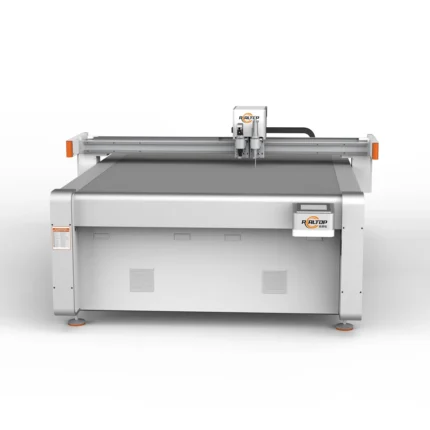
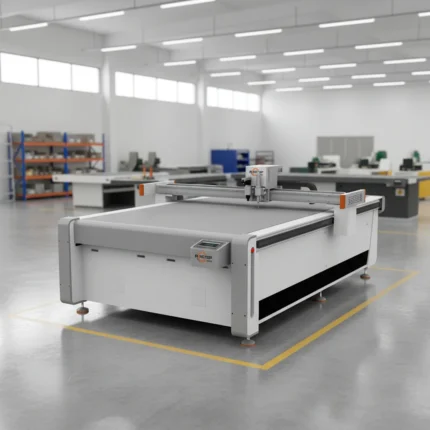
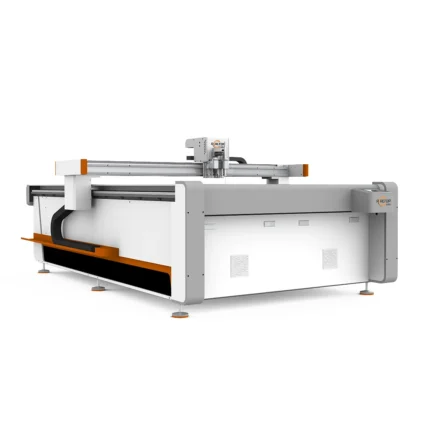
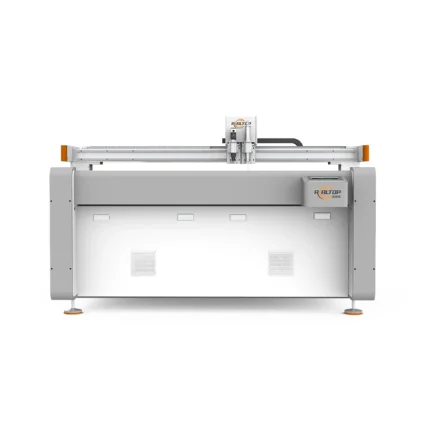
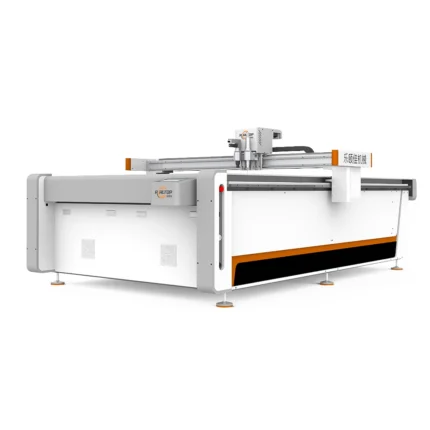
RT-D2516/RT-S2516 CNC Oscillating Knife Carton Cutting Machine, 1600×2500mm, 7.5kW Vacuum Table — configured for corrugated carton sample making and short-run packaging production.
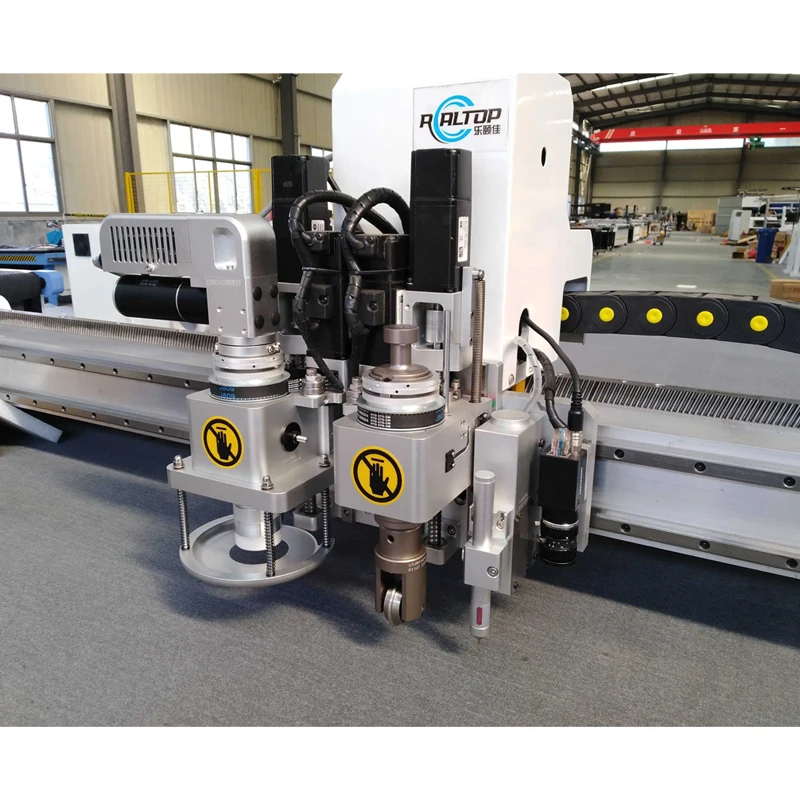
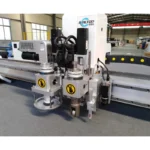
- Swiss imported oscillating knife head with full-cut, half-cut and cursor location functions
- Taiwan Delta servo motors and Hiwin linear guides for ≤0.1mm repeatability
- Aluminum alloy honeycomb vacuum adsorption platform for uniform board hold-down
CO2 and fiber laser cutting technology is our core focus — for knife cutting applications, we match the right cutting method to your specific material and production volume. Sample cutting on your own corrugated board grade available before commitment.
Laser Process Depth — CO2 and fiber sources rated at continuous output for verified cutting depth on corrugated board and packaging substrates.
Technical Specifications
| Parameter | Value |
|---|---|
| Product Type | CNC Oscillating Knife Carton Cutting Machine |
| Working Area | 1600 × 2500 mm |
| Machine Footprint | 3450 × 2300 × 1250 mm |
| Rated Power | 9 kW |
| Supply Voltage | 380V ±10% |
| Control Interface | CNC with HP-GL compatible format |
| Tooling Function | Vibration full cutting, vibration half cutting, cursor location |
| Translational Velocity | 800–1200 mm/s |
| Cutting Speed | 200–800 mm/s (varies according to different cutting materials) |
| Maximum Cutting Thickness | ≤100 mm (varies with material) |
| Repeated Accuracy | ≤0.1 mm |
| Drive & Motion | Digital servo motor, linear guide, synchronous belt, ball screw |
| Servo System | Taiwan Delta motors and drivers |
| Linear Motion | Taiwan Hiwin rail |
| Workholding | Aluminum alloy honeycomb vacuum adsorption platform |
| Vacuum Generation | 7.5 kW pump |
| Material Handling | Auto feeding with Germany imported conveyor belt |
| Table Surface | Flat working table |
| Frame Construction | Welded thick square seamless steel structure with high temperature treatment |
| Safety Devices | Infrared sensors with emergency stop |
| Language Options | English, Russian, Italian, Chinese (customizable) |
Application Suitability
| Application | Material or Output |
|---|---|
| Packaging sample making | Corrugated carton, cardboard, grey board |
| Express logistics packaging | Custom-sized express paper boxes |
| Premium retail packaging | High-end gift box stock, rigid board |
| Industrial carton production | Large electrical appliance corrugated packaging |
| Graphic and label finishing | Sticker, billboard, business card, tag contour cutting |
| Non-metallic gasket cutting | PVC, soft glass, silicone, rubber |
| Flexible material cutting | Leather, clothing textiles, sponge composite leather |
Why Vacuum Zoning Matters More Than Table Size on a CNC Corrugated Carton Cutting Machine
A large-format table only performs if the vacuum system can hold small carton blanks flat during high-speed tool travel.
Many packaging sample makers receive machines specified purely on working area dimensions, then discover the vacuum hold-down cannot secure small blanks at the edges of a 1600×2500 mm surface. The result is board lift during cutting, producing ragged creases and dimensional drift across the sheet. This problem compounds when running short-run jobs with mixed blank sizes on the same table [NEED_CITE: vacuum adsorption zoning principles in flatbed digital cutting]. Without multi-zone vacuum control activated only beneath the workpiece, smaller carton prototypes may require manual taping or reduced cutting speeds to prevent movement.
Laser Source Rating and Actual Cutting Capacity
Buyers evaluating cutting equipment often encounter power figures quoted at peak rather than continuous output, leading to real cutting depth that falls short of expectations. For a CNC corrugated carton cutting machine processing multi-wall board or dense grey board, the distinction between peak and sustained cutting force determines whether a single pass completes the cut or requires a second cycle. The RT-D2516/RT-S2516 platform pairs its 9 kW rated power with a dedicated 7.5 kW vacuum pump, separating material hold-down energy from tooling drive capacity.
Frame Stability Under Continuous Creasing Loads
Corrugated creasing imposes cyclical lateral forces on the machine frame that differ from simple contour cutting. A welded thick square seamless steel structure with high-temperature stress relief treatment addresses long-term dimensional drift that can accumulate over production runs. When Taiwan Delta servo motors drive the cutting head along Hiwin linear rails, the frame must resist deflection at the extremes of the 1600×2500 mm travel range. This becomes critical when producing packaging samples requiring repeated accuracy within 0.1 mm across the full table surface [NEED_CITE: structural stress relief in welded CNC machine frames].
Translational Speed Versus Actual Cutting Feed Rate
The listed translational velocity of 800–1200 mm/s reflects rapid traverse between cut paths, not the cutting speed itself. Actual cutting speed ranges from 200 to 800 mm/s depending on the material being processed — single-face corrugated allows faster feed than double-wall board or dense composite materials. The Swiss imported oscillating knife performs vibration full cutting, half cutting and cursor location from a single multifunctional head, reducing tool change intervals during sample production. For packaging operations running mixed board grades, the ability to adjust cutting speed per material without mechanical head swaps supports consistent throughput across varying job specifications.
What Happens When Voltage and Plug Type Are Confirmed After Shipment
Machines arriving with incorrect voltage configuration or plug type can sit idle for weeks while transformers or adapters are sourced locally. The RT-D2516/RT-S2516 lists 380V ±10% supply, but target market voltage and frequency must be confirmed before production begins [NEED_CITE: industrial voltage standards by export market]. A 7.5 kW vacuum pump and 9 kW rated system load require dedicated circuit capacity — discovering insufficient amperage at the installation site means rewiring before commissioning can start. Language configuration on the control interface should also be validated early, as retroactive language pack installation may not be straightforward once firmware is flashed.
Engineering and Build Capability Behind the Platform
In-house design and production covering both knife and laser cutting technologies allows buyers to match the cutting method to the material rather than forcing a single approach across all substrates. The RT-D2516/RT-S2516 reflects this philosophy through its configurable tooling and table setup specified per material type and production volume. Software compatibility is confirmed before order, addressing file format and nesting workflow questions during the quoting phase rather than after delivery. Sample cutting on the buyer’s own corrugated board grade, flute type and thickness is conducted before commitment, providing a physical reference for edge quality and crease definition.
Documentation & Verification
- Machine specification sheet covering RT-D2516/RT-S2516 working area, power and voltage configuration
- Electrical schematic with 380V ±10% supply confirmation matched to destination market requirements
- Tool head and table configuration list specifying oscillating knife functions and vacuum platform zoning
- Sample cutting report on buyer’s corrugated board grade, flute profile and thickness
- Software license and HP-GL file format compatibility note for packaging design workflow integration
- Spare parts list covering Swiss knife consumables and wear components for first-year operation
Installation, Commissioning & Support
- Floor loading assessment for 3450 × 2300 × 1250 mm machine footprint on level concrete substrate
- Dedicated 380V circuit sized for combined 9 kW system and 7.5 kW vacuum pump draw
- Fully assembled delivery with positioning on pre-verified workshop floor space
- First-run calibration of Delta servo and Hiwin rail assembly across full 1600 × 2500 mm travel
- Operator training on multifunctional head tooling changeover and professional nesting software
- Wear parts kit including Swiss oscillating knife blades included at initial shipment
Preparing Your Enquiry
Share the corrugated board grades, flute profiles and maximum thickness you plan to cut, along with your typical daily sample volume. Confirm your workshop supply voltage, frequency and available circuit capacity to ensure the 380V ±10% specification and 7.5 kW vacuum pump align with local infrastructure. Specify the control language required and whether your existing packaging design software exports HP-GL or other compatible file formats.
Frequently Asked Questions
Q: How is the 200–800 mm/s cutting speed validated for my specific board grade?
A: The cutting speed range reflects performance across different materials rather than a single fixed value. To verify feed rate for your corrugated board, a sample cutting test on your actual stock — specifying flute type, wall construction and thickness — provides a physical reference. The resulting sample report documents achievable speed alongside edge quality and crease definition for your material.
Q: Can the control language and voltage be matched to my local market before shipment?
A: Yes. The control interface supports English, Russian, Italian and Chinese, with additional languages configurable by request. Voltage confirmation is handled before production, with an electrical schematic documenting the 380V ±10% supply specification, plug type and circuit requirements matched to your destination market standards.
Q: How do I choose between RT-D2516 and RT-S2516 for my packaging operation?
A: The selection depends on your production volume, board grades and automation requirements. A sample cutting evaluation on your materials, combined with a review of your daily throughput targets and blank sizes, determines which configuration delivers the appropriate balance of cutting speed, vacuum hold-down capacity and feeding system performance.
Q: Is CCD camera contour recognition available for printed carton blank tracking?
A: CCD camera positioning for printed contour tracking is a separate configuration option that should be specified during the quoting phase. If your workflow involves cutting around pre-printed graphics on carton stock, confirm this requirement early so camera integration and recognition speed can be validated against your production throughput before order confirmation.
Q: What file formats does the included nesting software accept from my design workflow?
A: The professional carton cutting and nesting software supports HP-GL compatible format as standard. Before commitment, confirm whether your existing packaging design application exports DXF, AI, PLT or other vector formats you rely on. File format compatibility is documented and verified during the pre-order specification stage.


Related products
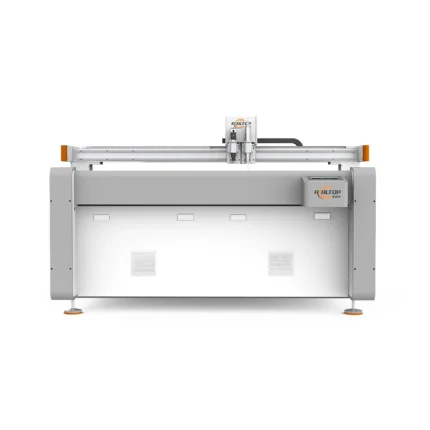
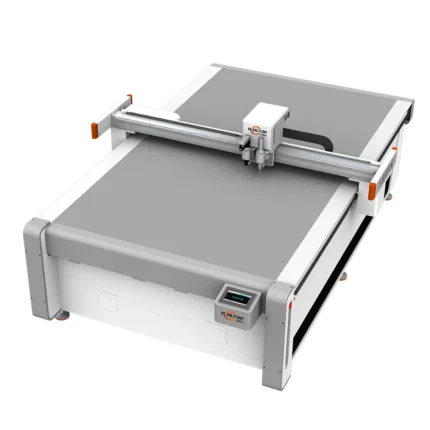
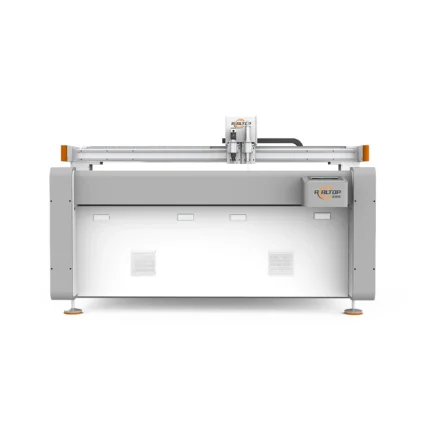
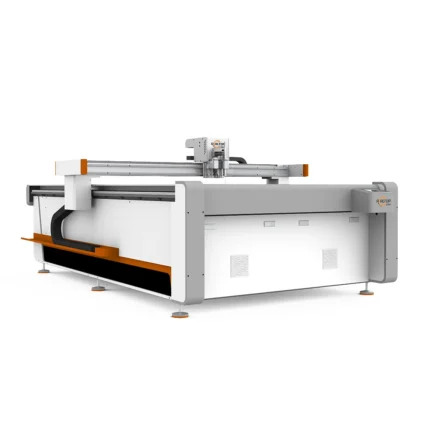
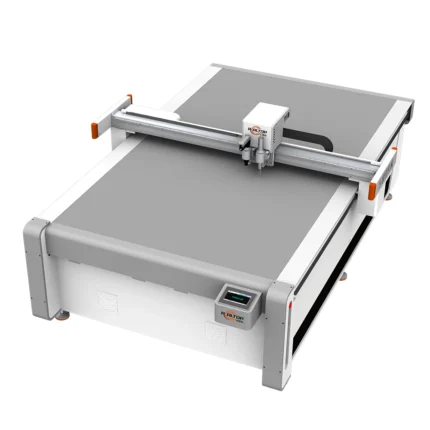
Automatic CNC Cutter Plotter 2026 Flat Bed Cardboard Cutter
Product Introduction
Automatic CNC Cutter Plotter 2026 is a flat bed cardboard cutting machine designed for precise and efficient cutting tasks. Ideal for various cardboard processing needs, it combines advanced CNC technology to deliver accurate results, suitable for manufacturing and packaging applications.Product Parameters
| Type | Automatic CNC Cutter Plotter |
| Model | 2026 |
| Design | Flat Bed |
| Application | Cardboard Cutting |
Automatic Die-less Cardboard Vibrating Knife Cutter 2026
Product Introduction
Automatic Die-less Cardboard Vibrating Knife Cutter 2026, a precision cutting solution for cardboard materials, featuring advanced die-less technology for efficient and flexible cutting operations. Ideal for various cardboard processing needs in manufacturing and packaging industries.Key Specifications
| Model | 2026 |
| Type | Automatic Die-less Cutter |
| Cutting Tool | Vibrating Knife |
| Material | Cardboard |
Automatic Digital Cardstock Cutter 2026 CNC Cutter
Product Introduction
Automatic Digital Cardstock Cutter 2026 is a CNC cutting machine ideal for white cardboard and kraft paper. It offers precise and efficient cutting performance, suitable for various paper processing needs in manufacturing and craft applications.Key Specifications
| Type | CNC Digital Cutting Machine |
| White Cardboard, Kraft Paper | |
| Operation | Automatic |
| Application | Paper Cutting & Processing |

Digital Box Cutter 2026 Oscillating Knife Cardboard Cutter
Product Parameters
| Model | Digital Box Cutter 2026 |
| Cutting Type | Oscillating Knife |
| Material | Corrugated Cardboard |
Introduction
Professional oscillating knife cutting machine for corrugated cardboard. Ideal for precise, efficient cutting in packaging production. Reliable performance from China's leading welding & cutting equipment manufacturer.

商品评价
There are no reviews yet.