



CNC Digital Carton Sample Cutting Machine for Packaging – Manufacturer
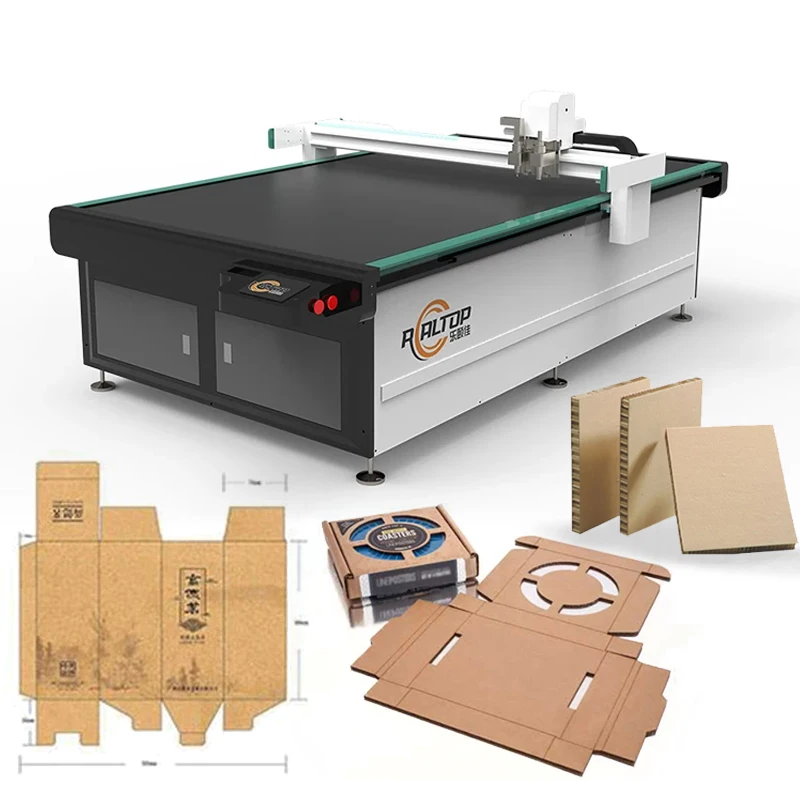
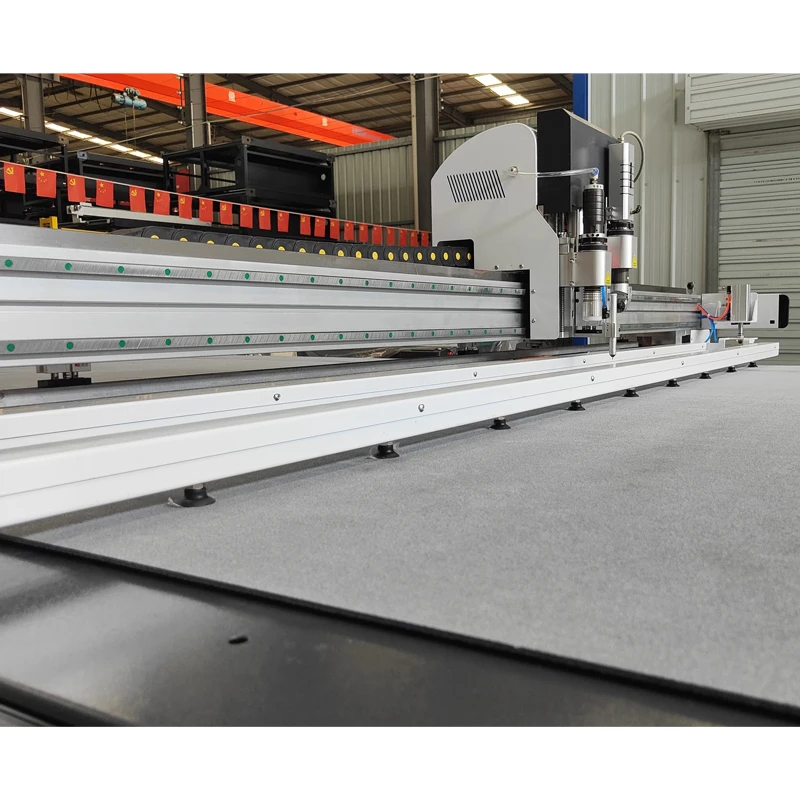
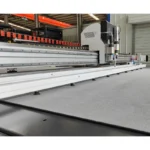
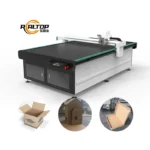
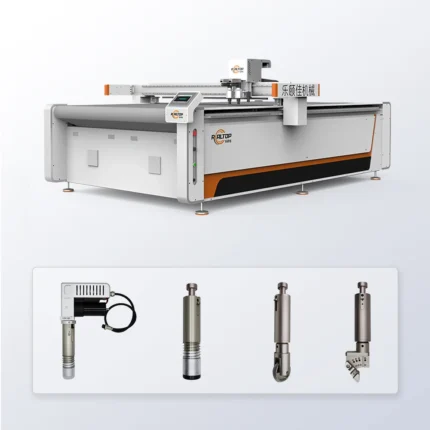
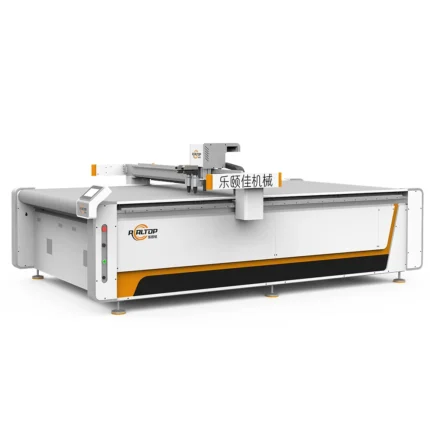
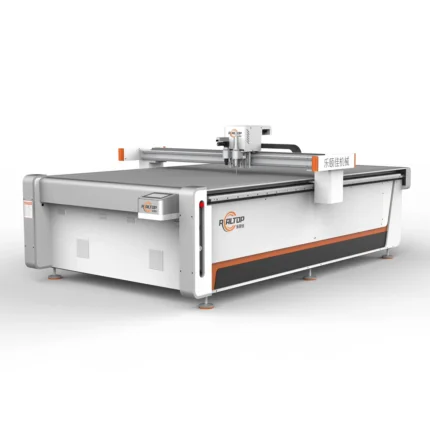
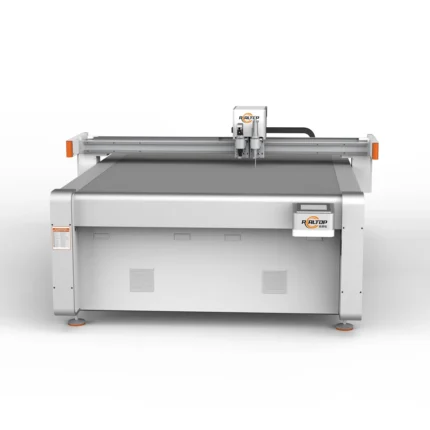
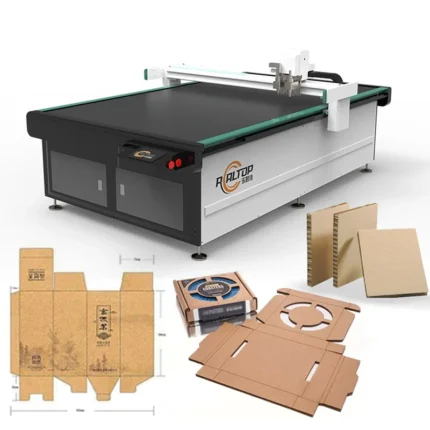
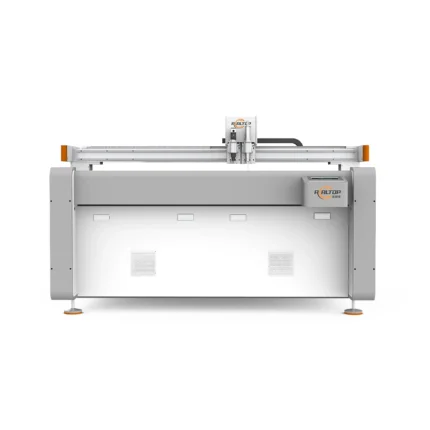
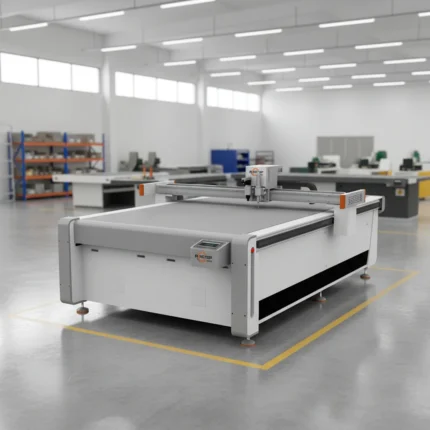
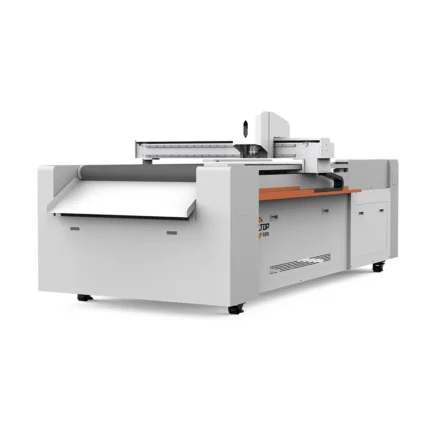
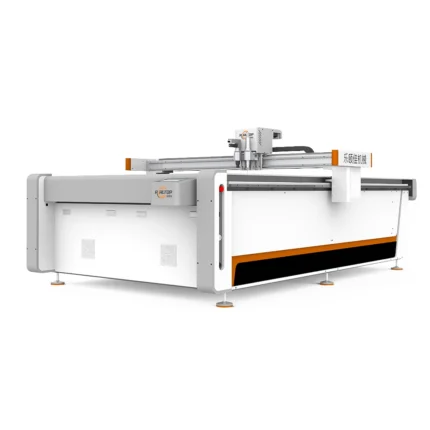
RT-D2516/RT-S2516 CNC Digital Carton Sample Cutting Machine, 1600×2500 mm working area, 9 kW rated power — configured for packaging prototype and short-run box production without die tooling.
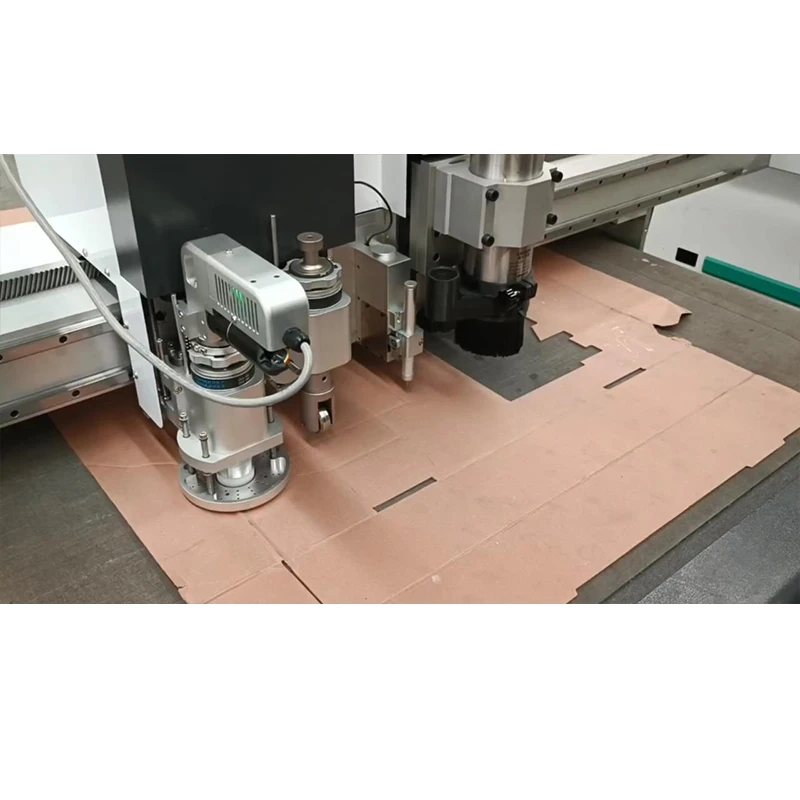
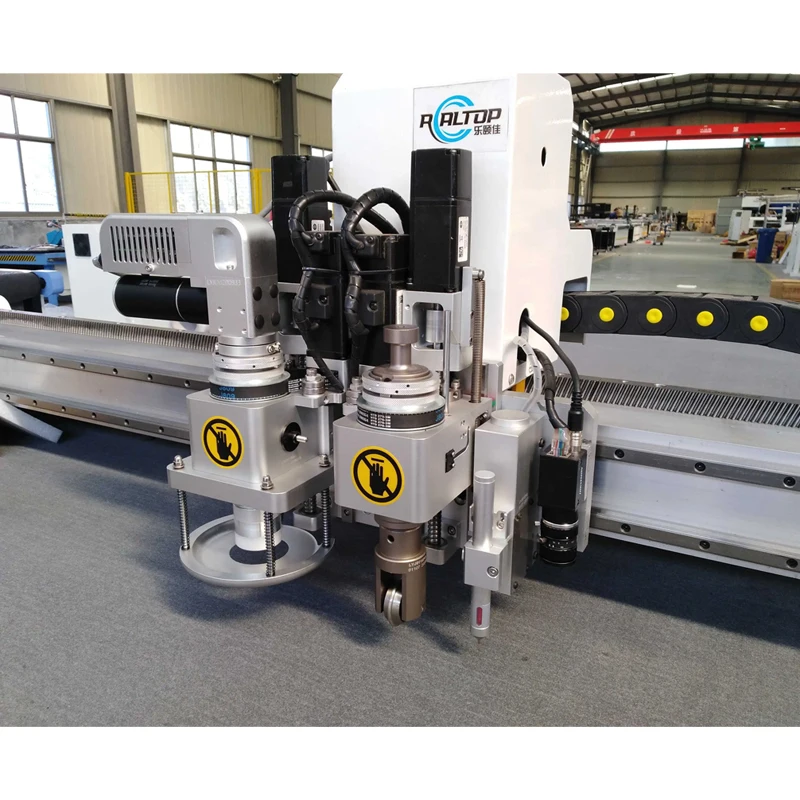
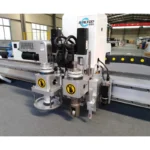
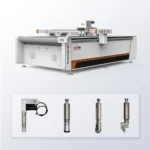
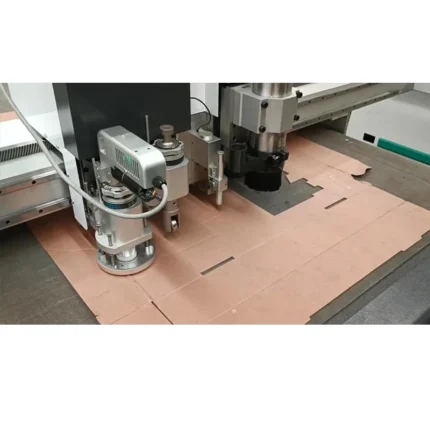
- Swiss imported multifunctional knife head with vibration full-cut and half-cut for clean crease lines on corrugated and solid board
- Aluminum honeycomb vacuum table with zoned adsorption to hold small parts flat during cutting
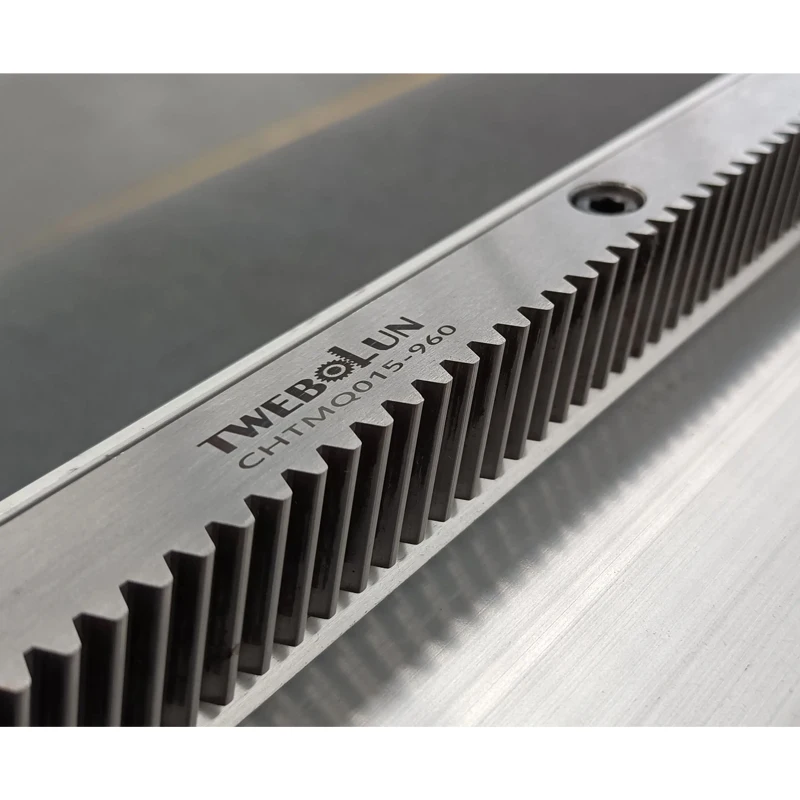
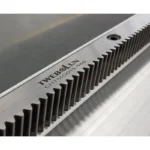
- Taiwan Delta servo motors with Hiwin linear guides delivering ≤0.1 mm repeatability at speeds up to 2000 mm/s
- Professional carton nesting software supporting HP-GL format import with customizable interface language
Sample cutting on your own board material is performed before commitment, and tool head configuration is matched to your specific material and thickness for verified edge quality.
Laser process focus — power ratings reflect continuous output rather than peak values, ensuring the cutting depth you see on sample day is what you get in daily production.
Technical Specifications
| Parameter | Value |
|---|---|
| Model | RT-D2516/RT-S2516 |
| Product Type | CNC Digital Carton Sample Cutting Machine |
| Working Area | 1600 × 2500 mm |
| Machine Dimensions | 3450 × 2300 × 1250 mm |
| Rated Power | 9 kW |
| Vacuum Pump | 7.5 kW |
| Table Type | Flat working table with aluminum alloy honeycomb vacuum adsorption |
| Multifunctional Head | Swiss imported knife with vibration full cutting, vibration half cutting and cursor location |
| Translational Velocity | 800–2000 mm/s |
| Repeated Accuracy | ≤0.1 mm |
| Servo Motor | Taiwan Delta digital servo |
| Guide Rail | Taiwan Hiwin linear guide |
| Transmission System | Digital servo motor, linear guide, synchronous belt, ball screw |
| Instruction System | HP-GL compatible format |
| Voltage | 380V ± 10% |
| Conveyor Belt | Germany imported |
| Safety Device | Infrared sensors with emergency stop |
| Software | Professional carton nesting software with automatic positioning for cutting, marking and creasing |
| Language Options | Customizable (English, Russian, Italian, Chinese available) |
| Assembly State | Fully assembled |
Application Suitability
| Application | Material or Output |
|---|---|
| Packaging carton sample making and short-run production | Corrugated board, grey board, solid bleached board |
| Electrical appliance and express paper box packaging | Single and double wall corrugated, folding boxboard |
| High-end gift box packaging | Thick solid board, coated and laminated card stock |
| Sticker and label contour cutting | Self-adhesive vinyl, label stock, kiss-cut materials |
| Billboard and business card production | PVC board, foam board, coated card |
| Flexible material cutting | Leather, sponge composite, PVC, soft glass, silicon, rubber |
Why the Laser Power Question Matters Before You Sign
A quoted peak wattage does not tell you whether the beam will cut through your actual board at production speed.
When you source a CNC carton sample cutting machine laser cutting and engraving capability is often listed alongside oscillating knife functions. The risk is that a machine specified only on working area can fall short on the material thickness you actually run. I have watched buyers sign off on a spec sheet without testing their own coated or laminated board, only to discover that the beam slows down or fails to penetrate at the speed they need. [NEED_CITE: difference between peak and continuous laser power ratings in non-metal cutting]
Matching the Cutting Method to the Board Grade
Corrugated flute profiles respond differently to oscillating knife and laser cutting. A Swiss vibration knife head handles thick double-wall corrugated with a clean full cut and a crisp half cut for fold lines, while a laser beam can seal edges on coated synthetics and cut intricate contours that a blade cannot reach. The key is selecting the method based on your dominant material rather than accepting a single default.
Vacuum Table Zoning for Small Packaging Parts
When you cut small carton components, the vacuum must hold each piece flat through the final pass. The aluminum honeycomb table on this flatbed system provides adsorption across the cutting zone, and zoning matters — if the suction area extends far beyond the cut boundary, small parts can drift. Specifying the zone layout around your smallest part dimension prevents lift and misalignment during contour cutting.
Reading the Specs That Actually Affect Your Output
The ≤0.1 mm repeatability figure comes from the combination of Taiwan Delta servo motors and Hiwin linear guides, which together control positional accuracy across the full 1600 × 2500 mm working area. The 800–2000 mm/s translational velocity range tells you the machine can slow down for intricate crease patterns and speed up for long straight cuts. HP-GL compatibility means your existing CAD output can feed the nesting software without a separate conversion step, and the professional carton nesting software handles automatic positioning for cutting, marking and creasing in a single workflow.
What Happens When the Wrong Tool Head Meets Your Material
A drag knife forced through thick corrugated produces crushed flute edges and ragged crease lines, while an oscillating knife used on thin vinyl can drag and tear the substrate. Buyers who skip the sample cutting step often discover these mismatches only after the machine arrives and production deadlines are already slipping. [NEED_CITE: tool head selection errors in flatbed digital cutting operations]
Why Production Verification Starts Before the Machine Ships
The in-house design team covers both knife and laser process knowledge, so the cutting method gets matched to your material rather than forcing one method to cover everything. Tool head and table configuration are specified per your material type and production volume before the order is confirmed. CCD camera positioning is available for printed contour work on stickers and labels, tested against your actual print registration marks at running speed. Software compatibility — file format, nesting workflow and interface language — is documented before you pay the deposit. Sample cutting on your own board stock, at your target thickness and flute type, is completed before commitment so there are no surprises on commissioning day. [NEED_CITE: CE machinery directive requirements for industrial cutting equipment]
Documentation & Verification
- Machine specification sheet confirming tool head and table configuration for your board grade
- Electrical schematic with voltage and plug type confirmed for your local supply standard
- Sample cutting report on your own material with measured edge quality and crease accuracy
- Software licence note confirming file format compatibility and nesting workflow validation
- Factory test record documenting repeatability and cutting speed on your specified materials
- Operation and maintenance manual with spare parts list for consumable knife blades and belts
Installation, Commissioning & Support
- Fully assembled delivery means no on-site frame alignment; the 3450 × 2300 × 1250 mm footprint requires level floor with clearance for material feed
- 380V ± 10% supply with dedicated circuit for combined 9 kW machine and 7.5 kW vacuum pump load
- First-run parameter setting covers vibration frequency, vacuum zone mapping and servo tuning to your board thickness
- Operator training covers nesting software workflow, HP-GL file import and tool head changeover between knife types
- Consumable spares kit includes Swiss vibration knife blades and synchronous belt sections for initial operation period
What to Include With Your Inquiry
Send your board material type, flute grade or caliper thickness, maximum sheet size and typical daily sample volume. Confirm your local voltage and frequency standard, preferred control language and the CAD file formats your design team currently uses. If your work involves printed contour cutting, provide a sample printed sheet so CCD tracking can be verified before the order.
Frequently Asked Questions
Q: How do I verify the machine handles my specific board grade and flute type?
A: Request a sample cutting report run on your own board stock. The test covers full cut, half cut crease lines and contour accuracy at your target thickness. Results are documented with edge quality photographs and measured repeatability figures before you commit to the order.
Q: Which tool head should I specify for my material mix?
A: Oscillating knife suits thick corrugated and solid board where clean flute cuts matter. Drag knife handles thin card, vinyl and sticker stock. Creasing wheels produce fold lines without cutting through. The correct head is confirmed during sample testing on your actual materials.
Q: What voltage and control language options are available before shipment?
A: The standard supply is 380V ± 10%, but voltage and plug type are confirmed against your local standard before production. System language is customizable, with English, Russian, Italian and Chinese available. Both are documented in the electrical schematic and software licence note.
Q: Can my existing design files import into the nesting software directly?
A: The software accepts HP-GL compatible formats and supports multiple file type imports. Automatic positioning handles cutting, marking and creasing in one workflow. Confirm your specific file format during inquiry so compatibility is tested and documented before dispatch.
Q: How is vacuum zoning configured to hold small carton parts flat?
A: The aluminum honeycomb table uses zoned adsorption that can be mapped to your cutting layout. Zone configuration is set based on your smallest part dimension to prevent lift during the final cut pass. This is verified during the factory test with your actual nesting pattern.


Related products
Automatic Digital Cardstock Cutter 2026 CNC Cutter
Product Introduction
Automatic Digital Cardstock Cutter 2026 is a CNC cutting machine ideal for white cardboard and kraft paper. It offers precise and efficient cutting performance, suitable for various paper processing needs in manufacturing and craft applications.Key Specifications
| Type | CNC Digital Cutting Machine |
| White Cardboard, Kraft Paper | |
| Operation | Automatic |
| Application | Paper Cutting & Processing |
Automation CNC Pizza Box Machine 2026 Rotary Die Cutting
Product Parameters
| Type | Automation CNC Pizza Box Machine |
| Model Year | 2026 |
| Rotary Die Cutting | |
| Operation | Automated CNC Control |
Introduction
This 2026 Automation CNC Pizza Box Machine features advanced rotary die cutting technology, ensuring precise and efficient pizza box production. With automated CNC control, it offers high productivity and accuracy for professional manufacturing needs.
CNC Flatbed Oscillating Knife Cutting Machine 2026
Product Introduction
High-performance CNC Flatbed Oscillating Knife Cutting Machine 2026, ideal for precision cutting of various materials with advanced oscillating knife technology, ensuring efficient and accurate operations for industrial manufacturing needs.Specifications
| Model | 2026 |
| Type | CNC Flatbed Oscillating Knife Cutting Machine |


商品评价
There are no reviews yet.