


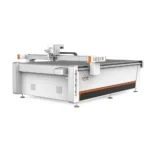
CNC Gasket Cutter for Gasket Cutting – Laser Engraving Manufacturer
SKIP: no identifier
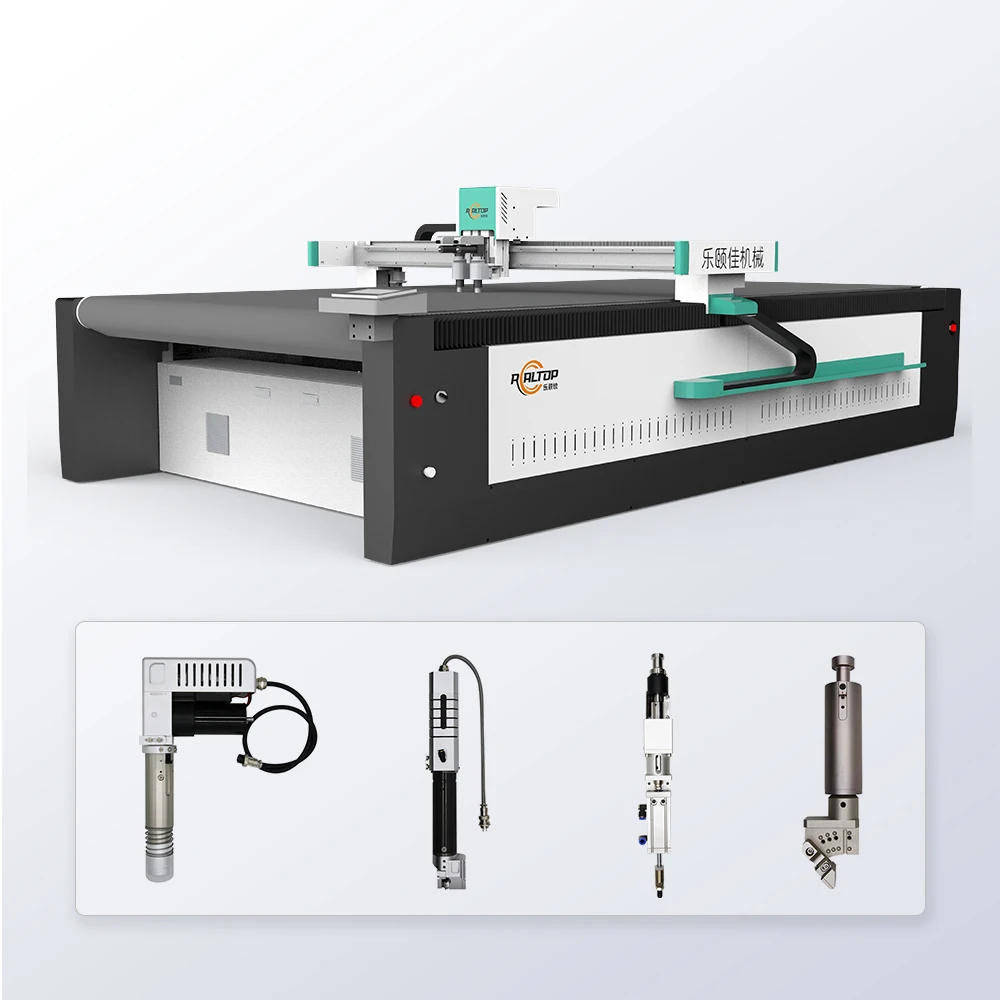
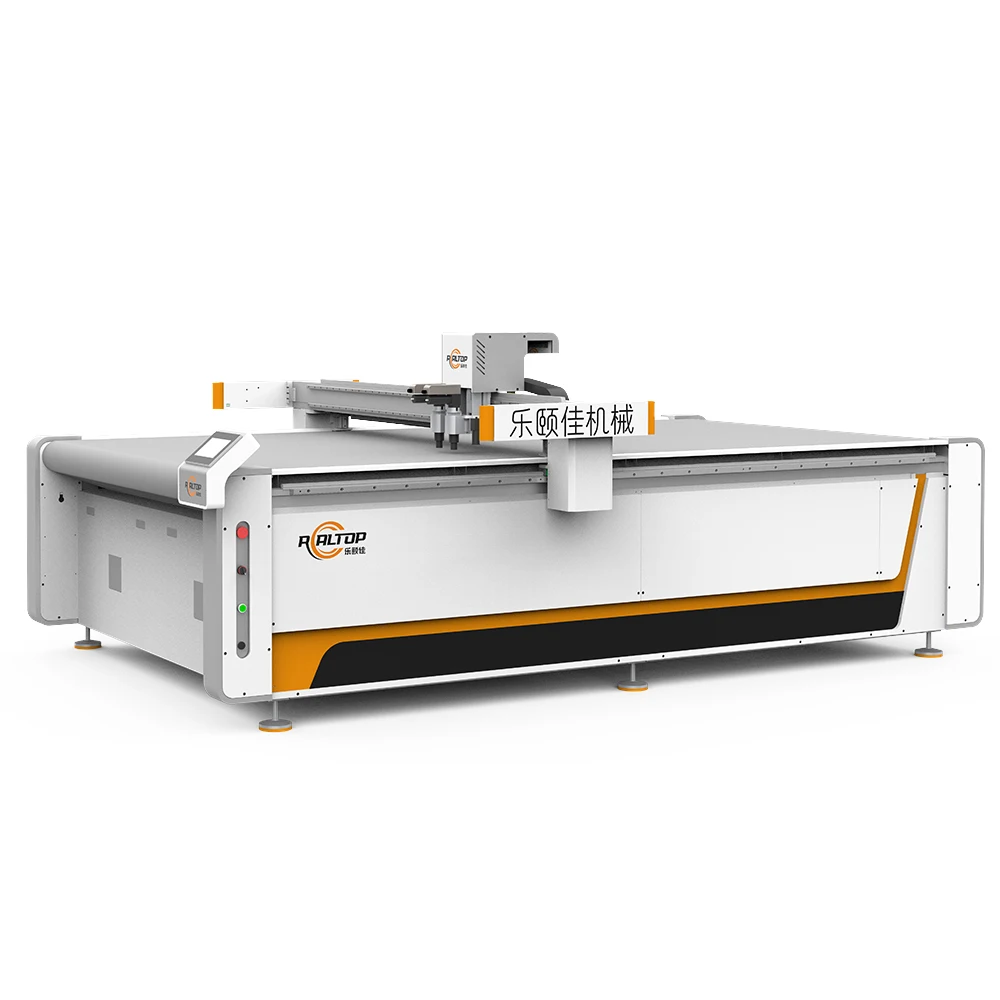
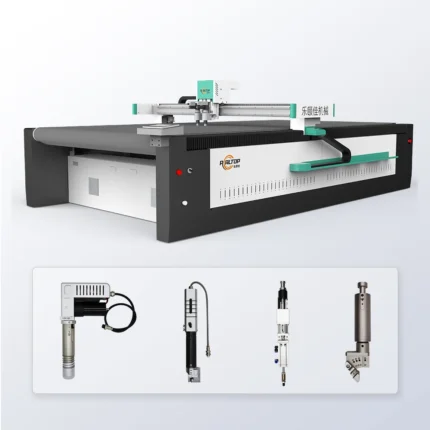
Tool Head Versatility — The machine configuration starts with your gasket material sample, matching oscillating or drag knife to fiber content and compression recovery before any specification is finalized.
Technical Specifications
| Parameter | Value |
|---|---|
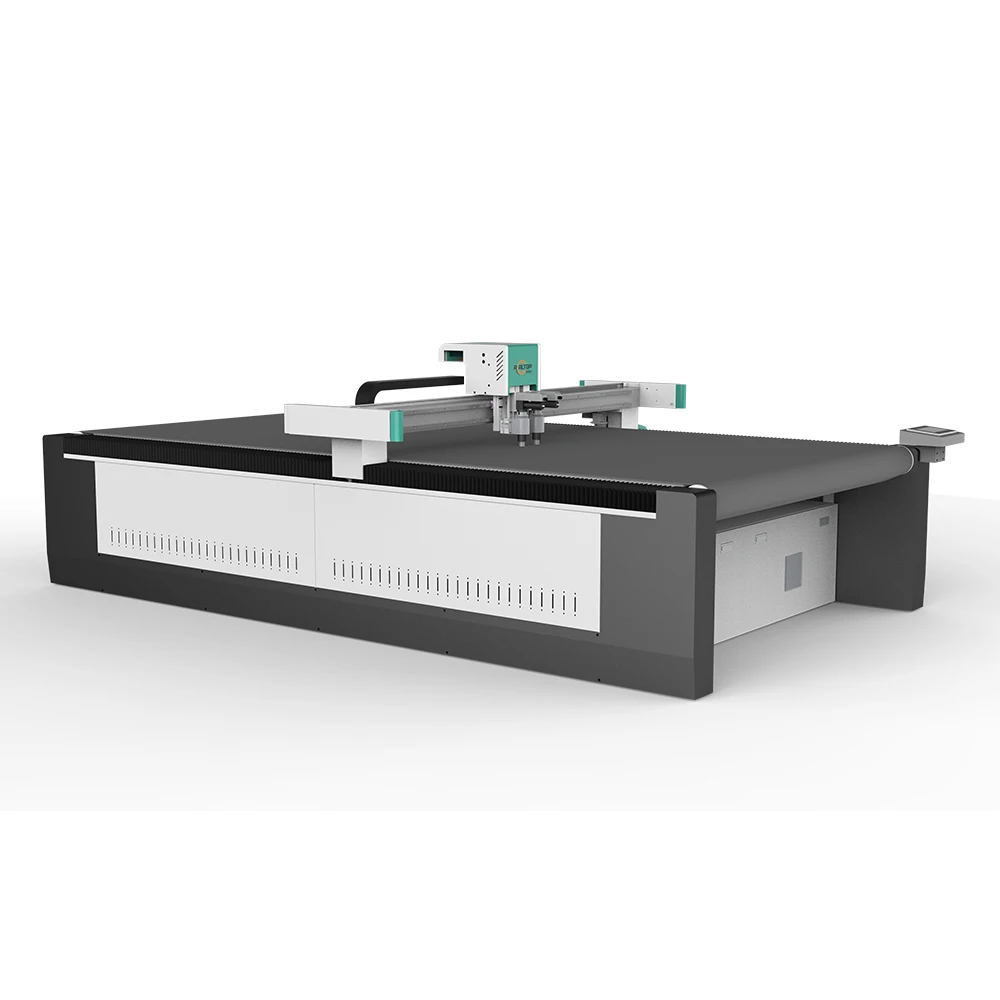
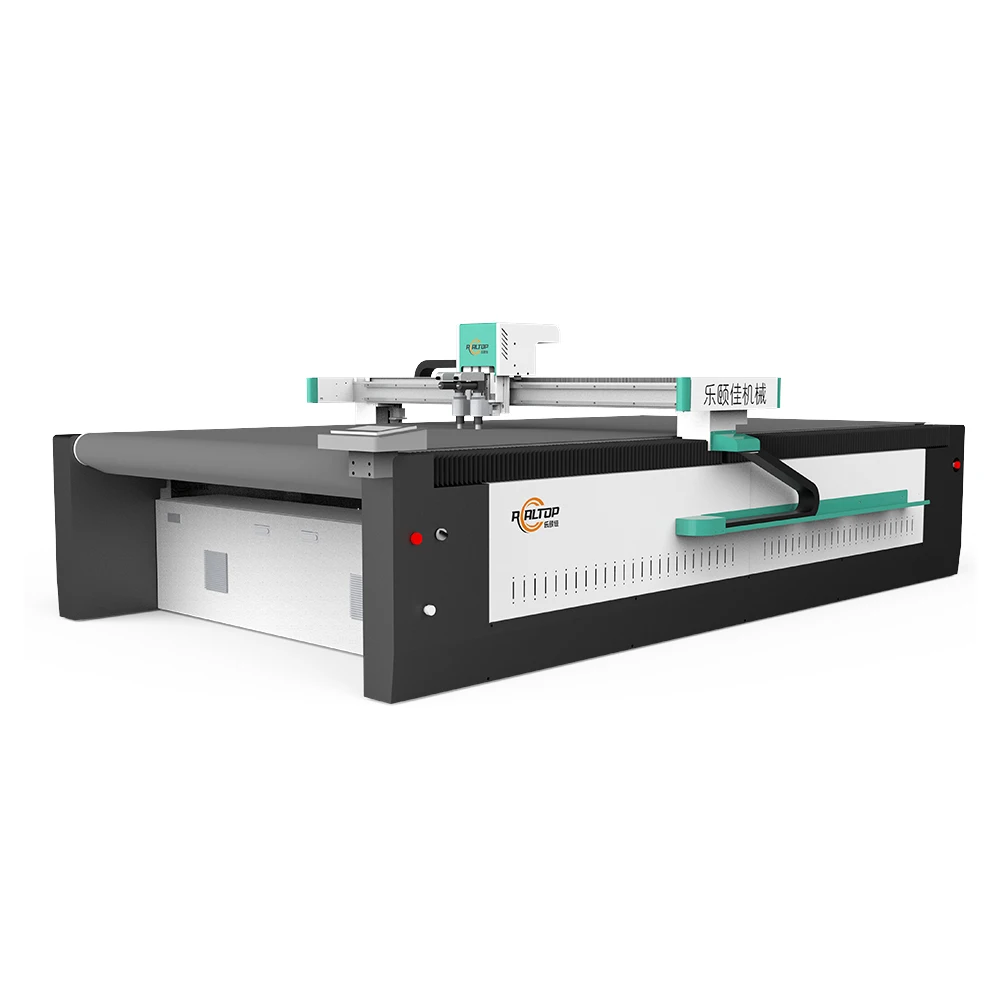
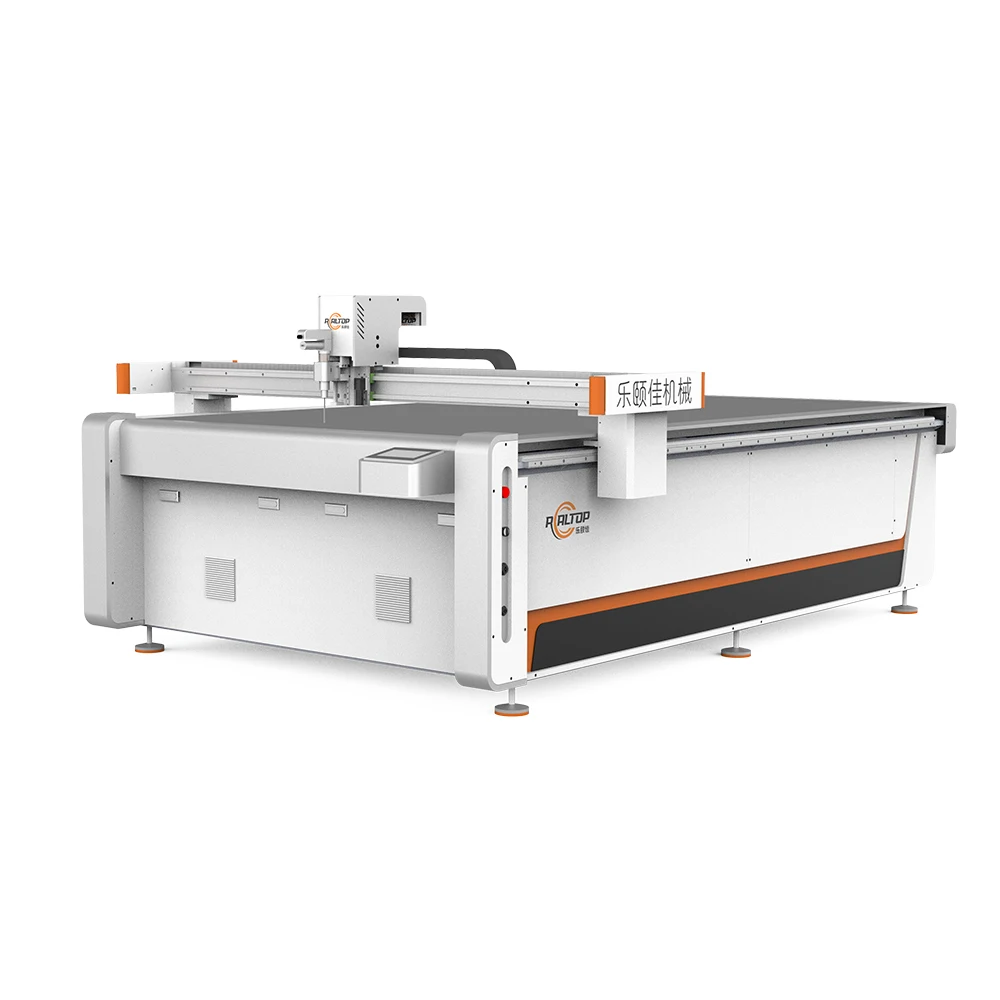
| Product Type | CNC Gasket Cutter for Gasket Cutting – Laser Engraving Manufacturer |
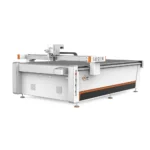
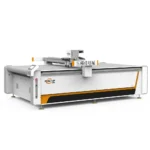
| Cutting Method | CNC oscillating knife, drag knife (configuration dependent on material) |
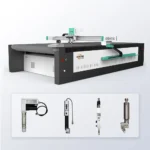
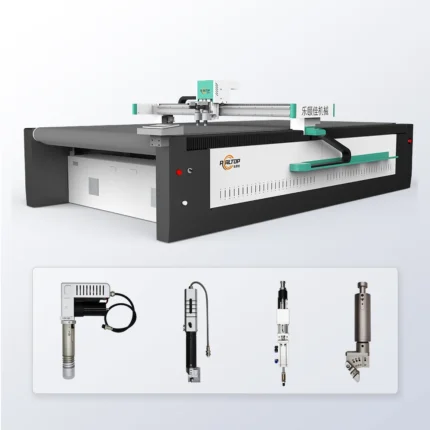
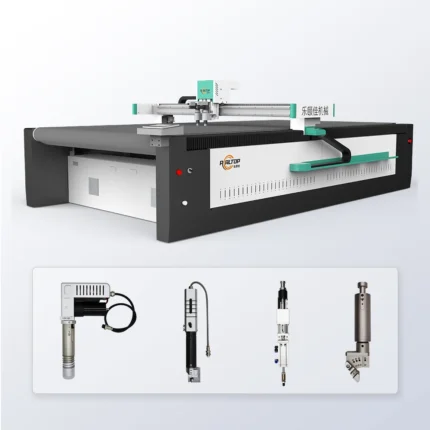
| Tool Head Options | Oscillating knife, drag knife, creasing wheel, routing spindle, pen marker |
| Vacuum Table Zoning | Multi-zone segmented vacuum with independent valve control |
| Cutting Thickness Range | Configuration dependent, selected per gasket material density and layer count |
| Control System Language | Configurable to operator preference |
| Voltage | Customizable to local grid specification (110V–440V range) |
| File Format Compatibility | DXF, PLT, AI, DST confirmed pre-order against buyer’s nesting software |
Application Suitability
| Application | Material or Output |
|---|---|
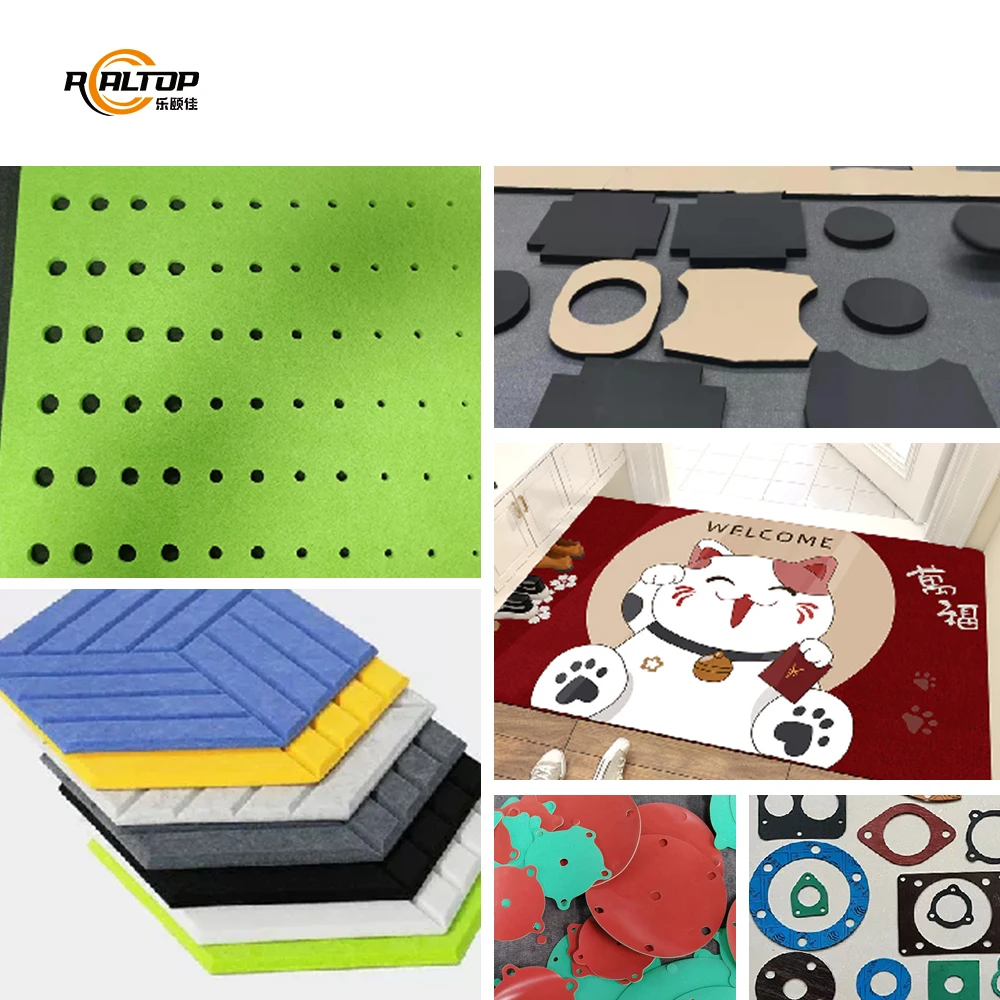
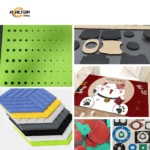
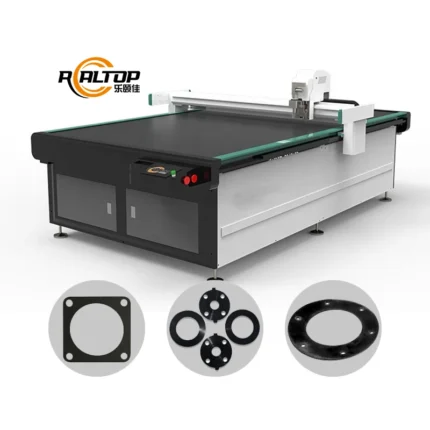
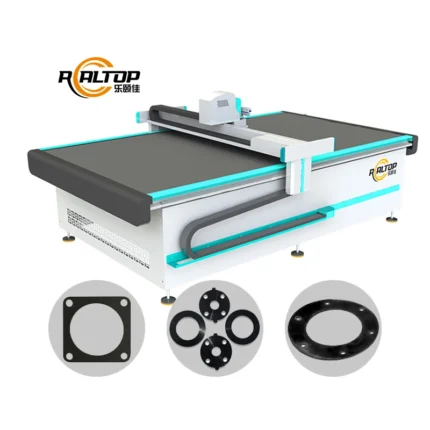
| Automotive engine gasket cutting | Aramid fiber composite, graphite-coated steel core, non-asbestos organic sheets |
| Industrial flange and pipe gaskets | Compressed non-asbestos fiber (CNAF), rubber-bonded cork, PTFE filled |
| HVAC duct and access panel seals | Closed-cell neoprene, EPDM sponge, silicone foam strip |
| Electrical enclosure door gaskets | Silicone sponge, polyurethane foam, adhesive-backed cork-rubber |
| Heavy equipment hydraulic seals | High-density synthetic fiber with nitrile binder, laminated cork |
The Gasket Material That Breaks Every Assumption
Specifying a cutting machine by working area alone guarantees a mismatch the moment a reinforced sheet hits the table.
I once watched a production line in Pune stop dead because the gasket material switched from standard compressed fiber to a glass-fiber reinforced grade mid-order. The knife that sliced cleanly through the first batch started tearing and delaminating the second. Nobody had asked what was actually inside the material. That kind of failure does not show up in a showroom demo [NEED_CITE: material composition variability across gasket suppliers in South Asia]. It shows up on a Tuesday morning when the shift supervisor calls you over to see ragged edges and crushed reinforcement layers. The gasket cutter for industrial sealing must be specified against the exact fiber orientation, binder type, and compression density you run, not against a catalog sample.
Knife Action and Fiber Reinforcement
The oscillating knife head moves vertically at high frequency while advancing through the material, which allows it to part fiber-reinforced gasket sheets without dragging or pulling the reinforcement layer out of plane. When the binder is stiff or the fiber orientation runs against the cut direction, a drag knife will lift and delaminate the edge. The oscillating action avoids this by making thousands of micro-cuts per second rather than one continuous slice. For gasket producers running aramid or glass-fiber composites, this difference determines whether the edge seats properly against a flange or leaks under pressure.
Vacuum Hold-Down on Small Gasket Profiles
Gasket profiles often contain narrow bridges, small bolt-hole islands, and thin ligaments that a single-zone vacuum table cannot hold flat. Air leaks under the cut edges the moment the knife penetrates, and the vacuum breaks across the entire table. A multi-zone segmented system isolates vacuum only beneath the active cutting area, so a small fuel-pump gasket cut in one corner does not lose suction to the empty space around it. This matters especially when cutting nested layouts where offcuts are still being processed alongside finished parts [NEED_CITE: vacuum hold-down principles for thin flexible sheet cutting].
Reading the Specs That Actually Matter
Cutting thickness range is not a single number you can quote across all materials. A 10 mm closed-cell foam and a 3 mm aramid composite demand entirely different knife stroke lengths, oscillation frequencies, and downward pressure settings. The thickness rating on a specification sheet applies to one reference material, usually a medium-density fiber board. For gasket work, the relevant question is whether the machine can be reconfigured between materials within a shift without a full tooling changeover. Voltage and frequency must be confirmed against the buyer’s local supply before production begins, because running a servo-driven oscillating head on the wrong frequency causes stroke timing drift and edge chatter [NEED_CITE: industrial voltage and frequency standards by region]. File format compatibility between the buyer’s nesting software and the machine controller should be tested with an actual production file, not a generic sample.
What Happens When the Tool Head is Wrong
Selecting a drag knife for a glass-fiber reinforced gasket does not produce a slightly worse edge. It produces an edge that will not seal. The fibers pull out of the binder matrix, leaving micro-channels along the cut face that pressurized fluid or gas will find immediately upon installation. On a production floor, this means rejected parts at the customer’s assembly line, not at yours. I have seen gasket batches pass in-house visual inspection and then fail a hydrostatic test because the cut face was compromised in a way the eye could not catch. The cost of that failure is never the price of a replacement tool head.
Why This Build Approach Works for Gasket Shops
The configuration begins with a material sample from your actual inventory, not a supplier’s catalog sheet. Tool head, oscillation frequency, knife angle, and vacuum zone layout are specified after a test cut on that material. Voltage, plug type, and control panel language are locked before the machine enters production, so there are no field conversions on arrival. The in-house design team covers both knife and laser processes, meaning a buyer can evaluate whether a CO2 laser edge-seal is actually needed for a synthetic gasket or whether a clean knife cut is sufficient. Software compatibility is confirmed with the buyer’s file format before order. Sample cutting reports ship with the machine so the operator has a baseline to work from on day one.
Documentation & Verification
- Machine specification sheet listing confirmed tool head and vacuum zone layout
- Electrical schematic with voltage and frequency matched to destination grid
- Sample cutting report on buyer’s gasket material with edge quality photographs
- Software file format compatibility confirmation against buyer’s nesting platform
- Spare parts list covering knife blades, oscillating bearings, and vacuum seals
Installation, Commissioning & Support
- Vacuum pump circuit requires dedicated breaker sized to multi-zone segmented table draw
- Oscillating knife head alignment verified on-site against buyer’s thickest gasket stock
- Control panel language set to operator preference before first power-on
- Segmented vacuum zones mapped and labeled to match common gasket nesting layouts
- Knife blade replacement interval documented per material abrasiveness from sample test
Before You Send an Inquiry
To match the right configuration, share the gasket material type, fiber or filler composition, sheet thickness, and maximum gasket outline dimensions. Confirm your local voltage and frequency, the nesting or CAD software you currently use, and whether you run short-batch custom profiles or long-run standard shapes. If your material contains reinforcement layers, send a sample so the test cut reflects actual production conditions.
Frequently Asked Questions
Q: Can one machine cut both aramid fiber gaskets and soft foam seals?
A: Yes, but not with a single tool head setup. Aramid composites require an oscillating knife with specific stroke and angle settings, while closed-cell foam often cuts cleaner with a different knife geometry or drag knife. The machine is configured with interchangeable tool heads so you can switch between materials within a shift.
Q: How do you confirm the machine can handle my reinforced gasket material?
A: We request a sample of your actual production material and run a test cut before finalizing the specification. The sample cutting report documents edge quality, delamination check, and tool head parameters, which ships with the machine as your baseline reference.
Q: What if my facility runs on a different voltage or frequency standard?
A: Voltage and frequency are confirmed during the specification stage, before production begins. The electrical schematic and motor ratings are matched to your local grid, and a dedicated circuit requirement is documented so your electrician can prepare the supply before delivery.
Q: Will my existing nesting software files work with this controller?
A: File format compatibility is tested against your actual nesting output before the order is finalized. We confirm that your DXF, PLT, or other file formats import correctly and that tool paths translate without geometry distortion or missing contours.
Q: How does the vacuum table handle small gasket parts that tend to lift?
A: The segmented multi-zone vacuum table isolates suction to the active cutting area only. This prevents small parts from losing hold-down force to the empty table space around them, which is a common cause of edge drift on narrow ligaments and bolt-hole islands.


Related products
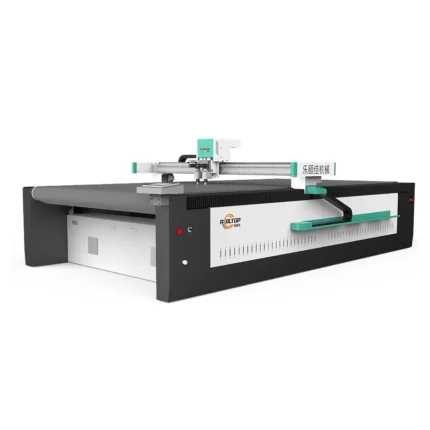
Cortadora de juntas CNC 2026 Certificada ISO de alta calidad
Product Parameters
| Certification | ISO Certified |
| Application | Cylinder Head Gasket Cutting |
| Type | CNC Gasket Cutter |
| Quality | High Quality |
| Year | 2026 |
Introduction
This high-quality CNC Gasket Cutter, ISO certified, is designed for precise cylinder head gasket cutting. Ideal for professional manufacturing, ensuring accuracy and reliability in 2026 production standards.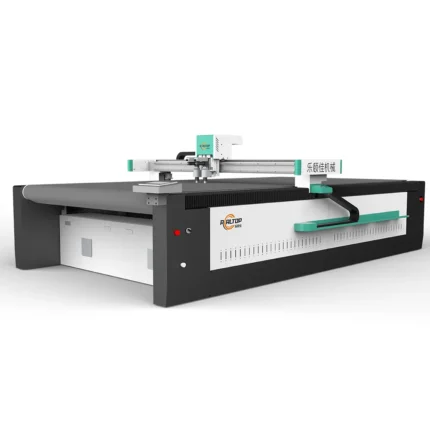
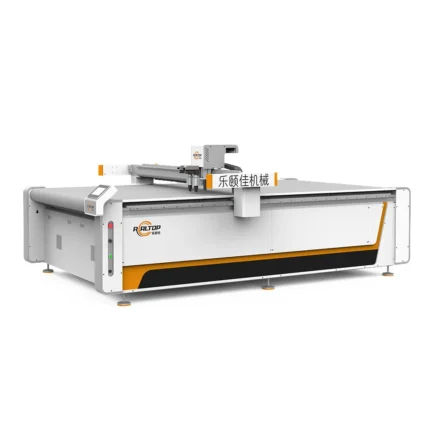
Flexible Material Cutting Machine 005 – Fast, Precise, High Conversion
Product Parameters
| Function | Advertising printing & cutting |
| Demonstration Model | 005 |
| Application | Advertising industry |
| Manufacturer | Chinese leading factory |
| Type | Integrated printing-cutting machine |
Introduction
This Advertising printing and cutting machine (Model 005) is designed for the advertising industry, integrating printing and cutting functions. Manufactured by a renowned Chinese factory, it offers reliable performance for various advertising production needs.
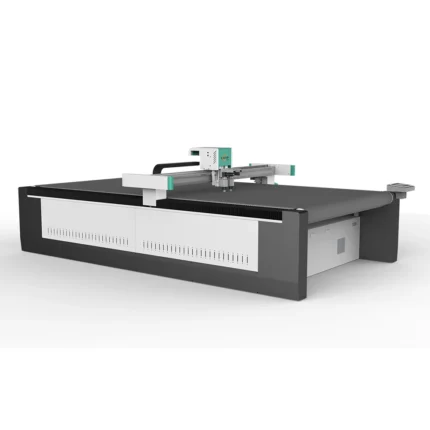
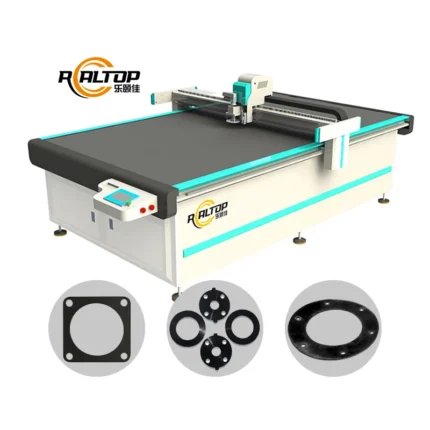
Cortadora de juntas CNC Realtop 2026 Cuchillo vibrante de alta precisión
Product Introduction
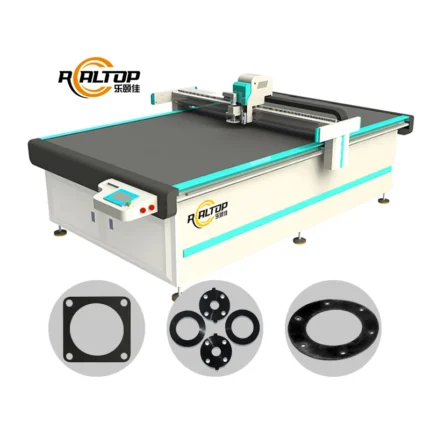
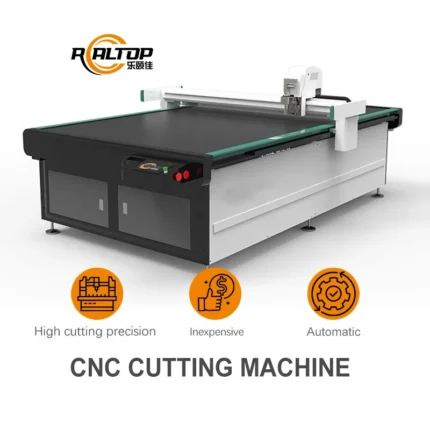
Realtop CNC Gasket Cutting Machine 2026 with high-precision vibrating knife, ideal for cutting rubber and cylinder head gaskets with accuracy and efficiency.
Key Specifications
| Model | Realtop CNC Gasket Cutting Machine 2026 |
| Cutting Tool | High-Precision Vibrating Knife |
| Applicable Materials | Rubber, Cylinder Head Gaskets |
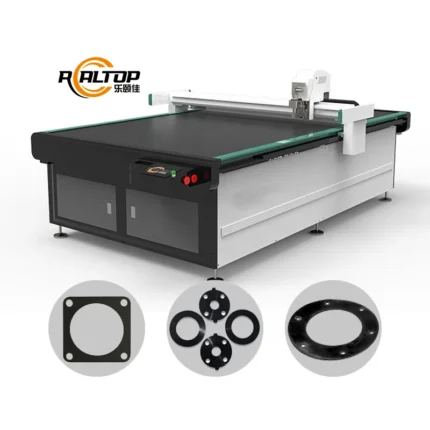
Máquina de corte de tablero de espuma de PVC Realtop 2026
Product Introduction
A specialized cutting solution for PVC foam boards, ideal for precision cutting tasks in various manufacturing and fabrication applications. Engineered for efficiency and reliability in processing PVC foam materials.Product Parameters
| Model | Realtop PVC Foam Board Cutting Machine 2026 |
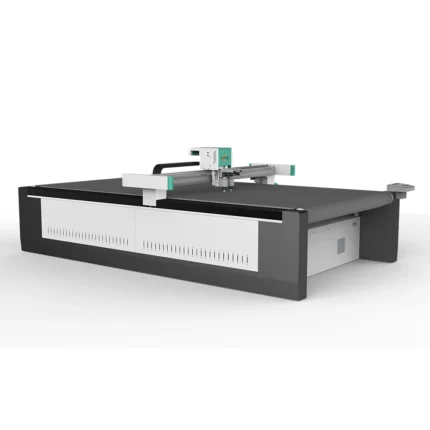
Máquina de Corte de Espuma Realtop VAWT 2026
Product Introduction
Realtop VAWT Foam Cutting Machine 2026 is a professional-grade cutting equipment designed for efficient foam processing, ideal for various industrial applications with reliable performance and precision cutting capabilities.Product Parameters
| Model | Realtop VAWT 2026 |
| Type | Foam Cutting Machine |
| Application | Industrial Foam Processing |
| Feature | Precision Cutting |


商品评价
There are no reviews yet.