




CNC Oscillating Knife Cutter for Corrugated Foam – Factory Supply
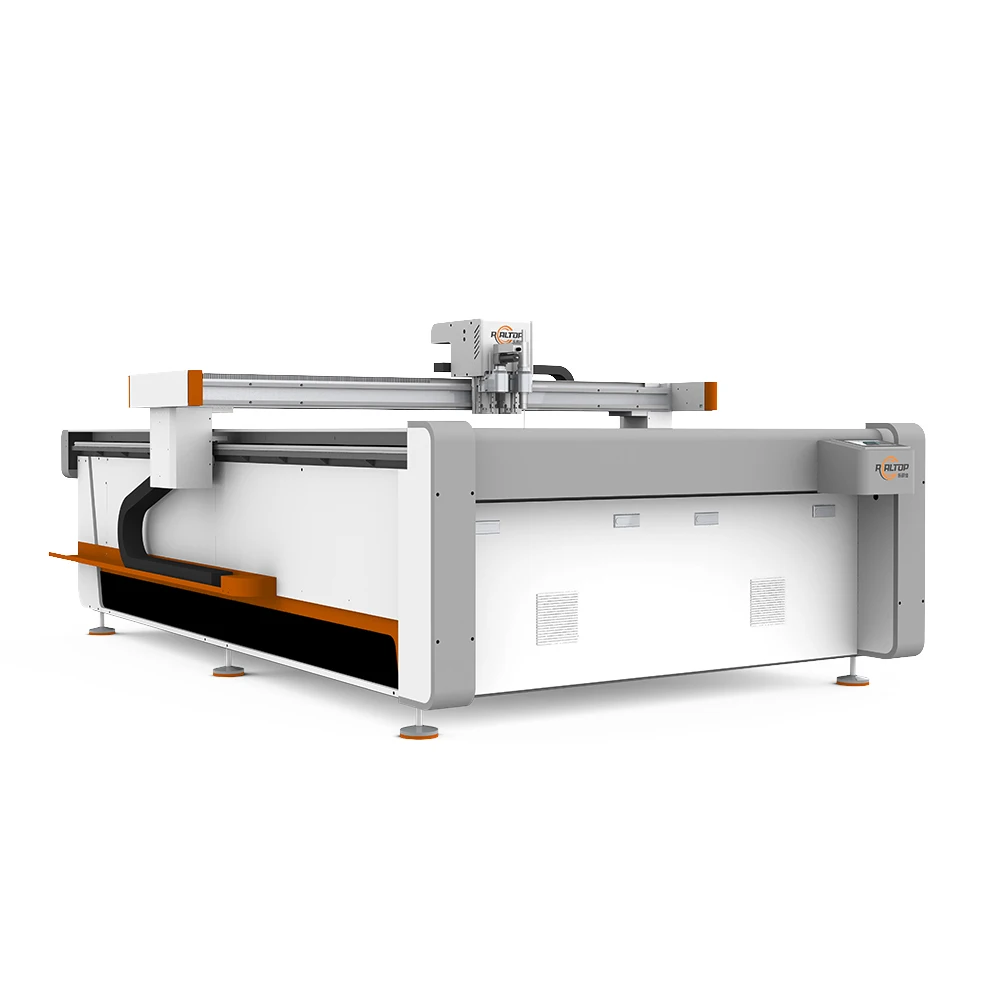
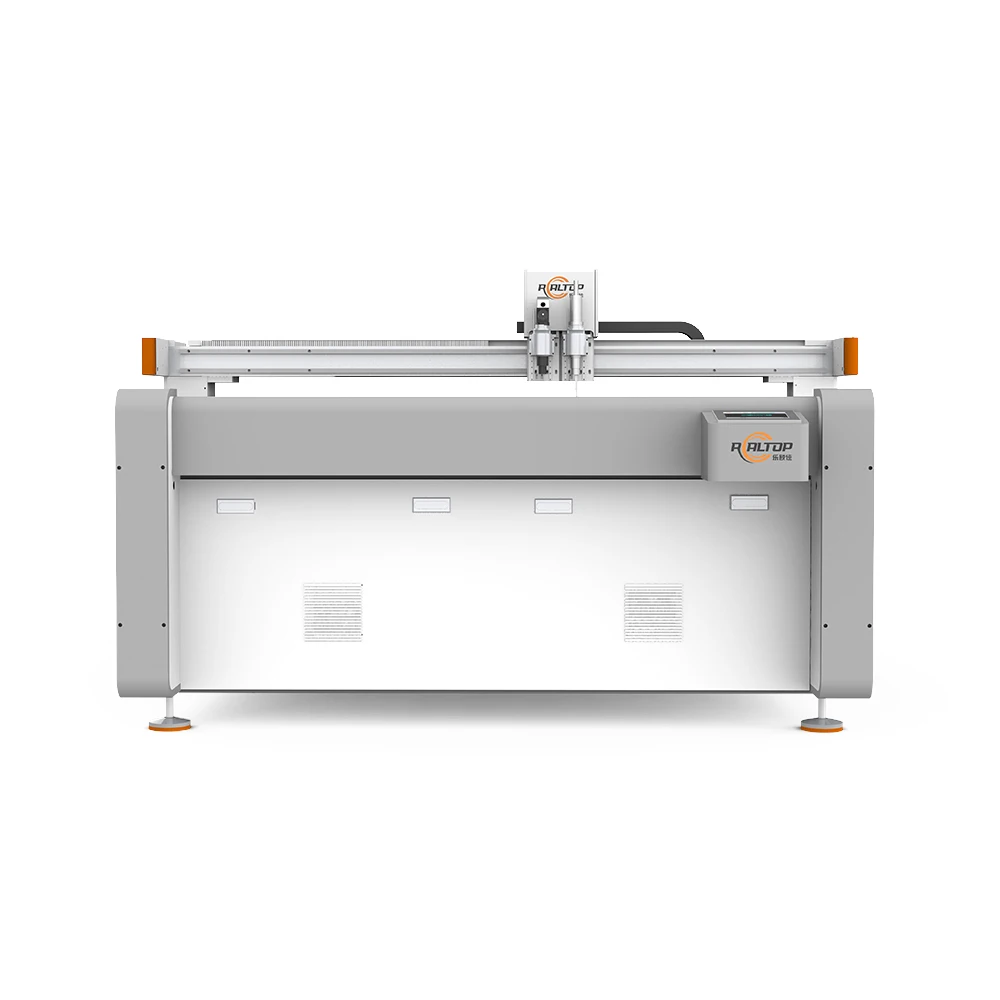
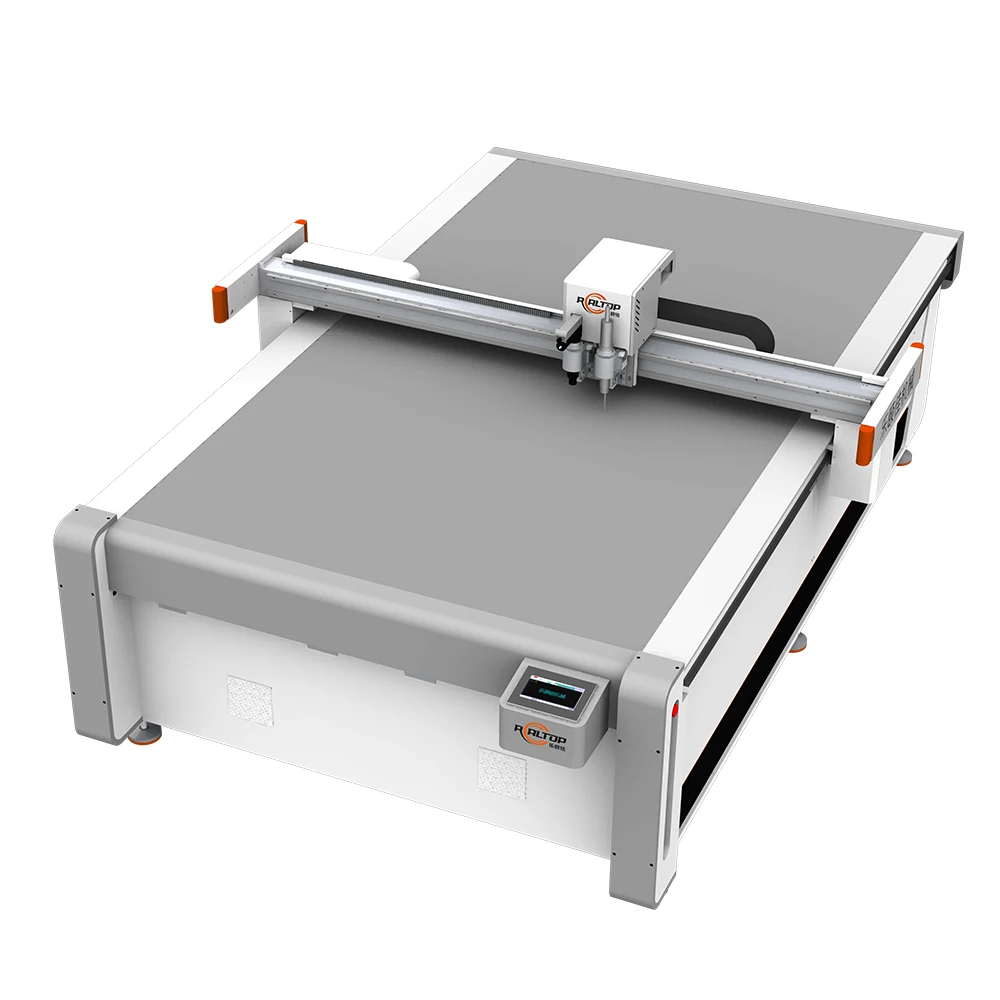
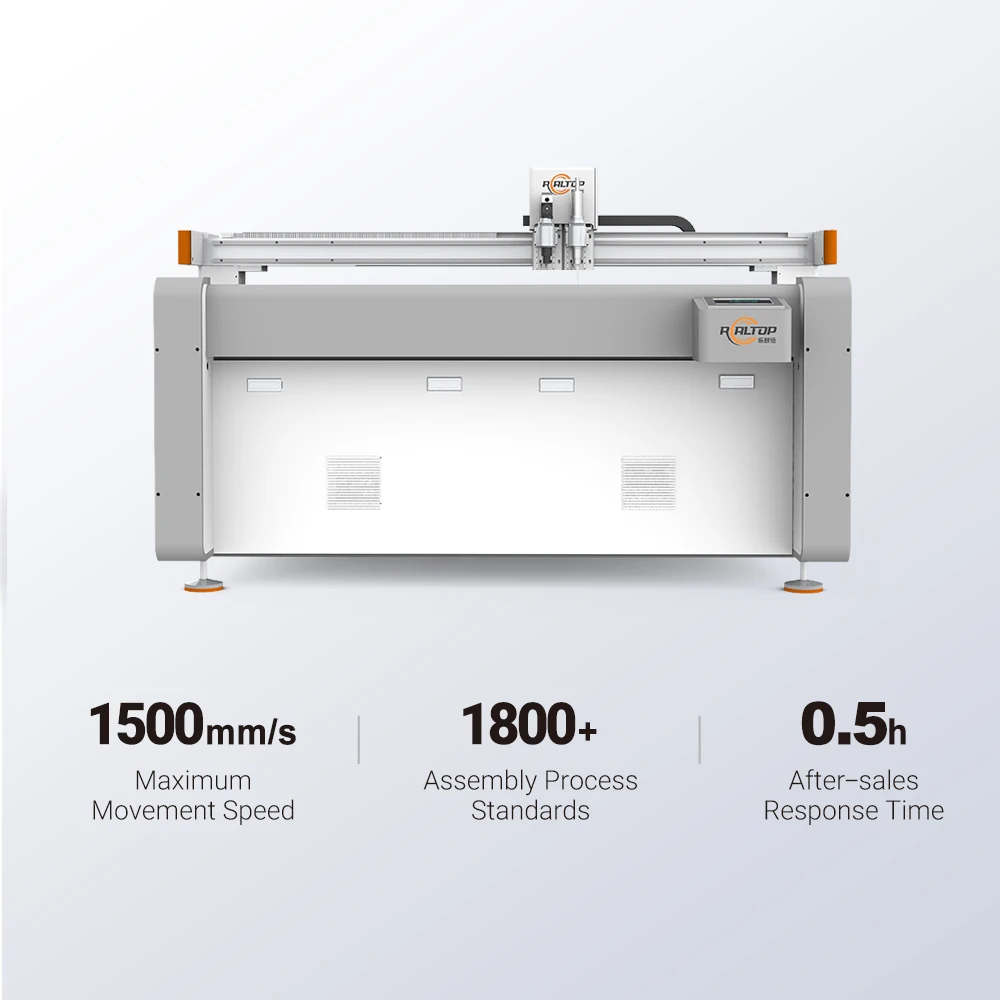
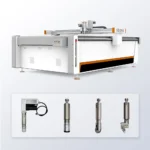
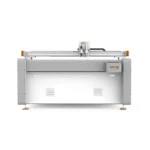
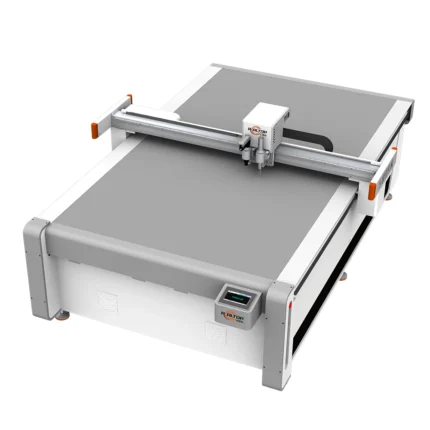
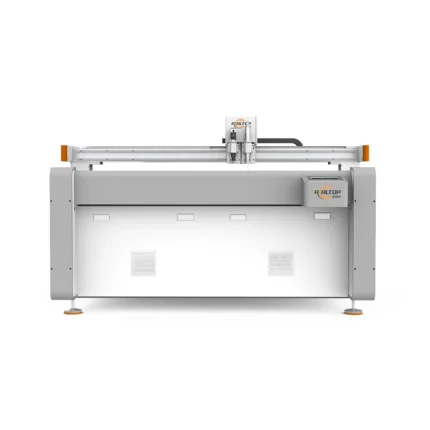
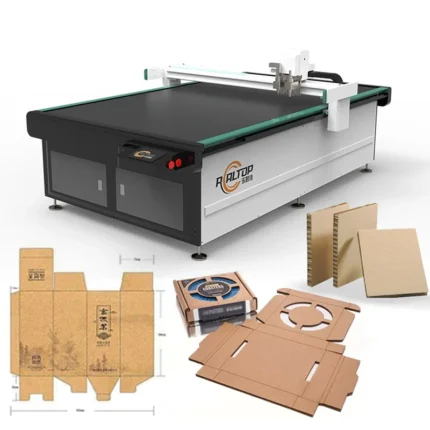
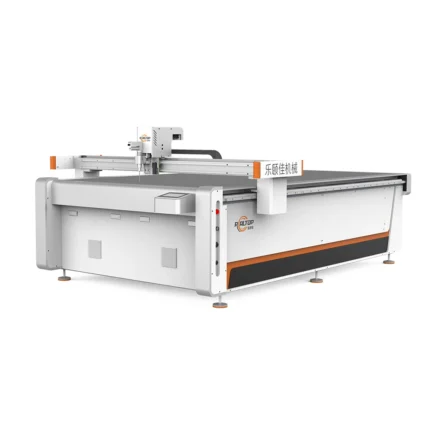
CNC Oscillating Knife Cutting Machine, 1600×2500mm, 0-1500mm/s, PLC Control — engineered for cold cutting corrugated cardboard, foam and composite packaging materials without burning or crushing edges. Seven interchangeable tool heads including oscillating knife, creasing wheel and V-groove allow precise configuration against actual material density and flute type. Aluminum bellows vacuum table with 9KW pump ensures consistent hold-down across varying sheet sizes, while dedicated packaging structure design software supports PLT, DXF, AI and PDF workflows. Sample cutting on buyer’s own material with documented edge quality report before commitment, tool head and table configuration list confirmed per production volume, voltage and control language verified for destination market prior to shipment.
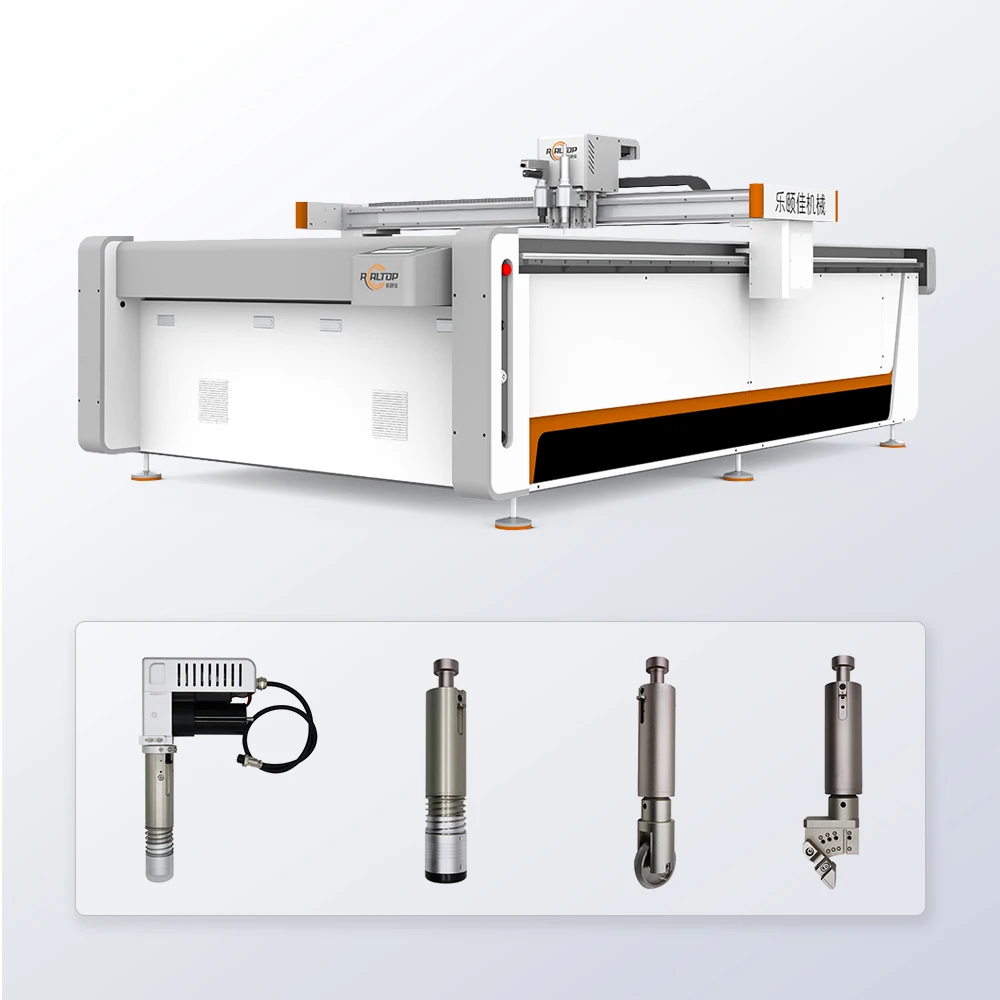
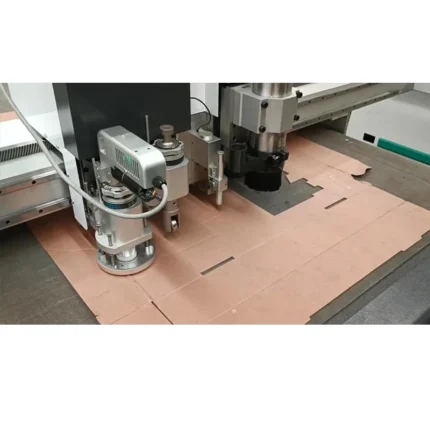
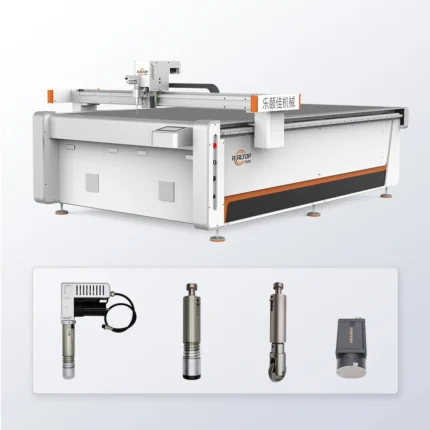
Interchangeable tool head system — seven distinct cutting and creasing tools let a packaging or foam processor match the edge finish to the actual material density rather than forcing one blade through every substrate.
Technical Specifications
| Parameter | Value |
|---|---|
| Product Type | CNC Oscillating Knife Cutting Machine |
| Working Area | 1600×2500 mm |
| Tool Head Options | Oscillating knife, Driven rotary knife, Creasing wheel, Kiss cutting tool, Pneumatic knife, Milling tool, V groove knife |
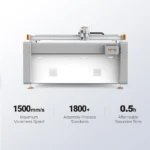
| Cutting Speed | 0-1500 mm/s (basis to be confirmed by material and thickness) |
| Cutting Thickness Capacity | ≤ 40mm (basis not stated in source — confirm material type and density) |
| Cutting Accuracy | ±0.1 mm |
| Vacuum Table | Aluminum bellows vacuum table |
| Vacuum Pump | 9 kW |
| Servo Motor Options | Panasonic, Delta, Dorna |
| Control System | PLC control panel |
| Voltage Options | 110V, 220V, 380V (frequency to be confirmed by destination market) |
| Software Compatibility | PLT, DXF, AI, PDF; dedicated packaging box structure design software included |
| Safety Devices | Infrared sensor device, emergency stop device |
| Machine Dimensions (L×W×H) | 3300×2100×1350 mm |
| Control Language Options | English, Russian, Italian, Chinese; special languages customizable |
| Certification | CE |
Application Suitability
| Application | Material or Output |
|---|---|
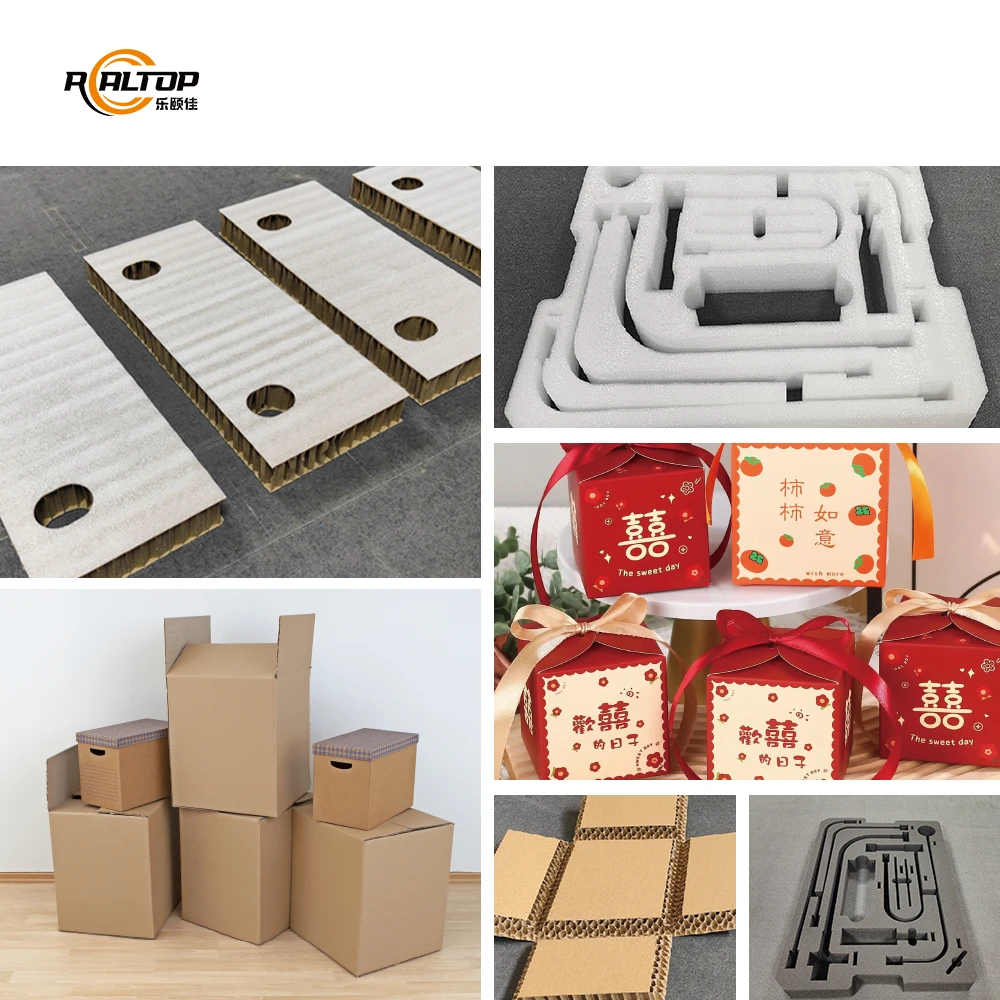
| Packaging sample making and short-run production | Corrugated cardboard (E-flute, B-flute, BC-flute), greyboard, cardstock, art paper |
| Foam insert and cushion cutting | EVA foam, EPE foam, PU foam for protective packaging |
| Gasket and seal cutting | Rubber, PTFE, adhesive-backed composite sheets |
| Signage and display board fabrication | PVC, acrylic, foam board, non-woven fabric, PET |
| Textile and leather cutting | Fabric, synthetic leather, mats for industrial or consumer goods |
Why the Flute Type Matters Before the Quotation
A machine specified on working area alone will fail the moment it meets a dense BC-flute board or a high-density EVA insert.
I have watched buyers sign off on a 1600×2500 mm table only to discover later that the oscillating knife cannot shear through five-ply corrugated without fraying the liner, or that the vacuum table zoning leaves small carton blanks lifting mid-cut. The cutting speed of 0-1500 mm/s is a mechanical ceiling, not a promise — actual throughput depends entirely on whether the tool head was selected for the substrate you actually run. Specifying a CNC oscillating knife cutting machine for laser and engraving processor applications without first confirming material density and flute profile is the most common reason sample boxes arrive with ragged edges [NEED_CITE: packaging substrate cutting parameters].
Tool Head Selection by Substrate Profile
The machine accepts seven interchangeable tool heads, each designed for a different failure mode. An oscillating knife shears through corrugated flutes and foam without crushing the cell structure, while a driven rotary knife suits continuous cuts on fabric rolls and non-woven materials. The creasing wheel scores greyboard and cardstock for folding carton hinges, and the V groove knife cuts bevels for display board mitres. Matching the head to the substrate is the single largest variable in edge quality.
Vacuum Zoning and Small-Part Stability
The aluminum bellows vacuum table paired with the 9 kW pump provides hold-down across the full 1600×2500 mm bed. However, when cutting small gasket blanks or narrow carton dividers, the vacuum must be zoned to the active cutting area; otherwise, air leaks through the unoccupied zones and suction drops below the threshold needed to keep thin sheets flat. A processor running mixed small and large parts should verify the zoning configuration before the table ships [NEED_CITE: vacuum hold-down requirements for thin sheet materials].
Cutting Depth, Accuracy, and the 40 mm Threshold
The stated cutting thickness of ≤ 40 mm is a mechanical limit of the Z-axis stroke, not a guarantee across all materials. High-density EVA foam at 40 mm will demand a different oscillation frequency and blade geometry than a 40 mm stack of E-flute corrugated. The ±0.1 mm accuracy applies to the motion system’s positioning repeatability; actual cut-edge tolerance depends on blade wear, material compression, and vacuum consistency. Buyers processing multi-layer foam inserts should request sample cuts at the exact thickness and density they intend to run.
What Happens When the Wrong Head Meets the Wrong Board
A buyer cutting B-flute corrugated for premium gift boxes chose a standard drag knife instead of the oscillating knife head. The drag blade tore the top liner at every direction change, leaving visible whiskers that had to be trimmed by hand — adding a secondary operation that negated the purpose of the digital cutter. Another processor used a single-zone vacuum setting for small foam gaskets and spent weeks troubleshooting lift marks on finished pieces before realizing the outer zones were bleeding suction. These are not machine defects; they are configuration errors that surface only after the equipment is bolted to the floor [NEED_CITE: digital cutting configuration errors in packaging production].
Procurement Advantages Built Into the Platform
In-house design covering both knife and laser cutting technologies means the buyer can match the cutting method to the material — oscillating knife for cold cutting corrugated and foam without burning or crushing. Tool head and table configuration are specified per material and production volume before the order is locked. CCD camera contour recognition is available for printed mark tracking on packaging artwork. Software compatibility is confirmed against the buyer’s existing PLT, DXF, AI, or PDF workflow, with the dedicated packaging box structure design software included. Voltage, plug type, and control language are verified against the destination market’s standards before shipment.
Documentation & Verification
- Machine specification sheet listing the exact tool heads and vacuum zoning configured for your material
- Electrical schematic confirming voltage, frequency, and plug type for the destination country
- Sample cutting report on your corrugated flute type or foam density with edge quality photographs
- Tool head and table configuration list matching your stated daily volume and part geometry
- Software licence and file format compatibility note for PLT, DXF, AI, PDF and packaging structure files
- Factory test record showing motion accuracy and vacuum hold-down before crating
Installation, Commissioning & Support
- 3300×2100 mm footprint requires a level concrete floor with clear access on three sides for sheet loading
- 9 kW vacuum pump plus servo drives demand a dedicated circuit matching the confirmed voltage option
- Machine ships with table and gantry separated; reassembly and alignment are part of first-day commissioning
- PLC control panel parameters — oscillation frequency, vacuum zoning, cutting speed — are set to your material during installation
- Operator training covers tool head changeover, blade replacement intervals, and creasing wheel depth adjustment
- Spare parts list includes oscillating blades, rotary knife discs, and vacuum table seals sized to your configuration
Preparing Your Inquiry
A useful technical conversation starts with the substrate: provide the exact material type, thickness, sheet size, and the daily volume you need to achieve. Include your local voltage and frequency standard, the control language your operators will use, and whether your existing design files are in DXF, AI, or another format. If the material is a specialty composite or an unusual foam density, sending a sample sheet for test cutting before the order removes the guesswork on tool head selection and achievable speed.
Frequently Asked Questions
Q: How do I choose the right tool head for corrugated versus foam versus rubber?
A: Corrugated flute type determines the oscillating knife blade geometry and frequency, while foam density dictates whether a pneumatic knife or oscillating knife is specified. Rubber and PTFE gaskets typically require a driven rotary or kiss cutting tool. The configuration is confirmed against your actual material samples before the order is finalized.
Q: What cutting speed is realistic on my specific material and thickness?
A: The 0-1500 mm/s range is the mechanical limit; actual speed depends on material density, tool head selected, and edge quality requirement. A sample cutting report on your substrate documents the achievable speed and edge finish before you commit to a production configuration.
Q: Will the packaging software import my existing DXF and AI files?
A: The dedicated packaging box structure design software supports PLT, DXF, AI, and PDF formats. A software licence and file format compatibility note is provided before shipment to confirm that your existing nesting workflow and design files integrate without rework.
Q: Can I send material for sample cutting before placing the order?
A: Yes. A sample cutting report is produced on your exact material — whether corrugated flute, foam density, or rubber compound — documenting edge quality, achievable speed, and the recommended tool head. Factory visits to inspect the frame and motion build quality can be arranged alongside the test.
Q: How are voltage and control language confirmed for my country?
A: Voltage options of 110V, 220V, or 380V are confirmed alongside the local frequency and plug type before shipment. The PLC control panel language is set to English, Russian, Italian, Chinese, or a custom language agreed during the specification review [NEED_CITE: industrial equipment voltage and language standards by export market].


Related products
Automatic CNC Cutter Plotter 2026 Flat Bed Cardboard Cutter
Product Introduction
Automatic CNC Cutter Plotter 2026 is a flat bed cardboard cutting machine designed for precise and efficient cutting tasks. Ideal for various cardboard processing needs, it combines advanced CNC technology to deliver accurate results, suitable for manufacturing and packaging applications.Product Parameters
| Type | Automatic CNC Cutter Plotter |
| Model | 2026 |
| Design | Flat Bed |
| Application | Cardboard Cutting |
Automation CNC Pizza Box Machine 2026 Rotary Die Cutting
Product Parameters
| Type | Automation CNC Pizza Box Machine |
| Model Year | 2026 |
| Rotary Die Cutting | |
| Operation | Automated CNC Control |
Introduction
This 2026 Automation CNC Pizza Box Machine features advanced rotary die cutting technology, ensuring precise and efficient pizza box production. With automated CNC control, it offers high productivity and accuracy for professional manufacturing needs.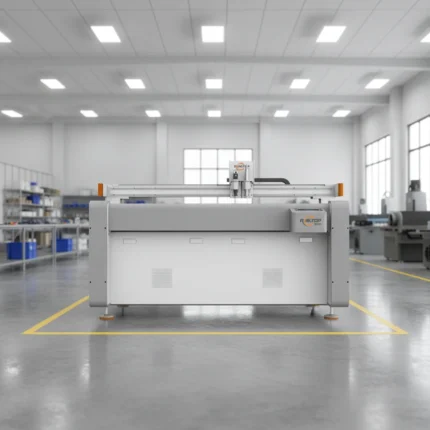
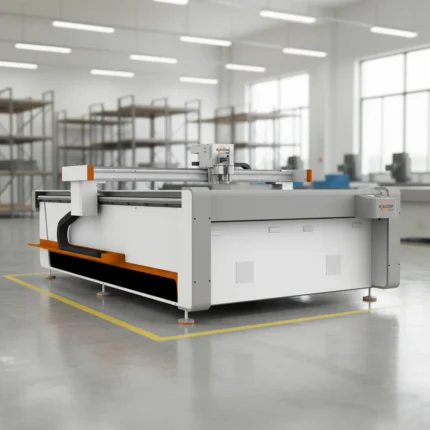


Digital CNC Cardboard Cutting Machine 2026
Product Introduction
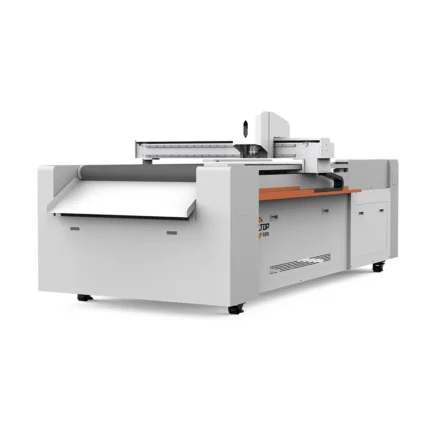
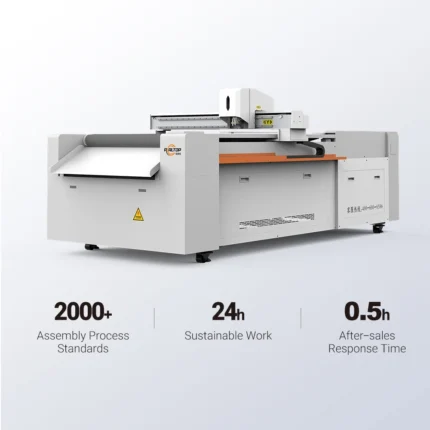
High-precision Digital CNC Cardboard Cutting Machine 2026, ideal for efficient cardboard processing with advanced CNC technology, ensuring precise and fast cutting performance for various packaging and craft applications.
Key Specifications
| Model | 2026 |
| Type | Digital CNC Cutting Machine |
| Material | Cardboard |
| Feature | High Precision, Efficient Cutting |


REALTOP 2026 Digital Industrial Cardboard Box Cutter
Product Introduction
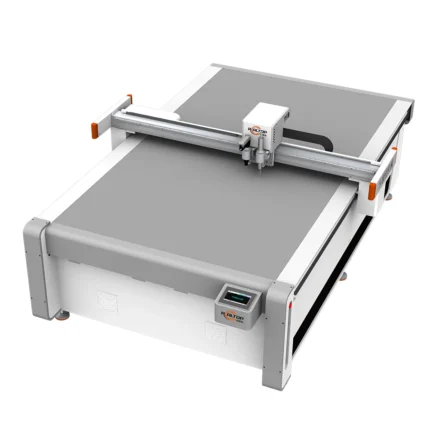
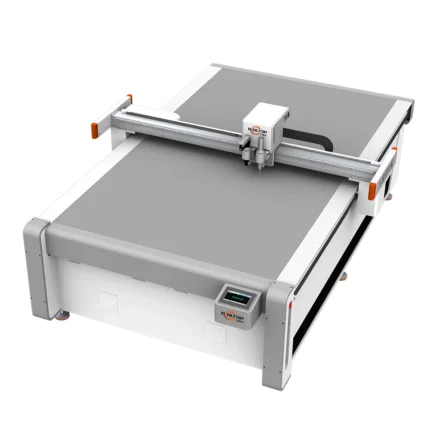
REALTOP Digital Industrial Cardboard Box Cutter Machine 2026 is a professional industrial-grade cutting equipment designed for efficient cardboard box processing, ideal for manufacturing and packaging applications.
Product Parameters
| Model | 2026 |
| Type | Digital Industrial Cardboard Box Cutter |
| Application | Cardboard Box Processing |
| Feature | Industrial-grade, Efficient Cutting |
商品评价
There are no reviews yet.