

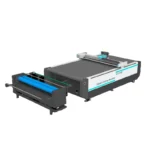
CNC Oscillating Knife Cutting Machine for Cloth – Industrial Application
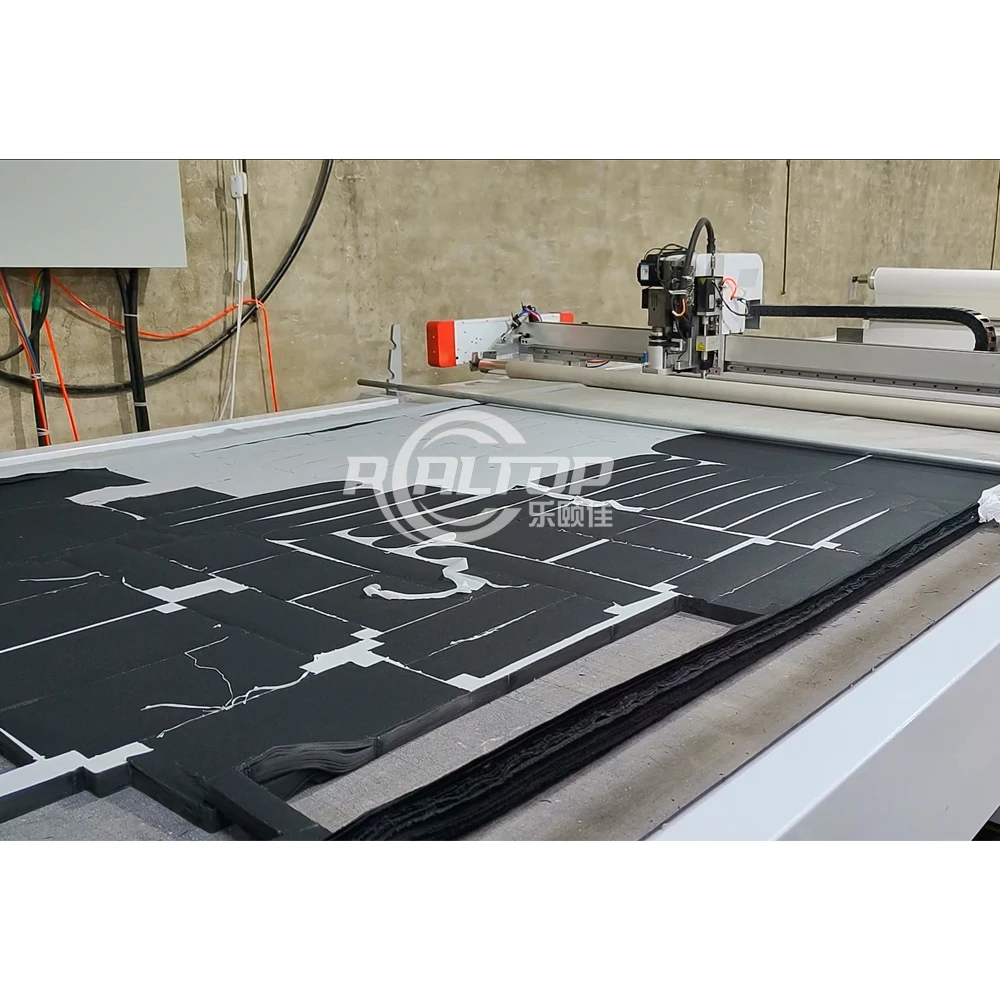
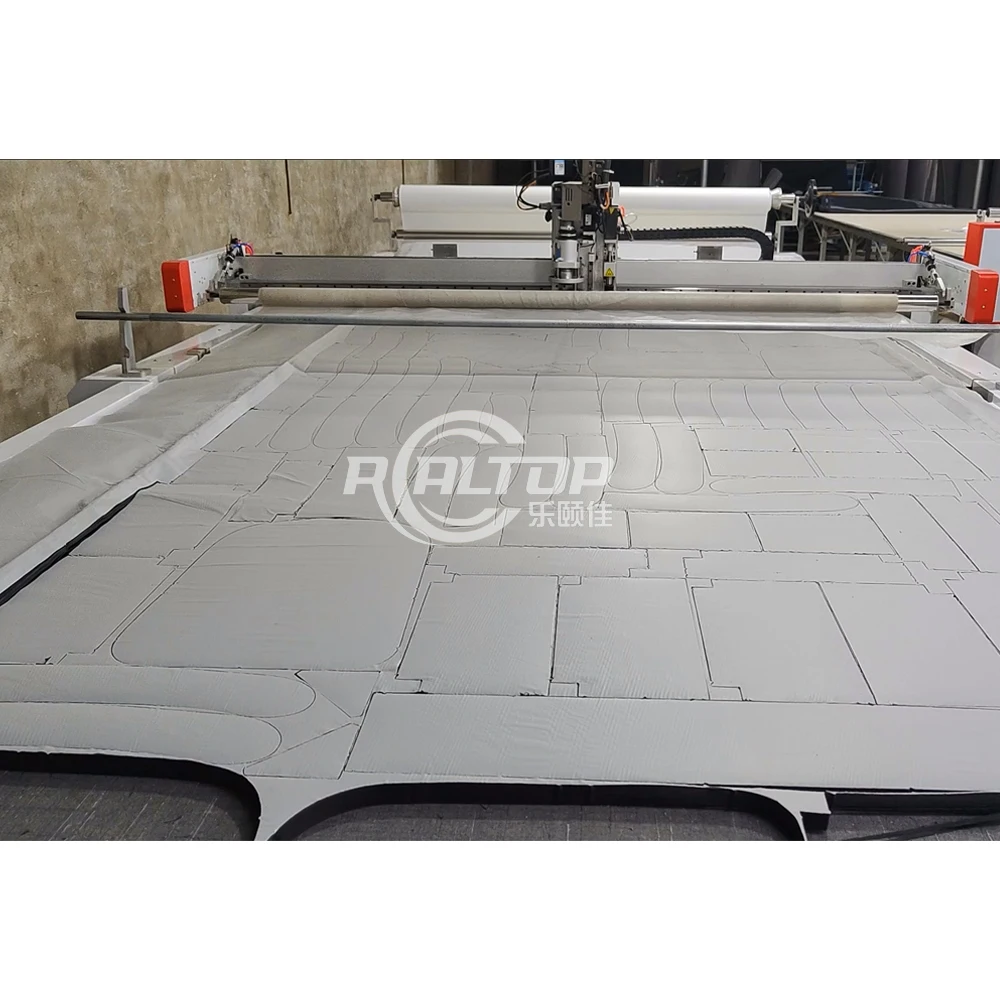
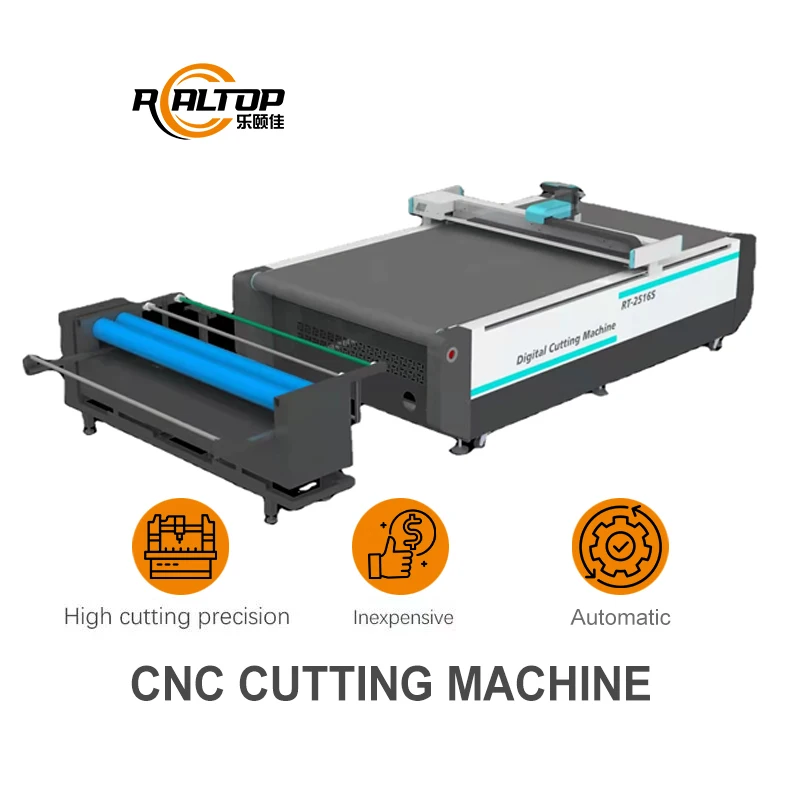
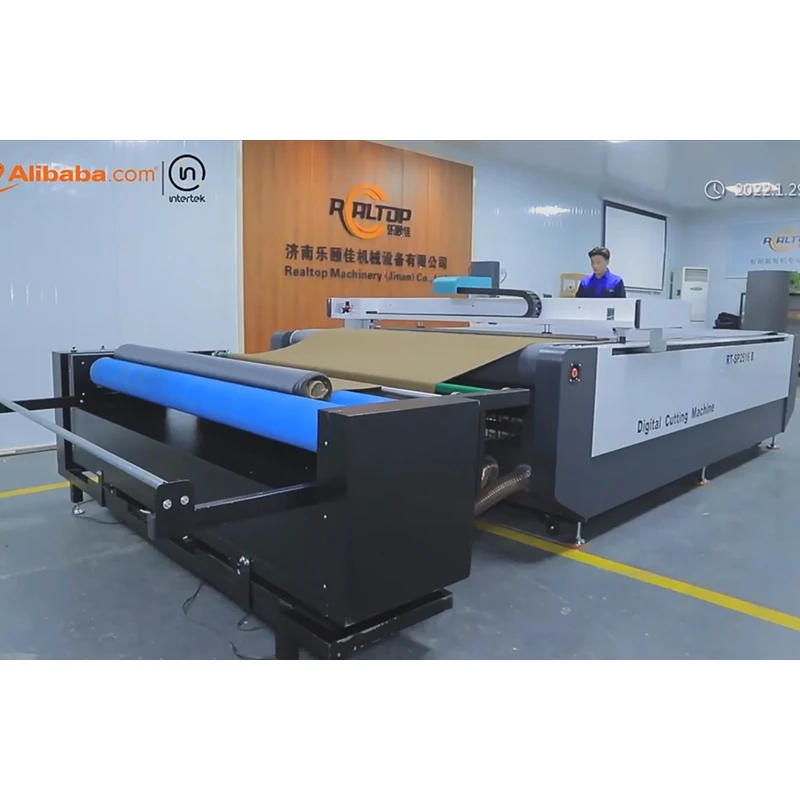
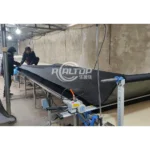
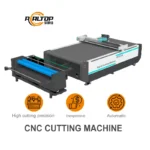
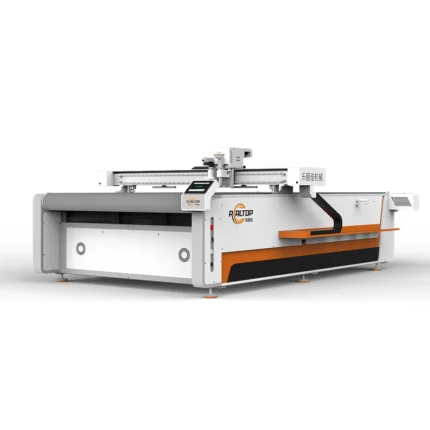
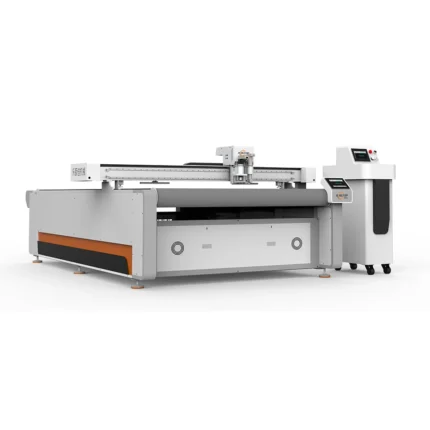
RT-D2516/RT-S2516 CNC Oscillating Knife Cutting Machine, 1600×2500mm Working Area, ≤0.1mm Repeated Accuracy — engineered for fabric, leather, and flexible composite processing.
- Swiss imported oscillating knife delivers full cutting, half cutting, and cursor location for clean edges across textile and PVC materials
- Zoned vacuum table with high-density felt surface prevents material lift during high-speed cutting at 800-1200mm/s translational velocity
Sample cutting on your specific material is provided before order confirmation, with tool head configuration matched to your fabric type and production volume.
Material-Matched Tooling — in-house design pairs oscillating knife frequency and blade geometry to your fabric weight and weave, verified on your own material before order confirmation.
Technical Specifications
| Parameter | Value |
|---|---|
| Product Type | CNC Oscillating Knife Cutting Machine |
| Working Area | 1600 × 2500 mm |
| Machine Size | 3450 × 2300 × 1250 mm |
| Rated Power | 9 kW |
| Voltage | 380V ± 10% |
| Translational Velocity | 800 – 1200 mm/s |
| Cutting Thickness | ≤ 50 mm (varies by material density and type) |
| Repeated Accuracy | ≤ 0.1 mm |
| Tool Head | Swiss-imported oscillating knife with full cut, half cut, and cursor location |
| Table Surface | High-density felt |
| Vacuum System | 7.5 kW vacuum pump, zoned suction |
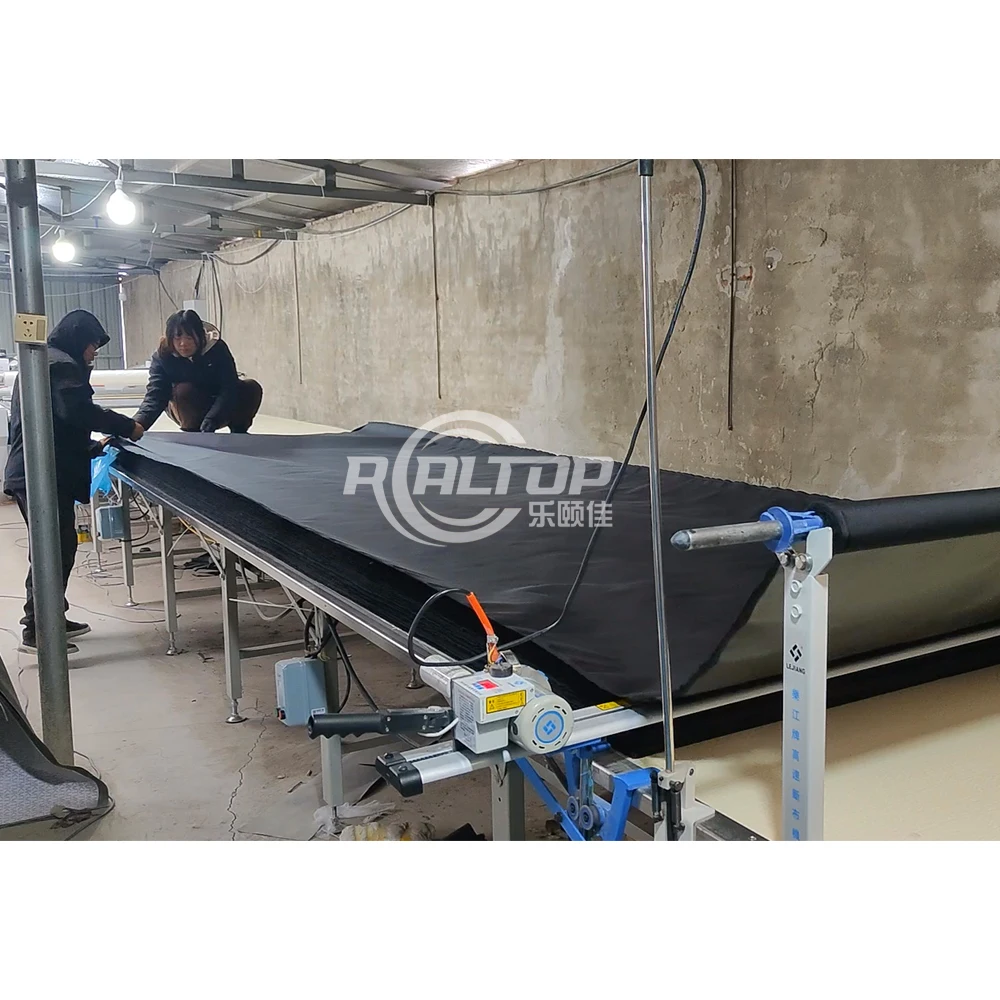
| Feeding System | Germany-imported conveyor belt, auto feeding |
| Transmission | Digital servo motor, linear guide, synchronous belt, ball screw |
| Linear Rail | Taiwan Hiwin |
| Control System | CNC, HP-GL compatible format |
| Safety Device | Infrared sensors |
| Language Options | English, Russian, Italian, Chinese (special languages configurable) |
| Bed Structure | Overall welding process, imported milling machine processing |
Application Suitability
| Application | Material or Output |
|---|---|
| Garment fabric cutting | Multi-layer woven and knit textile stacks, denim, cotton blends |
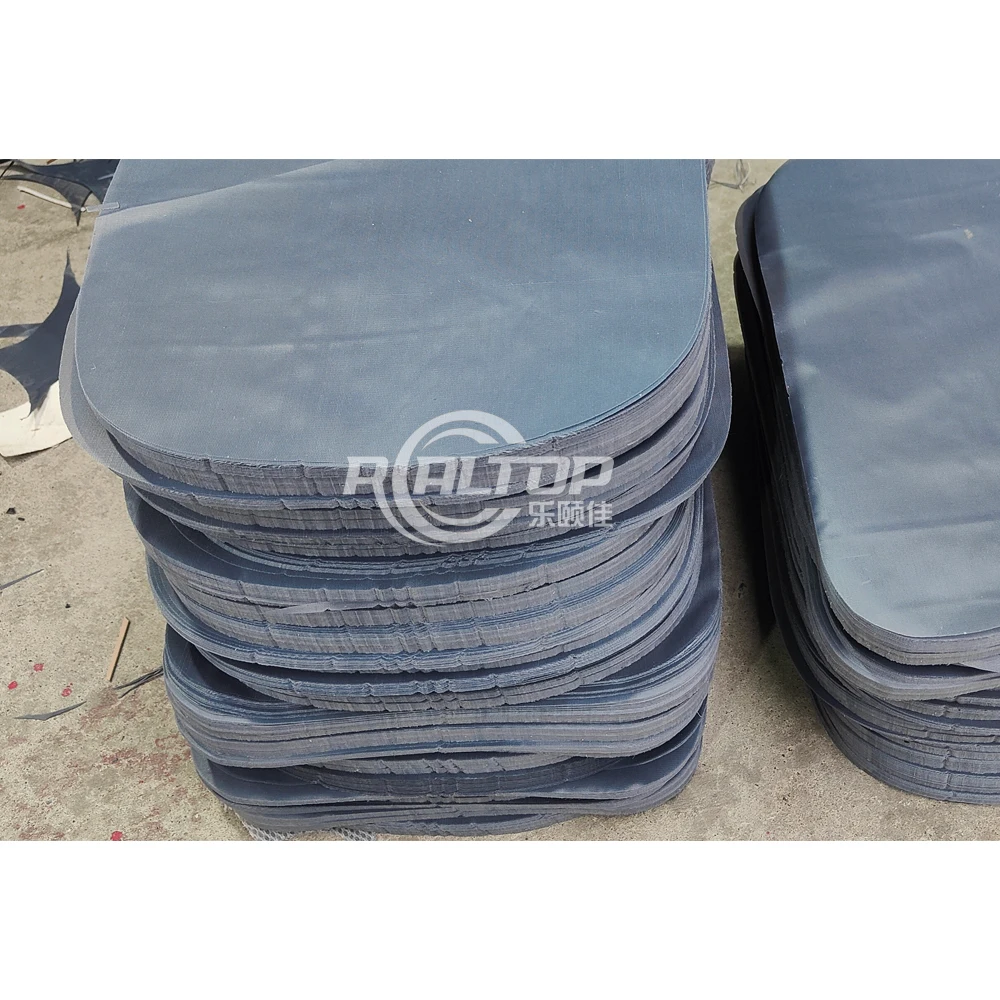
| Automotive interior trimming | Synthetic leather, PU composites, gasket sheets |
| Leather goods manufacturing | Natural and bonded leather hides, suede |
| Flexible packaging and signage | PVC sheets, soft glass, vinyl rolls |
| Technical textile processing | Silicon-coated fabric, rubber sheeting, sponge composites |
What "Cutting Thickness ≤ 50 mm" Really Means for Your Fabric
Thickness ratings shift with material density and layer count — a number alone does not guarantee clean cuts on your specific cloth.
When a buyer sees a 50 mm thickness spec, the assumption is that any material up to that depth cuts cleanly. In practice, a dense rubber gasket at 30 mm may demand more blade strokes and slower feed than a loose-weave cotton stack at 45 mm. The oscillation frequency, blade angle, and vacuum hold-down pressure all need to match what is actually on the table. I have watched operators push thick composite leather through at full speed only to get frayed edges and blade deflection halfway through the stack [NEED_CITE: material density impact on oscillating knife edge quality].
How Oscillating Knife Frequency Meets Fabric Behavior
Different textiles respond to blade vibration in distinct ways. Tightly woven canvas and denim tolerate high-frequency oscillation without fiber pull, while delicate silk or loosely knit jersey demands a lower stroke rate to prevent snagging. The Swiss-imported knife head on this CNC Oscillating Knife Cutting Machine supports full cutting, half cutting, and cursor positioning — giving operators three modes to match the fabric structure rather than forcing one setting across every job.
Vacuum Zoning and Small-Piece Hold-Down
A 1600 × 2500 mm bed handles large hides and fabric rolls, but the real challenge appears when cutting small pattern pieces near the edges. Without zoned vacuum suction, lightweight cloth lifts off the felt surface during rapid directional changes, causing misalignment and wasted material. The 7.5 kW pump paired with sectional zones on this platform keeps fabric pinned even when cutting intricate garment panels. This matters especially for automotive interior producers who nest dozens of small gasket shapes from a single composite sheet [NEED_CITE: vacuum hold-down requirements for small-part textile cutting].
Reading the Specs That Matter for Cloth Cutting
The ≤ 0.1 mm repeated accuracy comes from the combination of digital servo motors, Taiwan Hiwin linear rails, and synchronous belt transmission. In garment production, a cumulative drift of even half a millimeter across a multi-layer lay means the bottom plies no longer align with the top. The HP-GL compatible instruction system accepts files directly from most garment CAD and nesting software, so operators import marker layouts without converting through an intermediate format. Translational velocity at 800 – 1200 mm/s is achievable on lighter fabrics; heavier composites require the lower end of that range to maintain edge integrity. The auto-feeding conveyor belt, sourced from German suppliers, continuously advances roll material onto the cutting zone, reducing manual handling between nests.
The Cost of Skipping a Sample Cut
Choosing a tool head based on catalog descriptions alone often leads to ragged edges on sponge composites or crushed foam cores that should be cleanly sliced. When the blade geometry does not match the material, operators slow down the feed rate to compensate, reducing throughput without solving the root problem. Vacuum suction set for one fabric type may leave another fabric sliding across the felt during acceleration [NEED_CITE: tool head selection errors in flexible material cutting]. A sample cut on the buyer’s actual roll stock reveals these mismatches before the machine leaves the factory, not after it arrives on the shop floor.
Why Buyers Source This Platform Here
The design team engineers both knife and laser cutting systems under one roof, so a buyer processing PVC alongside acrylic can match the cutting method to each material instead of forcing one technology across the line. Every machine ships with a tool head and table configuration list tied to the buyer’s declared materials, not a generic default build. Voltage, plug type, and control panel language are confirmed during order documentation, reducing on-site electrical surprises. Factory test records include cuts on the buyer’s own material sample, providing a baseline for parameter tuning during commissioning. The in-house production facility handles frame welding, rail mounting, and final assembly, keeping quality accountability within one operation rather than split across subcontractors.
Documentation & Verification
- Machine specification sheet listing every configured option against your material profile
- Electrical schematic with confirmed voltage and plug type for your local supply
- Sample cutting report produced on your fabric or leather stock before shipment
- Tool head and vacuum table configuration list matched to your production scope
- Software licence and HP-GL file format compatibility confirmation note
- Spare parts list covering blades, felt, and vacuum consumables
Installation, Commissioning & Support
- Requires a level concrete floor supporting the 3450 × 2300 mm footprint and vibration dampening
- Dedicated 380V ± 10% three-phase circuit rated for 9 kW minimum continuous draw
- Machine ships partially assembled; table and gantry bolt together on-site with included hardware
- First-day commissioning covers blade frequency tuning to your fabric type and vacuum zone mapping
- Operator training includes HP-GL file import, nesting workflow, and tool head changeover procedure
- Consumable spares kit includes oscillating blades, felt patches, and vacuum seals for initial production run
Before You Request a Quote
Send a description of the fabrics or flexible materials you cut most often, including typical thickness ranges and whether you process from rolls or flat sheets. Note your local voltage and frequency standard so the electrical system can be configured before assembly. If you have existing CAD or nesting software, share the file format so import compatibility is verified during the engineering phase rather than after delivery.
Frequently Asked Questions
Q: How do I confirm the cutting thickness will work for my specific fabric density?
A: Thickness capacity depends on material density, weave structure, and layer count, not just a single millimeter number. We run a sample cut on your actual fabric or composite stock, documenting blade frequency, feed speed, and edge quality. This report gives you a verified baseline before the machine is built, eliminating guesswork during commissioning.
Q: Can the control system and interface language match my local operators?
A: The CNC control system supports English, Russian, Italian, Chinese, and additional languages configured during order documentation. Voltage and plug type are also locked in at this stage, so the machine arrives wired for your local supply standard without requiring on-site electrical modification or transformer installation.
Q: Will my existing CAD and nesting files work with this machine?
A: The HP-GL compatible instruction system accepts output from most standard garment and textile nesting software. We verify file format compatibility during the engineering stage by importing your sample files and running a test cut. If conversion is needed, it is addressed before shipment rather than discovered during production setup.
Q: What does installation and training cover?
A: Commissioning includes table leveling, vacuum zone calibration, blade frequency tuning for your primary materials, and operator training on file import and tool head changeover. A consumable spares kit ships with the machine so your team can begin production immediately after training concludes.
Q: How are tool head options matched to different materials?
A: The Swiss-imported oscillating knife head offers full cut, half cut, and cursor location modes. We select blade geometry and stroke parameters based on your material list during the configuration stage. A configuration document accompanies the machine, recording which settings produced clean edges on each material tested.


Related products
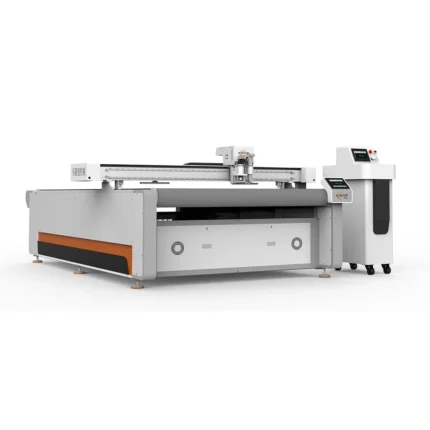
Máquina cortadora automática de lona de PVC 2026
Product Introduction
High-performance Automatic PVC Tarpaulin Cutter Machine 2026, ideal for precise and efficient cutting of PVC tarpaulin materials, designed for industrial manufacturing needs with reliable operation and user-friendly control.Product Parameters
| Model | 2026 |
| Type | Automatic PVC Tarpaulin Cutter |
| Application | PVC Tarpaulin Cutting |
| Feature | Precise & Efficient Cutting |
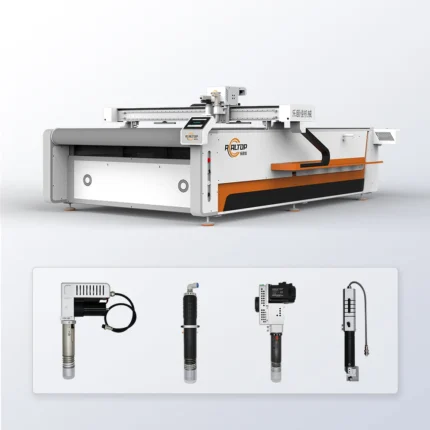
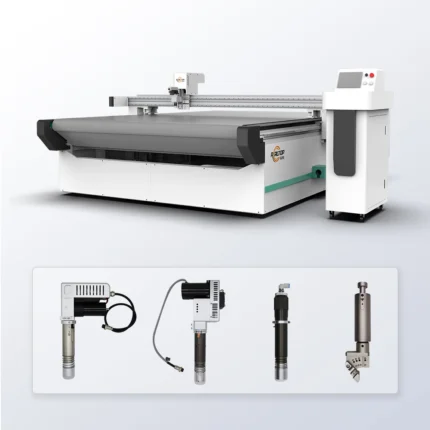
Máquina de corte automático de tela 1200mm Delta Servo 2026
Product Parameters
| Cutting Width | 1200mm |
| Servo System | Delta Servo |
| Model Year | 2026 |
Introduction
High-performance Automatic Fabric Cutting Machine with 1200mm cutting width, equipped with Delta Servo for precision. Ideal for efficient fabric processing in textile industry, ensuring accurate and fast cutting operations.
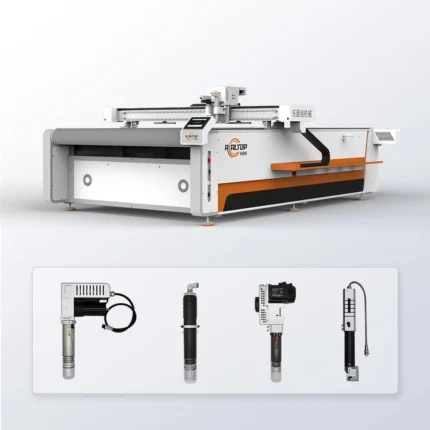
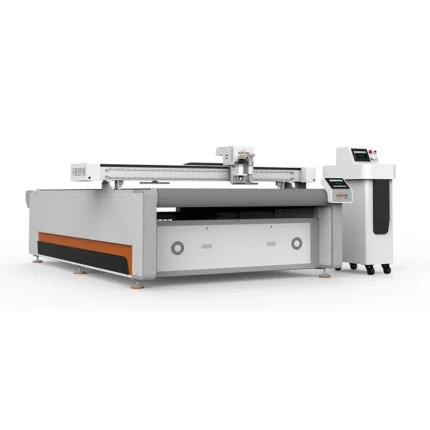
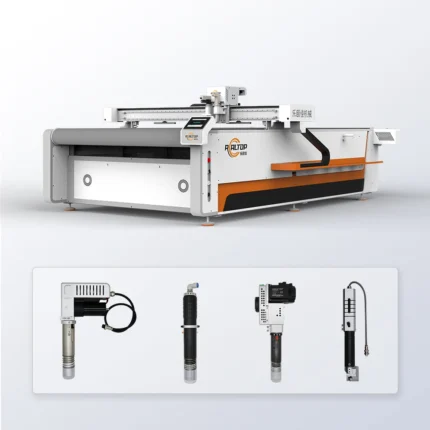
Sistema de Cuchilla Vibratoria CNC 2026 para Prepreg No Tejido de Poliéster y Nailon
Product Introduction
CNC Vibration Knife System 2026 is ideal for cutting polyester, nylon, non-woven fabrics, and prepreg materials with precision and efficiency, suitable for industrial manufacturing needs.Product Parameters
| Model | 2026 |
| CNC Vibration Knife | |
| Materials | Polyester, Nylon, Non-Woven, Prepreg |
Máquina CNC personalizada de corte de tela para camisetas 2026
Product Introduction
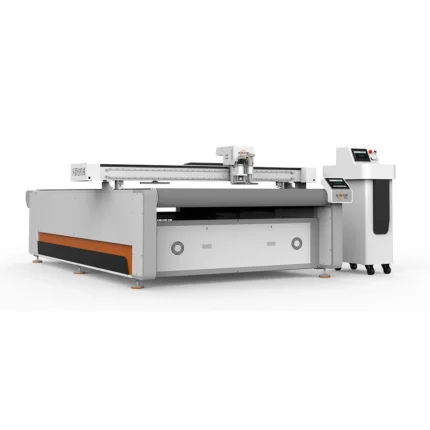
Custom CNC Shirt Fabric Cutting Machine 2026, ideal for precise fabric cutting in garment manufacturing, offering efficient and accurate cutting solutions.
Product Parameters
| Model | Custom CNC Shirt Fabric Cutting Machine 2026 |
| Type | CNC Fabric Cutting Machine |
| Application | Shirt Fabric Cutting |
| Year | 2026 |
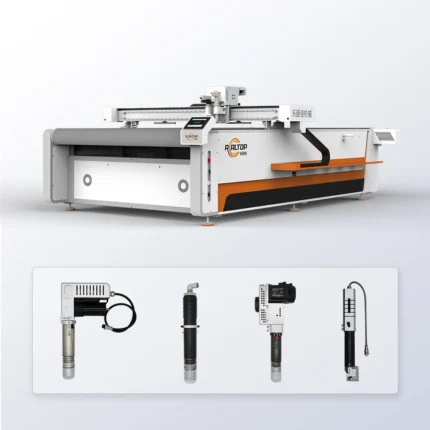
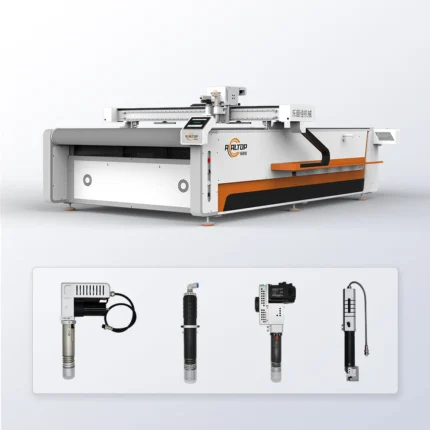
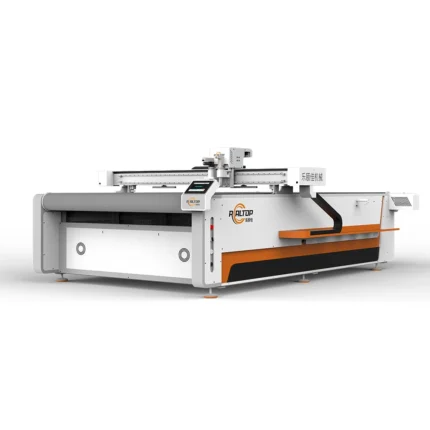
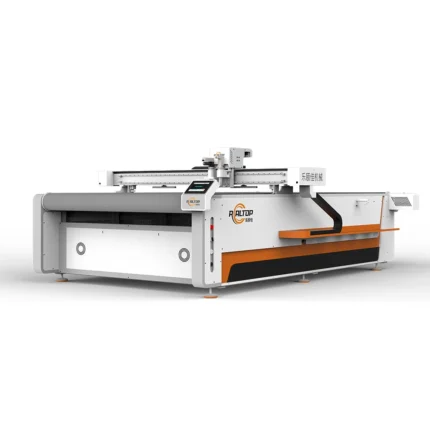
Jinan Realtop CNC Cortadora de Cuchilla Oscilante 2026
Product Introduction
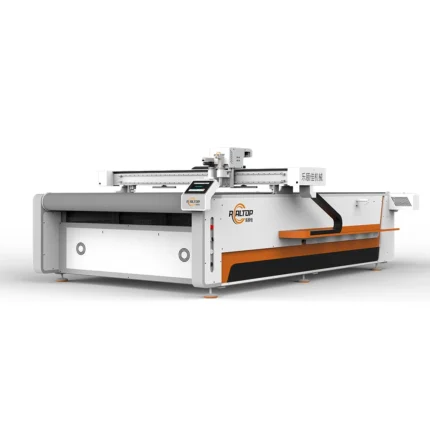
Jinan Realtop CNC Oscillating Knife Cutter 2026, a precision cutting solution from China's leading welding & cutting equipment manufacturer, ideal for efficient material processing with advanced CNC technology.
Key Specifications
| Model | 2026 |
| Type | CNC Oscillating Knife Cutter |
| Manufacturer | Jinan Realtop |
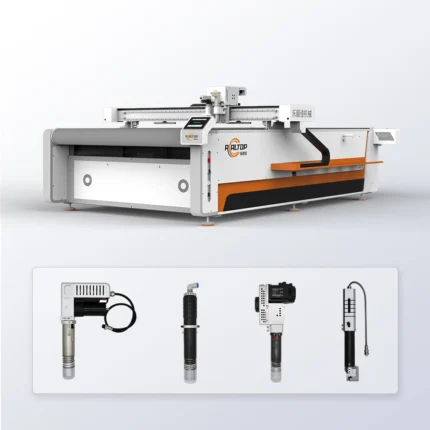

Jinan Realtop Máquina de Corte de PVC 2026 Certificado CE
Product Introduction
Jinan Realtop PVC Cutting Machine 2026 is a CE-certified cutting solution, ideal for precise PVC material processing. Designed for efficiency and reliability in industrial applications.Product Parameters
| Model | 2026 |
| Certification | CE Certified |
| Application | PVC Cutting |
| Manufacturer | Jinan Realtop |
商品评价
There are no reviews yet.