



CNC Vibration Knife System 2026 Leather Cutting Machine
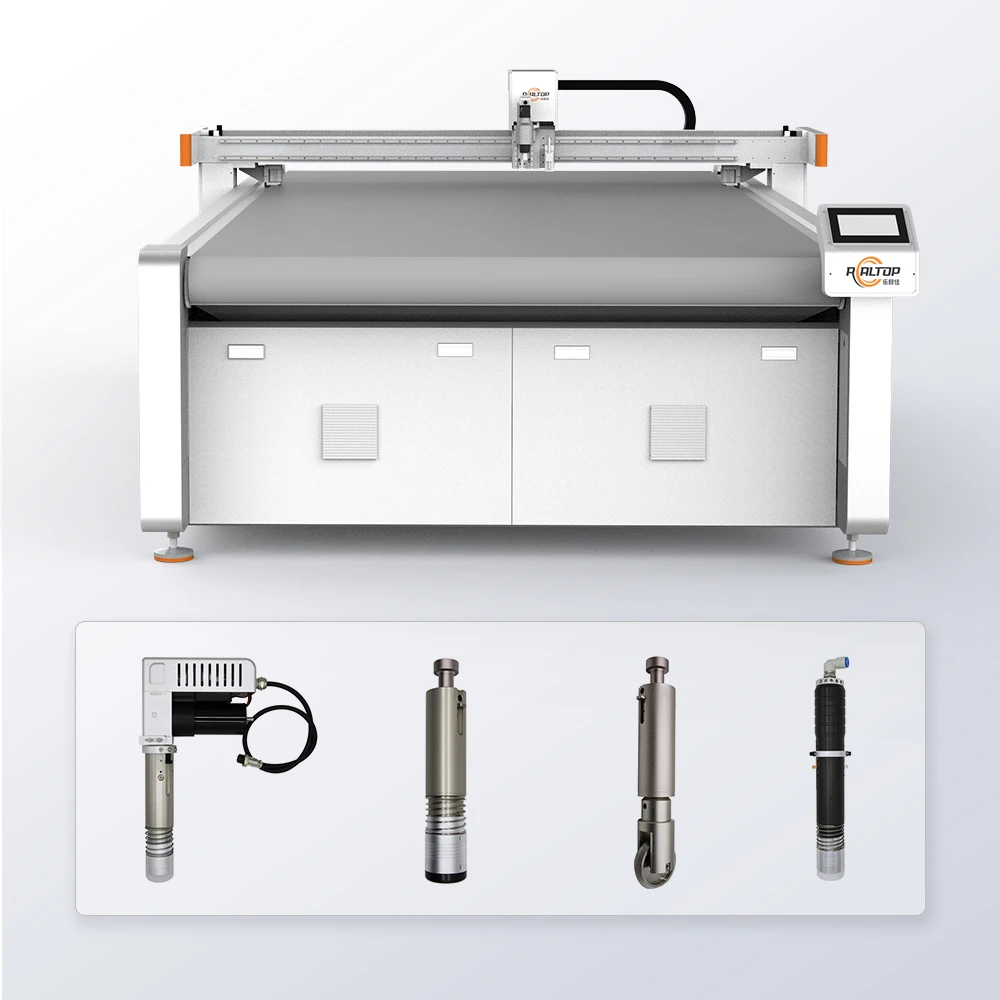
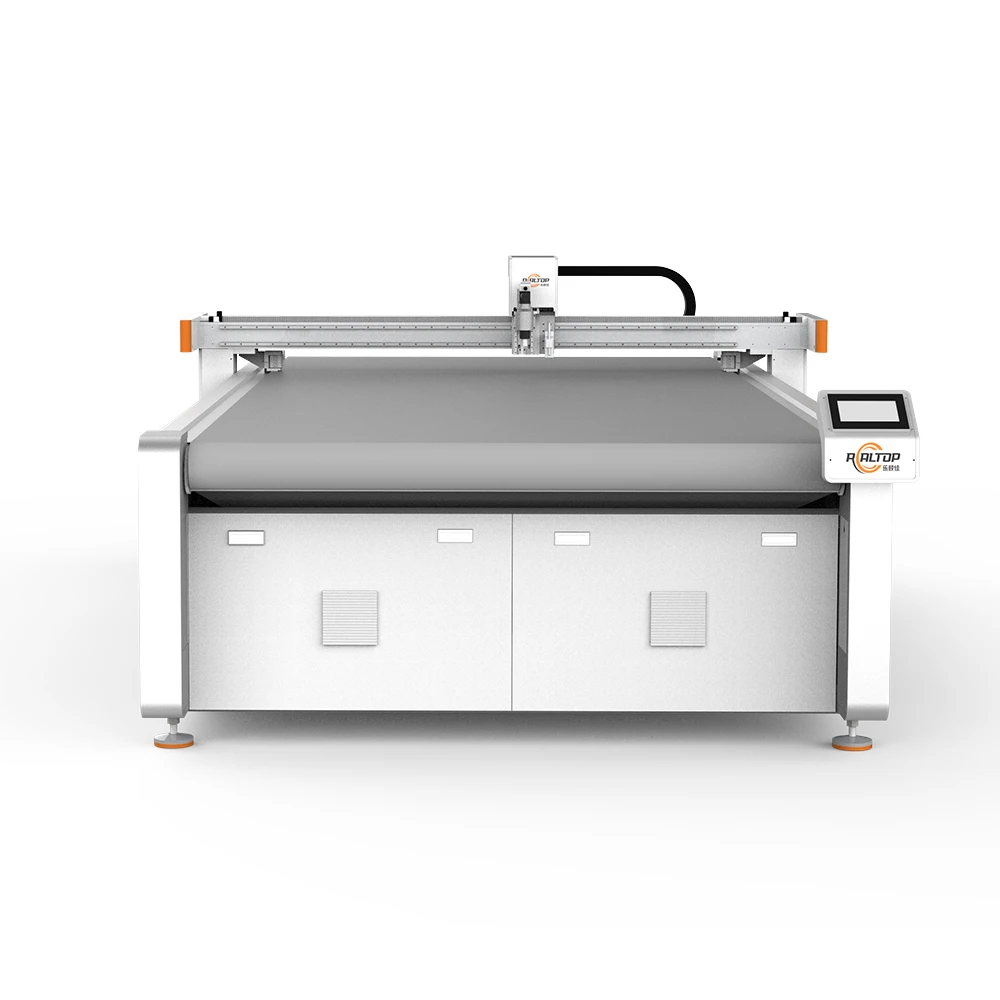
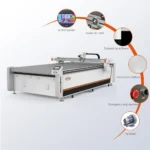
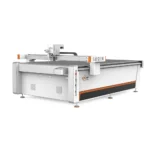
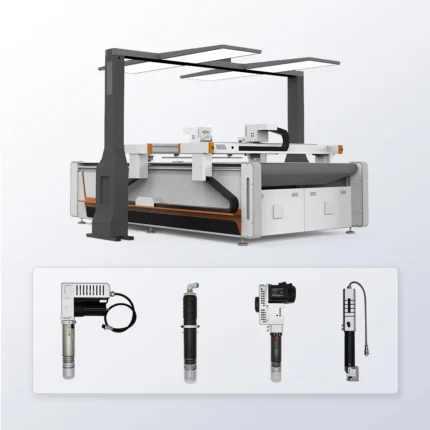
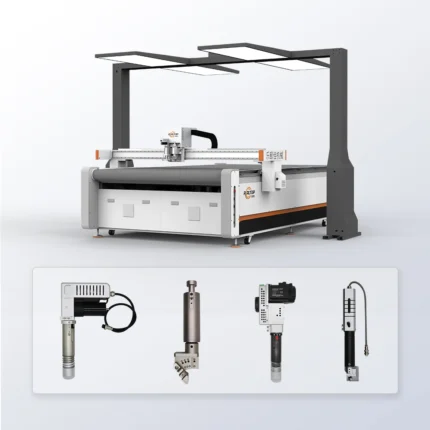
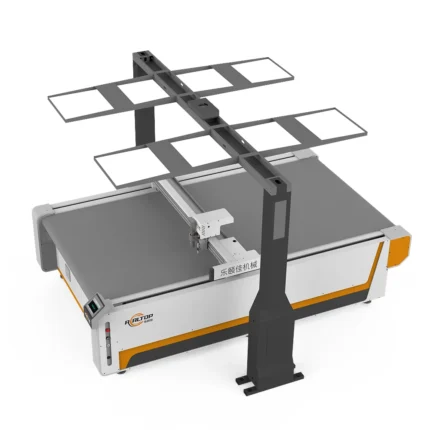
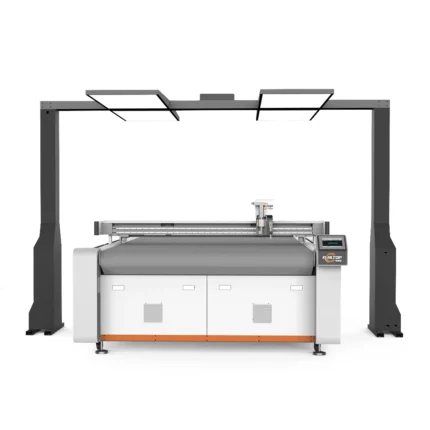
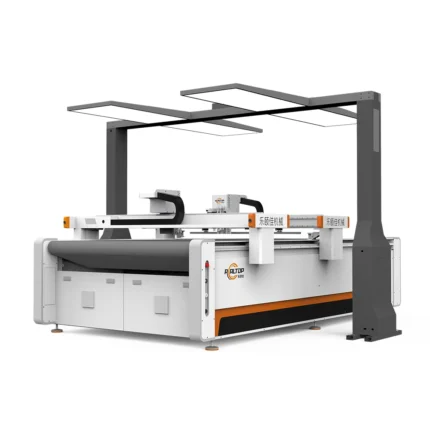
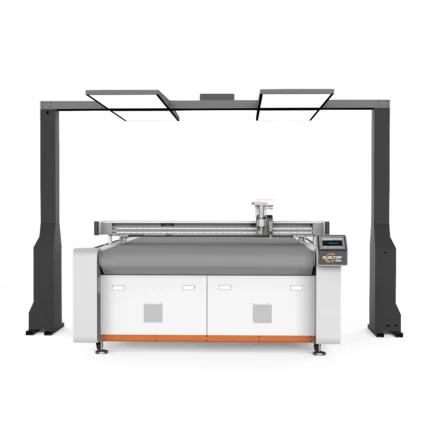
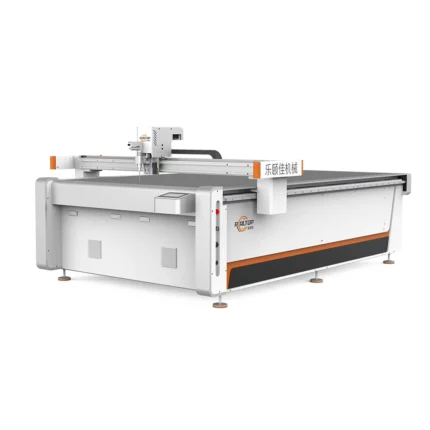
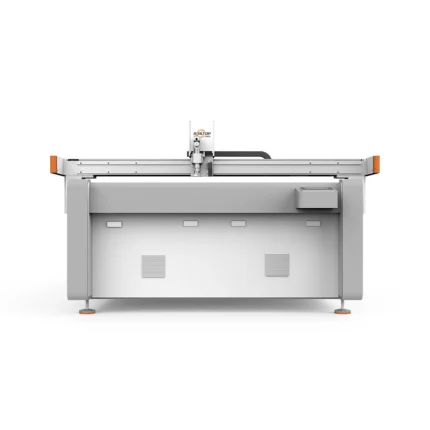
1625(Standard) CNC Oscillating Knife Cutting Machine, 1600×2500mm, CCD Camera, ≤30mm — configured for leather contour cutting with integrated camera positioning for printed graphics and genuine grain pattern recognition.
- Interchangeable tool heads (oscillating knife, driven rotary, pneumatic, V-groove, creasing wheel) matched to your specific material
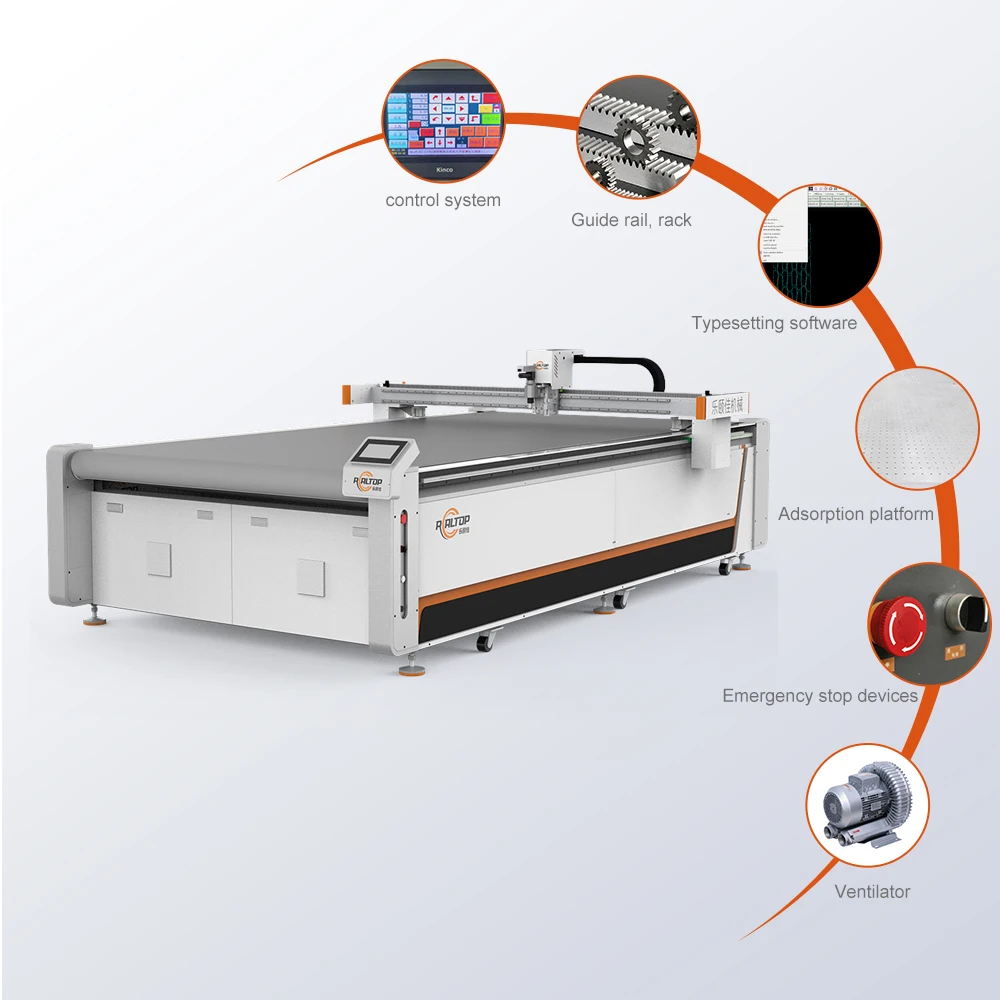
- Aluminum bellows vacuum table with 9 kW pump and full-surface adsorption
- PLC control with multi-language support and PLT/DXF/AI/PDF file compatibility
Sample cutting on your own leather stock available before order commitment to verify edge quality and cutting depth.
Tool Head Matched to Material — Every oscillating knife, driven rotary, and V-groove configuration is tested on the buyer’s actual hide or composite before the order is locked, ensuring the CNC Vibration Knife System 2026 Leather Cutting Machine cuts to the edge quality the production floor demands.
Technical Specifications
| Parameter | Value |
|---|---|
| Product Type | CNC Oscillating Knife Cutting Machine |
| Model | 1625(Standard) |
| Working Area | 1600 × 2500 mm |
| Tool Head Options | Oscillating knife, Driven rotary knife, Creasing wheel, Kiss cutting tool, Pneumatic knife, Milling tool, V-groove knife |
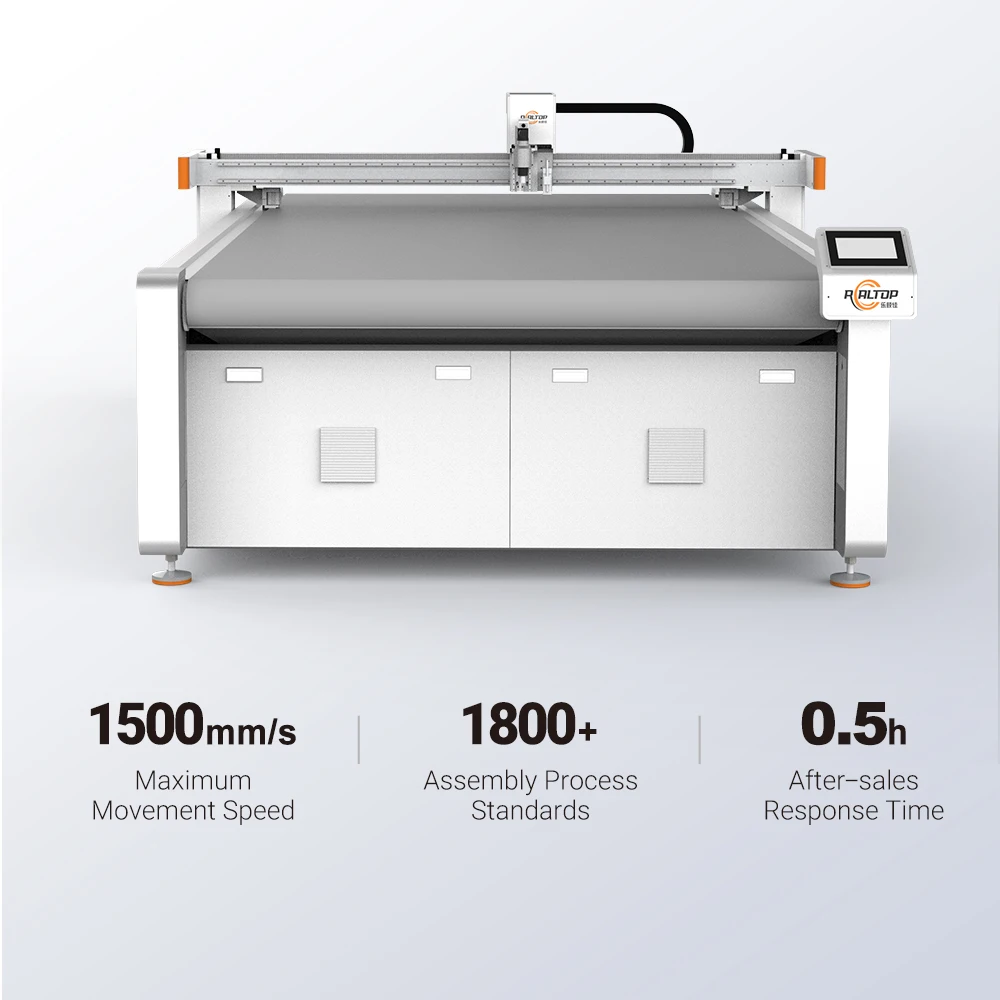
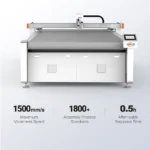
| Cutting Speed | 0 – 2000 mm/s |
| Cutting Thickness Capacity | ≤ 30 mm (basis not stated in source — confirm material type, density, and stacking) |
| Cutting Accuracy | ±0.1 mm |
| Vacuum Pump Power | 9 kW |
| Vacuum Table | Aluminum bellows with full-surface adsorption |
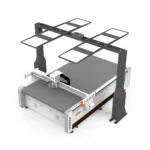
| Contour Recognition | Integrated CCD camera |
| Servo Drive Options | Panasonic, Delta, Dorna |
| Control System | PLC control panel |
| Voltage Options | 110V / 220V / 380V |
| Profile Format Compatibility | PLT, DXF, AI, PDF |
| Nesting System | Camera-based auto-nesting with defect detection |
| Software Language Options | English, Russian, Italian, Chinese (custom languages available) |
| Safety Device | Infrared sensor and emergency stop |
| Machine Size (L × W × H) | 3300 × 2100 × 1350 mm |
| Certification | CE (declaration referenced) |
Application Suitability
| Application | Material or Output |
|---|---|
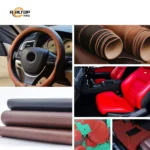
| Shoe upper and leather goods production | Genuine leather, PU, bonded leather hides with contour and grain recognition |
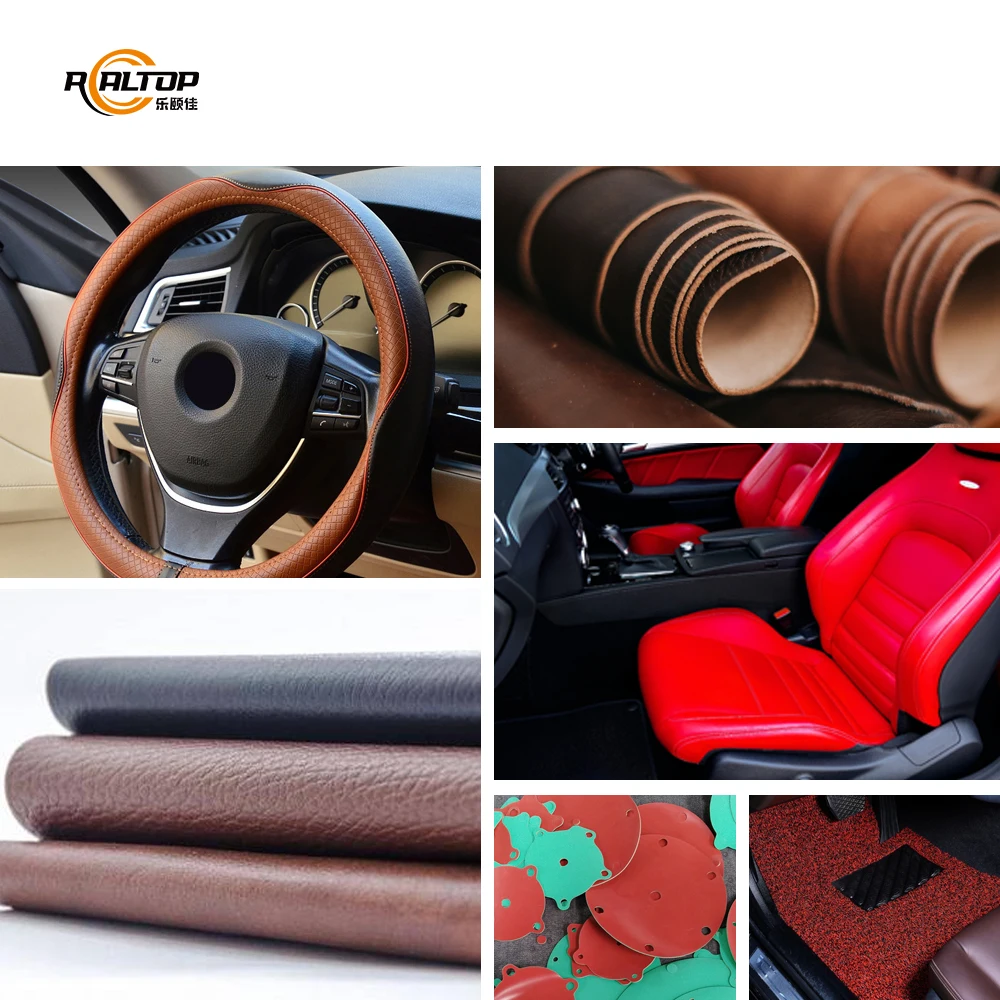
| Automotive interior trimming | Leather seat covers, car mats, composite interior panels |
| Upholstery and soft furnishing | Sofa fabrics, patterned textile rolls, lampshade composites |
| Advertising and signage contour cutting | PVC sheets, adhesive stickers, vehicle wraps, printed foam boards |
| Packaging and carton sample making | Corrugated board, gift box stock, folding carton with creasing wheel |
| Specialty foam and gasket fabrication | EPE foam, insulating materials, closed-cell gasket stock |
What the Stated Cutting Depth Leaves Out About Leather
The ≤ 30 mm capacity only holds when the material density, layup structure, and tool head are confirmed together — not from a brochure line.
A leather cutting machine that promises thirty millimetres of depth on a spec sheet may still struggle on a three-layer bonded upper where a foam interliner sits between a PU face and a textile backer. The oscillation amplitude, blade geometry, and vacuum hold-down all behave differently once the stack changes. Buyers who skip the sample-cutting step often discover edge delamination only after the first production run, when the vibration knife system 2026 leather cutting machine meets a hide composition it was never set up for. [NEED_CITE: material density and layer adhesion effect on oscillating knife penetration]
How CCD Contour Recognition Changes Hide Utilization
Genuine leather hides arrive with irregular outlines, scar marks, and grain-direction constraints that make manual nesting a slow, waste-prone task. The integrated CCD camera scans each hide, maps printable defects, and feeds that contour data into the auto-nesting engine before the first blade stroke. This means the laser cutting and engraving machine workflow you may have used for synthetic sheets is replaced here by a camera-driven path that respects the natural perimeter and flaw map of every individual hide, keeping premium leather yield high without operator guesswork.
Seven Tool Heads on One Platform
Most production shops handle more than one material family across a single shift. The interchangeable head carriage lets an operator switch from an oscillating knife for full-depth leather cuts to a creasing wheel for folding lines on carton samples, then to a kiss cutting tool for adhesive-backed vinyl — all without moving the workpiece off the aluminum bellows table. Each head is specified at the order stage against the buyer’s material list, so the machine arrives with the exact combination needed rather than a generic setup that requires field retrofits. [NEED_CITE: multi-tool head CNC cutting platform configuration practices]
Reading the Specs That Matter on the Shop Floor
The 9 kW vacuum pump paired with the aluminum bellows table generates full-surface adsorption, which is critical when cutting small shoe-upper pieces that tend to lift under high-speed oscillation. Without adequate hold-down, a ±0.1 mm accuracy rating means little because the material shifts between passes. The servo drive selection — Panasonic, Delta, or Dorna — affects how smoothly the carriage decelerates at tight corners on intricate bag-panel geometries. And the PLC panel’s language options, from English to Italian to custom scripts, determine whether the operator can actually adjust cutting speed from the default 2000 mm/s down to what a particular foam density requires, rather than running every job at one setting.
The Cost of Skipping the Tool Head Conversation
When a buyer orders a flatbed cutter on working area alone and accepts whatever standard tool head ships with it, the first sign of trouble is usually ragged edges on chrome-tanned leather or crushed cells on open-poor foam. The blade oscillation frequency that works for a 2 mm PU sheet will tear through a 6 mm bonded stack, leaving a fuzzy edge that fails downstream quality checks. Correcting this in the field means sourcing a heavier knife, re-calibrating the Z-axis zero, and possibly re-cutting an entire batch — downtime and scrap that a pre-shipment sample test would have prevented. [NEED_CITE: oscillating knife blade selection and material mismatch consequences]
Why Sourcing This Cutter Here Makes Sense
In-house design across both knife and laser technologies means the engineering team can recommend a vibration knife path for leather and a CO2 laser path for acrylic on the same project, rather than forcing one process onto the wrong material. Tool head and vacuum table configurations are locked against the buyer’s own material samples before production begins, not guessed from a category label. CCD contour positioning is validated on the buyer’s printed stock to confirm mark-tracking speed matches the stated cutting velocity. Software file compatibility — PLT, DXF, AI, PDF — is verified against the buyer’s existing CAD workflow before the order is confirmed, so there are no format surprises at commissioning. Voltage, plug type, and control language are documented and signed off before the machine leaves the factory floor.
Documentation & Verification
- Machine specification sheet listing every tool head and option selected for your material range
- Electrical schematic confirming voltage, frequency, and plug standard for your facility
- Sample cutting report produced on your own leather hide or composite layup
- Tool head and table configuration list matched to your production materials
- Software licence key with confirmed file format compatibility note
- Factory test record captured before dispatch with your approved cutting parameters
Installation, Commissioning & Support
- Foundation must support the 3300 × 2100 mm footprint with level tolerance for the aluminum bellows table
- Dedicated circuit required matching the confirmed voltage option and the 9 kW vacuum pump draw
- PLC panel language and servo drive parameters calibrated to your material stack during first power-on
- CCD camera contour recognition trained on your printed marks and hide contours at commissioning
- Operator training covers tool head changeover, nesting workflow, and file import from your CAD system
- Spare blade and wear-part list supplied with recommended reorder intervals for your cutting volume
What to Include in Your Inquiry
Send a representative sample or specification of every leather type, composite, and foam you plan to cut, including thickness and layer structure. Note your local voltage and frequency standard along with the preferred PLC language for your operators. If your existing nesting software exports in a specific format, include a sample file so compatibility can be verified before the quotation stage.
Frequently Asked Questions
Q: How is cutting thickness verified for my specific leather type?
A: We run a sample cut on your actual material — including any bonded layers or foam interliners — and document edge quality, penetration depth, and cycle time in a cutting report you receive before committing to the order. The ≤ 30 mm figure on the spec sheet is a starting point; real capacity depends on your material density and stack structure.
Q: How do I select the right tool head for my material mix?
A: Share your full material list — leather type and thickness, any foam or board stock, plus the edge finish your downstream process requires. We then specify which combination of the seven available heads ships on your machine and confirm the selection through sample cutting.
Q: What voltage and plug standard will I receive?
A: The platform supports 110V, 220V, and 380V configurations. We confirm your local supply voltage, frequency, and plug type during the specification stage and document the final electrical setup in the schematic that ships with the machine.
Q: Can the software import my existing nesting files?
A: The system accepts PLT, DXF, AI, and PDF formats. Send us a sample file from your current CAD or nesting workflow before the order, and we verify import, path generation, and CCD mark recognition against your actual production files.
Q: Is sample cutting available before I commit?
A: Yes. Send your material — genuine hide, bonded leather, foam, or composite — and we produce a sample cut with your specified tool head, then share the cutting report and physical samples for your evaluation before any production order is placed.


Related products
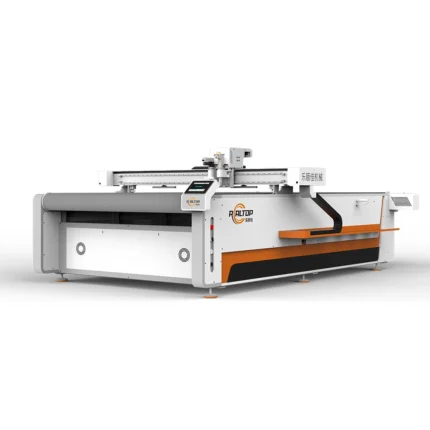
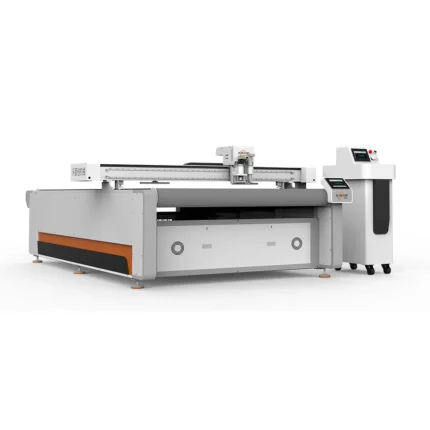

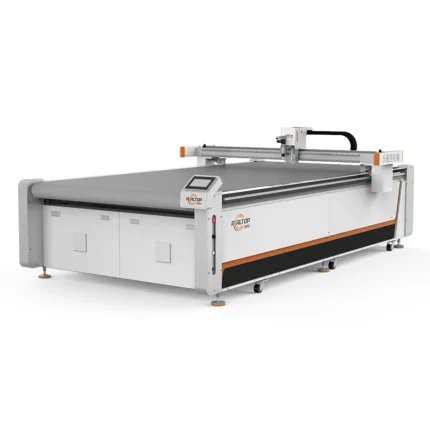
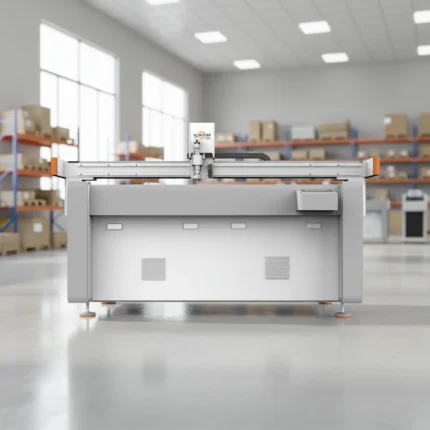
Máquina de Corte de Cuero Jinan 2026 Cuchillo Vibrante Digital de Mesa Plana
Product Introduction
Jinan Industrial Leather Cutting Machine 2026 with vibrating knife and digital flatbed, ideal for precise leather cutting in industrial applications.
Key Specifications
| Vibrating Knife | |
| Type | Digital Flatbed |
| Application | Industrial Leather Cutting |
| Model Year | 2026 |
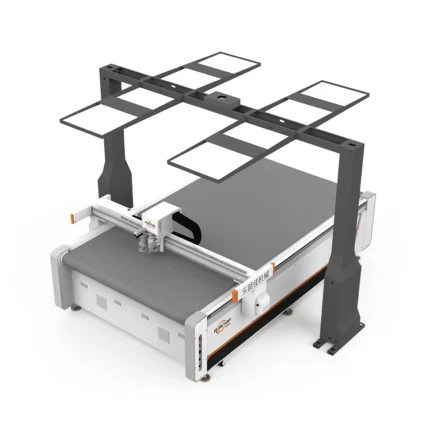
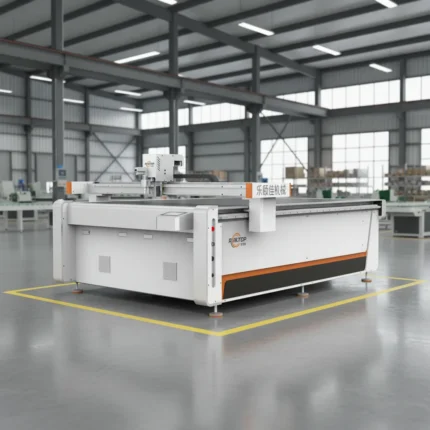
Máquina de corte de cuero con cuchillo de vibración automática Realtop 2026
Product Introduction
Realtop 2026 Leather Cutting Machine features auto vibration knife technology, ideal for precise cutting of PU and genuine leather materials with efficient performance.
Specifications
| Model | 2026 |
| Auto Vibration Knife | |
| PU & Genuine Leather | |
| Type | Leather Cutting Machine |
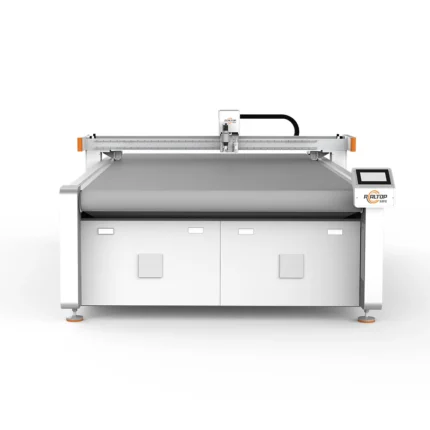
Cámara de cortadora de cuchillo oscilante CNC de cuero Realtop 2026
Product Introduction
Realtop Leather CNC Oscillating Knife Cutter with Camera ¨C 2026, ideal for precision leather cutting with advanced camera positioning. Efficient and reliable for professional manufacturing needs.
Key Specifications
| Type | CNC Oscillating Knife Cutter |
| Material | Leather |
| Feature | Built-in Camera |
| Model | 2026 |
商品评价
There are no reviews yet.