




CO2 Laser Cutting and Engraving Machine for Acrylic, Wood and Textile – Factory Supply
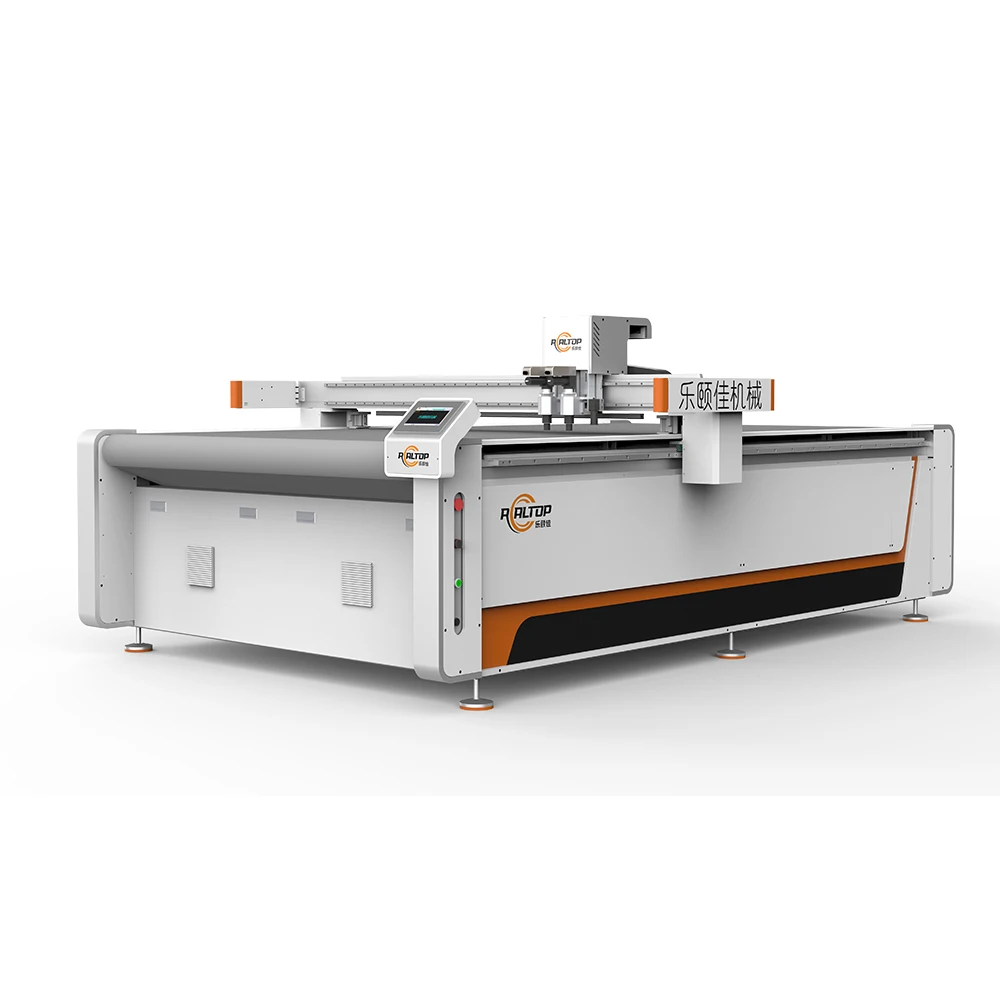
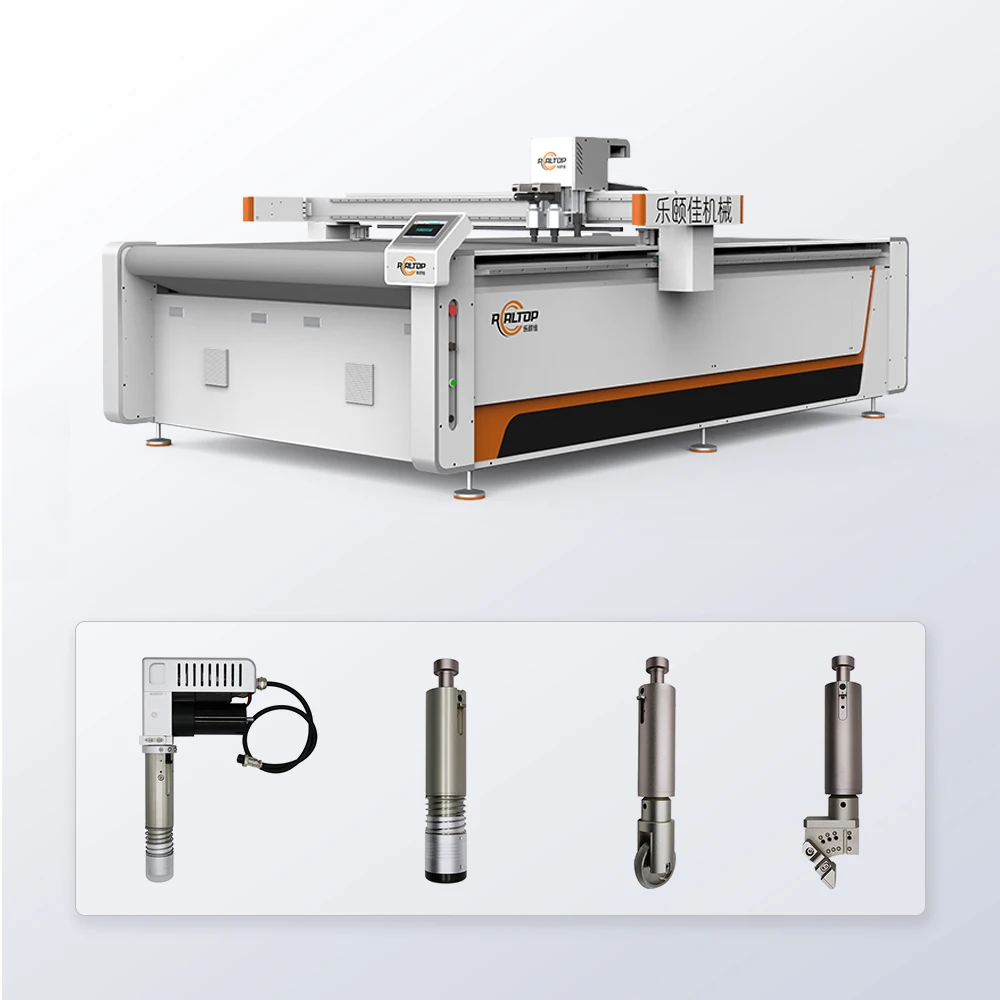
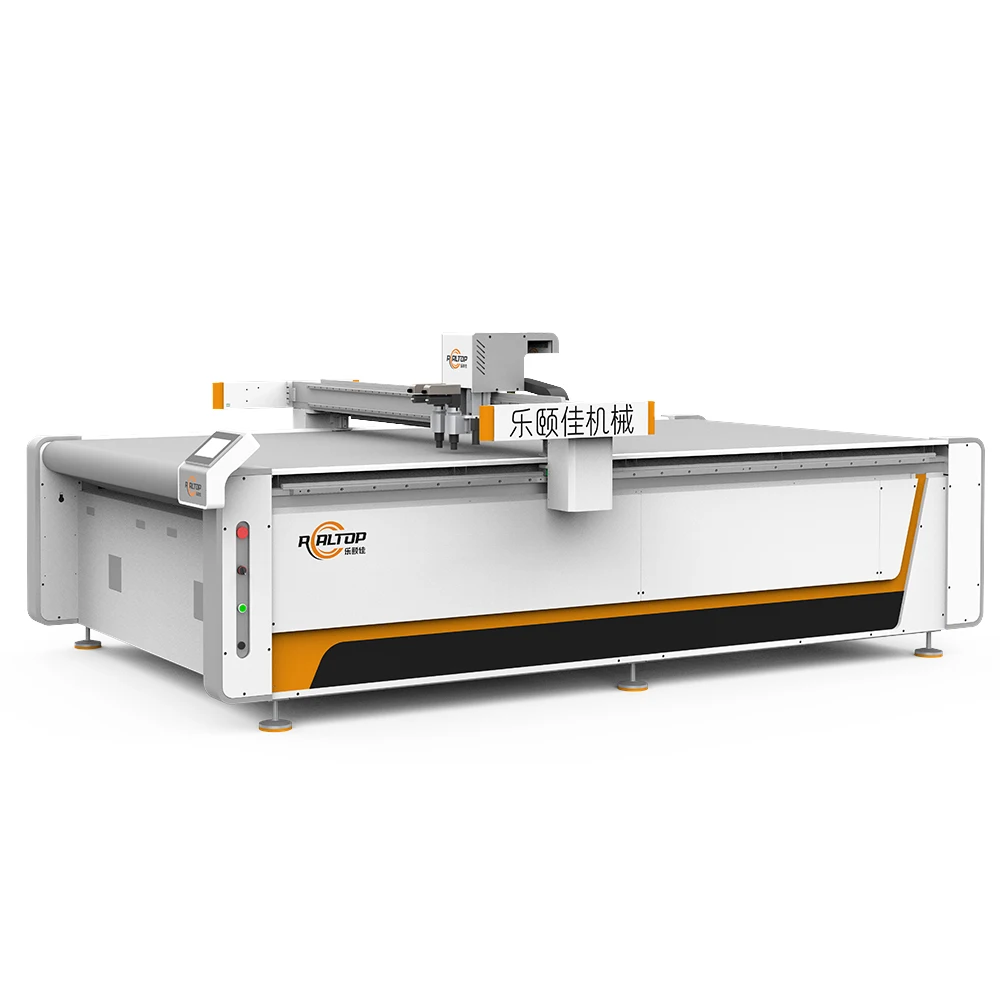
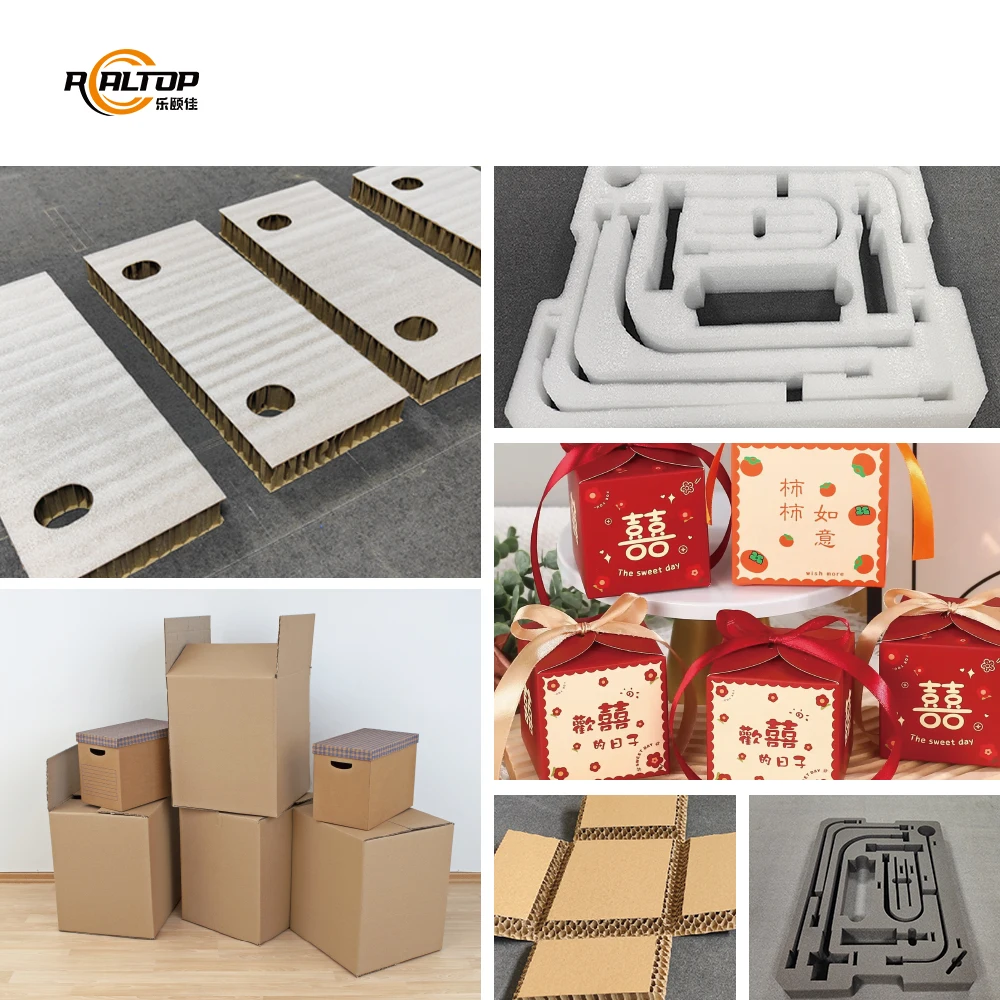
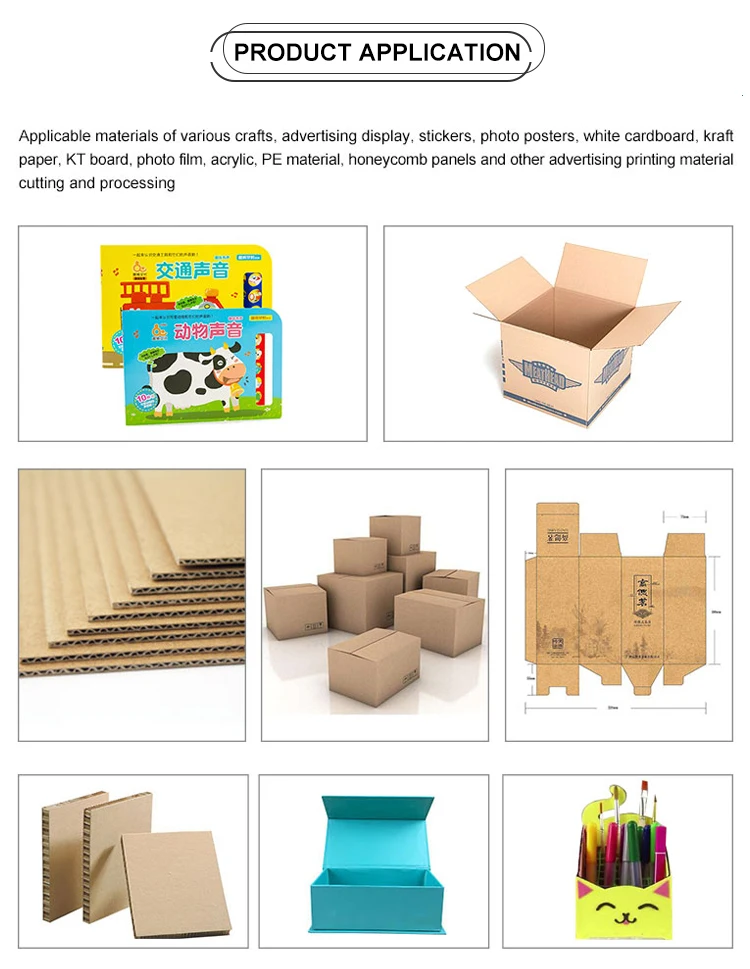
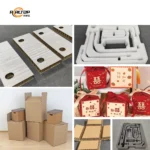
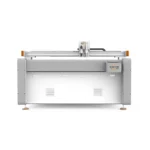
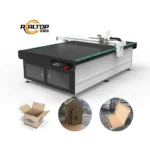
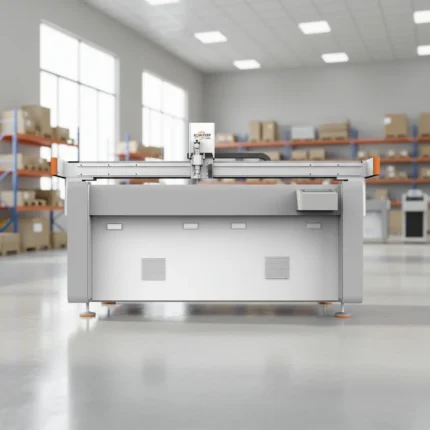
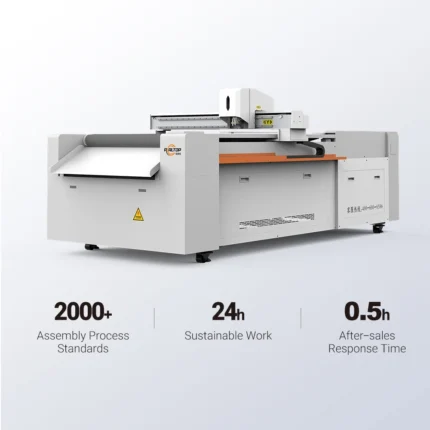
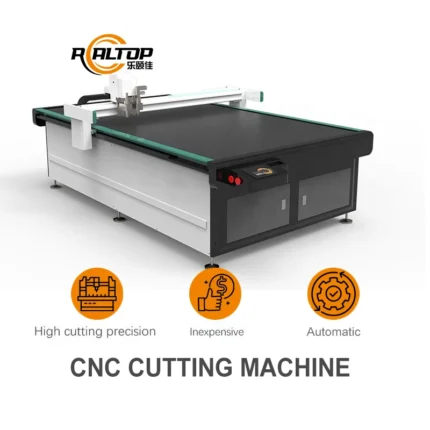
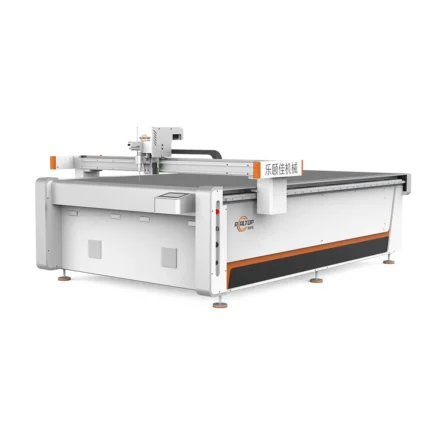
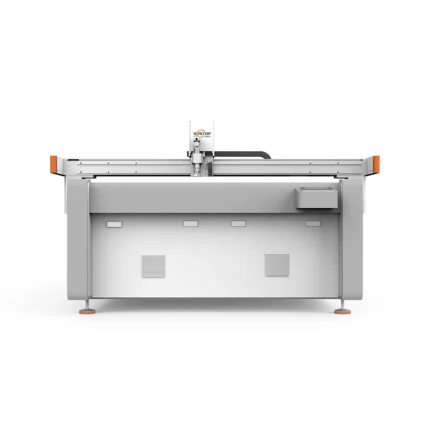
Packaging CNC Cutting Machine, 1600×2500mm Working Area, Oscillating Knife, ±0.1mm Accuracy — configured for carton, corrugated board and packaging sample production with creasing, kiss cutting and milling tool options.
Laser power is matched to real continuous cutting capacity rather than peak values, ensuring actual depth meets production requirements on acrylic, wood and textile materials. Edge sealing performance and assist gas needs are specified per application.
- Sample cutting on buyer’s own material before commitment
- Voltage, plug and control language customized for target market
- In-house design covering both knife and laser technologies
Transparent Laser Output — we specify continuous power ratings verified against actual cutting depth on buyer-supplied acrylic and wood samples, avoiding the gap between quoted peak values and real production performance.
Technical Specifications
| Parameter | Value |
|---|---|
| Product Type | CNC Oscillating Knife Cutting Machine |
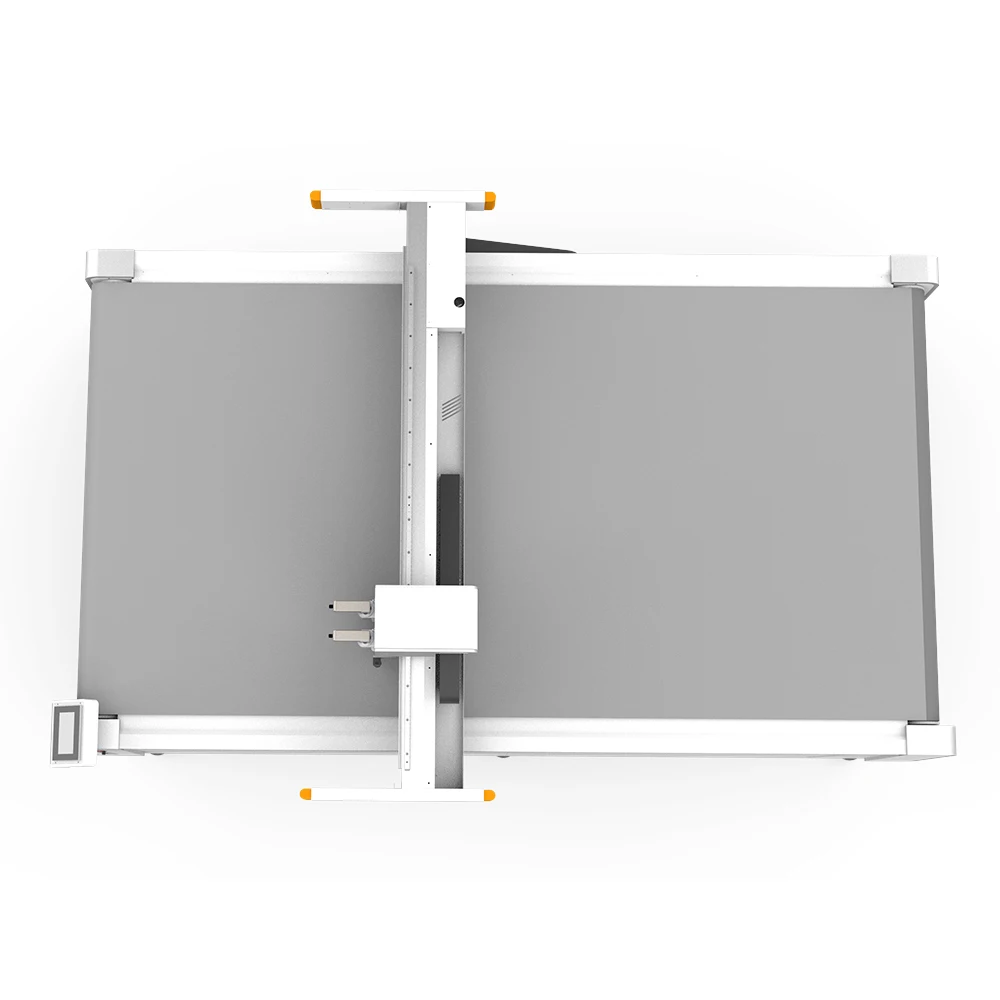
| Working Area | 1600*2500mm |
| Tools Available | Oscillating knife, Driven rotary knife, Creasing wheel, Kiss cutting tool, Pneumatic knife, Milling tool, V groove knife |
| Applicable Materials | Fabric, Cardboard, Carton, Mats, PVC, EVA, Leather, Acrylic, Foam, PTFE, Rubber |
| Cutting Speed | 0-1500 mm/s |
| Cutting Thickness | ≤ 40mm |
| Cutting Accuracy | ±0.1 mm |
| Vacuum Pump | 9KW |
| Voltage | Configurable: 110V, 220V, 380V |
| Profile Format | PLT, DXF, AI, PDF |
| Safety Device | Infrared sensor device and emergency stop device |
| Machine Size | 330021001350 mm |
| Servo Motors | Panasonic, Delta, Dorna options |
| Control Panel | PLC control panel with intuitive interface and optional display languages |
| Vacuum Table | Aluminum bellows vacuum table |
| Machine Frame | Heavy-duty frame with precision-ground surface |
| Energy Saving | Vacuum pump reduces energy use by 30% (basis not stated in source — confirm specific operating conditions) |
| Certification | CE Certified |
Application Suitability
| Application | Material or Output |
|---|---|
| Packaging sample making | Corrugated board, carton, cardstock |
| Signage and display production | PVC, acrylic, EVA foam board |
| Gasket and seal fabrication | PTFE, rubber, composite sheets |
| Automotive interior trimming | Leather, fabric, acoustic foam |
| Textile and garment cutting | Woven fabric, technical textiles, mats |
| Composite panel processing | Foam core, sandwich materials up to 40mm |
Why "Rated Laser Power" Often Fails at the Cutting Table
A laser cutting and engraving machine specified only by peak wattage will routinely underperform once production speed increases. In my years wiring CO2 units across Pearl River Delta workshops, I watched buyers accept a quoted power figure, then discover the beam could not penetrate the full depth of their acrylic stock when the gantry ran above half speed. The discrepancy comes from suppliers listing the tube’s peak discharge rather than the continuous output the material actually absorbs. That gap turns clean edge sealing into ragged, yellowed cuts that get rejected by the client [NEED_CITE: continuous versus peak laser power measurement standards]. Before signing any purchase order, insist on a sample cutting report run on your own sheet stock at your target feed rate.
Matching Process to Material Rather Than Forcing One Beam
A CO2 laser cutter works well on organics — acrylic, wood, leather, textile — because the 10.6 μm wavelength is absorbed by non-metallic molecular bonds. Fiber lasers at 1.06 μm, by contrast, couple into reflective metals. When a buyer tries to run both acrylic signage and stainless steel nameplates through the same tube, neither process delivers acceptable edge quality. REALTOP builds both CO2 and fiber systems in-house, so the laser cutting and engraving machine configuration is chosen after the material list is reviewed, not before.
Edge Sealing and Assist Gas Decisions That Shape the Cut
Clean acrylic edges require enough continuous power to vaporize the kerf and reflow the surface, which is why the distinction between peak and continuous rating matters. On textiles and synthetic foams, the same thermal sealing prevents fraying and eliminates secondary hemming [NEED_CITE: thermal edge sealing performance on synthetic textiles]. Assist gas selection — compressed air for thin acrylic, nitrogen for optical-grade transparency — must be confirmed alongside the tube specification because the gas pressure and nozzle geometry directly affect kerf width and taper.
Reading the Spec Sheet Against the Production Reality
The working area of 1600×2500mm accommodates standard signage sheets and nesting layouts for garment panels, but effective cutting field depends on focal length and lens selection across that travel. Servo options from Panasonic, Delta, or Dorna determine acceleration behavior; a heavier gantry moving at 1500 mm/s requires a servo with sufficient torque margin or the cut path deviates at corners. The PLC control panel with configurable display languages means operators in different export markets do not need translated paper manuals beside the screen. File import compatibility — PLT, DXF, AI, PDF — avoids the common failure where a buyer’s existing nesting software exports a format the machine controller cannot parse.
The Hidden Cost of Underspecified Extraction and Cooling
Workshops that skip proper extraction ducting and chiller capacity discover within weeks that the CO2 tube degrades faster, mirrors fog with condensate, and cutting depth drifts mid-shift. These are not warranty items — they are installation conditions. A laser cutter placed in a humid corner without dedicated dry air supply will see optical contamination that looks like a failing tube [NEED_CITE: environmental requirements for CO2 laser optical systems]. The nine-kilowatt vacuum pump on the knife cutting table similarly demands a circuit with adequate startup current; voltage sag during pump engagement shifts the entire machine’s servo response.
Why Procurement Happens Here
REALTOP matches cutting method to material rather than forcing one technology across every substrate, so knife and laser processes are both available from the same factory. Sample cutting on the buyer’s own material is completed before commitment, producing a documented report rather than a generic brochure claim. Voltage, plug configuration, and control language are confirmed per order, eliminating the shipment that arrives with the wrong three-phase standard. The in-house design team covers both knife and laser platforms, which means a distributor importing for mixed-material clients can source from one production floor.
Documentation & Verification
- Machine specification sheet listing continuous versus peak laser ratings
- Electrical schematic confirming voltage and phase for your facility
- Sample cutting report produced on your supplied acrylic or textile stock
- Factory test record demonstrating cut quality at production speed
- Software licence and file format compatibility confirmation note
- Spare parts list covering optics, belts, and vacuum wear items
Installation, Commissioning & Support
- Dedicated circuit sized for the 9KW vacuum pump startup surge plus laser supply
- Leveling on the precision-ground heavy-duty frame verified with dial indicator before first power-on
- PLC control panel language set to operator preference during commissioning
- Optics alignment and focal offset calibration across the full 1600×2500mm travel
- Servo tuning against the selected Panasonic, Delta, or Dorna drive package
- Operator training on PLT, DXF, AI, PDF import and nesting workflow
What to Prepare Before Requesting a Quotation
Send the material type, sheet dimensions, maximum thickness, and the daily volume you need to sustain. Include a sample of the actual stock — recycled acrylic behaves differently from virgin cast sheet, and fabric blends vary in melt response. Confirm your facility voltage, phase, and frequency, along with the preferred control panel language and any upstream nesting software already in use.
Frequently Asked Questions
Q: How can I verify the real cutting capacity before shipment?
A: Provide a roll or sheet of your production material. We run it at your stated feed rate, document the cut depth, edge quality, and cycle time, and issue a sample cutting report. You review the physical samples and the written record before approving the build specification.
Q: Should I choose CO2 or fiber for my product mix?
A: CO2 serves acrylic, wood, leather, and textiles with sealed edges; fiber serves sheet metal and tube. If your product list spans both, we specify separate systems rather than compromise one. The decision is finalized after reviewing your material and thickness range.
Q: What assist gas and extraction setup do I need?
A: Compressed air handles most acrylic and wood work; nitrogen gives optical-grade edges on clear acrylic. Extraction must capture particulate at the kerf and move it outside the building. We specify duct diameter and fan static pressure based on your material list.
Q: Can the voltage and control interface match my local standard?
A: Voltage is configurable across 110V, 220V, and 380V options, confirmed against your facility supply before production. The PLC control panel display language is set to your operator preference, documented in the electrical schematic shipped with the machine.
Q: What engraving resolution is achievable on acrylic and wood?
A: Resolution depends on spot size, which follows from lens focal length and beam quality. We confirm achievable line width and depth on your sample stock, providing engraved test pieces alongside the cutting report so you evaluate both processes on the same material.


Related products
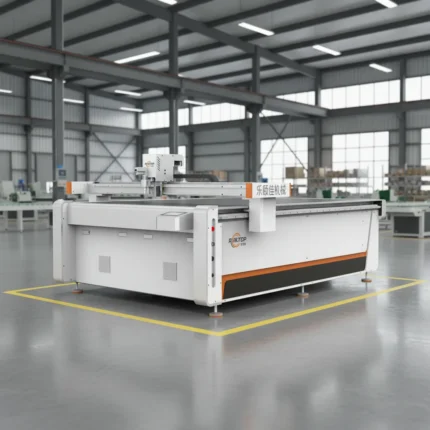
Automatic Die-less Cardboard Vibrating Knife Cutter 2026
Product Introduction
Automatic Die-less Cardboard Vibrating Knife Cutter 2026, a precision cutting solution for cardboard materials, featuring advanced die-less technology for efficient and flexible cutting operations. Ideal for various cardboard processing needs in manufacturing and packaging industries.Key Specifications
| Model | 2026 |
| Type | Automatic Die-less Cutter |
| Cutting Tool | Vibrating Knife |
| Material | Cardboard |
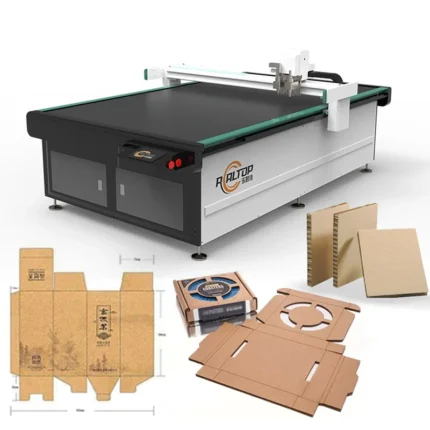
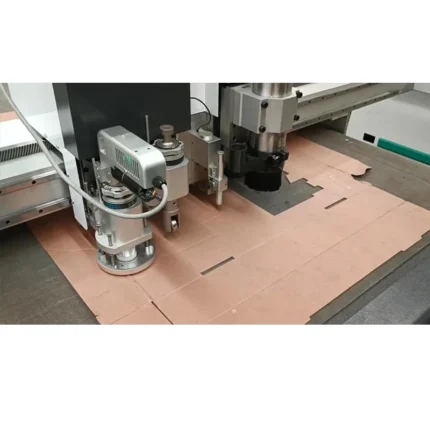
Automation CNC Pizza Box Machine 2026 Rotary Die Cutting
Product Parameters
| Type | Automation CNC Pizza Box Machine |
| Model Year | 2026 |
| Rotary Die Cutting | |
| Operation | Automated CNC Control |
Introduction
This 2026 Automation CNC Pizza Box Machine features advanced rotary die cutting technology, ensuring precise and efficient pizza box production. With automated CNC control, it offers high productivity and accuracy for professional manufacturing needs.

Digital CNC Cardboard Cutting Machine 2026
Product Introduction
High-precision Digital CNC Cardboard Cutting Machine 2026, ideal for efficient cardboard processing with advanced CNC technology, ensuring precise and fast cutting performance for various packaging and craft applications.
Key Specifications
| Model | 2026 |
| Type | Digital CNC Cutting Machine |
| Material | Cardboard |
| Feature | High Precision, Efficient Cutting |
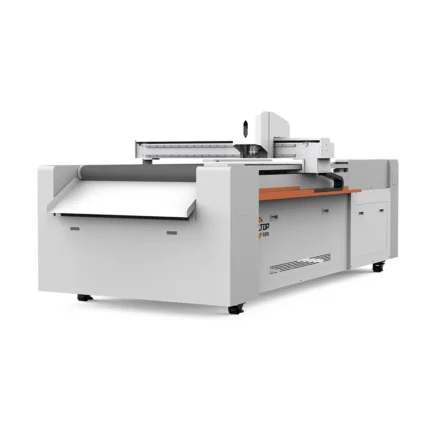

Realtop 2026 CNC Oscillating V-Cut Machine
Product Introduction
Realtop CNC Oscillating V-Cut Machine 2026 is a precision equipment designed for efficient V-cutting operations, ideal for various material processing needs with advanced CNC technology.
Key Specifications
| Model | Realtop CNC Oscillating V-Cut Machine 2026 |
| Type | CNC Oscillating V-Cut Machine |
| Application | Precision V-cutting operations |
| Feature | Advanced CNC technology |
Realtop 2026 Digital Box Cutter High-Speed Corrugated Board
Product Introduction
Realtop Digital Box Cutting Machine 2026 is a high-speed solution for corrugated board cutting, designed for efficient and precise box production in manufacturing settings.Key Specifications
| Model | 2026 |
| Type | Digital Box Cutting Machine |
| Application | Corrugated Board |
| Feature | High-Speed Cutting |

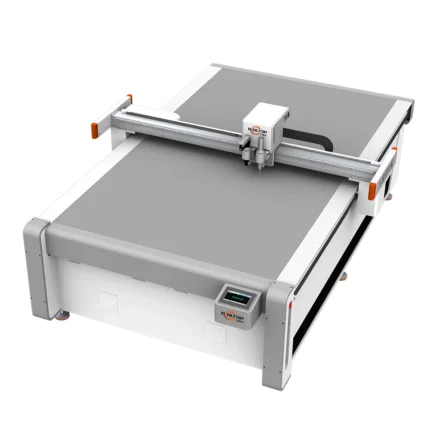
REALTOP 2026 Digital Industrial Cardboard Box Cutter
Product Introduction
REALTOP Digital Industrial Cardboard Box Cutter Machine 2026 is a professional industrial-grade cutting equipment designed for efficient cardboard box processing, ideal for manufacturing and packaging applications.
Product Parameters
| Model | 2026 |
| Type | Digital Industrial Cardboard Box Cutter |
| Application | Cardboard Box Processing |
| Feature | Industrial-grade, Efficient Cutting |

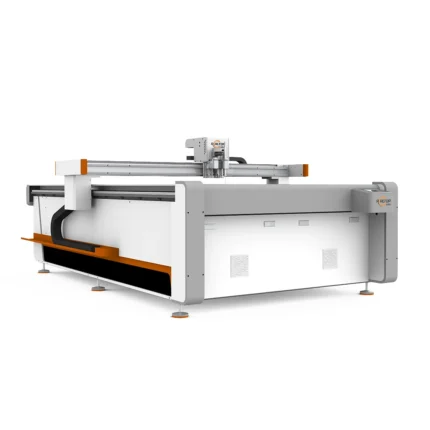
Realtop CNC Carton Box Cutter 2026 CCD Camera Honeycomb Cutting
Product Introduction
Realtop CNC Carton Box Cutter 2026 is a professional cutting solution featuring CCD Camera and Honeycomb Cutting technology, ideal for precise carton box processing with efficient performance.Product Parameters
| Model | Realtop CNC Carton Box Cutter 2026 |
| Vision System | CCD Camera |
| Honeycomb Cutting |
商品评价
There are no reviews yet.