



Composites CNC Cutting Machine 1625 for Foam Fabric – Manufacturer
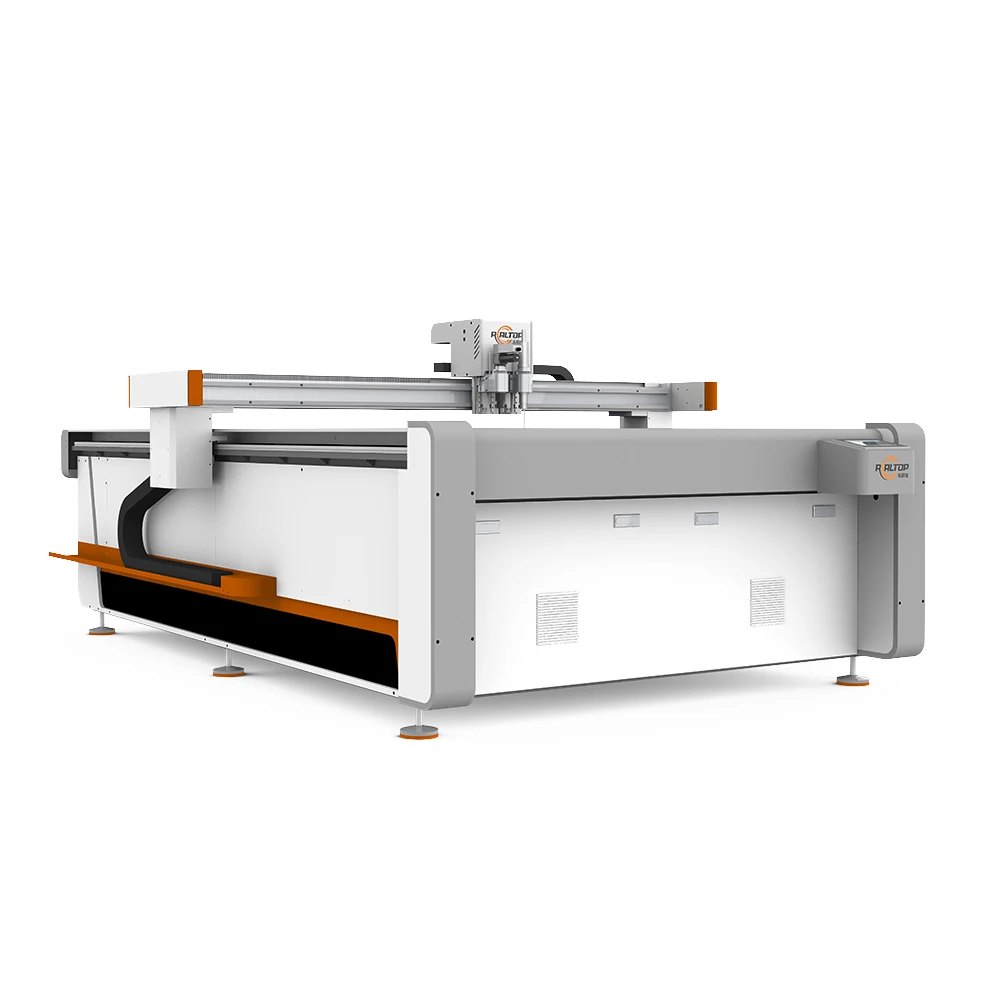
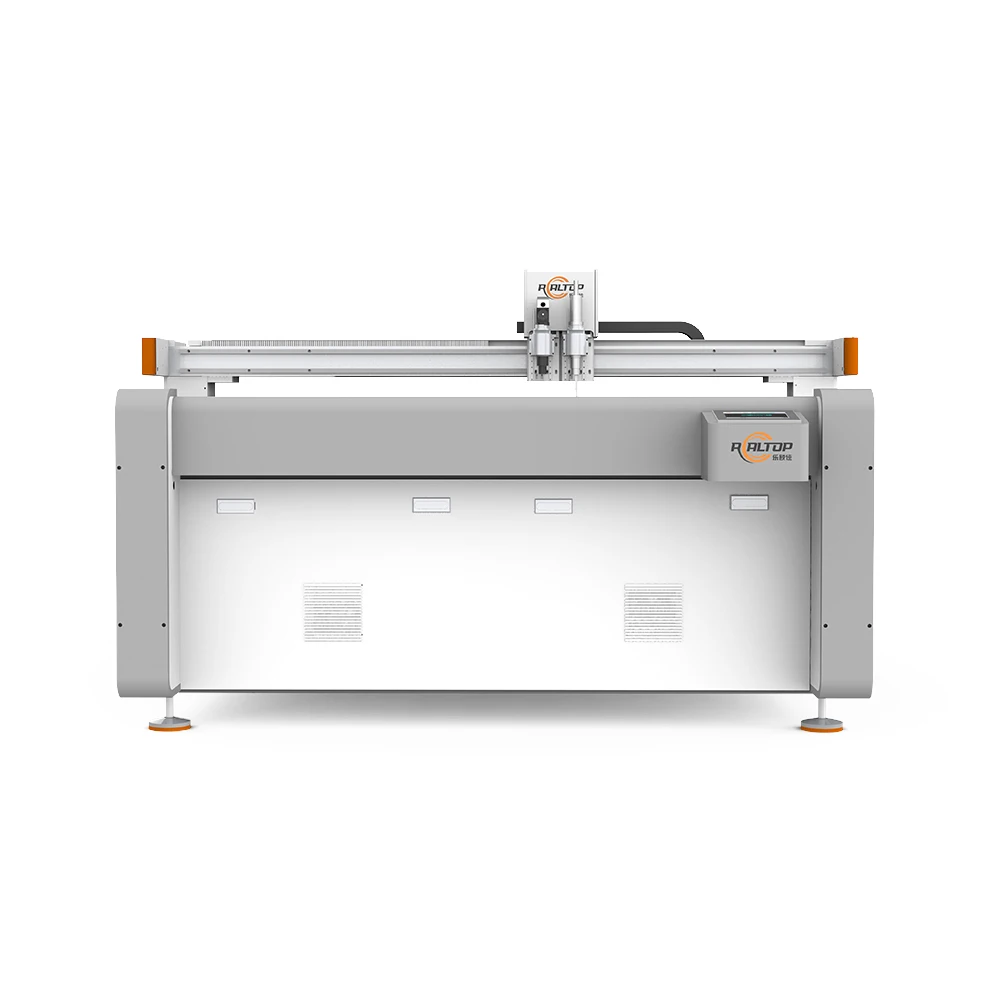
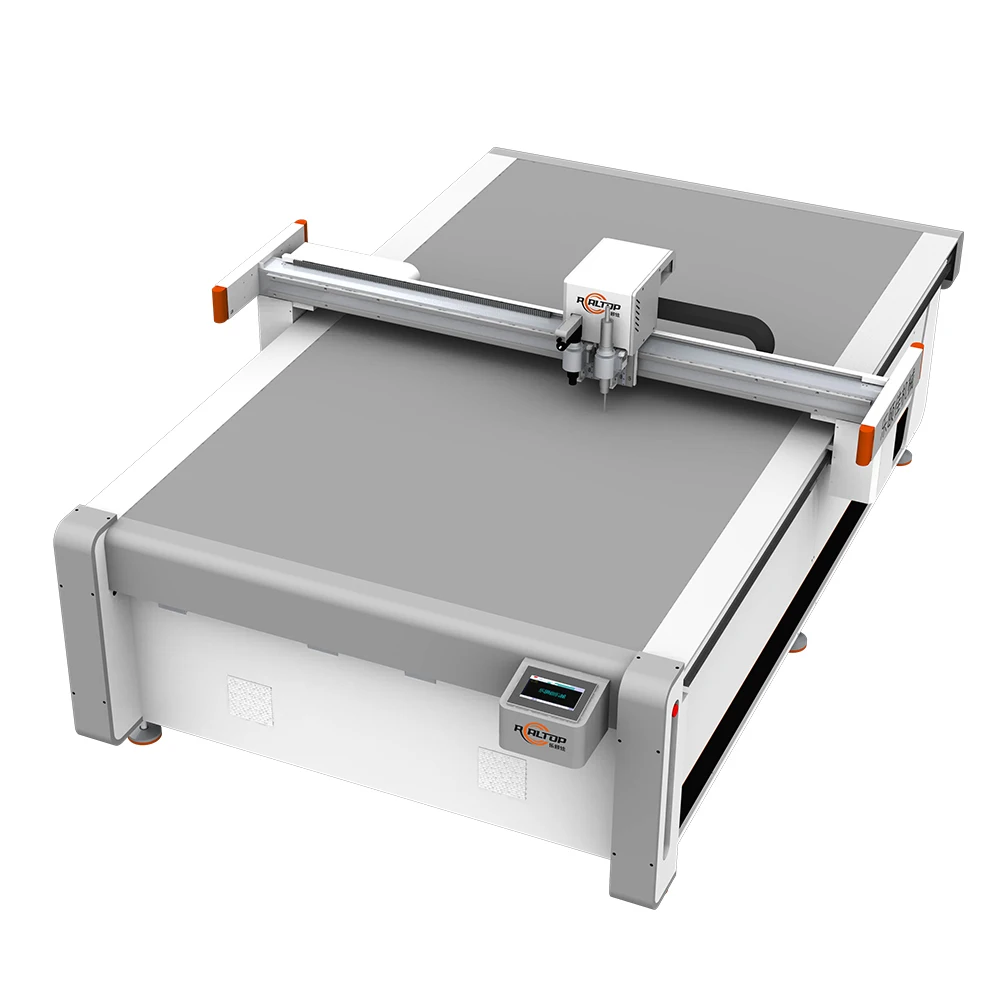
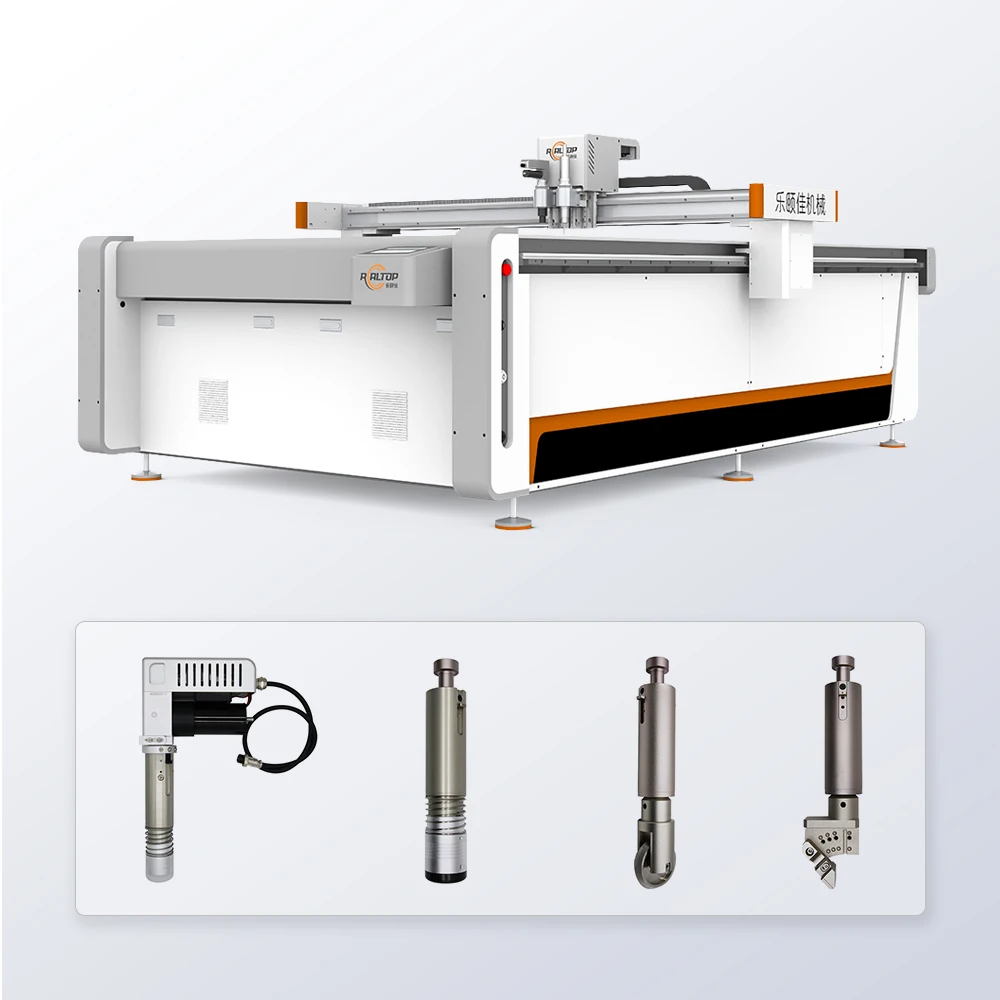
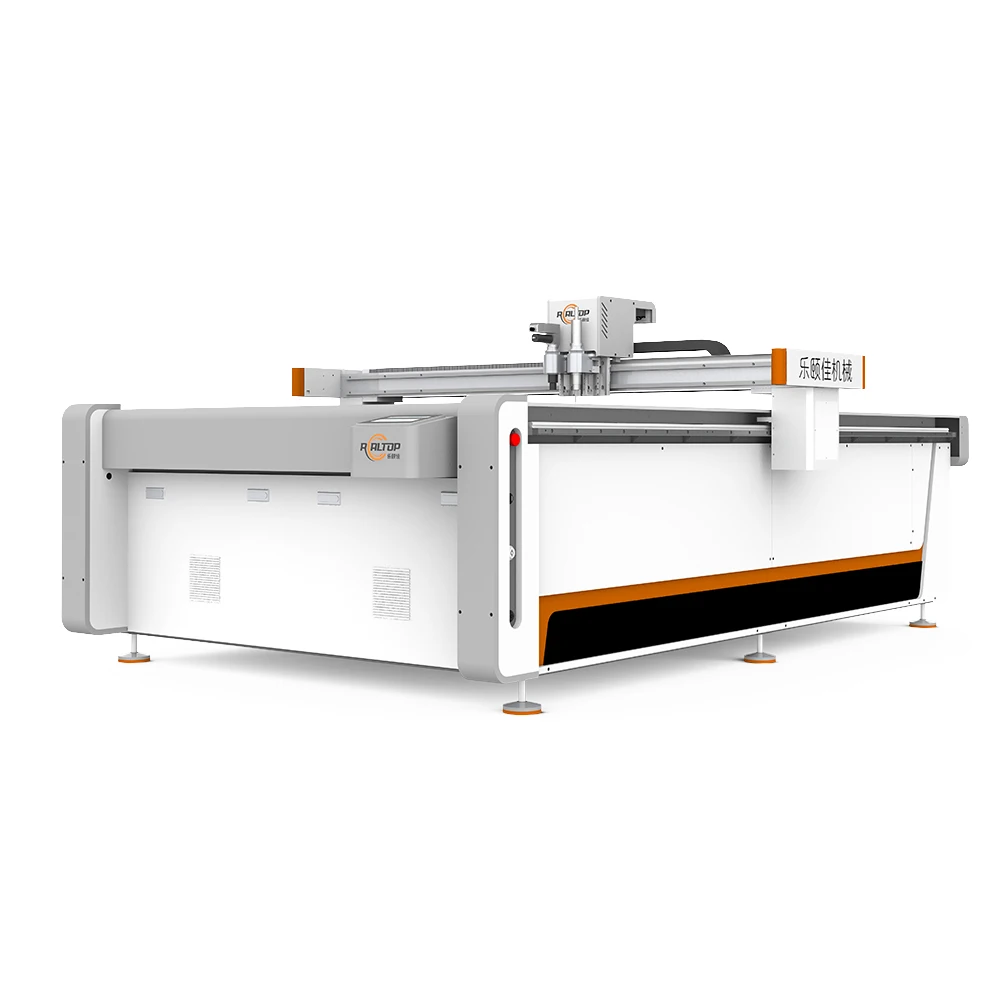
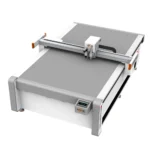
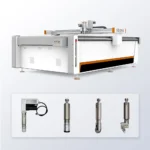
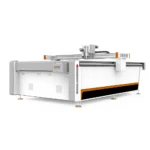
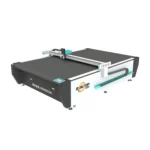
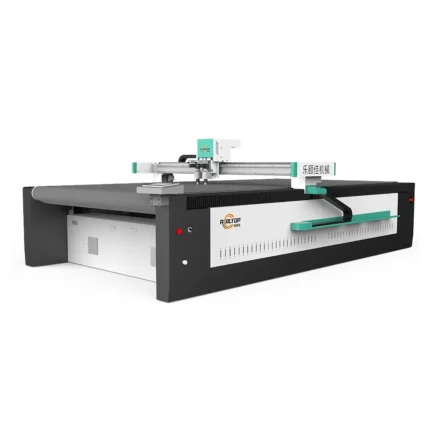
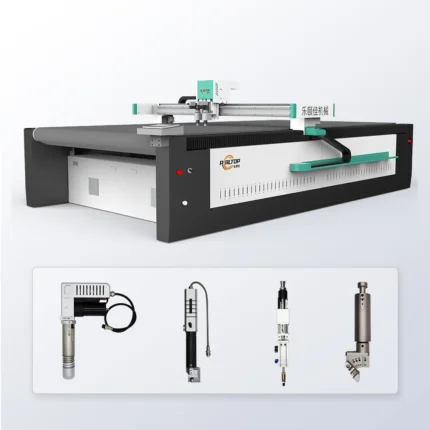
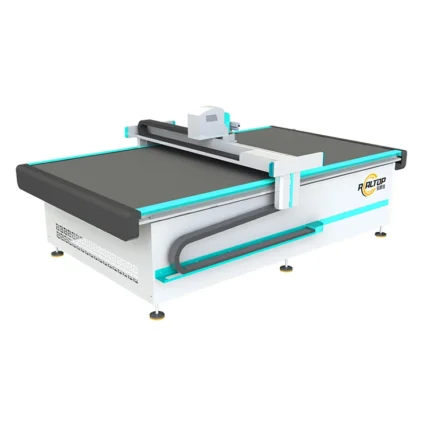
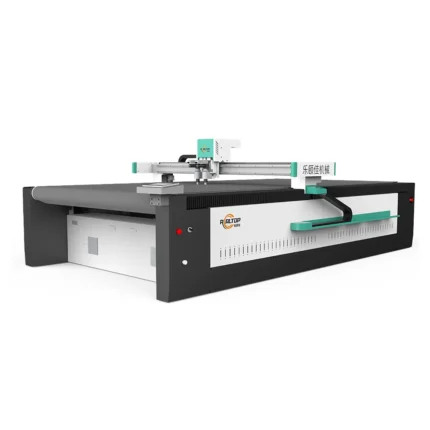
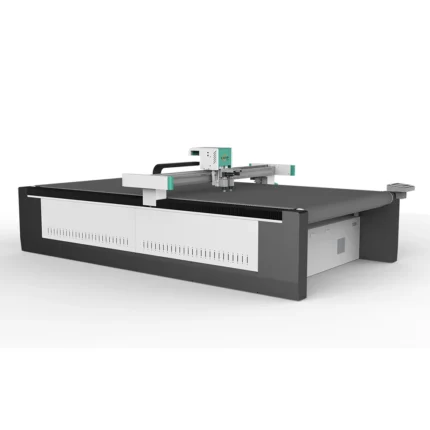
1625(std.) CNC Oscillating Knife Cutting Machine, 1600×2500mm Working Area, ≤40mm Cutting Thickness — built with interchangeable tool heads including oscillating knife, driven rotary, and V-groove for composites and foam processing.
- Aluminum bellows vacuum table holds small foam and composite parts flat during high-speed cutting
- PLC control with PLT, DXF, AI, PDF file compatibility confirmed before order
- Tool head and vacuum zone setup specified per buyer’s material mix
Sample cutting on buyer’s own material verifies edge quality and achievable speed before commitment.
Material-Matched Configuration — The 1625 oscillating knife platform pairs tool head selection with vacuum zoning to fit composite density and thickness rather than relying on a single cutting approach.
Technical Specifications
| Parameter | Value |
|---|---|
| Product Type | CNC Oscillating Knife Cutting Machine |
| Model | 1625(std.) |
| Working Area | 1600 × 2500 mm |
| Tool Head Options | Oscillating knife, Driven rotary knife, Creasing wheel, Kiss cutting tool, Pneumatic knife, Milling tool, V-groove knife |
| Cutting Speed | 0–1500 mm/s |
| Cutting Thickness | ≤ 40 mm (basis not stated in source — depends on material density and tool head) |
| Cutting Accuracy | ±0.1 mm |
| Vacuum Pump | 9 kW |
| Vacuum Table | Aluminum bellows vacuum table |
| Control System | PLC control panel with dedicated packaging structure design software |
| Servo Motor Options | Panasonic, Delta, Dorna |
| Voltage Options | 110V, 220V, 380V |
| Supported File Formats | PLT, DXF, AI, PDF |
| Language Options | English, Russian, Italian, Chinese (special languages customizable) |
| Safety Devices | Infrared sensor device, emergency stop device |
| Machine Size | 3300 × 2100 × 1350 mm |
| Assembly State | Fully assembled |
| Certification | CE |
Application Suitability
| Application | Material or Output |
|---|---|
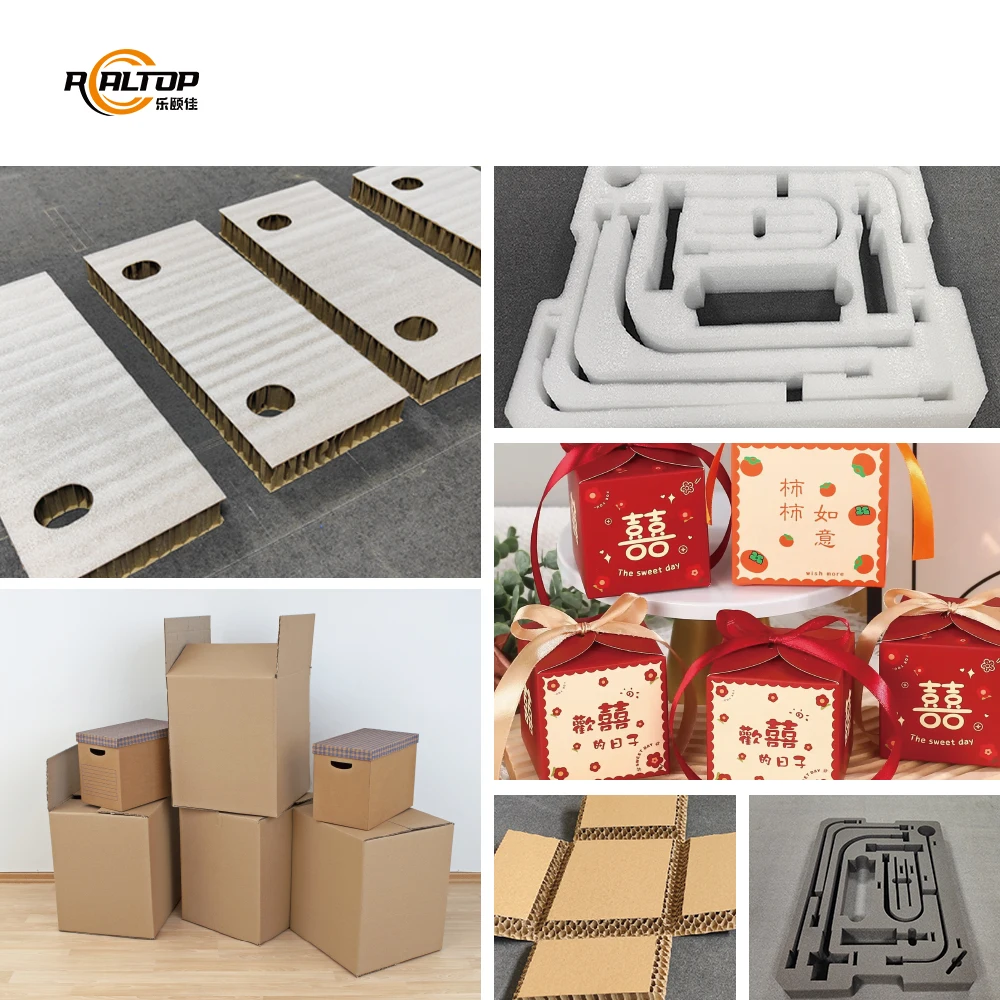
| Packaging and carton sample making | Corrugated cardboard (E-flute, B-flute, BC-flute), greyboard, cardstock, art paper |
| Composite and foam fabrication | EVA foam, EPE foam, PU foam, adhesive-backed laminates |
| Automotive interior and gasket production | Rubber mats, non-woven fabric, synthetic leather |
| Signage and display | PVC, PET, velvet/fleece fabric |
| Textile and leather processing | Leather, synthetic leather, fabric, mats, PTFE |
Why Cutting Thickness Alone Does Not Tell the Whole Story
A CNC Oscillating Knife Cutting Machine manufacturer quoting a flat "≤ 40 mm" cutting depth without specifying the material leaves the buyer guessing. Actual penetration depends on foam density, composite layering, and the tool head in the spindle.
I have watched a machine rated for 40 mm stall halfway through high-density EVA because the oscillating knife was swapped for a drag knife at the last minute. The buyer blamed the machine; the real fault was the configuration sheet. [NEED_CITE: relationship between oscillating frequency and material density in knife cutting] Foam, rubber, and multi-layer composites each demand a different stroke rate and blade geometry, and those choices must be locked before the machine leaves the factory.
Tool Head Selection by Composite Type
The 1625 offers seven interchangeable tool heads, and each one behaves differently against layered composites. An oscillating knife slices through PU foam with a clean vertical wall, while a driven rotary knife handles woven fabric stacks without fraying the edges. A pneumatic knife suits thicker rubber gaskets where blade deflection would otherwise drift the contour path off tolerance.
Vacuum Zoning and Small-Part Stability
The aluminum bellows vacuum table on this CNC Oscillating Knife Cutting Machine delivers full-surface adsorption across the 1600 × 2500 mm bed. For small gasket pieces or nested foam inserts, uneven suction can lift the workpiece mid-cut, producing ragged edges and wasted material. The 9 kW pump maintains consistent hold-down even when the cutting path opens large relief areas that bleed air from adjacent zones. [NEED_CITE: vacuum table zoning effect on small part hold-down during oscillating knife cutting]
Reading the Specification Sheet Against Your Material
The ±0.1 mm cutting accuracy holds when the servo system, blade, and vacuum table are all matched to the stock. Cutting speed ranges from 0 to 1500 mm/s, but the usable speed on a given composite depends on layer count and adhesive content — sticky adhesive-backed laminates need slower passes to prevent material drag. The PLC control panel stores tool-specific parameters so operators can recall settings per job instead of re-tuning manually. File import covers PLT, DXF, AI, and PDF, which handles most nesting workflows without a separate conversion step. Servo motor selection spans Panasonic, Delta, and Dorna, allowing buyers to align with local service availability.
What Happens When the Wrong Configuration Ships
I once helped troubleshoot a foam cutting line where the vacuum pump was undersized for the table area — small parts floated during the final contour pass, and the operator had to tape every piece down by hand. [NEED_CITE: vacuum pump sizing relative to table surface area in flatbed cutting] A wrong tool head produces a different problem: crushed cell structure on foam or delaminated edges on layered composites. Neither defect shows up on the factory test if the test material differs from what the buyer actually runs. That is why a sample cutting report on the buyer’s own stock is non-negotiable before the crate closes.
Why Buyers Source This Platform Here
Realtop designs both knife and laser cutting systems in-house, so the decision between oscillating knife and CO2 laser is made on material science rather than limited product range. The 1625 configuration is specified per buyer material, not pulled from a default list. Voltage is confirmed against the destination facility — 110V, 220V, or 380V — before assembly begins. Software file compatibility is verified during the quoting stage so no nesting workflow surprises appear at commissioning. Every unit ships with a factory test record run on the buyer’s specified material, and the control language is set to the operator’s preference before crating.
Documentation & Verification
- Machine specification sheet listing the exact tool head and vacuum zone configuration for your material mix
- Electrical schematic confirming voltage and frequency matched to your facility before dispatch
- Sample cutting report on your composite or foam stock showing edge quality and achievable speed
- Software licence and file format compatibility note for PLT, DXF, AI, and PDF workflows
- Operation and maintenance manual in your selected language with spare parts list included
Installation, Commissioning & Support
- Fully assembled 3300 × 2100 × 1350 mm frame requires level concrete floor and adequate overhead clearance for uncrating
- Dedicated circuit matching confirmed voltage (110V / 220V / 380V) with isolated grounding for the 9 kW vacuum pump
- First-run parameter tuning on your material, including oscillating frequency, vacuum zone mapping, and servo response
- Operator training on PLC control panel covering tool head changeover, file import, and nesting workflow
- Spare blades, vacuum seals, and wear parts list provided for the first maintenance cycle
Before You Send an Inquiry
Tell us the exact composite or foam type, sheet dimensions, and daily volume so the tool head and vacuum layout can be scoped correctly. Confirm your facility voltage and frequency, the control language your operators need, and whether your existing CAD files use PLT, DXF, AI, or PDF format. If you can ship a material sample, we will run a cutting test and return a report with edge photos and recommended speed settings before any order commitment.
Frequently Asked Questions
Q: How is cutting thickness verified for my specific composite or foam material?
A: We run your actual material on the 1625 and document the achievable depth, edge quality, and cutting speed in a sample report. The ≤ 40 mm rating is a starting reference; real capacity depends on density, layer count, and adhesive content. You review the report before confirming the order.
Q: Which tool head is recommended for my material, and what edge quality should I expect?
A: Oscillating knife suits most foams and soft composites, driven rotary knife handles fabric stacks, and pneumatic knife manages thicker rubber. We specify the tool head based on your sample test and document the expected edge finish, including any post-cut requirements for sealed or coated materials.
Q: Can the control system language and voltage be confirmed before shipment?
A: Yes. The PLC panel supports English, Russian, Italian, Chinese, and custom languages. Voltage is set to your facility standard — 110V, 220V, or 380V — and confirmed on the electrical schematic before assembly. We verify both during the quoting stage to avoid on-site delays.
Q: How do I send material samples for test cutting, and what does the report cover?
A: Ship a representative sample of your composite or foam stock to our factory. The returned report includes cutting speed, edge quality photographs, tool head used, vacuum zone settings, and any thickness limitations observed. This report forms part of the order documentation.
Q: What software file formats are natively supported, and is nesting software included?
A: The control system imports PLT, DXF, AI, and PDF directly. The PLC panel includes dedicated packaging structure design software. If you use third-party nesting software, we confirm file compatibility during the pre-order stage so your existing workflow integrates without conversion loss.


Related products

Máquina de corte por cuchillo vibrante CNC 2516 2026
Product Introduction
2516 CNC Vibrating Knife Cutting Machine 2026, a precision cutting solution from China's leading welding & cutting equipment manufacturer. Ideal for efficient, high-quality material processing with advanced CNC technology.
Key Specifications
| Model | 2516 |
| Type | CNC Vibrating Knife Cutting Machine |
| Year | 2026 |
| Origin | China |
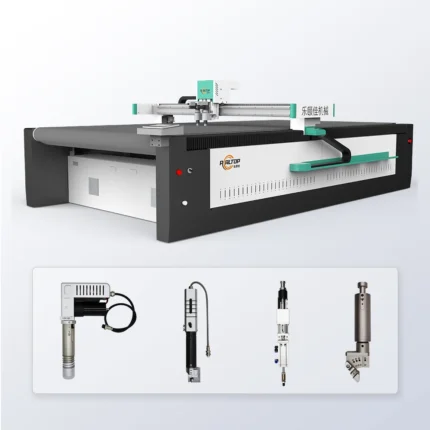

Máquina de Corte de Juntas CNC 2026 Cortadora de Caucho Digital de Alta Precisión
Product Introduction
High-precision CNC gasket cutting machine with digital control, ideal for rubber materials. Features auto table operation for efficient, accurate cutting in industrial applications.
Key Specifications
| Type | CNC Gasket Cutting Machine |
| Function | Digital Rubber Cutter |
| Precision | High-Precision |
| Operation | Auto Table |
| Model Year | 2026 |
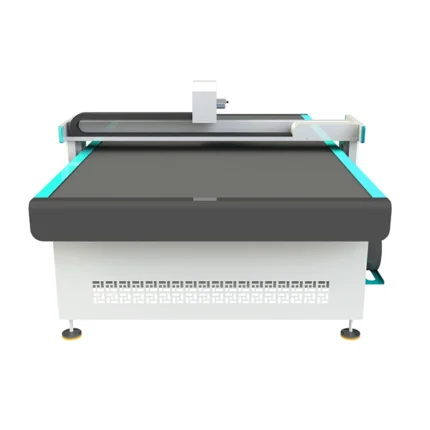
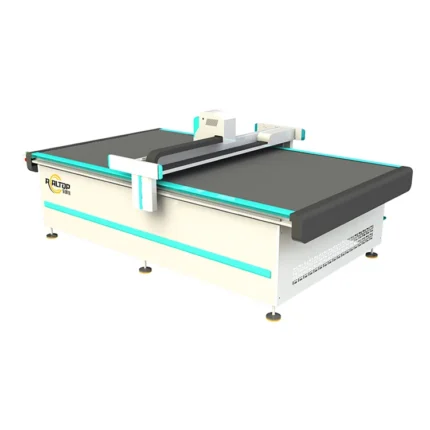
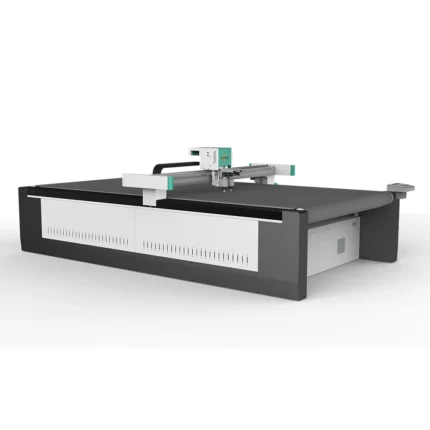
Cortadora de cuchillo oscilante 2500x1600mm cortadora de materiales compuestos
Product Introduction
Designed for composite materials processing, this oscillating knife cutter features a large 2500x1600mm working area, ensuring efficient handling of various composite material cutting tasks with precision and reliability.Product Parameters
| Working Area | 2500x1600mm |
| Cutting Type | Oscillating Knife |
| Application | Composite Materials |
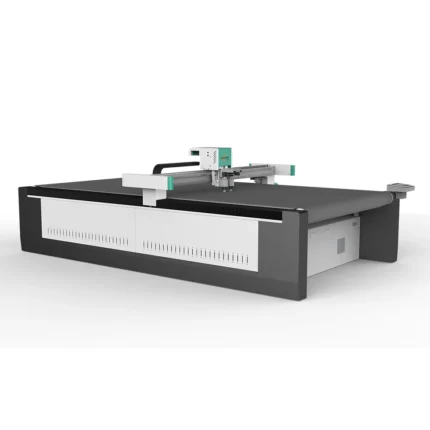
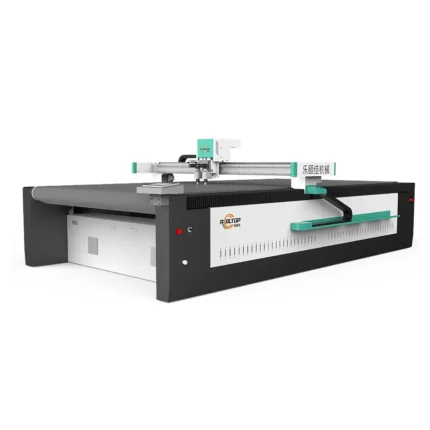
Máquina de corte digital con cuchilla CNC Realtop 2026
Product Introduction
Realtop CNC Digital Knife Cutting Machine 2026, a precision cutting solution for various materials, ideal for industrial manufacturing with advanced CNC technology.
Key Specifications
| Model | Realtop CNC Digital Knife Cutting Machine 2026 |
| Type | CNC Digital Knife Cutting |
| Application | Industrial Material Cutting |
| Manufacturer | Chinese Welding & Cutting Equipment Factory |

Máquina de Corte EPE Realtop 2026 Corte Automático Digital de Alta Velocidad
Product Introduction
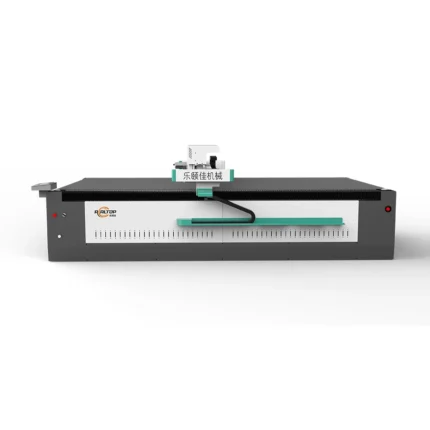
Realtop 2026 EPE Cutting Machine features high-speed digital auto-cut technology, designed for efficient and precise cutting operations. Ideal for EPE material processing with automated functionality to enhance productivity.Key Specifications
| Model | Realtop EPE Cutting Machine 2026 |
| Type | High-Speed Digital Auto Cut |
| Operation | Automated |
| Application | EPE Material Cutting |
商品评价
There are no reviews yet.