


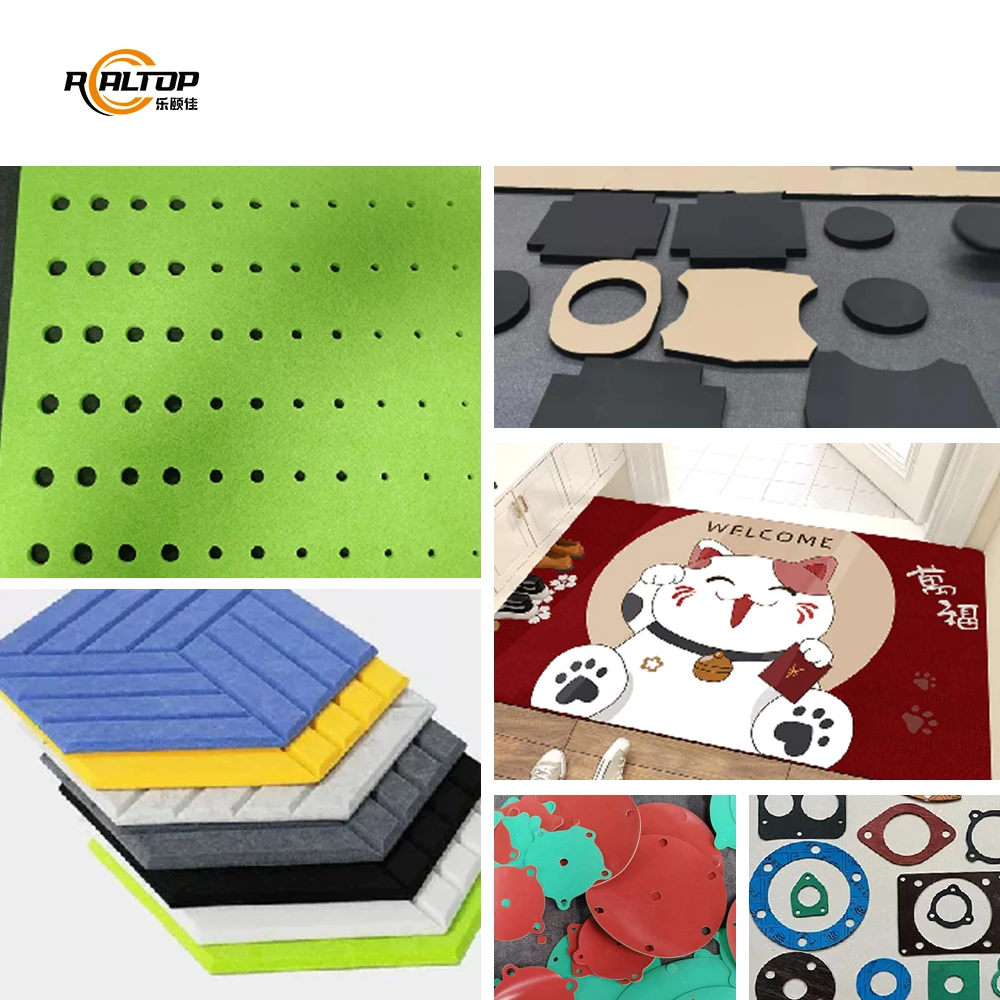
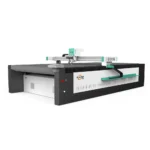
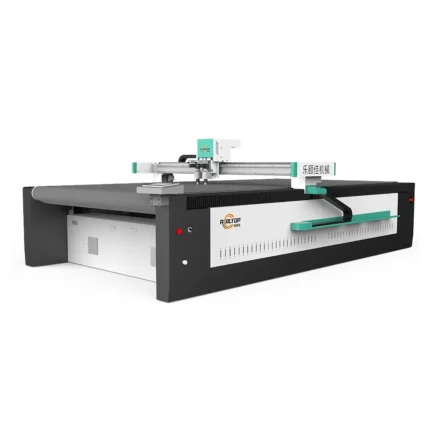
Composites CNC Cutting Machine for EVA Foam Acoustic Panel – Industrial Application
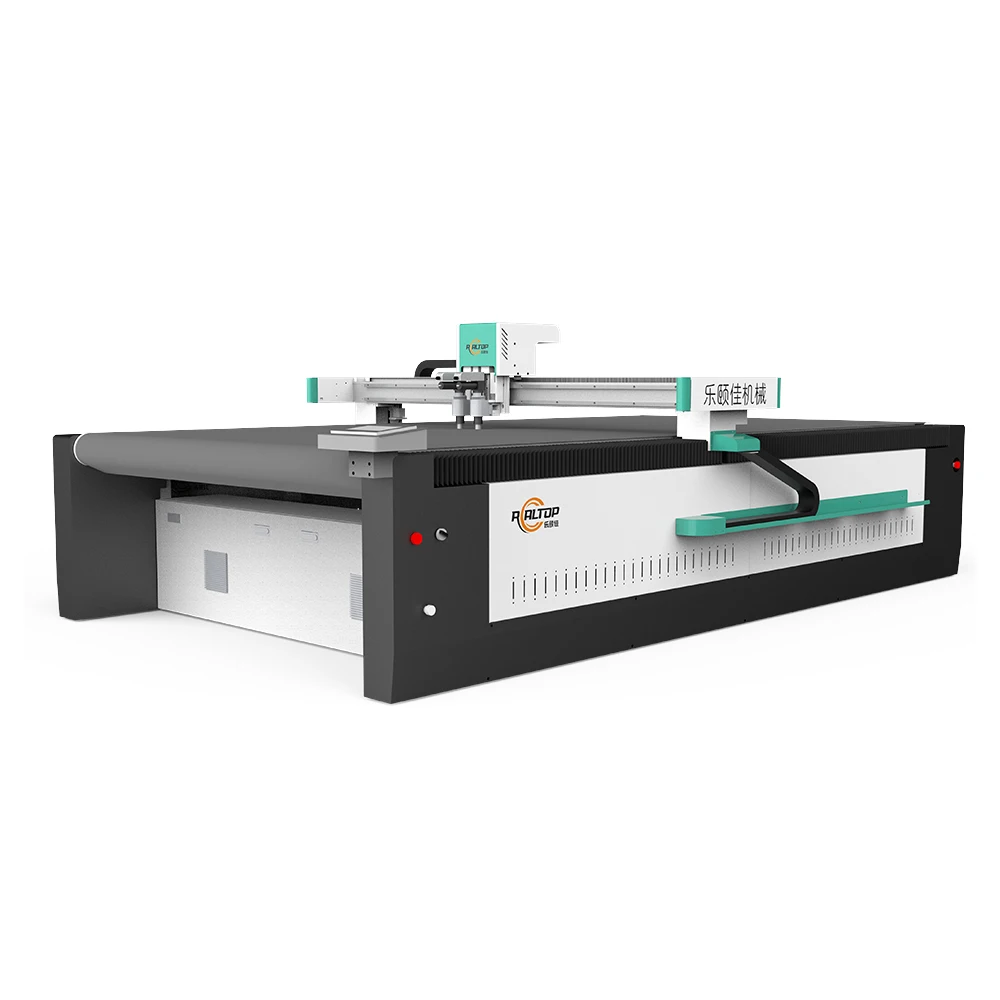
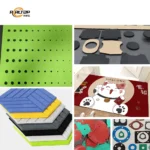
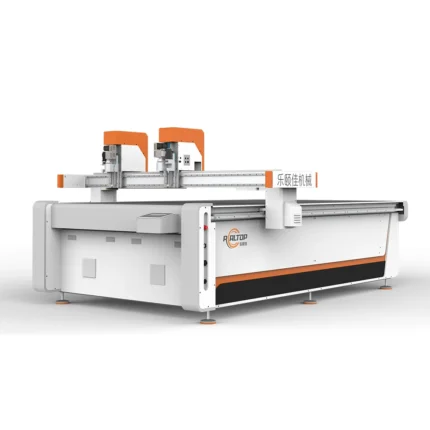
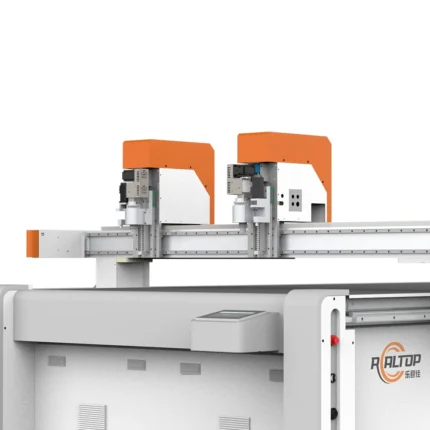
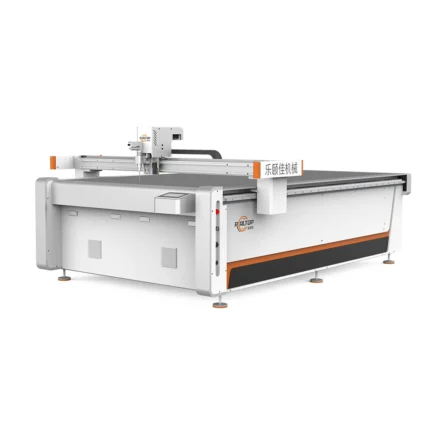
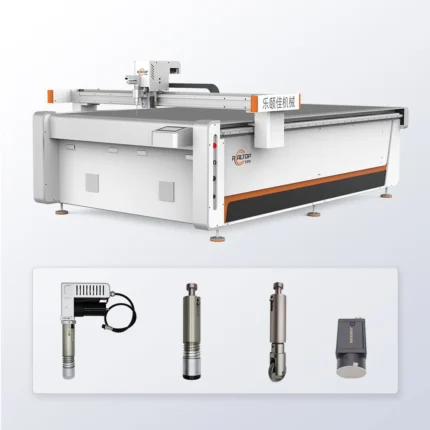
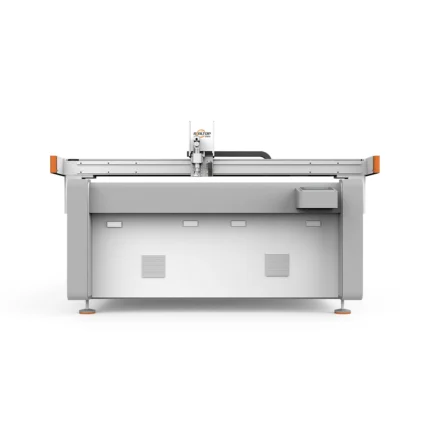
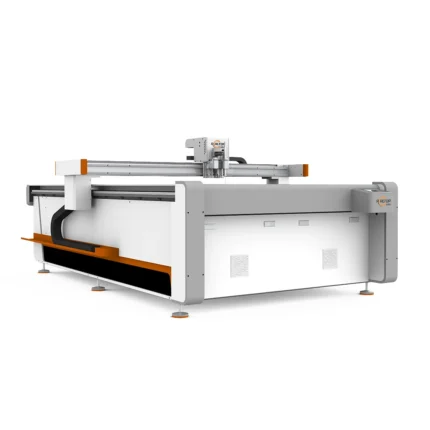
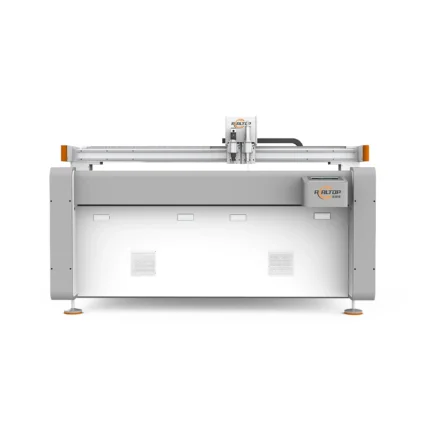
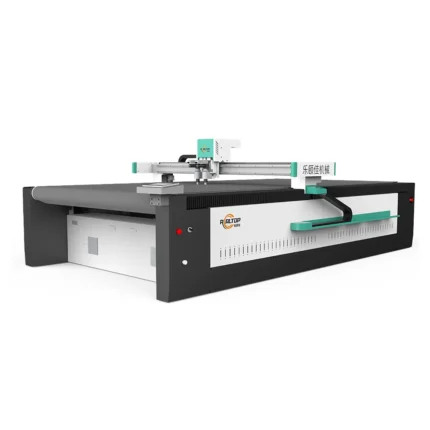
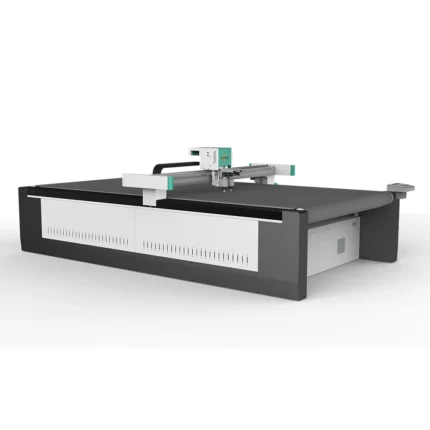
CNC Oscillating Knife Cutting Machine for Composite Materials, 1600×2500mm Working Area, ±0.1mm Accuracy — engineered for cold-cutting carbon fiber, EVA foam, fiberglass cloth and aramid honeycomb without thermal damage or delamination.
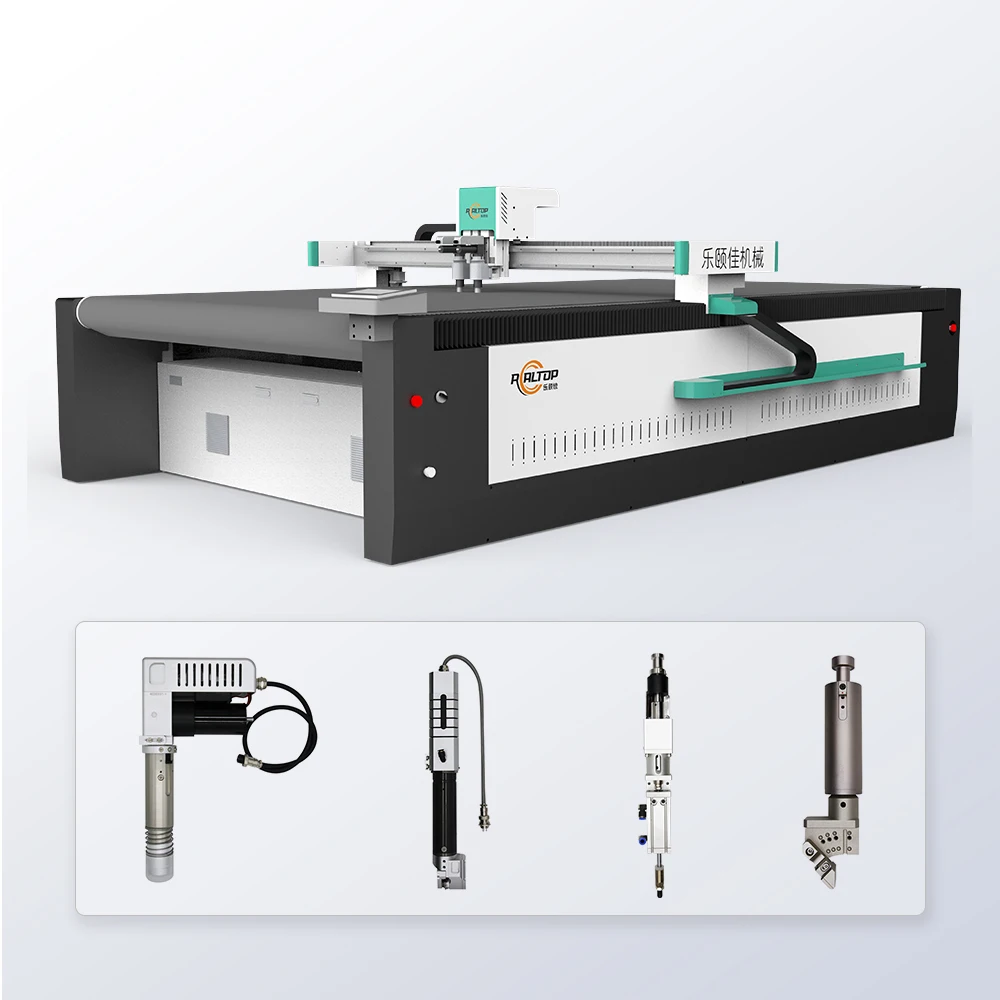
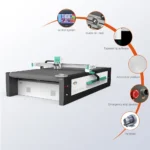
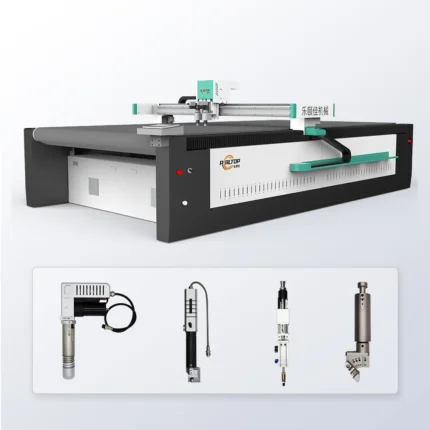
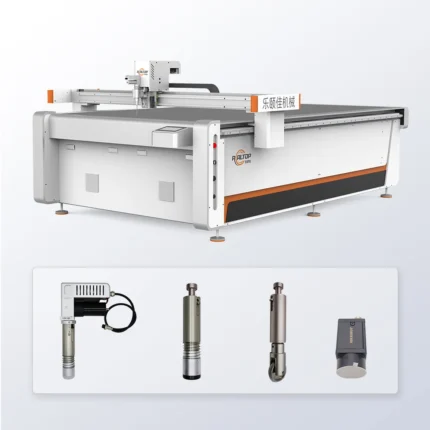
- Oscillating knife, driven rotary knife, milling and V-groove tool heads available to match soft and hard composite layups
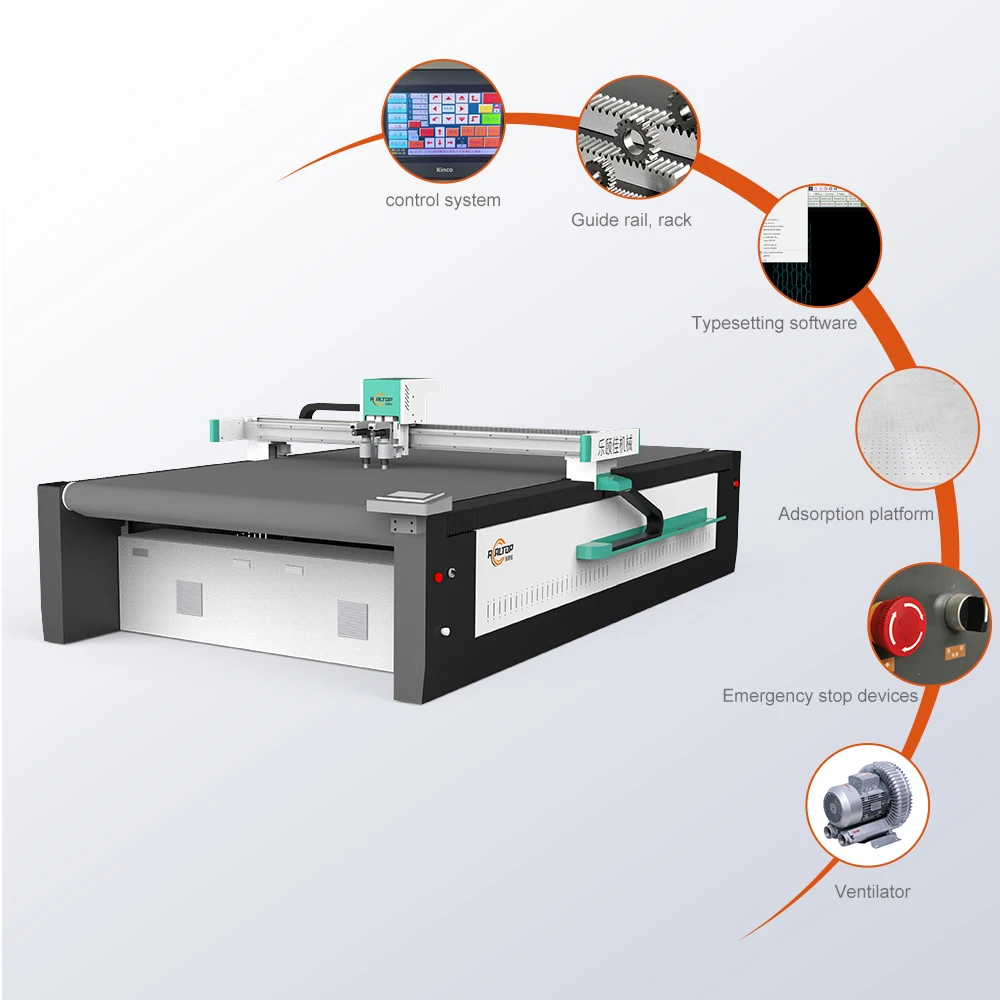
- 9KW vacuum pump with zoned table holds flexible preforms flat during high-speed cutting up to 2000 mm/s
- Supports PLT, DXF, AI and PDF file formats with PLC control panel in customizable languages
Laser versus knife cutting trade-offs are evaluated per material, and sample cutting reports on your own composite stock are provided before order commitment, with voltage, software and tooling confirmed to match your production line.
Precision Cold-Cutting — Tool head selection matched to composite layup and resin system, verified by sample cutting on buyer-supplied material before order commitment.
Technical Specifications
| Parameter | Value |
|---|---|
| Product Type | CNC Oscillating Knife Cutting Machine for Composite Materials |
| Working Area | 1600 × 2500 mm |
| Cutting Speed | 0–2000 mm/s |
| Cutting Thickness Capacity | ≤ 30 mm |
| Cutting Accuracy | ±0.1 mm |
| Tool Head Options | Oscillating knife, Driven rotary knife, Creasing wheel, Kiss cutting tool, Pneumatic knife, Milling tool, V groove knife |
| Vacuum Pump | 9 kW |
| Control System | PLC control panel with optional display languages |
| Servo Motor Options | Panasonic, Delta, Dorna |
| Voltage Options | 110V, 220V, 380V |
| Supported File Formats | PLT, DXF, AI, PDF |
| Safety Devices | Infrared sensor device, emergency stop device |
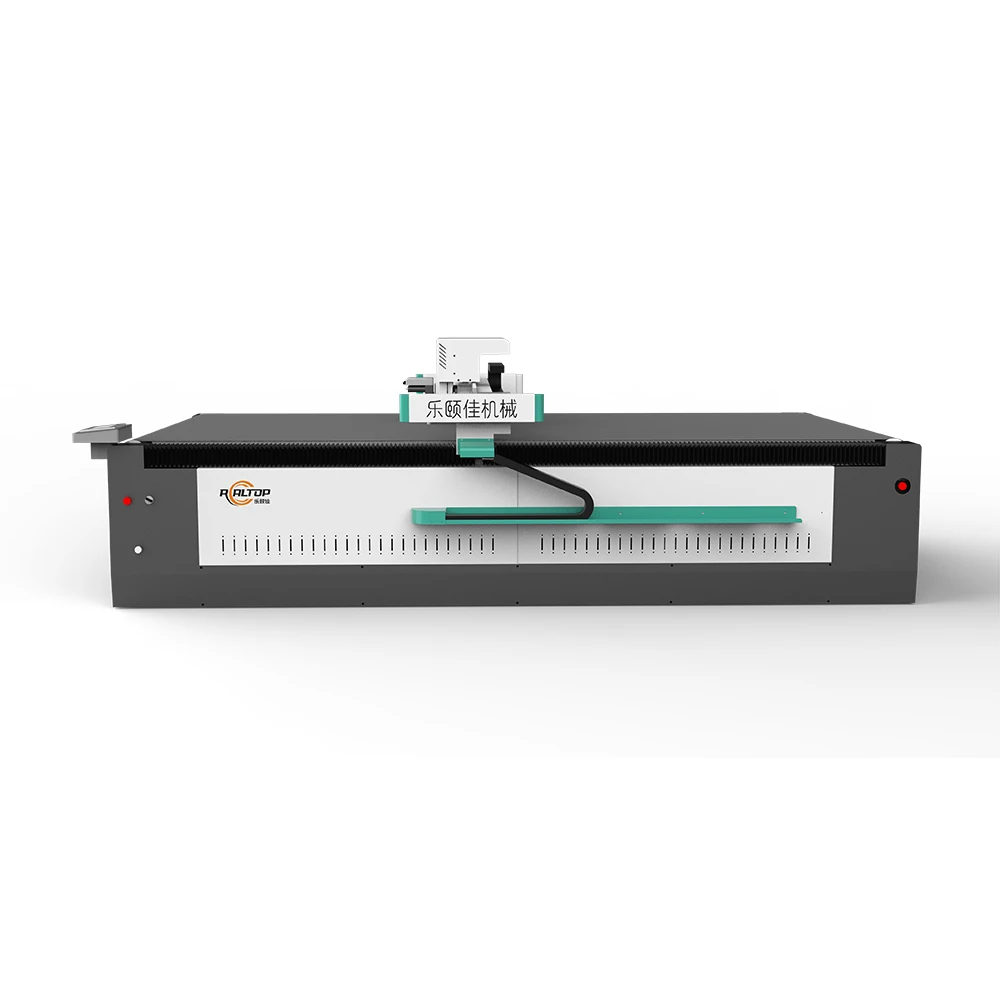
| Machine Dimensions | 3300 × 2100 × 1350 mm |
| Language Options | English, Russian, Italian, Chinese (customizable) |
| Certification | CE |
Application Suitability
| Application | Material or Output |
|---|---|
| Aerospace component preforms | Carbon fiber prepreg, aramid honeycomb, thermal and acoustic insulation pads |
| Wind energy blade manufacturing | Fiberglass cloth, PET and PVC foam core, infusion mesh |
| Automotive lightweight panels | Carbon fiber body panels, FRP interior trim, acoustic felt and damping pads |
| Rail transit insulation | Sound barriers, thermal insulation boards, composite floor panels |
| Sporting goods production | Bicycle frame layup sheets, helmet shell preforms, surfboard and ski core blanks |
Why Cold-Cutting Eliminates the Resin Damage Problem
A CNC oscillating knife cutting machine for composites preserves the structural integrity of every resin matrix and fiber orientation.
I have stood in workshops where a laser-cut carbon fiber panel arrived at final assembly with delaminated edges and visible charring along the cut line. The resin had melted, the fibers were exposed, and the structural rating was compromised [NEED_CITE: thermal degradation of polymer matrices during laser cutting of composites]. An oscillating knife approach removes thermal energy from the equation entirely. No heat-affected zone means no resin softening, no carbonized edges, and no toxic fume extraction infrastructure to install. The CNC oscillating knife cutting machine for composites operates as a physical shearing action — the blade vibrates at high frequency while traversing the material path, separating fibers cleanly without thermal stress.
Physical Shearing Without Thermal Load
The oscillating knife mechanism cuts through composite laminates by driving a blade at rapid strokes while the gantry follows the programmed vector path. This cold-cutting process avoids the phase change that resin systems undergo when exposed to concentrated laser energy. Fiber-reinforced polymers retain their mechanical properties across the cut edge because the temperature never approaches the glass transition threshold of the matrix.
Tool Head Selection Across Material Hardness Ranges
Composite families span a wide mechanical spectrum. Soft acoustic foams and honeycomb cores respond to a standard oscillating knife, while dense G10 epoxy boards and fiberglass-reinforced sheets require a milling tool or driven rotary knife to produce a clean edge without fraying [NEED_CITE: tool wear rates when machining fiberglass-reinforced epoxy]. The available tool head range — oscillating knife, driven rotary knife, pneumatic knife, milling tool, and V groove knife — allows the same platform to handle materials from flexible EVA foam to rigid carbon fiber laminates by swapping the cutting head.
Reading the Specifications Against Your Material Stack
A cutting speed range of 0–2000 mm/s gives the operator control over feed rate relative to material density, but that upper bound applies to thin, low-density foams rather than thick laminates. The ±0.1 mm accuracy figure holds across the working area when the vacuum table maintains full contact with the workpiece — and the 9 kW vacuum pump generates the suction required to hold flexible composites flat against the aluminum plenum surface. The PLC control system processes PLT, DXF, AI, and PDF vector files, so nesting layouts exported from most CAD platforms transfer without format conversion [NEED_CITE: vector file format compatibility in industrial nesting software]. Voltage configurability at 110V, 220V, or 380V addresses the three-phase and single-phase supply standards found across export markets.
What Happens When Vacuum Zoning Is Overlooked
Composite panels often yield small, intricate offcuts — acoustic dampers, gasket profiles, honeycomb inserts. If the vacuum table lacks sufficient zoning granularity, these small pieces lift during the final passes, causing the blade to catch and produce ragged edges or dimensional drift. I have seen this happen on production runs where the main panel cut cleanly but every insert piece required manual trimming [NEED_CITE: vacuum table zoning requirements for small-part CNC cutting]. The 9 kW pump capacity must be paired with a properly segmented table to ensure suction reaches the smallest workpiece footprint.
Why Sample Cutting Before Order Matters for Composites
Every composite layup behaves differently under a knife blade. The resin chemistry, fiber weave direction, core density, and total laminate thickness combine to determine which tool head produces an acceptable edge at which feed rate. Requesting a cutting sample report on your own material batch — not a generic demo panel — reveals whether the oscillating knife cuts cleanly through your specific aramid honeycomb or whether a milling head is necessary for your G10 boards. This verification step prevents arriving at commissioning with the wrong tooling configuration.
Documentation & Verification
- Machine specification sheet listing confirmed tool heads and vacuum table zones for your material type
- Electrical schematic and voltage confirmation matching your facility supply before build
- Sample cutting report generated on your composite material with edge quality photographs
- Factory test record documenting dimensional accuracy across your specified part geometry
- Software licence and file format compatibility note covering PLT, DXF, AI, and PDF workflows
- Spare parts list identifying consumable blades and wear components with reorder codes
Installation, Commissioning & Support
- 3300 × 2100 mm footprint requires clear floor space with level substrate for the 1600 × 2500 mm working area
- Dedicated circuit matching confirmed voltage option (110V, 220V, or 380V) with proper breaker rating for the 9 kW vacuum pump
- PLC control panel language set to operator preference from English, Russian, Italian, or Chinese options at commissioning
- First-run calibration includes vacuum zone mapping and cutting depth adjustment for your composite thickness range up to 30 mm
- Servo motor tuning and axis squareness verification across the full travel before production cutting begins
- Consumable blade inventory and replacement schedule established during on-site operator training
Before You Request a Quote
Provide your composite material type, layup structure, and total thickness so the correct tool head can be specified from the available range. Confirm your facility voltage and frequency, the PLC language requirement, and whether your nesting software exports in PLT, DXF, AI, or PDF format. If your production involves multiple material families — carbon fiber prepreg alongside EVA acoustic foam — list each separately so the tool head configuration covers the full scope.
Frequently Asked Questions
Q: How does oscillating knife cutting compare to laser cutting for composite materials?
A: Laser cutting introduces thermal energy that melts resin matrices, carbonizes fiber edges, and generates hazardous fumes requiring extraction systems. The CNC oscillating knife cutting machine for composites uses a cold mechanical shearing action, preserving resin integrity and fiber orientation along the cut edge without heat-affected zones or fume generation.
Q: How do I select the right tool head for my composite material?
A: Soft materials like EVA foam and honeycomb cores cut well with a standard oscillating knife, while dense laminates such as G10 epoxy boards and thick fiberglass sheets may require a milling tool or driven rotary knife. Submitting your material for sample cutting confirms the optimal tool head and feed rate.
Q: How are voltage and control language confirmed before shipment?
A: The electrical schematic and voltage confirmation document is issued during order specification, matching your facility supply at 110V, 220V, or 380V. The PLC control panel language is set to your chosen option — English, Russian, Italian, or Chinese — and verified during factory testing before crating.
Q: Can the vacuum table hold small composite parts during cutting?
A: The 9 kW vacuum pump must be paired with adequate table zoning to maintain suction on small workpieces. During sample cutting evaluation, small-part holding performance is tested against your actual nest layout to confirm that offcuts do not lift during final passes.
Q: Will you cut my actual material before I commit to an order?
A: A sample cutting report is generated using your supplied composite material, documenting edge quality, dimensional accuracy within ±0.1 mm tolerance, and recommended tool head selection. This report is delivered before order confirmation so you can verify cutting performance on your specific layup.


Related products

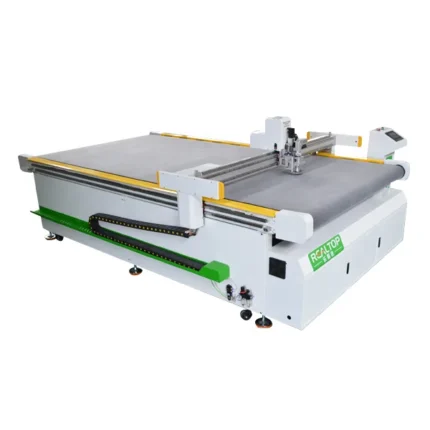
Cortadora de hojas de espuma EVA cortadora de contorno de cuchilla oscilante 2026
Product Introduction
Designed for precise cutting of foam sheets and EVA materials, this 2026 oscillating blade contour cutter offers efficient and accurate contour cutting performance, ideal for industrial manufacturing and crafting applications.Key Specifications
| Product Type | Foam Sheet Cutter |
| Blade Type | Oscillating Blade |
| Function | Contour Cutting |
| EVA, Foam Sheets | |
| Model Year | 2026 |
Máquina de Corte de Espuma CNC Jinan Realtop 2026
Product Introduction
Jinan Realtop CNC Foam Cutting Machine 2026, a high-precision solution from China's leading welding & cutting equipment manufacturer, ideal for efficient foam cutting applications with reliable performance and advanced CNC technology.Key Specifications
| Model | 2026 |
| Type | CNC Foam Cutting Machine |
| Manufacturer | Jinan Realtop |
| Origin | China |
Máquina de corte CE de mat de fibra de carbono y vidrio Realtop CNC 2026
Product Introduction
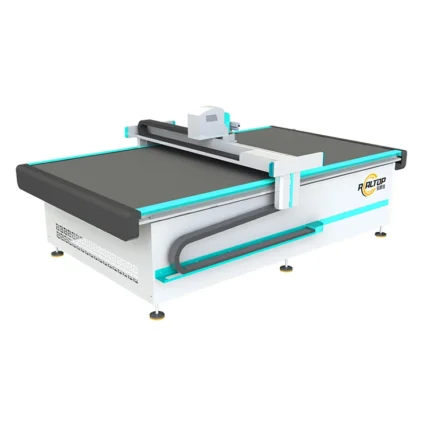
High-performance Realtop CNC Cutting Machine 2026, ideal for carbon fiber and glass mat cutting. CE certified for quality and safety, perfect for precision manufacturing needs.
Key Specifications
| Carbon Fiber, Glass Mat | |
| Certification | CE Certified |
| Type | CNC Cutting Machine |
| Model | 2026 |

Máquina de Corte EPE Realtop 2026 Corte Automático Digital de Alta Velocidad
Product Introduction
Realtop 2026 EPE Cutting Machine features high-speed digital auto-cut technology, designed for efficient and precise cutting operations. Ideal for EPE material processing with automated functionality to enhance productivity.Key Specifications
| Model | Realtop EPE Cutting Machine 2026 |
| Type | High-Speed Digital Auto Cut |
| Operation | Automated |
| Application | EPE Material Cutting |
商品评价
There are no reviews yet.