

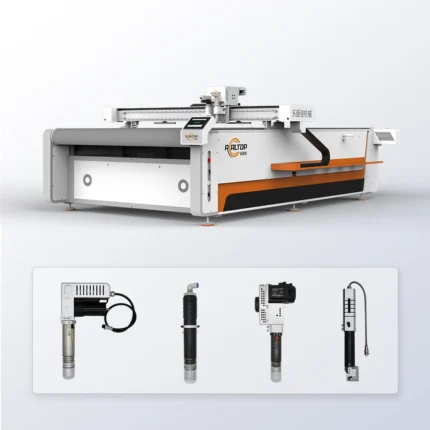
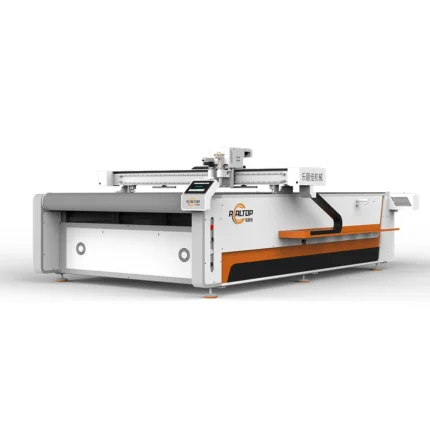
Factory Supply High Speed Fabric Cutting Machine for Cloth
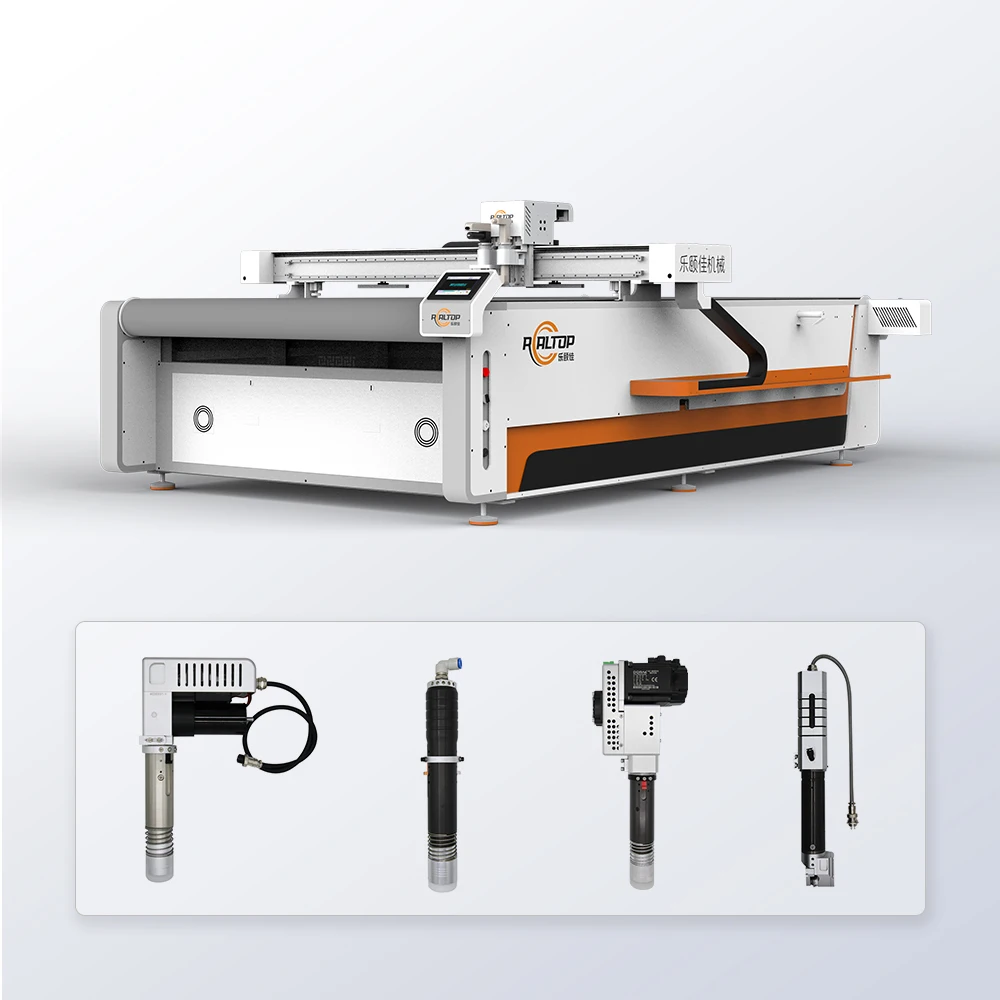
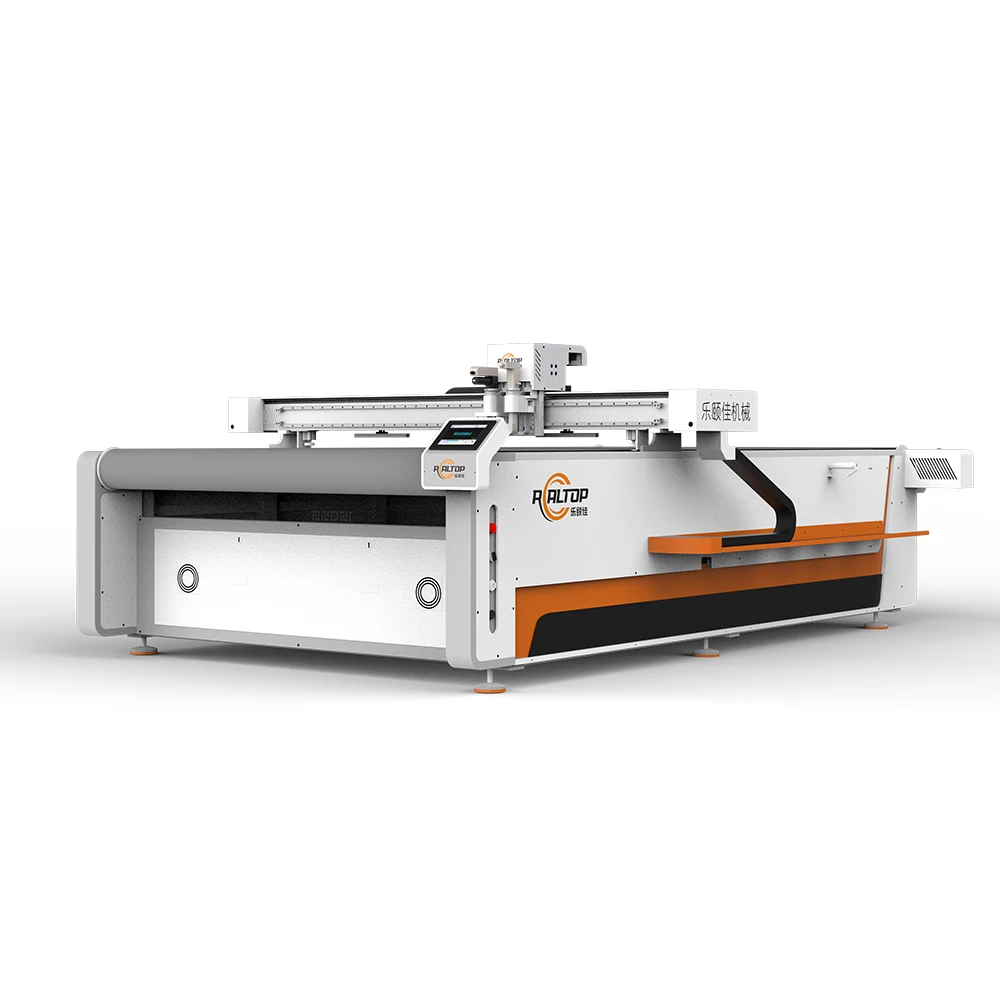
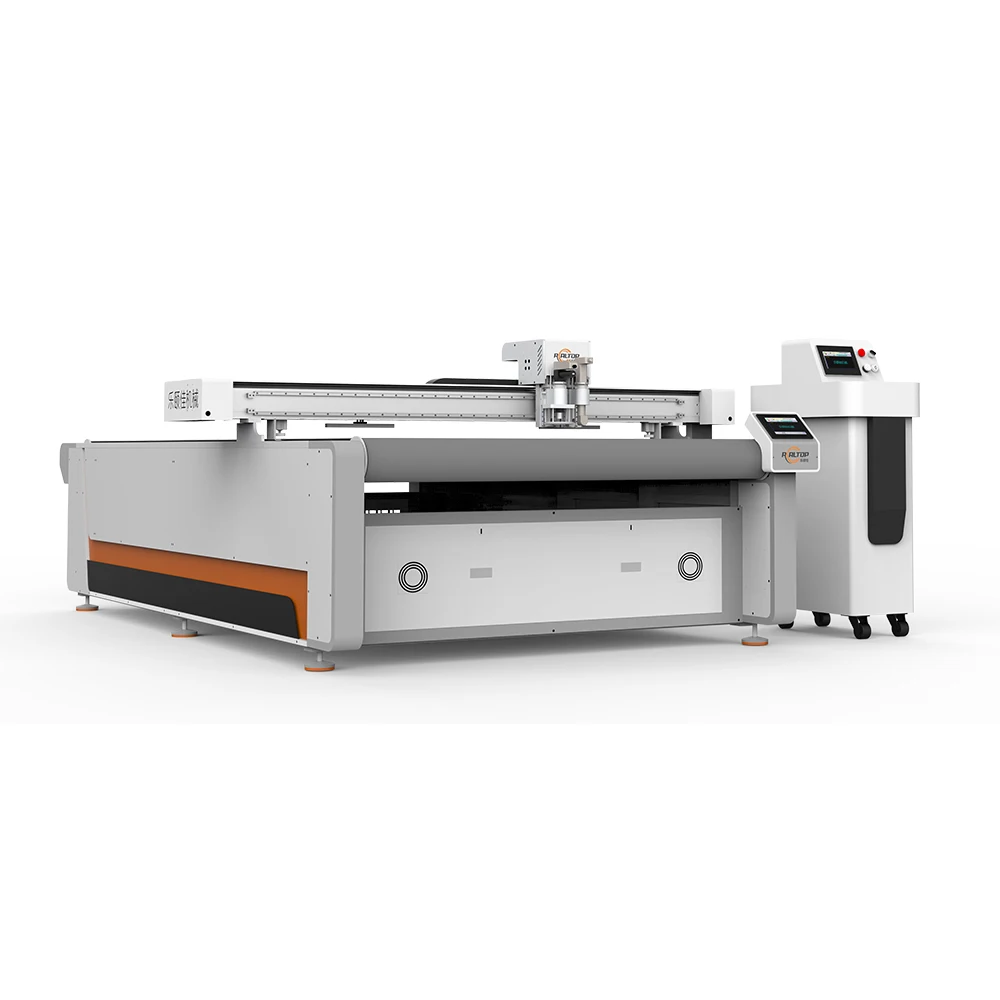
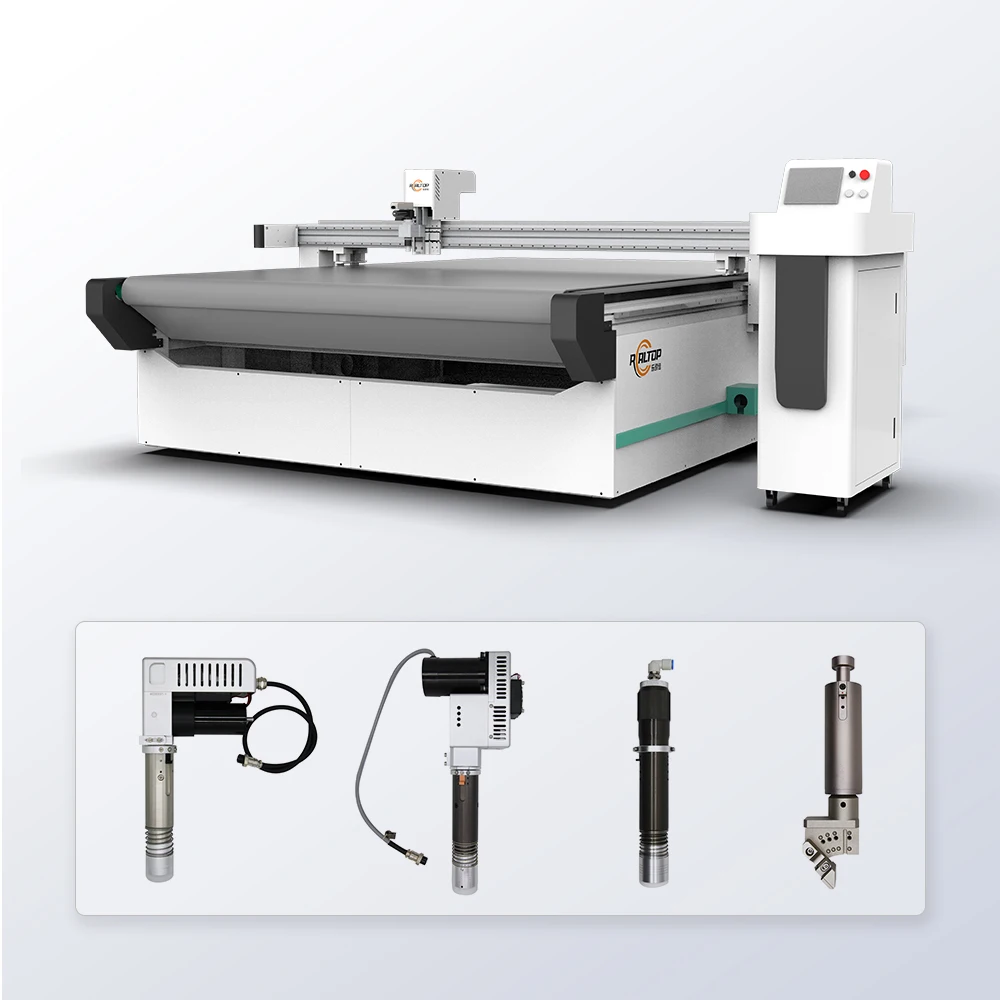
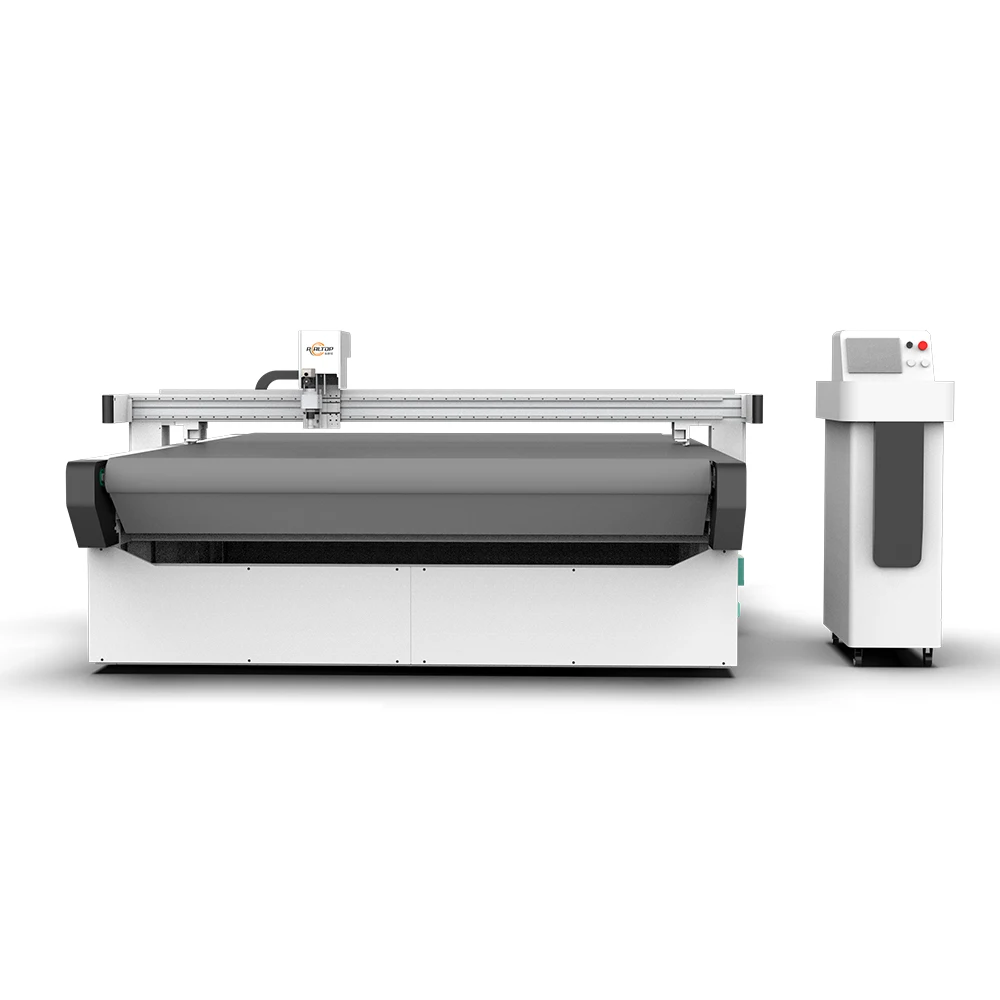
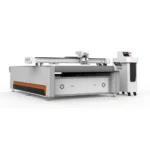
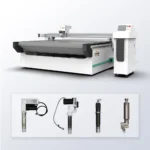
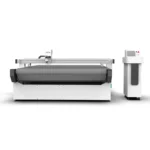
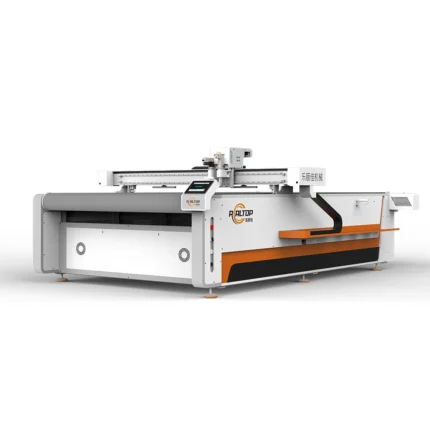
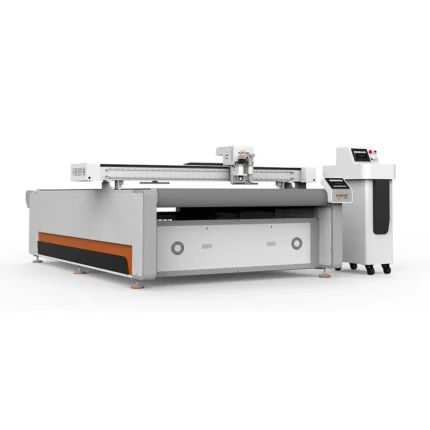
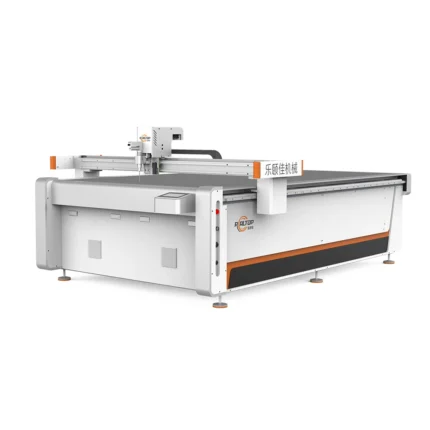
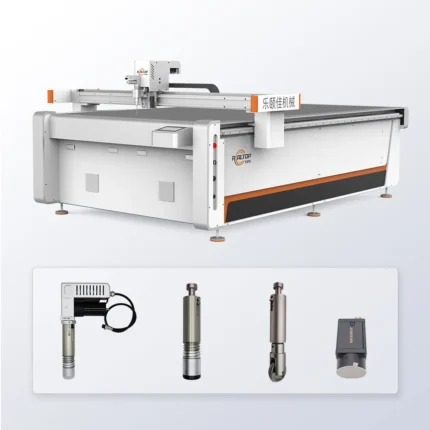
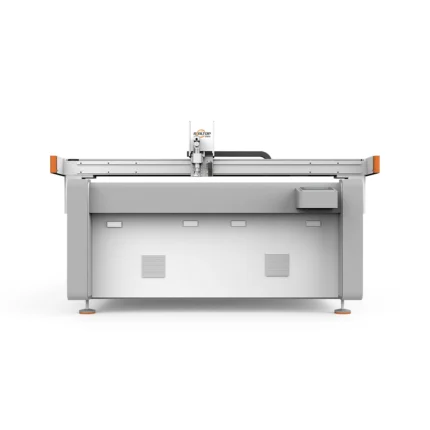
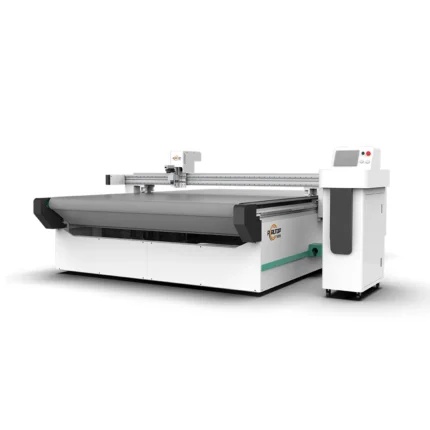
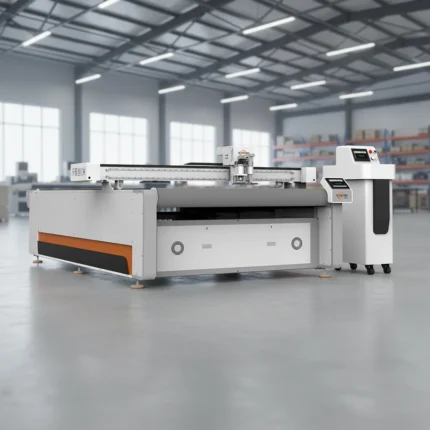
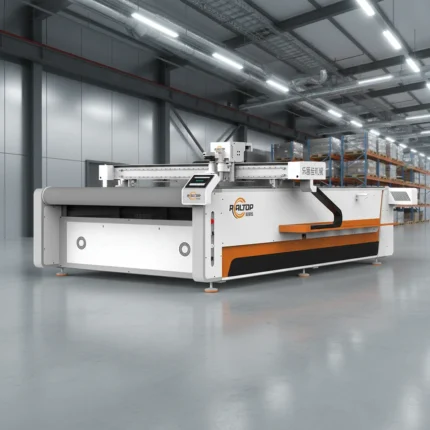
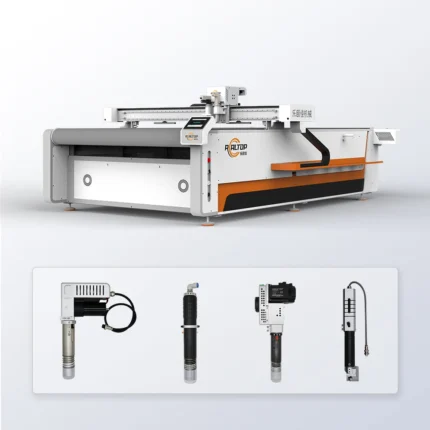
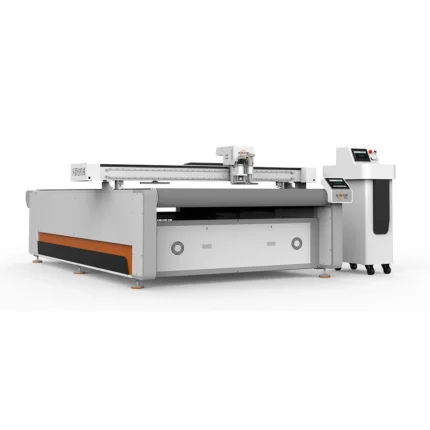
RT-D2516/RT-S2516 Cloth CNC Cutting Machine, 1600×2500mm Work Area, 9kW, CCD Positioning — configured for high-volume textile and fabric production with Swiss-imported oscillating knife, multi-tool head options and auto-feeding system.
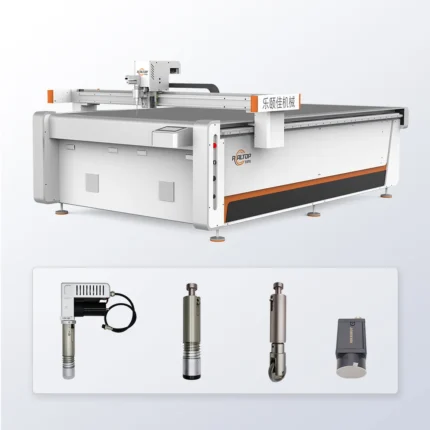
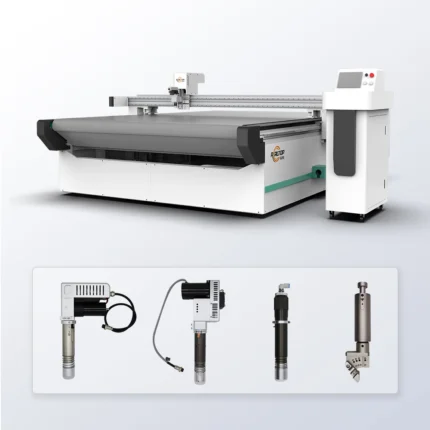
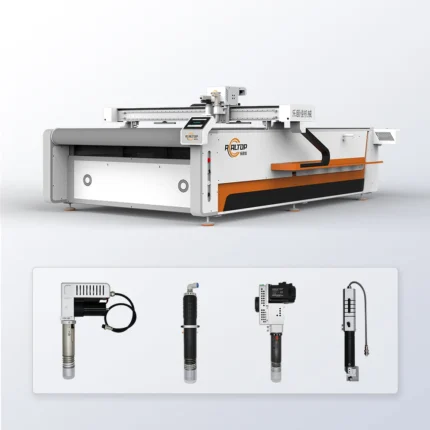
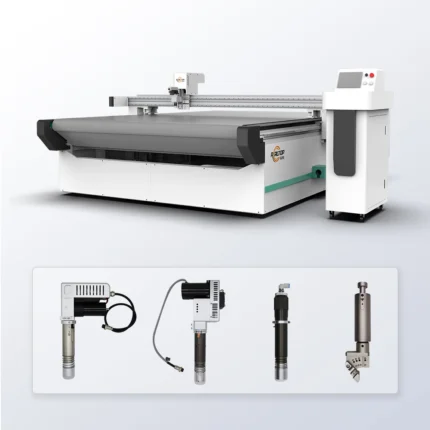
- Oscillating, pneumatic, circular and drag knife heads matched to material type and thickness for clean, burr-free edges on woven, non-woven and composite fabrics
- Magnesium-aluminum vacuum table with PVDF coating and 7.5kW zoned pump ensures stable hold-down across porous and non-porous textiles
- Delta/Panasonic IP67 servo motors with Hiwin linear guides deliver ≤0.1mm repeatability at 200–800mm/s cutting speed
- Panoramic CCD camera tracks printed registration marks at production speed for contour-accurate nested layouts
Sample cutting on buyer’s own fabric, tool head configuration confirmed per material, and software file compatibility (PLT/DXF/AI) verified before order.
Swiss Knife Meets CCD Vision — the RT-D2516/RT-S2516 oscillating knife head and panoramic camera system are matched to your fabric weight and stretch behavior before the order is confirmed, not guessed from a catalog chart.
Technical Specifications
| Parameter | Value |
|---|---|
| Model | RT-D2516 / RT-S2516 |
| Product Type | CNC Oscillating Knife Cutting Machine |
| Working Area | 1600 × 2500 mm |
| Machine Size | 3450 × 2300 × 1250 mm |
| Rated Power | 9 kW |
| Voltage | 380V ± 10% |
| Vacuum Pump | 7.5 kW |
| Table Type | Flat working table or auto-feeding table (configurable) |
| Multifunctional Head | Swiss imported knife; options include pneumatic knife, high-power vibrating knife, circular knife, V-cutting knife, drag knife, creasing wheel, dotted line knife, punching, brush |
| Visual Positioning | Small CCD camera mark point positioning, panoramic camera recognition, projection positioning |
| Translational Velocity | 800 – 2000 mm/s |
| Cutting Speed | 200 – 800 mm/s (varies with material) |
| Cutting Thickness | Up to 100 mm (material dependent) |
| Repeated Accuracy | ≤ 0.1 mm |
| Transmission System | Digital servo motor, linear guide, synchronous belt, ball screw (imported) |
| Servo Motor | Delta or Panasonic (IP67, vibration suppression) |
| Instruction System | HP-GL compatible format |
| File Compatibility | PLT, DXF, AI |
| Conveyor Belt | Germany imported |
| Linear Guide | Taiwan Hiwin rail |
| Vacuum Table Surface | Magnesium-aluminum alloy with PVDF powder spraying, anodic and hard oxidation |
| Safety Device | Infrared induction blocking, anti-collision, emergency stop |
| Control Panel | Touch screen; English, Russian, Italian, Chinese (customizable) |
| Standards | CE |
Application Suitability
| Application | Material or Output |
|---|---|
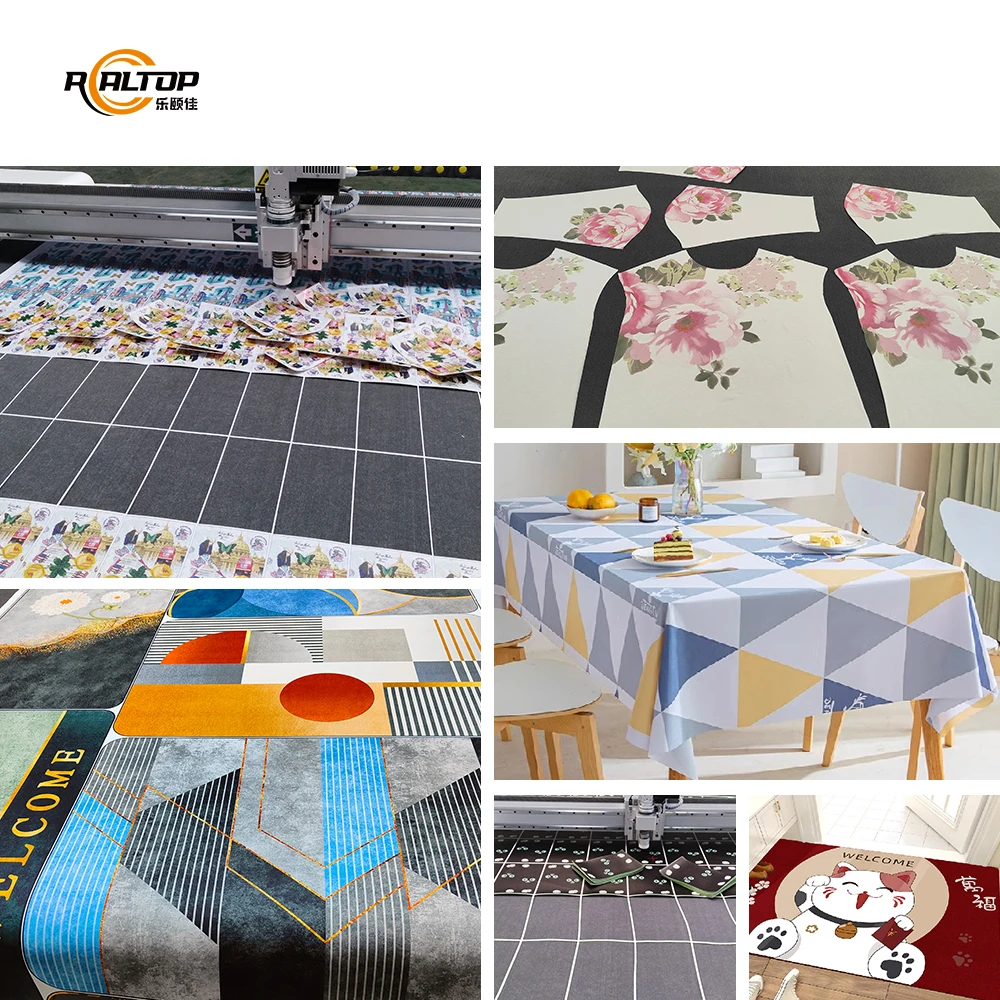
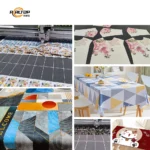
| Garment and footwear production | Clothing cloth, shoe material, multi-layer woven and knit fabric, non-woven fabric |
| Automotive interior trimming | Leather, sponge composite leather, PU, EVA, gasket material |
| Luggage and bag manufacturing | Luggage material, synthetic leather, textile, PVC, PP, PE |
| Carpet and floor mat fabrication | Carpet, XPE, EVA, foam board, rubber |
| Packaging and signage prototyping | Corrugated cardboard, sticker, film, cardboard |
| Sealing and industrial gaskets | PTFE, ETFE, rubber, fiberglass, composite materials |
Why "Cutting Speed Up to 800 mm/s" Means Nothing Without Your Fabric in the Clamps
The only speed figure that matters is the one achieved on your exact material with clean edges and no ply shifting.
I once watched a line in the Gulf region shred an entire roll of elastane-blend jersey because the oscillating frequency was set for stable polyester. The cutting speed on the spec sheet had been correct for the test fabric — not the production fabric. Every fabric behaves differently under a vibrating blade: woven cotton holds flat, stretch knits pull back, and foam-core laminates compress then rebound. The CNC Oscillating Knife Cutting Machine for fabric and textile must be tuned to the actual ply count, weight, and elasticity you run daily. [NEED_CITE: fabric behavior under oscillating knife cutting at varying frequencies]
That is why a sample cutting report on your own material — documenting blade type, frequency, downforce, and edge condition — is the only honest way to evaluate this system before commitment.
Blade Frequency and Fabric Response
The Swiss-imported oscillating knife head on the RT-D2516/RT-S2516 performs vibration full cutting, half cutting, and cursor location through a single multifunctional mount. Oscillation frequency determines how the blade interacts with fiber structure: higher frequencies slice cleanly through tight weaves, while lower frequencies prevent stretch distortion on knits and spandex blends. Selecting the wrong frequency for a given fabric weight produces frayed edges or ply displacement, both of which send cut panels to the reject bin. The multifunctional head accepts pneumatic, circular, drag, and V-cutting knives alongside the standard oscillating blade, so the tool path can shift within a single nesting layout without manual intervention.
Vacuum Hold-Down Across Porous and Coated Textiles
Holding fabric flat during high-speed knife travel is a different challenge for each material class. Uncoated woven cloth allows air to pass through, requiring broad vacuum distribution across the magnesium-aluminum table surface. Coated synthetics and laminated composites seal the table, concentrating suction in specific zones. The 7.5 kW pump integrated into the RT-D2516/RT-S2516 chassis drives the zoned vacuum system, and the PVDF-treated, hard-anodized table surface resists adhesive transfer from sticker-backed textiles and hot-melt laminates. Small pattern pieces that tend to lift under knife vibration stay pinned when the correct zone is activated. [NEED_CITE: vacuum zoning principles for flatbed digital cutting of mixed textile materials]
Reading the Specs That Actually Determine Cut Quality
Working area, motor brand, and rail origin tell you about the frame; cutting quality comes from the interaction of blade oscillation, servo response, and vacuum stability. The ≤ 0.1 mm repeated accuracy, driven by Delta or Panasonic IP67 servo motors on Hiwin linear guides, ensures that nested pattern pieces land within tolerance across a full 1600 × 2500 mm sheet — critical when garment panels must align at seams after cutting. The 7.5 kW vacuum pump maintains consistent hold-down even when the knife exits a cut and air rushes into the kerf. Cutting speed of 200 – 800 mm/s is listed as material-dependent because a 4 mm neoprene sheet and a single-ply chiffon demand completely different blade speeds, oscillation rates, and vacuum zones. File compatibility with PLT, DXF, and AI formats means your existing nesting workflow transfers without an intermediate conversion step that could distort curve geometry.
The Cost of Skipping Material-Specific Tool Selection
Choosing a tool head by machine catalog instead of by material sample is where most cutting line failures begin. A drag knife on thick foam crushes the core before the skin layer parts. A circular knife on woven carbon-fiber prepreg pulls fibers out of alignment at curve entries. A standard oscillating blade on multi-layer stretch fabric without adjusted frequency leaves micro-burrs that unravel during sewing. These defects rarely appear on the first test piece — they surface on the third shift when the blade wears and the operator has no baseline parameters to return to. [NEED_CITE: oscillating knife wear patterns and edge degradation on technical textiles] The consequence is not a single bad panel but an entire production run drifting out of tolerance before anyone notices.
What This Manufacturer Does Differently at Order Stage
In-house design covers both the knife cutting platform and the vision positioning system, so CCD contour parameters are validated against your printed fabric before the machine leaves the factory. The tool head and table configuration list is finalized per your material type, ply count, and daily volume — not selected from a default package. Voltage, plug type, and control panel language are confirmed on the electrical schematic before production starts, eliminating the arrival-day surprise of a three-phase mismatch. Sample cutting on your own material generates a documented report with edge photos, measured accuracy, and cycle timing. The CE-referenced build scope covers safety devices including infrared blocking, anti-collision sensors, and emergency stop circuits on the RT-D2516/RT-S2516.
Documentation & Verification
- Machine specification sheet listing RT-D2516/RT-S2516 configuration and all option selections
- Electrical schematic confirming voltage, plug type, and circuit protection for your facility
- Tool head and vacuum table configuration list matched to your fabric type and thickness
- Sample cutting report with edge photographs taken on your supplied material
- Factory test record documenting repeatability and CCD tracking before dispatch
- Software license and file format compatibility note for PLT, DXF, and AI workflows
Installation, Commissioning & Support
- Foundation must support 3450 × 2300 mm footprint with level tolerance for Hiwin rail alignment
- Dedicated 380V ± 10% circuit required for 9 kW rated load plus 7.5 kW vacuum pump
- Machine ships in sectional form; table and gantry require on-site assembly and calibration
- First-run parameter setting includes oscillation frequency and vacuum zone mapping to your material
- Touch-screen control panel configured in your selected language before operator training begins
- Spare blade and tool head wear parts list provided with recommended replacement intervals
What to Send With Your Inquiry
Provide the fabric type, weight per square meter, ply count you intend to cut, and whether your material carries printed registration marks for CCD tracking. Include your facility voltage and frequency, preferred control language, and the file format your nesting software currently exports. If you can ship a roll sample of your production material, a cutting test will be run before any configuration is locked.
Frequently Asked Questions
Q: How is the correct tool head selected for my specific fabric type and thickness?
A: You supply a sample of your production material, and test cuts are run using oscillating, drag, circular, and pneumatic knife options. Edge quality, ply separation, and cycle time are documented for each tool. The configuration that delivers clean edges at production speed is locked into your machine build and recorded in the sample cutting report.
Q: Can the CCD camera track printed marks at full production speed on multi-layer fabric?
A: The panoramic camera and small CCD mark-point system are tested against your actual printed fabric before shipment. Tracking reliability depends on mark contrast, fabric stretch, and lay flatness. Test results at the target cutting speed are included in the verification documentation so you know performance limits before installation.
Q: What voltage, plug, and control language options are available?
A: The RT-D2516/RT-S2516 is configured for 380V ± 10% as standard, with plug type and control panel language confirmed on the electrical schematic before production. Available languages include English, Russian, Italian, and Chinese, with additional options on request. Your local supply specification must be provided at inquiry stage.
Q: How does vacuum zoning handle small pieces that lift during cutting?
A: The 7.5 kW pump feeds independently controlled zones across the magnesium-aluminum table. Small pattern pieces are held by activating only the zones under the active cutting area, concentrating suction where the knife is working. Zone configuration is mapped during commissioning based on your typical nesting layout.
Q: What file formats does the system accept from my nesting software?
A: The control system reads PLT, DXF, and AI files in HP-GL compatible format. Before order confirmation, your nesting output is tested for import accuracy, layer recognition, and curve fidelity. Any conversion issues are identified and resolved during the pre-production software compatibility check.


Related products
2026 Máquina de corte de tela CNC automática Plotter de tela y cuero de alta precisión
Product Introduction
2026 Auto CNC Cloth Cutting Machine, a high-precision fabric & leather plotter designed for efficient cutting. Ideal for textile and leather industries with advanced CNC technology.
Key Specifications
| Model | Auto CNC Cloth Cutting Machine 2026 |
| Application | Fabric & Leather |
| Precision | High-Precision Cutting |
| Type | CNC Plotter |
2026 Cortador de Tela Automático de Cuchilla Circular de Alta Eficiencia
Product Introduction
High Efficiency 2026 Auto Fabric Cutter with Round Knife is a professional cutting equipment designed for fabric processing. It features advanced automation and high cutting efficiency, suitable for various fabric materials in industrial production.Product Parameters
| Model | 2026 |
| Type | Auto Fabric Cutter |
| Blade Type | Round Knife |
| Feature | High Efficiency |
2026 Carbon Fiber Cloth Cutting Machine – China Manufacturer
Product Introduction
Fabric Sample Cutter Pillow Machine ¨C 2026 Carbon Fiber Cloth Cutting Machine, ideal for precise cutting of carbon fiber cloth and fabric samples, suitable for pillow production and related textile applications.Product Parameters
| Name | Fabric Sample Cutter Pillow Machine |
| Model | 2026 |
| Material | Carbon Fiber Cloth |
| Application | Pillow Fabric Cutting |
Cortadora de cuchilla oscilante de mesa plana 2026, 1600x3500 mm, textil con alimentación automática
Product Overview
Flatbed Oscillating Knife Cutting Machine 2026 is a high-precision textile fabric cutter with auto-feeding function, ideal for efficient and accurate cutting tasks in textile manufacturing. It combines advanced oscillating knife technology with a large working area to meet industrial production needs.Key Specifications
| Model | 2026 |
| Working Area | 1600x3500mm |
| Feeding System | Auto-Feeding |
| Cutting Type | Oscillating Knife |
| Application | Textile Fabric |
Máquina de corte automático de tela 1200mm Delta Servo 2026
Product Parameters
| Cutting Width | 1200mm |
| Servo System | Delta Servo |
| Model Year | 2026 |
Introduction
High-performance Automatic Fabric Cutting Machine with 1200mm cutting width, equipped with Delta Servo for precision. Ideal for efficient fabric processing in textile industry, ensuring accurate and fast cutting operations.
Máquina CNC personalizada de corte de tela para camisetas 2026
Product Introduction
Custom CNC Shirt Fabric Cutting Machine 2026, ideal for precise fabric cutting in garment manufacturing, offering efficient and accurate cutting solutions.
Product Parameters
| Model | Custom CNC Shirt Fabric Cutting Machine 2026 |
| Type | CNC Fabric Cutting Machine |
| Application | Shirt Fabric Cutting |
| Year | 2026 |
商品评价
There are no reviews yet.