


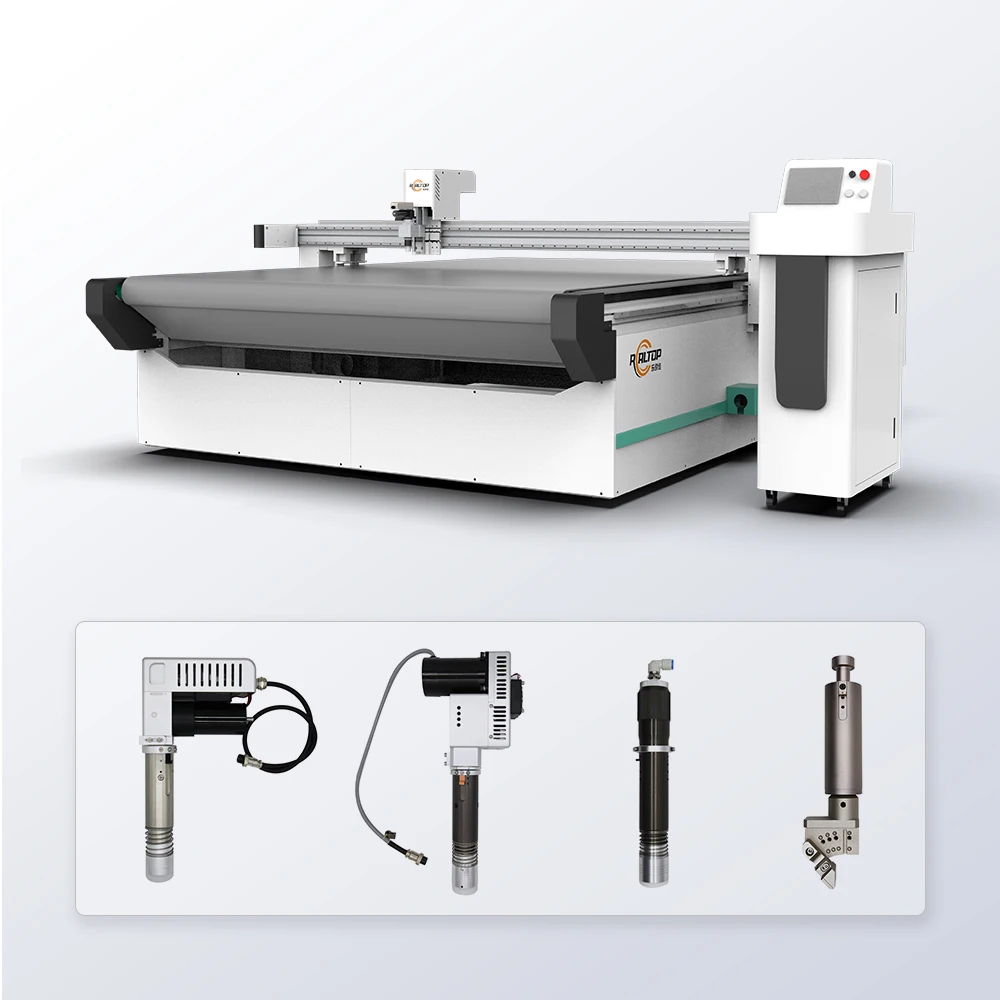
Industrial Application Fabric Cutting Machine – 1200mm Automatic
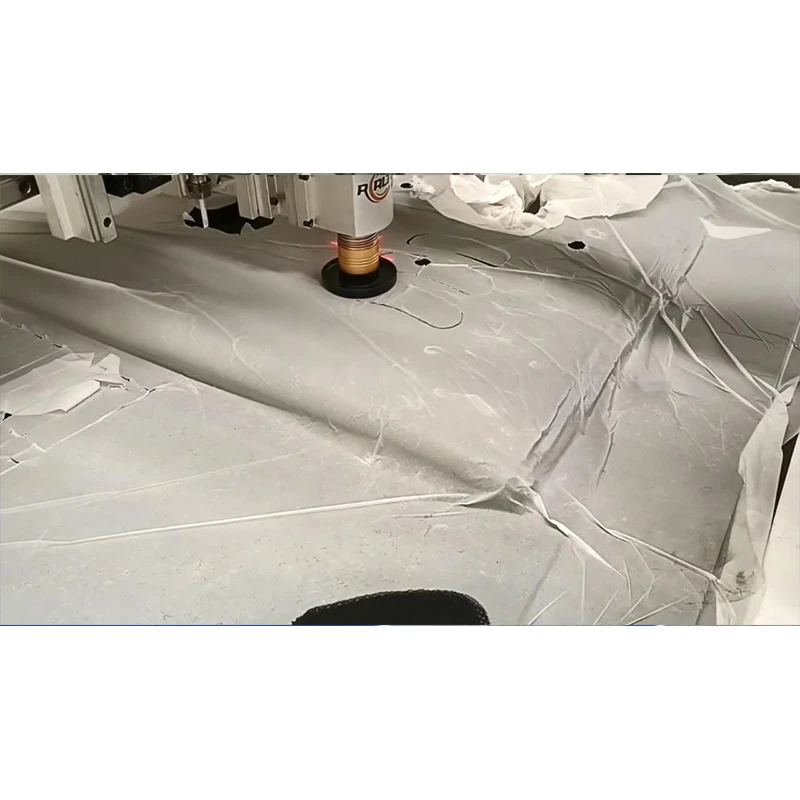
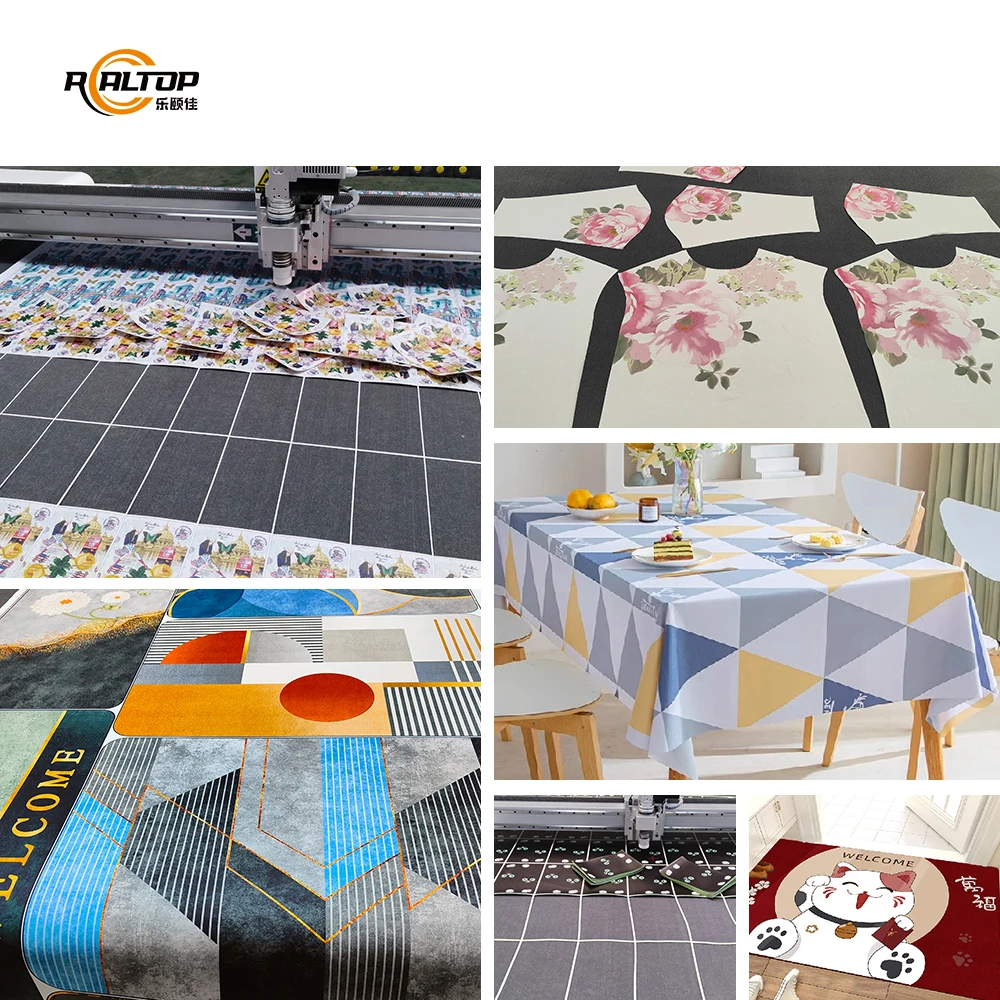
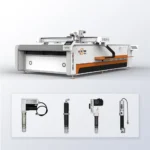
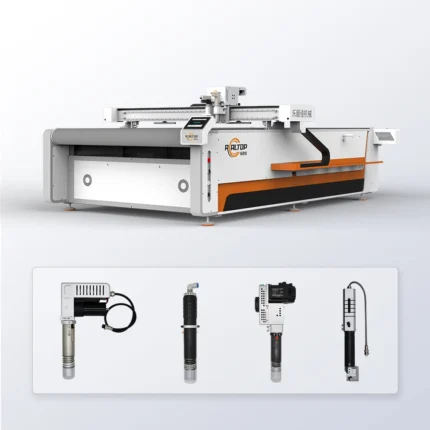
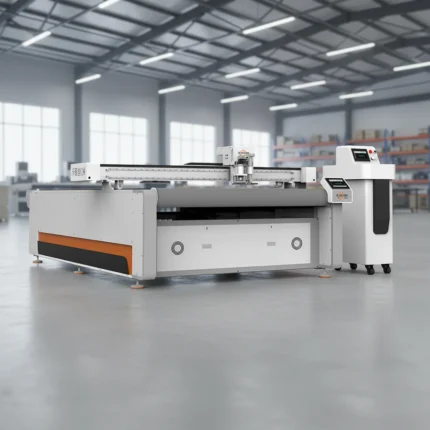
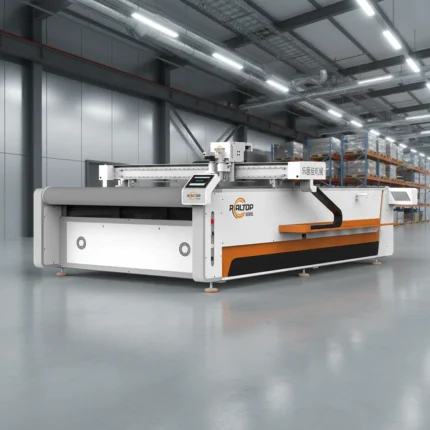
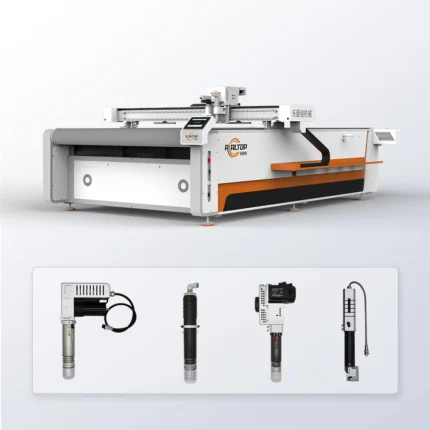
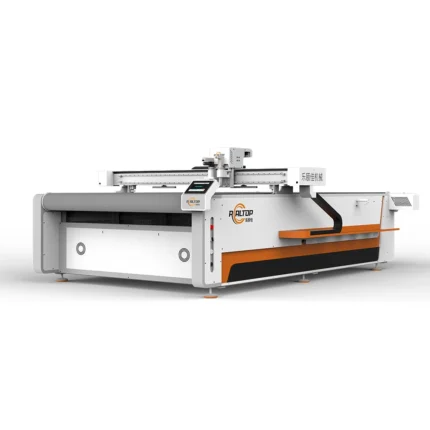
RT-D2516/RT-S2516 Cloth CNC Cutting Machine, 1600×2500mm Working Area, 9kW Rated Power — equipped with oscillating and drag knife tool heads, Delta servo motors, and Hiwin linear rails for precise fabric processing. This system addresses the common frustration of selecting wrong cutting methods by offering CCD camera contour positioning and multi-zone vacuum holding for clean edge quality on textiles, leather, and composite materials. Backed by in-house design, sample testing on buyer materials, and full voltage and software customization before shipment.
- Multi-tool configuration: oscillating knife, pneumatic knife, circular knife, and creasing wheel options
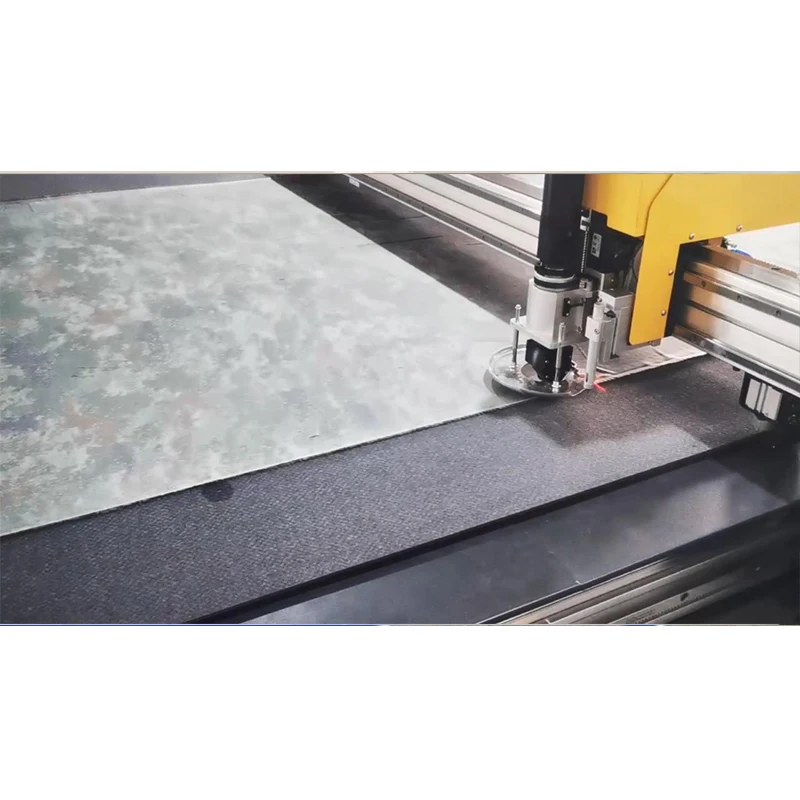
- Auto-feeding conveyor with German-imported belt for continuous workflow
- Software compatibility: PLT, DXF, AI formats with auto nesting and multiple language support
- Safety features: infrared sensors, anti-collision devices, and emergency stop with in-situ resume
Precision Method Matching — this page clarifies when CO₂ laser processing is the correct choice over knife cutting for your specific fabric or textile application.
Technical Specifications
| Parameter | Value |
|---|---|
| Product Type | Cloth CNC Cutting Machine |
| Cutting Method | CO₂ Laser (target platform focus) / Oscillating Knife (referenced system) |
| Working Area | 1600 × 2500 mm |
| Machine Dimensions | 3450 × 2300 × 1250 mm |
| Rated Power | 9 kW |
| Table Configuration | Flatbed or auto-feeding conveyor (Germany imported belt) |
| Vacuum System | 7.5 kW pump, magnesium-aluminum alloy table with PVDF coating |
| Motion Drive | Delta digital servo (Japan Panasonic optional) |
| Linear Guidance | Taiwan Hiwin rails |
| Positioning Accuracy | ≤0.1 mm repeatability |
| Travel Velocity | 800–2000 mm/s translational; 200–800 mm/s cutting (basis not stated in source) |
| File Compatibility | PLT, DXF, AI via auto-nesting software, HP-GL instruction set |
| Voltage | 380V ± 10% |
| Safety | Infrared stop sensors, beam anti-collision, emergency stop with in-situ resume |
Application Suitability
| Application Scenario | Material or Output Focus |
|---|---|
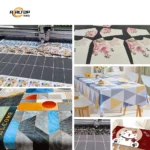
| Automotive interior trim | Synthetic leather, composite fabrics requiring sealed edges |
| Activewear and technical apparel | Polyester, nylon, and multi-layer woven textiles |
| Soft furnishings and upholstery | Heavy woven fabrics, velvet, and multi-layer composites |
| Graphic signage and banners | PVC flex, coated polyester, and printable vinyl rolls |
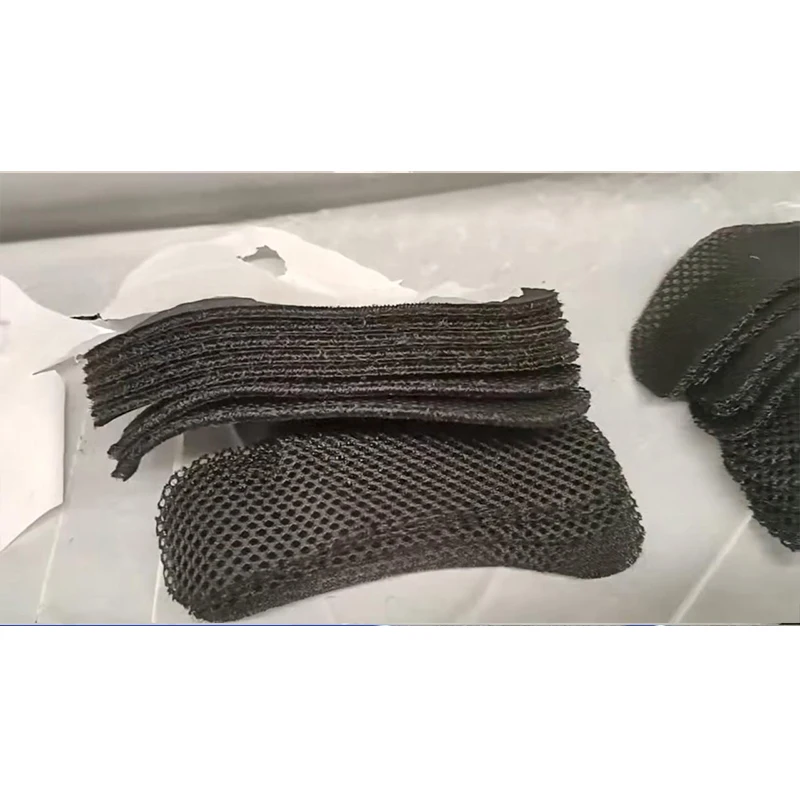
| Shoe and luggage components | PU, EVA, non-woven, and natural leather panels |
| Sealing and gasket fabrication | PTFE, ETFE, rubber, and silicone sheet stock |
Why Material Edge Behavior Dictates Your Laser Power Choice
A CO2 laser cutting and engraving machine manufacturer must confront a recurring inquiry problem: buyers specify working area before confirming whether their material demands a thermal beam or a mechanical blade. The consequence is a machine that either cannot cut thick composites cleanly or leaves synthetic fabrics without the sealed edge that prevents fraying in downstream assembly. [NEED_CITE:]
I regularly see textile processors commit to a cutting method based on machine dimensions alone, only to discover that their specific synthetic weave requires the thermal sealing effect that only a focused CO₂ beam provides. Conversely, natural fibers and thick sponge composites often yield a cleaner edge under an oscillating knife, where thermal processing would char the material and compromise tensile integrity at the cut line. The decision is not about machine superiority — it is about matching the cutting physics to the material’s thermal and mechanical response. This distinction must be resolved through sample cutting on the buyer’s actual material before any specification is locked.
Thermal Edge Sealing on Synthetics Versus Mechanical Clean-Cut
When processing polyester, nylon, or coated technical textiles, the CO₂ laser beam vaporizes material while simultaneously melting the fiber ends, creating a fused edge that resists unraveling without secondary hemming. This is the primary reason apparel and automotive interior manufacturers specify laser processing for synthetic components. The sealed edge also maintains dimensional stability during washing and thermal cycling, a requirement that mechanical knife cutting cannot satisfy on these materials.
Assist Gas Dynamics and Extraction Demands
Laser cutting of fabrics generates particulate and volatile organic compounds that require extraction systems sized to the cutting throughput and material composition. The extraction capacity directly influences optical path cleanliness and cut consistency over extended production runs. A CO2 laser cutting and engraving machine manufacturer must specify the extraction flow rate relative to the fabric type being processed, since PVC-based materials and coated textiles generate significantly different fume profiles than untreated natural fibers. [NEED_CITE:]
Motion Architecture and Cornering Fidelity on Woven Textiles
The Delta servo drive system specified for this platform achieves acceleration and deceleration profiles that maintain contour fidelity on complex garment patterns. On woven fabrics, cornering accuracy determines whether a finished component assembles correctly without distortion at stress points. The combination of Taiwan Hiwin linear rails and digital servo feedback holds positioning tolerance within 0.1 mm repeatability, which is the threshold for multi-layer cutting where cumulative error across stacked plies would render nested panels unusable.
File Format Compatibility and Nesting Workflow
Production managers migrating from manual cutting or die-based systems need confirmation that their existing PLT, DXF, or AI design files import without geometry corruption. The HP-GL compatible instruction set and auto-nesting software address this directly, calculating material yield across the 1600 × 2500 mm working area to minimize offcut waste. The nesting algorithm accounts for fabric grain direction and pattern matching requirements, which are non-negotiable for visible automotive interior panels and branded apparel components.
The Cost of Specifying the Wrong Cutting Method
Buyers who force a laser system onto thick sponge or natural leather often encounter charred edges and inconsistent penetration depth, requiring secondary trimming that negates the automation benefit. The reverse mistake — using an oscillating knife on thin polyester — produces frayed edges that fail quality inspection and require hemming labor that was supposed to be eliminated. [NEED_CITE:] These mismatches are discovered after installation, when reconfiguration or tooling exchange involves both downtime and capital expense that was never budgeted.
Why Fabrication Method Clarity Matters at Inquiry Stage
This platform is manufactured by a facility with in-house design capability covering both knife and laser cutting technologies, allowing the buyer to match the method to the material rather than forcing one approach across all applications. The sample cutting process on the buyer’s own material is conducted before order confirmation, so edge quality and cutting speed are verified against actual production requirements rather than generic material claims. Voltage, plug type, and control panel language are confirmed to the destination market specification, eliminating the common problem of receiving a machine that cannot be powered or operated upon arrival. Documentation includes the factory test record specific to your material sample, not a generic specification sheet. [NEED_CITE:]
Documentation & Verification
- Sample cutting report on your specific fabric type and thickness before order commitment
- Electrical schematic confirming 380V ± 10% compatibility with your facility supply
- File format compatibility verification for your existing PLT, DXF, or AI design workflow
- Factory test record documenting repeatability and edge quality on your material
- CE declaration applicable to your import market requirements
Installation, Commissioning & Support
- Foundation leveling for the 3450 × 2300 mm footprint to maintain rail parallelism
- Dedicated 380V circuit with capacity for the combined 9 kW machine and 7.5 kW vacuum pump load
- First-run parameter calibration on your fabric roll stock to establish baseline cutting speed and power settings
- Operator training on nesting software, file import, and vacuum zone configuration for small-part holding
- Consumable guidance for laser tube replacement intervals and vacuum belt tension maintenance
Next Steps for a Qualified Specification
Provide your fabric composition, weight per square meter, and maximum cutting thickness so that the correct cutting method — laser or knife — can be determined before a quotation is issued. Confirm your facility voltage and frequency, along with the control language preference for the operating panel. If your workflow depends on specific nesting software or file formats, share a sample production file so compatibility is verified rather than assumed. [NEED_CITE:]
Frequently Asked Questions
Q: How do I determine whether CO₂ laser or oscillating knife is correct for my textile?
A: The decision depends on fiber composition and edge quality requirements. Synthetic fabrics like polyester and nylon benefit from CO₂ laser thermal sealing, which prevents fraying without secondary hemming. Natural fibers, thick sponge composites, and leather typically yield cleaner edges under mechanical knife cutting. Sample cutting on your actual material is the only reliable verification method before commitment.
Q: What extraction capacity is required for fabric laser cutting?
A: Extraction requirements vary with fabric composition and cutting throughput. PVC-coated textiles and synthetic weaves generate different particulate and fume profiles than untreated natural fibers. The extraction system must be sized to maintain optical path cleanliness and work environment compliance with local safety regulations. Specific flow rate recommendations are provided after your material composition is confirmed.
Q: Can my existing DXF and AI pattern files be imported without modification?
A: The control software supports PLT, DXF, and AI file formats through an HP-GL compatible instruction system. However, geometry integrity and nesting behavior should be verified with a sample file from your production workflow before order placement. This prevents the common problem of discovering file translation errors after the machine is installed and production deadlines are pending.
Q: What voltage and control language options are available for export markets?
A: The standard configuration is 380V ± 10%, which aligns with industrial supply in most European and Asian markets. Voltage customization is available for regions with different standards. Control panel language options include English, Russian, Italian, and Chinese, with additional languages configurable based on destination market. Voltage and language must be confirmed before production to avoid shipment of incompatible equipment.
Q: How is cutting speed determined for different fabric weights and thicknesses?
A: Cutting speed depends on fabric density, fiber composition, layer count, and required edge quality. The system supports translational velocities from 800 to 2000 mm/s and cutting speeds from 200 to 800 mm/s, but actual production rates are established through sample testing on your specific material. This prevents the common problem of specifying throughput based on generic claims rather than verified performance on your actual fabric stock.


Related products
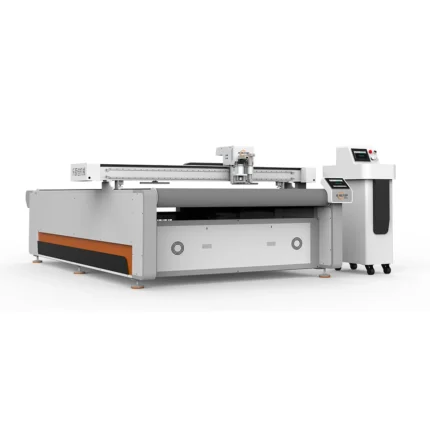
2026 Máquina de corte para tablas de surf SUP inflables
Product Introduction
Ideal for inflatable surf SUP board production, this 2026 cutting machine ensures precise and efficient cutting, tailored for manufacturers seeking reliable performance in water sports equipment manufacturing.
Specifications
| Application | Inflatable Surf SUP Board |
| Type | Cutting Machine |
| Model Year | 2026 |
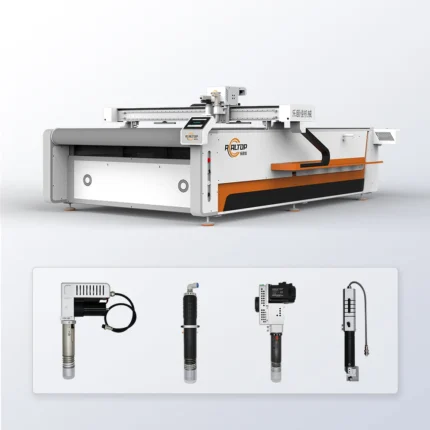
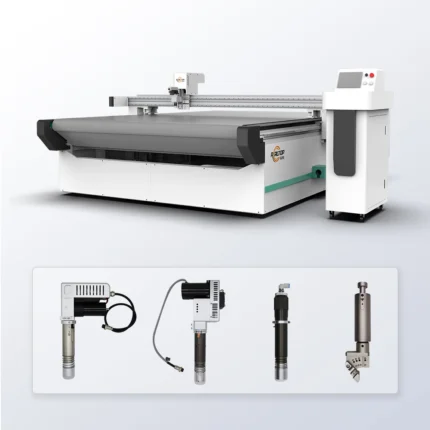
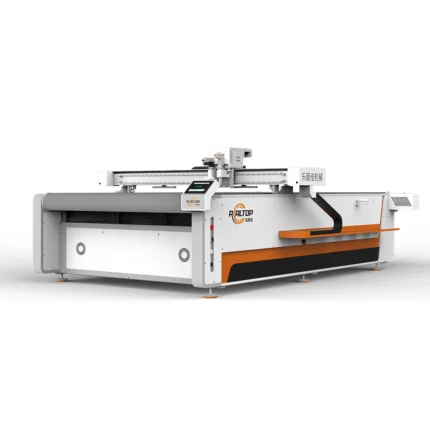
Máquina de corte automático de tela 1200mm Delta Servo 2026
Product Parameters
| Cutting Width | 1200mm |
| Servo System | Delta Servo |
| Model Year | 2026 |
Introduction
High-performance Automatic Fabric Cutting Machine with 1200mm cutting width, equipped with Delta Servo for precision. Ideal for efficient fabric processing in textile industry, ensuring accurate and fast cutting operations.
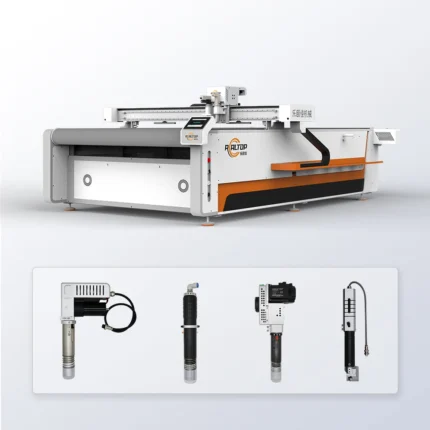
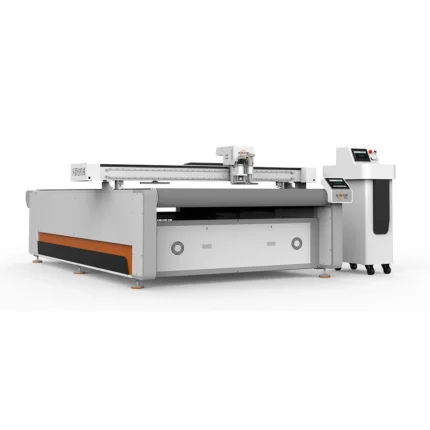
Máquina CNC personalizada de corte de tela para camisetas 2026
Product Introduction
Custom CNC Shirt Fabric Cutting Machine 2026, ideal for precise fabric cutting in garment manufacturing, offering efficient and accurate cutting solutions.
Product Parameters
| Model | Custom CNC Shirt Fabric Cutting Machine 2026 |
| Type | CNC Fabric Cutting Machine |
| Application | Shirt Fabric Cutting |
| Year | 2026 |
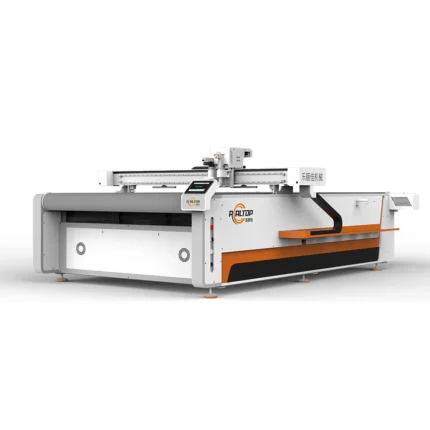

Cortadora rotativa eléctrica de tela 2026 12V Auto-Cut Industrial
Product Introduction
Industrial-grade Electric Fabric Rotary Cutter designed for precise cutting of scan-printed cloth. Features 12V auto-cut functionality for efficient, automated operation, ideal for professional textile processing.Product Parameters
| Power Supply | 12V |
| Function | Auto-Cut |
| Application | Scan-Printed Cloth |
| Type | Industrial Electric Rotary Cutter |
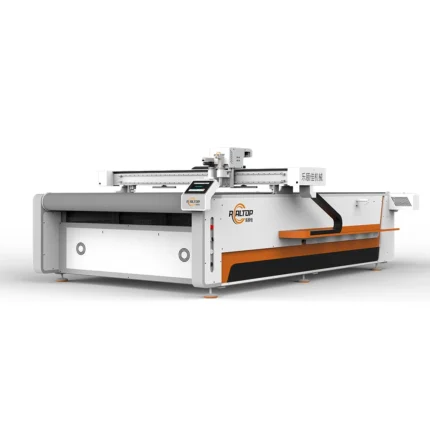
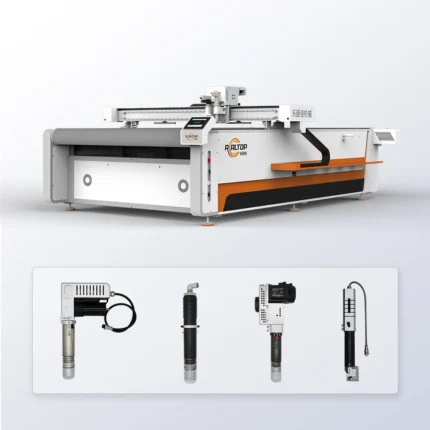
Jinan Realtop CNC Cortadora de Cuchilla Oscilante 2026
Product Introduction
Jinan Realtop CNC Oscillating Knife Cutter 2026, a precision cutting solution from China's leading welding & cutting equipment manufacturer, ideal for efficient material processing with advanced CNC technology.
Key Specifications
| Model | 2026 |
| Type | CNC Oscillating Knife Cutter |
| Manufacturer | Jinan Realtop |
Máquina de Corte de Tela CNC Realtop 2026 Certificada CE
Product Introduction
Realtop CNC Fabric Cutting Machine 2026, CE Certified, ideal for precision fabric cutting with advanced CNC technology. Engineered for efficiency and reliability in textile manufacturing processes.Key Specifications
| Model | Realtop CNC Fabric Cutting Machine 2026 |
| Certification | CE Certified |
商品评价
There are no reviews yet.