

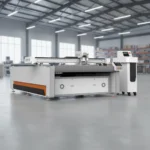
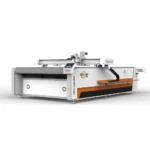
Industrial Carbon Fiber Cloth CNC Cutting Machine – Custom Build
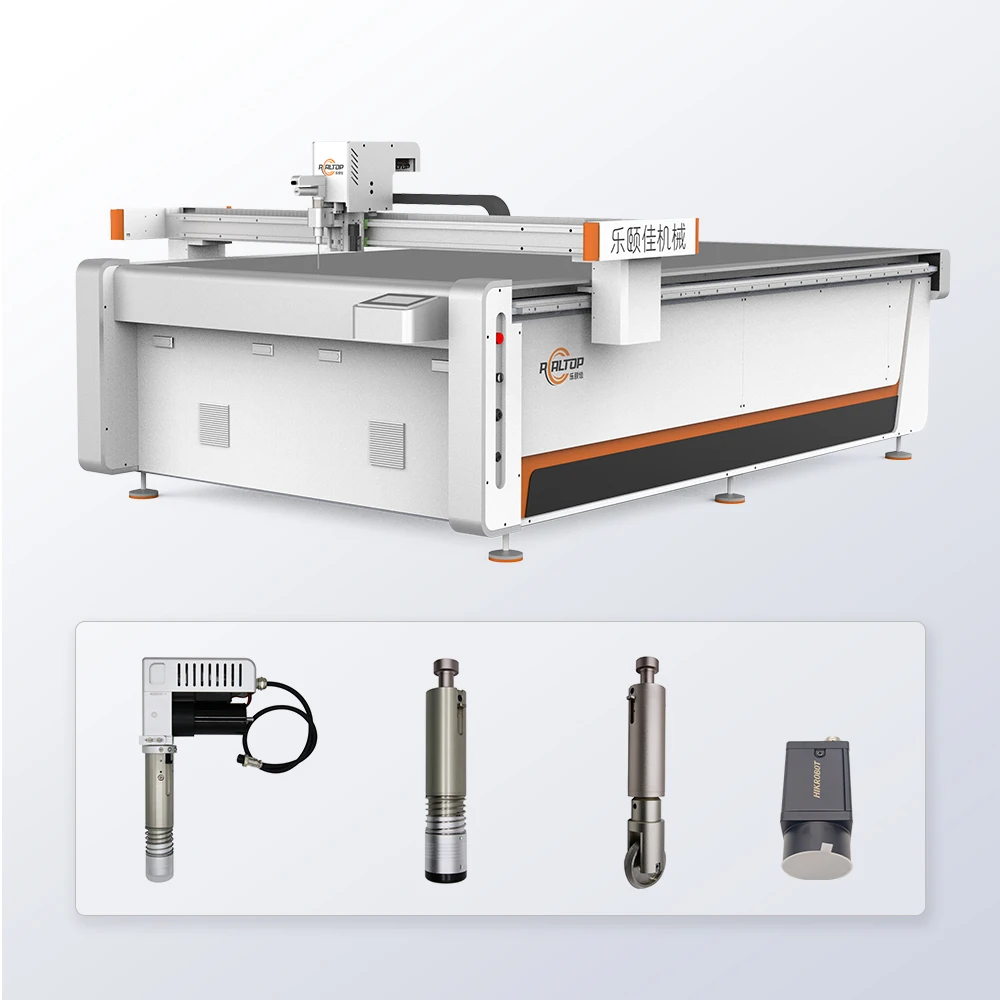
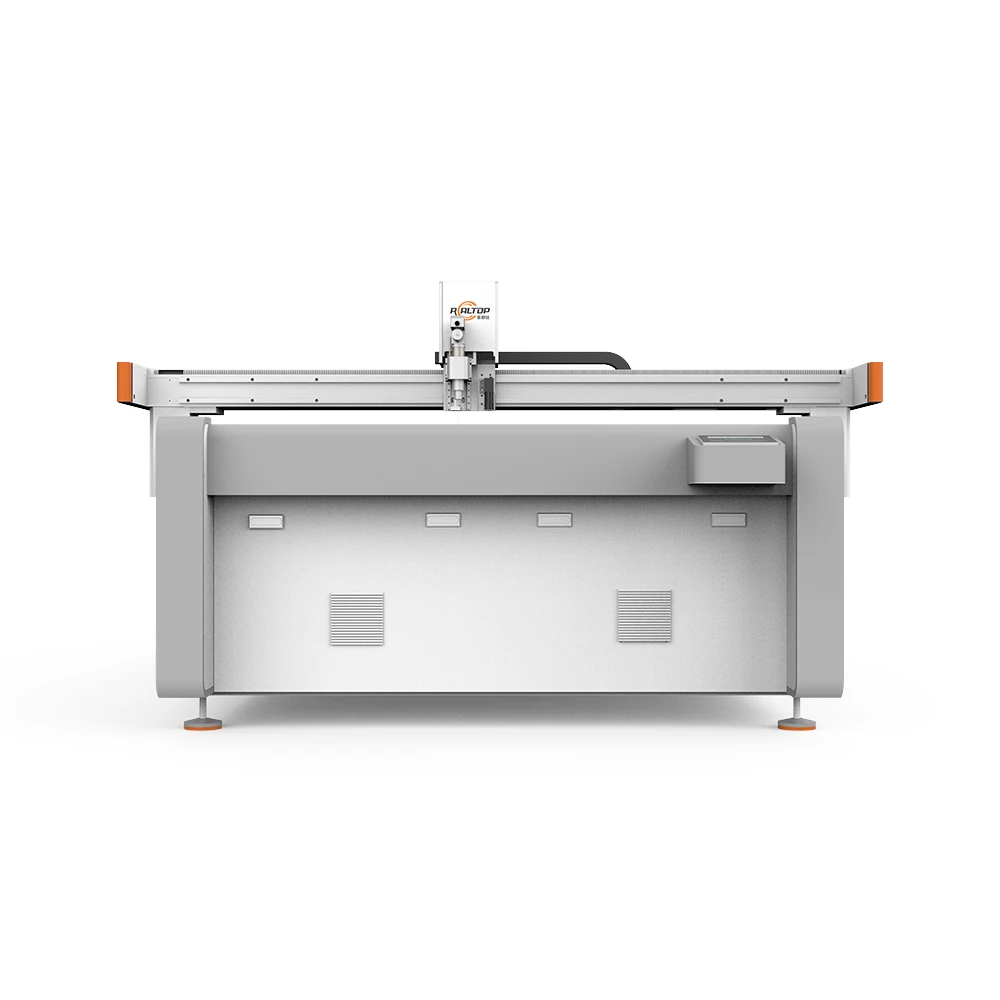
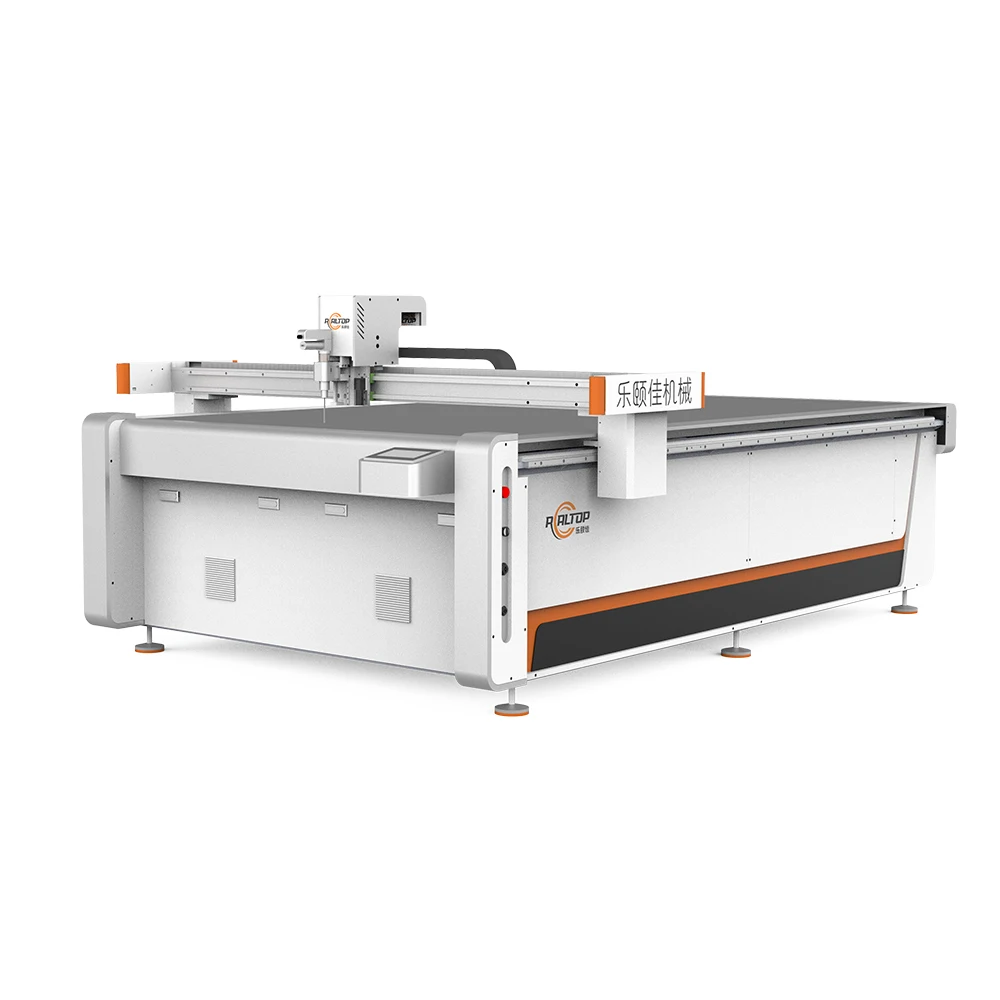
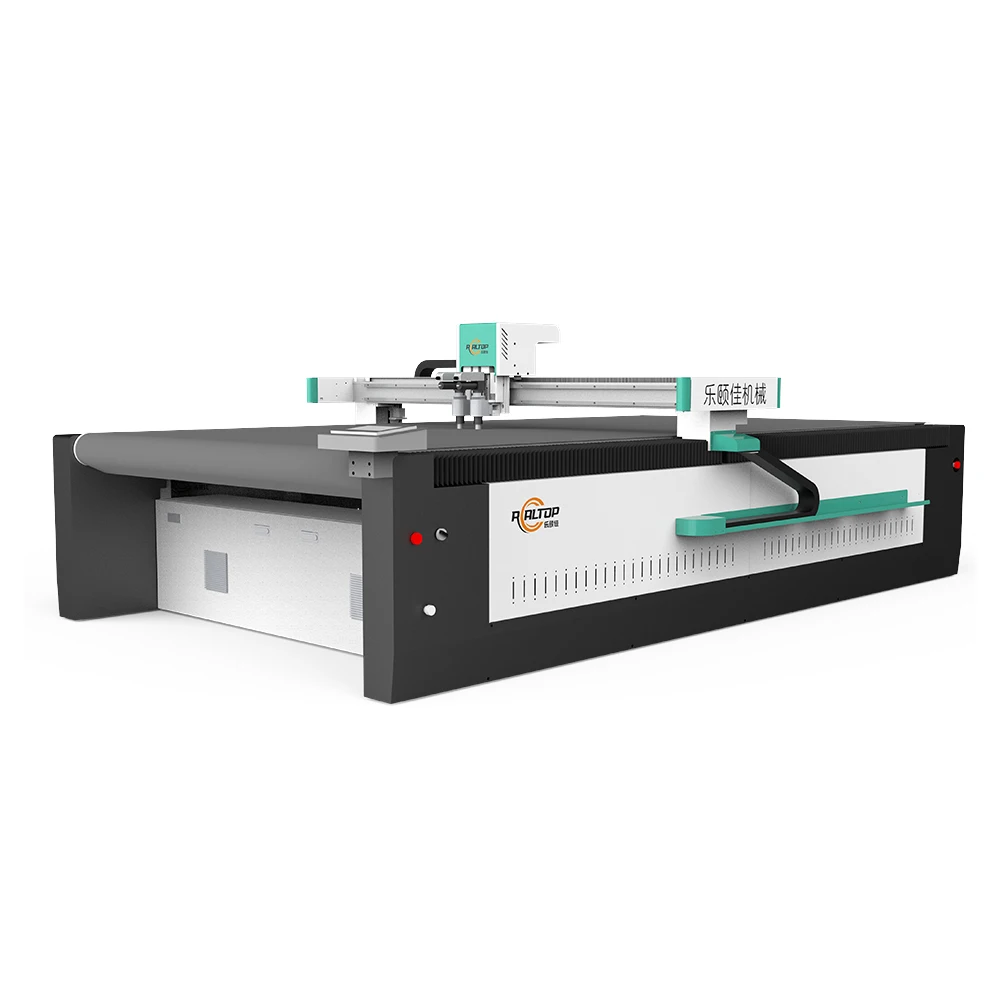
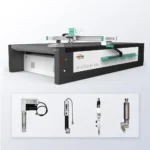
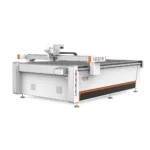
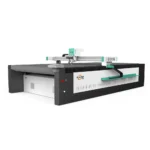
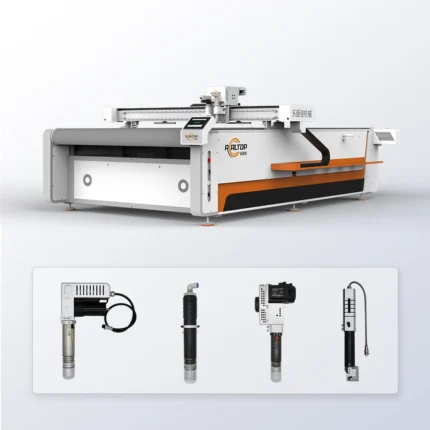
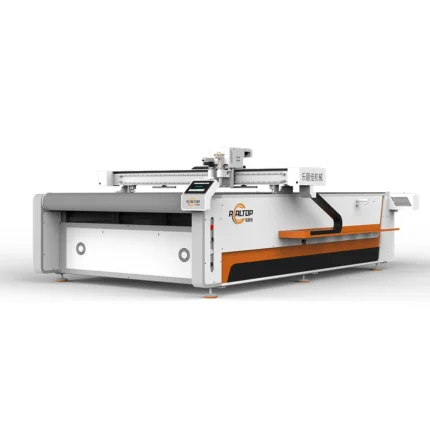
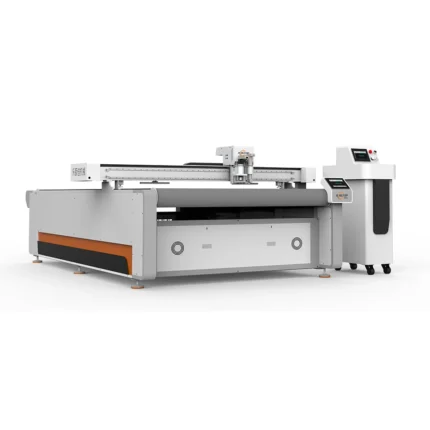
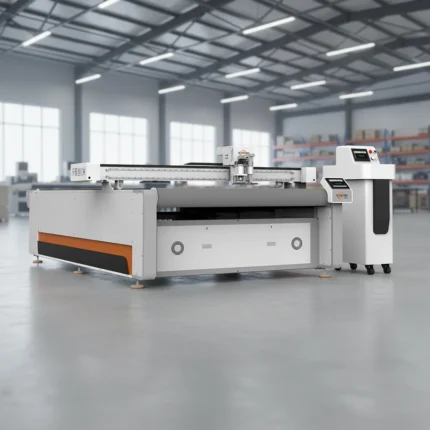
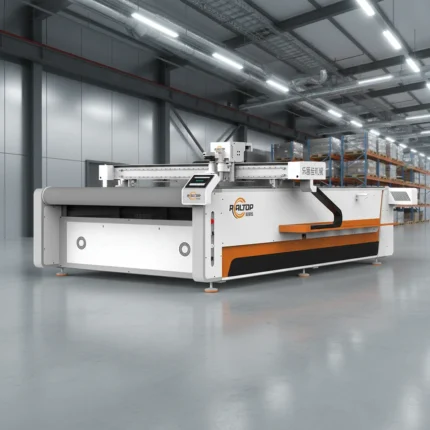
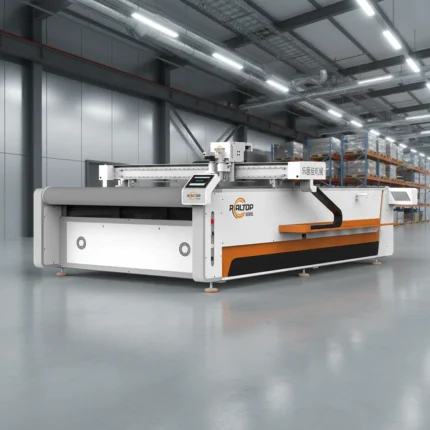
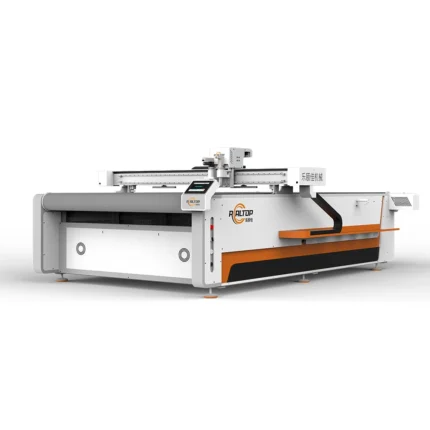
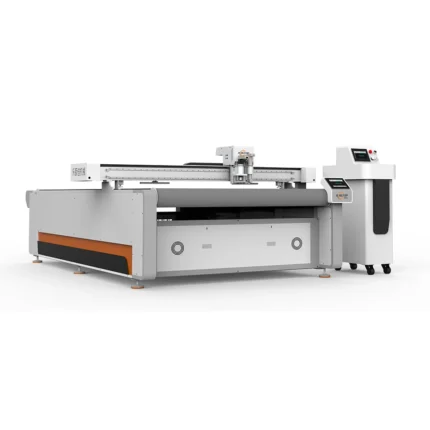
1625 CNC Oscillating Knife Cutting Machine, 1600×2500mm working area, ≤30mm cutting thickness — designed for carbon fiber cloth, Kevlar, fiberglass and composite materials.
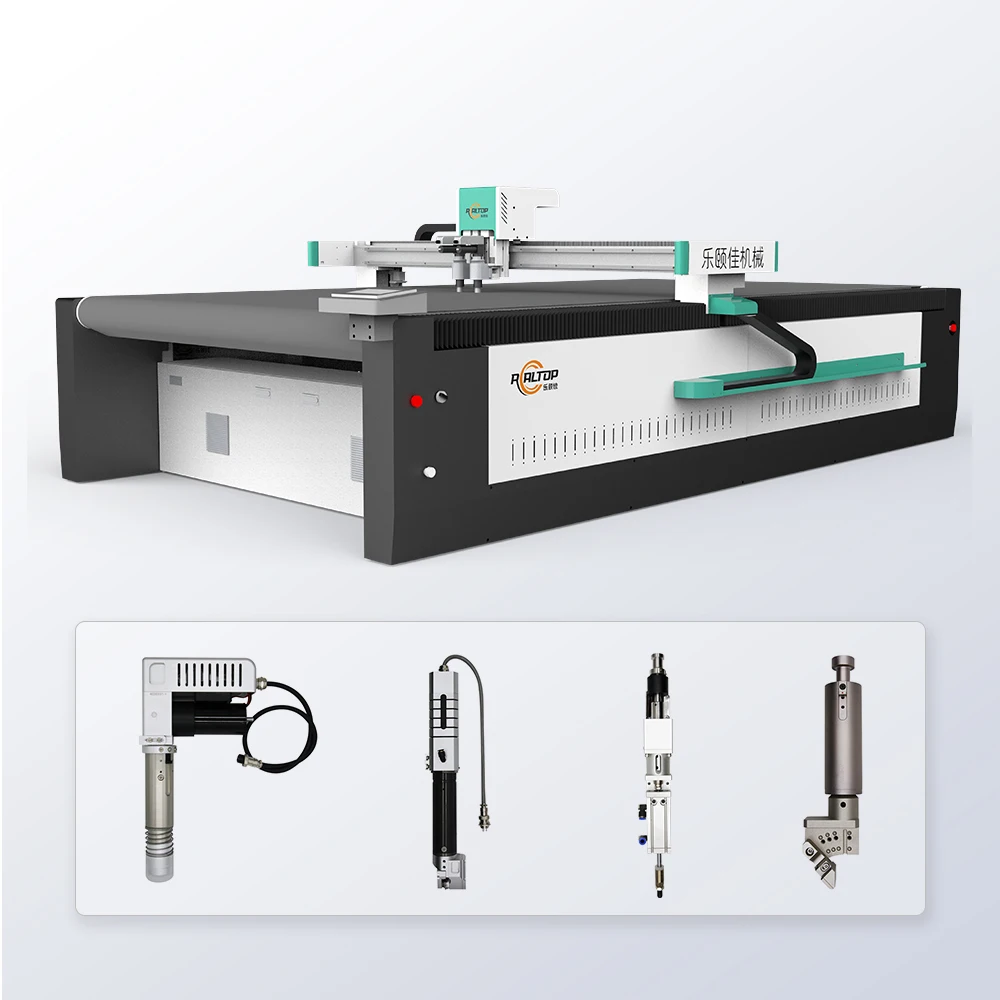
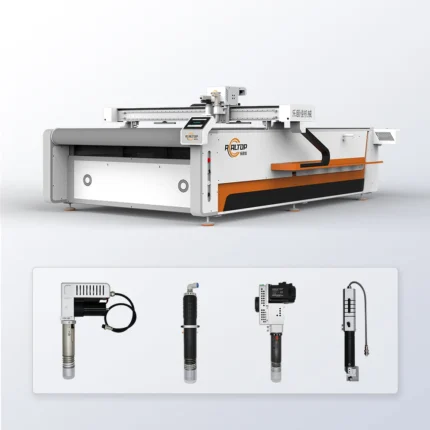
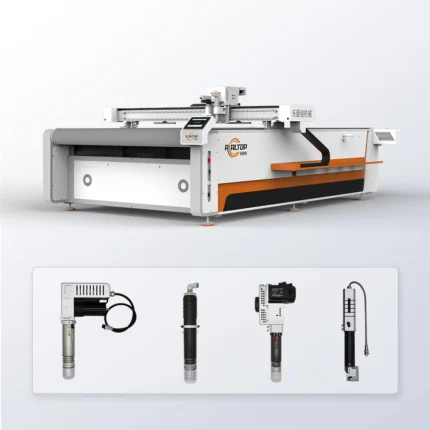
- Interchangeable tool heads (oscillating knife, driven rotary, pneumatic, milling) match each composite fabric rather than forcing one method
- 9kW vacuum pump with aluminum bellows table holds flexible multi-layer fabrics flat without edge lift during contour cutting
- ±0.1mm accuracy via PLC servo control supports nested aerospace gaskets and wind blade preforms
Send your material for a sample cutting report — verify edge quality, fraying and delamination before commitment.
Cold-Cutting Precision — A 1600×2500 mm oscillating knife platform configured for composite, carbon fiber, and technical textiles where thermal processes fail, backed by factory sample cutting on your actual material before order.
Technical Specifications
| Parameter | Value |
|---|---|
| Product Type | CNC Oscillating Knife Cutting Machine |
| Model | 1625 |
| Working Area | 1600×2500 mm |
| Tool Head Options | Oscillating knife, Driven rotary knife, Creasing wheel, Kiss cutting tool, Pneumatic knife, Milling tool, V groove knife |
| Cutting Speed | 0–2000 mm/s |
| Cutting Thickness | ≤ 30 mm |
| Cutting Accuracy | ±0.1 mm |
| Vacuum Pump | 9 kW |
| Control System | PLC control panel |
| Servo Drive Options | Panasonic, Delta, Dorna |
| Voltage Options | 110V, 220V, 380V |
| Profile Formats | PLT, DXF, AI, PDF |
| Language Options | English, Russian, Italian, Chinese; special languages customizable |
| Safety Devices | Infrared sensor device and emergency stop device |
| Machine Size | 3300×2100×1350 mm |
| Standards | CE declaration where applicable |
Application Suitability
| Application | Material or Output |
|---|---|
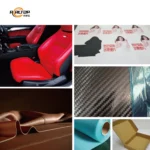
| Aerospace composite component cutting | Carbon fiber prepreg, aramid honeycomb (Nomex), fiberglass cloth, ceramic fiber blankets |
| Wind energy blade preform processing | Fiberglass cloth, carbon fiber cloth, vacuum infusion mesh, PET/PVC foam core |
| Automotive interior and NVH parts | Acoustic felt, damping pads, carpets, sealing strips, lightweight composite panels |
| Sporting goods composite layup | Carbon fiber sheets, Kevlar, high-performance foam, composite fabrics for bicycle frames and helmets |
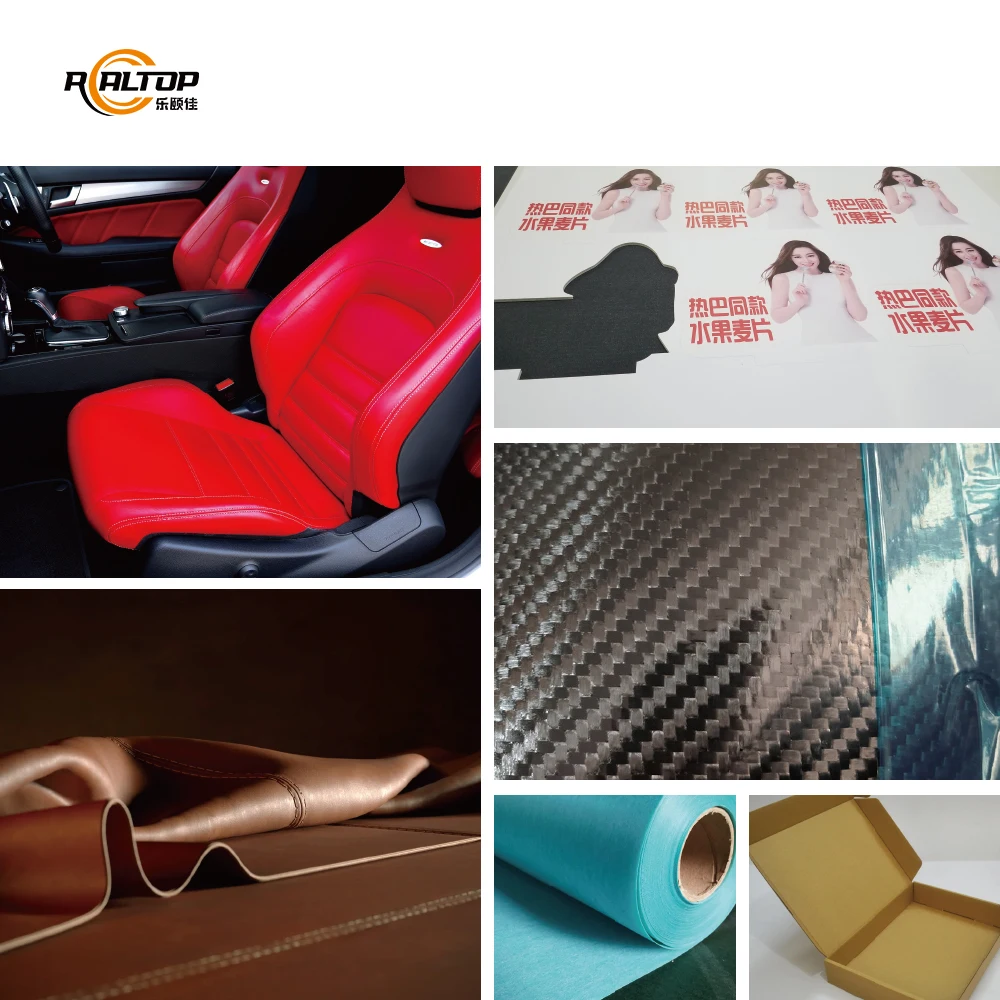
| General soft material fabrication | Shoes, bags, clothing, cartons, home furnishings, rubber gaskets |
Why Laser Power Specs Mislead Composite Fabricators
An oscillating knife removes the thermal variable entirely, so cutting depth never depends on a peak-wattage claim.
I spent a week in a South Asian garment factory recalibrating a laser cutter after the client switched from standard polyester to a flame-retardant coated composite. The edge char was immediate and irreversible. With composites like carbon fiber prepreg or aramid honeycomb, thermal degradation is not a surface issue — it compromises the resin matrix and delaminates the ply structure. The 1625 CNC oscillating knife cutting machine specifications address this by replacing photon energy with mechanical shear, keeping the material’s structural integrity intact through every cut [NEED_CITE: thermal degradation thresholds in composite laminates during laser processing].
How Cold-Cutting Preserves Composite Layup Integrity
When cutting carbon fiber prepreg or fiberglass cloth for aerospace and wind energy applications, edge quality directly affects downstream lamination. Frayed or heat-affected edges create voids in the cured laminate. The oscillating knife head on this CNC oscillating knife cutting machine operates at high frequency with a controlled stroke, shearing through fibers cleanly without generating heat. For materials like Nomex honeycomb, the driven rotary knife option slices cell walls without crushing the core structure, maintaining the compressive strength that the engineering specification requires.
Matching Tool Head to Material Rather Than Forcing One Method
A single cutting method rarely covers the full material range in a composite shop. The 1625 platform offers seven interchangeable tool heads, and the selection depends on material behavior under mechanical stress. Pneumatic knife handles thick acoustic felt and damping pads in automotive interior work. The V groove knife scores composite panels for folding without through-cutting. Kiss cutting tool handles gasket materials on a liner without cutting through the backing. This configuration flexibility means a buyer specifies the tool head per material and production volume rather than adapting every job to one cutting method [NEED_CITE: tool head selection criteria for oscillating knife cutting systems].
Reading the Specifications Against Real Production Conditions
The 9 kW vacuum pump paired with an aluminum bellows vacuum table provides full-surface adsorption across the 1600×2500 mm work area. For flexible materials like single-ply carbon fiber cloth or infusion mesh, insufficient vacuum zoning causes fabric lift during high-speed cutting, producing dimensional drift beyond the ±0.1 mm accuracy rating. The PLC control panel manages servo drives — available with Panasonic, Delta, or Dorna units — to maintain path fidelity at cutting speeds up to 2000 mm/s. Cutting thickness capacity of up to 30 mm covers everything from single-ply technical textiles to multi-layer foam cores used in wind turbine blade preforms. File format support for PLT, DXF, AI, and PDF means nesting software from most existing workflows integrates without intermediate conversion steps.
The Hidden Cost of Skipping the Sample Cutting Step
I have seen buyers commit to a cutting system based on a working area specification alone, only to discover on commissioning day that the chosen tool head produces crushed edges on their specific foam density or ragged cuts on their coated fabric. The problem is never the machine frame — it is the mismatch between tool configuration and material behavior. When the vacuum table zoning cannot hold small gasket parts flat, the blade drags and the contour drifts. When the oscillation frequency is too low for a dense aramid weave, the blade deflects and the cut wanders. These issues surface only when the machine runs your material at your intended speed [NEED_CITE: material-specific cutting parameters for technical textiles].
Why This Platform Fits Composite and Technical Textile Work
In-house design and production cover both knife and laser cutting technologies, so the recommendation starts from your material rather than from a single product line. Tool head and table configuration are specified per material type and daily volume, confirmed in writing before production begins. CCD camera positioning is available for printed contour work where registration marks guide the cut path. Voltage, plug type, and control language are confirmed before shipment — the 1625 supports 110V, 220V, and 380V configurations with language options spanning English, Russian, Italian, Chinese, and custom requests. Sample cutting on the buyer’s own material is standard practice, generating a cutting report that documents edge quality, dimensional accuracy, and recommended parameters before any purchase commitment.
Documentation & Verification
- Machine specification sheet listing all configured tool heads and table zones
- Electrical schematic confirming voltage, frequency, and plug type for your market
- Tool head and vacuum table configuration list matched to your material and thickness
- Sample cutting report on your material with edge photographs and measured accuracy
- Software licence documentation and file format compatibility confirmation
- Spare parts list with blade types and consumable part numbers
Installation, Commissioning & Support
- Foundation must support the 3300×2100×1350 mm footprint with level tolerance for the vacuum table frame
- Dedicated electrical circuit required matching confirmed voltage option (110V, 220V, or 380V) and local frequency
- Machine ships factory assembled with protected tool head carriage and vacuum table surface
- First-run commissioning includes parameter tuning for your material thickness and cutting speed
- Operator training covers tool head changeover, vacuum zoning adjustment, and PLC panel navigation
- Consumable blade supply and spare parts list provided with initial shipment
What to Include in Your Inquiry
Send your material type, thickness range, maximum sheet size, and daily cutting volume. Specify your local voltage and frequency standard, preferred control panel language, and the nesting software you currently use. If your material has coatings, laminations, or unusual density, include a data sheet or physical sample for test cutting.
Frequently Asked Questions
Q: Which tool head cuts carbon fiber prepreg without delamination?
A: The oscillating knife head handles carbon fiber prepreg with a high-frequency stroke that shears fibers cleanly. For thicker composite stacks or aramid honeycomb cores, the driven rotary knife or pneumatic knife may be specified. The correct selection depends on your material thickness, ply count, and resin state, confirmed through sample cutting before order.
Q: How is voltage confirmed for different export markets?
A: The 1625 supports 110V, 220V, and 380V configurations. Voltage, plug type, and frequency are confirmed during the specification stage before production begins. The electrical schematic shipped with the machine documents the exact wiring configuration for your market’s standards.
Q: Can I send my own material for sample cutting before ordering?
A: Yes. Send your material sample or a data sheet describing composition, thickness, and coating type. The factory runs test cuts using the recommended tool head and documents edge quality, dimensional accuracy, and optimal speed parameters in a sample cutting report provided before you commit to purchase.
Q: What file formats does the control software accept?
A: The system accepts PLT, DXF, AI, and PDF profile formats. Software licence documentation and file format compatibility are confirmed during the specification stage to ensure your existing nesting workflow integrates without conversion issues or additional middleware.
Q: How are spare blades and consumables supplied?
A: A spare parts list with specific blade types and consumable part numbers ships with the machine. Ongoing supply is arranged directly, with lead times depending on blade type and quantity. The tool head design allows operator-level blade changeover without specialist tools.


Related products
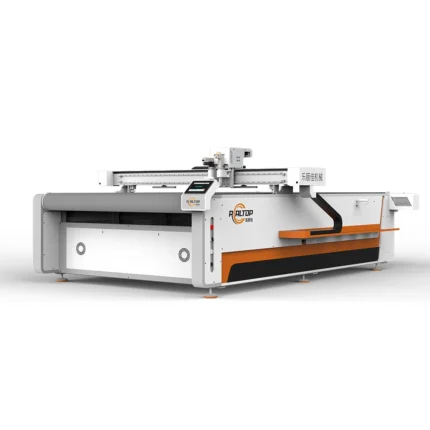
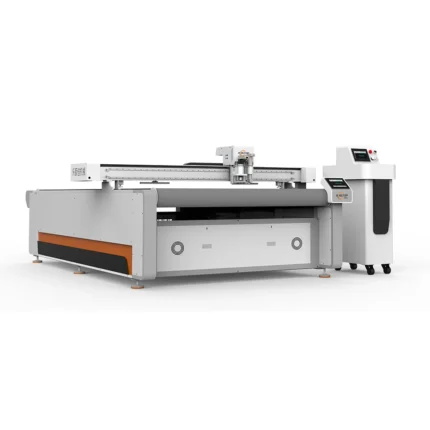
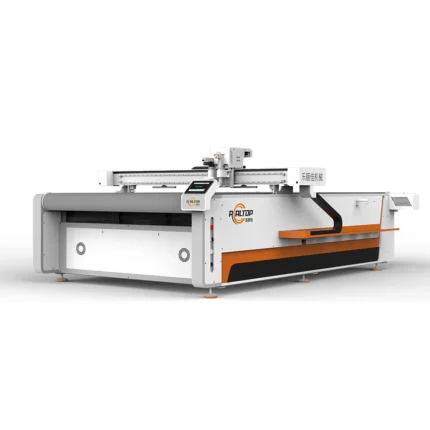

Cortadora rotativa eléctrica de tela 2026 12V Auto-Cut Industrial
Product Introduction
Industrial-grade Electric Fabric Rotary Cutter designed for precise cutting of scan-printed cloth. Features 12V auto-cut functionality for efficient, automated operation, ideal for professional textile processing.Product Parameters
| Power Supply | 12V |
| Function | Auto-Cut |
| Application | Scan-Printed Cloth |
| Type | Industrial Electric Rotary Cutter |
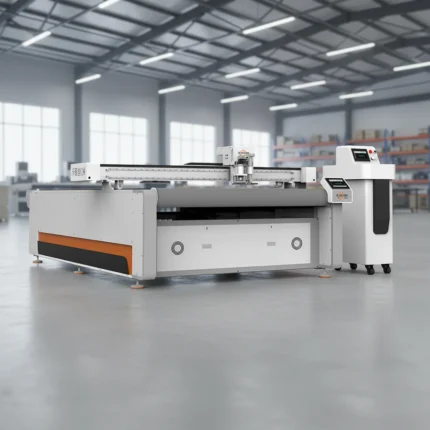
Máquina de Corte de Tela CNC Realtop 2026 Certificada CE
Product Introduction
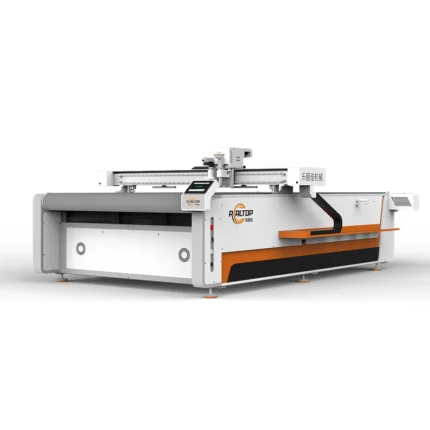
Realtop CNC Fabric Cutting Machine 2026, CE Certified, ideal for precision fabric cutting with advanced CNC technology. Engineered for efficiency and reliability in textile manufacturing processes.Key Specifications
| Model | Realtop CNC Fabric Cutting Machine 2026 |
| Certification | CE Certified |
商品评价
There are no reviews yet.