

Industrial Fabric Cloth CNC Cutting Machine – Specifications
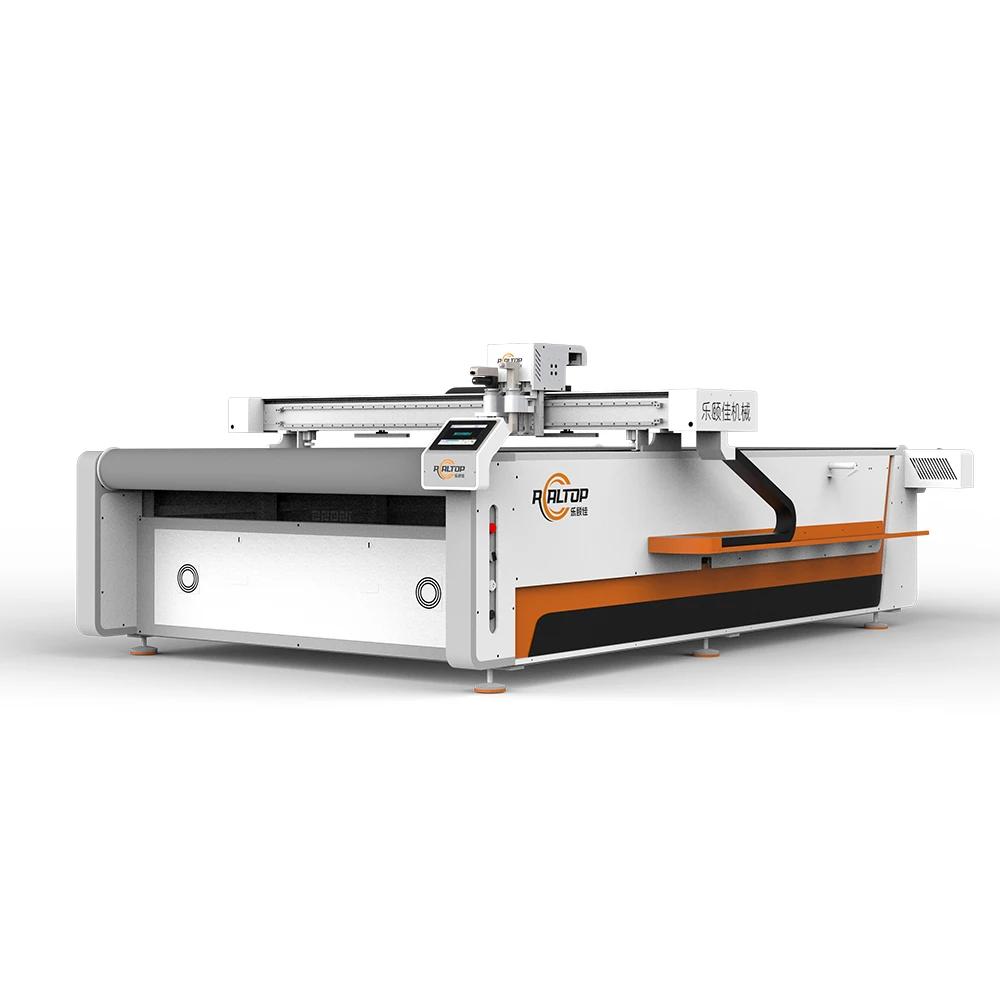
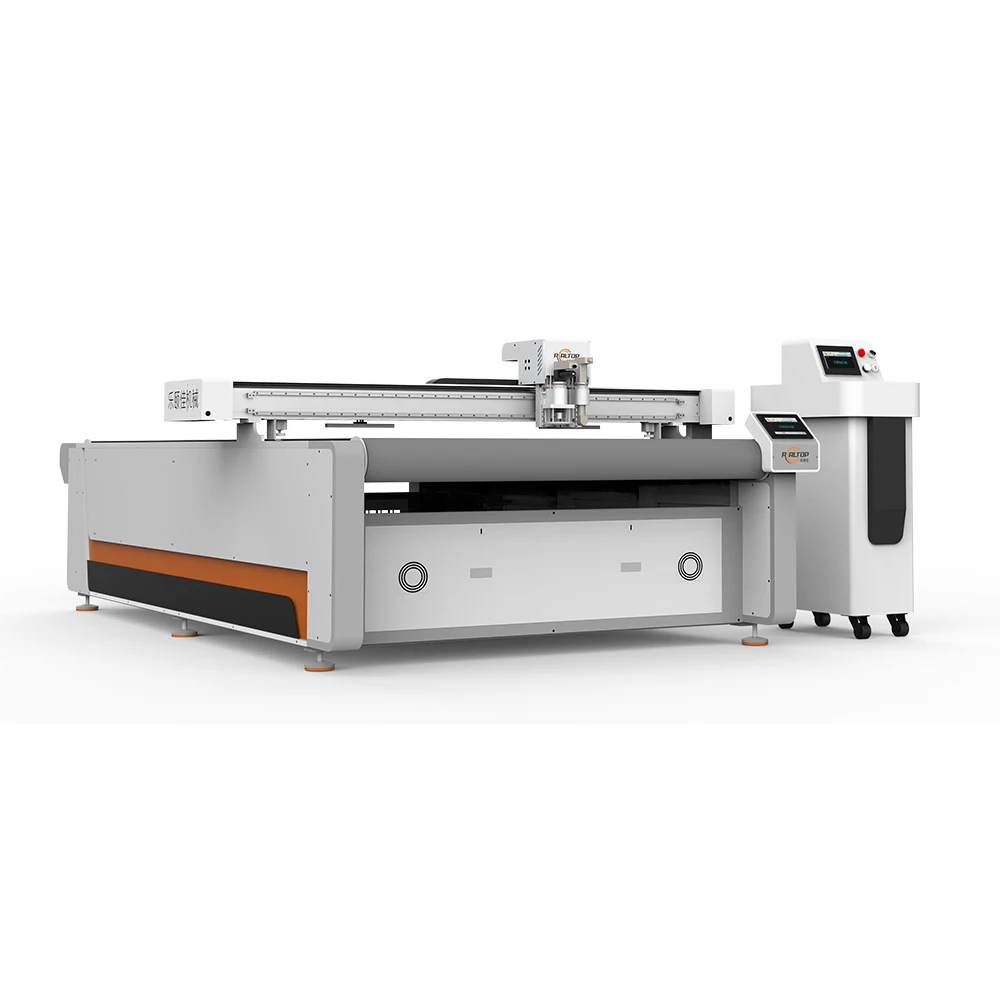
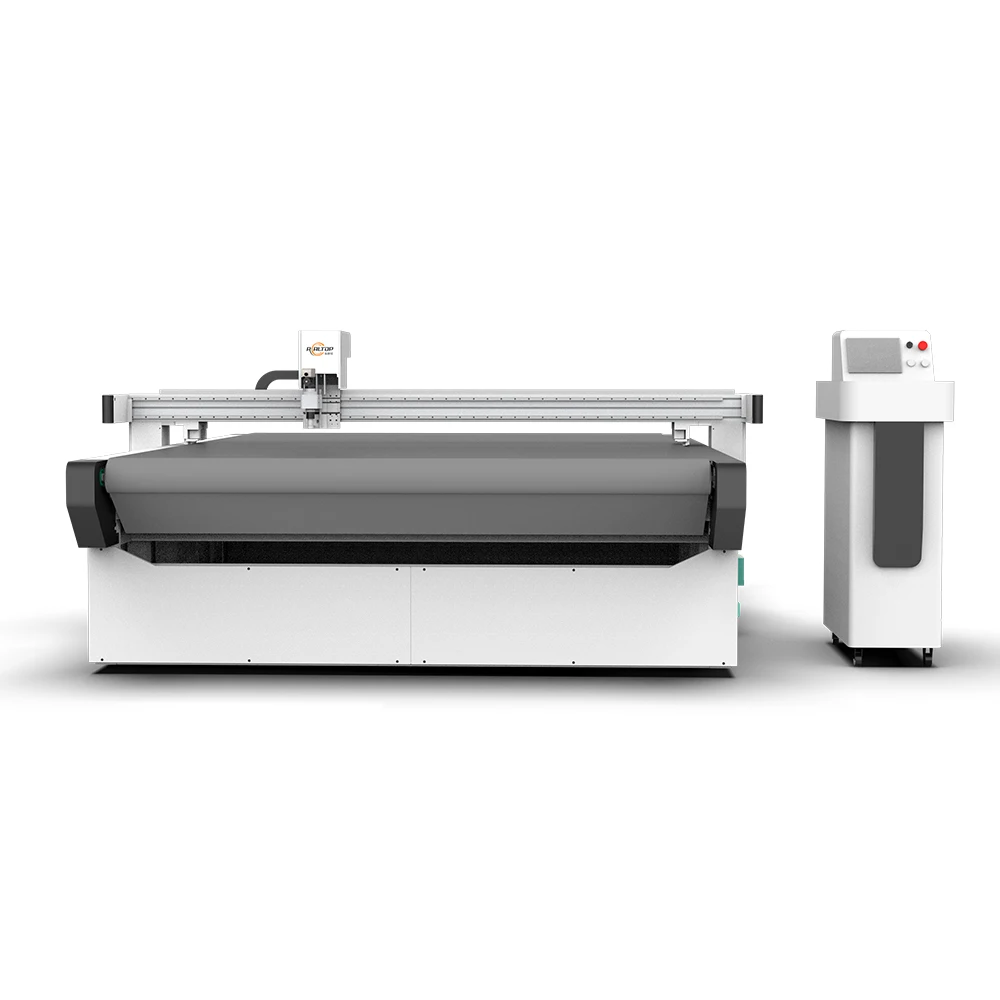
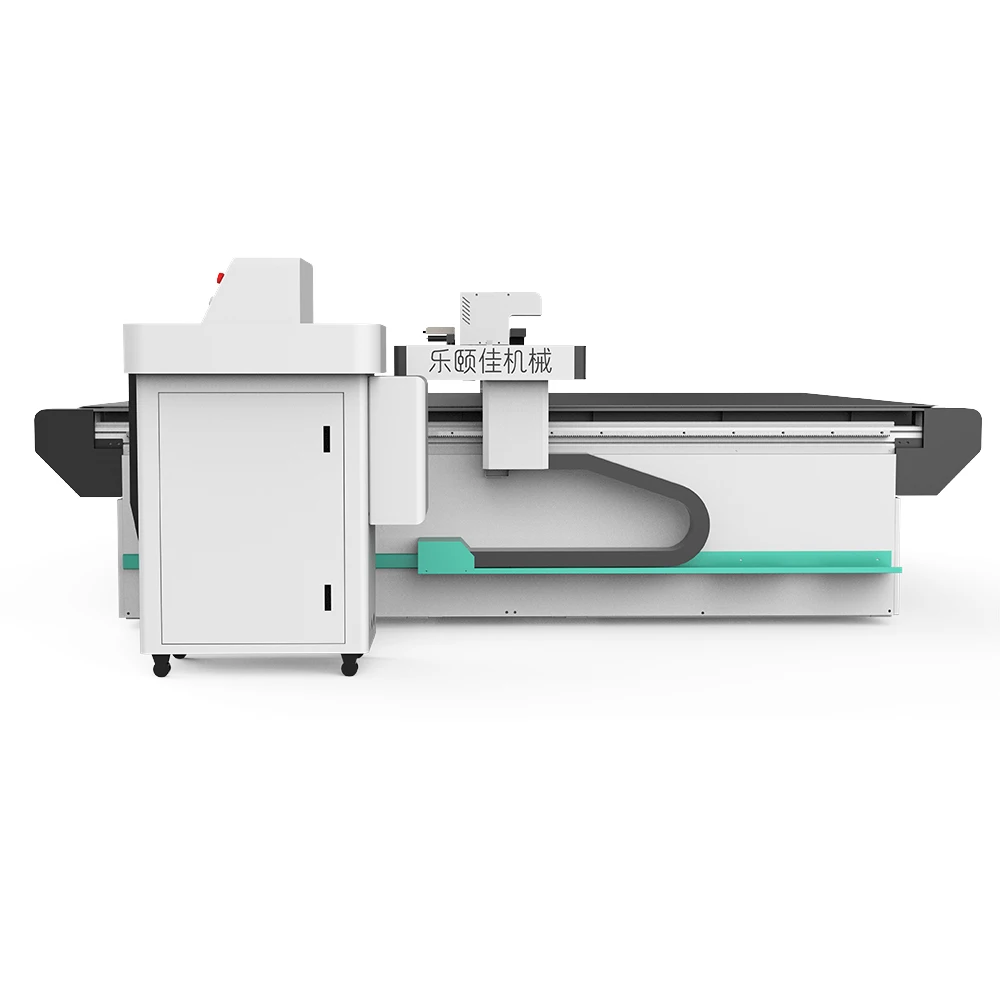
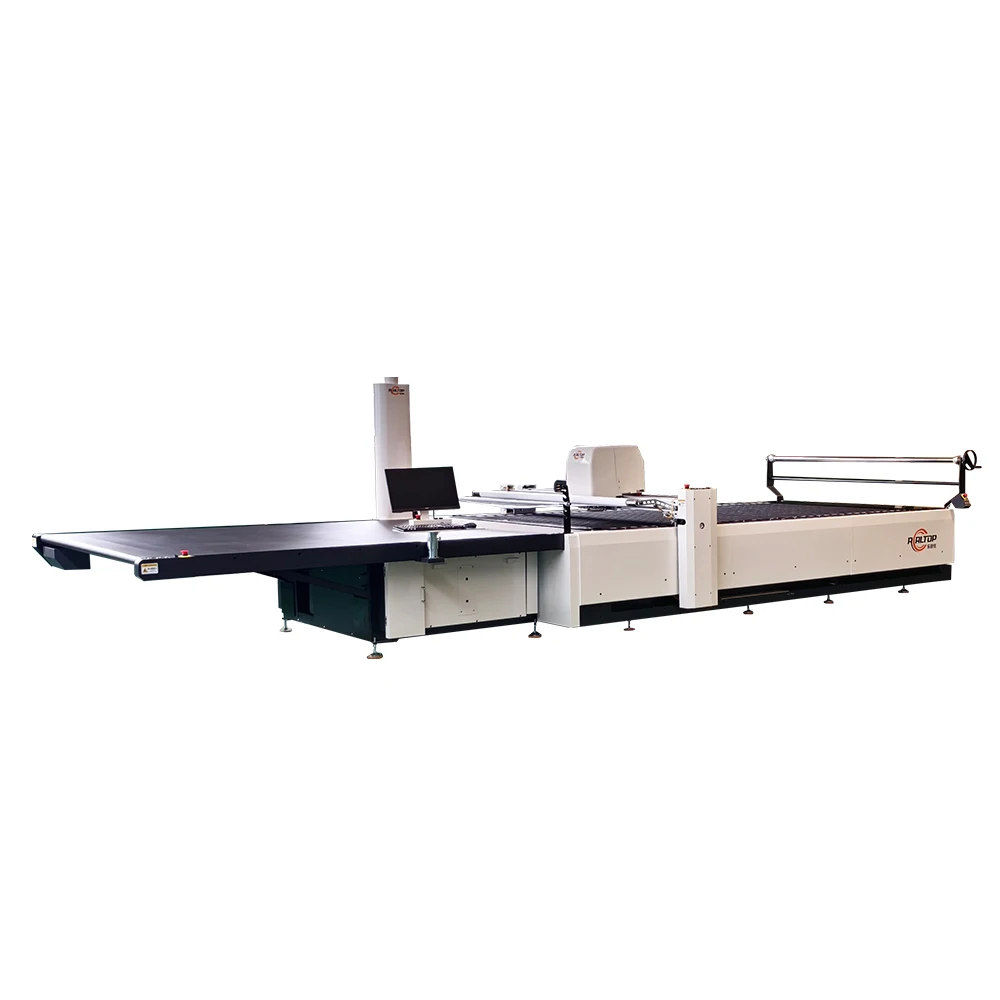
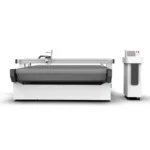
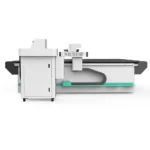
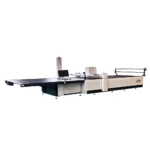
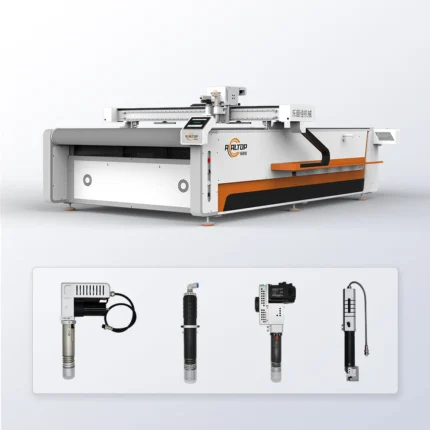
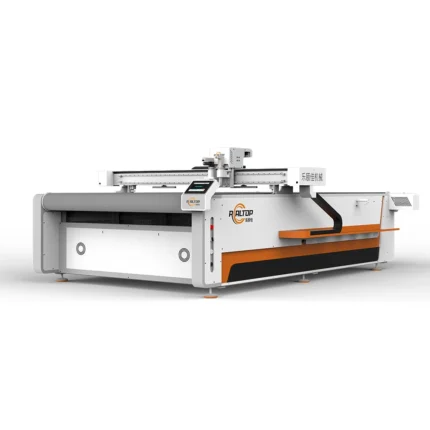
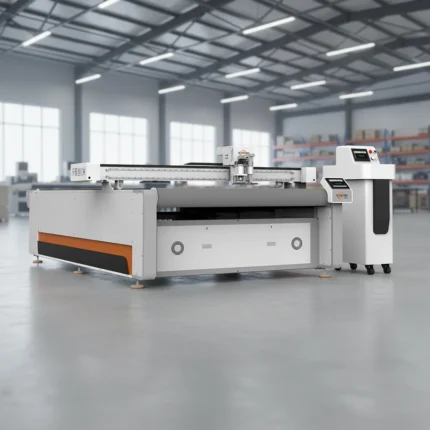
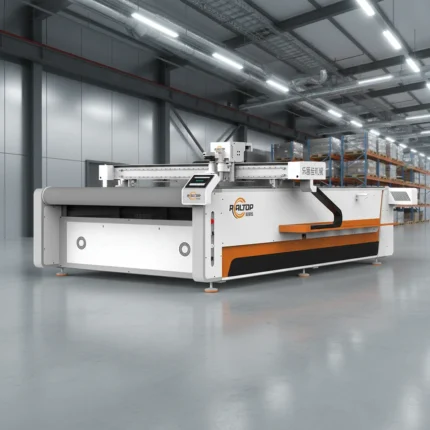
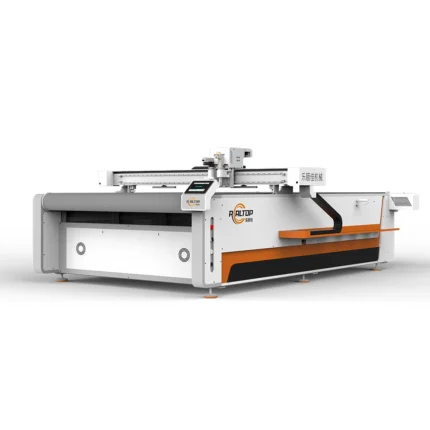
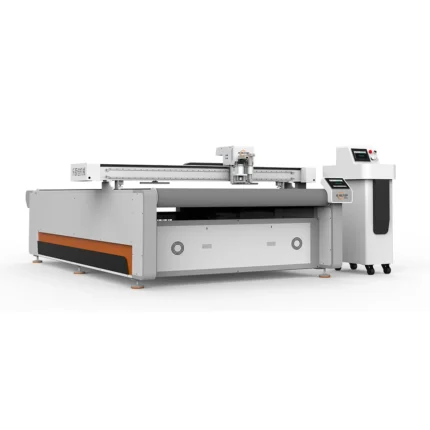
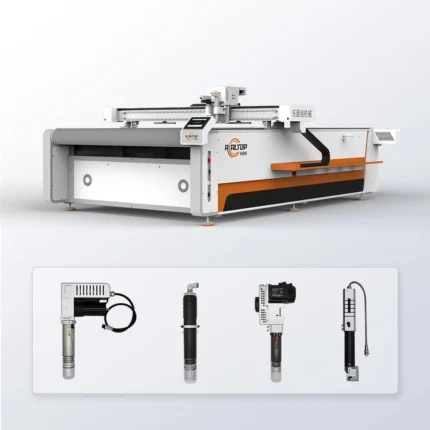
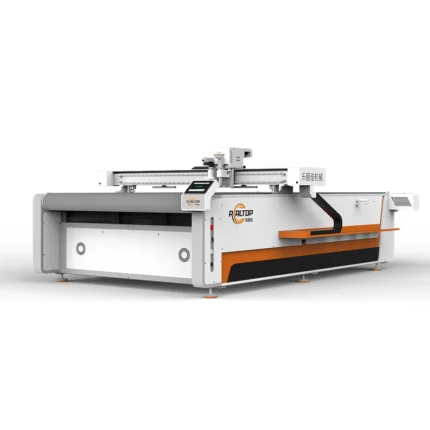
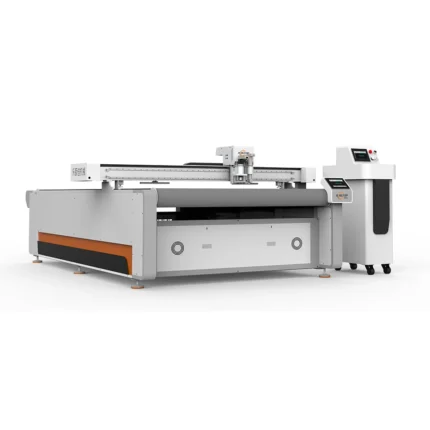
1625 CNC Oscillating Knife Cutting Machine, 1600×2500mm working area, ≤30mm cutting thickness — engineered for precise fabric, leather and composite material processing.
- Oscillating and driven rotary knife heads matched to material type, with aluminum bellows vacuum table and 9KW pump for stable multi-layer holding
- CCD contour recognition and PLC control with multi-language support ensure clean, scorch-free edges on textiles and automotive interiors
Sample cutting on your own material provided before commitment, with full electrical schematic and voltage confirmation for your market.
Laser Process Integration — Oscillating knife and rotary blade systems configured with verified material testing before specification lock-in.
Technical Specifications
| Parameter | Value |
|---|---|
| Product Type | CNC Oscillating Knife Cutting Machine |
| Model | 1625 |
| Working Area | 1600×2500 mm |
| Available Tool Heads | Oscillating knife, Driven rotary knife, Creasing wheel, Kiss cutting tool, Pneumatic knife, Milling tool, V groove knife |
| Cutting Speed | 0–2000 mm/s |
| Maximum Cutting Thickness | ≤ 30 mm |
| Cutting Accuracy | ±0.1 mm |
| Vacuum Pump | 9 kW |
| Vacuum Table | Aluminum bellows vacuum table |
| Control System | PLC control panel with intuitive interface |
| Servo Motor Options | Panasonic, Delta, Dorna |
| Supported File Formats | PLT, DXF, AI, PDF |
| Voltage Options | 110V, 220V, 380V (configurable) |
| Safety Devices | Infrared sensor device and emergency stop device |
| Machine Size | 3300×2100×1350 mm |
| Language Options | English, Russian, Italian, Chinese (customizable) |
| Compliance | CE (source value — verify against manufacturer catalog) |
Application Suitability
| Application | Material or Output |
|---|---|
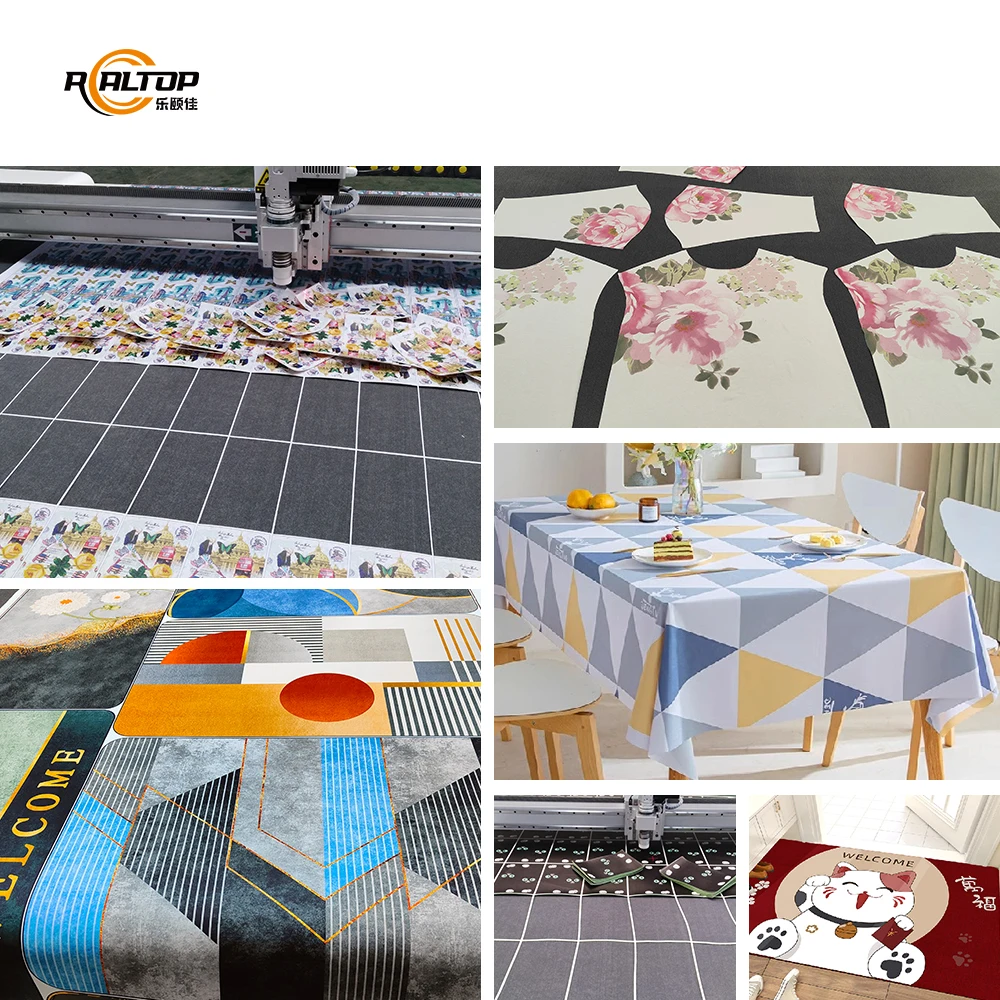
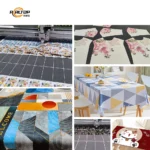
| Apparel manufacturing | Suits, knitwear, lace, complex fabrics with pattern-matching requirements |
| Automotive interiors | Seat fabrics, carpets, PVC mats requiring burr-free edges |
| Home textiles | Sofa fabrics, curtains, rugs processed in multi-layer stacks |
| Composite material processing | Carbon fiber prepreg, aramid, specialty reinforcement materials |
Why Cutting Depth Claims Fail on Real Textile Stacks
Continuous cutting capacity matters more than brochure speed ratings when you move from sample room to production floor.
I have watched buyers sign off on a machine after a successful single-ply demo, only to discover the tool head bogs down and produces ragged edges once they load a twelve-layer layup of automotive seat fabric. The issue is rarely the motor power on paper — it is the interaction between oscillation frequency, blade stroke, and the vacuum hold-down across the full working area. When the material lifts even slightly during a high-speed pass, accuracy drifts and the operator spends more time re-cutting than producing. This is where a CNC oscillating knife cutting machine laser process specifications must be evaluated against your actual layup height and daily volume, not a showroom sample. [NEED_CITE: textile cutting accuracy requirements for multi-layer layups in automotive upholstery]
Blade Selection and Material Behavior on the Cutting Bed
Fabric cutting is not a single-parameter operation. The oscillating knife handles woven and non-woven textiles at high speed, while the driven rotary knife is the correct choice for knits and stretch fabrics where a reciprocating blade would pull the material. This CNC oscillating knife cutting machine laser process specifications sheet lists seven tool head options, and the right selection depends entirely on your dominant material type and stack height. Running a creasing wheel over corrugated carton samples requires different downforce calibration than kiss-cutting vinyl for signage.
Vacuum Table Zoning and Small Part Stability
A 9 kW vacuum pump sounds adequate on a spec sheet, but the real question is how the aluminum bellows table divides suction across the 1600×2500 mm surface. Small pattern pieces — think collar stays, gussets, or gasket profiles — cover only a fraction of the bed, and an undivided vacuum zone lets air leak around the edges, reducing hold-down where you need it most. I have seen fabricators tape material to the table because the vacuum could not grip narrow strips, which defeats the purpose of a CNC oscillating knife cutting machine laser process specifications claim of ±0.1 mm accuracy. [NEED_CITE: vacuum table zoning practices for small-part retention on flatbed cutters]
Reading the Specifications Against Your Production Reality
Cutting speed is rated at 0–2000 mm/s, but that figure assumes a single-ply, low-density material on a flat trajectory. Complex contours on multi-layer stacks force the servo system to decelerate through curves, and the actual throughput depends on the nesting pattern, the number of tool changes, and the PLC control logic that manages acceleration profiles. The ±0.1 mm cutting accuracy holds when the vacuum is stable and the blade is fresh; once the edge dulls on abrasive composites like carbon fiber prepreg, accuracy degrades until the blade is swapped. Voltage configurability across 110V, 220V, and 380V means the servo drives and vacuum pump must be matched to your local supply before the machine leaves the factory — a mismatch here is not a simple transformer fix. The supported PLT, DXF, AI, and PDF file formats cover most pattern workflows, but if your nesting software outputs a proprietary format, compatibility must be confirmed before the order is placed.
The Hidden Cost of Wrong Tool Head Selection
Choosing a machine based on working area alone is how you end up with a system that cannot handle your material thickness or edge quality requirements. A pneumatic knife may slice through foam cleanly, but on dense rubber gaskets it crushes the edge rather than shearing it, producing parts that fail assembly fit checks. Buyers who skip the sample cutting step often discover these mismatches after the machine is installed, when return shipping and reconfiguration costs far exceed the price of upfront material testing. [NEED_CITE: material-specific tool head selection for oscillating and rotary knife cutting]
Why Source This Configuration Here
In-house design covers both knife and laser cutting technologies, so the cutting method matches the material rather than forcing one approach. Tool head and table configuration are specified per your material type and production volume, not selected from a fixed catalogue. Software compatibility is confirmed against your file formats and nesting workflow before the order is finalized. Voltage, control language, and safety device configuration are locked in during the specification stage, reducing installation surprises. Sample cutting on your own material is available before commitment, providing a physical report rather than a theoretical promise.
Documentation & Verification
- Electrical schematic and voltage confirmation matched to 110V, 220V, or 380V target supply
- Tool head and vacuum table configuration list specifying selected knife type and zoning layout
- Sample cutting report on buyer’s fabric or composite material with edge quality photographs
- PLC control system operation and maintenance manual in selected language option
- Software licence and file format compatibility note for PLT, DXF, AI, or PDF workflow
- Factory test record demonstrating cutting accuracy and speed on specified material stack
Installation, Commissioning & Support
- Floor space allocation for 3300×2100 mm machine footprint plus operator access clearance
- Dedicated electrical circuit matching confirmed voltage at 110V, 220V, or 380V with stable frequency
- Assembly of aluminum bellows vacuum table sections and 9 kW pump connection on site
- First-run calibration of selected tool head against buyer’s material thickness up to 30 mm
- PLC control panel operator training covering nesting import and tool path adjustment
- Spare blade and oscillating knife consumables inventory aligned with daily cutting volume
Preparing Your Inquiry
To get a configuration that matches your production floor rather than a generic quote, share your primary material types, typical layup thickness, and maximum sheet dimensions. Specify your local voltage and frequency, preferred control language, and the file formats your existing nesting software exports. If your application involves multi-layer cutting of automotive seat fabrics or composite prepreg, request sample cutting on your actual material before the specification is finalized.
Frequently Asked Questions
Q: How do I verify cutting accuracy on multi-layer textile stacks before ordering?
A: Request a sample cutting report run on your specific fabric type and layup height. The report should document edge quality, dimensional deviation from the pattern file, and any material lifting observed during the cut. This physical evidence replaces theoretical ±0.1 mm claims with results from your actual production material.
Q: What determines whether I need an oscillating knife or a driven rotary knife?
A: The choice depends on your dominant material. Oscillating knives suit woven textiles, leather, and composites at higher speeds, while driven rotary knives handle knits and stretch fabrics without pulling or fraying. Your daily material mix and stack height determine which tool head should be primary on the machine.
Q: Can the vacuum table hold small pattern pieces securely during cutting?
A: The aluminum bellows vacuum table with a 9 kW pump provides strong adsorption, but small parts require proper zoning to prevent air leakage around unused bed areas. Confirm the zoning layout matches your typical nesting pattern so that suction concentrates where pieces are actually positioned.
Q: What electrical preparations are needed at my facility before delivery?
A: The machine supports 110V, 220V, and 380V configurations, but the correct voltage must be specified before production so that servo motors and the vacuum pump are matched to your supply. A dedicated circuit with stable frequency is required, and the electrical schematic confirms breaker rating and wiring gauge.
Q: Which file formats does the control system accept from nesting software?
A: The PLC control panel imports PLT, DXF, AI, and PDF profiles directly. If your nesting workflow uses a different output format, compatibility must be verified during the specification stage to avoid post-delivery software conversion issues or workflow interruptions.


Related products
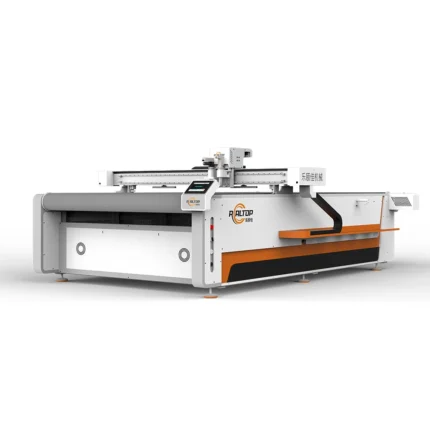
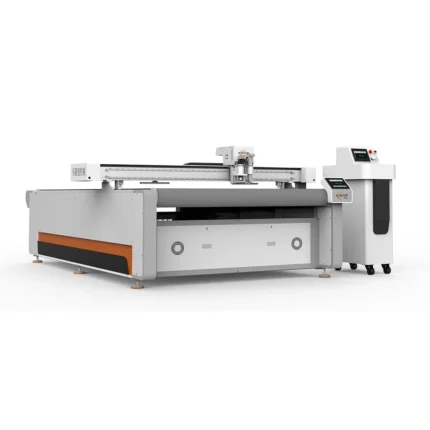
Máquina cortadora automática de lona de PVC 2026
Product Introduction
High-performance Automatic PVC Tarpaulin Cutter Machine 2026, ideal for precise and efficient cutting of PVC tarpaulin materials, designed for industrial manufacturing needs with reliable operation and user-friendly control.Product Parameters
| Model | 2026 |
| Type | Automatic PVC Tarpaulin Cutter |
| Application | PVC Tarpaulin Cutting |
| Feature | Precise & Efficient Cutting |
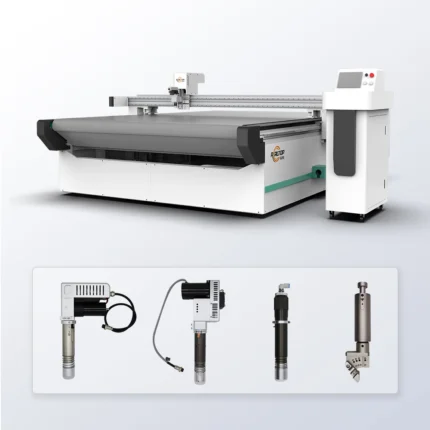
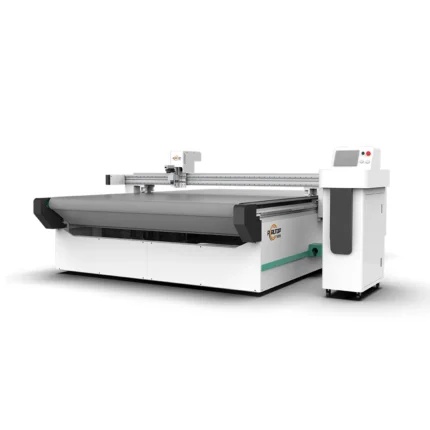
Cortadora de cuchilla oscilante de mesa plana 2026, 1600x3500 mm, textil con alimentación automática
Product Overview
Flatbed Oscillating Knife Cutting Machine 2026 is a high-precision textile fabric cutter with auto-feeding function, ideal for efficient and accurate cutting tasks in textile manufacturing. It combines advanced oscillating knife technology with a large working area to meet industrial production needs.Key Specifications
| Model | 2026 |
| Working Area | 1600x3500mm |
| Feeding System | Auto-Feeding |
| Cutting Type | Oscillating Knife |
| Application | Textile Fabric |
CNC Oscillating Knife Cutting Machine 2026 3000¡Á1600mm High-Speed
Product Parameters
| Model | CNC Oscillating Knife Cutting Machine 2026 |
| Working Area | 3000mm¡Á1600mm |
| Cutting Type | Oscillating Knife |
| Application | Fabric Cutting |
| Feature | High-Speed |
Introduction
High-performance CNC oscillating knife cutting machine with 3000mm¡Á1600mm working area, ideal for high-speed fabric cutting. Precision and efficiency for professional textile processing needs.
Sistema de Cuchilla Vibratoria CNC 2026 para Prepreg No Tejido de Poliéster y Nailon
Product Introduction
CNC Vibration Knife System 2026 is ideal for cutting polyester, nylon, non-woven fabrics, and prepreg materials with precision and efficiency, suitable for industrial manufacturing needs.Product Parameters
| Model | 2026 |
| CNC Vibration Knife | |
| Materials | Polyester, Nylon, Non-Woven, Prepreg |
商品评价
There are no reviews yet.