


Multi Layers CNC Digital Textile Cutting Machine for Fabric – Manufacturer
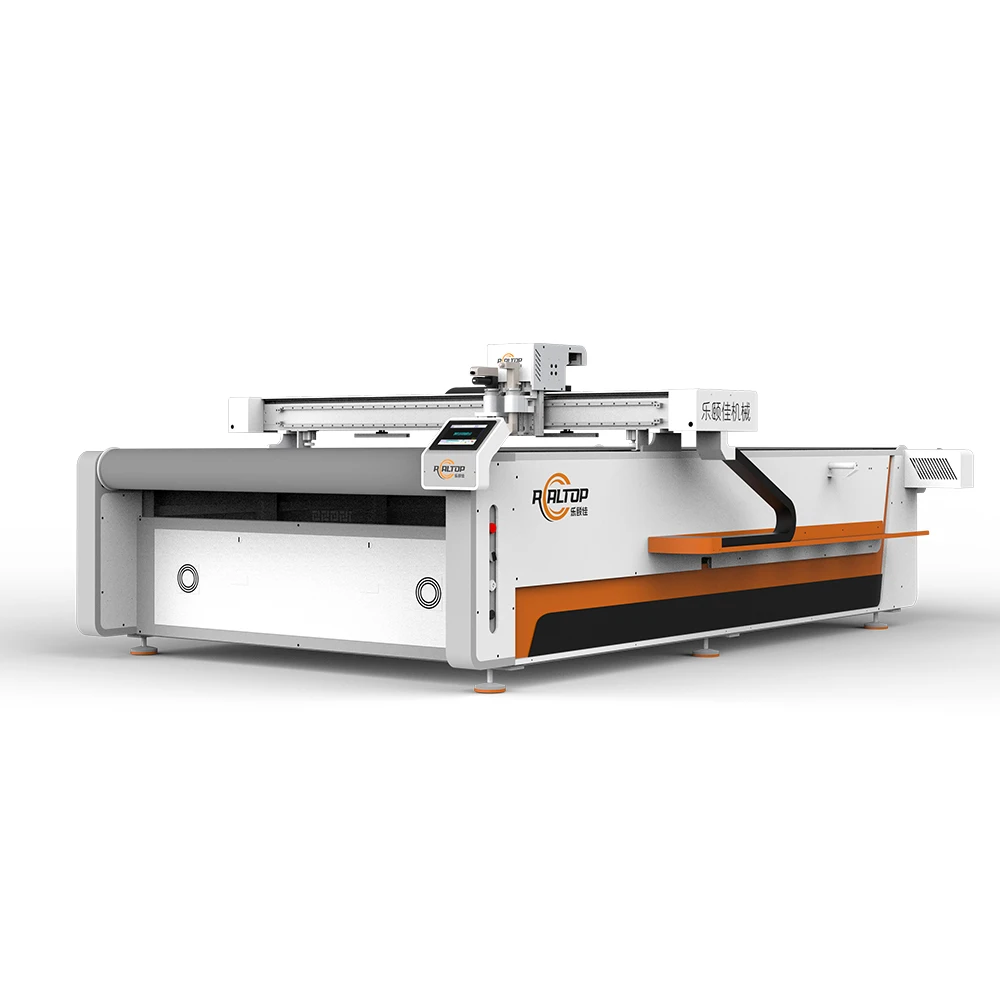
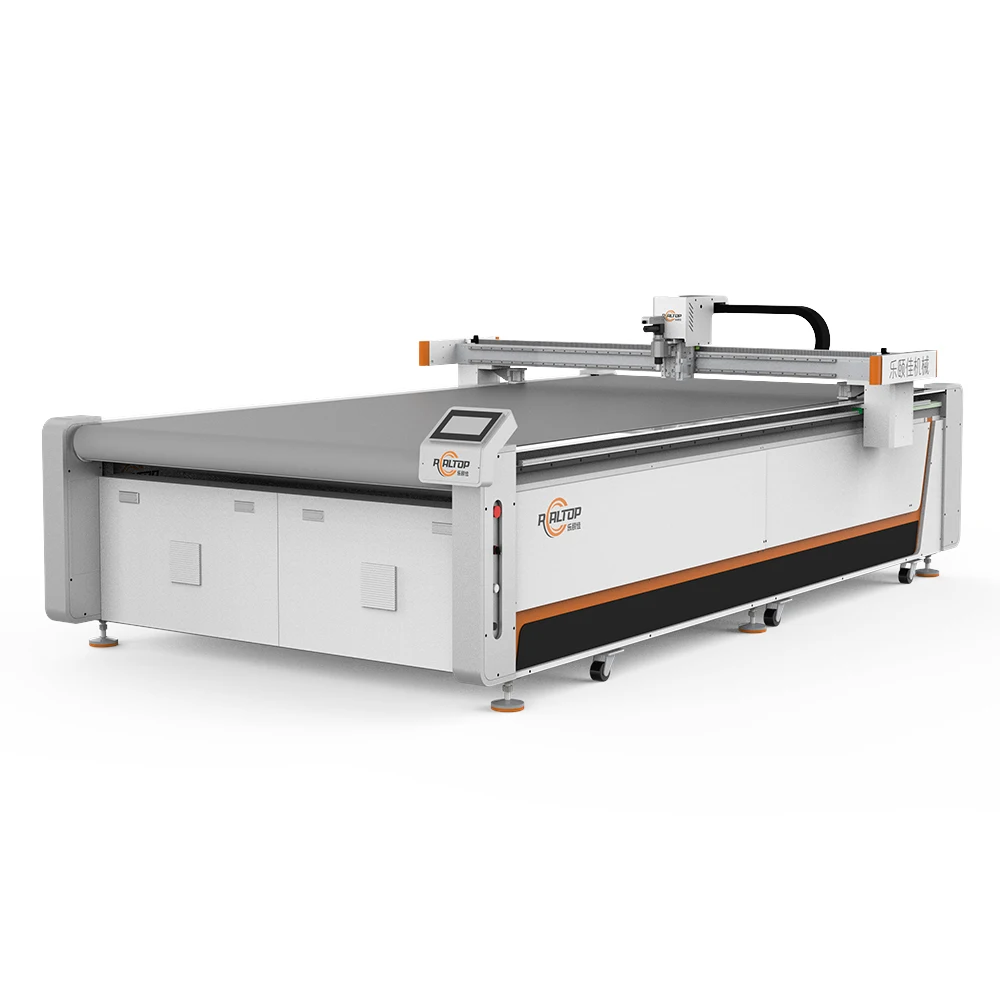
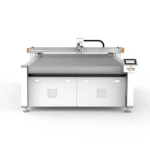
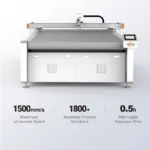
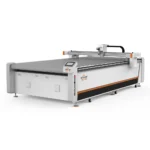
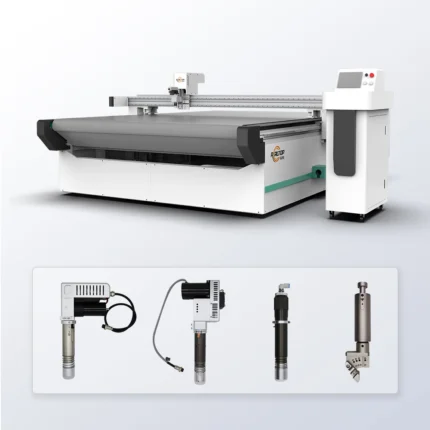
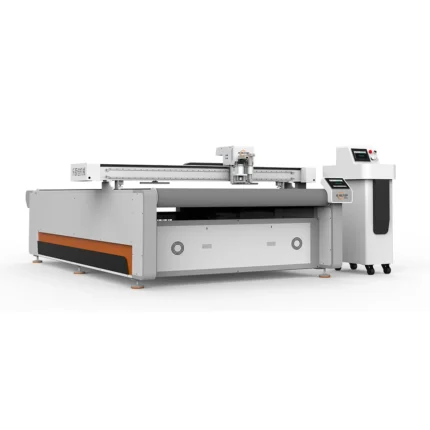
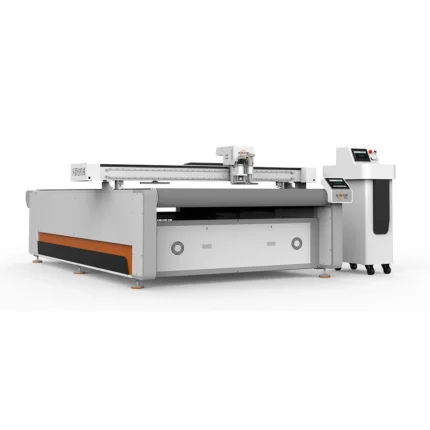
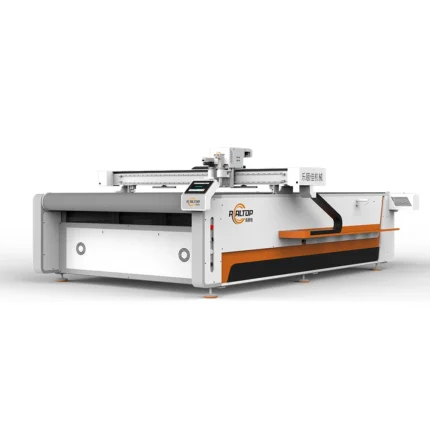
RT-D2516/RT-S2516 CNC Digital Textile Cutting Machine, 1600×2500mm Working Area, 9kW Rated Power — engineered for multi-layer fabric and leather processing with Swiss imported oscillating knife heads and CCD panoramic camera positioning.
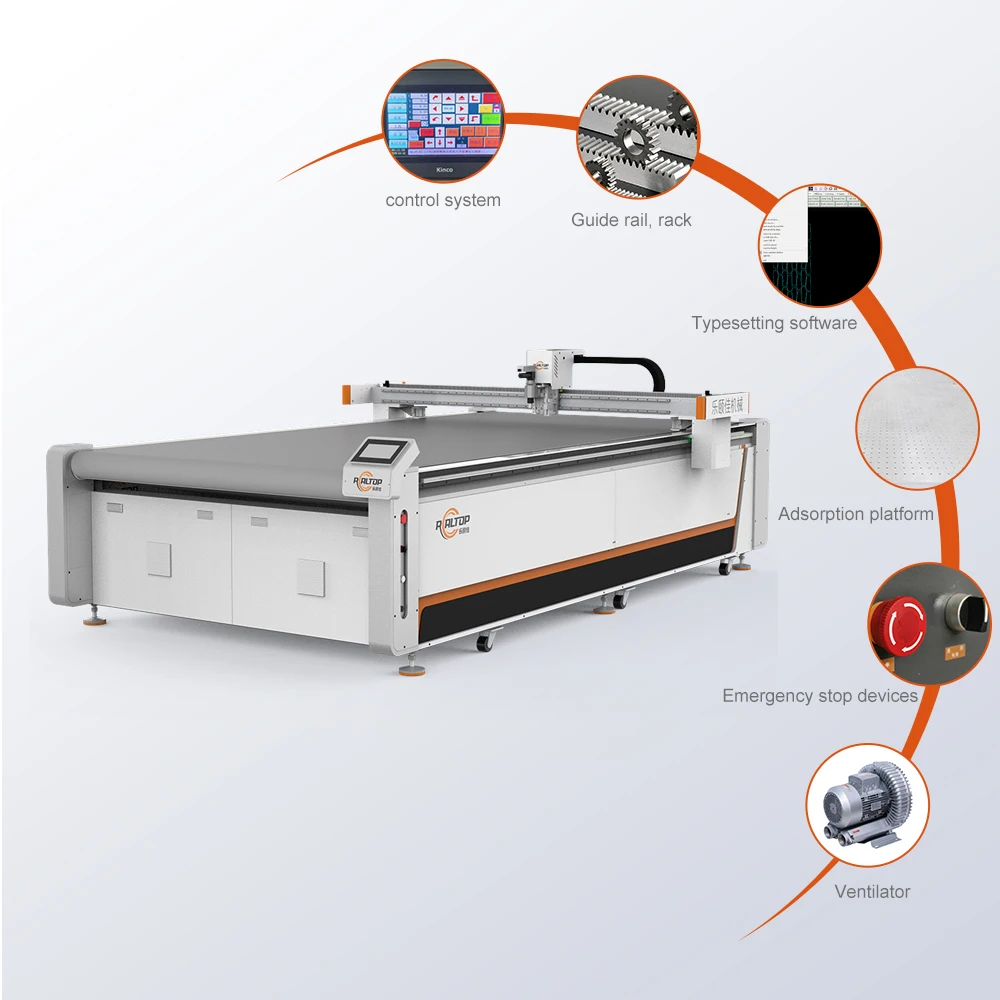
- Delta servo motors with ≤0.1mm repeated accuracy ensure clean edges across garment, automotive interior and footwear materials
- Magnesium-aluminum alloy vacuum table with PVDF coating delivers stable adsorption during high-speed textile cutting runs
- Auto typesetting software supports PLT, DXF and AI formats with multi-language touch screen control
Sample cutting on your own fabric available before order, with voltage, plug and software compatibility confirmed to your facility requirements.
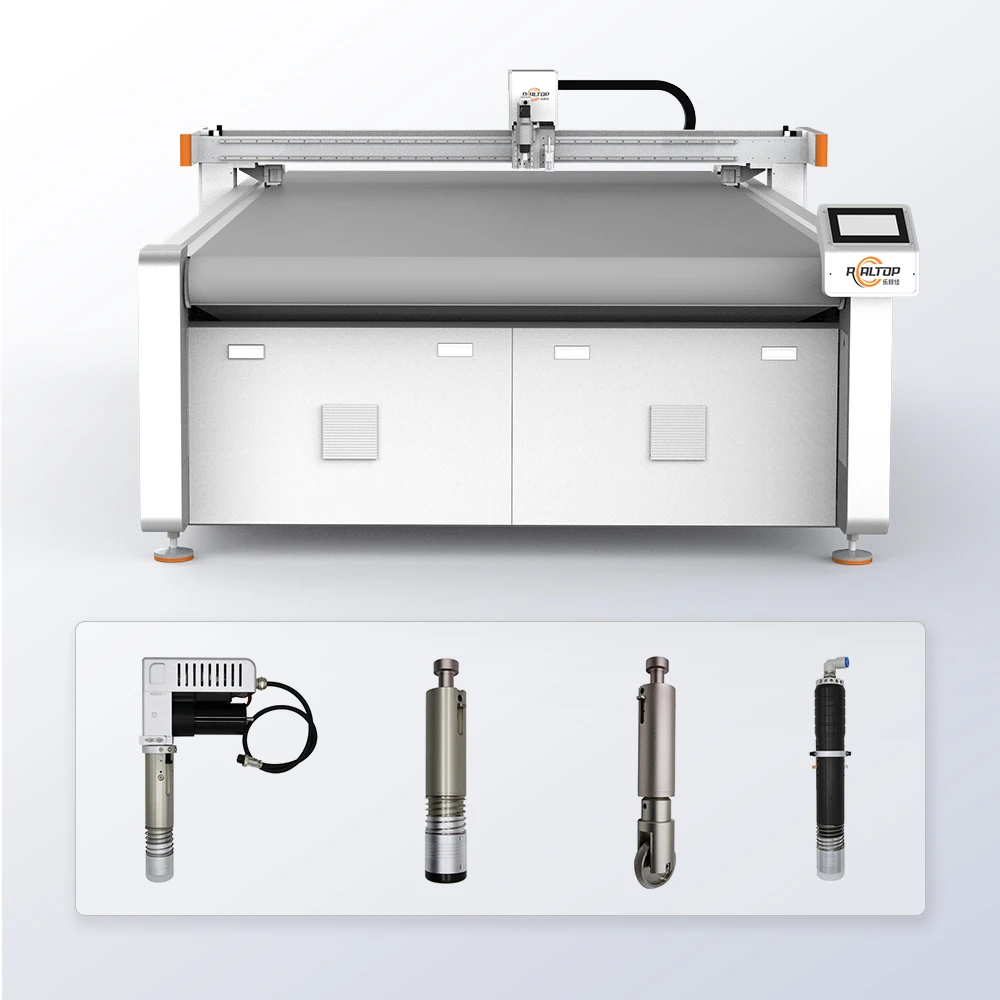
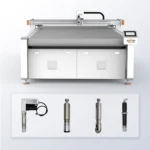
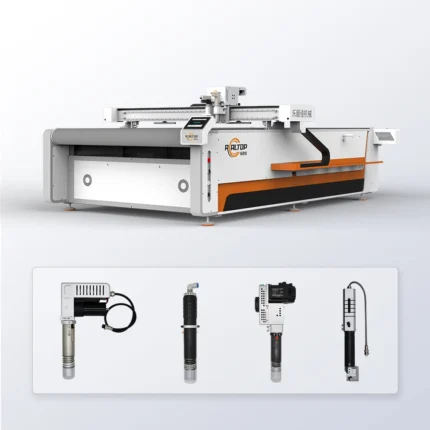
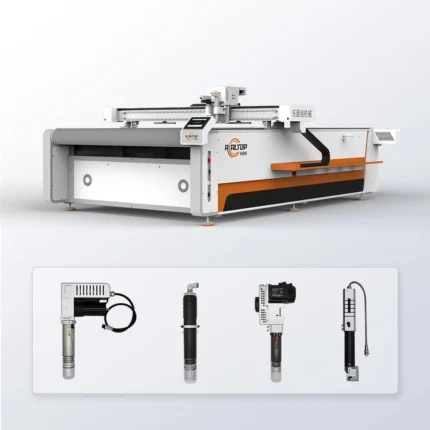
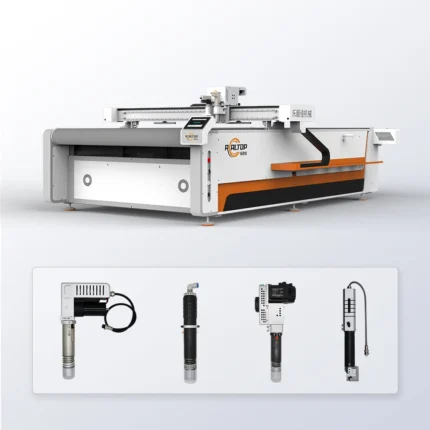
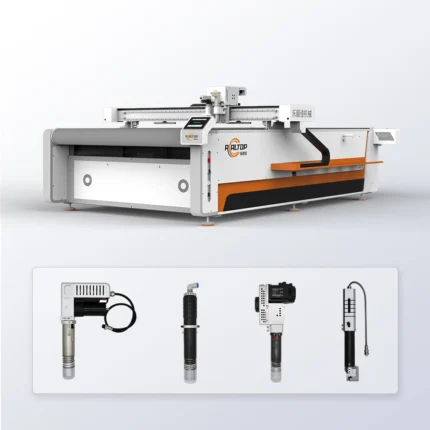
Precision-Configured Tool Heads — Every oscillating knife, drag knife and vacuum zone is specified against your actual fabric sample before the RT-D2516/RT-S2516 leaves our Jinan factory.
Technical Specifications
| Parameter | Value |
|---|---|
| Model | RT-D2516/RT-S2516 |
| Product Type | CNC Digital Textile Cutting Machine |
| Working Area | 1600 × 2500 mm |
| Machine Dimensions | 3450 × 2300 × 1250 mm |
| Rated Power | 9 kW |
| Vacuum Pump Power | 7.5 kW |
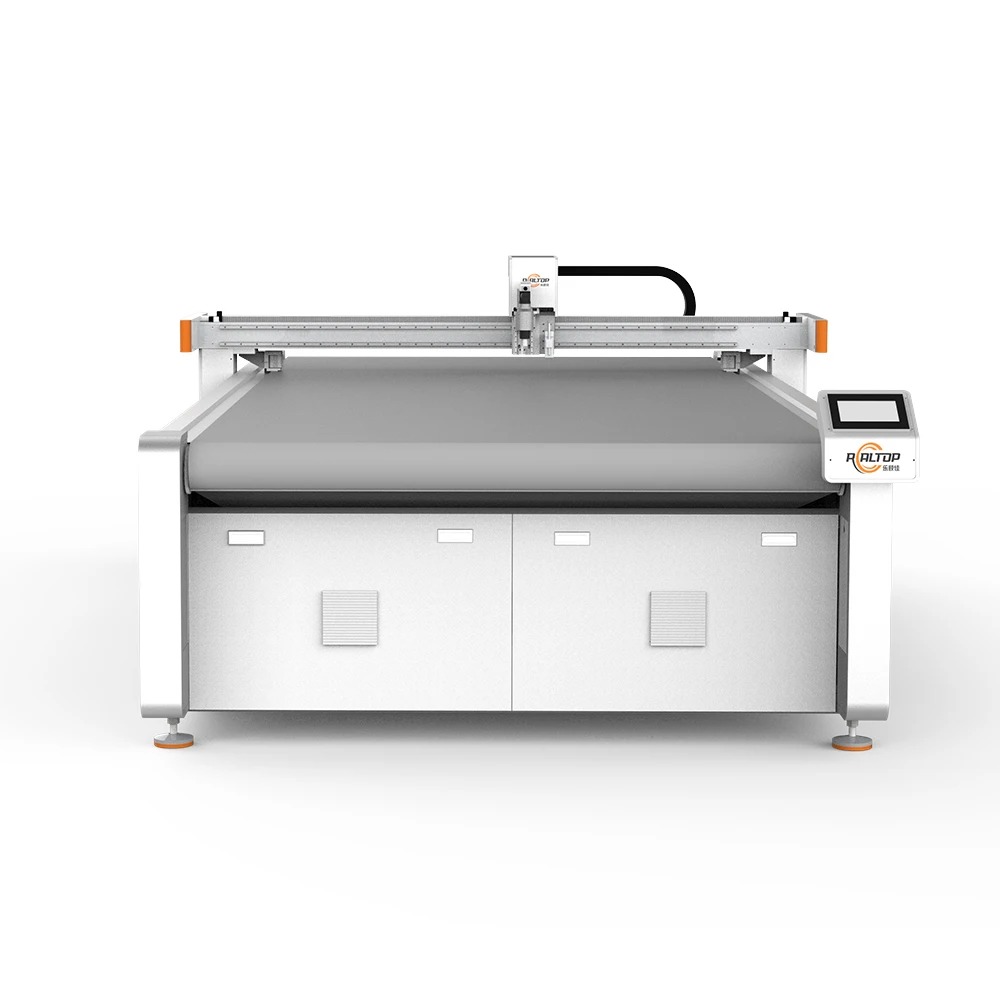
| Table Configuration | Flatbed working table or auto-feeding conveyor (Germany imported belt) |
| Tool Head Options | Oscillating knife, pneumatic knife, high-power vibrating knife, circular knife, V-cutting knife, drag knife, creasing wheel, dotted line knife, punch, brush |
| Swiss Knife Functions | Vibration full cutting, vibration half cutting, cursor location |
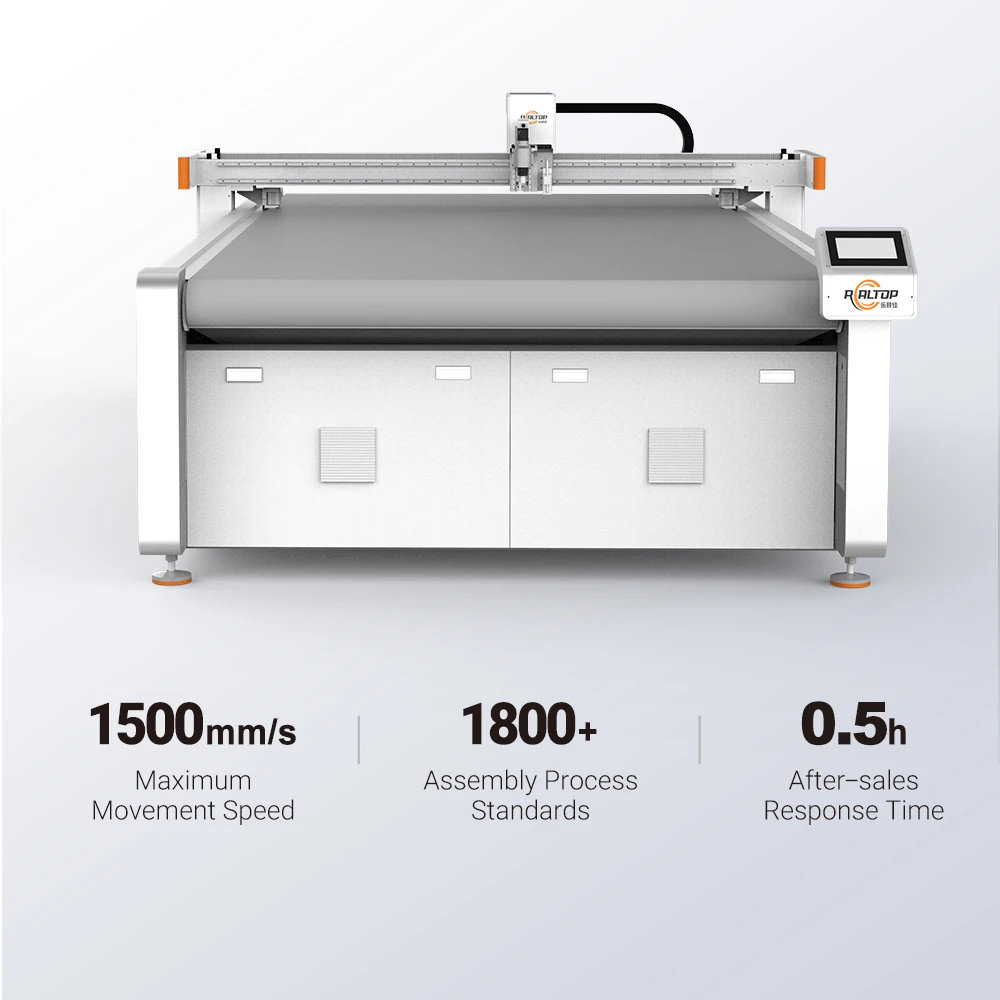
| Translational Velocity | 800–2000 mm/s |
| Cutting Speed | 200–800 mm/s (material dependent) |
| Cutting Thickness | Up to 100 mm (varies with material density and tooling) |
| Repeated Positioning Accuracy | ≤0.1 mm |
| Transmission System | Digital servo motor, linear guide, synchronous belt, ball screw |
| Servo Motor Brand | Delta (Panasonic optional) |
| Guide Rail | Taiwan Hiwin |
| Vacuum Table Surface | Magnesium-aluminum alloy with fluorocarbon PVDF powder spraying, anodic and hard oxidation |
| Visual Positioning Options | Small CCD mark-point, panoramic camera recognition, projection positioning |
| Control Interface | Touch screen, multi-language (English, Russian, Italian, Chinese; others customizable) |
| Software Compatibility | Auto typesetting; PLT, DXF, AI file import |
| Instruction Format | HP-GL compatible |
| Voltage | 380V ±10% |
| Safety Devices | Infrared sensors, anti-collision, emergency stop |
| Assembly State | Fully assembled at factory |
| Certification | CE |
Application Suitability
| Application | Material or Output |
|---|---|
| Garment pattern cutting | Woven cotton, polyester blends, denim, lining fabric |
| Multi-layer textile stack cutting | Non-woven fabric, knitted interlock, fleece |
| Automotive interior panels | Leather, synthetic PU, composite fabrics for seats and door trims |
| Footwear component cutting | Shoe upper material, EVA midsole, reinforced textile |
| Luggage and bag production | Nylon, canvas, PU-coated fabric, XPE foam |
| Soft furnishings and carpets | Upholstery cloth, carpet, sponge, foam board |
| Industrial gasket and sealing | PTFE, ETFE, rubber, fiberglass, PE, PP |
| Advertising and packaging samples | Sticker, film, corrugated cardboard, plastic box |
Why CCD Contour Recognition Fails on the Production Floor
Many textile buyers discover that a camera system tested on a single static sheet cannot keep pace when the conveyor is running and the fabric is shifting under the knife. The RT-D2516/RT-S2516 addresses this with three visual positioning modes — small CCD mark-point, panoramic camera recognition and projection positioning — so the cutting method matches the print complexity rather than forcing one approach.
When a panoramic camera loses registration at line speed, the result is miscut pattern pieces that must be sorted and discarded, wasting both fabric and operator time. [NEED_CITE: material yield loss from registration errors in textile cutting] Matching the positioning mode to the print quality and fabric behavior eliminates this hidden waste before it reaches the cutting table.
Choosing the Right Camera Mode for Your Fabric
A small CCD mark-point camera works well when the printed registration marks are clean and consistently placed, typical of sublimation-printed polyester for sportswear. The panoramic camera handles larger printed panels where marks may shift between feed cycles, such as digitally printed home furnishing fabrics. Projection positioning overlays the cut path directly onto the material, giving the operator a visual check before the knife engages — useful when cutting expensive leather hides where every square centimeter counts. Selecting the correct positioning mode is as critical as choosing the knife itself, and the RT-D2516/RT-S2516 supports all three so a CNC laser cutting and engraving machine manufacturer can offer a single platform across varied textile workflows.
Vacuum Table Zoning and Fabric Behavior
Flat lightweight fabrics like chiffon or single-knit jersey are prone to lifting at the edges when vacuum suction is applied uniformly across a 1600 × 2500 mm bed. The magnesium-aluminum alloy table on the RT-D2516/RT-S2516 uses a PVDF-coated, hard-oxidized surface that can be zoned to concentrate suction only under the cutting area. [NEED_CITE: vacuum zoning requirements for lightweight textile cutting] This keeps the material flat without pulling surrounding fabric out of position, which is especially important during multi-layer stack cutting where a shifted bottom layer means the entire stack must be re-laid.
Reading the Specification Sheet Against Real Cutting Conditions
The 9 kW rated power covers the servo drives, vacuum pump and control systems under normal operating conditions; buyers in regions with unstable grid supply should confirm whether a voltage stabilizer is needed upstream of the 380V ±10% input. The Delta servo motors (with Panasonic as an option) deliver the repeated positioning accuracy of ≤0.1 mm, but actual edge quality also depends on the tool head chosen — a high-power vibrating knife will slice through dense composite foam cleanly, while a circular knife suits continuous single-ply fabric runs. Cutting speed ranges from 200 to 800 mm/s depending on material density and thickness, so a buyer cutting 80 mm EVA foam should expect speeds at the lower end of that band. The Taiwan Hiwin guide rails and ball screw transmission maintain this accuracy over long production runs, reducing cumulative drift that would otherwise show up as mismatched pattern pieces. [NEED_CITE: guide rail maintenance intervals in dusty textile environments]
The Cost of Wrong Tool Head and Table Combinations
Selecting a drag knife for multi-layer synthetic fabric may produce acceptable edges on the top ply while crushing and fusing the bottom layers, a defect often discovered only after the pieces reach the sewing line. An undersized vacuum pump or insufficient table zoning allows small cut parts to lift and shift mid-cycle, forcing the operator to stop, clear debris and restart the nest. [NEED_CITE: rework rates from incorrect tooling selection in fabric cutting] These failures do not appear in the machine specification sheet but show up directly on the production floor as delayed shipments and excess material consumption.
Why Source the RT-D2516/RT-S2516 Here
In-house design covers both knife and laser cutting technologies, so the buyer can match the cutting method to the material rather than being forced into a single process. Tool head and table configuration are specified per material type and daily production volume, not left as a generic package. CCD camera positioning mode is confirmed against the buyer’s printed samples before the order is finalized. Software file format compatibility — PLT, DXF, AI — is verified against the buyer’s existing nesting workflow. Voltage, plug type and control panel language are locked in before production begins. Sample cutting on the buyer’s own fabric is conducted and reported before shipment commitment.
Documentation & Verification
- Machine specification sheet listing all selected tool heads and table zones
- Electrical schematic with confirmed voltage and plug configuration for destination country
- Sample cutting report on buyer-supplied fabric showing edge quality and dimensional accuracy
- Factory test record with actual cutting runs on specified material thickness
- Software license and file format compatibility note for buyer’s nesting system
- Operation and maintenance manual in confirmed control panel language
Installation, Commissioning & Support
- 3450 × 2300 mm footprint requires level concrete floor with clearance for conveyor feed and off-cut removal
- 380V ±10% three-phase supply with dedicated circuit breaker rated for 9 kW continuous load plus 7.5 kW vacuum pump
- Machine ships fully assembled; only conveyor belt tensioning and vacuum hose connection required on site
- First-run commissioning includes vacuum zone mapping, servo calibration and CCD registration test on buyer fabric
- Operator training covers tool head changeover, nesting software import and auto-typesetting workflow
- Spare blade and knife holder inventory sized to match daily cutting volume and material abrasiveness
Preparing Your Inquiry
Send fabric samples with the exact material composition, weight per square meter and whether the material is single-ply or will be cut in multi-layer stacks. Specify your daily cutting volume, the file formats your design team currently outputs, and the local voltage and frequency at your facility. Confirm the control panel language your operators require and whether you need sample cutting on your own material before committing to the order.
Frequently Asked Questions
Q: How does the CCD positioning system perform with different fabric patterns and printing qualities?
A: The RT-D2516/RT-S2516 offers three positioning modes. Small CCD mark-point suits clean, consistent registration marks on sublimation prints. Panoramic camera recognition tracks larger panels where marks may shift between feeds. Projection positioning overlays the cut path onto the material for visual verification. We test all three against your printed samples before recommending the right mode.
Q: What is the maximum cutting thickness for textile materials and how does it affect speed?
A: The cutting thickness reaches up to 100 mm depending on material density and the tool head selected. Dense composite foam at full thickness will run closer to 200 mm/s, while single-ply woven cotton can run at the upper end of the 800 mm/s range. We confirm the speed-thickness balance during sample cutting on your specific fabric.
Q: Can the auto-feeding system handle different fabric weights without material shifting?
A: The Germany-imported conveyor belt on the auto-feeding variant works with the vacuum table zones to hold fabric flat during feed cycles. Lightweight fabrics like chiffon require tighter zone control, while heavier materials like canvas rely more on belt friction. Belt tension and vacuum zone mapping are adjusted during commissioning to match your material range.
Q: How does the nesting software integrate with existing production workflows?
A: The auto-typesetting software imports PLT, DXF and AI files directly. We verify file compatibility with your current design output before the order is confirmed and can adjust the nesting parameters — grain direction, piece spacing, common-line cutting — to match your material yield targets and downstream sorting process.
Q: What maintenance does the Swiss knife system and vacuum table require in continuous textile production?
A: Blade replacement intervals depend on material abrasiveness; fiberglass and composite fabrics wear blades faster than cotton or polyester. The PVDF-coated vacuum table surface resists adhesive buildup from sticky materials like PU and EVA. The maintenance manual included with each machine specifies inspection cycles for the knife holder, guide rails and vacuum filter based on your production hours.


Related products
Máquina de corte automático de tela 1200mm Delta Servo 2026
Product Parameters
| Cutting Width | 1200mm |
| Servo System | Delta Servo |
| Model Year | 2026 |
Introduction
High-performance Automatic Fabric Cutting Machine with 1200mm cutting width, equipped with Delta Servo for precision. Ideal for efficient fabric processing in textile industry, ensuring accurate and fast cutting operations.
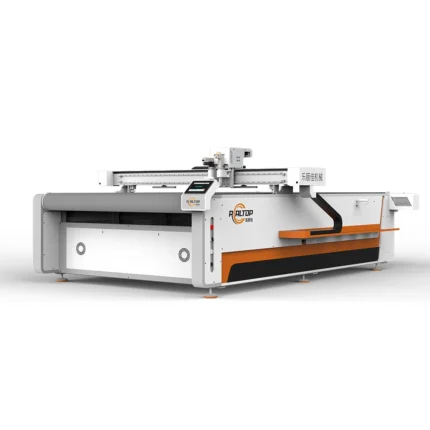
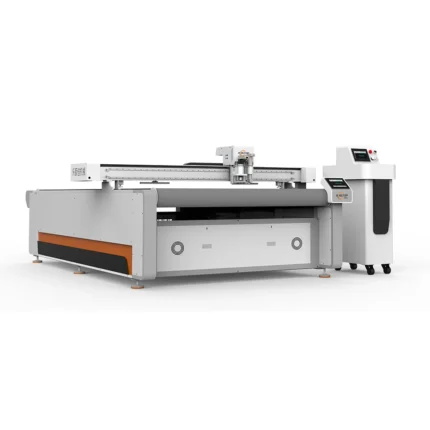
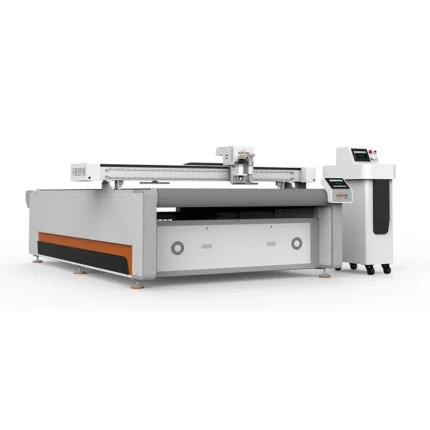
CNC Oscillating Knife Cutting Machine 2026 3000¡Á1600mm High-Speed
Product Parameters
| Model | CNC Oscillating Knife Cutting Machine 2026 |
| Working Area | 3000mm¡Á1600mm |
| Cutting Type | Oscillating Knife |
| Application | Fabric Cutting |
| Feature | High-Speed |
Introduction
High-performance CNC oscillating knife cutting machine with 3000mm¡Á1600mm working area, ideal for high-speed fabric cutting. Precision and efficiency for professional textile processing needs.
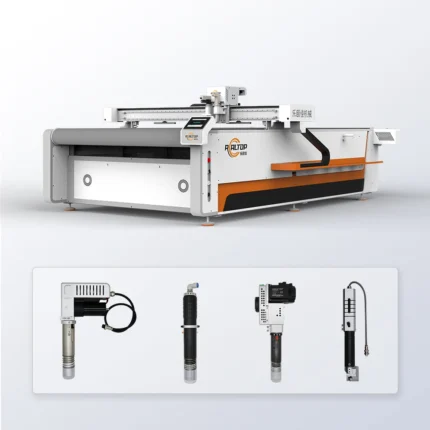
Sistema de Cuchilla Vibratoria CNC 2026 para Prepreg No Tejido de Poliéster y Nailon
Product Introduction
CNC Vibration Knife System 2026 is ideal for cutting polyester, nylon, non-woven fabrics, and prepreg materials with precision and efficiency, suitable for industrial manufacturing needs.Product Parameters
| Model | 2026 |
| CNC Vibration Knife | |
| Materials | Polyester, Nylon, Non-Woven, Prepreg |
Máquina CNC personalizada de corte de tela para camisetas 2026
Product Introduction
Custom CNC Shirt Fabric Cutting Machine 2026, ideal for precise fabric cutting in garment manufacturing, offering efficient and accurate cutting solutions.
Product Parameters
| Model | Custom CNC Shirt Fabric Cutting Machine 2026 |
| Type | CNC Fabric Cutting Machine |
| Application | Shirt Fabric Cutting |
| Year | 2026 |
Máquina de corte de tela de alta velocidad 2026 con cuchilla oscilante redonda
Product Overview
High Speed Fabric Cutting Machine 2026 with round and oscillating knife for efficient fabric cutting. Ideal for textile manufacturing and related industries.Key Specifications
| Cutting Type | Round & Oscillating Knife |
| Model Year | 2026 |
| Application | Fabric Cutting |
| Feature | High Speed Performance |

Jinan Realtop Máquina de Corte de PVC 2026 Certificado CE
Product Introduction
Jinan Realtop PVC Cutting Machine 2026 is a CE-certified cutting solution, ideal for precise PVC material processing. Designed for efficiency and reliability in industrial applications.Product Parameters
| Model | 2026 |
| Certification | CE Certified |
| Application | PVC Cutting |
| Manufacturer | Jinan Realtop |
商品评价
There are no reviews yet.