






Oscillating Knife CNC Cutter for Packaging – Specifications
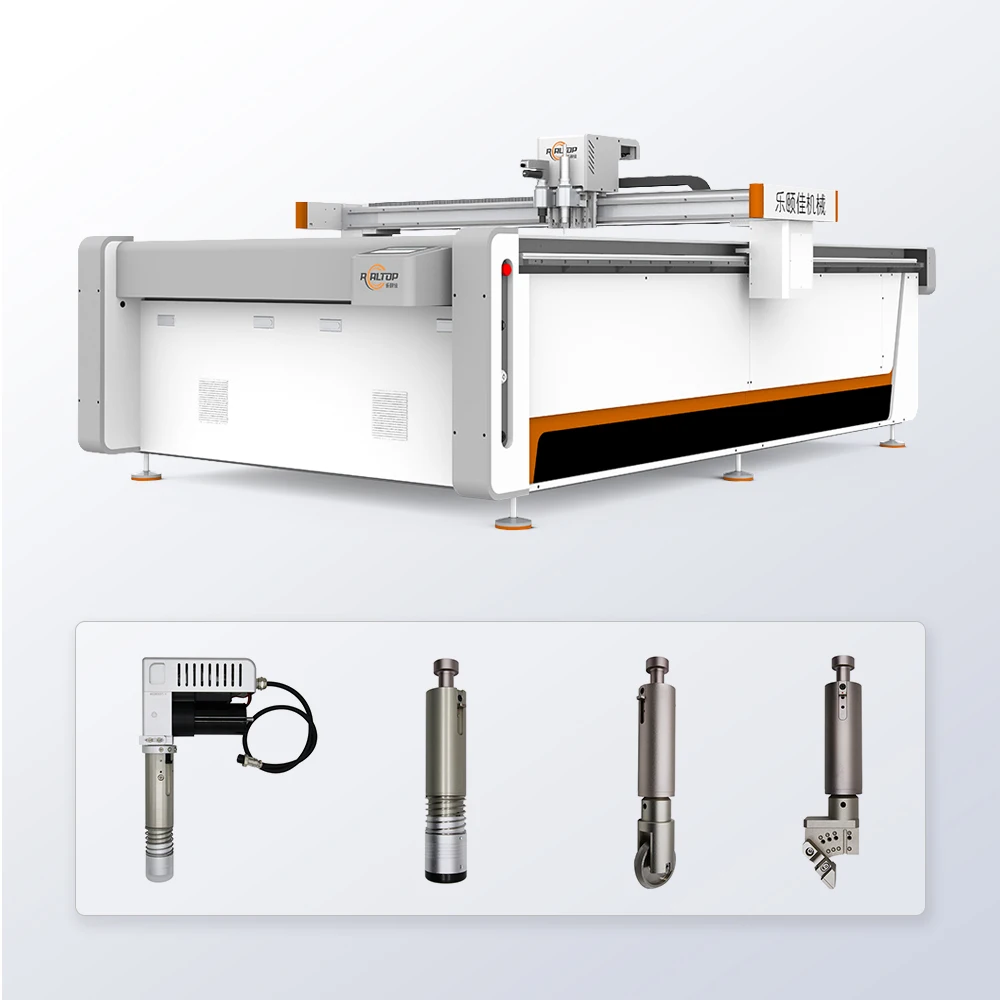
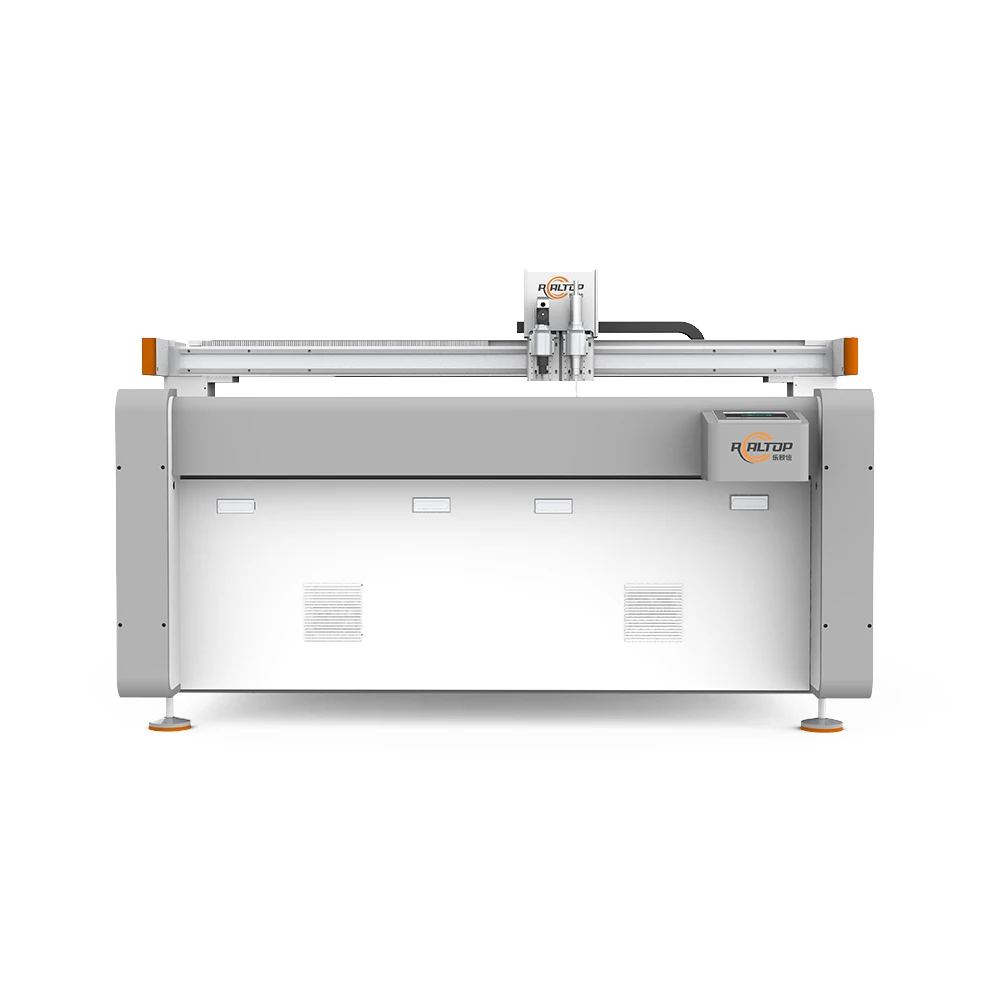
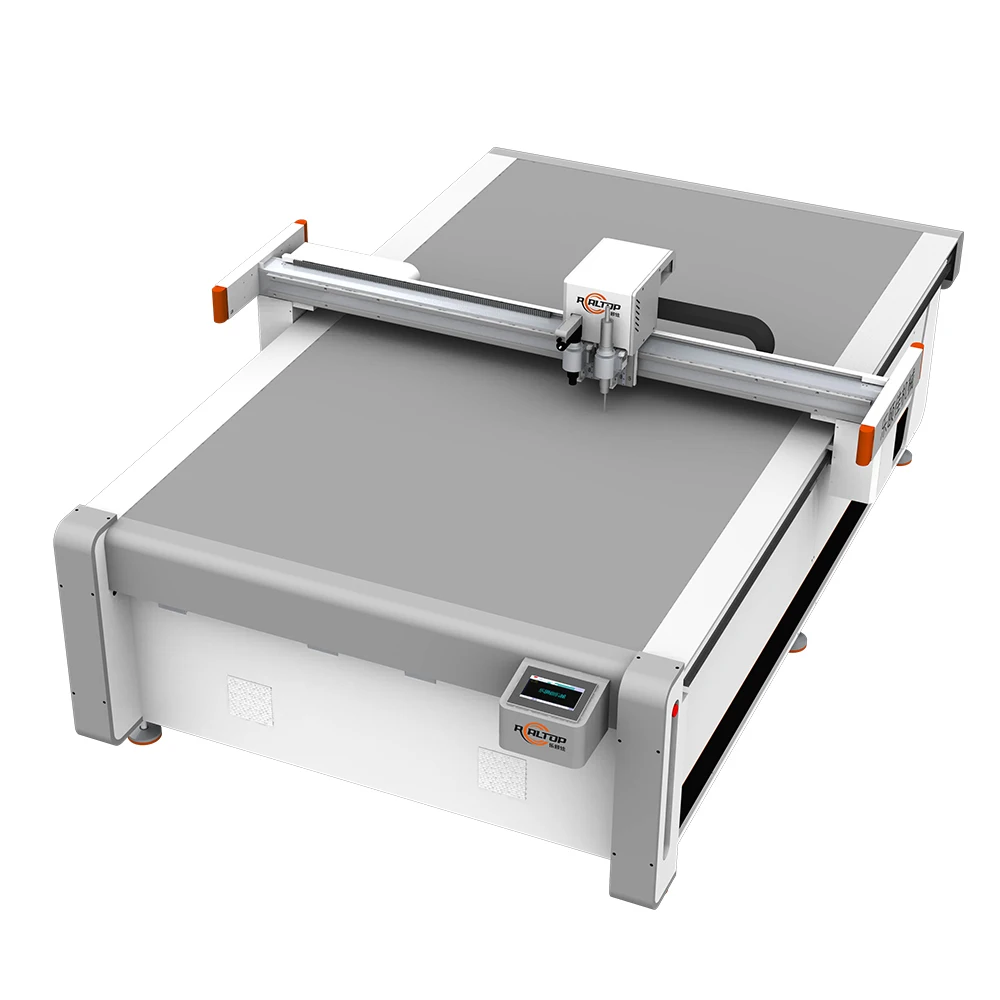
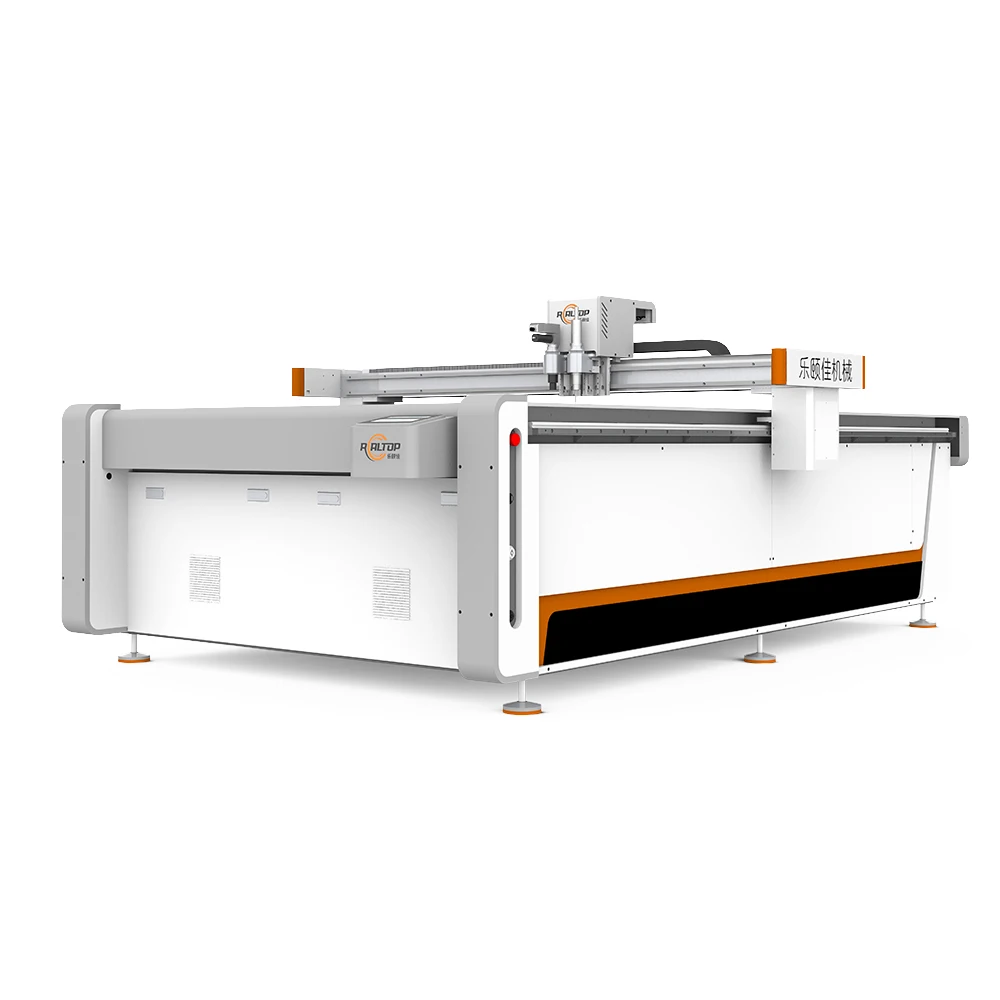
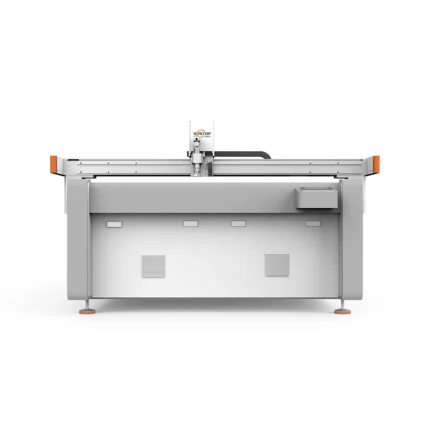
1625 CNC Oscillating Knife Cutting Machine, 1600×2500mm working area, ±0.1mm accuracy — configured for packaging and carton sample production with interchangeable tool heads including oscillating knife, creasing wheel, and V-groove knife.
- Aluminum bellows vacuum table with 9 kW pump secures corrugated board and foam materials during cutting
- PLC control panel with dedicated packaging structure design software supports PLT, DXF, AI, and PDF file formats
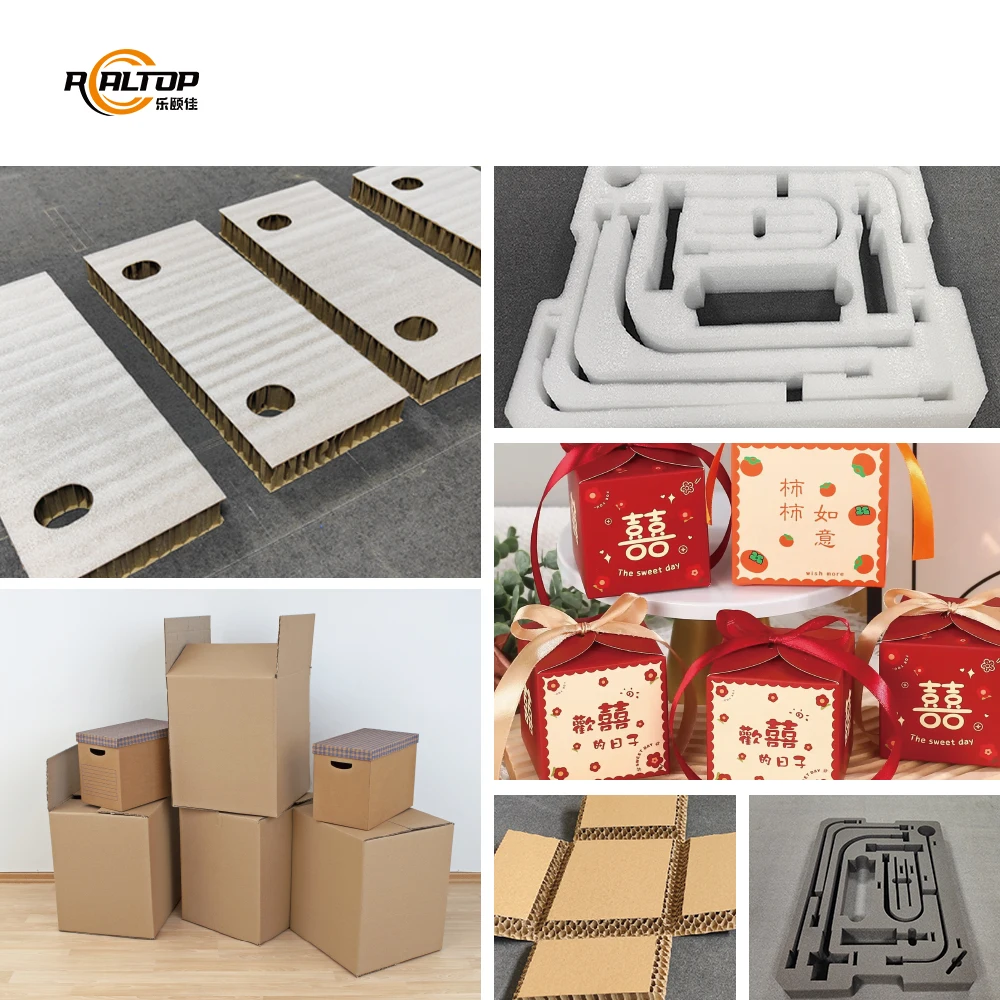
- Handles E-flute, B-flute, BC-flute corrugated cardboard, greyboard, EVA foam, and composite packaging substrates
Sample cutting performed on your own packaging material before order confirmation, with tool head configuration matched to your specific substrate and thickness requirements.
Tool Head Matched to Material — We run sample cuts on the buyer’s actual packaging stock before the 1625 leaves the factory, confirming knife type, blade pressure, and table zoning against real substrate density.
Technical Specifications
| Parameter | Value |
|---|---|
| Model | 1625 |
| Product Type | CNC Oscillating Knife Cutting Machine |
| Working Area | 1600 × 2500 mm |
| Tool Head Options | Oscillating knife, Driven rotary knife, Creasing wheel, Kiss cutting tool, Pneumatic knife, Milling tool, V-groove knife |
| Cutting Speed | 0–1500 mm/s |
| Cutting Thickness | ≤ 40 mm (basis not stated in source — confirm material type and density) |
| Cutting Accuracy | ±0.1 mm |
| Vacuum Table | Aluminum bellows vacuum table |
| Vacuum Pump Power | 9 kW |
| Control System | PLC control panel |
| File Format Compatibility | PLT, DXF, AI, PDF |
| Software | Dedicated packaging box structure design software included |
| Servo Motor Options | Panasonic, Delta, Dorna |
| Voltage Options | 110V, 220V, 380V (frequency to be confirmed per market) |
| Safety Features | Infrared sensor device, emergency stop |
| Machine Dimensions (L×W×H) | 3300 × 2100 × 1350 mm |
| Language Options | English, Russian, Italian, Chinese; custom languages available |
| Certification | CE |
Application Suitability
| Application | Material or Output |
|---|---|
| Packaging sample making | Corrugated cardboard (E-flute, B-flute, BC-flute), greyboard, cardstock |
| Carton prototyping and short runs | Art paper, specialty paper, adhesive-backed laminates |
| Foam packaging inserts | EVA foam, EPE foam, PU foam — cold-cut without crushing |
| Protective packaging components | Rubber mats, non-woven fabric, velvet and fleece liners |
| Thin-gauge plastic packaging | PVC and PET sheets for blister and clamshell prototypes |
| Leather and synthetic packaging | Genuine leather, synthetic leather for premium box wraps |
| Composite material conversion | Multi-layer composites and adhesive-backed packaging substrates |
Why Specified Cutting Thickness Alone Misleads Packaging Buyers
A 40 mm rating means nothing without knowing your corrugated flute profile and board density.
I spent weeks in a Mexican carton plant watching a machine stall on double-wall BC-flute because the board was denser than the samples we originally tested. The oscillating knife couldn’t punch through cleanly, half the creases tore, and their sample turnaround dropped from same-day to three days. Every corrugated grade behaves differently under a blade, and the laser cutting and engraving machine manufacturer you choose should verify cutting depth on your stock, not just quote a headline number. [NEED_CITE: corrugated board density variation across flute profiles]
How Tool Head Selection Determines Edge Quality on Packaging Stock
The 1625 supports seven interchangeable tool heads on one platform, and the right choice depends entirely on what you are cutting. An oscillating knife handles standard corrugated and greyboard cleanly, while a driven rotary knife suits continuous curves on thin cardstock where a reciprocating blade would chatter. The creasing wheel scores fold lines without cutting through, and the V-groove knife removes material for rigid box corners. A laser cutting and engraving machine manufacturer offering only one cutting method forces you to compromise; having knife and crease tools on the same table means a sample box finishes in one setup.
Vacuum Table Zoning and Small-Part Holding During Short-Run Production
The aluminum bellows vacuum table paired with the 9 kW pump secures flat stock across the full 1600 × 2500 mm bed, but packaging sample making often involves cutting small gussets, tabs, and inserts that sit on only a fraction of the surface. Without proper zoning, those small pieces lift under the knife and produce ragged edges or shift mid-cut. [NEED_CITE: vacuum holding requirements for small nested parts on flatbed cutters] Confirming that the table zones match your typical nesting layout prevents lift problems before the machine ships.
Reading the Specs That Actually Affect Your Packaging Output
Cutting accuracy of ±0.1 mm across the full bed matters when you are scoring crease lines that must align with printed graphics — a drift of even half a millimeter on a folding carton renders the sample useless for client approval. The PLC control panel drives the tool head selection and feed parameters, and the included packaging box structure design software imports PLT, DXF, AI, and PDF files directly, eliminating the need for manual re-drawing. Servo motor options from Panasonic, Delta, or Dorna determine positioning repeatability; higher-grade servos maintain tighter registration during long nesting runs where hundreds of cuts follow a single file load. The 0–1500 mm/s speed range lets you slow the blade for dense BC-flute and accelerate through single-face E-flute without changing hardware.
The Cost of Shipping Without Confirming Voltage and Plug Configuration
I once watched a machine sit idle for six weeks in a Central American plant because the local supply was 220V/60Hz and the unit arrived wired for 380V/50Hz. The 1625 is configurable for 110V, 220V, or 380V, but frequency and plug type must be locked in before the electrical panel is assembled. Retrofitting a transformer on-site adds cost and introduces a failure point that voids warranty coverage. [NEED_CITE: electrical supply standards and frequency by Latin American market]
Why Buyers Source This Equipment Here
In-house design and production means the knife tooling, vacuum system, and software are developed together rather than bolted on from separate vendors, so compatibility issues surface during engineering, not on your production floor. Tool head and table configurations are specified per your material and volume, not pulled from a default catalog. CCD camera positioning is available for printed contour work when your packaging requires cut-to-print registration. Software compatibility with your existing file formats is confirmed before the order is placed, and sample cutting on your own corrugated or foam stock runs before anything ships.
Documentation & Verification
- Factory test record on your corrugated flute profile and board density before dispatch
- Electrical schematic and voltage confirmation matched to your facility supply and frequency
- Tool head and table zoning configuration list tied to your specific packaging substrates
- Sample cutting report documenting edge quality and crease depth on your material
- Software licence and file format compatibility note covering PLT, DXF, AI, and PDF workflows
- Operation and maintenance manual in your selected control language
Installation, Commissioning & Support
- Floor space requirement of approximately 3300 × 2100 mm plus operator clearance around the 1625 bed
- Dedicated electrical circuit matching confirmed voltage (110V/220V/380V) and frequency before machine arrival
- Machine ships partially assembled; rail alignment and vacuum table leveling completed on-site
- First-run parameter calibration for your specific flute profile and cutting speed conducted during commissioning
- Operator training covers PLC panel navigation, tool head changeover, and emergency stop procedures
- Spare blade and creasing wheel inventory sized to your daily sample volume and material abrasiveness
What to Include in Your Inquiry
Tell us the specific corrugated flute profiles, board grades, and foam densities you work with most often, along with typical sheet dimensions and daily sample volume. Confirm your facility voltage and frequency, and let us know which file formats your design team currently uses so we can verify software compatibility before quoting. If you can send physical samples of your stock, we will run cutting tests and return a full report before you commit.
Frequently Asked Questions
Q: How do I verify cutting thickness capacity for my specific corrugated or foam material?
A: Send us physical samples of your actual board stock, including flute profile and density data. We run cutting tests on the 1625 with the tool head matched to your substrate, then provide a sample report documenting edge quality, cutting speed, and any blade pressure adjustments needed. This eliminates guesswork before the machine ships.
Q: Which tool head suits my packaging substrate best?
A: Oscillating knives handle standard corrugated and greyboard. Driven rotary knives suit thin cardstock with continuous curves. Creasing wheels score fold lines without penetrating, and V-groove knives remove material for rigid box construction. We recommend the combination based on your specific material stack and confirm it during sample testing.
Q: What voltage and plug configuration do I need to confirm before shipment?
A: The 1625 supports 110V, 220V, and 380V configurations, but you must confirm both voltage and frequency for your facility. Plug type and local electrical codes also need to be specified. We lock these details before assembling the electrical panel to avoid costly on-site modifications or transformer installations.
Q: Is the software compatible with my existing design and nesting workflow?
A: The included packaging structure design software imports PLT, DXF, AI, and PDF files. We verify compatibility with your current file formats and nesting routines before the order is placed. If your workflow uses proprietary formats, we test import and conversion during the pre-sale stage to confirm integration.
Q: How do I arrange sample cutting on my own material, and what does the report cover?
A: Ship us representative samples of your packaging stock — corrugated board, foam, or composites — in the thickness and density you run daily. We test cutting, creasing, and kiss-cutting on the 1625, then return a report covering edge quality, achievable speed, tool head selection, and any configuration recommendations specific to your substrates.


Related products
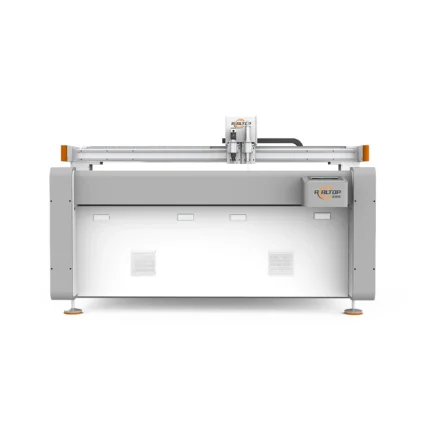
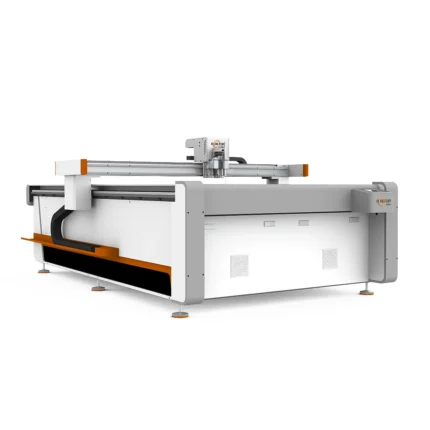
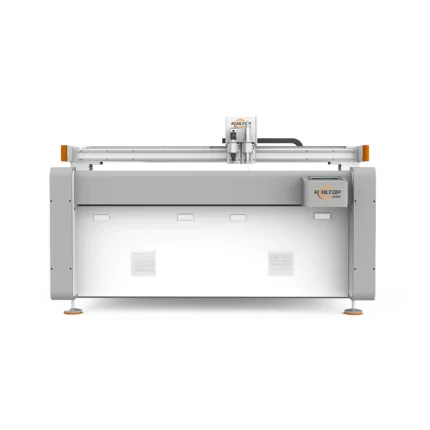
CNC Flatbed Cutter 2026 Digital Corrugated Box Making Machine
Product Introduction
High-precision CNC flatbed cutter designed for efficient cardboard box production. Ideal for 2026 digital corrugated box manufacturing, offering precise cutting and reliable performance for professional packaging solutions.
Key Specifications
| Type | CNC Flatbed Cutter |
| Application | Cardboard Box Production |
| Technology | 2026 Digital System |
| Material | Corrugated Board |

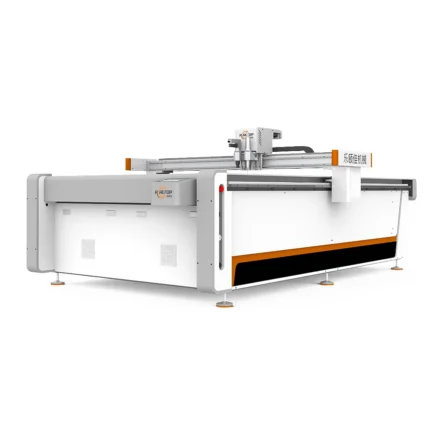
CNC Flatbed Oscillating Knife Cutting Machine 2026
Product Introduction
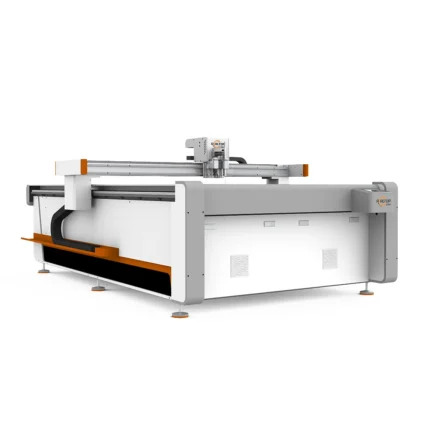
High-performance CNC Flatbed Oscillating Knife Cutting Machine 2026, ideal for precision cutting of various materials with advanced oscillating knife technology, ensuring efficient and accurate operations for industrial manufacturing needs.Specifications
| Model | 2026 |
| Type | CNC Flatbed Oscillating Knife Cutting Machine |
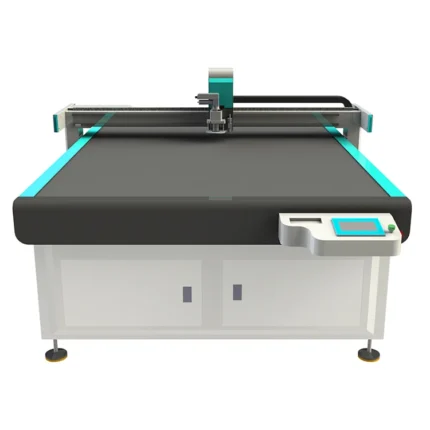
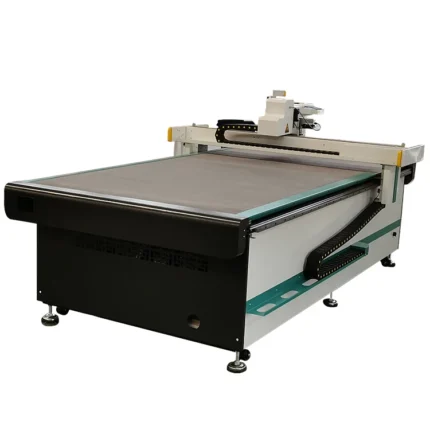
CNC Oscillating Knife Cutting Machine 2026 for Corrugated Cardboard & Honeycomb
Product Introduction
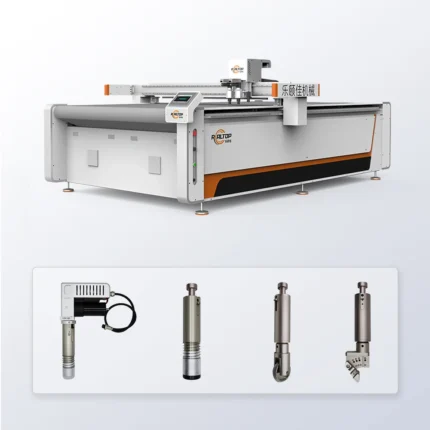
2026 CNC Oscillating Knife Cutting Machine, ideal for corrugated cardboard and honeycomb materials, offering precise and efficient cutting solutions for your production needs.Specifications
| Model | 2026 |
| Type | CNC Oscillating Knife Cutting Machine |
| Applicable Materials | Corrugated Cardboard, Honeycomb |
| Cutting Method | Oscillating Knife |


Digital CNC Cardboard Cutting Machine 2026
Product Introduction
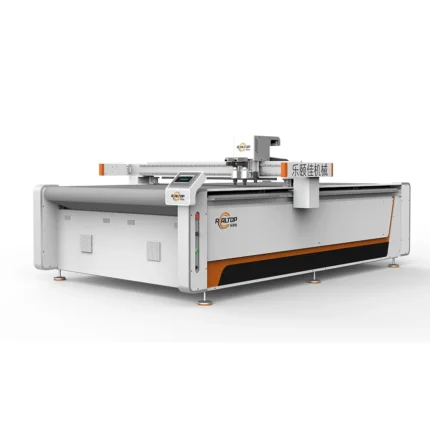
High-precision Digital CNC Cardboard Cutting Machine 2026, ideal for efficient cardboard processing with advanced CNC technology, ensuring precise and fast cutting performance for various packaging and craft applications.
Key Specifications
| Model | 2026 |
| Type | Digital CNC Cutting Machine |
| Material | Cardboard |
| Feature | High Precision, Efficient Cutting |
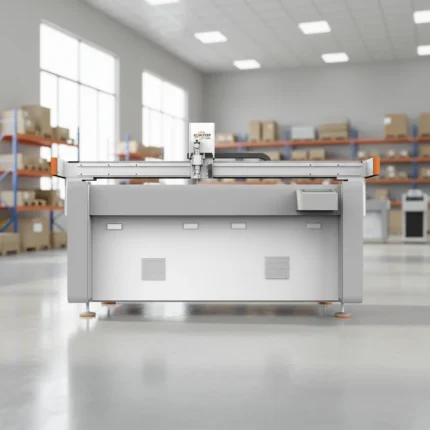
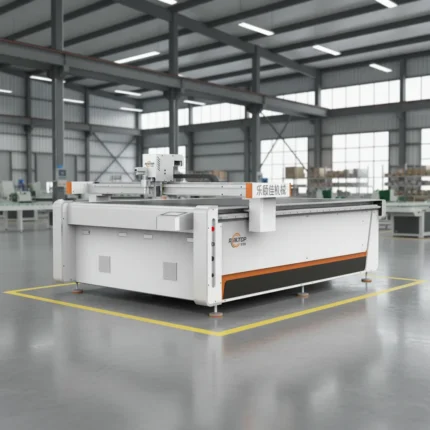
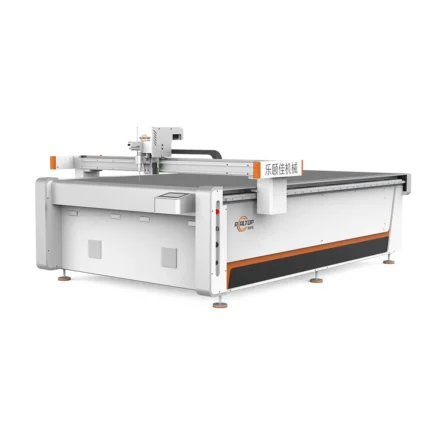
Realtop 2026 Digital Box Cutter High-Speed Corrugated Board
Product Introduction
Realtop Digital Box Cutting Machine 2026 is a high-speed solution for corrugated board cutting, designed for efficient and precise box production in manufacturing settings.Key Specifications
| Model | 2026 |
| Type | Digital Box Cutting Machine |
| Application | Corrugated Board |
| Feature | High-Speed Cutting |
商品评价
There are no reviews yet.