


Packaging CNC Cutting Machine for Carton Box | Custom Build
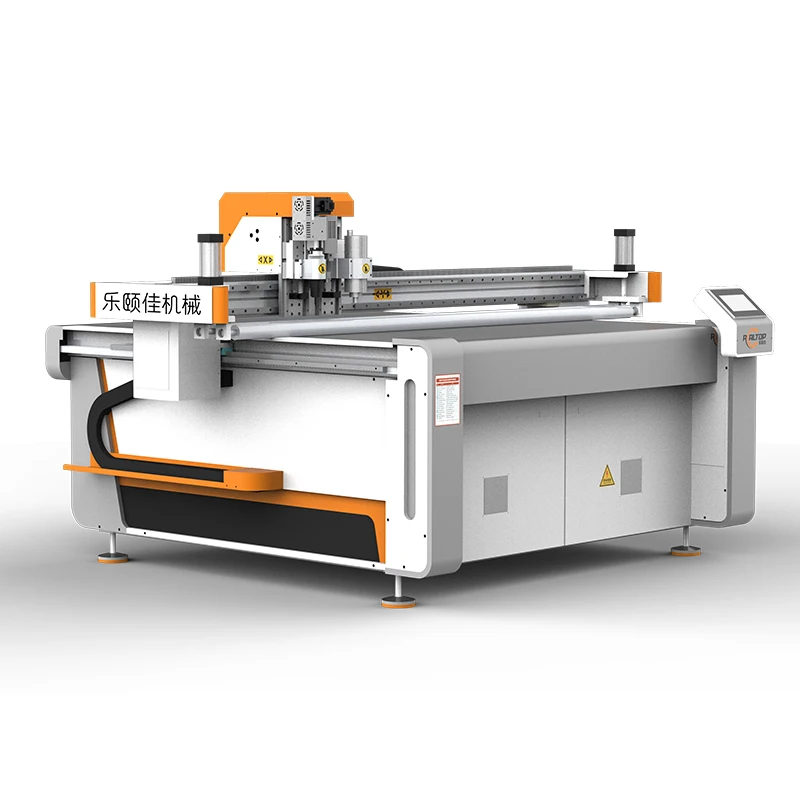
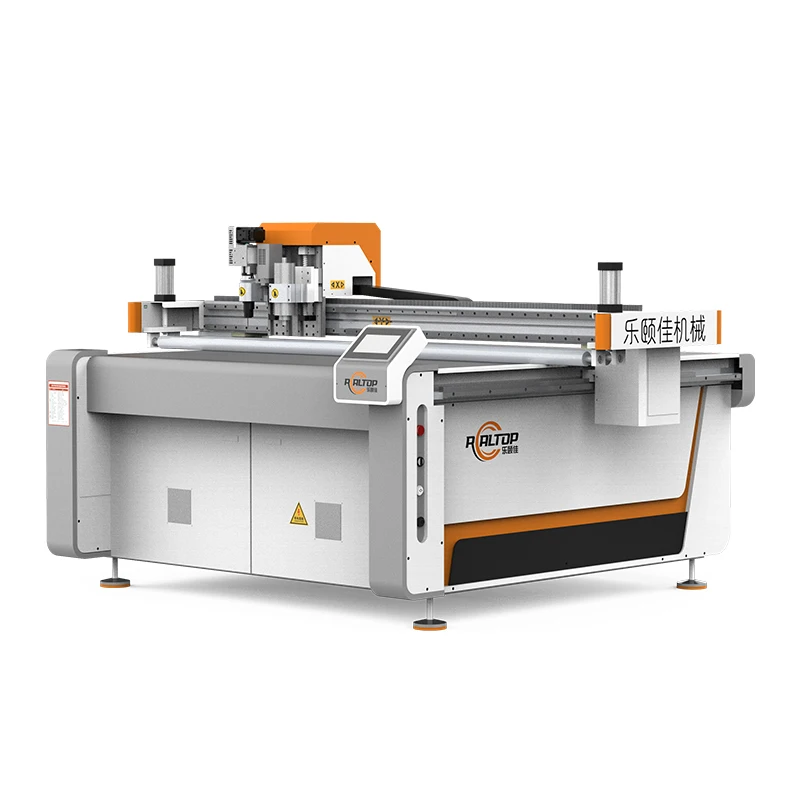
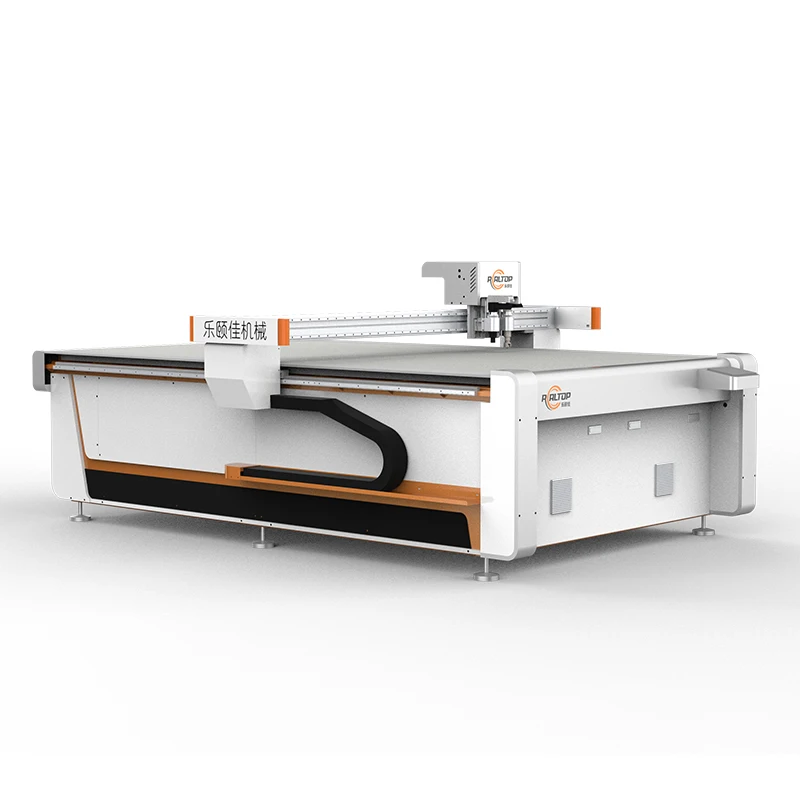
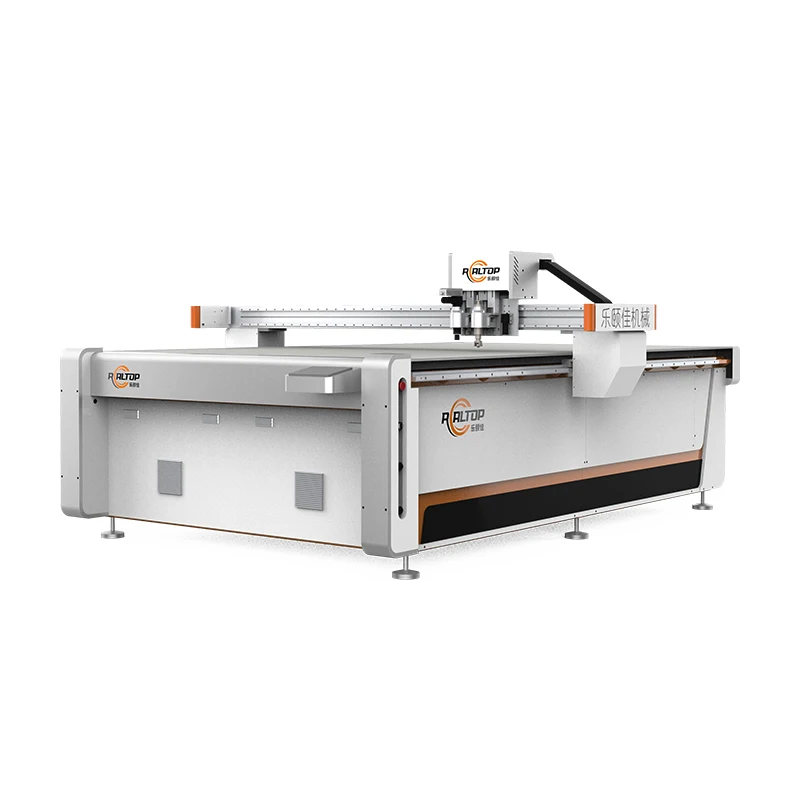
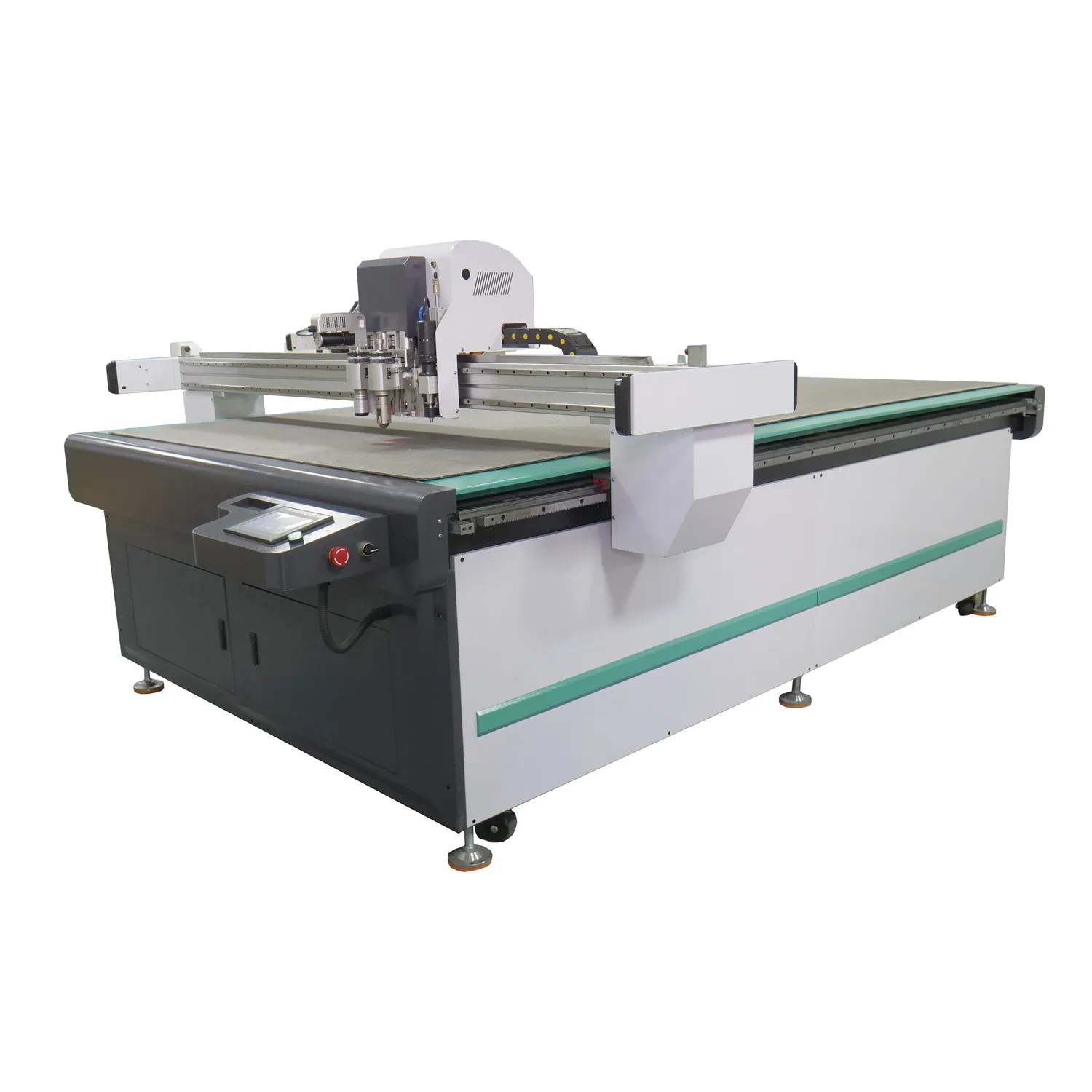
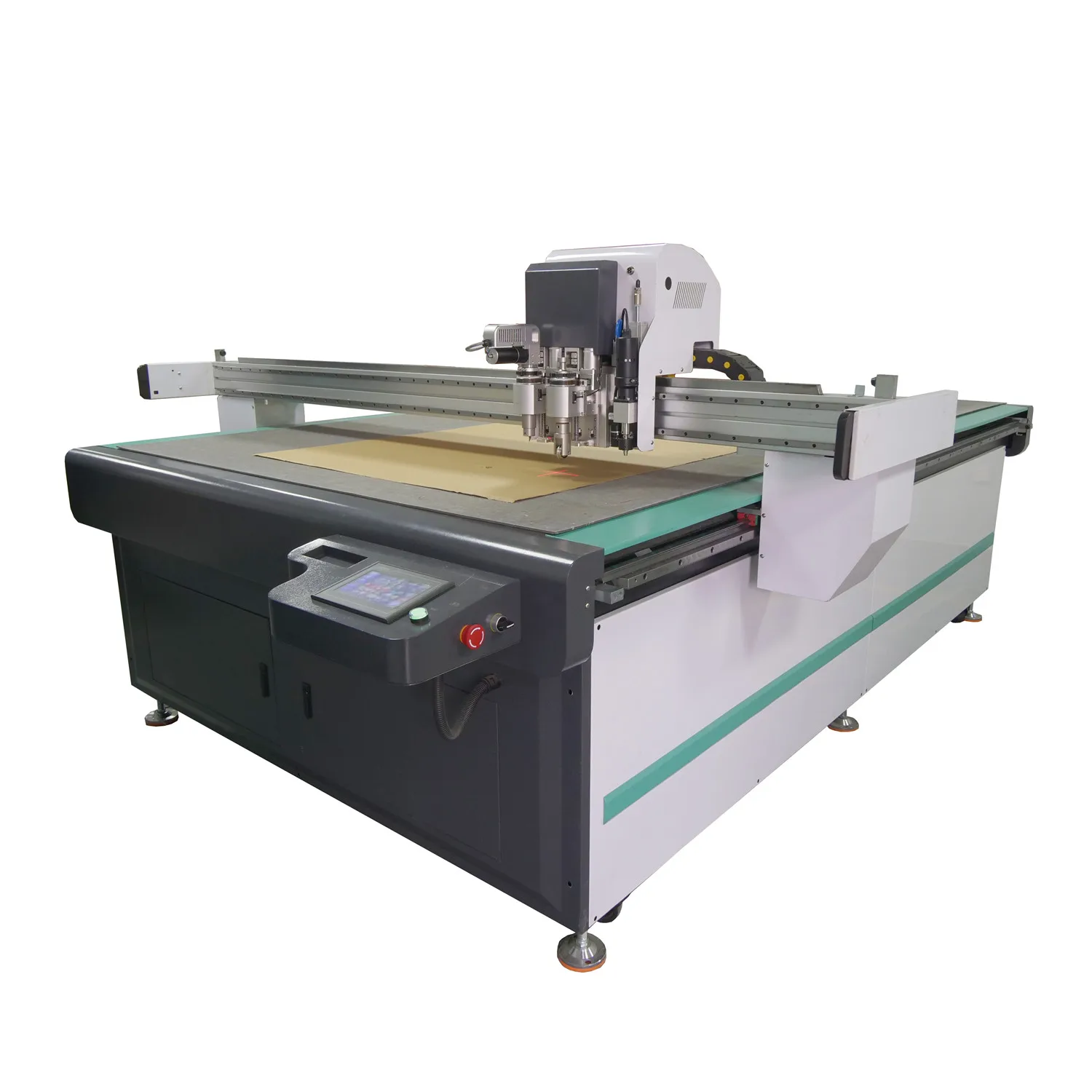
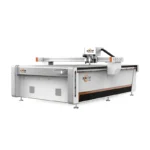
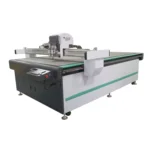
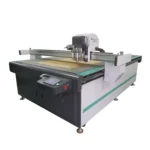
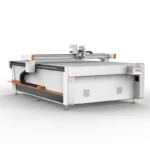
RT-D2516/RT-S2516 Packaging CNC Cutting Machine, 1600×2500mm, 9kW — flatbed digital cutter with Swiss oscillating knife head and magnesium-aluminum vacuum table for corrugated cardboard, foam board, PVC and gasket materials.
- When lasers burn edges on white carton or melt PVC fumes, physical blade cutting delivers clean, uncharred sections at 200–800mm/s with ≤0.1mm repeat accuracy
- Magnesium-alloy vacuum platform with anodic oxidation holds flat stock firm, while CCD contour recognition tracks printed marks for sticker kiss-cutting and packaging creasing workflows
In-house design team specifies tool head and table configuration per your material; sample cutting on your stock confirmed before shipment.
Match the Method to the Material — RT-D2516/RT-S2516 uses physical blade cutting to eliminate the burnt edges and toxic fumes that CO2 lasers produce on PVC, foam, and corrugated packaging stock.
Technical Specifications
| Parameter | Value |
|---|---|
| Product Type | CNC Digital Flatbed Cutting Machine |
| Working Area | 1600×2500 mm |
| Machine Size | 3450×2300×1250 mm |
| Rated Power | 9 kW |
| Voltage | 380V±10% |
| Table Type | Flat working table / Auto feeding table |
| Multifunctional Tool Head | Swiss imported knife (vibration full cutting, vibration half cutting, cursor location) |
| Translational Velocity | 800–2000 mm/s |
| Cutting Speed | 200–800 mm/s (according to different cutting materials) |
| Repeated Accuracy | ≤0.1 mm |
| Transmission System | Digital servo motor, linear guide, synchronous belt, ball screw |
| Servo Motor Options | Delta / Panasonic (IP67) |
| Vacuum Pump | 7.5 kW |
| Vacuum Table | Magnesium-aluminum alloy, fluorocarbon PVDF powder spraying, anodic oxidation |
| Instruction System | HP-GL compatible format |
| Software File Formats | PLT, DXF, AI |
| Optional Configurations | Germany imported conveyor belt, Taiwan Hiwin rail |
| Safety Device | Infrared sensors |
| Language Options | English, Russian, Italian, Chinese (multiple languages supported) |
Application Suitability
| Application | Material or Output |
|---|---|
| Carton sample making and short-run packaging | Corrugated cardboard, honeycomb cardboard, folding carton stock |
| Gasket and seal fabrication | Rubber, non-asbestos fiber, PTFE, graphite composite sheets |
| Foam conversion and cushion packaging | EVA, XPE, PU, EPE foam in varying densities |
| Signage and display graphics | PVC foam board, sticker vinyl, self-adhesive film |
| Automotive interior trimming | Synthetic leather, textile, non-woven acoustic insulation |
Why Burnt Edges Make Laser the Wrong Choice for Packaging
Physical blade cutting is the only way to get clean, unburnt edges on corrugated cardboard, white carton stock, and PVC foam board.
When a buyer specifies a CO2 laser for packaging sample making or PVC signage, the thermal process leaves char marks on light-colored cardboard and generates toxic chlorine gas from PVC. I have seen buyers discover this only after the machine arrives and they run their first white corrugated sheet. A CNC digital cutting table vs laser comparison always favors blade cutting when the substrate burns, melts, or discolors under a thermal beam. The RT-D2516/RT-S2516 sidesteps every one of these thermal failures by cutting with a mechanically driven blade, so the edge stays the color of the original stock [NEED_CITE: thermal degradation of PVC and corrugated under CO2 laser irradiation].
Edge Quality Without Thermal Damage
Laser processing seals synthetic edges, which is useful for certain textiles, but on packaging and foam materials that sealed edge is actually a melted or charred ridge. The packaging CNC cutting machine approach leaves a straight, tidy section with no burrs, no fluffy fiber pull-out, and no discoloration. For corrugated sample making, this means the crease folds cleanly and the printed exterior shows no yellow halo around the cut line. For foam gaskets, the blade produces a flat face that mates evenly against flange surfaces without crushing the cell structure.
Materials That a Laser Cannot Safely Process
Some materials should never see a laser beam. PVC and vinyl release hydrogen chloride gas when cut thermally, corroding the machine optics and posing a health risk to operators. Thick, low-density foam tends to melt back from the kerf, leaving a concave edge that will not seal properly in a gasket application. Reflective composites and metallized films deflect the beam unpredictably. The packaging CNC cutting machine handles all of these with the same Swiss-imported oscillating knife, simply by swapping the tool and adjusting stroke frequency. This is why many laser shops eventually add a knife table to cover what the laser cannot touch [NEED_CITE: health and safety guidance on laser cutting PVC and halogen-containing polymers].
Reading the Specs That Matter for Blade Cutting
Cutting speed of 200–800 mm/s varies with material density and thickness, so a single number tells you little without knowing the substrate. What does matter is the repeated accuracy of ≤0.1 mm, driven by the digital servo motor and linear guide combination; this keeps nested packaging patterns within tolerance across the full 1600×2500 mm bed. The 7.5 kW vacuum pump paired with the magnesium-aluminum alloy table ensures that thin films and light carton stock stay flat under the knife, preventing the material lift that causes blade deflection and ruined sheets. Servo motor options between Delta and Panasonic (IP67) let you match the control environment to the dust and humidity level in your workshop.
The Cost of Skipping Material-Specific Configuration
Choosing the wrong tool head for a given material is one of the most common mistakes in digital cutting. A drag knife on thick corrugated will crush the flute instead of shearing it; an oscillating knife on thin vinyl may tear the face if the stroke frequency is too high. Buyers who skip the sample-cutting step often discover these mismatches on their own production floor, not in the factory. Vacuum table zoning matters equally — small packaging parts lift off the table if the vacuum zones are too large, producing dimensional drift mid-cut. I have watched entire batches of carton samples go out of tolerance because the vacuum hold-down was specified for full-sheet work only [NEED_CITE: vacuum zoning requirements for small-part digital cutting].
Why Source This Machine Through Our Laser and Cutting Division
Our design team covers both knife and laser cutting technologies under one roof, so we recommend the cutting method based on your actual material rather than forcing every job through one machine type. The RT-D2516/RT-S2516 configuration is specified per material and production volume — tool head, blade type, vacuum zoning, and feeding option are all confirmed before the build starts. Software compatibility with your existing PLT, DXF, or AI workflow is verified during the sample stage, not after delivery. Voltage, control language, and safety standards are adapted to your destination market, and every machine ships with a factory test record run on your own material samples.
Documentation & Verification
- Machine specification sheet listing every confirmed option from servo brand to table type
- Electrical schematic with voltage and frequency matched to your facility supply
- Tool head and blade configuration list matched to your material types
- Sample cutting report executed on your supplied corrugated, foam, or film stock
- Software license and file format compatibility note for PLT, DXF, and AI workflows
- Spare parts list covering blades, knife holders, and vacuum table consumables
Installation, Commissioning & Support
- Dedicated 380V±10% circuit required; 9 kW rated power plus 7.5 kW vacuum pump on separate breaker
- Machine footprint of 3450×2300 mm needs clearance on all sides for material loading and belt feed
- Level concrete floor with no vibration sources nearby to maintain ≤0.1 mm repeated accuracy
- First-run calibration covers blade depth, oscillation frequency, and vacuum zone mapping for your stock
- Operator training includes tool change procedures, file import from DXF/AI, and nesting setup
- Preventive maintenance schedule for linear guides, synchronous belts, and blade holder bearings
Before You Send the Inquiry
To specify the right configuration, tell us the material types you cut most often, the thickness range, and your typical sheet dimensions. Confirm your local voltage and frequency, the control language your operators need, and whether your existing CAD files are in PLT, DXF, or AI format. If you run small nested parts, note the minimum piece size so vacuum zoning can be matched accordingly. Send a sample roll or sheet of your actual material so we can run a cutting test and return the physical samples with the quotation.
Frequently Asked Questions
Q: Why choose a blade cutter over a CO2 laser for packaging and foam materials?
A: A CO2 laser burns corrugated cardboard, melts low-density foam, and releases toxic gas from PVC. Blade cutting produces a clean mechanical edge with no char, no melted kerf, and no fume extraction requirement. For packaging sample making and foam gasket fabrication, the packaging CNC cutting machine delivers edges that fold, mate, and present correctly without secondary cleanup.
Q: Is it safe to cut PVC and synthetic materials on this table?
A: Yes. Because the RT-D2516/RT-S2516 uses a physical oscillating knife instead of a thermal beam, no chlorine gas, no melted residue, and no hazardous fumes are generated. This eliminates the need for heavy-duty fume extraction systems that a laser installation requires, simplifying workshop ventilation and operator safety compliance.
Q: How does blade cutting depth compare to laser for thick foams and gaskets?
A: Blade cutting depth depends on the knife stroke length and blade rigidity rather than optical power. The oscillating knife on this machine handles thick foams and dense gasket materials that a CO2 laser would struggle to penetrate cleanly. The 200–800 mm/s cutting speed range applies according to different cutting materials, and the actual depth capability is confirmed during sample testing on your specific stock.
Q: Will the edges be sealed or clean-cut, and which is better for my product?
A: Blade cutting leaves a clean, open edge — the fibers or cells are sheared, not melted shut. For packaging, this means the corrugated flute structure remains intact for folding and gluing. For gaskets, the open-cell face compresses evenly against mating surfaces. If edge sealing is required for a specific textile application, a laser would be the appropriate alternative.
Q: Do I need different CAD files for blade cutting compared to laser paths?
A: The system accepts PLT, DXF, and AI files, which are the same formats used in most laser cutting workflows. However, blade cutting requires kerf compensation settings that differ from laser kerf, and creasing operations need separate layer assignments. We verify file compatibility and nesting behavior during the sample stage before you commit to the order.


Related products
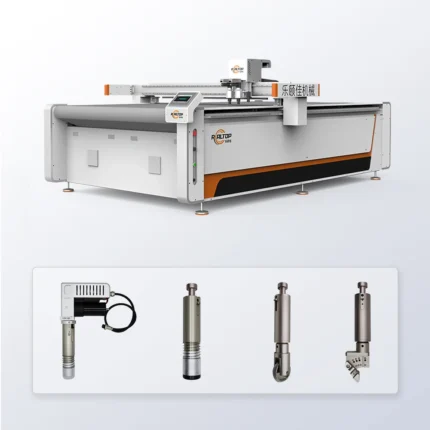
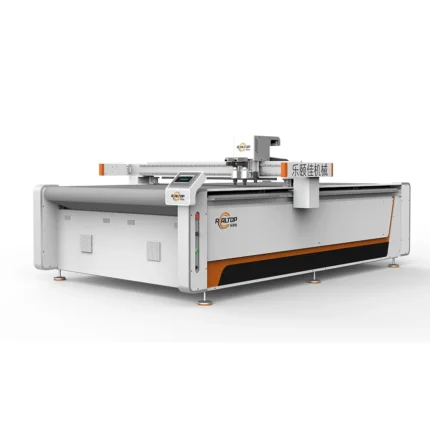
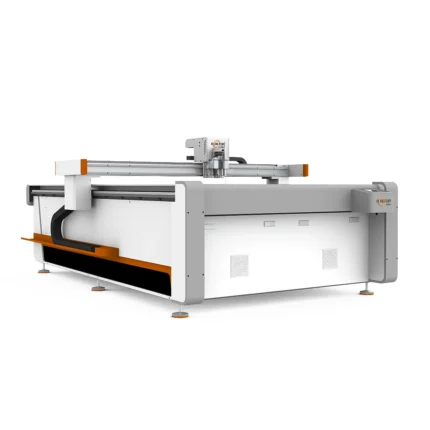
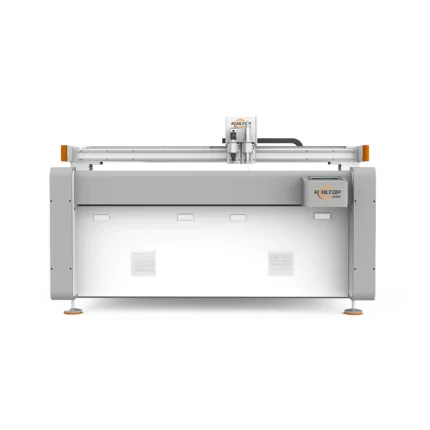
CNC Flatbed Cutter 2026 Digital Corrugated Box Making Machine
Product Introduction
High-precision CNC flatbed cutter designed for efficient cardboard box production. Ideal for 2026 digital corrugated box manufacturing, offering precise cutting and reliable performance for professional packaging solutions.
Key Specifications
| Type | CNC Flatbed Cutter |
| Application | Cardboard Box Production |
| Technology | 2026 Digital System |
| Material | Corrugated Board |

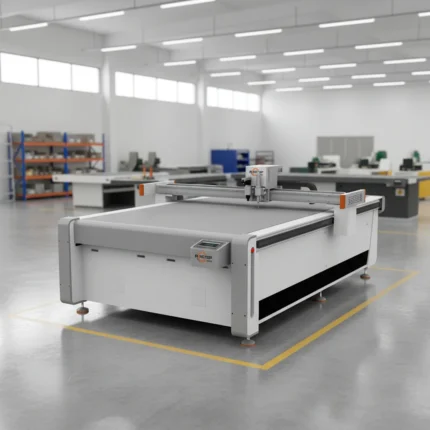
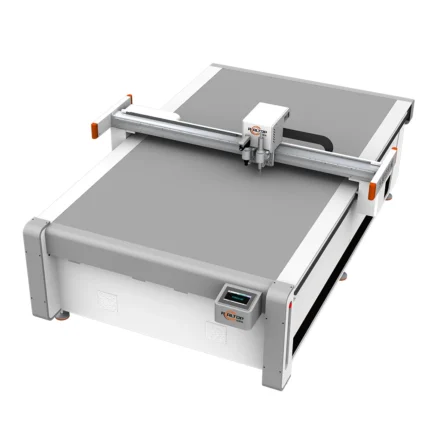
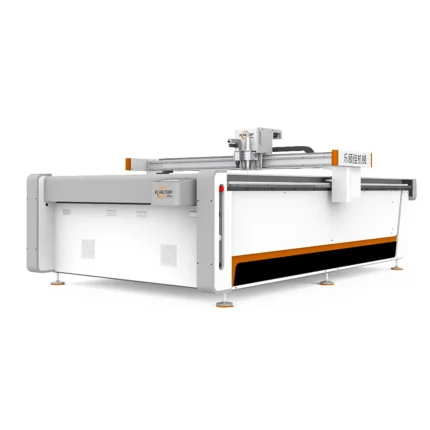
CNC Vibrating Knife Cutter 2026 Custom Cartons Packaging
Product Introduction
CNC Vibrating Knife Cutter 2026 is ideal for custom cartons & packaging, offering precise cutting solutions for various materials. Engineered by a leading Chinese welding & cutting equipment manufacturer, it ensures efficiency and accuracy for packaging production needs.Key Specifications
| Model | 2026 |
| Type | CNC Vibrating Knife Cutter |
| Application | Custom Cartons & Packaging |
| Manufacturer | Chinese Leading Factory |
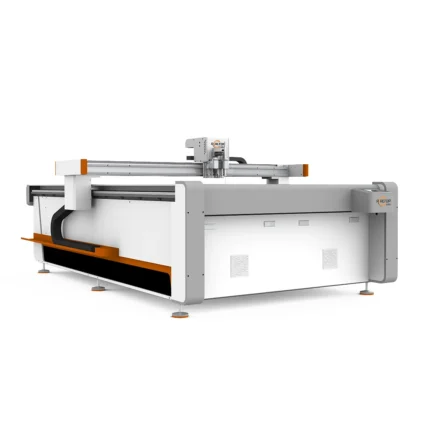
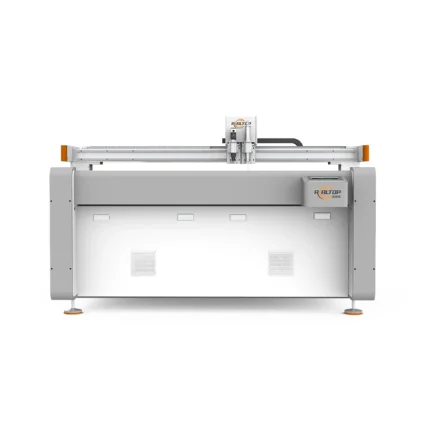
Digital Box Cutter 2026 Oscillating Knife Cardboard Cutter
Product Parameters
| Model | Digital Box Cutter 2026 |
| Cutting Type | Oscillating Knife |
| Material | Corrugated Cardboard |
Introduction
Professional oscillating knife cutting machine for corrugated cardboard. Ideal for precise, efficient cutting in packaging production. Reliable performance from China's leading welding & cutting equipment manufacturer.
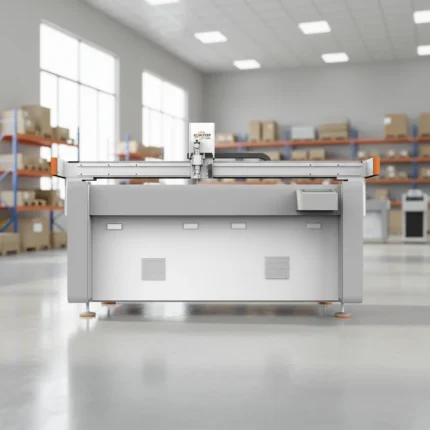
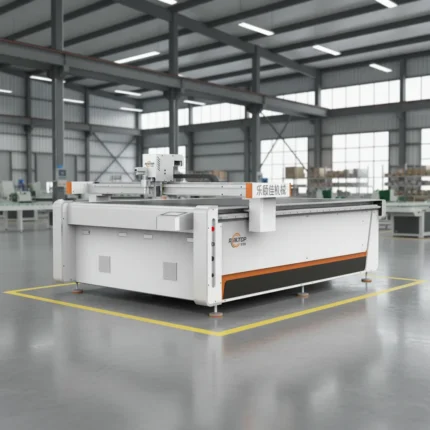

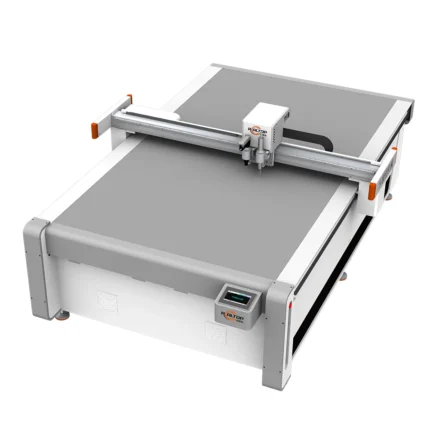

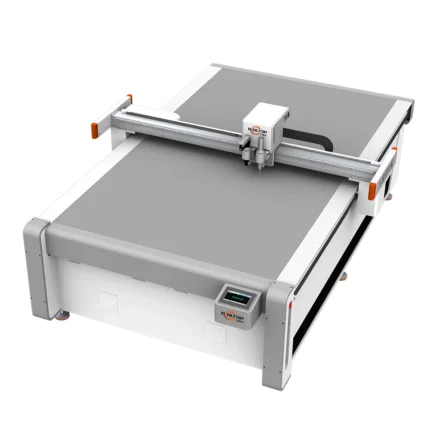
REALTOP 2026 Digital Industrial Cardboard Box Cutter
Product Introduction
REALTOP Digital Industrial Cardboard Box Cutter Machine 2026 is a professional industrial-grade cutting equipment designed for efficient cardboard box processing, ideal for manufacturing and packaging applications.
Product Parameters
| Model | 2026 |
| Type | Digital Industrial Cardboard Box Cutter |
| Application | Cardboard Box Processing |
| Feature | Industrial-grade, Efficient Cutting |
商品评价
There are no reviews yet.