








Revolving Blade Vertical CNC Foam Cutter | Laser Cutting Manufacturer
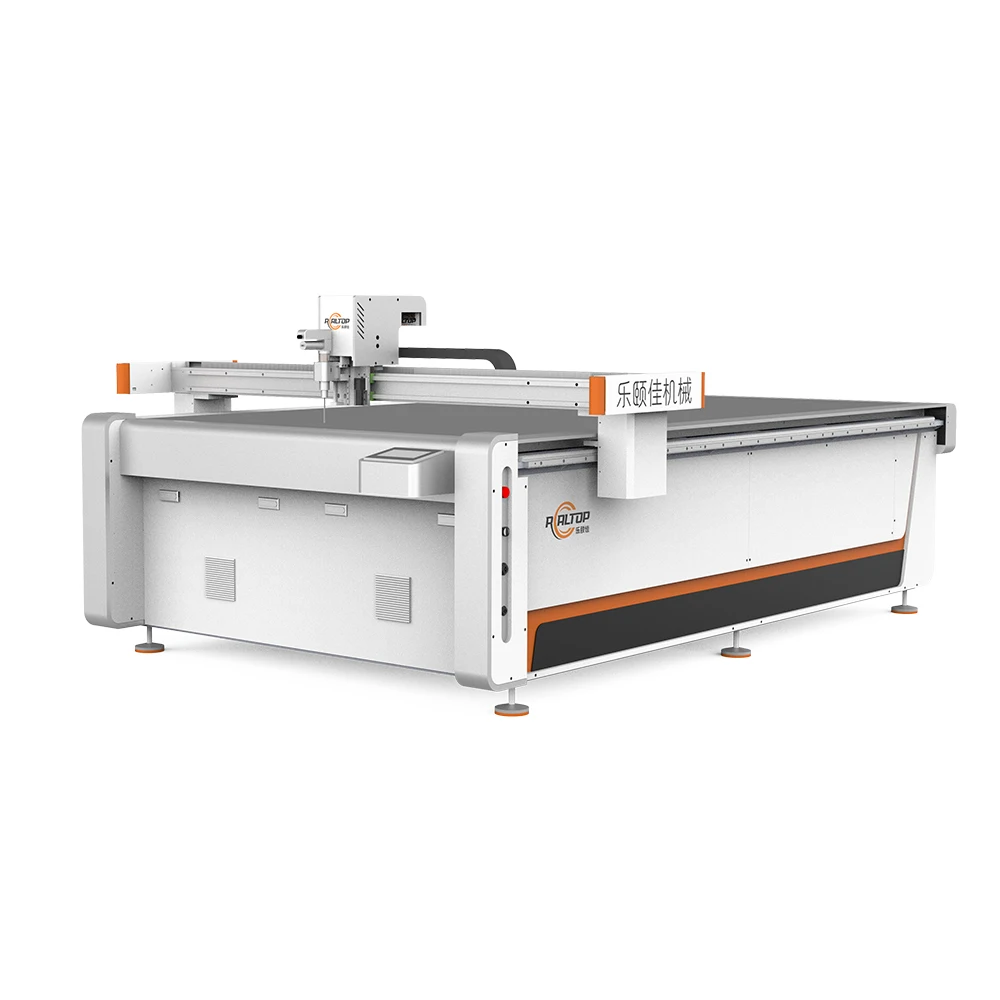
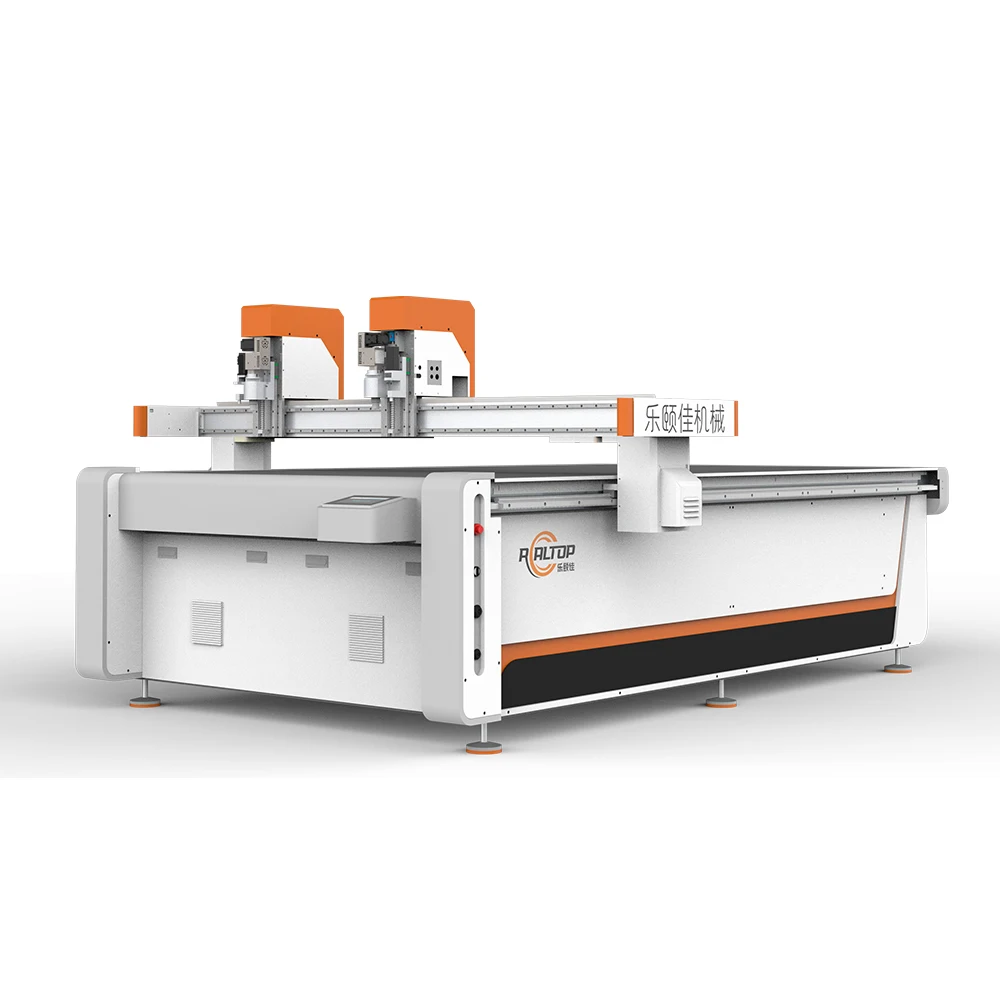
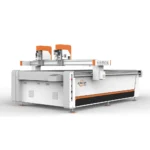
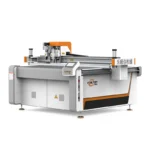
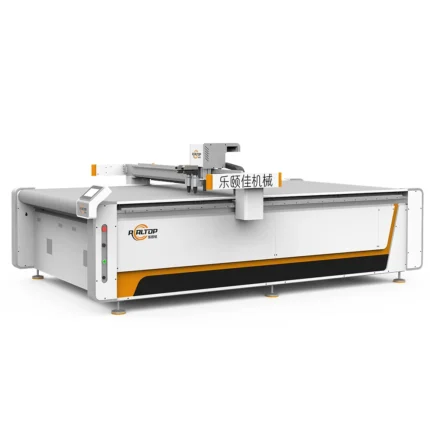
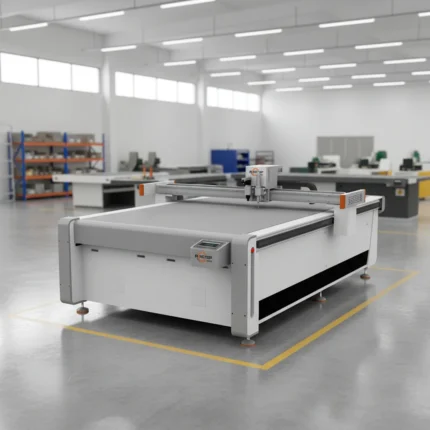
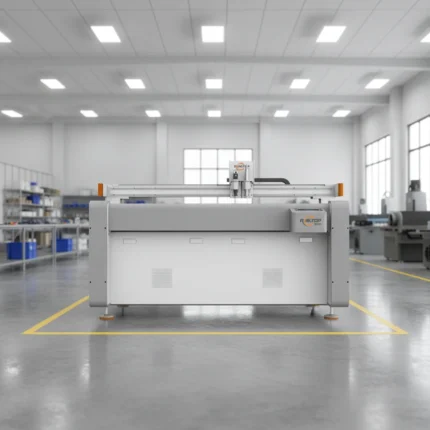
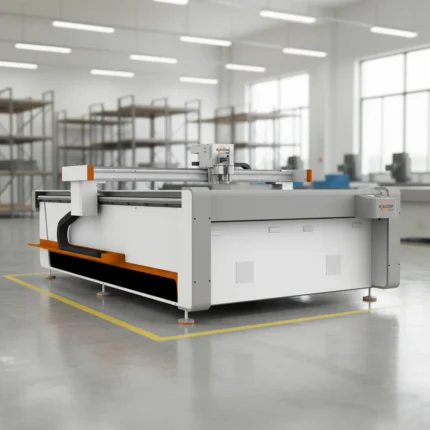
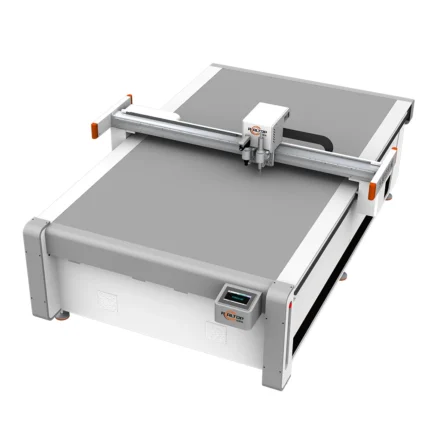
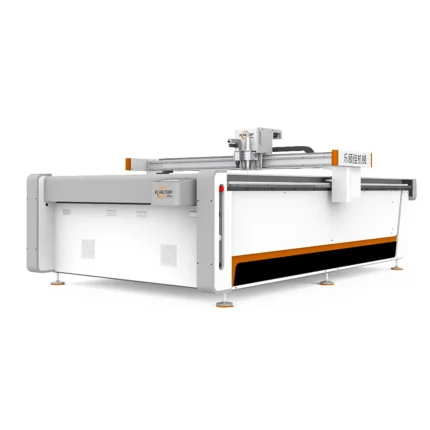
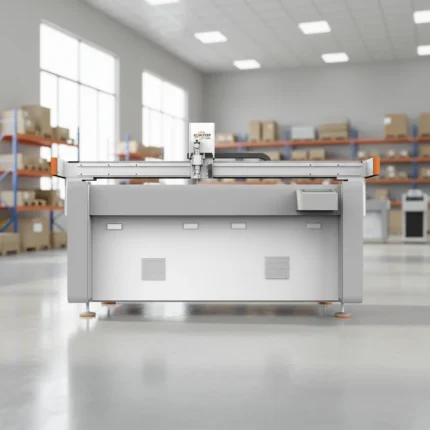
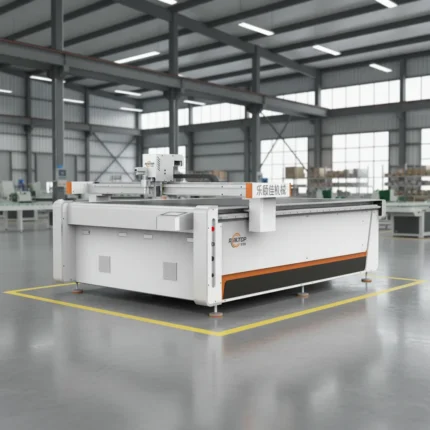
CNC Oscillating Knife Cutting Machine, 1600×2500 mm Working Area, ±0.1 mm Accuracy — cold-cutting solution for composite materials including carbon fiber prepreg, aramid honeycomb, fiberglass cloth, and structural foam.
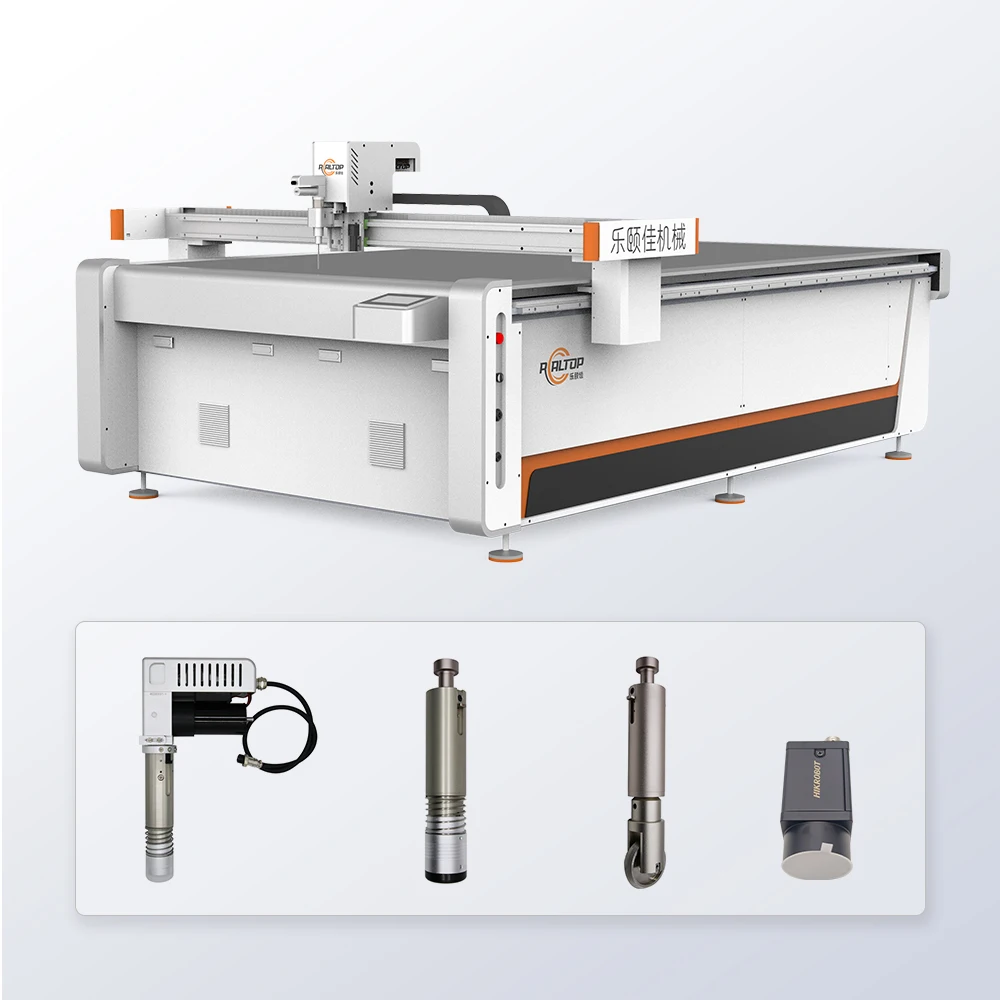
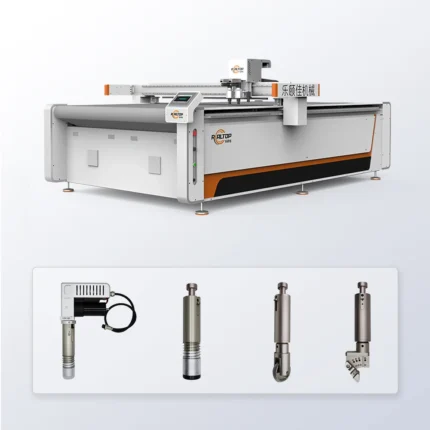
- 7 interchangeable tool heads (oscillating knife, driven rotary knife, creasing wheel, V groove knife) match blade type to material density and edge quality requirements
- Aluminum bellows vacuum table delivers uniform hold-down across the full cutting surface, preventing lift on flexible laminates during high-speed contour cuts
- CO2 and fiber laser systems also available from the same production line when thermal edge-sealing is preferred for synthetic textiles
Tool head and table configuration specified per material and production volume, with sample cutting on buyer’s own material before commitment.
Cold-cutting precision for composite materials — in-house design covering knife and laser technologies means this CNC oscillating knife cutting machine for composites is matched to material behavior rather than forced through a thermal process, preventing resin melt, edge charring, and toxic off-gassing common when wrong cutting methods are applied.
Technical Specifications
| Parameter | Value |
|---|---|
| Product Type | CNC Oscillating Knife Cutting Machine |
| Working Area | 1600×2500 mm |
| Cutting Speed | 0–2000 mm/s |
| Maximum Cutting Thickness | 30 mm |
| Cutting Accuracy | ±0.1 mm |
| Tool Head Options | Oscillating knife, Driven rotary knife, Creasing wheel, Kiss cutting tool, Pneumatic knife, Milling tool, V groove knife |
| Vacuum Pump | 9 kW |
| Vacuum Table | Aluminum bellows vacuum table |
| Control System | PLC control panel with intuitive interface |
| Servo Motors | Panasonic, Delta, or Dorna (configurable) |
| Voltage Options | 110V / 220V / 380V |
| Machine Frame | Heavy-duty frame with precision-ground surface |
| Machine Size | 3300×2100×1350 mm |
| Profile Formats | PLT, DXF, AI, PDF |
| Safety Devices | Infrared sensor device, emergency stop device |
| Language Options | English, Russian, Italian, Chinese (special languages customizable) |
| Certification | CE |
Application Suitability
| Application | Material or Output |
|---|---|
| Aerospace interior and structural trim | Carbon fiber prepreg, aramid honeycomb (Nomex), fiberglass cloth, ceramic fiber blankets, thermal and acoustic insulation foam |
| Automotive and rail transit interiors | Carbon fiber covers, FRP panels, acoustic felt, damping pads, carpets, sealing strips, battery insulation pads |
| Wind power and new energy components | Fiberglass cloth, carbon fiber cloth, vacuum infusion mesh, PET and PVC foam core, battery insulation sheets |
| Sporting goods manufacturing | Carbon fiber sheets and fabric, fiberglass, Kevlar, high-performance foam for bicycle frames, helmet liners, surfboards |
| Packaging and general fabrication | Cardboard, carton samples, fabric, leather, PVC, EVA, foam, rubber, PTFE |
What a Laser-First Approach Costs You on Composite Laminates
Cold mechanical cutting preserves resin integrity where thermal processes compromise structural performance.
I once spent three days in a São Paulo aerospace supplier’s shop diagnosing edge delamination on carbon fiber prepreg parts. Their previous machine was a CO2 laser specified by peak power rather than continuous output, and the thermal gradient was quietly degrading the resin matrix along every cut line. Parts passed visual inspection but failed peel tests downstream. The buyer absorbed the scrap cost because the machine was doing exactly what it was told — it was simply the wrong process for the material [NEED_CITE: thermal degradation effects on thermoset resin matrices during laser cutting]. A CNC oscillating knife cutting machine for composites eliminates that thermal variable entirely by shearing fibers mechanically at high frequency, leaving the surrounding resin undisturbed.
Why Cold-Cutting Matters for Structural Composite Laminates
When carbon fiber prepreg or aramid honeycomb meets a laser beam, the resin matrix absorbs thermal energy unevenly across the fiber-resin boundary, creating micro-delinations invisible to the naked eye. The oscillating knife approach shears through the material at up to 2000 mm/s with zero thermal input, maintaining the structural bond between fiber and resin that certification bodies require for flight-worthy components [NEED_CITE: aerospace composite cutting standards for edge quality]. This CNC oscillating knife cutting machine for composites is configured specifically for this cold-cutting discipline.
Seven Tool Heads for a Material Spectrum That Defies Single-Tool Logic
Composite families range from soft fiberglass cloth to rigid G10 epoxy boards, and each demands a different cutting geometry. The oscillating knife handles flexible layups without fraying, the driven rotary knife slices through thicker laminates cleanly, and the V groove knife produces fold-ready edges on honeycomb cores. Swapping between the seven available tool heads takes minutes, not hours, so a single machine cell can move from cutting thermal insulation foam to milling carbon fiber sheets within the same shift without sacrificing edge quality on either material.
How Working Area, Vacuum Zoning, and Accuracy Interact in Real Production
The 1600×2500 mm working area accommodates standard prepreg roll widths and aerospace panel dimensions, but raw area alone does not guarantee cutting quality. The 9 kW vacuum pump paired with the aluminum bellows table generates uniform hold-down across the entire surface — critical when cutting small gasket profiles or intricate insulation shapes that would otherwise lift under knife deflection forces. The ±0.1 mm cutting accuracy holds tolerances tight enough for sealing applications where a gap at assembly means fluid ingress. Servo drive selection from Panasonic, Delta, or Dorna allows the buyer to match motion performance to production tempo and local service availability. The PLC control panel accepts PLT, DXF, AI, and PDF files directly, reducing the translation errors that occur when nesting software must pass through an intermediate format [NEED_CITE: file format compatibility in CNC cutting workflows].
What Happens When Vacuum Zoning Is Undersized for Small Parts
A buyer in Guadalajara ordered a flatbed cutter based on working area alone, without confirming how the vacuum table was zoned. When they ran small automotive gasket profiles from 2 mm rubber sheet, the un-zoned vacuum zones pulled air through gaps between parts instead of holding them down. Every third piece shifted mid-cut, producing scrap. The aluminum bellows table on this machine addresses part hold-down across the full bed, but zoning adequacy must be validated against the buyer’s actual smallest part geometry before shipment — a sample cutting run on the buyer’s own material is the only reliable proof.
Why Procurement Should Start With the Material, Not the Machine
Realtop builds both knife and laser cutting systems in-house, so the cutting method is selected based on material behavior rather than limited to whatever technology a single-product supplier offers. Tool head and table configurations are specified per material type and production volume, not quoted from a standard catalog. CCD camera positioning is available for printed contour work where registration accuracy matters. Software compatibility — file formats, nesting workflows, language — is confirmed before the order is locked, not discovered at commissioning. Voltage, plug type, and control language are adapted to the destination market so the machine powers on correctly the day it arrives.
Documentation & Verification
- Machine specification sheet listing all seven tool heads with material suitability notes
- Electrical schematic with voltage and plug type confirmed for your facility
- Tool head and vacuum table configuration list matched to your material stack
- Sample cutting report produced on your own composite material before commitment
- Factory test record documenting cutting accuracy and edge quality on specified materials
- Software license and file format compatibility note for PLT, DXF, AI, PDF workflows
Installation, Commissioning & Support
- Heavy-duty frame at 3300×2100×1350 mm requires level concrete floor with adequate clearance for material loading
- 9 kW vacuum pump plus servo and control circuits demand dedicated breaker sized to confirmed voltage
- Machine ships partially assembled; frame leveling and table calibration performed on-site
- First-run parameter setting covers knife frequency, feed rate, and vacuum pressure per material
- Operator training includes tool head changeover procedure across all seven configurations
- Spare parts list covers knives, blades, and vacuum seals with recommended reorder intervals
What Your Inquiry Should Include
Send your material type, maximum thickness, sheet or roll dimensions, and the smallest part profile you need to cut. Specify your facility voltage and frequency, preferred control language, and whether your current nesting software outputs PLT, DXF, AI, or PDF. If edge quality on a specific composite layup is your primary concern, ship a material sample so we can run a cutting test before quoting a configuration.
Frequently Asked Questions
Q: When should I choose oscillating knife over laser for cutting composite materials?
A: Knife cutting is preferred for fiber-reinforced composites where thermal damage to the resin matrix would compromise structural certification, such as carbon fiber prepreg and aramid honeycomb. Laser cutting suits applications where edge sealing is beneficial, like synthetic textiles. The decision depends on whether your downstream requirements tolerate any heat-affected zone along the cut path.
Q: How do I know which tool head to use for my specific composite material?
A: Soft materials like fiberglass cloth and insulation foam typically use the oscillating knife, while thicker rigid laminates require the pneumatic knife or milling tool. Honeycomb cores may need the V groove knife for fold-line work. A sample cutting test on your actual material is the only way to confirm tool selection and cutting parameters before committing to production.
Q: Can the voltage and control language be matched to my local standards?
A: The machine supports 110V, 220V, and 380V configurations, and the PLC interface is available in English, Russian, Italian, and Chinese, with other languages customizable. Voltage and language are confirmed during the ordering stage so the machine arrives ready for your electrical supply and operator team.
Q: Will this machine accept my existing design files without conversion?
A: The control system imports PLT, DXF, AI, and PDF formats directly. If your current workflow uses a proprietary format from specialized packaging or nesting software, file compatibility is verified during the pre-order stage, and conversion solutions are confirmed before the machine enters production.


Related products
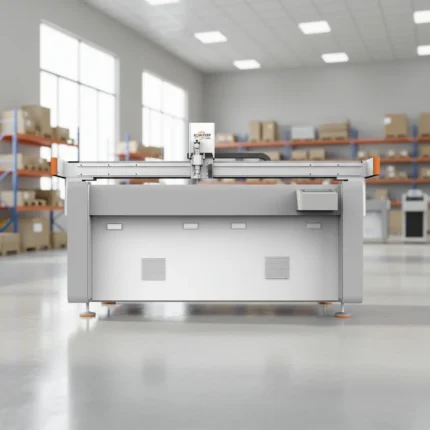
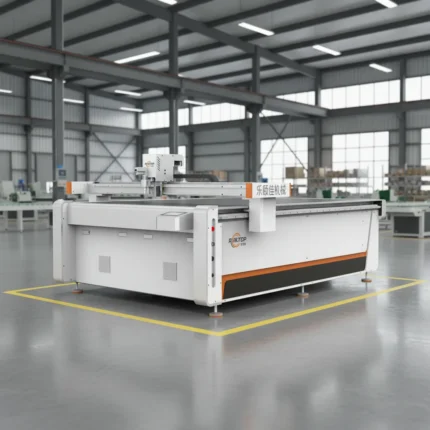
Automatic Die-less Cardboard Vibrating Knife Cutter 2026
Product Introduction
Automatic Die-less Cardboard Vibrating Knife Cutter 2026, a precision cutting solution for cardboard materials, featuring advanced die-less technology for efficient and flexible cutting operations. Ideal for various cardboard processing needs in manufacturing and packaging industries.Key Specifications
| Model | 2026 |
| Type | Automatic Die-less Cutter |
| Cutting Tool | Vibrating Knife |
| Material | Cardboard |
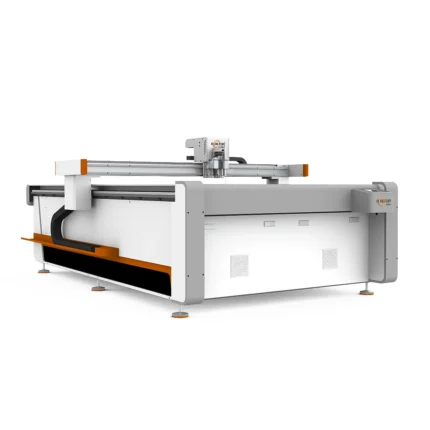
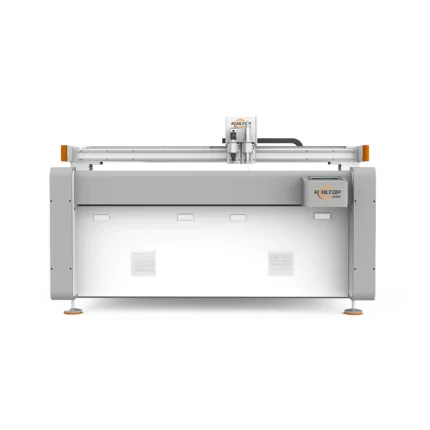
CNC Flatbed Cutter 2026 Digital Corrugated Box Making Machine
Product Introduction
High-precision CNC flatbed cutter designed for efficient cardboard box production. Ideal for 2026 digital corrugated box manufacturing, offering precise cutting and reliable performance for professional packaging solutions.
Key Specifications
| Type | CNC Flatbed Cutter |
| Application | Cardboard Box Production |
| Technology | 2026 Digital System |
| Material | Corrugated Board |

CNC Vibrating Knife Cutter 2026 Custom Cartons Packaging
Product Introduction
CNC Vibrating Knife Cutter 2026 is ideal for custom cartons & packaging, offering precise cutting solutions for various materials. Engineered by a leading Chinese welding & cutting equipment manufacturer, it ensures efficiency and accuracy for packaging production needs.Key Specifications
| Model | 2026 |
| Type | CNC Vibrating Knife Cutter |
| Application | Custom Cartons & Packaging |
| Manufacturer | Chinese Leading Factory |


Digital CNC Cardboard Cutting Machine 2026
Product Introduction
High-precision Digital CNC Cardboard Cutting Machine 2026, ideal for efficient cardboard processing with advanced CNC technology, ensuring precise and fast cutting performance for various packaging and craft applications.
Key Specifications
| Model | 2026 |
| Type | Digital CNC Cutting Machine |
| Material | Cardboard |
| Feature | High Precision, Efficient Cutting |
商品评价
There are no reviews yet.