

Technical Guide CNC Cutting Machine for KT Board and Packaging
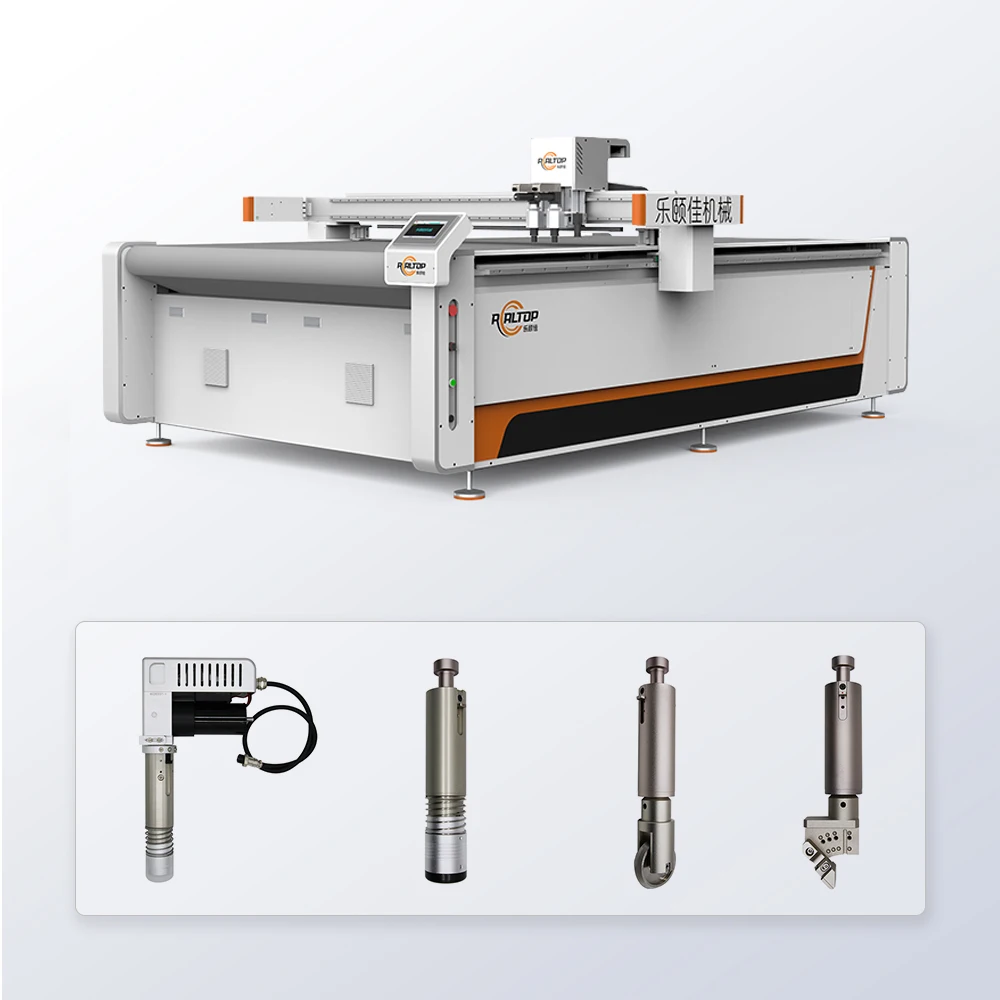
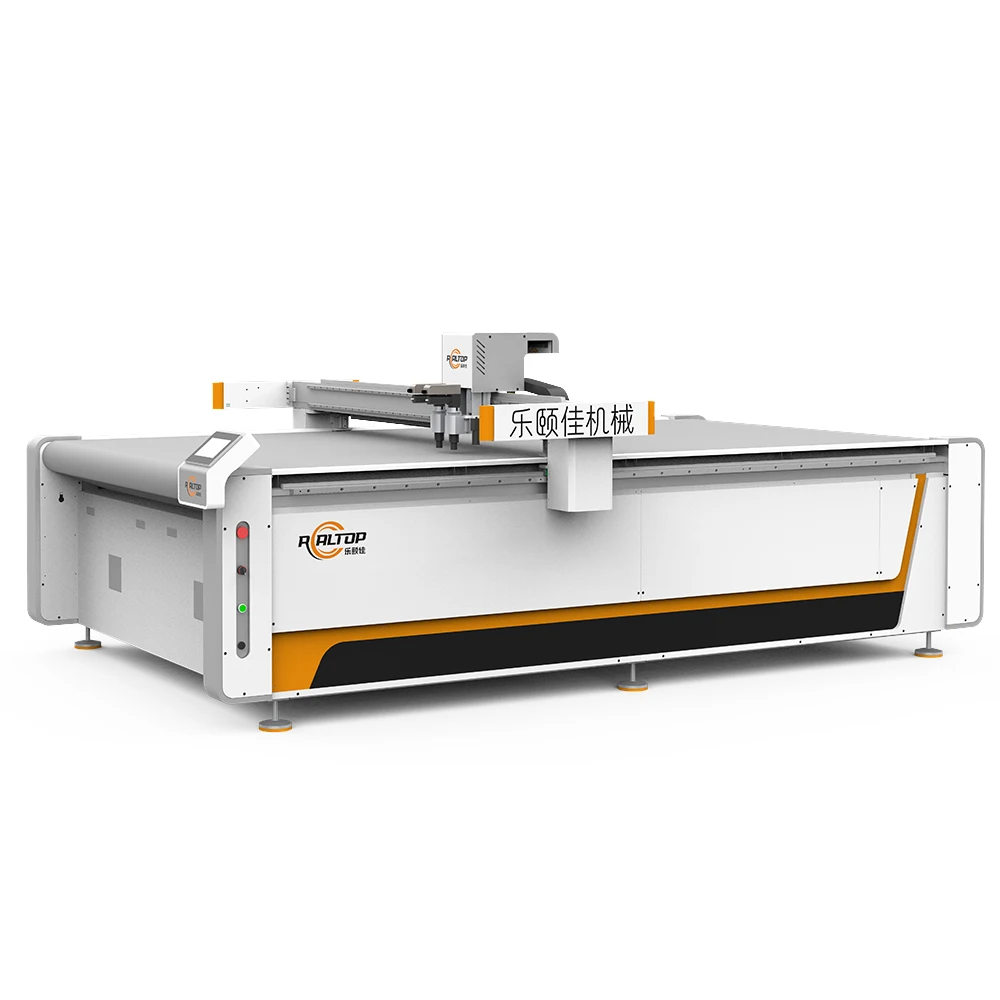
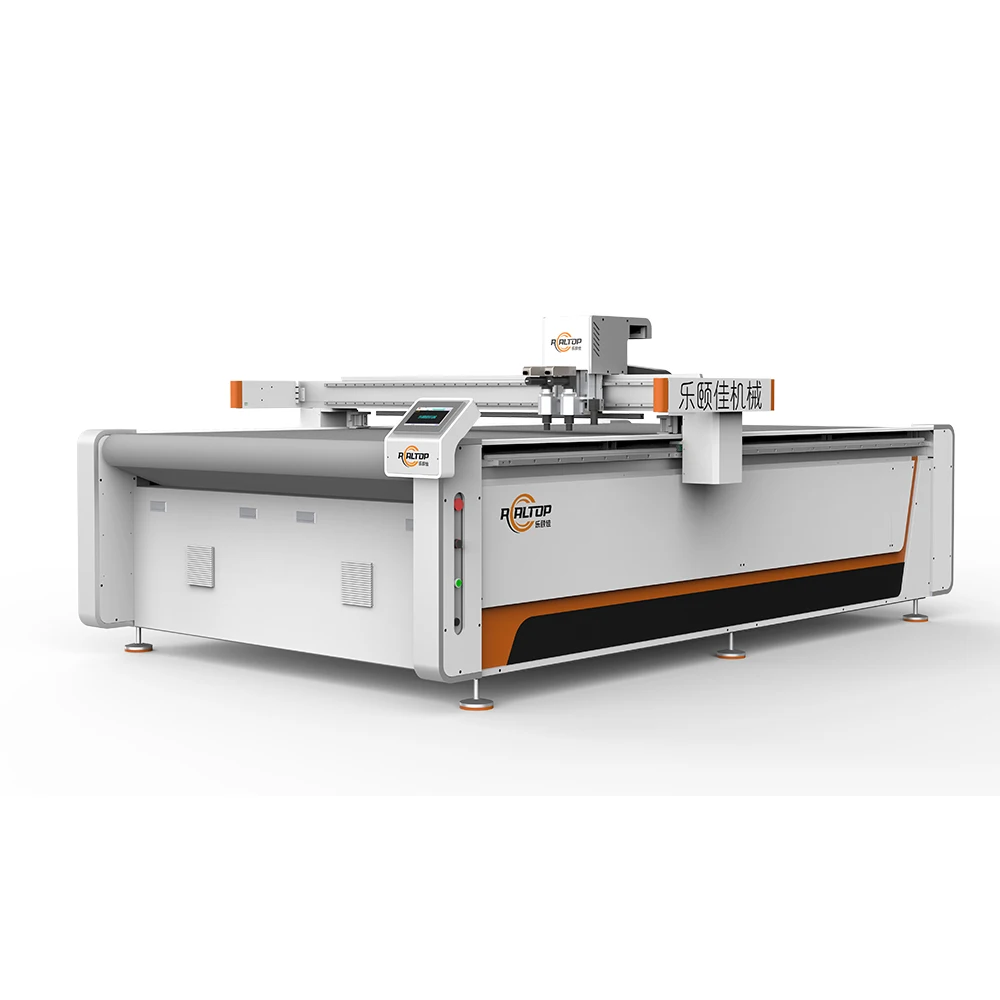
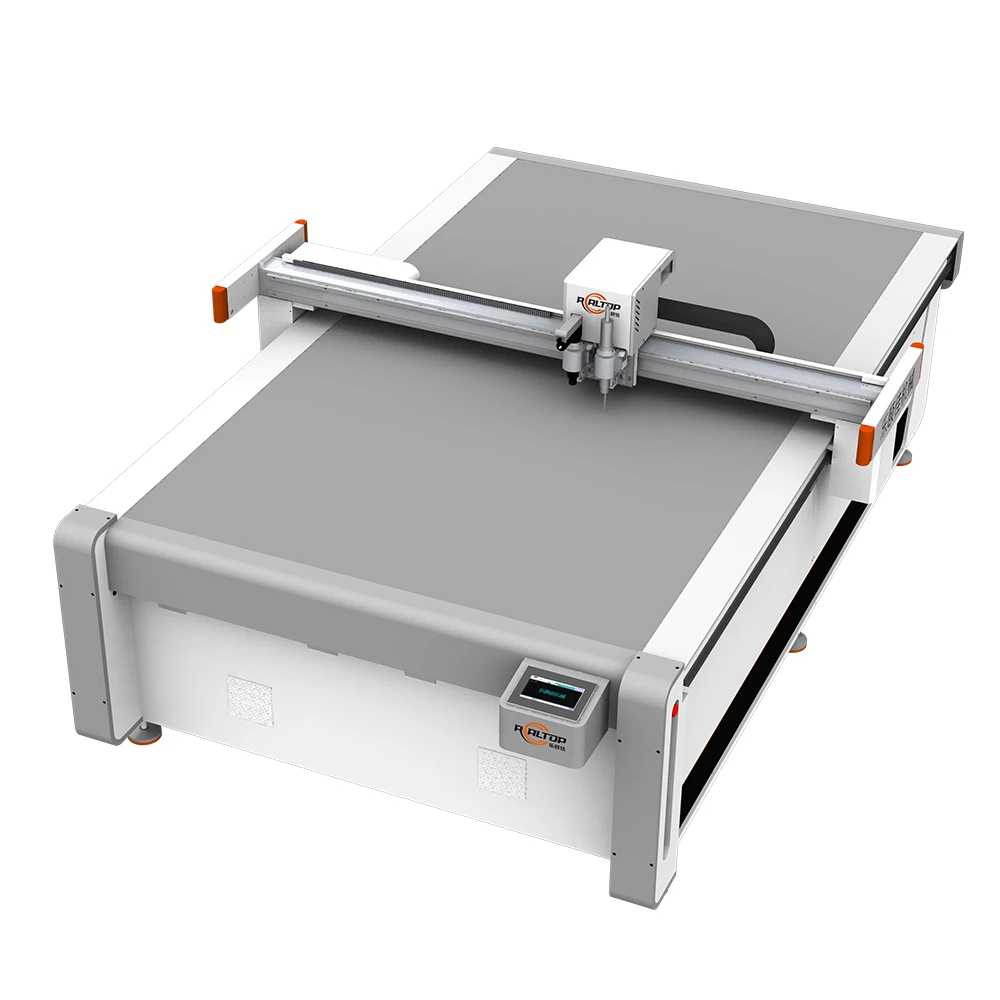
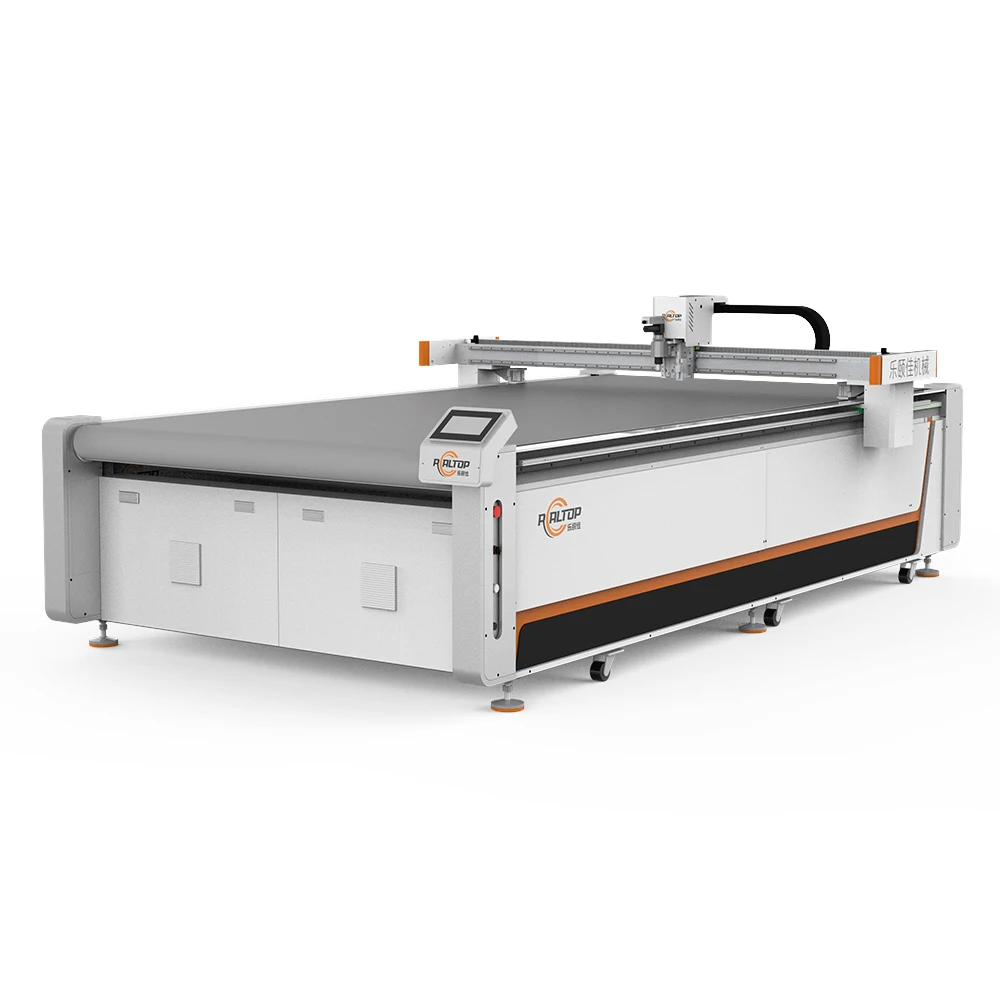
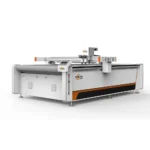
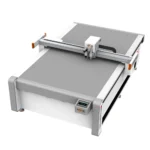
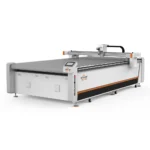
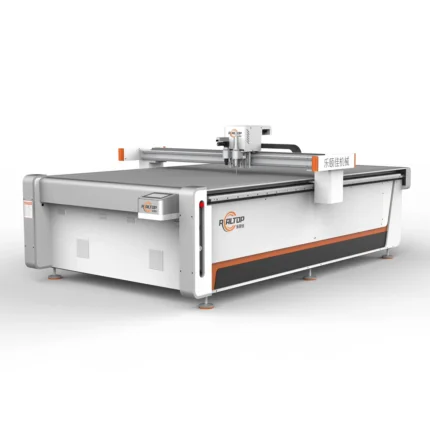
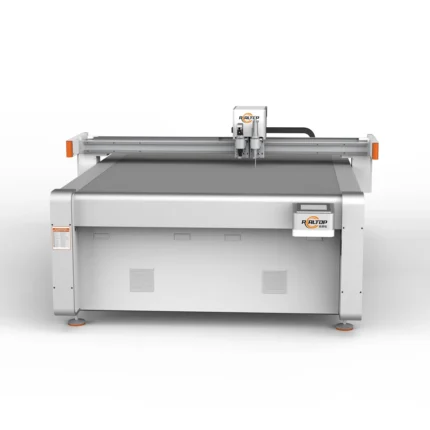
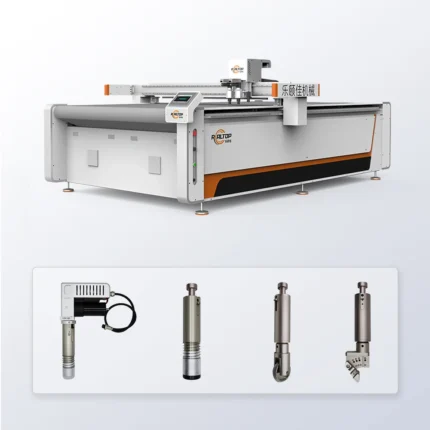
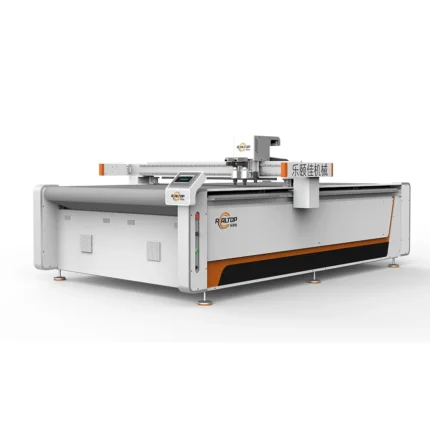
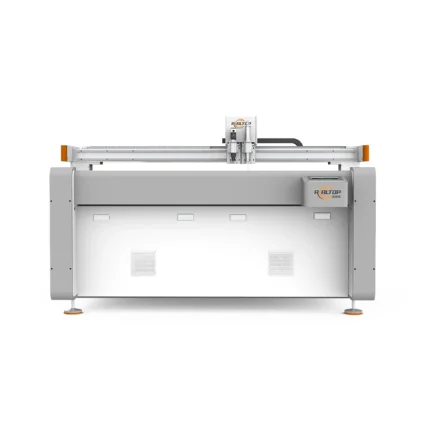
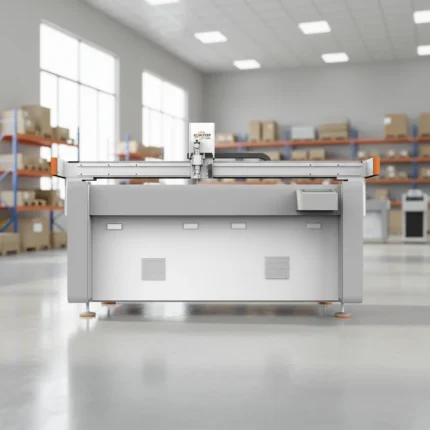
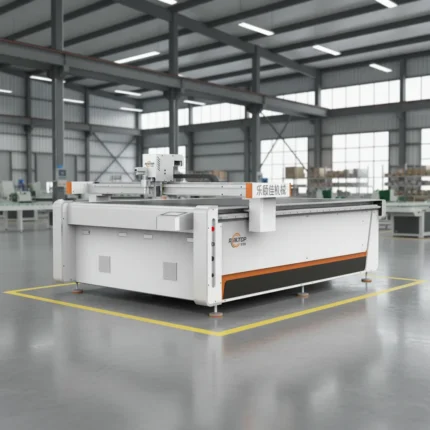
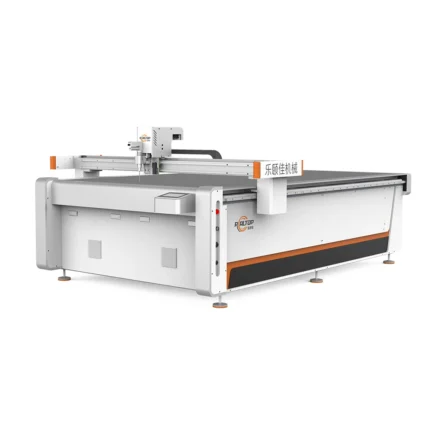
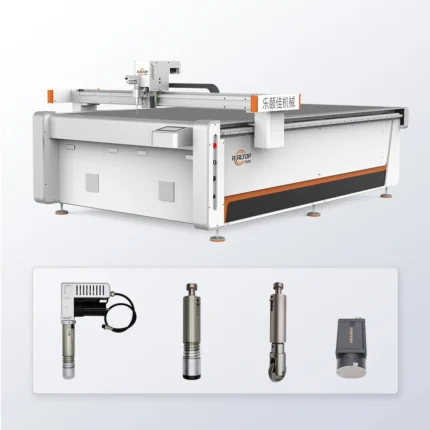
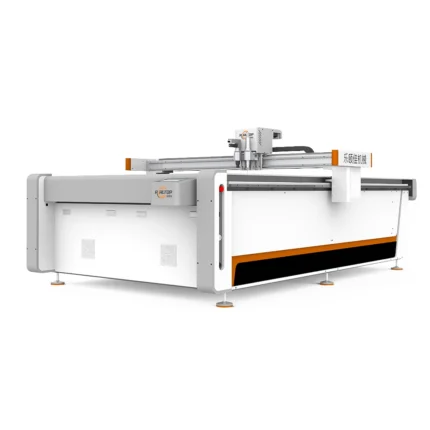
1625 CNC Oscillating Knife Cutting Machine, 1600×2500mm working area, ≤40mm cutting thickness — configured for packaging board, foam and composite materials.
From a laser processor’s perspective, this cold-cutting alternative handles thick corrugated board, dense EVA/EPE foam and fibre-reinforced panels that CO2 laser melts or distorts. Interchangeable tool heads — oscillating knife, creasing wheel, V-groove, driven rotary — let you match geometry to material density, while the aluminum bellows vacuum table holds rigid substrates flat without thermal edge sealing.
Sample cutting on your own material is completed before order commitment, with full tool configuration and voltage confirmation documented prior to shipment.
Cold-cut precision — a 1600×2500 mm oscillating knife platform with interchangeable tool heads and aluminum vacuum table, built for processors who have outgrown the limits of laser-only cutting on thick foam and corrugated board.
Technical Specifications
| Parameter | Value |
|---|---|
| Product Type | CNC Oscillating Knife Cutting Machine |
| Model | 1625(std.) |
| Working Area | 1600×2500 mm |
| Cutting Speed | 0-1500 mm/s |
| Cutting Thickness | Up to 40 mm |
| Cutting Accuracy | ±0.1 mm |
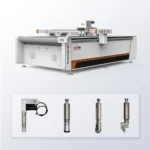
| Tool Heads Available | Oscillating knife, driven rotary knife, creasing wheel, kiss cutting tool, pneumatic knife, milling tool, V-groove knife |
| Vacuum Pump | 9 kW |
| Vacuum Table | Aluminum bellows vacuum table |
| Machine Frame | Heavy-duty frame with precision-ground surface |
| Servo Motors | Panasonic, Delta, or Dorna options |
| Control Panel | PLC control panel with optional display languages |
| Software | Dedicated packaging box structure design software included |
| Profile Formats | PLT, DXF, AI, PDF |
| Voltage Options | 110V, 220V, 380V (basis to be confirmed — confirm phase/frequency with destination facility) |
| Language Options | English, Russian, Italian, Chinese (special languages available on request) |
| Safety Devices | Infrared sensor device and emergency stop device |
| Machine Size | 3300×2100×1350 mm |
| Standards | CE |
Application Suitability
| Application | Material or Output |
|---|---|
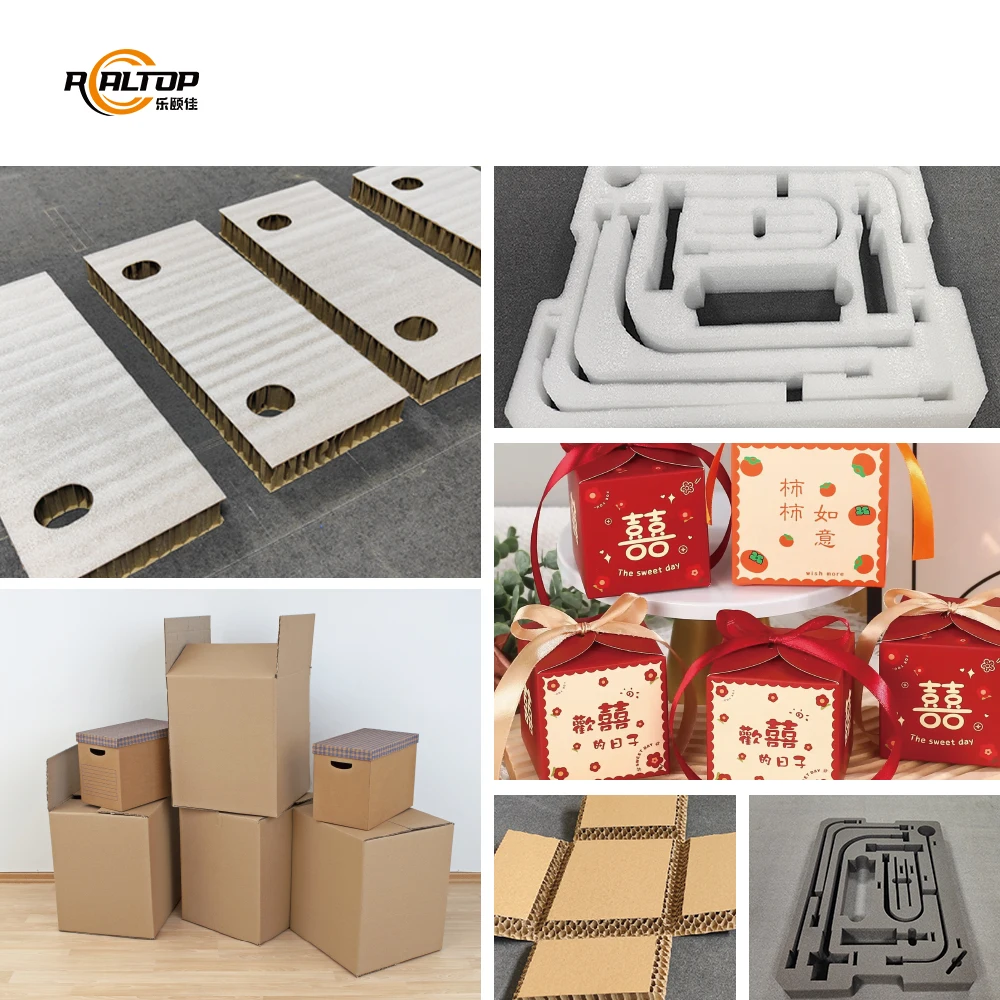
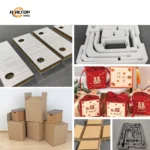
| Packaging sample making | Corrugated cardboard (E-flute, B-flute, BC-flute), greyboard, cardstock, art paper, specialty paper |
| Protective foam inserts | EVA, EPE, PU foam for custom packaging cushions |
| Signage and display panels | KT board, PVC foam board, composite panels |
| Gasket and seal cutting | Rubber, PTFE, fibre-reinforced composite sheets |
| Textile and leather cutting | Velvet, fleece, non-woven fabric, synthetic leather |
| Short-run carton production | Adhesive-backed materials, thin plastic sheets (PVC, PET) |
When Laser Depth Claims Fall Short on Foam and Board
A CNC Oscillating Knife Cutting Machine for laser and engraving processor workshops delivers cold-cut capability where thermal methods distort, melt, or seal edges that must remain open.
I have seen buyers quote a CO2 laser based on peak power, then discover the continuous output cannot penetrate 30 mm EVA foam at production speed without scorching the edges. The same problem repeats with dense corrugated board — the laser chars the flute structure and leaves soot on the cut face, which is unacceptable for packaging that contacts consumer goods [NEED_CITE: thermal degradation of corrugated fibres during laser cutting]. A cold-cut knife removes material mechanically, leaving the edge clean and uncompressed.
Why Cold-Cut Matters Beyond the Laser Engraver
For laser and engraving processors, adding a CNC Oscillating Knife Cutting Machine for laser and engraving processor workflows means you can accept jobs that your CO2 or fiber system simply cannot handle. Thick corrugated prototypes, fibre-reinforced gasket sheets, and layered foam packaging all demand mechanical shearing rather than thermal ablation. The oscillating knife cuts without melting adhesive layers, which preserves the bond strength in laminated packaging constructions.
Matching Tool Geometry to Material Density
The interchangeable tool head system allows the same platform to switch between an oscillating knife for dense EVA foam and a creasing wheel for carton fold lines within a single job. A driven rotary knife handles woven textiles and non-woven fleece without fraying the edge, while the V-groove knife scores rigid board for folding. This flexibility means a processor can bid on mixed-material packaging projects without subcontracting part of the run. The tool change is manual but fast, keeping job changeover measured in minutes rather than shifts [NEED_CITE: tool head changeover procedures for oscillating knife platforms].
What the Specification Sheet Actually Means on the Floor
The 1600×2500 mm working area accommodates a full standard packaging sheet, reducing the need to tile multiple cuts and re-register the edges. The aluminum bellows vacuum table holds porous materials like corrugated board flat without crushing the flute profile — a problem common with rigid vacuum plates that apply point pressure. Cutting accuracy of ±0.1 mm at speeds up to 1500 mm/s is achievable on stable substrates, but actual throughput depends on the contour complexity of the nest file and the material’s resistance to the knife. The 9 kW vacuum pump provides sufficient suction across the table surface, though zoning configuration should be confirmed for small-part nesting where air leakage around part edges can cause lift during the cut.
The Hidden Cost of Specifying by Working Area Alone
Buyers often select a machine based on table size, then discover the tool head they received cannot handle their actual material thickness. An oscillating knife rated for thin cardstock will stall and deflect on 35 mm EVA foam, producing ragged edges and excessive blade wear. Similarly, a vacuum table without adequate zoning leaves small die-cut shapes lifting off the bed, which ruins registration and damages the knife tip [NEED_CITE: vacuum hold-down requirements for small-part CNC cutting]. These failures do not show up in the brochure — they appear on the first production day.
Why Source This Platform Here
In-house design covers both knife and laser cutting technologies, so a buyer can match the method to the material rather than force every job through one process. Tool head and table configuration are specified per material and production volume before the order is placed, not selected from a default build. CCD camera positioning is available for printed contour work where registration to pre-printed graphics is required. Voltage, control language, and plug type are confirmed in writing against the destination facility’s electrical standard before production begins. Every machine runs a sample cut on the buyer’s own material before dispatch, producing a documented cutting report that verifies edge quality, depth, and speed.
Documentation & Verification
- Machine specification sheet confirming tool head and vacuum table configuration per your material
- Electrical schematic and voltage confirmation sheet matched to destination facility
- Sample cutting report on your packaging board or foam at production thickness
- CE declaration covering mechanical and electrical safety requirements
- Software licence and file format compatibility note for your existing CAD workflow
- Spare parts list with part numbers for blades, collets, and vacuum seals
Installation, Commissioning & Support
- Foundation must support 3300×2100×1350 mm machine footprint plus operator clearance on three sides
- Dedicated electrical circuit required matching confirmed voltage, phase, and frequency before connection
- Machine ships partially assembled; vacuum table leveling and frame alignment completed on-site
- PLC control panel configured with confirmed display language during commissioning
- First-run parameter tuning performed on your material to establish baseline cutting speed and depth
- Blade and vacuum seal replacement intervals documented in the operation manual
What to Include in Your Inquiry
To configure this CNC Oscillating Knife Cutting Machine for laser and engraving processor applications accurately, send the specific material type, thickness, and maximum sheet size you will run most often. Include your destination facility voltage, phase, and frequency so the electrical package is matched before build. If you work with pre-printed materials, state whether CCD contour recognition is required and provide a sample print for registration testing. Specify your preferred control panel language and confirm whether your existing CAD or nesting software exports in PLT, DXF, AI, or PDF format.
Frequently Asked Questions
Q: How do I choose between laser and oscillating knife for packaging foam?
A: Laser excels on thin films, engraving, and sealed-edge synthetics. Oscillating knife is required when foam thickness exceeds the laser’s clean-cut capacity, when edges must remain unsealed for adhesive bonding, or when the material contains fibre reinforcement that laser cannot vaporize cleanly. Request a sample cut on your exact foam to compare edge quality from both methods before committing.
Q: What cutting depth is realistic on corrugated board and EVA foam?
A: The platform handles up to 40 mm depending on material density and the selected tool head. Corrugated BC-flute board typically cuts cleanly in a single pass, while dense EVA foam at 30 mm may require adjusted oscillation frequency and reduced speed. Actual depth and edge quality should be verified through a sample cut report on your specific material before the order is finalized.
Q: How is vacuum table zoning configured for small packaging parts?
A: The aluminum bellows table can be divided into zones so that suction concentrates under the active cutting area. Without proper zoning, small parts lose hold-down force as air leaks through adjacent open zones, causing lift and registration loss. Confirm your typical part size and nest layout so the zoning map is built to match your production pattern.
Q: Which voltage and language options are confirmed before shipment?
A: Voltage is available in 110V, 220V, and 380V configurations, but phase and frequency must be confirmed against your facility’s supply before production. The PLC control panel supports multiple display languages, and your preferred language is set during configuration. Both parameters are documented in the electrical confirmation sheet you sign before the build begins.


Related products
Automatic Digital Cardstock Cutter 2026 CNC Cutter
Product Introduction
Automatic Digital Cardstock Cutter 2026 is a CNC cutting machine ideal for white cardboard and kraft paper. It offers precise and efficient cutting performance, suitable for various paper processing needs in manufacturing and craft applications.Key Specifications
| Type | CNC Digital Cutting Machine |
| White Cardboard, Kraft Paper | |
| Operation | Automatic |
| Application | Paper Cutting & Processing |

CNC Flatbed Oscillating Knife Cutting Machine 2026
Product Introduction
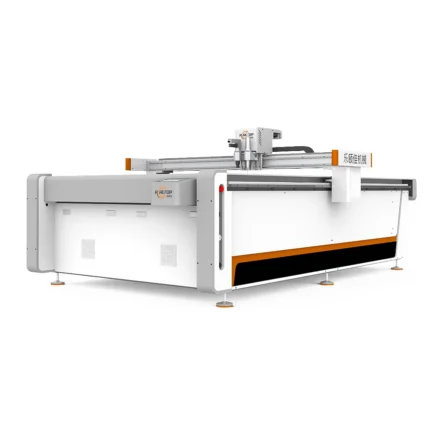
High-performance CNC Flatbed Oscillating Knife Cutting Machine 2026, ideal for precision cutting of various materials with advanced oscillating knife technology, ensuring efficient and accurate operations for industrial manufacturing needs.Specifications
| Model | 2026 |
| Type | CNC Flatbed Oscillating Knife Cutting Machine |
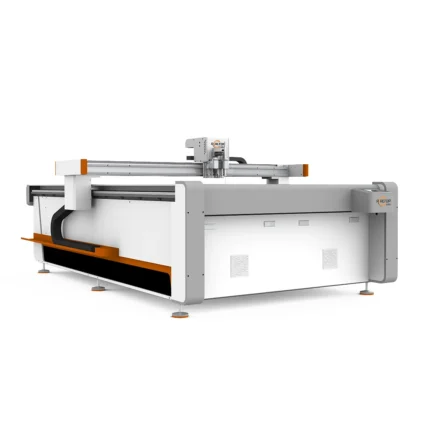
Digital Box Cutter 2026 Oscillating Knife Cardboard Cutter
Product Parameters
| Model | Digital Box Cutter 2026 |
| Cutting Type | Oscillating Knife |
| Material | Corrugated Cardboard |
Introduction
Professional oscillating knife cutting machine for corrugated cardboard. Ideal for precise, efficient cutting in packaging production. Reliable performance from China's leading welding & cutting equipment manufacturer.


Digital CNC Cardboard Cutting Machine 2026
Product Introduction
High-precision Digital CNC Cardboard Cutting Machine 2026, ideal for efficient cardboard processing with advanced CNC technology, ensuring precise and fast cutting performance for various packaging and craft applications.
Key Specifications
| Model | 2026 |
| Type | Digital CNC Cutting Machine |
| Material | Cardboard |
| Feature | High Precision, Efficient Cutting |

商品评价
There are no reviews yet.