

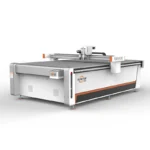

Technical Guide CNC Oscillating Knife Cutting Machine for Fabric
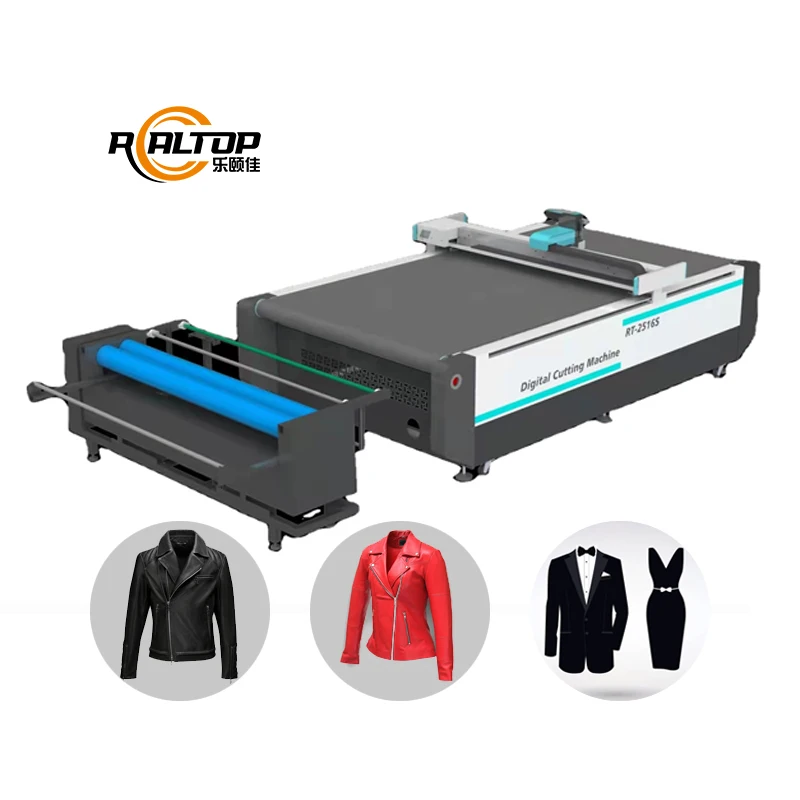
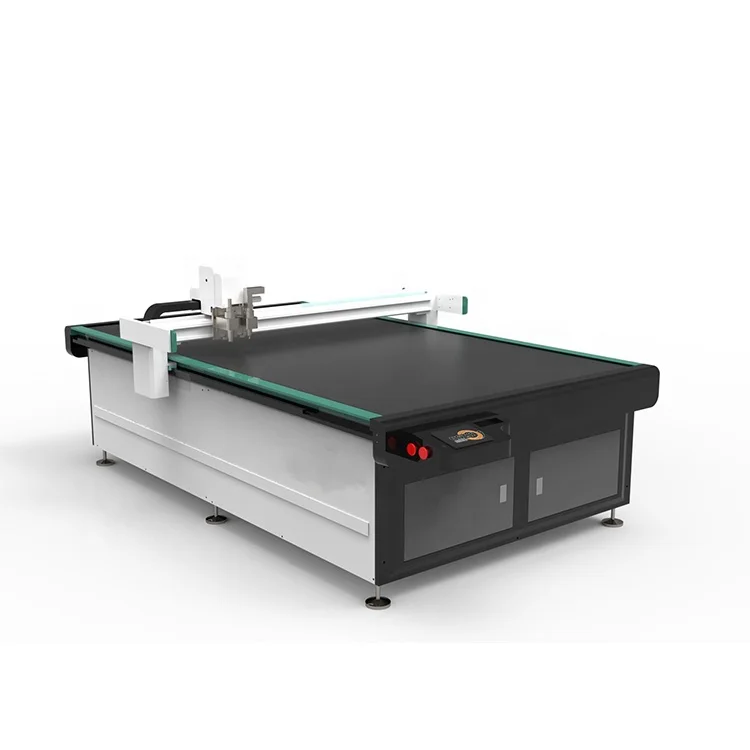
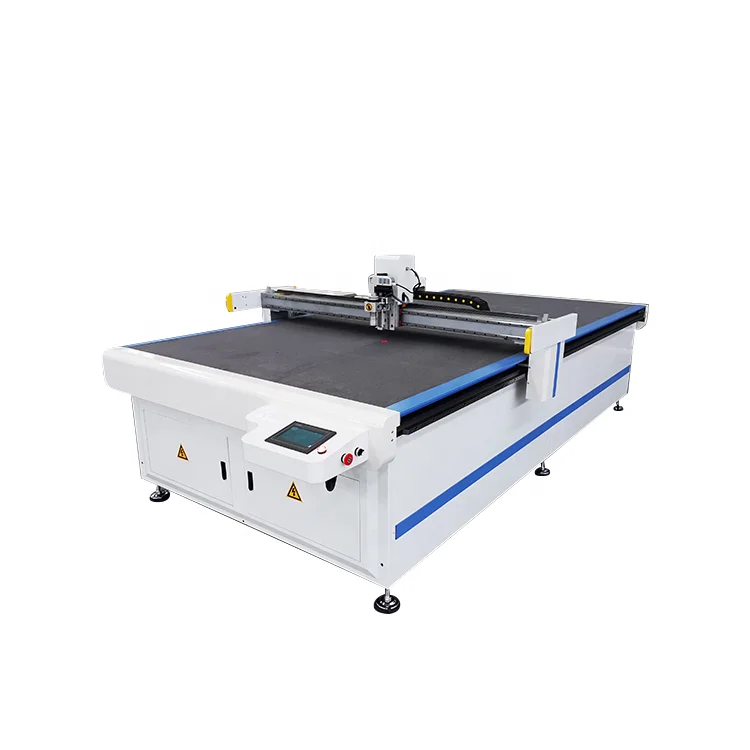
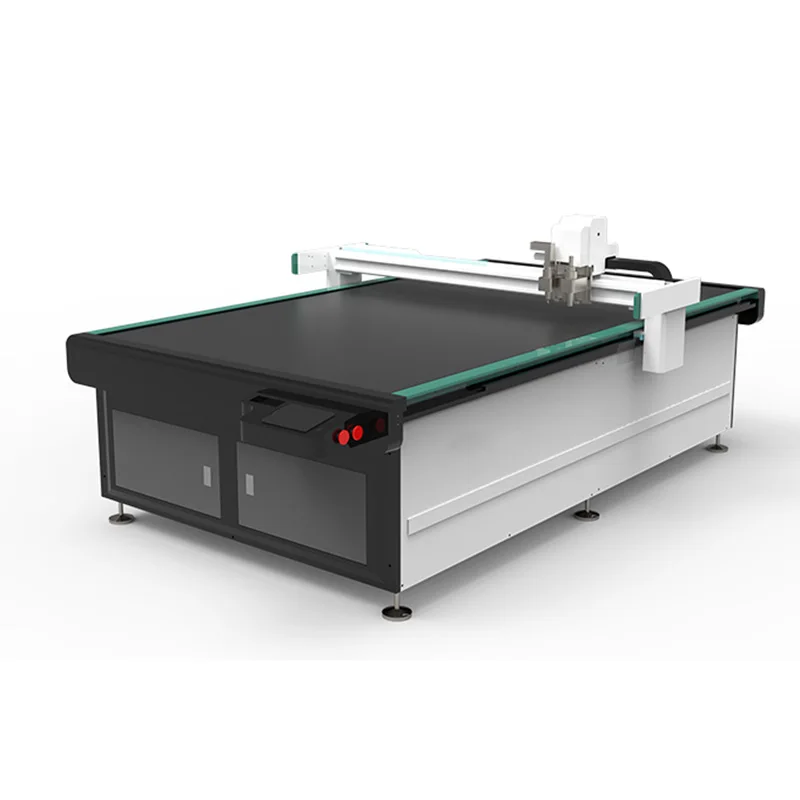
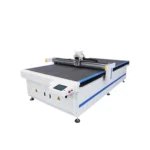
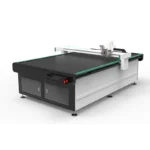
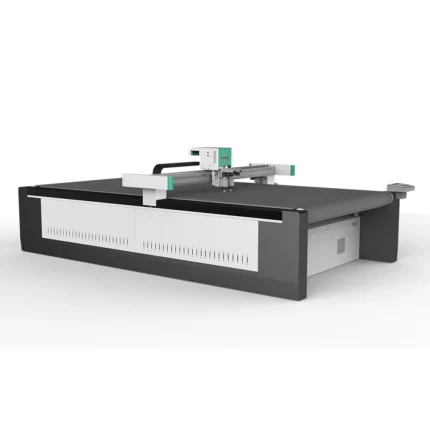
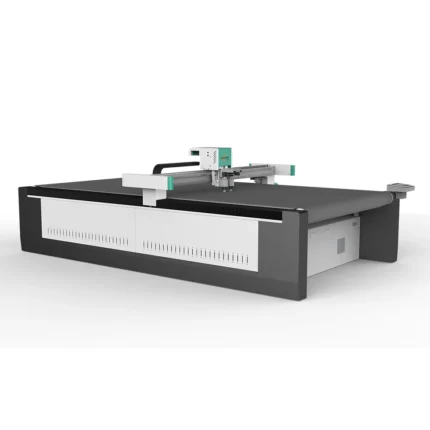
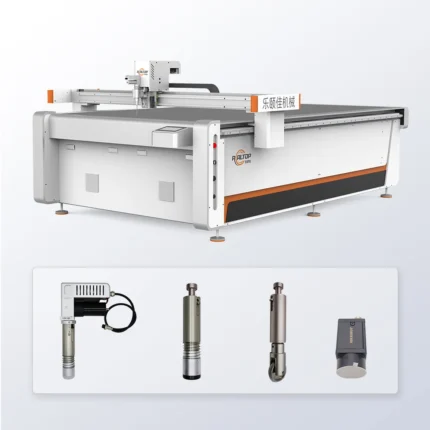
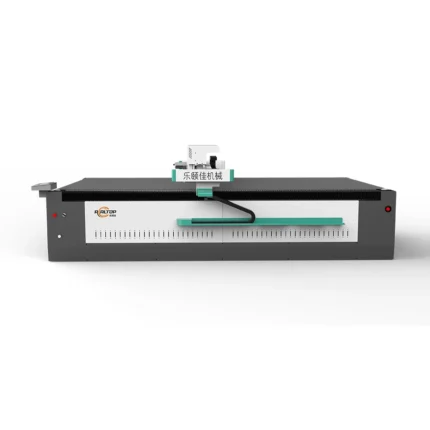
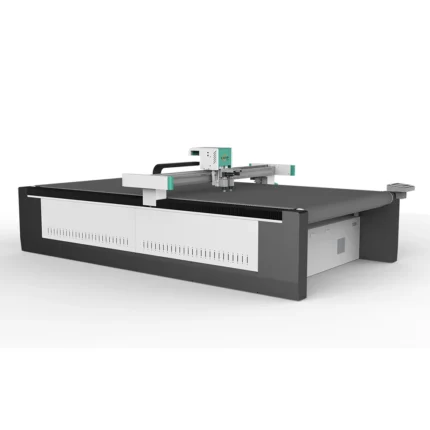
CNC Oscillating Knife Cutting Machine, 1600×2500mm Working Area, 800-1200mm/s Translational Velocity — configured with Swiss imported vibrating knife, 7.5kW vacuum pump and CCD camera positioning for precise contour tracking on flexible materials.
- Delta servo motor with Taiwan Hiwin rail delivers ≤0.1mm repeated accuracy across leather, fabric, PVC, foam and composite sheets up to 80mm thick.
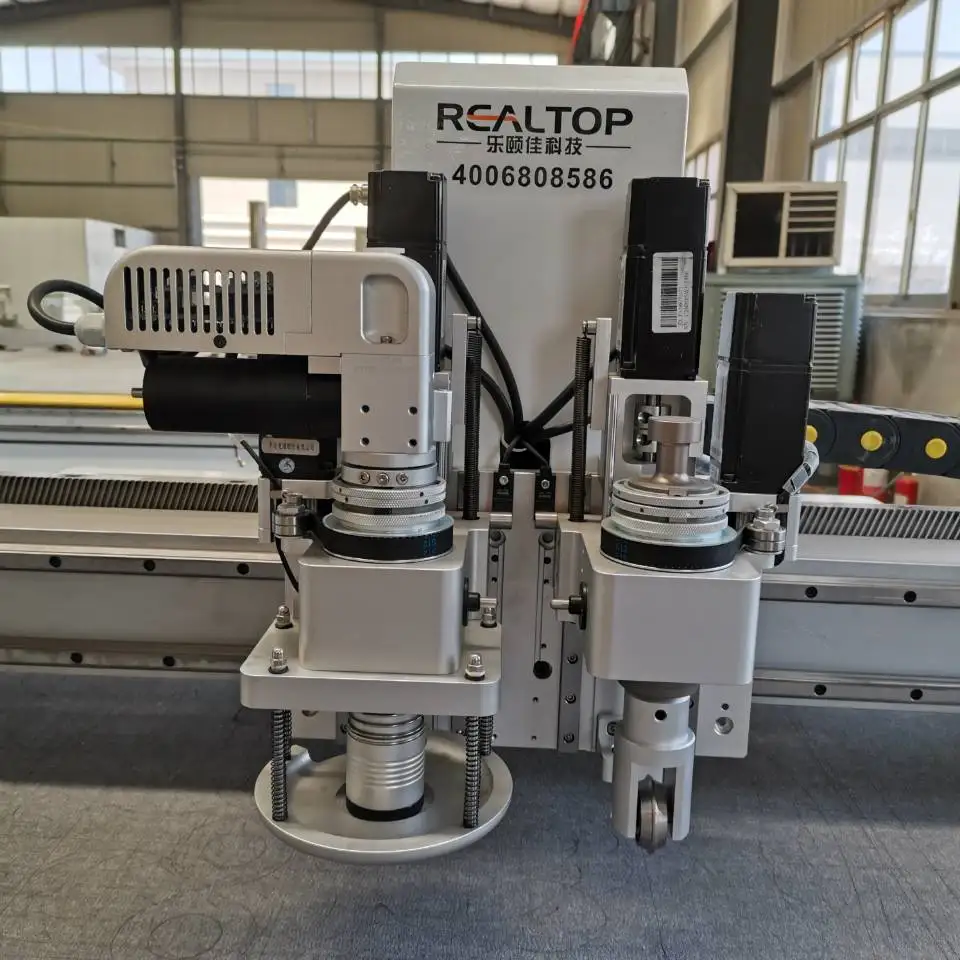
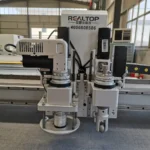
- Tool head options include oscillating, pneumatic, circular, drag knife and creasing wheel, matched to material density and edge quality requirements.
Sample cutting on your own material available before order confirmation, with voltage, control language and software format verified to your production setup.
In-house design and production — covers both knife and laser cutting methods, so the right process is matched to the material rather than forcing one technology onto every job.
Technical Specifications
| Parameter | Value |
|---|---|
| Product Type | CNC Oscillating Knife Cutting Machine |
| Working Area | 1600 × 2500 mm |
| Machine Size | 3450 × 2300 × 1250 mm |
| Rated Power | 9 kW |
| Table Type | Flat magnesium-aluminum alloy vacuum adsorption table |
| Cutting Thickness | 20–80 mm (basis not stated in source) |
| Translational Velocity | 800–1200 mm/s |
| Repeated Accuracy | ≤ 0.1 mm |
| Transmission System | Digital servo motor, linear guide, synchronous belt, ball screw |
| Servo Motor | Delta (optional Panasonic) |
| Rail | Taiwan Hiwin linear rail |
| Vacuum Pump | 7.5 kW |
| Multifunctional Head | Swiss imported knife — vibration full cut, vibration half cut, cursor location |
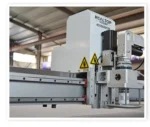
| Safety Device | Infrared sensors |
| Feeding System | Auto feeding, Germany imported conveyor belt |
| Positioning System | Small CCD camera mark point, panoramic camera recognition, projection positioning |
| Tool Head Options | Oscillating knife, pneumatic knife, high-power vibrating knife, circular knife, V-cutting knife, drag knife, creasing wheel, dotted line knife, punching, brush |
| Instruction System | HP-GL compatible format |
| Voltage | 380 V ± 10 % |
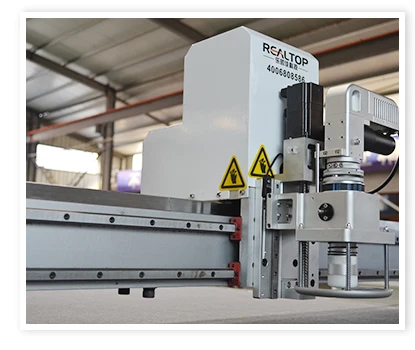
| Frame Construction | Thick-walled seamless steel structure, high-temperature tempering, CNC machining center finished |
| Language Options | English, Russian, Italian, Chinese; special languages customizable |
| Standards | CE declaration where applicable |
Application Suitability
| Application | Material or Output |
|---|---|
| Automotive interiors and sealing pads | Leather, sponge composite leather, PU, EVA, gasket material |
| Garment, footwear and luggage production | Clothing fabric, shoe material, non-woven fabric, textile |
| Carpet, mat and soft furnishing cutting | Carpet, sponge, XPE, foam board |
| Signage, graphic and advertising print finishing | PVC, sticker, film, corrugated cardboard |
| Composite and industrial material processing | Fiberglass, PTFE, ETFE, PP, PE, rubber, silicon |
| Packaging sample and carton prototyping | Cardboard, corrugated cardboard, plastic box |
Why "Cutting Thickness 20–80 mm" Can Mislead Buyers
Thickness range means nothing without material type, cutting tool and vacuum hold-down confirmed together.
I have walked through workshops where a CNC oscillating knife cutting machine for fabric was specified by working area and promised thickness alone. The operator loaded multi-layer fiberglass composite, started the cycle, and the top layers shifted mid-cut because the vacuum zoning was not set up for small nested parts. The cut depth was within the quoted range, but the edge was delaminated and the part was scrap. Cutting thickness on a vibration knife table is a function of material density, tool head selection and vacuum pressure acting together, not a single headline number [NEED_CITE: vacuum table zoning and hold-down pressure for composite cutting].
When a buyer evaluates a laser cutting and engraving machine manufacturer or a CNC knife system, the first document to request is a sample cutting report run on the buyer’s own material at the target thickness, not a generic brochure spec.
Knife, Tool Head and Material Match
The cutting head determines whether the machine slices cleanly or crushes the material. For soft composites like sponge-backed leather or EVA foam, an oscillating knife running at high frequency produces a clean edge without compressing the core. A drag knife on the same material would drag and tear. For denser gasket stock like PTFE or rubber, a high-power vibrating knife with a stiffer blade delivers the force needed to penetrate without stalling. This machine offers oscillating, pneumatic, high-power vibrating, circular, V-cutting, drag and punching heads as options, so the configuration follows the material rather than the other way around. A laser cutting and engraving machine manufacturer that also builds knife systems can advise on which process genuinely suits a given composite instead of defaulting to one technology.
Vacuum Zoning, CCD Tracking and Production Reality
Vacuum hold-down is where small-part cutting often fails. A flat magnesium-aluminum alloy table paired with a 7.5 kW vacuum pump provides the suction, but the zoning must match the nesting pattern. If the vacuum zones are too large, small gasket or garment pattern pieces lift at the trailing edge as the knife exits, producing a ragged finish or a shifted cut. The panoramic camera recognition and CCD mark point positioning systems on this table are designed to track printed contours on fabric and composite sheets at production speed, which matters when cutting pre-printed automotive interior panels or signage graphics where registration drift turns a batch into waste [NEED_CITE: CCD contour recognition accuracy at production speed on printed composites].
Reading the Specs That Actually Matter on the Floor
Translational velocity of 800–1200 mm/s is the travel speed of the head between cuts; actual cutting speed depends on material resistance and the stroke frequency of the oscillating knife. The repeated accuracy figure of ≤ 0.1 mm is a positioning tolerance on the Hiwin linear rail and ball screw assembly — it tells you how consistently the head returns to the same coordinate, which directly affects nested pattern yield when cutting garment or footwear uppers where a fraction of a millimetre accumulates over dozens of pieces. The Delta (or optional Panasonic) servo motors close the motion loop, and the thick-walled steel frame with high-temperature tempering resists the vibration that lighter frames transmit into the cutting bed. Voltage at 380 V ± 10 % must be confirmed against the buyer’s plant supply before shipment; a mismatch is one of the most common causes of servo drive failure in the first month of operation.
The Cost of Specifying on Working Area Alone
A buyer who selects a machine by bed size and price, without confirming tool head, vacuum zoning and software compatibility, typically discovers the gaps during commissioning. The wrong tool head produces crushed foam or delaminated composite edges that require secondary trimming. A vacuum table with inadequate zoning lifts small parts, forcing the operator to tape sheets down manually and lose throughput. If the nesting software cannot import the buyer’s existing DXF or PLT files, the production workflow stalls at the pre-press stage [NEED_CITE: software file format compatibility in CNC cutting workflows]. These are not warranty issues — the machine is technically functioning — which is why they rarely appear in after-sales statistics but dominate operator complaints.
Why Buyers Source This Table From Jinan
Realtop designs and builds both knife and laser cutting equipment in-house, so a buyer evaluating composites gets a process recommendation based on the material, not a single-product pitch. Every configuration — tool head, vacuum zoning, camera positioning, feeding system — is specified per material sample before the order is confirmed. Sample cutting on the buyer’s own composite stock is standard, producing a report that documents edge quality, cutting speed and hold-down behaviour. Voltage, plug type, control language and software file format are verified before the machine leaves the factory, reducing the commissioning surprises that cost importers time on the floor.
Documentation & Verification
- Machine specification sheet listing every configured tool head and option
- Electrical schematic with voltage and frequency confirmed for target market
- Sample cutting report run on buyer’s composite material at target thickness
- Software licence key and file format compatibility note before shipment
- Factory test record documenting repeated accuracy and vacuum pressure readings
- Packing photographs showing table surface, rails and head before crating
Installation, Commissioning & Support
- 3450 × 2300 mm footprint requires level concrete floor with clearance for conveyor feed
- 380 V ± 10 % supply with dedicated circuit for 9 kW rated load and 7.5 kW vacuum pump
- Machine ships as a single assembled frame; table and gantry verified at factory before dispatch
- First-run calibration covers servo tuning, vacuum zone mapping and CCD camera registration
- Operator training covers tool head changeover, nesting workflow and blade replacement intervals
- Spare parts list includes oscillating blades, vacuum seals and conveyor belt sections
What to Include in Your Inquiry
Send the material type, thickness range, sheet or roll dimensions and the daily volume you need to cut. Confirm the voltage and frequency at your plant, the control language your operators require, and whether your existing nesting software exports HP-GL compatible files. If the material is a printed composite, provide a sample sheet so the CCD tracking and vacuum zoning can be set and tested before the machine ships.
Frequently Asked Questions
Q: How do I choose between an oscillating knife and a laser for composite materials?
A: Oscillating knives cut without heat, which avoids edge melting on thermoplastics like PU, EVA and PVC composites. Lasers seal edges on synthetics but can burn natural fibres and produce fumes that require extraction. The choice depends on whether edge sealing or a clean mechanical cut matters more for your downstream process.
Q: What does "continuous vs peak" power mean for a laser, and does it apply to knife cutting?
A: Continuous power determines the actual cutting depth a laser can sustain during a production run; peak ratings only describe short bursts. For knife cutting machines, the equivalent specification to verify is the oscillation stroke frequency and motor torque under load, which determine whether the knife can maintain cutting speed through dense composite layers without stalling.
Q: Can the CCD camera track printed marks on fabric at full production speed?
A: The panoramic camera and CCD mark point system are designed for contour recognition on printed sheets. Real tracking accuracy depends on print contrast, mark size and sheet flatness under vacuum. Request a sample cutting report on your printed composite to confirm registration holds within tolerance at the target feed rate.
Q: What vacuum hold-down is needed for small nested parts on composite sheets?
A: Small parts require fine vacuum zoning so that suction remains active under each piece as the knife cuts around it. A single large zone loses pressure once the knife pierces through, allowing small parts to shift. Confirm the table zoning layout matches your typical nesting pattern before the order is finalised.
Q: How are voltage, plug and control language handled before shipment?
A: Voltage and frequency are confirmed against the buyer’s plant supply and documented on the electrical schematic. Plug type and control panel language are set during production. This avoids the common issue where a machine arrives with a control interface the local operators cannot read or a voltage mismatch that damages the servo drives.


Related products
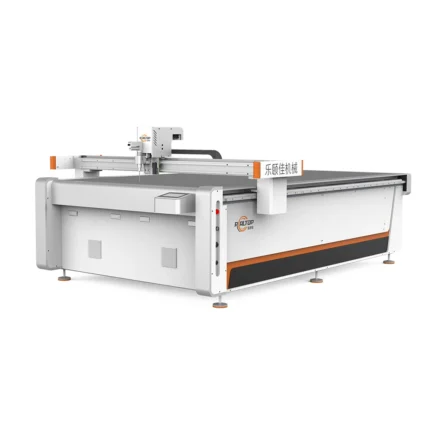
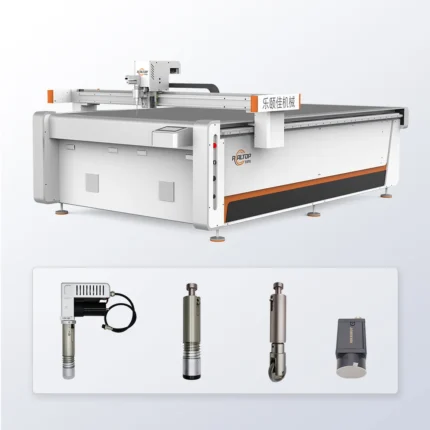
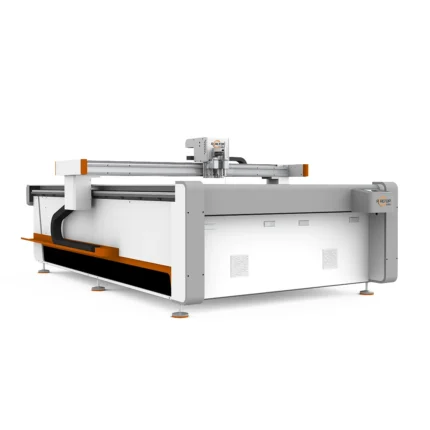

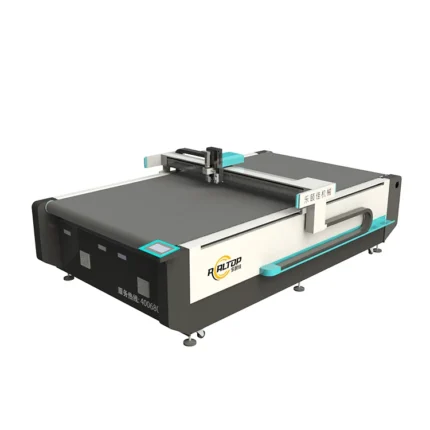
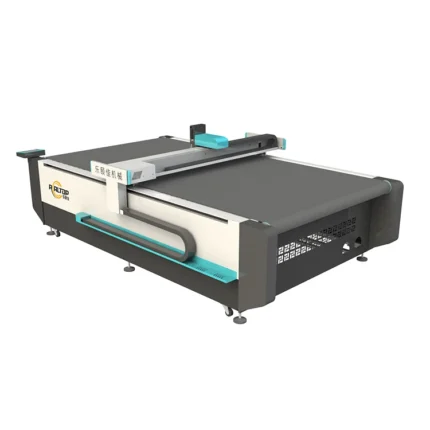
Cortadora de hojas de goma de alta velocidad 2026 120m/min CNC
Product Introduction
2026 High-Speed Rubber Sheet Cutter is a CNC composite cutting machine designed for efficient cutting operations, ideal for rubber sheets and composite materials with high precision and speed.
Product Parameters
| Cutting Speed | 120m/min |
| Control System | CNC |
| Application | Rubber Sheets, Composite Materials |
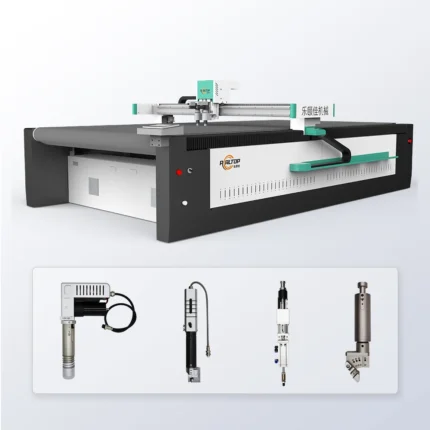

Máquina de Corte de Juntas CNC 2026 Cortadora de Caucho Digital de Alta Precisión
Product Introduction
High-precision CNC gasket cutting machine with digital control, ideal for rubber materials. Features auto table operation for efficient, accurate cutting in industrial applications.
Key Specifications
| Type | CNC Gasket Cutting Machine |
| Function | Digital Rubber Cutter |
| Precision | High-Precision |
| Operation | Auto Table |
| Model Year | 2026 |
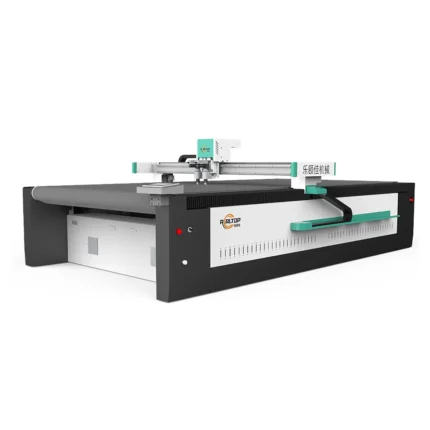
Máquina de corte digital con cuchilla CNC Realtop 2026
Product Introduction
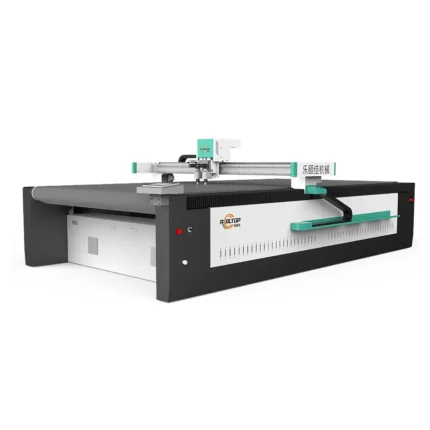
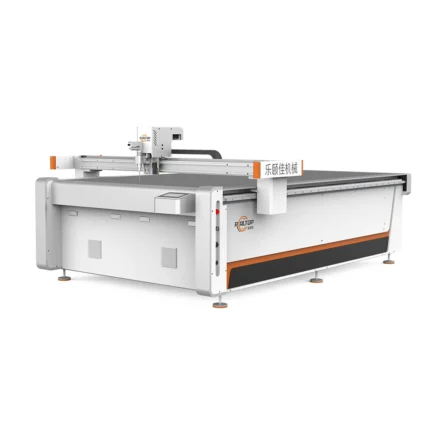
Realtop CNC Digital Knife Cutting Machine 2026, a precision cutting solution for various materials, ideal for industrial manufacturing with advanced CNC technology.
Key Specifications
| Model | Realtop CNC Digital Knife Cutting Machine 2026 |
| Type | CNC Digital Knife Cutting |
| Application | Industrial Material Cutting |
| Manufacturer | Chinese Welding & Cutting Equipment Factory |
商品评价
There are no reviews yet.