

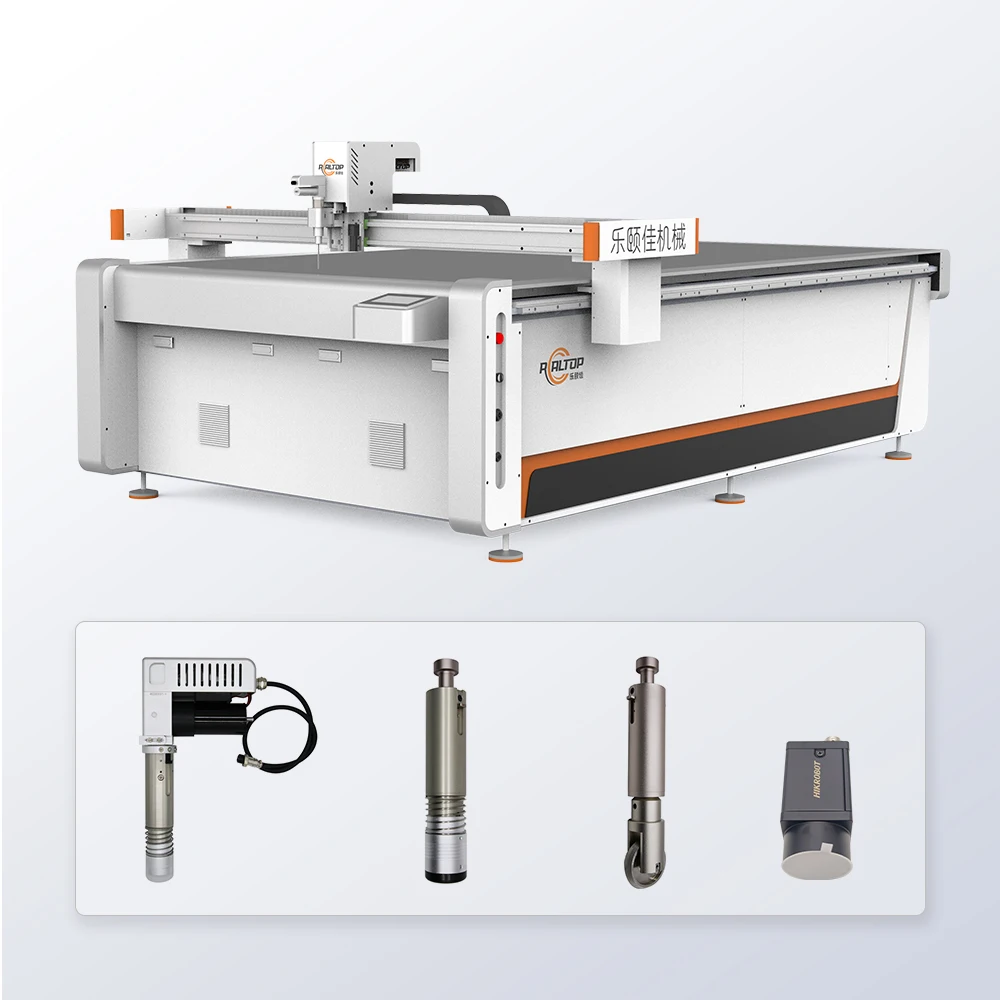

Auto CNC Oscillating Knife Cutting Machine for Composites – Factory Direct
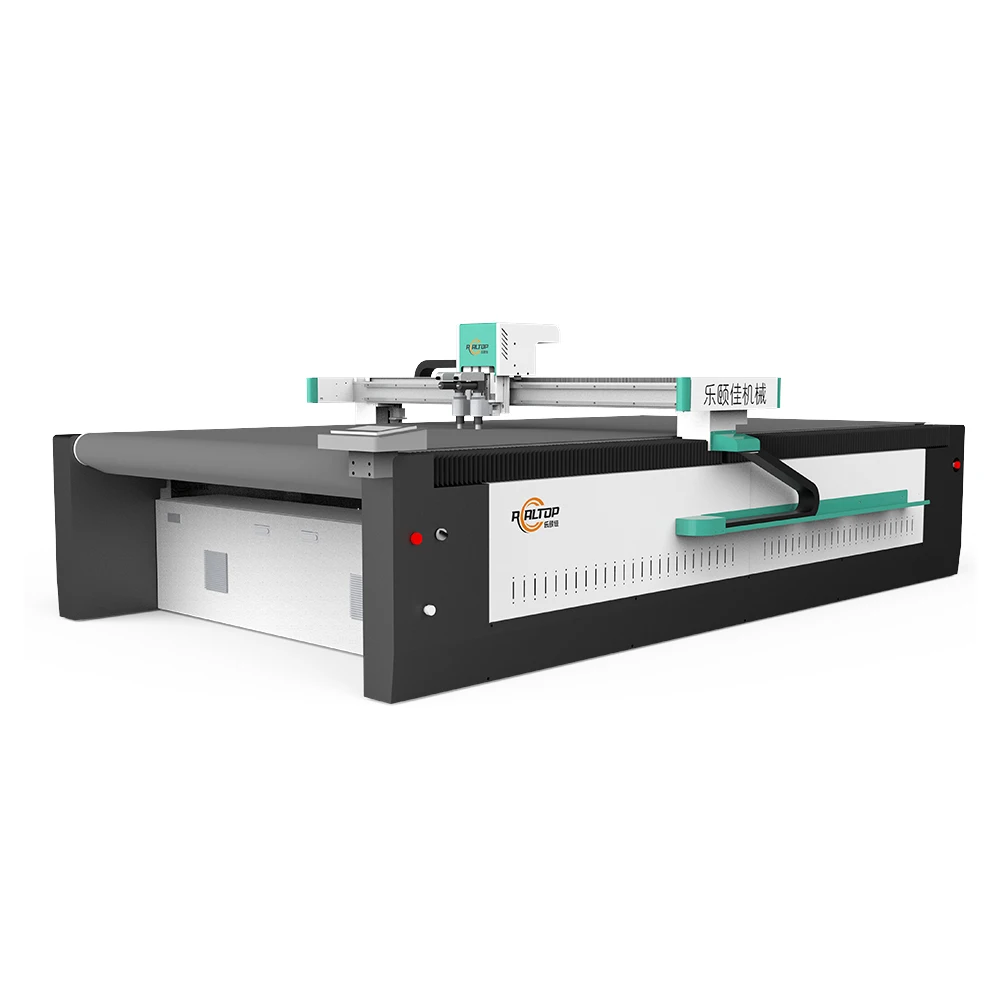
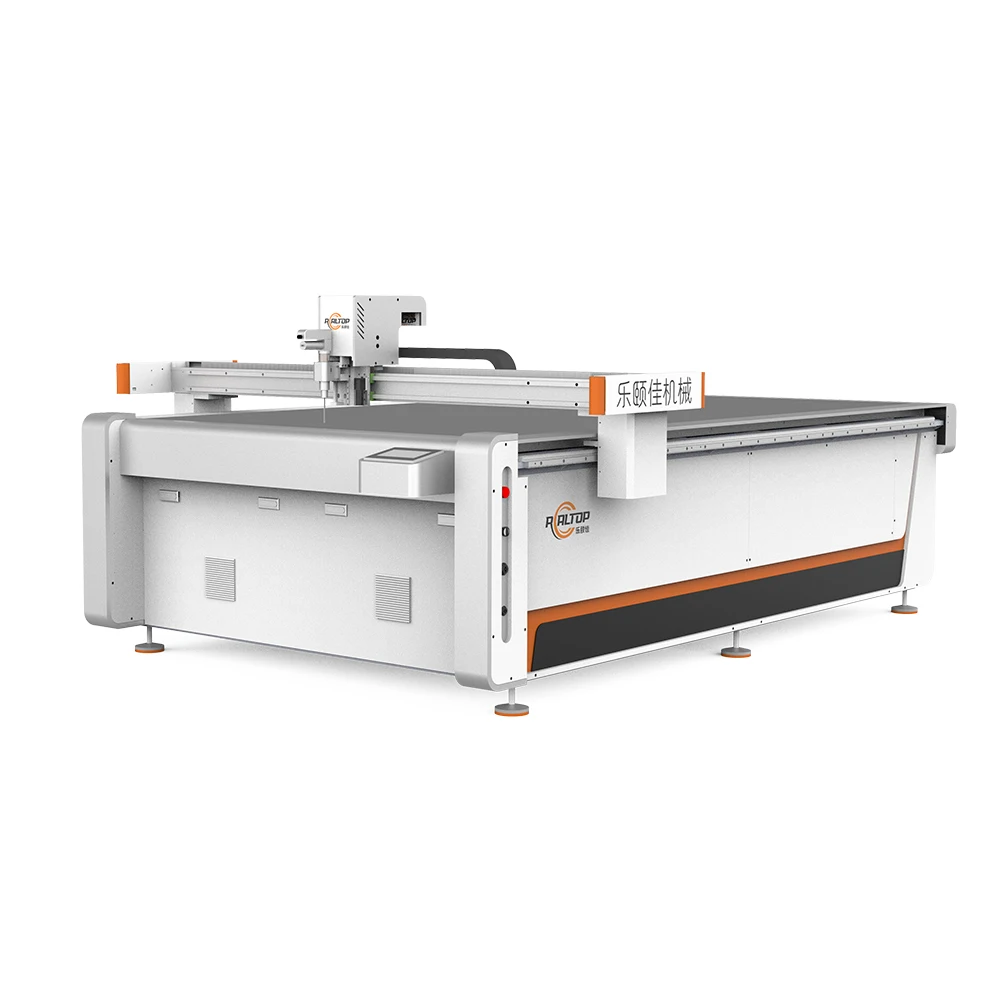
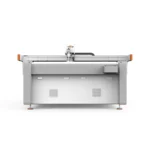
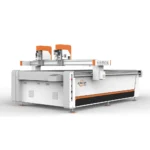
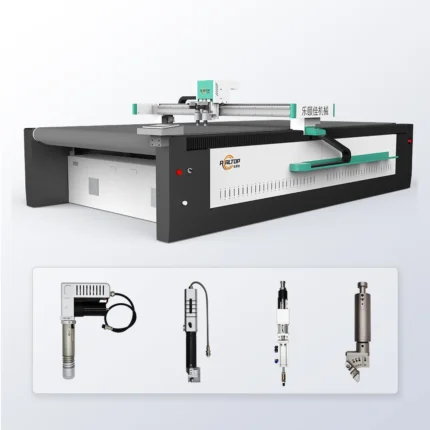
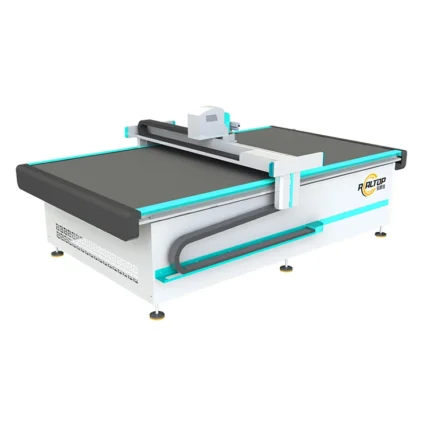
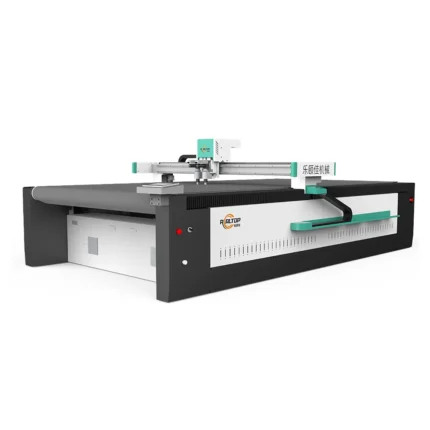
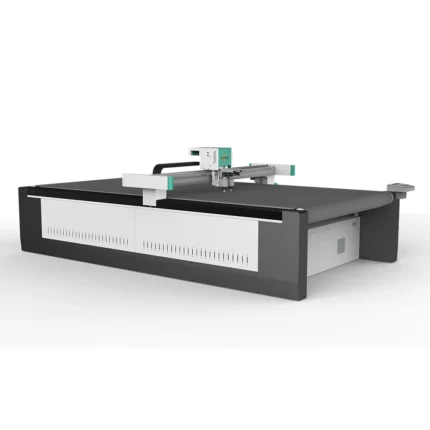
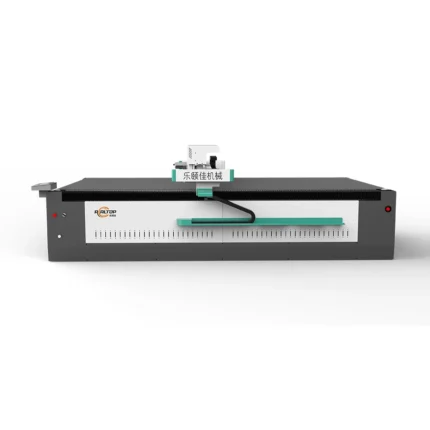
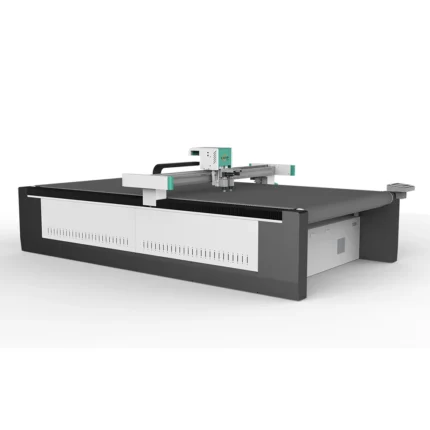
CNC Oscillating Knife Cutting Machine for composites, 1600×2500mm working area, ±0.1mm positioning accuracy, aluminum bellows vacuum table — delivers cold-cutting precision without thermal damage to carbon fiber prepreg, aramid honeycomb, and fiberglass cloth.
- High-frequency oscillating action eliminates resin melting, scorching, and delamination common with laser processing
- Multi-tool head configuration adapts from soft insulation foams to rigid G10 epoxy boards
- Compatible with PLT, DXF, AI, and PDF file formats for existing nesting workflows
Sample cutting on your specific composite material and thickness is performed before commitment, ensuring tool head and vacuum zoning match your production requirements.
Cold-Cutting Precision — Our oscillating knife platform eliminates thermal damage on composite laminates, preserving resin integrity where laser heat would scorch edges and compromise structural certification.
Technical Specifications
| Parameter | Value |
|---|---|
| Product Type | CNC Oscillating Knife Cutting Machine |
| Working Area | 1600×2500 mm |
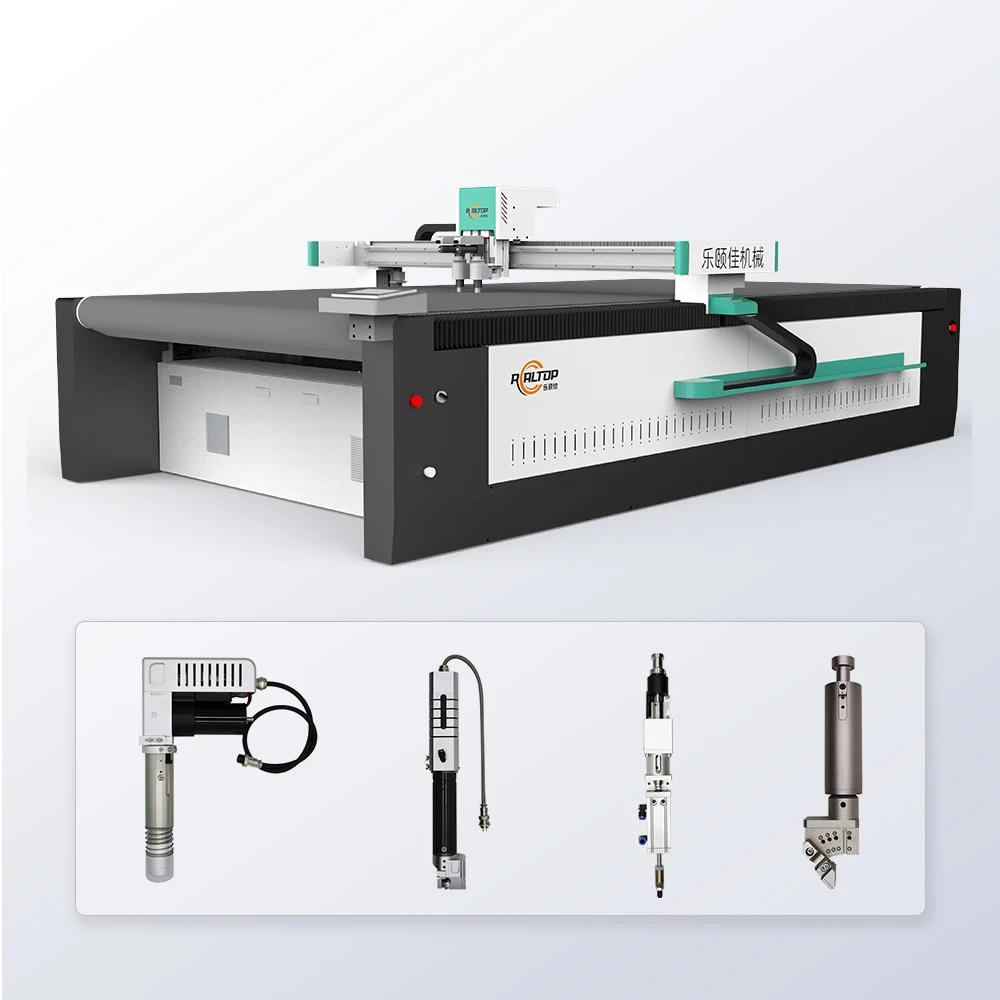
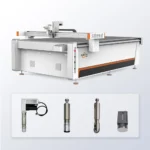
| Tool Head Options | Oscillating knife, Driven rotary knife, Creasing wheel, Kiss cutting tool, Pneumatic knife, Milling tool, V groove knife |
| Cutting Speed | 0–2000 mm/s |
| Cutting Thickness | ≤ 30 mm (basis not stated in source) |
| Positioning Accuracy | ±0.1 mm |
| Vacuum Table | Aluminum bellows vacuum table |
| Vacuum Pump Power | 9 kW |
| Voltage Options | 110V / 220V / 380V |
| Control System | PLC control panel |
| Servo Motor Options | Panasonic, Delta, Dorna |
| Profile Formats | PLT, DXF, AI, PDF |
| Software Languages | English, Russian, Italian, Chinese (customizable) |
| Safety Devices | Infrared sensor, Emergency stop |
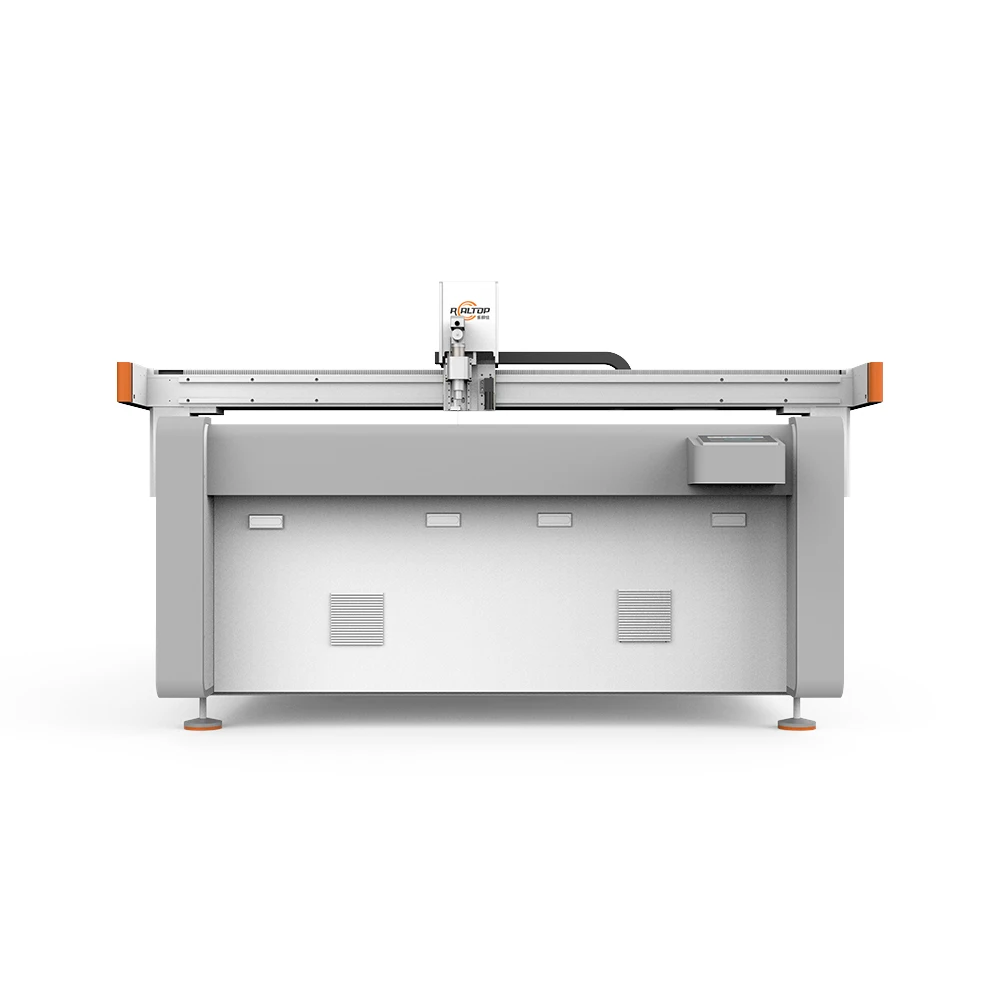
| Machine Dimensions | 3300×2100×1350 mm |
| Certification | CE (declaration where applicable) |
Application Suitability
| Application | Material or Output |
|---|---|
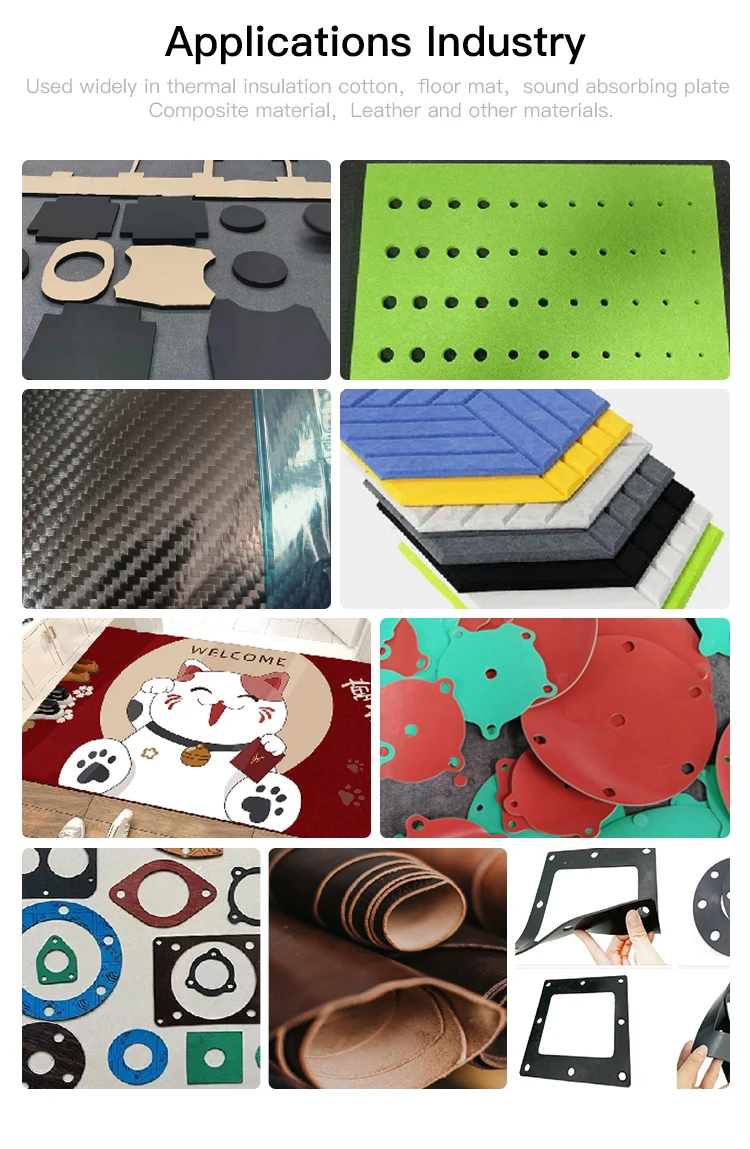
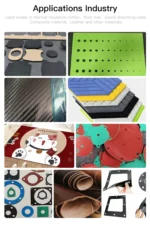
| Aerospace structural components | Carbon fiber prepreg, aramid honeycomb, thermal and acoustic insulation pads |
| Automotive and rail interiors | Lightweight composite body panels, battery insulation sheets, acoustic felt, seat foam |
| Wind energy blade fabrication | Fiberglass cloth, vacuum infusion mesh, foam core preforms, carbon spar caps |
| Sporting goods manufacturing | Bicycle frame prepreg, helmet liners, surfboard blanks, kayak hull sections |
What "Cutting Speed" Means When Your Composite Delaminates
A CNC oscillating knife cutting machine for composites manufacturer must address the failure mode that matters most: edge integrity under vibration cutting. Buyers often see a 2000 mm/s headline and assume throughput is solved, but composite layups — especially carbon fiber prepregs with thermoset resins — respond differently to blade frequency, oscillation amplitude, and downward pressure than homogeneous foams or fabrics.
I have walked into workshops where the operator slowed the head to a crawl just to stop the fiberglass from fraying at the cut line, turning a supposedly fast machine into a bottleneck [NEED_CITE: composite cutting edge quality standards]. The real question is not how fast the gantry moves, but whether the tool head configuration matches the resin system and fiber orientation in your specific layup.
How Cold Cutting Preserves Composite Resin Systems
Thermal cutting methods introduce localized heat that can soften thermoplastic matrices or partially cure thermoset resins along the kerf, creating a heat-affected zone that may fail downstream structural testing. Our CNC oscillating knife cutting machine for composites uses high-frequency blade vibration to shear through fiber and resin mechanically, leaving the cut edge at ambient temperature.
This matters for aerospace interior trim panels and automotive battery insulation pads, where any thermal degradation must be documented and justified during certification audits. The cold-cutting process also eliminates the need for fume extraction systems that laser cutting of carbon fiber and Kevlar demands, reducing facility overhead.
Vacuum Hold-Down for Flexible and Rigid Composite Formats
Composite materials range from limp fiberglass cloth that shifts under the slightest air current to rigid G10 epoxy boards that sit flat under their own weight. The aluminum bellows vacuum table on this platform provides full-surface adsorption, which is necessary when cutting nested small parts from thin prepreg — without sufficient zoned vacuum, lifted edges cause the oscillating blade to catch and tear the ply.
For large-format wind energy fabrics and infusion mesh, the 1600×2500 mm working area allows full-width lays without repositioning, maintaining ply alignment across multi-layer stacks [NEED_CITE: vacuum table zoning requirements for composite nesting]. The 9 kW vacuum pump generates the suction needed to hold porous materials that would otherwise bleed air and lose adhesion.
Reading the Spec Sheet Against Your Actual Material
The ±0.1 mm positioning accuracy governs how tightly the machine can follow a CAD contour — critical when cutting aramid honeycomb cores that must mate precisely with skin panels during layup. Servo motor selection across Panasonic, Delta, and Dorna options affects how the gantry decelerates into tight corners without overshoot, which directly influences corner quality on complex nest geometries.
Tool head selection is where most composite cutting projects succeed or fail. The oscillating knife handles most prepregs and soft composites, while the driven rotary knife suits thicker, more abrasive fiberglass stacks. The pneumatic knife option addresses dense rubber and gasket composites, and the V groove knife creates fold lines in honeycomb panels without cutting through the facing sheet. The milling tool handles rigid carbon fiber boards that exceed the oscillating knife’s effective cutting depth.
When the Wrong Tool Head Destroys Your Material Yield
I remember a buyer who specified an oscillating knife for carbon-fiber-reinforced composite with a glass-fiber interlayer based on clean sample cuts we ran on standard EVA foam. When their actual production material arrived, the blade dulled within hours and the edges frayed like pulled thread — the oscillation frequency was wrong for that specific fiber-resin combination, and the tool head needed to be swapped for a driven rotary configuration.
Selecting the wrong vacuum zoning pattern is another silent yield killer. Small aerospace seal components cut from large prepreg sheets will lift off the table if the vacuum zones are sized for full-sheet holding rather than localized small-part adsorption, causing ragged edges and scrapped nests [NEED_CITE: material yield loss from poor vacuum zoning].
Why Procurement Starts with Your Material Sample
Every CNC oscillating knife cutting machine for composites manufacturer in our factory builds both knife and laser platforms, which means the cutting method recommendation is driven by your material rather than by which machine we want to sell. We run sample cutting on your actual composite layup — resin system, fiber type, thickness, and stacking configuration — before any quotation is issued.
Tool head and table configuration are specified per material and production volume, not pulled from a standard package. Voltage, plug type, and control language are confirmed against your facility specifications before the build starts. Software file format compatibility with your existing CAD workflow — whether PLT, DXF, AI, or PDF — is verified during the sample stage so there are no import surprises after delivery.
Documentation & Verification
- Machine specification sheet with confirmed tool head and vacuum table configuration for your composite type
- Electrical schematic documenting voltage, frequency, and circuit requirements for your facility
- Sample cutting report on your actual composite material showing edge quality and dimensional accuracy
- Factory test record demonstrating cutting performance across your specified thickness range before dispatch
- Software license with file format compatibility note confirming PLT, DXF, AI, or PDF import capability
- Spare parts list identifying consumable blades, knife holders, and vacuum table seals by part number
Installation, Commissioning & Support
- Floor space planning based on 3300×2100 mm machine footprint plus material loading clearance on all sides
- Dedicated electrical circuit matching confirmed voltage option — 110V, 220V, or 380V — with correct frequency
- Vacuum pump commissioning verifying 9 kW unit achieves required hold-down across your material porosity
- PLC control panel language set to your selected option during initial parameter configuration and operator training
- Tool head calibration for your composite thickness range, establishing oscillation frequency and downward pressure baselines
- Spare blade and wear part inventory established based on your material abrasiveness and daily cutting volume
What We Need to Quote Accurately
Provide the specific composite material type — fiber, resin system, and whether it arrives as prepreg, dry fabric, or cured board — along with the thickness range and typical sheet dimensions. Let us know your facility voltage and frequency, the control language your operators require, and whether your existing CAD files use PLT, DXF, AI, or PDF format. If production volume and nesting patterns are already defined, share those so we can configure the vacuum table zoning and tool head accordingly.
Frequently Asked Questions
Q: How do I select the right tool head for my composite material?
A: The oscillating knife suits most prepregs and soft composites, while the driven rotary knife handles thicker abrasive fiberglass stacks. The pneumatic knife addresses dense rubber-based composites, and the milling tool is reserved for rigid carbon fiber boards. We determine the correct head during sample cutting on your actual material before finalizing the configuration.
Q: What cutting thickness is realistic for carbon fiber versus fiberglass cloth?
A: The machine is rated for up to 30 mm cutting thickness, though practical limits depend on material density and fiber-resin combination. Carbon fiber boards typically require slower passes with the milling tool at lower thicknesses, while multi-layer fiberglass cloth stacks can be cut thicker with the oscillating knife. Sample testing on your exact layup establishes the working range.
Q: How does cold cutting compare to laser for composite edge quality?
A: Laser cutting introduces heat that can scorch thermoset resins, produce toxic fumes from carbon fiber, and create a heat-affected zone requiring documentation in certified applications. The cold-cutting oscillating knife shears fibers mechanically at ambient temperature, preserving resin integrity and eliminating fume extraction infrastructure.
Q: What voltage and language options are available for international facilities?
A: The platform supports 110V, 220V, and 380V configurations, with frequency confirmed during the specification stage. The PLC control panel and software interface are available in English, Russian, Italian, and Chinese, with additional languages customizable. Voltage, plug type, and language are locked in before production begins.
Q: Can the vacuum table handle both small parts and large-format sheets?
A: The aluminum bellows vacuum table with the 9 kW pump provides full-surface adsorption for large-format wind energy fabrics and infusion mesh. For small aerospace components, vacuum zoning configuration must be specified during ordering so that localized hold-down prevents edge lifting on nested small parts cut from larger sheets.


Related products
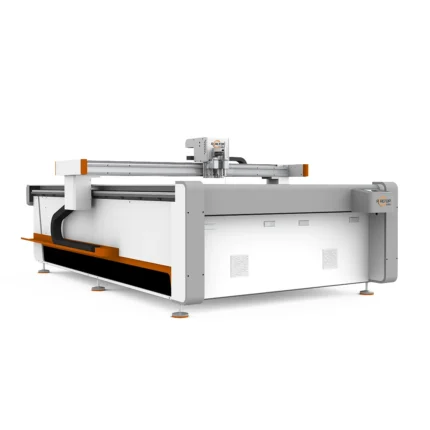


CNC Gasket Cutting Machine 2026 Digital Rubber Cutter High-Precision
Product Introduction
High-precision CNC gasket cutting machine with digital control, ideal for rubber materials. Features auto table operation for efficient, accurate cutting in industrial applications.
Key Specifications
| Type | CNC Gasket Cutting Machine |
| Function | Digital Rubber Cutter |
| Precision | High-Precision |
| Operation | Auto Table |
| Model Year | 2026 |
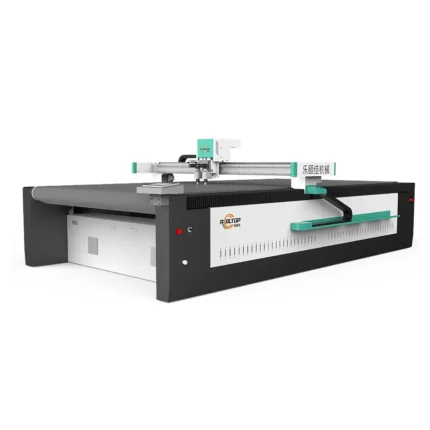
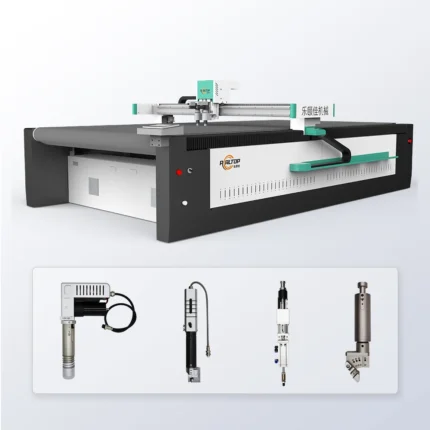
Realtop 2026 CNC Digital Knife Cutting Machine
Product Introduction
Realtop CNC Digital Knife Cutting Machine 2026, a precision cutting solution for various materials, ideal for industrial manufacturing with advanced CNC technology.
Key Specifications
| Model | Realtop CNC Digital Knife Cutting Machine 2026 |
| Type | CNC Digital Knife Cutting |
| Application | Industrial Material Cutting |
| Manufacturer | Chinese Welding & Cutting Equipment Factory |
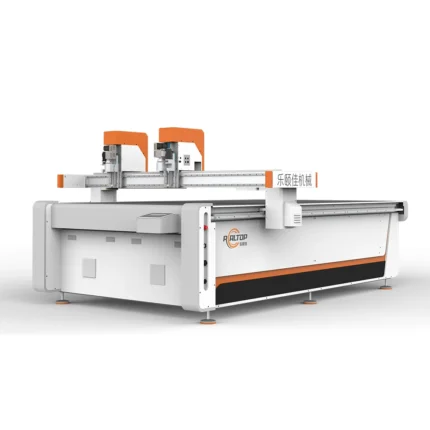
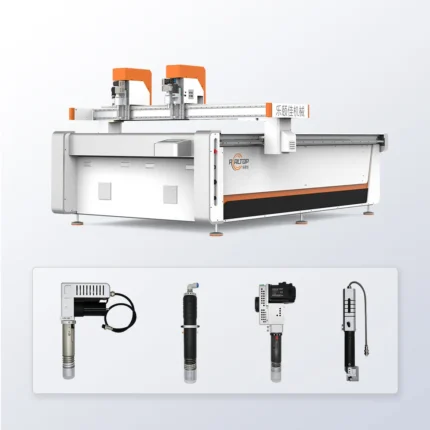
Realtop 2026 XPE Foam Cutter High-Precision Roller
Product Introduction
High-precision Realtop XPE Foam Cutting Machine 2026 with roller cutting system, ideal for efficient foam processing with accuracy. Perfect for manufacturing and industrial foam cutting applications.Key Specifications
| Model | Realtop XPE 2026 |
| Type | Roller Foam Cutter |
| Precision | High-Precision |
| Application | Foam Cutting |
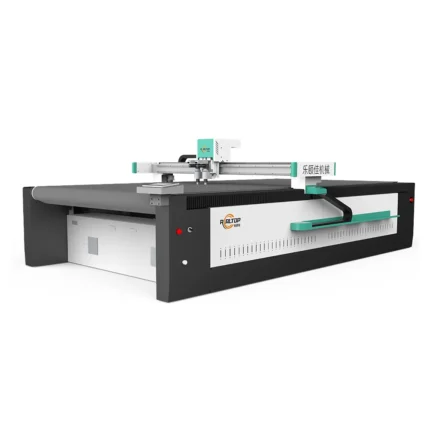
Realtop CNC Felt Panel Cutter 2026 Auto Digital Flatbed PET Cutter
Product Introduction
Realtop CNC Felt Panel Cutter 2026 is an auto digital flatbed designed for precise cutting of PET acoustic sheets, ideal for efficient and accurate fabrication in acoustic panel production.Key Specifications
| Model | Realtop CNC Felt Panel Cutter 2026 |
| Type | Auto Digital Flatbed Cutter |
| Application | PET Acoustic Sheets |
| Function | Precision Cutting |

Realtop EPE Cutting Machine 2026 High-Speed Digital Auto Cut
Product Introduction
Realtop 2026 EPE Cutting Machine features high-speed digital auto-cut technology, designed for efficient and precise cutting operations. Ideal for EPE material processing with automated functionality to enhance productivity.Key Specifications
| Model | Realtop EPE Cutting Machine 2026 |
| Type | High-Speed Digital Auto Cut |
| Operation | Automated |
| Application | EPE Material Cutting |
商品评价
There are no reviews yet.