

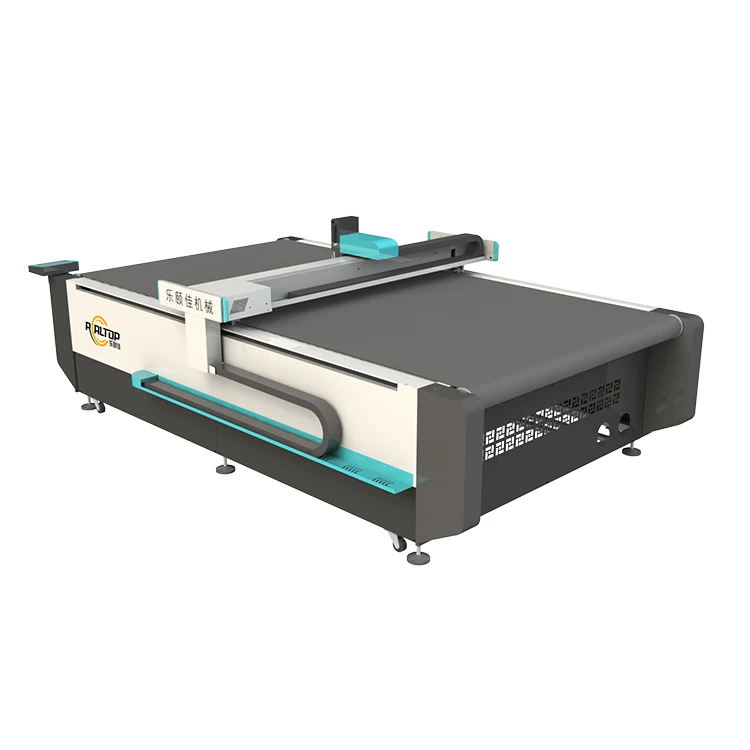
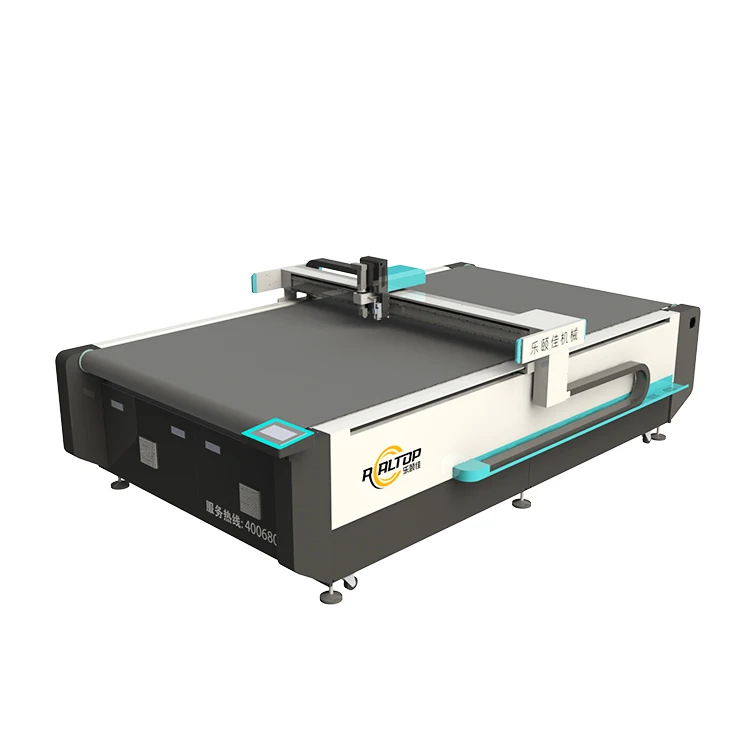
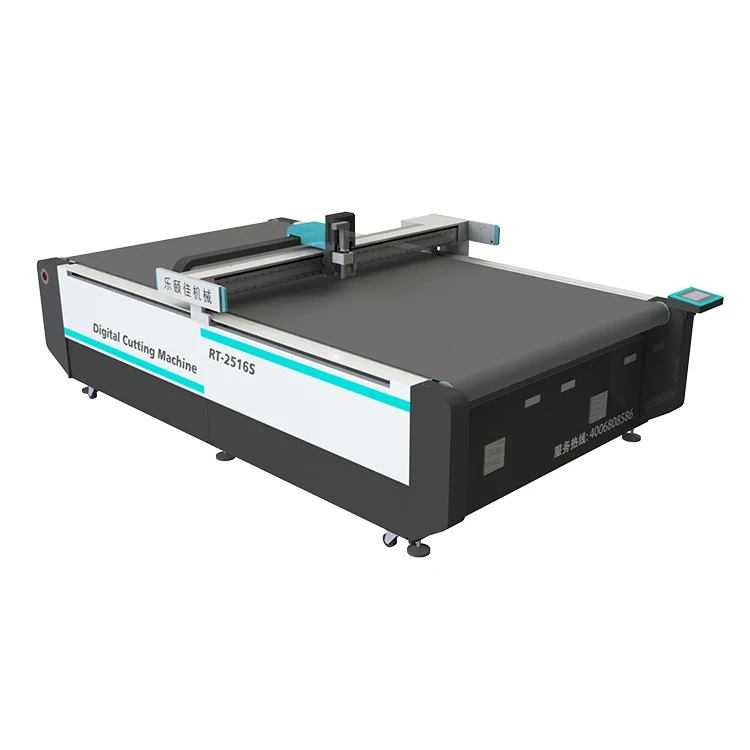
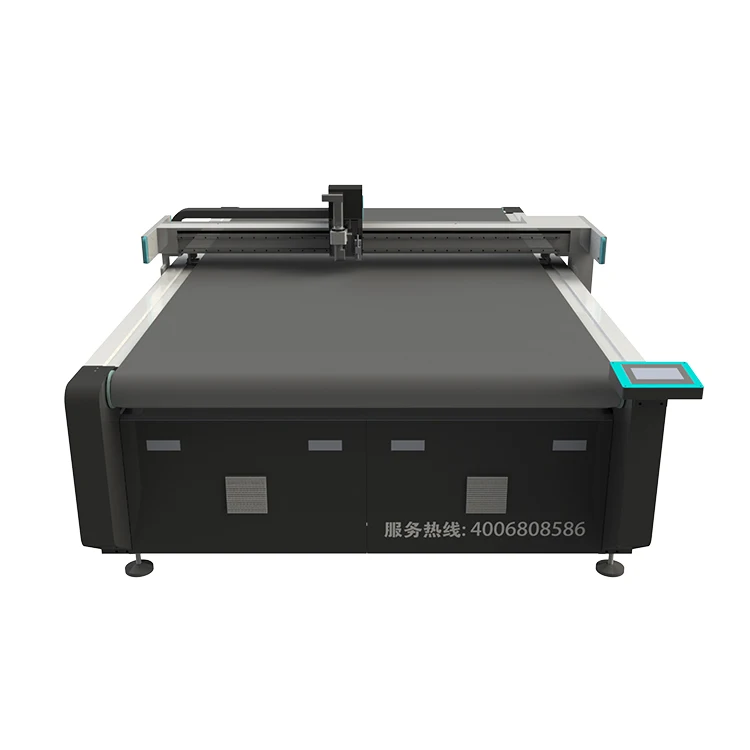
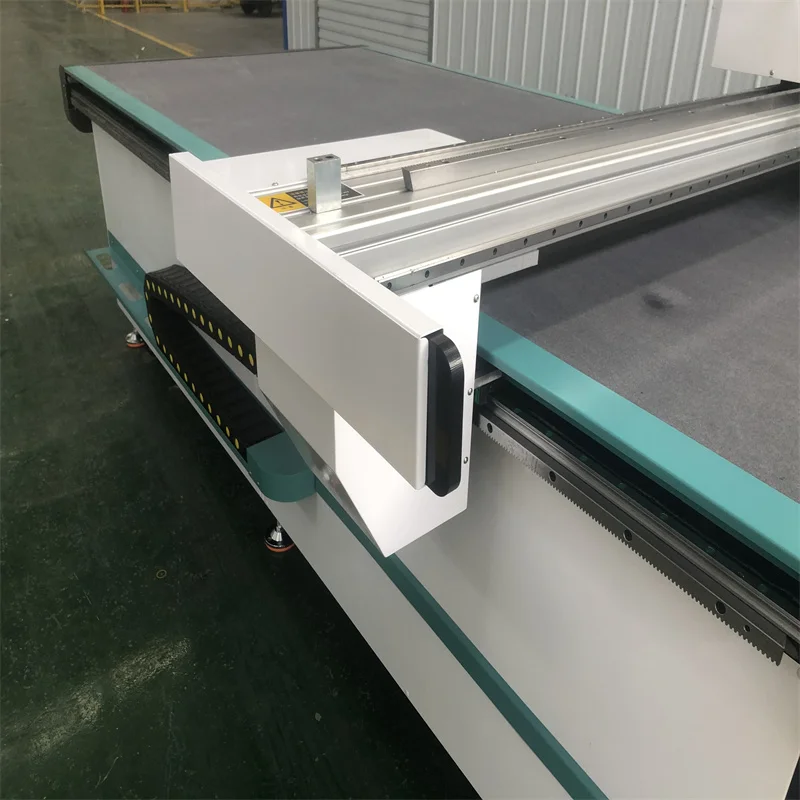
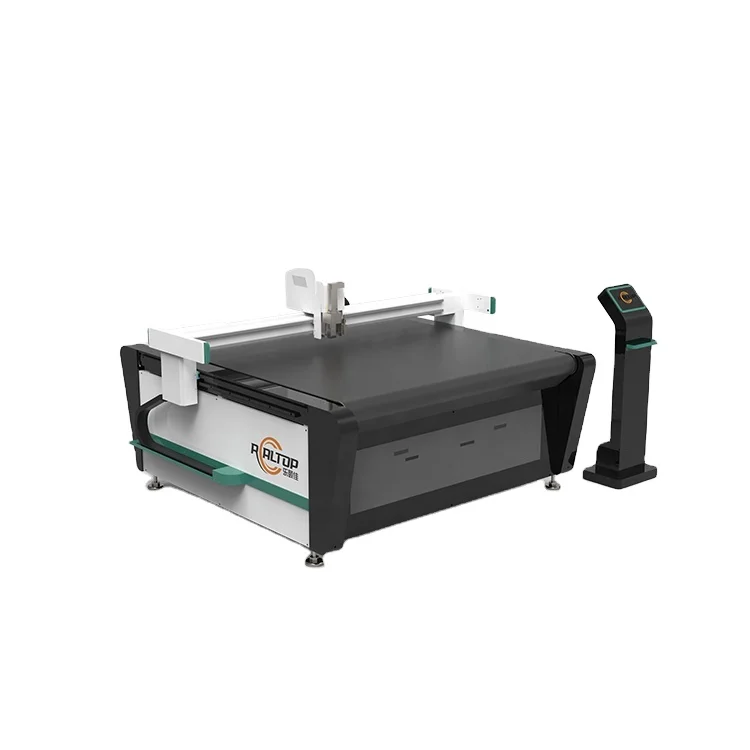
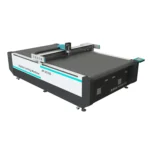
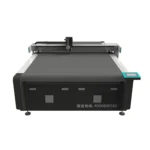
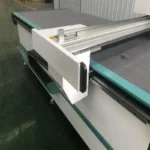


Automatic CNC Oscillating Knife Cutter for Leather Fabric
SKIP: no identifier
Material-Matched Process Configuration — Every oscillating knife cutter we ship is validated on the buyer’s actual fabric roll before the drive parameters leave our engineering desk.
Technical Specifications
| Parameter | Value |
|---|---|
| Product Type | Cloth CNC Cutting Machine |
| Working Area | Configurable from compact to large format |
| Tool Head Options | Oscillating knife, drag knife, creasing wheel, milling, pen |
| Positioning System | CCD camera contour recognition (optional) |
| Table Type | Vacuum table with multi-zone control or conveyor-assisted |
| Voltage | Customizable to destination market standard |
| Control Language | Buyer-specified at order confirmation |
| Software Compatibility | Confirmed against buyer’s file format before order |
Application Suitability
| Application | Material or Output |
|---|---|
| Garment and footwear cutting | Woven fabric, technical textiles, synthetic leather |
| Automotive seat upholstery | PU-coated functional fabric, multi-layer textile |
| Signage and soft material | Vinyl, banner, polyester-based board |
| Packaging sample making | Corrugated board, folding carton stock |
| Composite and foam cutting | Closed-cell foam, fiber-reinforced sheets |
Why the Wrong Tool Head Wastes Entire Rolls of Coated Fabric
Choosing the knife head after matching it to your actual production material prevents edge fraying that no amount of re-tuning can fix on the floor.
I have seen textile workshops purchase cloth CNC cutting machines specified purely by working area, only to discover the standard oscillating blade produces clean edges on test fabric but crushes and fuzzes the PU-coated functional material they actually run in volume. The knife frequency, feed rate, and blade geometry all shift once the coating changes the shear behavior of the stack. A few test cuts on a buyer’s own roll — the exact batch that will go to the sewing line — is the only way to lock those parameters before the machine ships [NEED_CITE: textile cutting parameter validation before shipment].
How Blade Frequency Interacts with Coated Textile Layers
The oscillating frequency of the knife directly determines how cleanly the blade separates fibers versus tearing them. On uncoated woven cloth, a moderate frequency clears the cut path without excessive heat. Add a PU or PVC top coat and the same frequency causes the polymer to smear along the cut edge, bonding fibers back together in a way that frays once the garment is handled downstream. Matching frequency to the specific coating weight is not optional — it is the parameter that decides whether the cloth CNC cutting machine produces sellable panels or scrap.
Multi-Zone Vacuum and the Small-Piece Lift Problem
When the cutting nest includes small components — collar stays, pocket flaps, gusset inserts — a single vacuum zone across the entire table cannot hold those pieces flat once surrounding material is removed. Multi-zone vacuum control lets the operator keep suction active only under the area being cut, preventing small parts from lifting into the knife path. Without that zoning, the cloth CNC cutting machine produces shifted layers and dimensional drift that the sewing operator discovers two stations later [NEED_CITE: vacuum zoning requirements for nested small components].
Reading the Specification Sheet Against Your Production Reality
Working area is the first number buyers compare, but it is the least likely to cause a production failure. The parameters that matter on the cutting floor are the maximum cutting depth relative to the lay height your operators use, the tool head configuration matched to your dominant material rather than the easiest test sample, and the software’s ability to import your existing nesting files without manual re-drawing. A cloth CNC cutting machine with a large table but the wrong creasing wheel or drag knife will underperform a smaller unit configured correctly for the actual order mix.
The Hidden Cost of Skipping Material-Specific Configuration
When the CCD camera is specified for printed contour work but the vision system cannot track registration marks at the machine’s full travel speed, every contoured piece requires manual repositioning — a bottleneck that only appears once daily volume reaches production scale. Software incompatibility discovered after shipment means the nesting workflow your planners already use must be rebuilt from scratch in an unfamiliar interface. Voltage mismatches, if not confirmed before wiring, result in transformer losses or motor overheating within the first week of operation [NEED_CITE: industrial voltage and frequency compatibility standards].
What Separates a Factory-Built Configuration from a Catalog Order
In-house design covering both knife and laser processes means the cutting method is selected to fit the material, not forced to fit one machine family. Tool head and table layout are specified per buyer material and expected production volume rather than offered as a fixed package. CCD positioning is validated on printed registration marks from the buyer’s actual print supplier. Software compatibility is confirmed by file import test before the purchase order is signed. Sample cutting on the buyer’s own material roll provides a physical report the production team can evaluate before committing to a production schedule.
Documentation & Verification
- Factory test record on your specific fabric weight and coating before dispatch
- Electrical schematic with voltage and phase confirmed to destination grid
- Tool head configuration list matched to your material stack-up
- Software license and file format compatibility note signed at order
- Sample cutting report with measured edge quality on your material
- Spare parts list covering blades, knife holders, and vacuum seals
Installation, Commissioning & Support
- Vacuum table leveling checked against your floor tolerance before full-power run
- Dedicated circuit sized to the configured motor and vacuum pump load
- Multi-zone vacuum calibration set to your typical nest pattern
- CCD camera registration mark tuning completed with your printed material
- Operator training conducted in the confirmed control language
- Blade and knife-holder replacement schedule documented by material type
What We Need Before Quoting
Provide the fabric type, coating specification, maximum lay height, and the daily panel volume your sewing line consumes. Confirm the local voltage and phase available at the installation point, the control language your operators require, and whether your nesting software exports DXF or a proprietary format. If your production runs include printed contour work, send a sample print so we can verify CCD mark recognition speed against your throughput target.
Frequently Asked Questions
Q: Can the same machine cut both uncoated woven fabric and PU-coated technical textile?
A: Yes, but the tool head configuration and drive parameters must be set differently for each material family. We specify the oscillating knife frequency, blade geometry, and feed rate based on sample cuts of both materials before the machine ships, so operators switch between jobs using saved profiles rather than guessing parameters on the floor.
Q: How do we confirm the CCD camera will track our printed registration marks?
A: We request a sample of your printed material with the actual registration mark design and ink density. The vision system is then tested at production travel speed, and a sample cutting report is issued showing contour accuracy before you approve the order.
Q: What if our existing nesting software exports a proprietary file format?
A: File format compatibility is confirmed before the purchase order is finalized. We import a sample nest file from your system, run it through the machine controller, and provide a written compatibility note so there is no workflow disruption after installation.
Q: Is the vacuum table sufficient for very small pattern pieces?
A: The table is configured with multi-zone vacuum control. Each zone can be activated independently, keeping small pieces held flat while surrounding waste material is cleared. The zone layout is designed around your typical nest pattern.
Q: What documentation arrives with the machine?
A: The shipment includes a machine specification sheet, electrical schematic with confirmed voltage, tool head configuration list, sample cutting report on your material, operation and maintenance manual in your specified language, software license note, and a spare parts list.


Related products
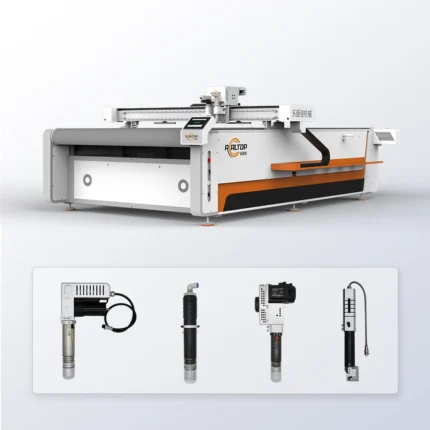
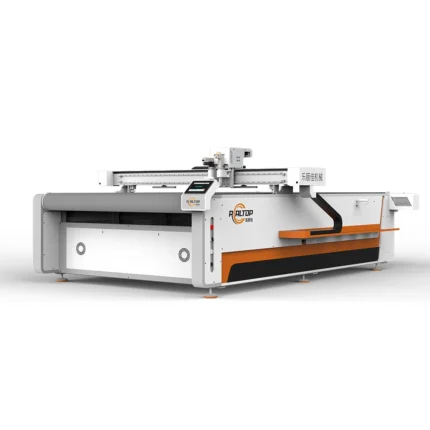
CNC Oscillating Knife Cutting Machine 2026 3000¡Á1600mm High-Speed
Product Parameters
| Model | CNC Oscillating Knife Cutting Machine 2026 |
| Working Area | 3000mm¡Á1600mm |
| Cutting Type | Oscillating Knife |
| Application | Fabric Cutting |
| Feature | High-Speed |
Introduction
High-performance CNC oscillating knife cutting machine with 3000mm¡Á1600mm working area, ideal for high-speed fabric cutting. Precision and efficiency for professional textile processing needs.
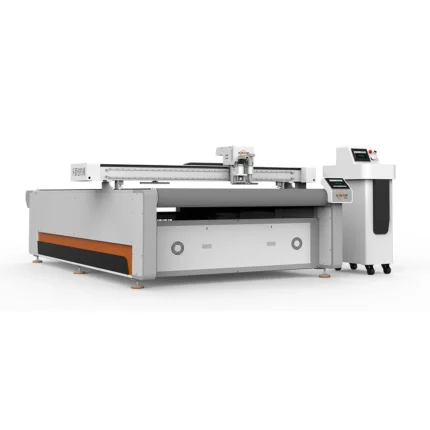
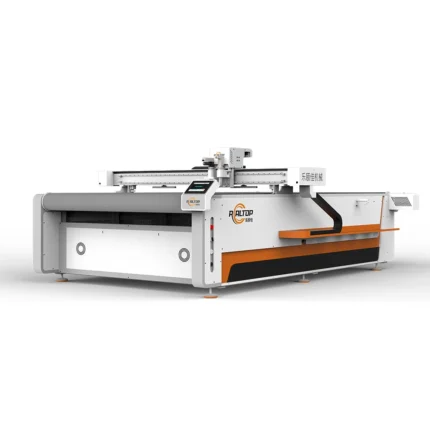
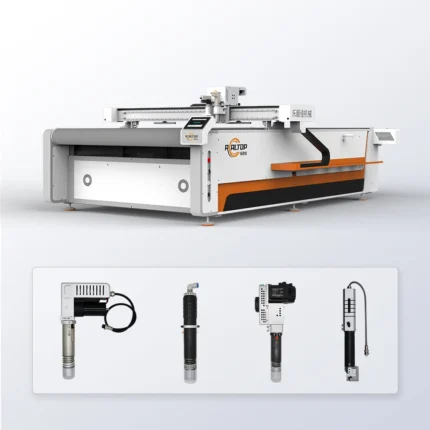
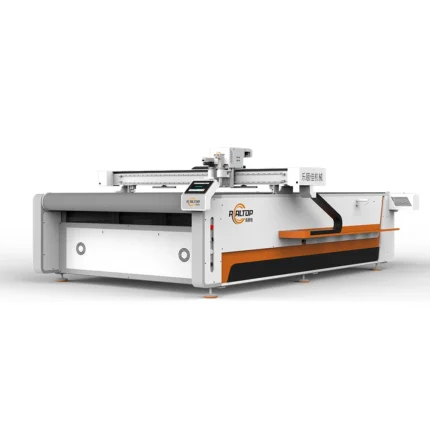
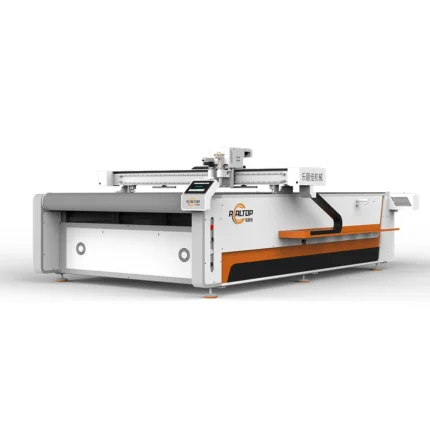
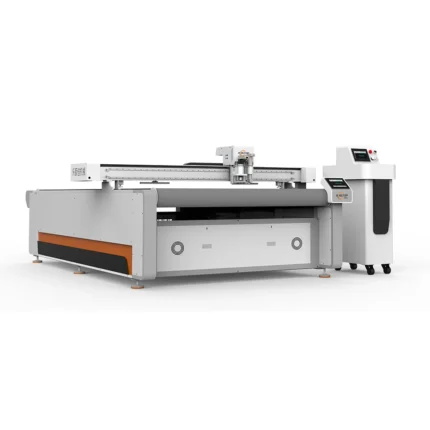
High Speed Fabric Cutting Machine 2026 Round Oscillating Knife
Product Overview
High Speed Fabric Cutting Machine 2026 with round and oscillating knife for efficient fabric cutting. Ideal for textile manufacturing and related industries.Key Specifications
| Cutting Type | Round & Oscillating Knife |
| Model Year | 2026 |
| Application | Fabric Cutting |
| Feature | High Speed Performance |
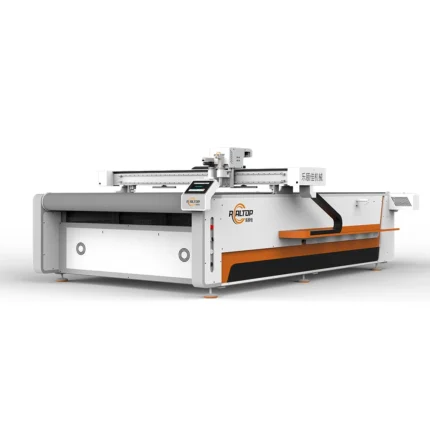
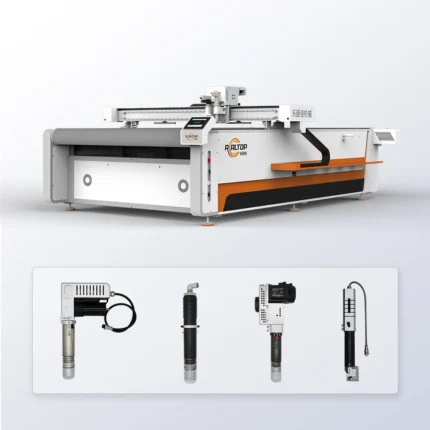
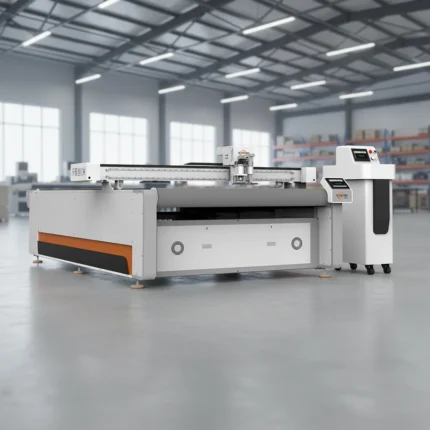
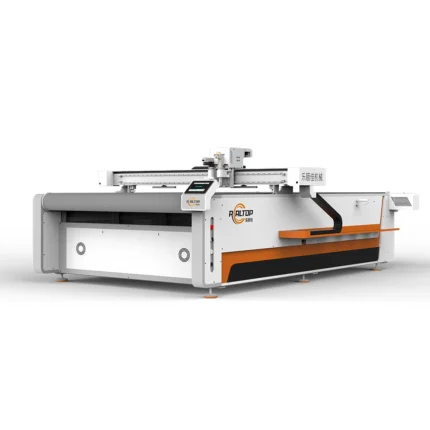
Jinan Realtop CNC Oscillating Knife Cutter 2026
Product Introduction
Jinan Realtop CNC Oscillating Knife Cutter 2026, a precision cutting solution from China's leading welding & cutting equipment manufacturer, ideal for efficient material processing with advanced CNC technology.
Key Specifications
| Model | 2026 |
| Type | CNC Oscillating Knife Cutter |
| Manufacturer | Jinan Realtop |
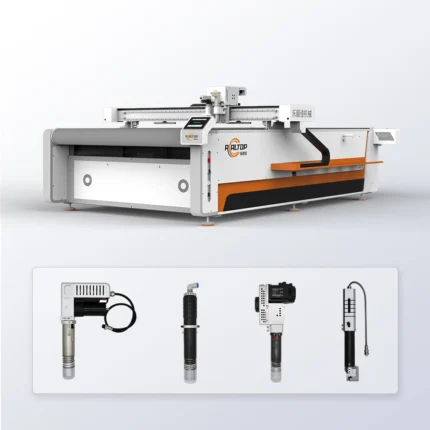

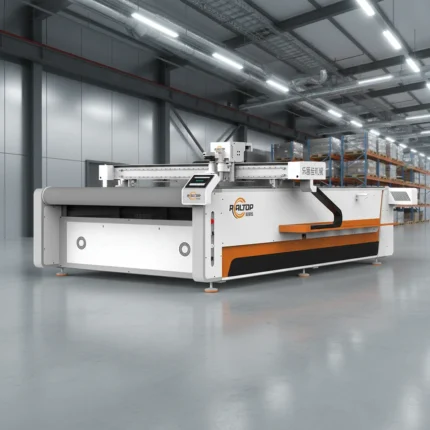
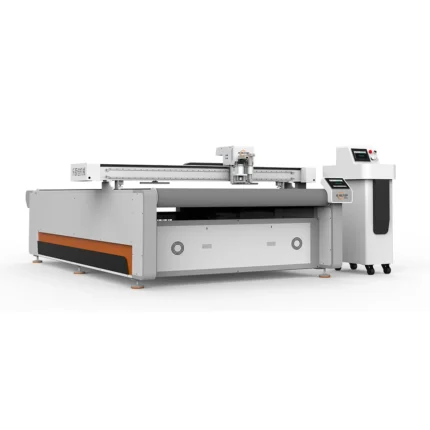
Jinan Realtop PVC Cutting Machine 2026 CE Certified
Product Introduction
Jinan Realtop PVC Cutting Machine 2026 is a CE-certified cutting solution, ideal for precise PVC material processing. Designed for efficiency and reliability in industrial applications.Product Parameters
| Model | 2026 |
| Certification | CE Certified |
| Application | PVC Cutting |
| Manufacturer | Jinan Realtop |
商品评价
There are no reviews yet.