

Automatic CNC Oscillating Knife Cutting Machine for Cloth – Manufacturer
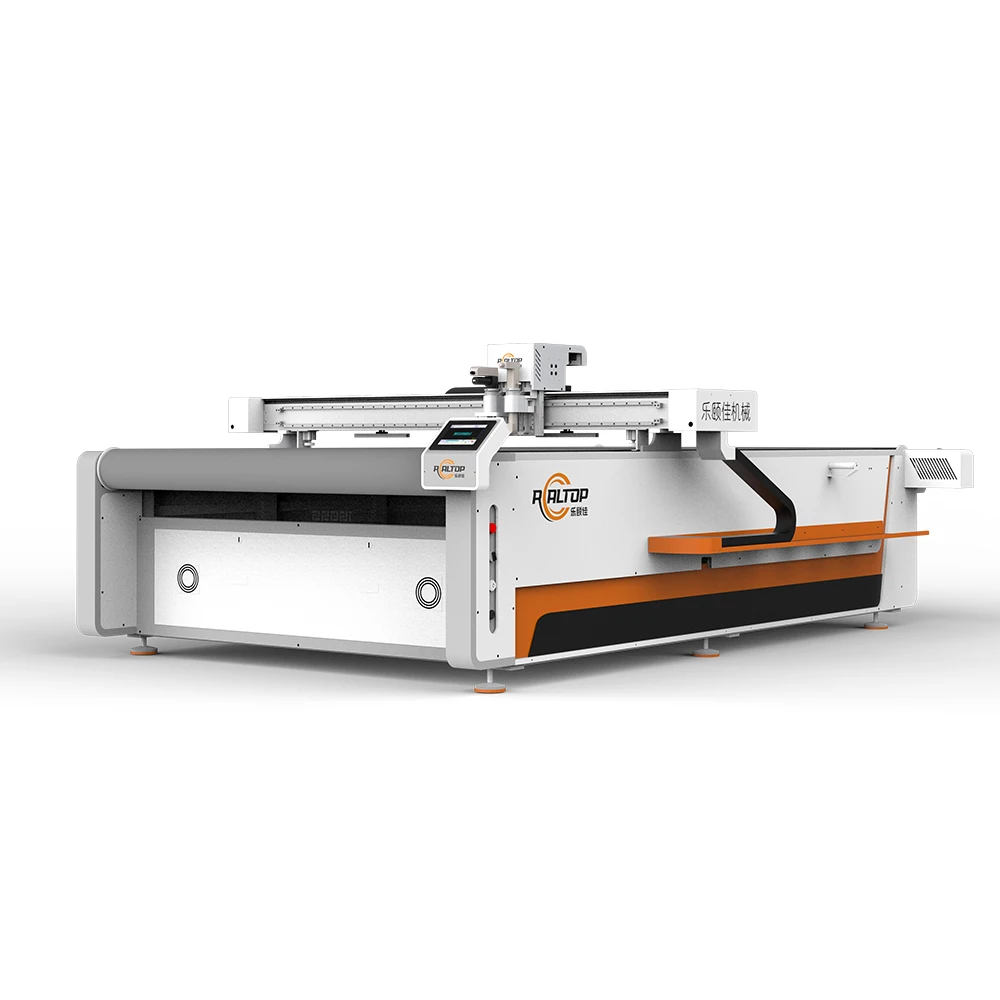
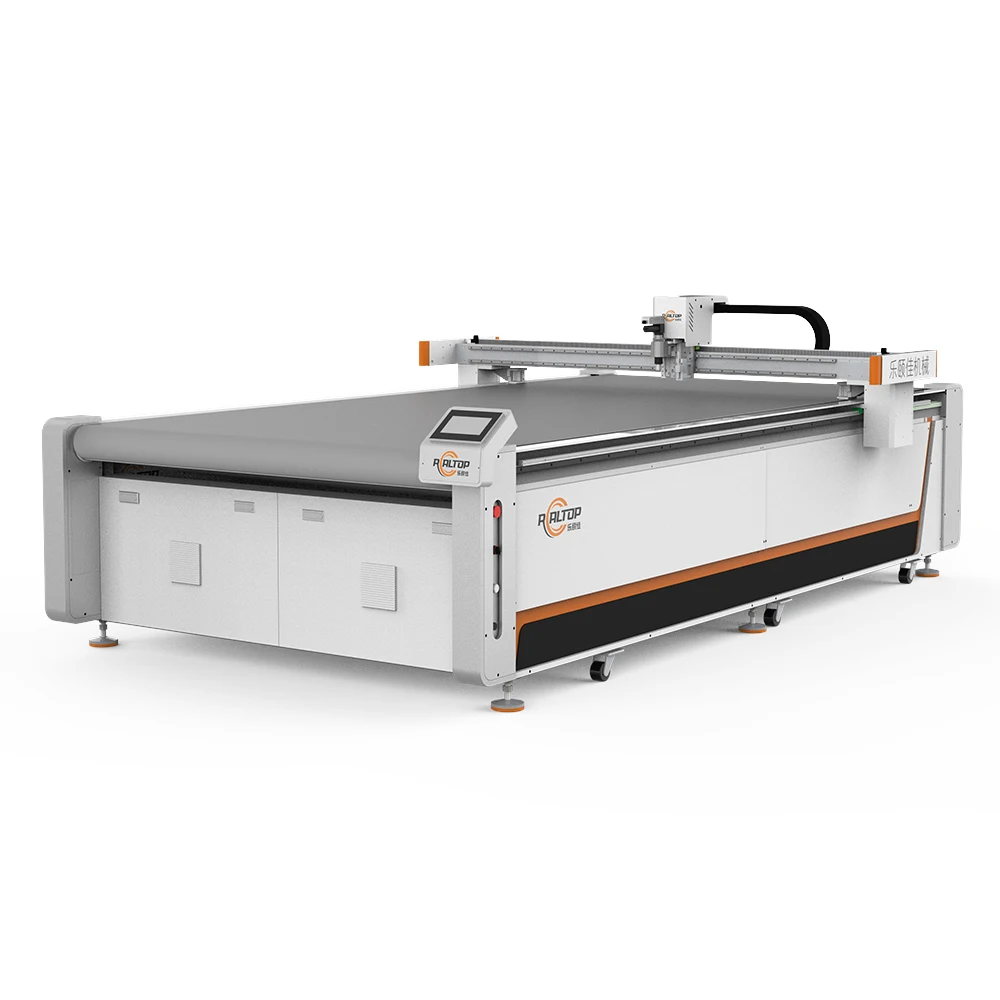
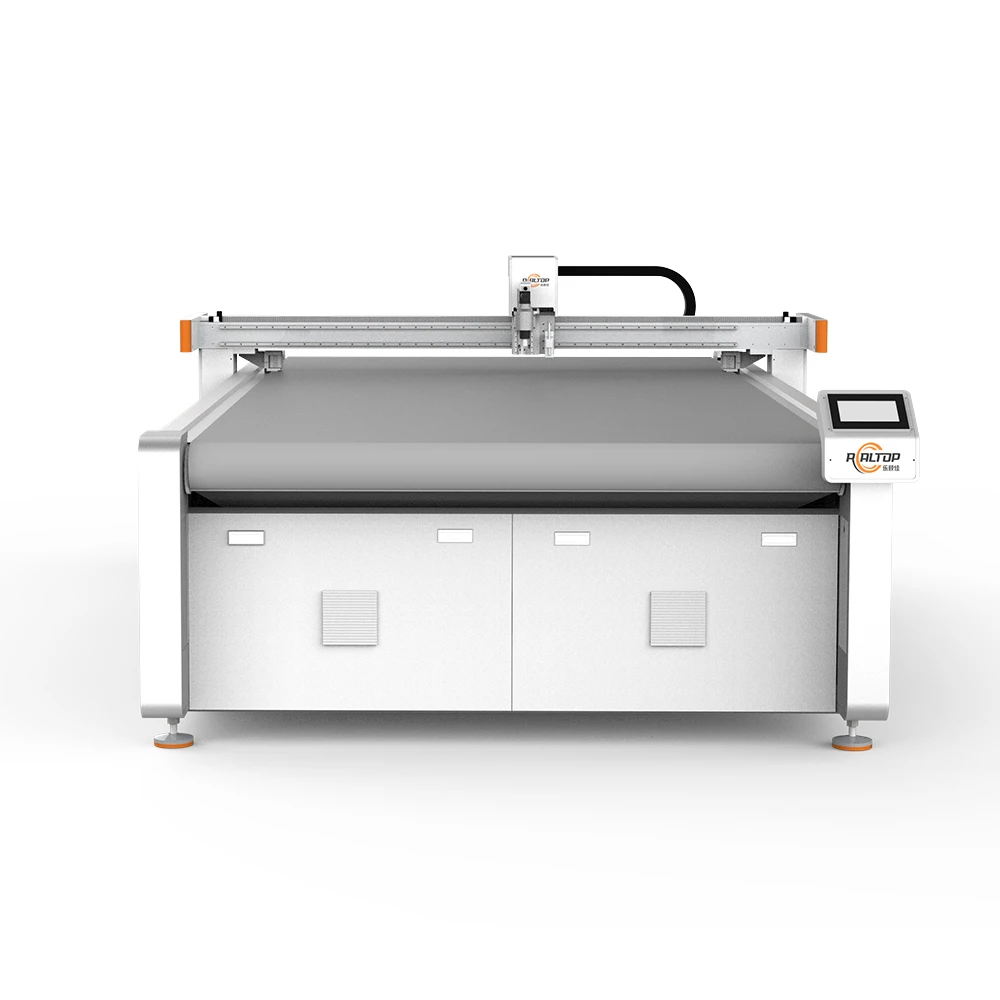
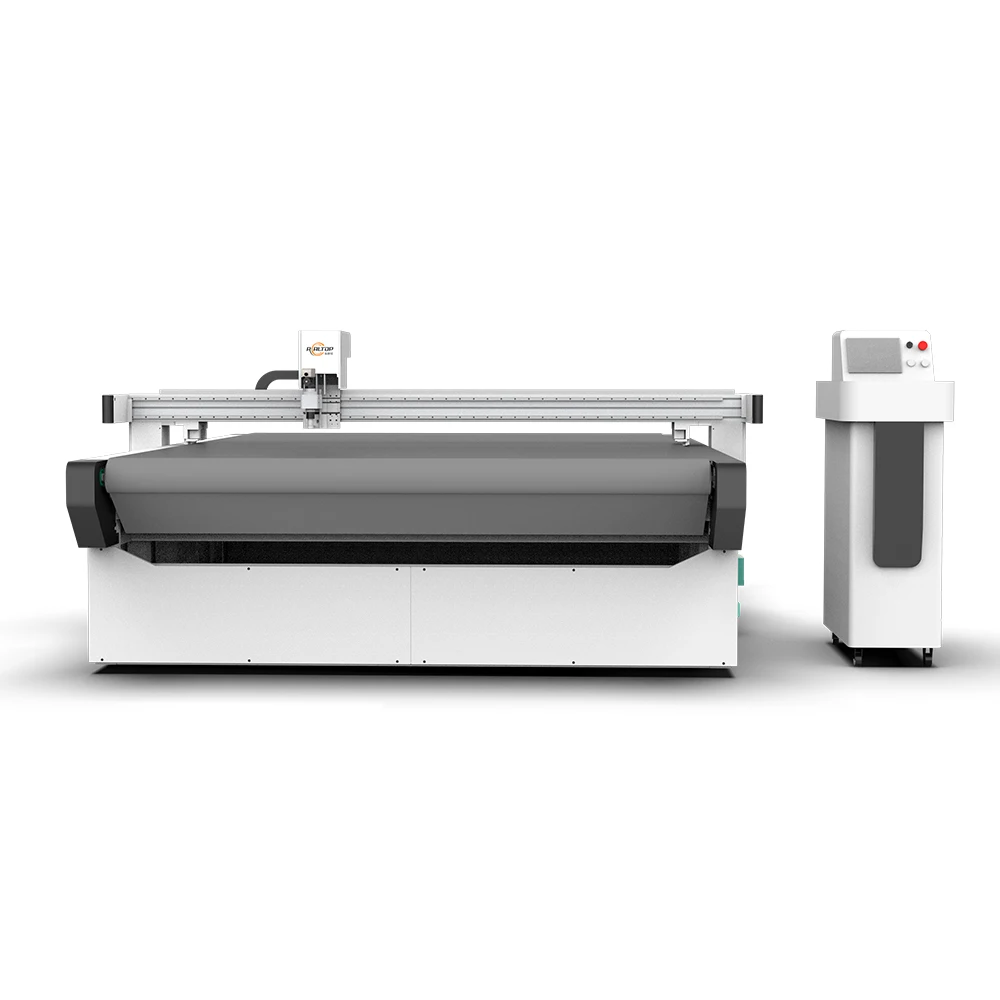
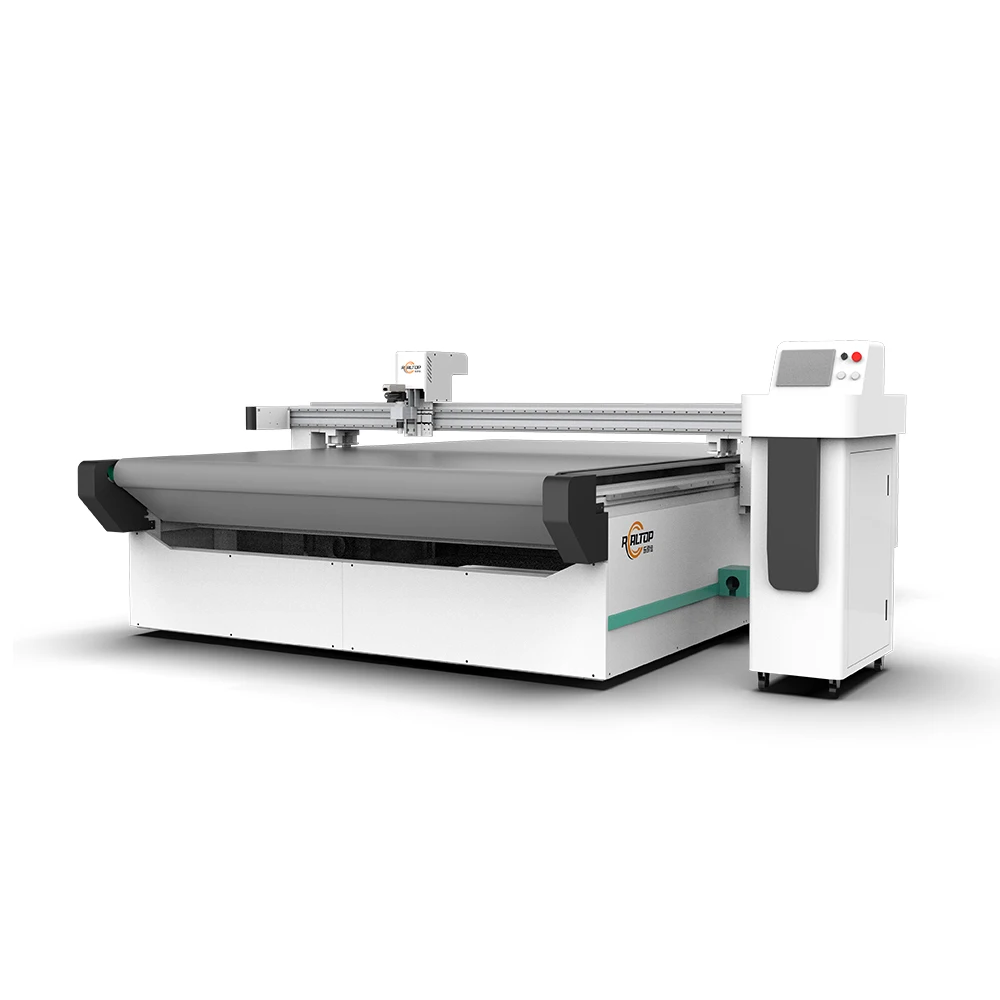
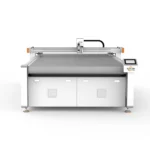
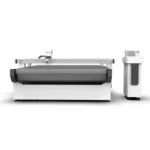
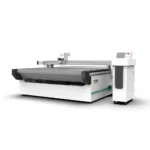
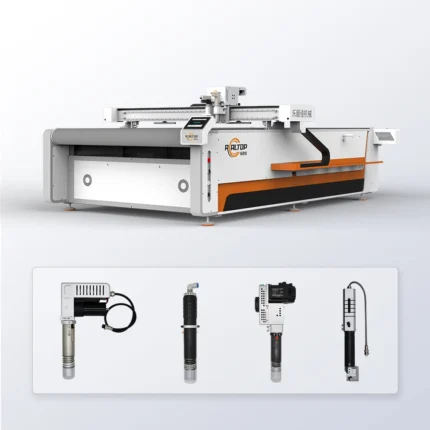
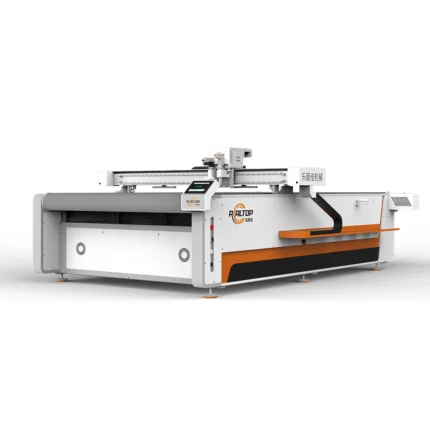
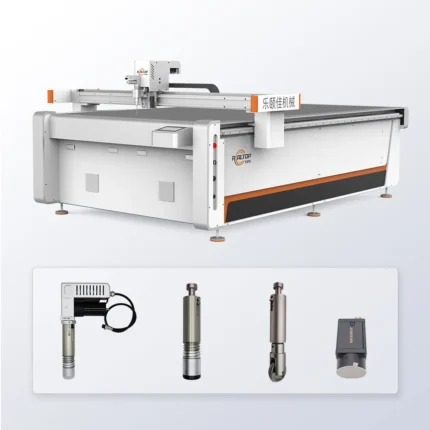
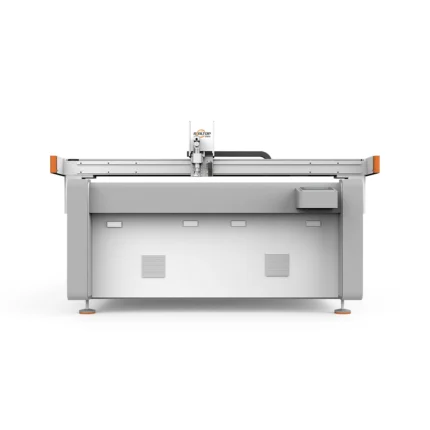
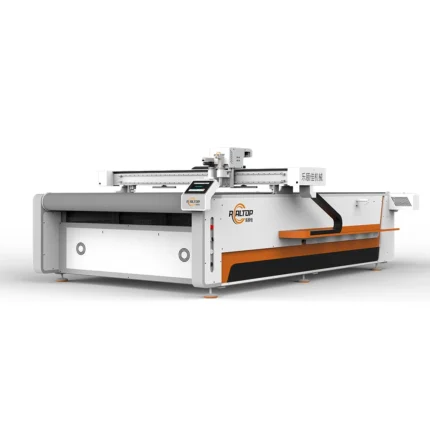
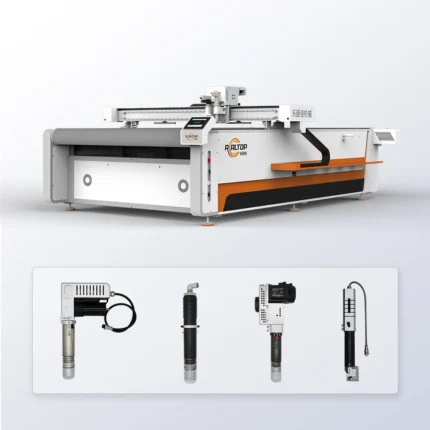
CNC Oscillating Knife Cutting Machine, 1600×2500mm, ≤30mm Thickness, 0–2000 mm/s — configured for fabric, leather, foam and composite cutting with oscillating knife, driven rotary knife, creasing wheel and kiss cutting tool heads. Aluminum bellows vacuum table with 9 kW pump holds small parts flat during high-speed cuts. CCD contour recognition tracks printed marks for accurate nesting. Supports PLT, DXF, AI and PDF file formats with language-customizable PLC control.
- Sample cutting on your material before order confirms edge quality and real thickness capacity
- Tool head and vacuum zoning matched to your specific fabric type and production volume
- Voltage, plug and control language verified against your facility supply before shipment
Precision tooling matched to material behavior — we verify cutting depth, edge quality and vacuum hold-down on the buyer’s actual fabric sample before locking the configuration, so the machine ships ready for the production job, not a generic demo.
Technical Specifications
| Parameter | Value |
|---|---|
| Product Type | CNC Oscillating Knife Cutting Machine |
| Working Area | 1600 × 2500 mm |
| Tool Head Options | Oscillating knife, Driven rotary knife, Creasing wheel, Kiss cutting tool, Pneumatic knife, Milling tool, V-groove knife |
| Cutting Speed | 0–2000 mm/s |
| Cutting Thickness | ≤ 30 mm (basis not stated in source — confirm material type / density) |
| Positioning Accuracy | ±0.1 mm (basis not stated in source — confirm repeatability vs absolute) |
| Vacuum Pump Power | 9 kW |
| Machine Frame | Heavy-duty frame with precision-ground surface |
| Vacuum Table | Aluminum bellows vacuum table |
| Servo Drive Options | Panasonic, Delta, Dorna |
| Control System | PLC control panel with optional display languages |
| Language Options | English, Russian, Italian, Chinese (special languages customizable) |
| File Formats | PLT, DXF, AI, PDF |
| Voltage | 110V, 220V, 380V |
| Safety Device | Infrared sensor device and emergency stop device |
| Machine Size | 3300 × 2100 × 1350 mm |
| Multi-layer Cutting | Up to 30–50 mm thickness (basis not stated in source — confirm fabric type / layer count / compression state) |
| Standards | CE |
Application Suitability
| Application | Material or Output |
|---|---|
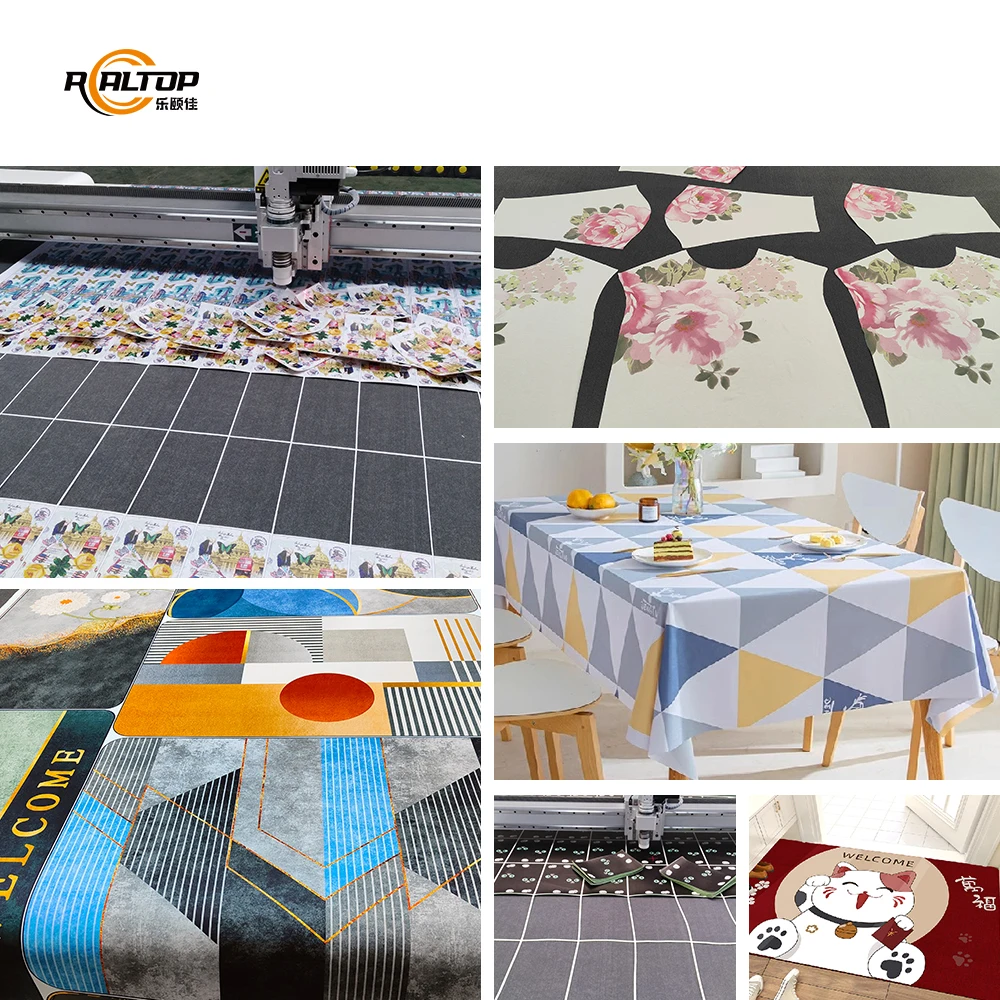
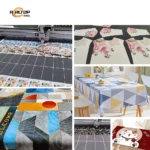
| Apparel manufacturing | Suits, knitwear, lace, complex woven and pattern-matched fabric layouts |
| Automotive interiors | Seat fabrics, carpets, PVC mats cut to burr-free edge standards |
| Home textiles | Sofa fabrics, curtains, rugs processed in multi-layer layups |
| Composite material processing | Carbon fiber prepreg, aramid, specialty technical textiles |
What "Maximum Cutting Thickness" Actually Means for Your Fabric Stack
Cutting thickness is not a single number — it changes with fabric density, layer compression and the tool head in the spindle.
A spec sheet might state ≤ 30 mm, but that figure behaves very differently when slicing through loosely laid knitwear versus compressed automotive carpet. I once spent two full days re-tuning a machine because the sample ran perfectly on standard polyester lining, yet the buyer’s production run used a coated technical fabric that absorbed vibration and collapsed under the knife. The oscillating knife cutting machine for cloth must be evaluated against the exact stack height, fabric weight and coating composition that will run on your floor [NEED_CITE: cutting force and material density relationship in oscillating knife systems]. When buyers skip the material-specific test, the first week of production often reveals ragged ply separation or incomplete cuts at the bottom of the stack.
Tool Head Selection Dictates Edge Quality on Every Fabric Type
The oscillating knife handles most woven and knitted textiles by vibrating at high frequency to slice cleanly through compressible stacks. For tightly woven or coated materials, the driven rotary knife maintains a continuous slicing action that prevents fraying along the cut path. Kiss cutting tools score only the top layer of laminated fabric without penetrating the backing, essential for appliqué and label production. The CNC oscillating knife cutting machine for cloth can switch between these heads in minutes, letting a single machine cover sample making and full production runs without dedicated secondary equipment.
Vacuum Zoning and the Small-Part Problem in High-Speed Cutting
A full-table vacuum blanket holds large fabric panels securely, but once nesting software arranges dozens of small pattern pieces, the suction area beneath each part shrinks dramatically. The aluminum bellows vacuum table on this system distributes suction across segmented zones, keeping cut pieces stable even after the surrounding material is removed [NEED_CITE: vacuum table zoning standards for CNC flatbed cutting]. When a 9 kW pump runs at full capacity, the pressure differential across the fabric surface prevents lifting during rapid directional changes — a failure mode that causes miscuts, blade deflection and wasted material on high-nesting layouts common in apparel and automotive interior production.
Reading the Specs That Matter Beyond the Working Area
The 1600 × 2500 mm working area accommodates full-width fabric rolls laid flat, yet the ±0.1 mm positioning accuracy determines how tightly nested pieces can be placed without risking overlap cuts. Servo drive selection — available with Panasonic, Delta or Dorna units — influences acceleration behavior and path-following precision, which directly affects corner quality on intricate pattern pieces like collar curves and pocket shapes. File format support for PLT, DXF, AI and PDF means nesting layouts generated in common CAD systems import without intermediate conversion steps that can distort curve geometry. The PLC control panel accepts language customization, so operators in different regions can navigate menus and error codes in their working language rather than relying on translation guides during production troubleshooting.
The Hidden Cost of Specifying on Working Area Alone
Buyers who choose a CNC oscillating knife cutting machine for cloth based solely on table size often discover weeks later that the vacuum system cannot hold their specific fabric weight, or that the standard oscillating knife produces crushed edges on their foam-backed automotive material. I have seen production lines stall because the machine arrived with a single tool head and no creasing wheel, forcing the buyer to outsource folding-line scoring to a separate vendor [NEED_CITE: tooling configuration mismatch in CNC cutting procurement]. Voltage incompatibility surfaces even later — when a 380V machine arrives at a facility wired for 220V three-phase, the resulting transformer addition introduces voltage drop that degrades servo response. These issues trace back to a quotation that listed working area without confirming material-specific tooling, vacuum zoning layout or facility power supply.
Why Source This Machine Through Our Process
In-house design covers both the knife cutting mechanism and the vacuum delivery system, so tool head selection and table zoning are engineered together rather than sourced as disconnected components. Sample cutting runs on the buyer’s actual fabric confirm edge quality, stack penetration and cutting speed before the configuration is finalized. Electrical schematics and voltage specifications are matched to the buyer’s facility supply and documented before production begins. Software license terms and file format compatibility are verified against the buyer’s existing nesting workflow to prevent import failures after installation. Language options on the PLC control panel are set and tested at the factory so operators see menus in their chosen language from the first power-on.
Documentation & Verification
- Factory test record showing cut quality on buyer-supplied fabric sample at specified stack height
- Electrical schematic confirming voltage, frequency and plug type matched to destination facility
- Tool head and vacuum table zoning configuration list documenting which knife types ship with the machine
- Software license and file format compatibility note covering PLT, DXF, AI and PDF import paths
- Operation and maintenance manual in selected control language with spare parts reference list
- Packing photographs documenting machine condition and accessory placement before crate closure
Installation, Commissioning & Support
- Foundation must support 3300 × 2100 × 1350 mm machine footprint on level concrete with anchor points
- Dedicated circuit required matching confirmed voltage — 110V, 220V or 380V — with isolated ground for servo drives
- Machine ships partially disassembled; vacuum table segments and gantry rejoin on-site with alignment verification
- First-run commissioning includes vacuum pressure mapping across aluminum bellows zones and servo calibration
- Operator training covers tool head changeover, nesting file import and PLC error code response in selected language
- Spare parts list identifies oscillating knife blades, rotary knife discs and vacuum seals with reorder intervals
Before You Request a Quote
Send a fabric sample — the exact material, weight and coating your production line runs — along with the maximum stack height you plan to cut and the daily piece count you need to meet. Confirm your facility voltage and frequency so the electrical package ships correct, and specify the control language your operators will use.
Frequently Asked Questions
Q: How is the cutting thickness capacity verified for my specific fabric?
A: We run your actual fabric sample at the stack height and layer count you plan to produce. The test records edge quality, bottom-ply penetration and cutting speed on that material, producing a sample cutting report before the order is confirmed. The published ≤ 30 mm figure depends on fabric density and compression state, so material-specific testing is the only reliable verification method.
Q: Which tool head produces the cleanest edge on coated or technical textiles?
A: Coated fabrics typically require the driven rotary knife for a continuous slicing action that prevents coating delamination, while standard wovens cut cleanly with the oscillating knife. We test both heads on your sample material and document which tool head ships as the primary configuration. The machine accepts quick-change tool heads so secondary operations like kiss cutting or creasing can be added later.
Q: Can the vacuum table hold small nested pattern pieces without lifting?
A: The aluminum bellows vacuum table divides suction into zones, concentrating hold-down force on the area where cutting is active. The 9 kW pump generates sufficient pressure differential for most garment and automotive fabric weights. For very small pieces in high-nesting layouts, we verify hold-down performance during the sample cutting test and adjust zone configuration if necessary.
Q: What voltage and control language will the machine ship with?
A: Voltage is confirmed to your facility supply — 110V, 220V or 380V — and documented in the electrical schematic before production. The PLC control panel language is set at the factory from available options including English, Russian, Italian and Chinese, with special languages customizable. Both specifications are locked in the order confirmation to prevent mismatches on arrival.


Related products
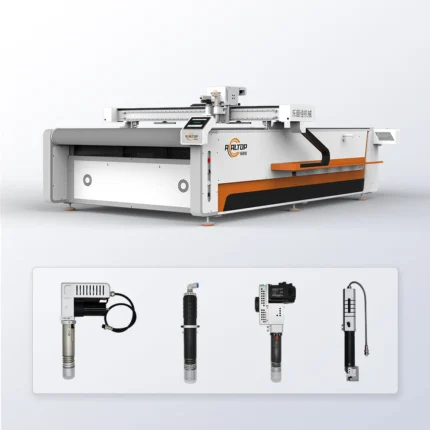
2026 Automatic PVC Tarpaulin Cutter Machine
Product Introduction
High-performance Automatic PVC Tarpaulin Cutter Machine 2026, ideal for precise and efficient cutting of PVC tarpaulin materials, designed for industrial manufacturing needs with reliable operation and user-friendly control.Product Parameters
| Model | 2026 |
| Type | Automatic PVC Tarpaulin Cutter |
| Application | PVC Tarpaulin Cutting |
| Feature | Precise & Efficient Cutting |
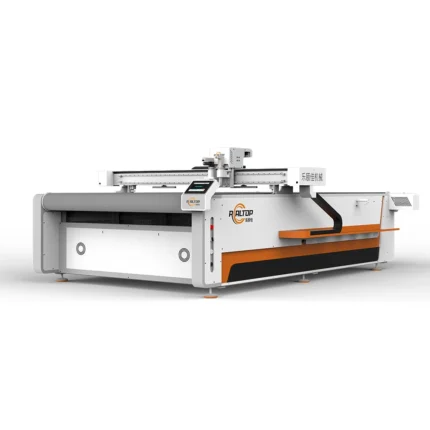
2026 Carbon Fiber Cloth Cutting Machine – China Manufacturer
Product Introduction
Fabric Sample Cutter Pillow Machine ¨C 2026 Carbon Fiber Cloth Cutting Machine, ideal for precise cutting of carbon fiber cloth and fabric samples, suitable for pillow production and related textile applications.Product Parameters
| Name | Fabric Sample Cutter Pillow Machine |
| Model | 2026 |
| Material | Carbon Fiber Cloth |
| Application | Pillow Fabric Cutting |
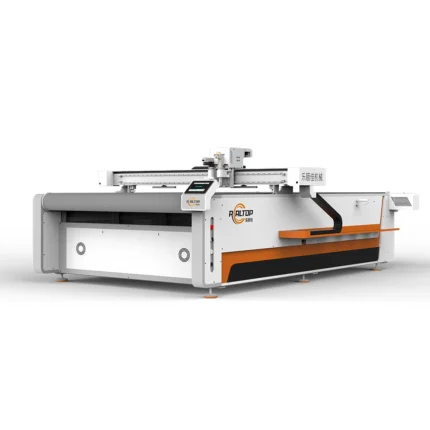
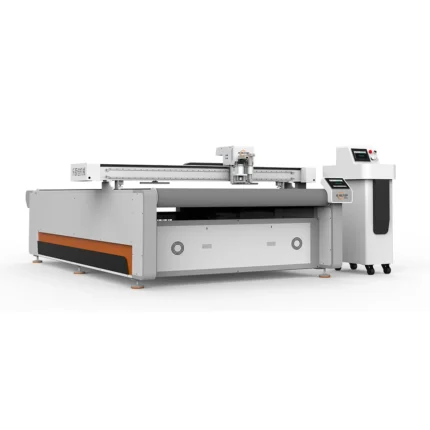
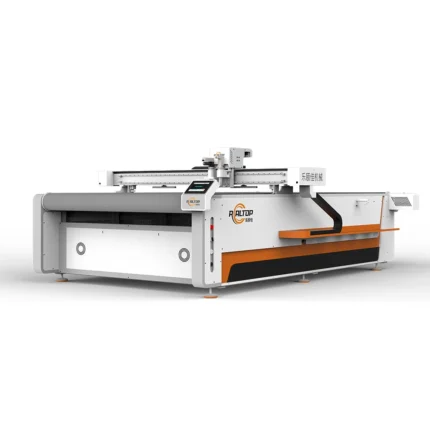
CNC Oscillating Knife Cutting Machine 2026 3000¡Á1600mm High-Speed
Product Parameters
| Model | CNC Oscillating Knife Cutting Machine 2026 |
| Working Area | 3000mm¡Á1600mm |
| Cutting Type | Oscillating Knife |
| Application | Fabric Cutting |
| Feature | High-Speed |
Introduction
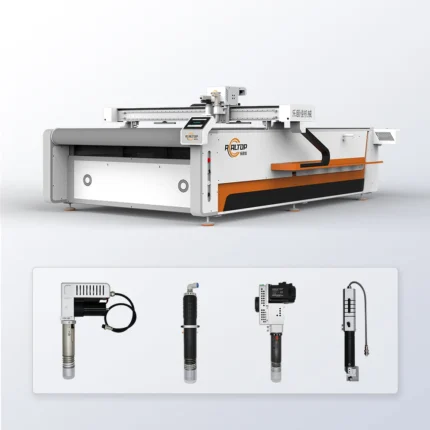
High-performance CNC oscillating knife cutting machine with 3000mm¡Á1600mm working area, ideal for high-speed fabric cutting. Precision and efficiency for professional textile processing needs.
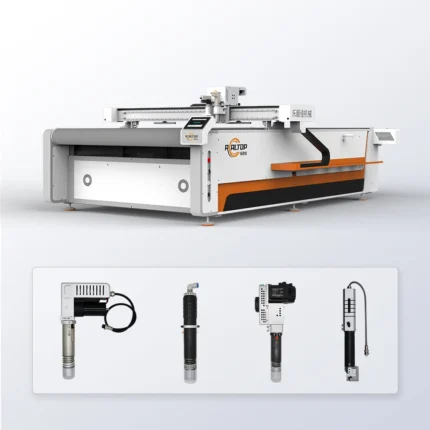
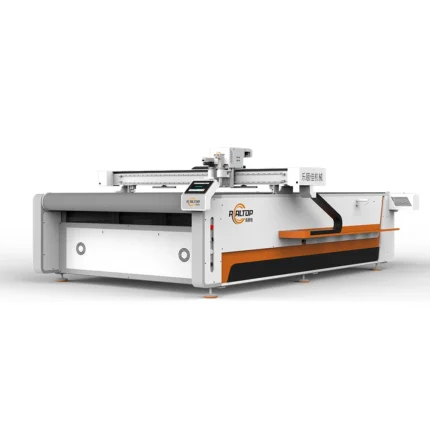
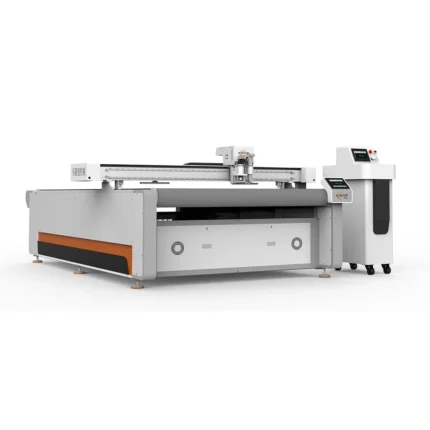
High Speed Fabric Cutting Machine 2026 Round Oscillating Knife
Product Overview
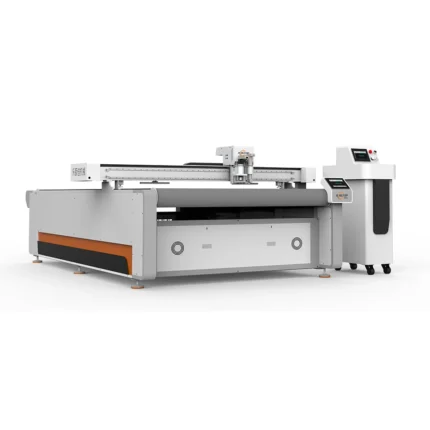
High Speed Fabric Cutting Machine 2026 with round and oscillating knife for efficient fabric cutting. Ideal for textile manufacturing and related industries.Key Specifications
| Cutting Type | Round & Oscillating Knife |
| Model Year | 2026 |
| Application | Fabric Cutting |
| Feature | High Speed Performance |
Jinan Realtop CNC Oscillating Knife Cutter 2026
Product Introduction
Jinan Realtop CNC Oscillating Knife Cutter 2026, a precision cutting solution from China's leading welding & cutting equipment manufacturer, ideal for efficient material processing with advanced CNC technology.
Key Specifications
| Model | 2026 |
| Type | CNC Oscillating Knife Cutter |
| Manufacturer | Jinan Realtop |
商品评价
There are no reviews yet.