



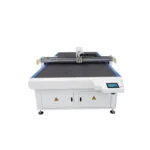
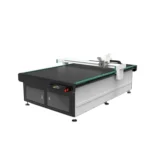
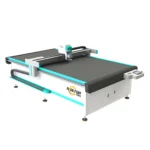
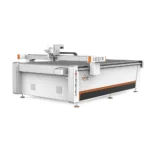
Cardboard Cutting Machine 100m/min 0-200mm 2026 Plotter | OEM Available
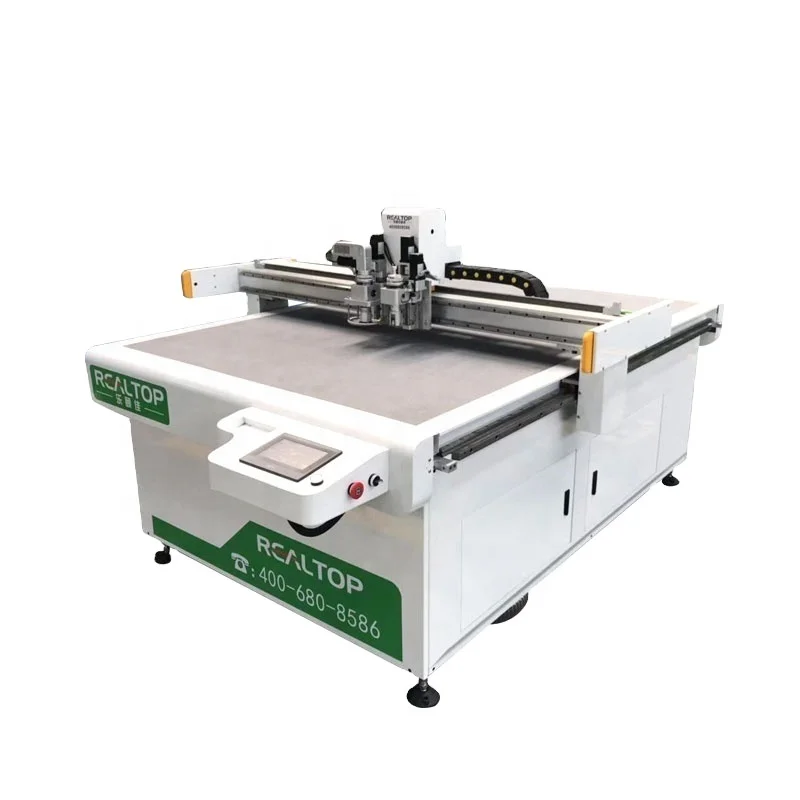
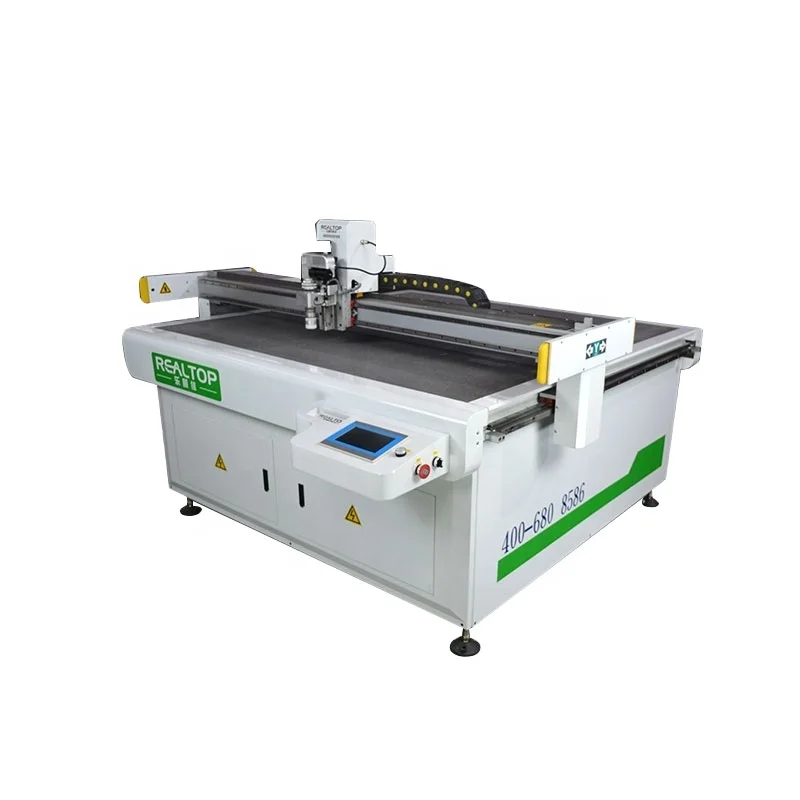
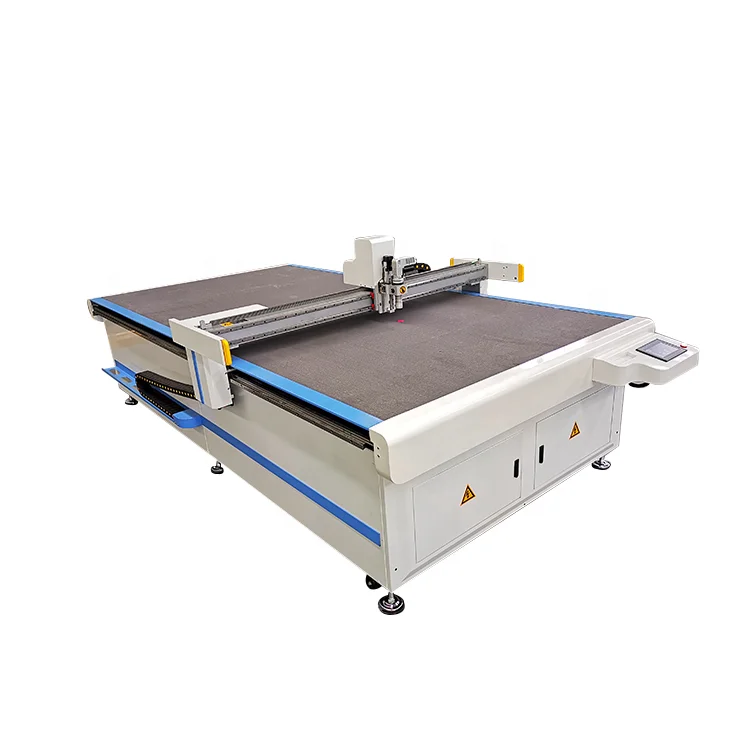
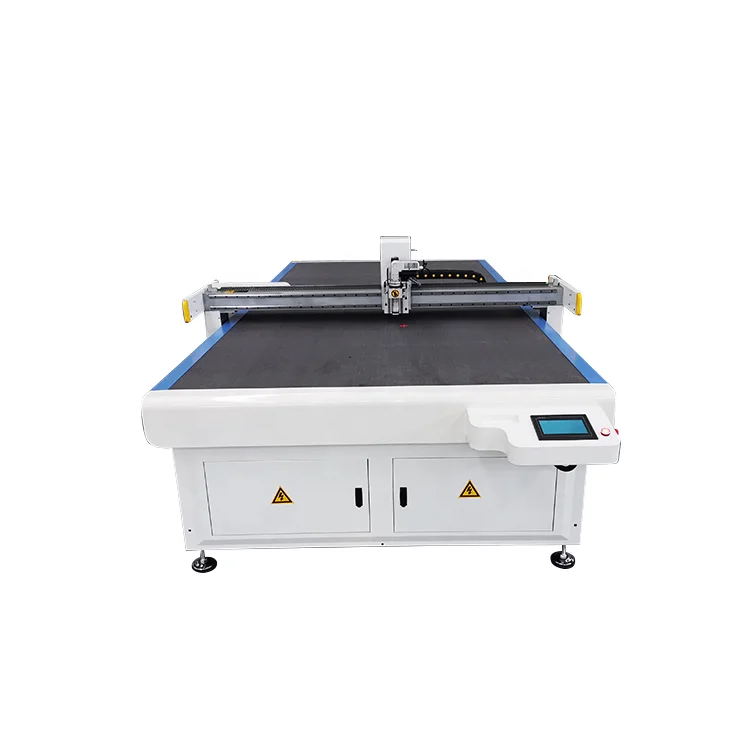
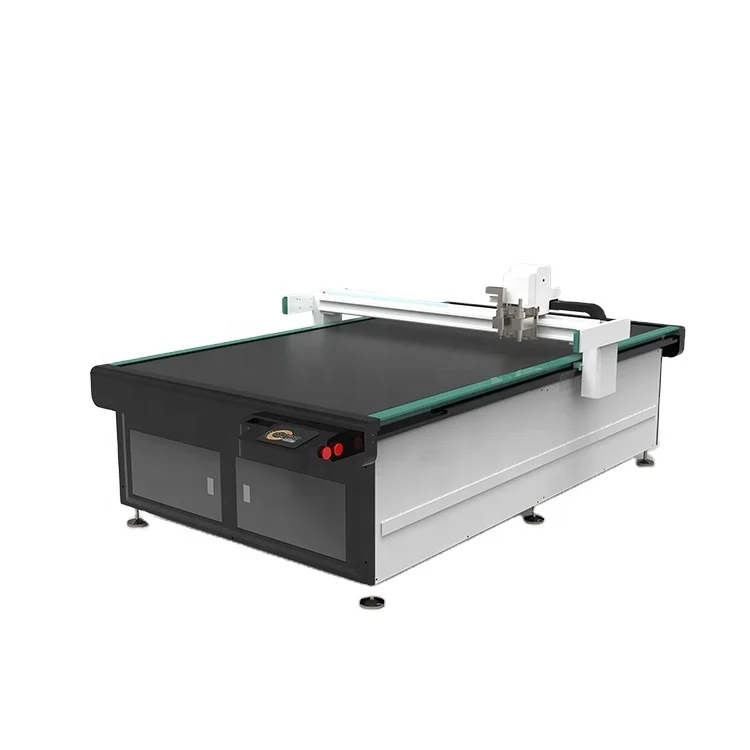
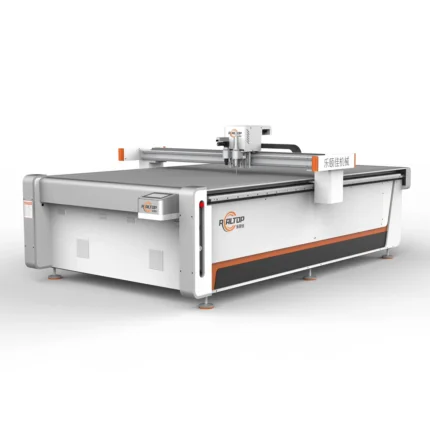
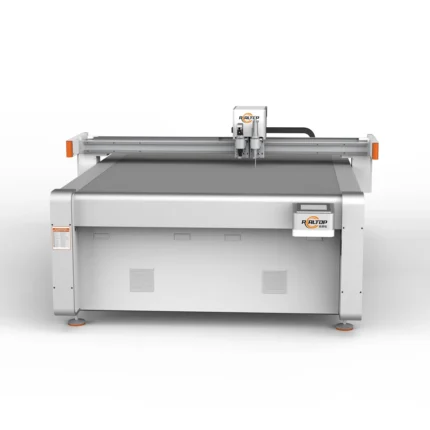
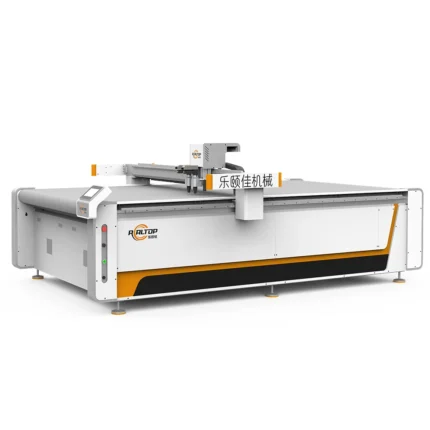
RT-D2516/RT-S2516 CNC Oscillating Knife Cutting Machine, 1600×2500 mm, 9 kW, Vacuum Table — engineered for precise flatbed digital cutting in packaging, leather, and composite fabrication workflows.
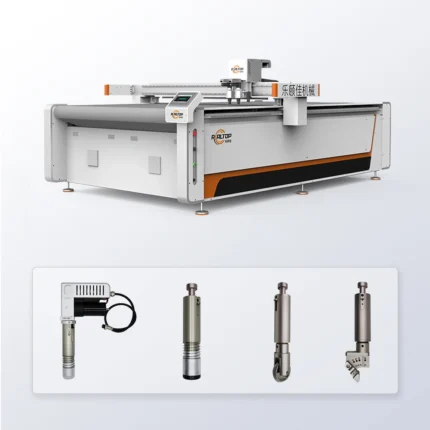
- Swiss imported oscillating knife with full-cut, half-cut, and cursor positioning modes
- Yaskawa servo and Hiwin linear guide delivering ≤0.1 mm repeatability
- Auto-feeding conveyor for continuous sheet processing
- HP-GL compatible system for CAD/CAM integration
Laser or knife cutting matched to your material, with sample testing on your own stock before order confirmation.
Configured by Material, Not Just by Area — RT-D2516/RT-S2516 cutting table specifications are finalized only after the buyer’s material type, thickness, sheet size and daily volume are confirmed, with tool head and vacuum zoning matched to the actual production job.
Technical Specifications
| Parameter | Value |
|---|---|
| Model | RT-D2516/RT-S2516 |
| Product Type | CNC Oscillating Knife Cutting Machine |
| Working Area | 1600×2500 mm |
| Machine Size (Overall Dimensions) | 3450×2300×1250 mm |
| Rated Power | 9 kW |
| Table Type | Flat working table with vacuum and auto-feeding conveyor |
| Tool Head | Swiss imported knife with vibration full cutting, vibration half cutting, and cursor location function |
| Safety Device | Infrared sensors |
| Translational Velocity | 800–1200 mm/s |
| Cutting Speed | 200–800 mm/s (basis not stated in source — confirm material type / thickness) |
| Repeatability | ≤0.1 mm |
| Transmission System | Digital servo motor, linear guide, synchronous belt, ball screw (imported) |
| Servo Motor | Japanese Yaskawa |
| Linear Guide | Taiwan Hiwin rail |
| Instruction System | HP-GL compatible format |
| Voltage | 380V ±10% |
| Conveyor Belt | Germany imported |
| Vacuum Pump | 7.5 kW |
| Standards | CE |
| Warranty | 12 months for whole machine, 3 months for consumables |
Application Suitability
| Application | Material or Output |
|---|---|
| Packaging sample making | Corrugated board, chipboard, grey board, carton patterns |
| Leather goods and footwear | Natural leather, PU, synthetic composite hides |
| Garment and flexible materials | Fabric layers, sponge composite leather, textile rolls |
| Automotive interior and gaskets | Foam, rubber, PVC, soft glass, silicon composites |
| Signage and display board | Vinyl, flexible PVC, soft signage substrates |
What the "200–800 mm/s" Speed Claim Actually Depends On
A cutting speed figure means nothing without the material stack and thickness it was measured against.
I once watched a packaging line in Vietnam stall for days because a machine was quoted at a headline speed that worked on single-layer corrugated board but collapsed on five-layer grey board composite. The operator cranked the feed rate hoping to hit the brochure number, and the knife started tearing fibers instead of slicing them. The edge fuzz and delamination were severe enough that the entire batch had to be rejected. That is the gap between a generic speed range and a speed that your specific material can tolerate [NEED_CITE: material thickness and cutting speed relationship in oscillating knife processing].
The RT-D2516/RT-S2516 publishes 200–800 mm/s as a cutting speed window, but the usable point inside that window depends entirely on whether you are scoring 2 mm cardstock or cutting through 15 mm foam composite. This is why the CNC laser cutting and engraving machine manufacturer approach at Realtop starts with a sample cut on your own material before any speed commitment is locked in. The same principle applies whether the process is knife or laser — real cutting capacity is verified on the actual stock, not assumed from a data sheet.
Tool Head and Material Alignment
The Swiss imported oscillating knife on this table supports full-cut, half-cut and cursor positioning modes, covering the range from through-cutting thick foam to kiss-cutting adhesive layers on release liners. Selecting the right mode is not a software toggle — it changes the blade geometry, stroke frequency and downward pressure applied at the gantry. A drag knife might handle thin vinyl cleanly but will crush multi-layer sponge composites; a creasing wheel scores carton fold lines without severing the sheet.
Each tool head option is specified after the buyer confirms the material stack. The cutting method is matched to the material rather than forcing one blade through every job.
Laser and Knife Method Matching
Realtop operates as both a CO2 and fiber laser cutting machine factory and a knife cutting system builder. This matters because some materials on this table’s application list — silicon, soft glass, thin PVC — may cut cleaner with a CO2 beam that seals edges on synthetics, while thick foam and multi-layer leather stacks are better served by the oscillating knife’s mechanical stroke. Rather than selling a single technology into every application, the configuration decision starts with the material.
The CNC laser cutting and engraving machine manufacturer capability in-house means a buyer evaluating the RT-D2516/RT-S2516 can also request a parallel laser sample on the same stock [NEED_CITE: comparative cutting methods for composite flexible materials]. The output comparison lets the production team choose based on edge quality, not on which machine the salesperson wants to move.
Decoding the Motion and Accuracy Package
The ≤0.1 mm repeatability figure rests on three imported subsystems working together. The Japanese Yaskawa digital servo motor provides closed-loop position feedback, meaning the gantry corrects micro-deviations in real time rather than relying on open-loop stepping that can lose position under load. The Taiwan Hiwin linear guide rail constrains the carriage to a single axis of travel with minimal play, which matters when the knife is making consecutive passes on a tight carton crease pattern where cumulative drift would misalign the fold.
The 9 kW rated power and 7.5 kW vacuum pump together define what happens at the cutting zone. The vacuum must hold small die-cut pieces flat against the table while the knife exits the material; insufficient hold-down causes lift and ragged exits. The 1600×2500 mm working area accommodates full standard sheets, and the auto-feeding conveyor with Germany-imported belt enables continuous sheet processing without manual repositioning between cuts [NEED_CITE: vacuum hold-down requirements for CNC flatbed cutting of small parts].
The HP-GL compatible instruction system integrates with common CAD/CAM nesting workflows, so existing packaging design files can be imported without re-drawing geometry in a proprietary format.
The Cost of Skipping Configuration
Choosing a machine on working area alone and discovering the vacuum zoning cannot hold your smallest gasket pieces flat is a problem that surfaces only after installation. The operator watches parts shift mid-cut, producing scrap that cannot be reworked. Similarly, a tool head specified for single-layer cardstock will produce crushed edges and delaminated cores when asked to process five-layer composite board, and the production line absorbs that loss every shift.
Software incompatibility is another late discovery: the nesting file format the buyer’s design office has used for years will not import, forcing a manual redraw of every pattern. Voltage mismatches — ordering a 380V machine into a facility running a different supply standard — can delay commissioning by weeks while transformers are sourced locally [NEED_CITE: industrial voltage and frequency mismatches in equipment import].
Why Source This Table from Realtop
In-house design and production cover both knife and laser cutting technologies, so the RT-D2516/RT-S2516 is not pushed into applications better served by a CO2 beam. The buyer can compare methods on the same material before committing.
Tool head and table configuration is specified per material and production volume, not selected from a fixed catalogue page. CCD camera positioning for printed contour work is available when the job requires it, and its tracking capability is verified at production speed before dispatch.
Software compatibility is confirmed before order — HP-GL import, nesting workflow and file format are tested with the buyer’s actual design output. Voltage, plug type and control language are customized and documented before shipment, not discovered at the dock.
Sample cutting on the buyer’s own material is standard before commitment, providing an edge quality and thickness benchmark that a data sheet cannot offer.
Documentation & Verification
- Machine specification sheet listing confirmed tool head, table type and working area for your material
- Electrical schematic and 380V ±10% voltage confirmation matched to your facility supply
- Sample cutting report on your own material showing edge quality and achievable thickness
- Factory test record documenting repeatability and cutting speed on the confirmed material stack
- Operation and maintenance manual with consumables list and replacement intervals
- Software licence and HP-GL file format compatibility note for your existing nesting workflow
Installation, Commissioning & Support
- Floor space planning based on 3450×2300×1250 mm overall dimensions plus conveyor infeed and outfeed clearance
- Dedicated 380V ±10% circuit with sufficient capacity for 9 kW machine load plus 7.5 kW vacuum pump
- Assembly and leveling of flat vacuum table and auto-feeding conveyor on-site after delivery
- First-run parameter tuning of oscillating knife stroke, vacuum zoning and cutting speed on your material
- Operator training covering HP-GL file import, tool head changeover and infrared sensor safety protocols
- Spare parts list covering Swiss knife blades, conveyor belt segments and wear items with reorder references
What to Include with Your Inquiry
Provide the material type, number of layers, sheet thickness and maximum sheet size you will process most often. Include your target daily volume and the cutting pattern complexity — simple outlines versus nested multi-shape layouts with tight internal corners. Confirm your facility voltage, frequency and the control language your operators need. If you have existing CAD files, send a sample so HP-GL compatibility and nesting workflow can be verified before quotation.
Frequently Asked Questions
Q: How is the 200–800 mm/s cutting speed verified against my material?
A: The usable speed within that range depends on material type, thickness and layer count. A sample cut is run on your actual stock before order confirmation, documenting the speed that delivers clean edges without delamination or fiber tear. The result is recorded in the sample cutting report and becomes the baseline for your production parameters.
Q: Which tool head is recommended for my material stack?
A: The oscillating knife handles thick foam, multi-layer composites and dense board. A drag knife suits thin vinyl and single-layer flexible materials. A creasing wheel scores fold lines on carton without severing. The recommendation is based on your confirmed material and validated during the pre-order sample cut.
Q: Will the vacuum table hold small parts flat during cutting?
A: Vacuum zoning effectiveness depends on part size relative to zone boundaries. If your nesting layout includes small gasket or pattern pieces, the table zoning is reviewed against your file during configuration. Hold-down adequacy is then confirmed during the sample cutting stage before the table ships.
Q: Can voltage and control language be confirmed before shipment?
A: Yes. The RT-D2516/RT-S2516 operates at 380V ±10%, and your facility supply is verified before build. Plug type and control panel language are specified at order and documented in the electrical schematic, so no local modification is needed at commissioning.
Q: What does sample cutting on my material include?
A: You send a representative sheet of your production material. We run your actual cutting file, document edge quality, achievable thickness and clean cutting speed, and provide a written report. This step typically adds a short lead time but prevents costly configuration errors after installation.


Related products
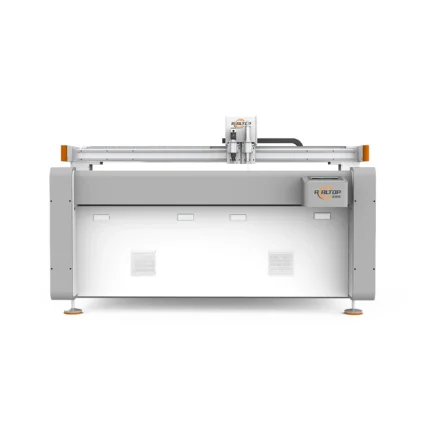
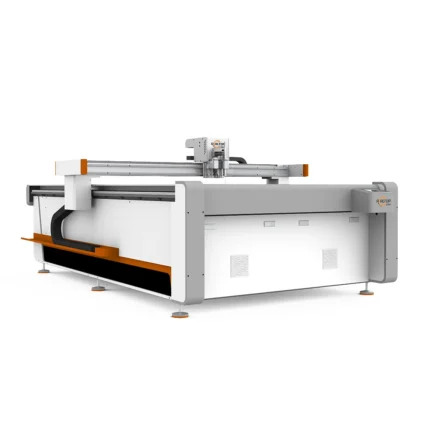
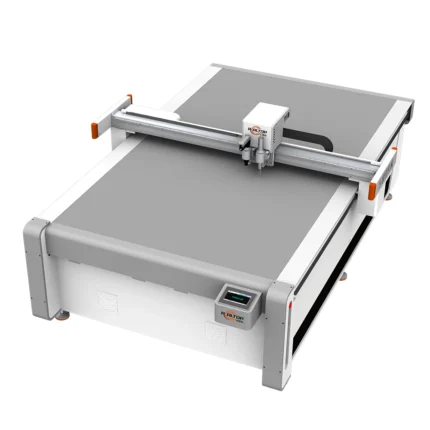
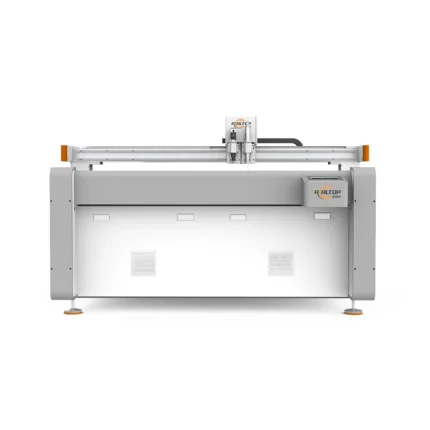
Automatic CNC Cutter Plotter 2026 Flat Bed Cardboard Cutter
Product Introduction
Automatic CNC Cutter Plotter 2026 is a flat bed cardboard cutting machine designed for precise and efficient cutting tasks. Ideal for various cardboard processing needs, it combines advanced CNC technology to deliver accurate results, suitable for manufacturing and packaging applications.Product Parameters
| Type | Automatic CNC Cutter Plotter |
| Model | 2026 |
| Design | Flat Bed |
| Application | Cardboard Cutting |
Automatic Digital Cardstock Cutter 2026 CNC Cutter
Product Introduction
Automatic Digital Cardstock Cutter 2026 is a CNC cutting machine ideal for white cardboard and kraft paper. It offers precise and efficient cutting performance, suitable for various paper processing needs in manufacturing and craft applications.Key Specifications
| Type | CNC Digital Cutting Machine |
| Material Compatibility | White Cardboard, Kraft Paper |
| Operation | Automatic |
| Application | Paper Cutting & Processing |


Digital CNC Cardboard Cutting Machine 2026
Product Introduction
High-precision Digital CNC Cardboard Cutting Machine 2026, ideal for efficient cardboard processing with advanced CNC technology, ensuring precise and fast cutting performance for various packaging and craft applications.
Key Specifications
| Model | 2026 |
| Type | Digital CNC Cutting Machine |
| Material | Cardboard |
| Feature | High Precision, Efficient Cutting |


REALTOP 2026 Digital Industrial Cardboard Box Cutter
Product Introduction
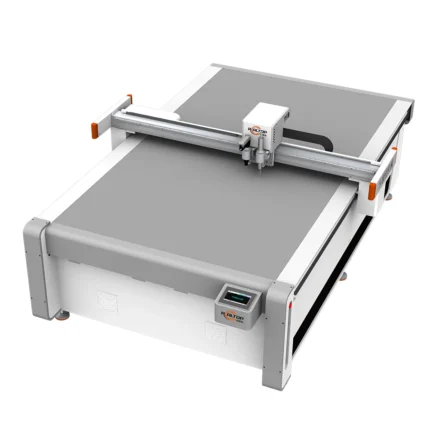
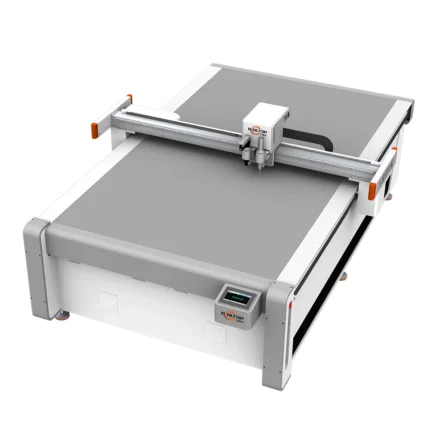
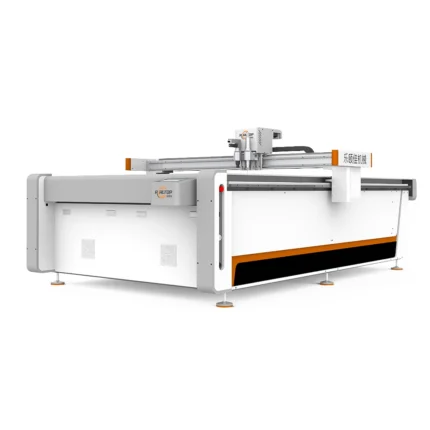
REALTOP Digital Industrial Cardboard Box Cutter Machine 2026 is a professional industrial-grade cutting equipment designed for efficient cardboard box processing, ideal for manufacturing and packaging applications.
Product Parameters
| Model | 2026 |
| Type | Digital Industrial Cardboard Box Cutter |
| Application | Cardboard Box Processing |
| Feature | Industrial-grade, Efficient Cutting |

商品评价
There are no reviews yet.