

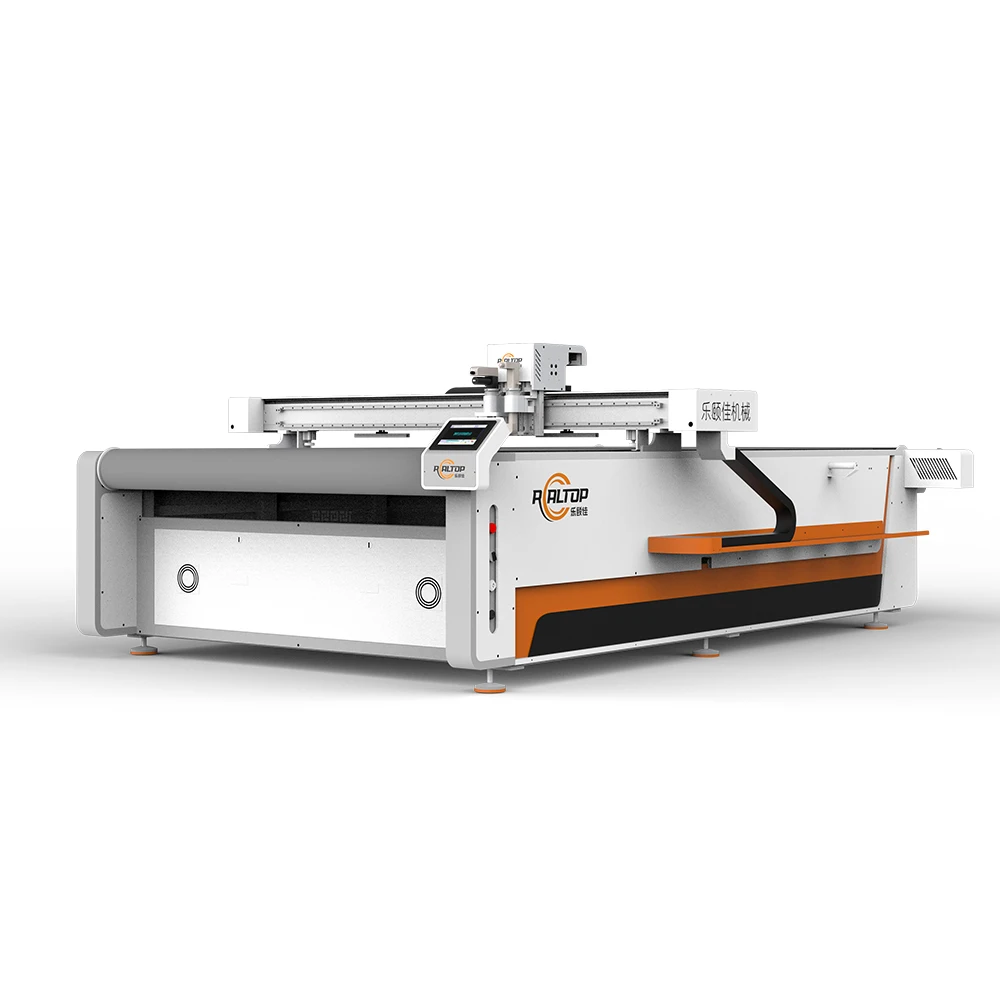
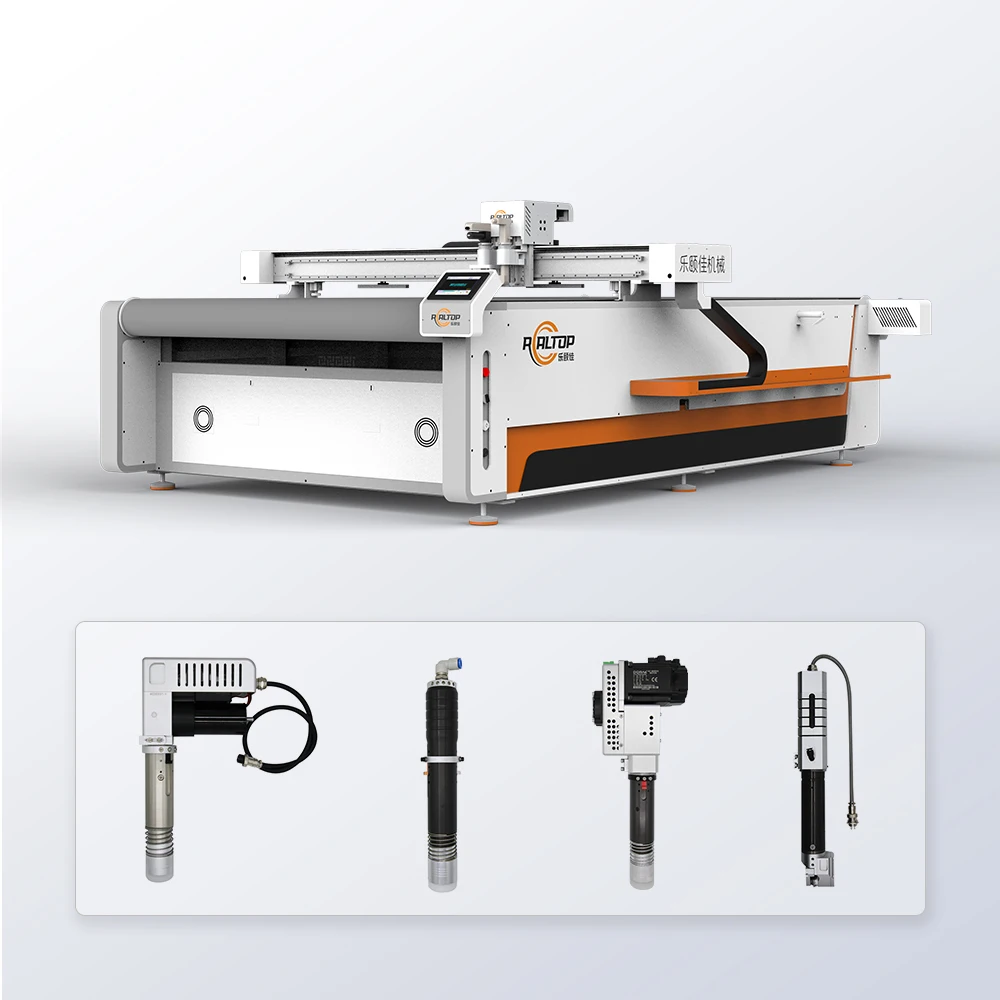
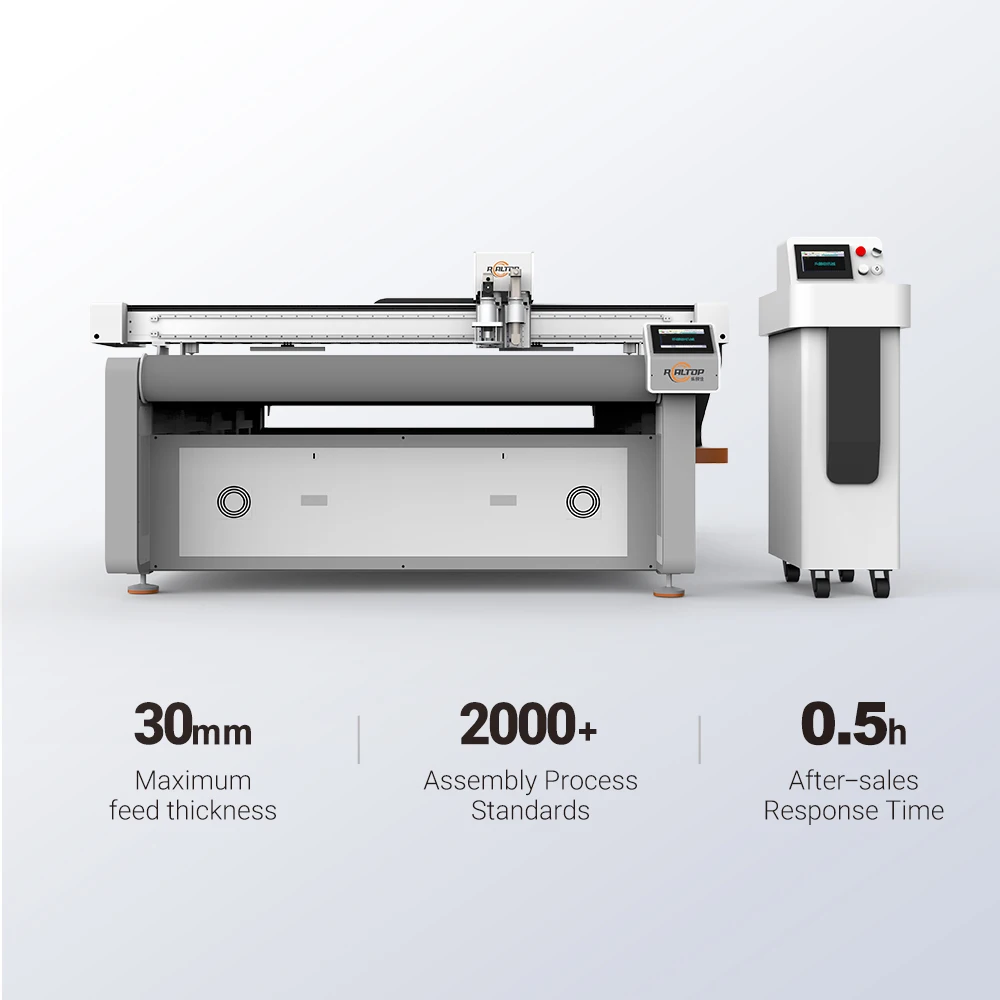
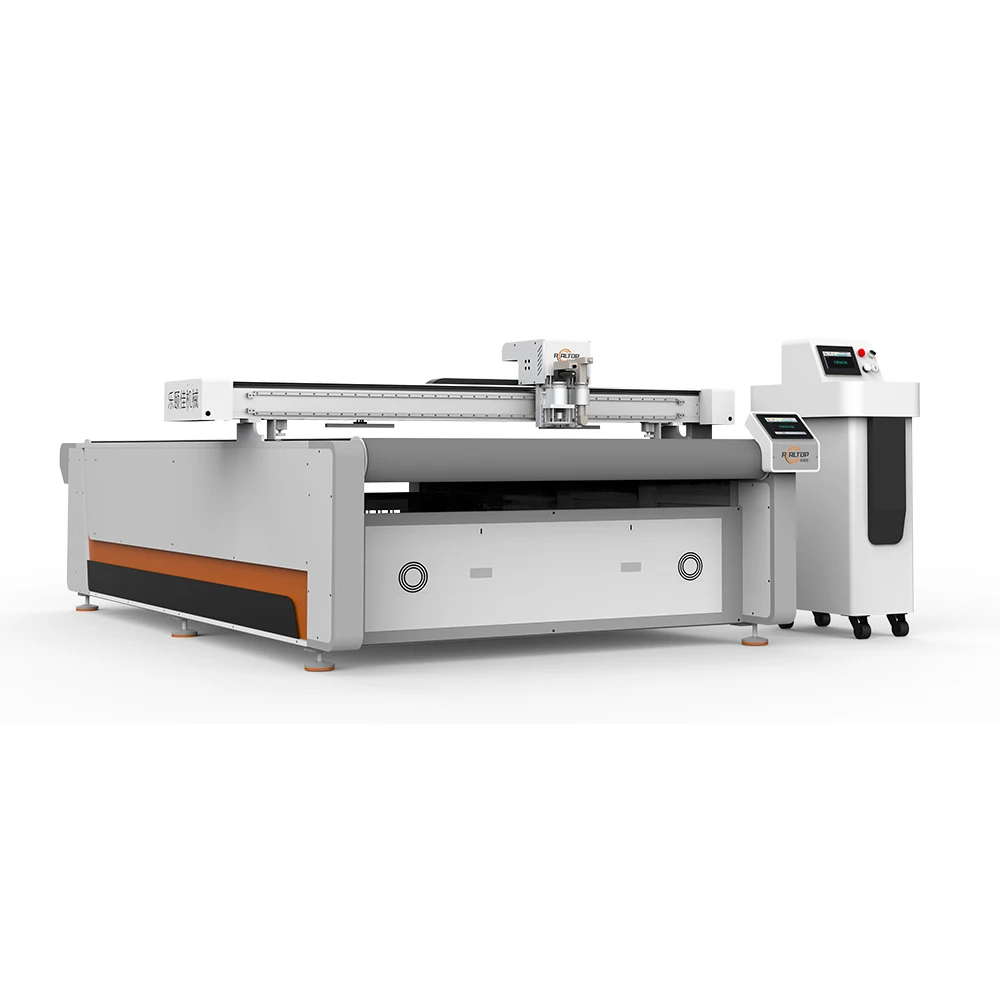

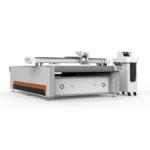
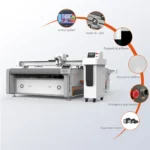
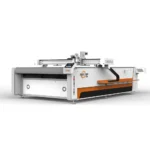

Cloth CNC Cutting Machine for Denim – Automatic
SKIP: no identifier
Laser process matched to fabric — The RT-D2516/RT-S2516 platform is configured for CO2 laser cutting and engraving, where the beam seals synthetic fibers as it cuts, preventing fraying on denim, canvas, and technical textiles without secondary finishing.
Technical Specifications
| Parameter | Value |
|---|---|
| Product Type | Cloth CNC Cutting Machine |
| Laser Source | CO2 laser tube, power rating configurable across the range |
| Working Area | 2500 × 1600 mm |
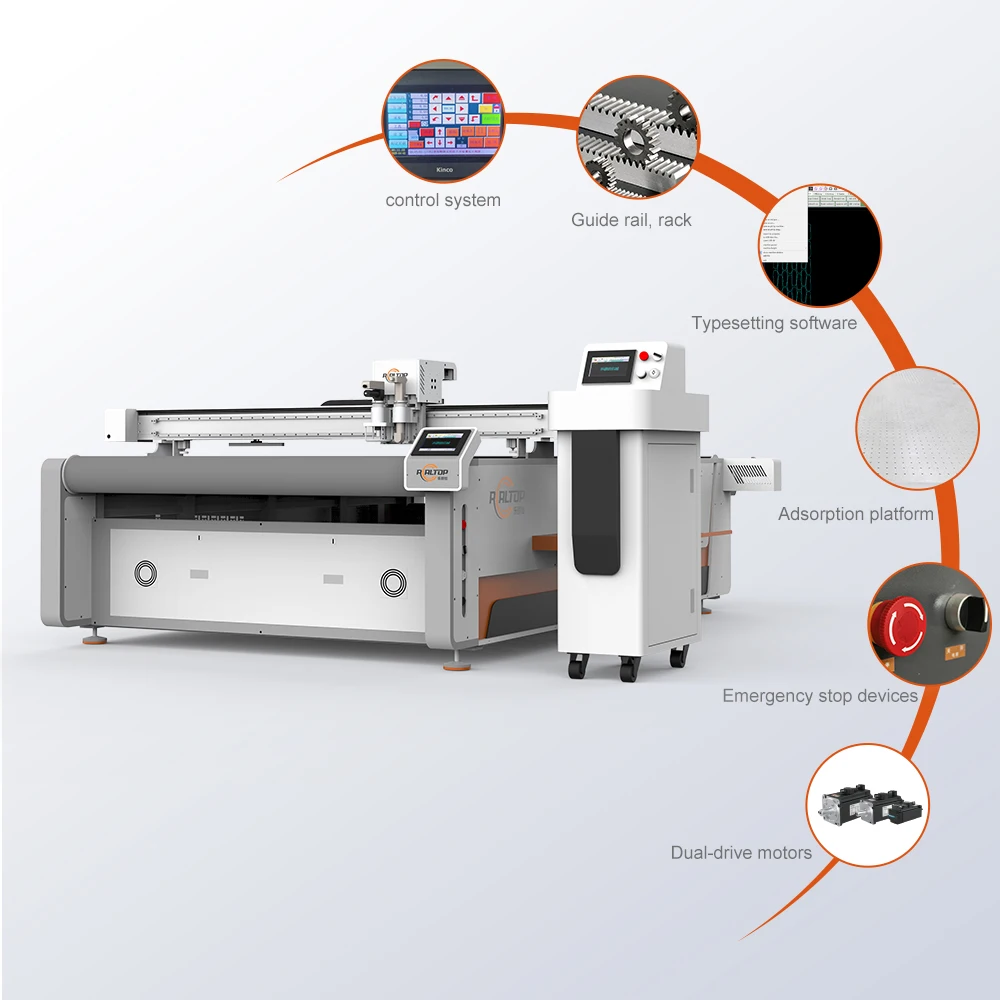
| Motion System | Rack and pinion drive with linear guide rails |
| Cutting Bed | Honeycomb and slat combination bed with exhaust down-draft |
| Positioning Accuracy | Repeatability within ±0.1 mm across the full travel |
| Control System | DSP or dedicated laser controller with USB and Ethernet file transfer |
| Exhaust and Assist | Integrated extraction port, optional air assist nozzle for kerf clearing |
| Voltage | Customizable from 110 V to 440 V, 50/60 Hz |
| Software Compatibility | Accepts PLT, DXF, BMP, AI, DST file formats |
Application Suitability
| Application | Material or Output |
|---|---|
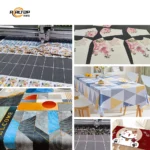
| Denim garment cutting and distressing | Raw denim, coated denim, stretch denim blends up to medium-heavy weight |
| Technical textile fabrication | Cordura, ballistic nylon, Kevlar blends, and coated synthetics |
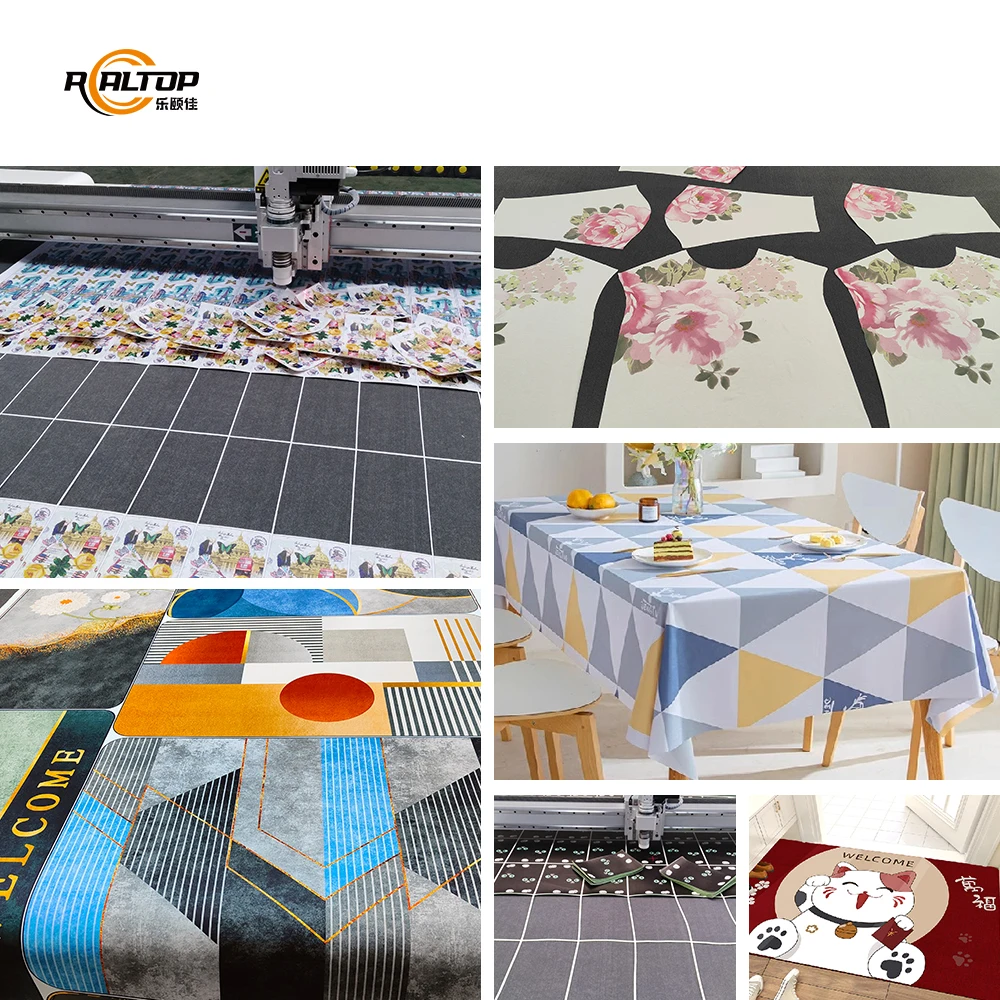
| Apparel pattern cutting | Cotton, linen, polyester blends, fleece, and layered knit |
| Laser engraving on fabric | Surface marking for branding, decorative etching, and motif scoring |
| Home textile production | Upholstery fabric, curtain panels, and heavy drapery materials |
What a "Cloth CNC Cutting Machine" Quote Often Leaves Out About Fabric Thickness
The rated laser power on paper is peak, not continuous, and real cutting depth on thick coated denim can fall short without material-specific calibration.
I once stood in a denim workshop watching a laser struggle through a coated heavy denim that the standard test swatch had handled without issue. The coating reflected part of the beam, the uncoated side cut clean but the coated side needed a second pass, and the edge yellowing was unacceptable for their retail client. We spent two full days adjusting power curves, assist gas flow, and focal height to get a clean edge on that specific fabric roll. [NEED_CITE: thermal behavior differences between coated and uncoated denim under CO2 laser]
How CO2 Wavelength Interacts with Natural and Synthetic Fibers
The CO2 laser emits at 10.6 micrometers, a wavelength strongly absorbed by organic materials including cellulose-based cotton and protein-based wool, as well as most synthetic polymers. This absorption is what allows a Cloth CNC Cutting Machine to cut through multiple fabric layers in a single pass while simultaneously sealing the edges of thermoplastic fibers like polyester. The edge sealing effect is particularly valuable for technical textiles where frayed edges compromise the performance of the finished product.
Beam Path, Focal Point, and the Reality of Cutting Through Stacked Plies
Maintaining a consistent focal distance is critical when cutting stacked fabric plies, because even a slight defocus widens the kerf and reduces energy density at the cut line. On a 2500 × 1600 mm bed, the laser head traverses the full area, and the motion system must hold the nozzle at a stable height relative to the cutting surface. [NEED_CITE: focal depth tolerance requirements for multi-ply fabric laser cutting] Any variation in fabric thickness or compression across the bed translates directly into inconsistency at the cut edge, which is why the honeycomb and slat bed combination is specified to support the material evenly.
Reading the Specs That Actually Determine Cut Quality
The working area of 2500 × 1600 mm accommodates full garment marker layouts without re-nesting, reducing fabric waste when cutting denim panels or upholstery pieces. Positioning accuracy within ±0.1 mm ensures that intricate pattern pieces, such as small collar stands or pocket flaps, hold their intended geometry through the entire production run. The configurable laser power range means the operator can dial down for delicate engraving on thin cotton or ramp up for cutting through multiple plies of heavy canvas, but the actual continuous output at the workpiece depends on the tube condition and optical path cleanliness. File format compatibility with PLT, DXF, and AI means the machine accepts patterns directly from most apparel CAD and sign-making software without manual conversion.
The Hidden Cost of Choosing the Wrong Laser Power for Your Fabric Weight
A buyer who selects laser power based on the thinnest material in their range will find the machine unable to cut heavier stock at production speed, leading to multiple passes that slow throughput and scorch the fabric edge. Conversely, an oversized tube running at low power degrades faster and delivers inconsistent beam quality across the working area. On coated denim and technical textiles with reflective finishes, the wrong power and focal combination causes incomplete cuts or delamination of the coating layer. [NEED_CITE: accelerated laser tube degradation when operated consistently below rated threshold]
Why This Configuration Exists in the Product Range
The machine covers both knife and laser cutting technologies in-house, so the buyer can match the cutting method to the specific fabric rather than forcing one approach across all materials. Tool head and table configuration is specified per material type and production volume before the order is placed. CCD camera positioning is available for printed contour work when the fabric carries registration marks. Software compatibility is confirmed with the buyer’s existing file workflow before commitment. Sample cutting on the buyer’s own fabric roll is conducted before final configuration is locked in.
Documentation & Verification
- Machine specification sheet listing confirmed laser power and working area dimensions
- Electrical schematic with voltage and frequency matched to buyer’s facility supply
- Sample cutting report on buyer’s specific denim or textile material before shipment
- File format compatibility note confirming PLT, DXF, AI acceptance with buyer’s software
- Factory test record documenting cut quality across the full 2500 × 1600 mm travel
Installation, Commissioning & Support
- Dedicated circuit required matching confirmed voltage from 110 V to 440 V at the facility
- Exhaust ducting routed from the integrated extraction port to an external filtration unit
- Beam alignment and focal height calibrated on-site using the buyer’s actual fabric stock
- Control language and DSP interface configured to the operator’s preferred language before commissioning
- Spare laser tube and replacement optics listed for the specific power rating installed
- Daily lens cleaning and periodic mirror inspection scheduled to maintain cut edge consistency
Before You Request a Quote
Send the exact fabric you intend to cut, including any coatings, laminations, or finishes present on the production roll. Specify your local voltage and frequency so the electrical system is built to match before assembly. Confirm which file format your design team outputs so software compatibility is verified before the machine is configured.
Frequently Asked Questions
Q: Can this machine cut both natural cotton denim and synthetic technical textiles?
A: The CO2 laser wavelength is absorbed by both cellulose and synthetic polymer fibers. Natural fibers like cotton cut with a slightly charred edge that brushes off, while synthetics like polyester seal as they cut. The power setting and cutting speed are adjusted per material during the sample cutting phase on your actual fabric.
Q: What happens if my fabric has a coating or laminate that the standard test did not account for?
A: Coated and laminated fabrics can reflect or absorb the beam differently from uncoated stock, sometimes requiring adjusted power curves or a modified assist gas flow. This is why we cut a sample from your specific production roll before finalizing the machine configuration, rather than relying on generic test results.
Q: How does the 2500 × 1600 mm bed affect my nesting efficiency on garment patterns?
A: The bed accommodates full marker layouts for garment panels, allowing the software to arrange pattern pieces across a large area to minimize offcut waste. Larger beds also reduce the number of repositioning cycles needed during a cutting run, keeping the beam on the fabric for a greater proportion of the shift.
Q: Will the machine accept pattern files from my existing apparel CAD software?
A: The control system reads PLT, DXF, BMP, AI, and DST formats. Before the order is finalized, we confirm compatibility by processing a sample file exported from your CAD system and verifying that the machine interprets cut lines, engraving zones, and layer assignments correctly without manual re-drawing.


Related products
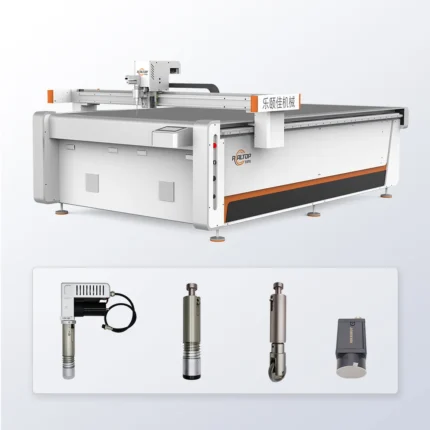
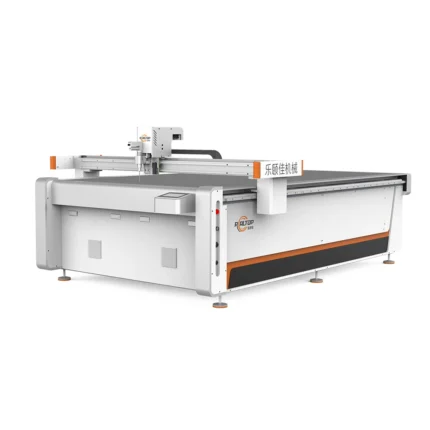
2026 Auto Fabric Cutter Round Knife High Efficiency
Product Introduction
High Efficiency 2026 Auto Fabric Cutter with Round Knife is a professional cutting equipment designed for fabric processing. It features advanced automation and high cutting efficiency, suitable for various fabric materials in industrial production.Product Parameters
| Model | 2026 |
| Type | Auto Fabric Cutter |
| Blade Type | Round Knife |
| Feature | High Efficiency |
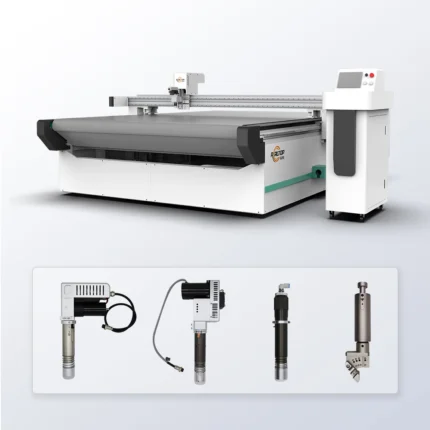
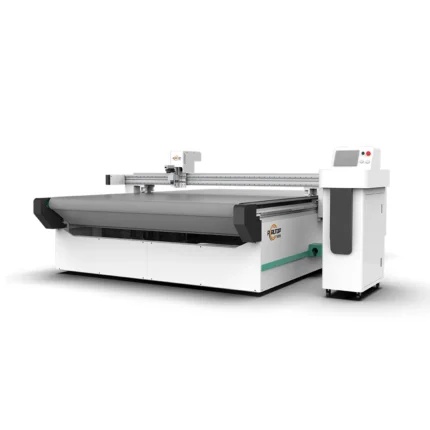
2026 Flatbed Oscillating Knife Cutter 1600x3500mm Auto-Feeding Textile
Product Overview
Flatbed Oscillating Knife Cutting Machine 2026 is a high-precision textile fabric cutter with auto-feeding function, ideal for efficient and accurate cutting tasks in textile manufacturing. It combines advanced oscillating knife technology with a large working area to meet industrial production needs.Key Specifications
| Model | 2026 |
| Working Area | 1600x3500mm |
| Feeding System | Auto-Feeding |
| Cutting Type | Oscillating Knife |
| Application | Textile Fabric |
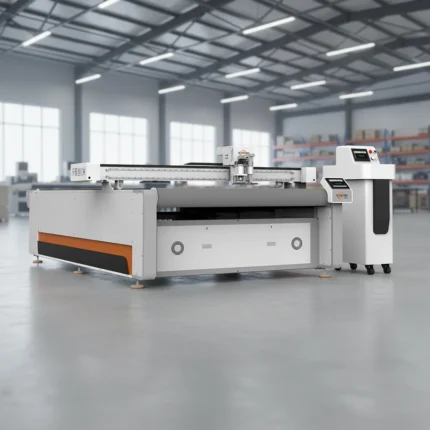
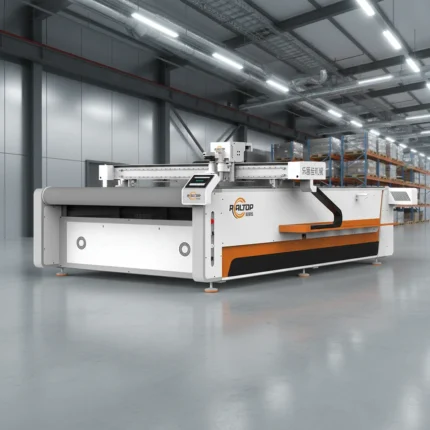
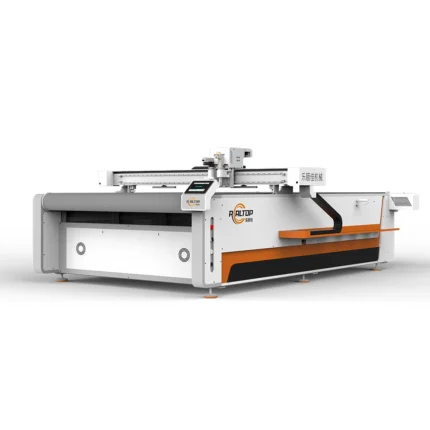
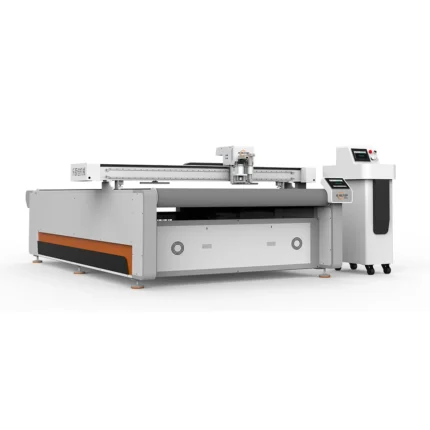
CNC Oscillating Knife Cutting Machine 2026 3000¡Á1600mm High-Speed
Product Parameters
| Model | CNC Oscillating Knife Cutting Machine 2026 |
| Working Area | 3000mm¡Á1600mm |
| Cutting Type | Oscillating Knife |
| Application | Fabric Cutting |
| Feature | High-Speed |
Introduction
High-performance CNC oscillating knife cutting machine with 3000mm¡Á1600mm working area, ideal for high-speed fabric cutting. Precision and efficiency for professional textile processing needs.
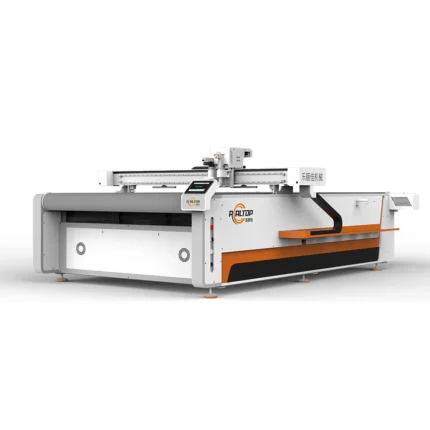

Electric Fabric Rotary Cutter 2026 12V Auto-Cut Industrial
Product Introduction
Industrial-grade Electric Fabric Rotary Cutter designed for precise cutting of scan-printed cloth. Features 12V auto-cut functionality for efficient, automated operation, ideal for professional textile processing.Product Parameters
| Power Supply | 12V |
| Function | Auto-Cut |
| Application | Scan-Printed Cloth |
| Type | Industrial Electric Rotary Cutter |
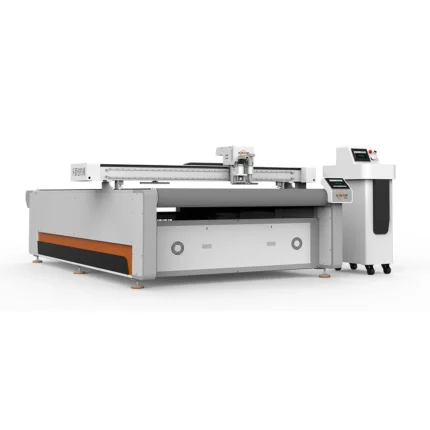
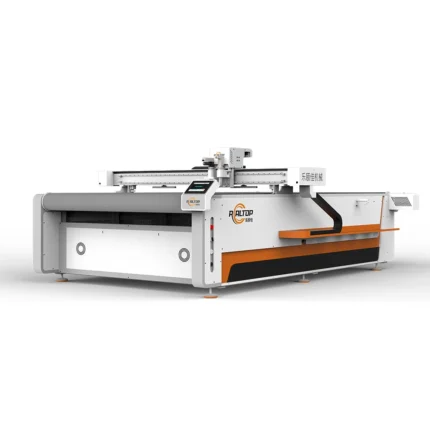
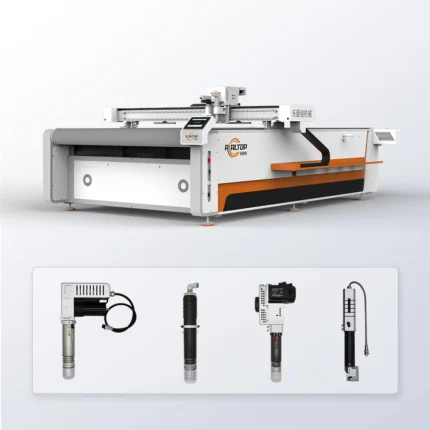
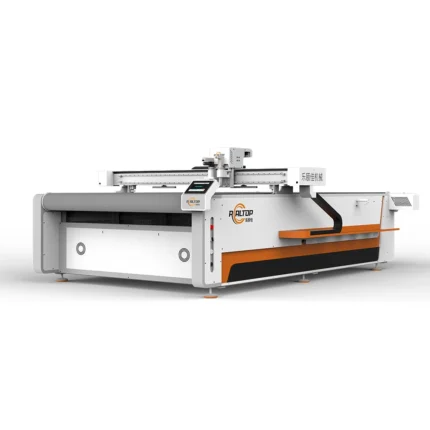
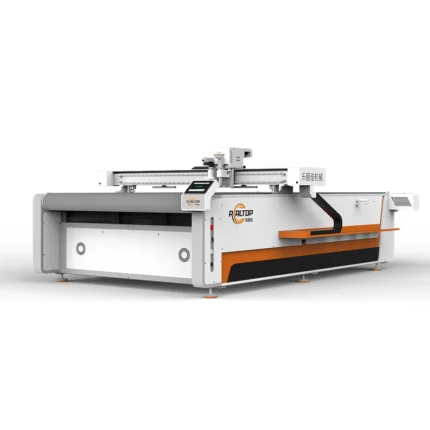
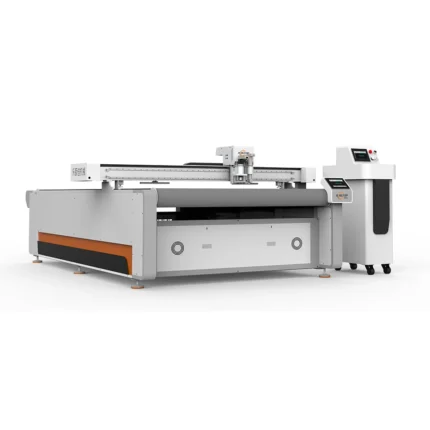
Realtop CNC Fabric Cutting Machine 2026 CE Certified
Product Introduction
Realtop CNC Fabric Cutting Machine 2026, CE Certified, ideal for precision fabric cutting with advanced CNC technology. Engineered for efficiency and reliability in textile manufacturing processes.Key Specifications
| Model | Realtop CNC Fabric Cutting Machine 2026 |
| Certification | CE Certified |
商品评价
There are no reviews yet.