

Cloth CNC Cutting Machine for Fabric – Laser Cutting and Engraving
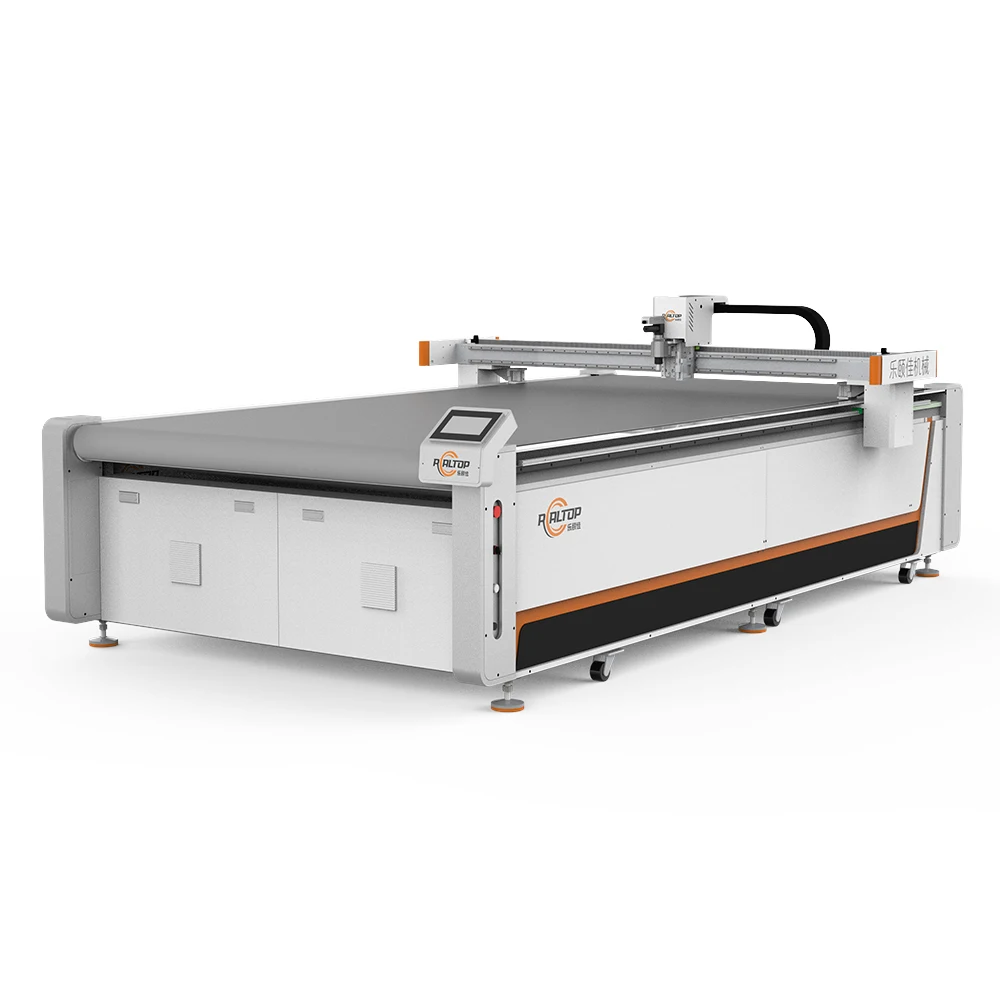
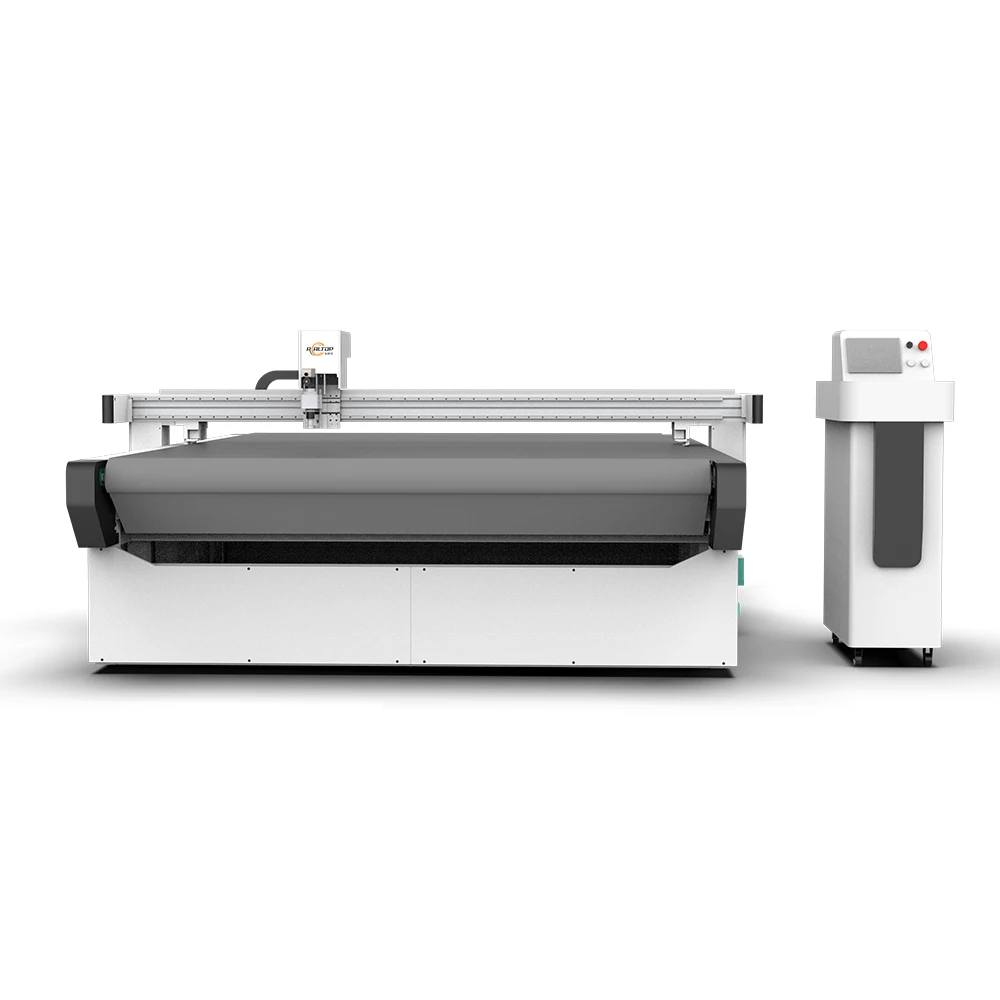
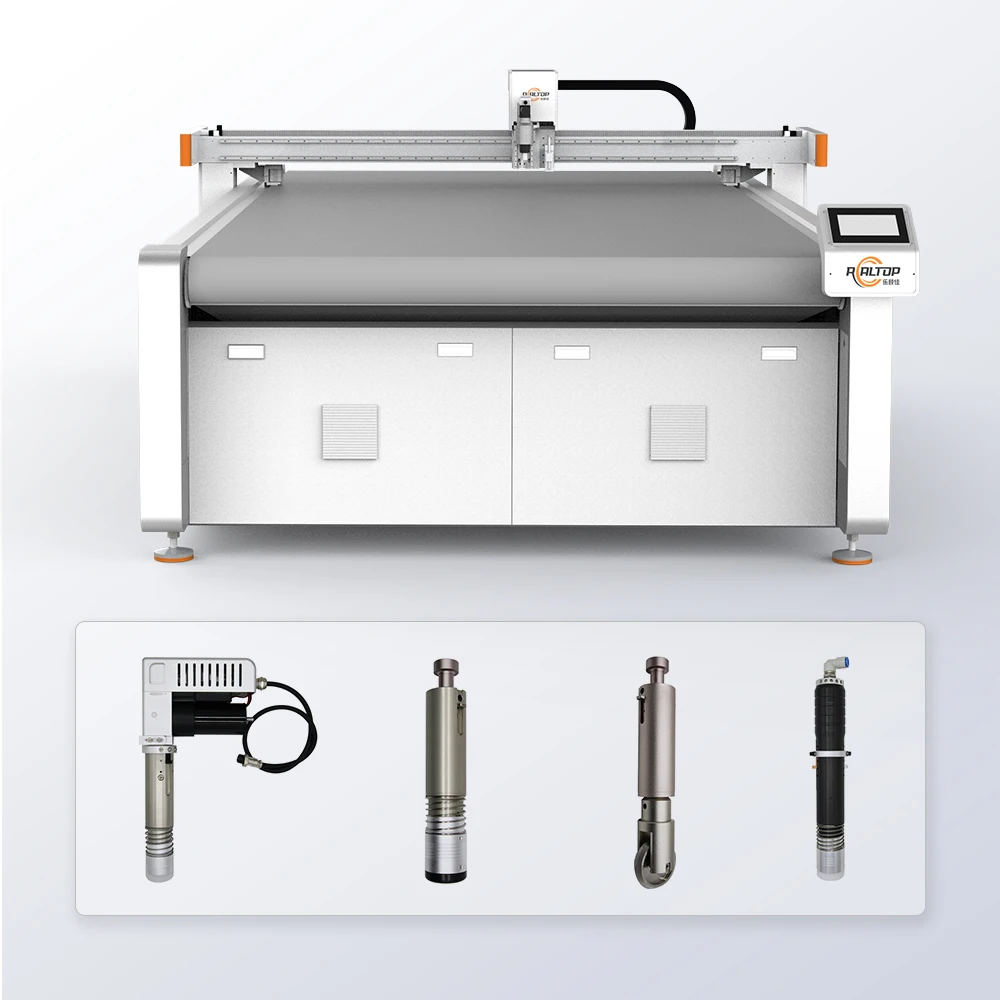
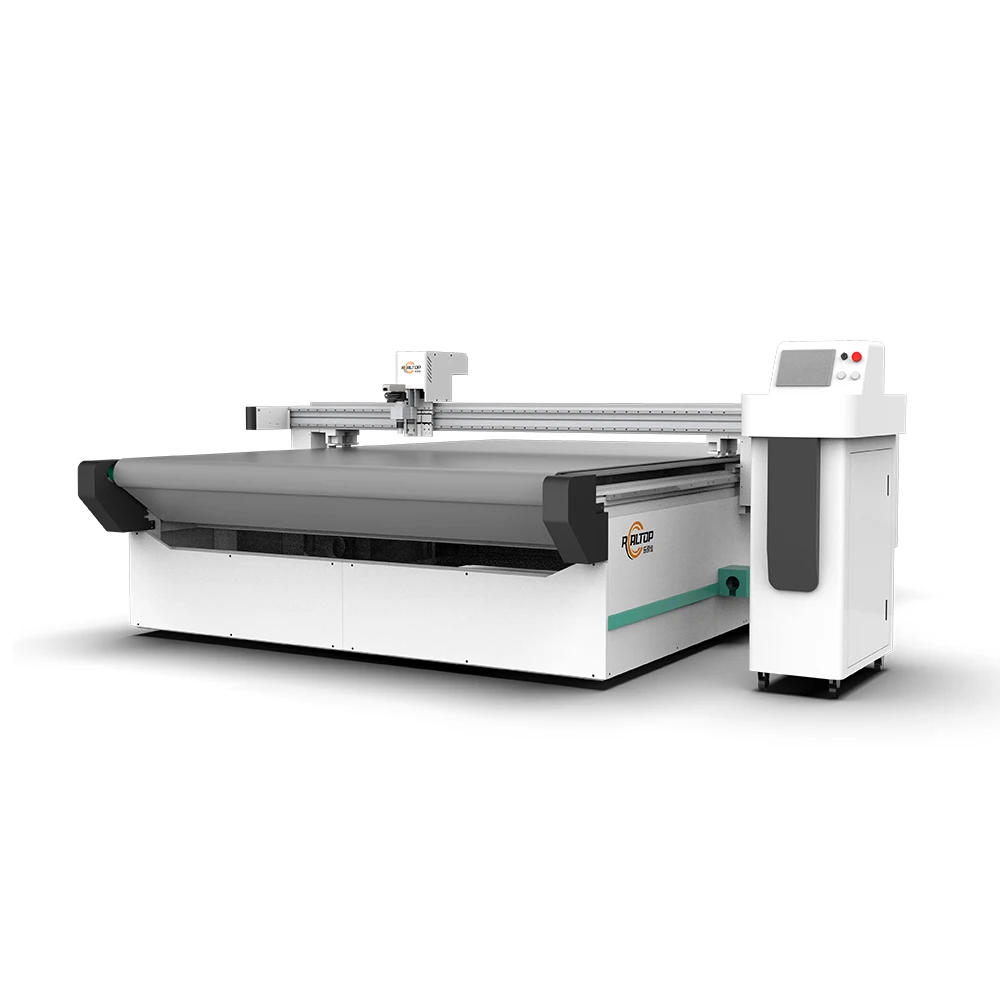
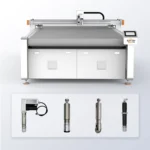
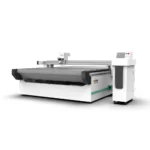
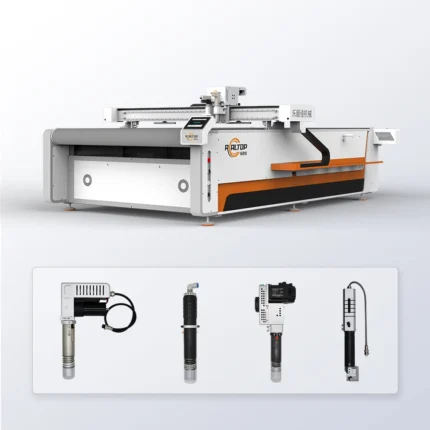
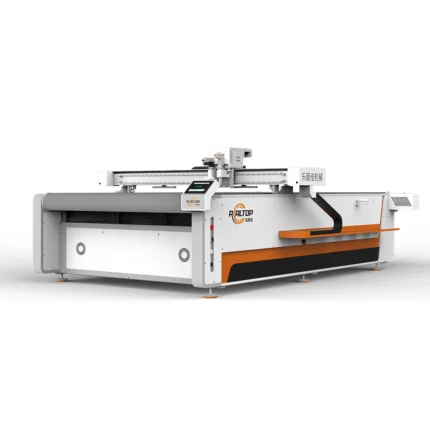
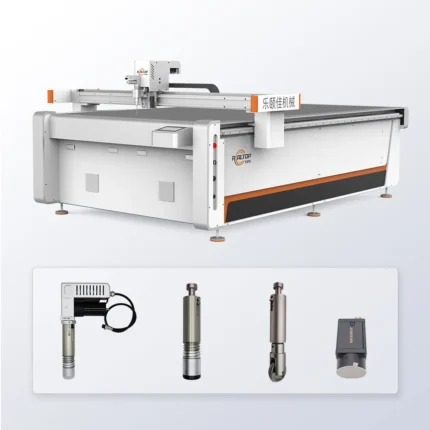
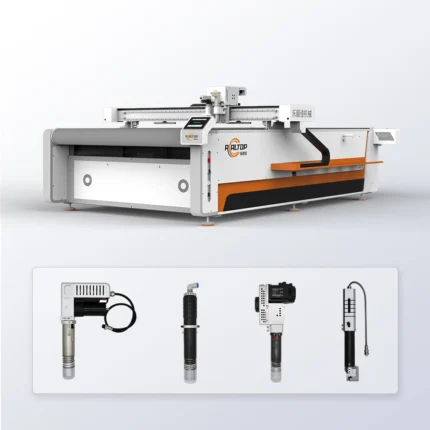
Model 1625 CNC Oscillating Knife Cutting Machine, 1600×2500mm Working Area, ±0.1mm Accuracy — engineered for fabric, leather and composite cutting with oscillating knife, driven rotary knife and creasing wheel tool heads.
- Laser power matched to continuous output rather than peak claims, ensuring real cutting depth on acrylic, wood and textile with clean sealed edges
- Aluminum bellows vacuum table maintains flat focal distance across the full sheet, while CCD positioning tracks printed contours at production speed
- Supports DXF/PLT/AI/PDF workflows with multilingual control (EN/RU/IT/ZH) and 110V/220V/380V options
Sample cutting on your own material is completed before commitment, with a full report verifying edge quality and cutting depth for your specific fabric or composite.
Configured by Material First — we match the cutting method to your specific material and production volume, not just the working area, because a laser cutting and engraving equipment factory that ignores focal and assist gas requirements will leave you with scorched edges and falling throughput.
Technical Specifications
| Parameter | Value |
|---|---|
| Model | 1625 |
| Product Type | CNC Oscillating Knife Cutting Machine |
| Working Area | 1600×2500 mm |
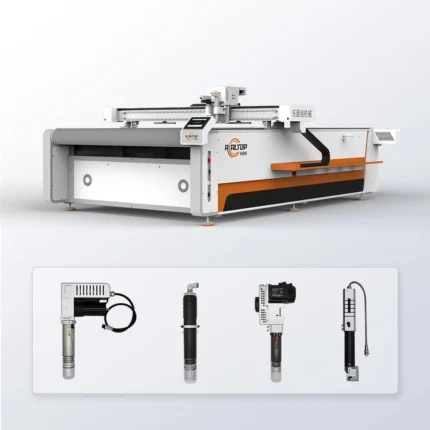
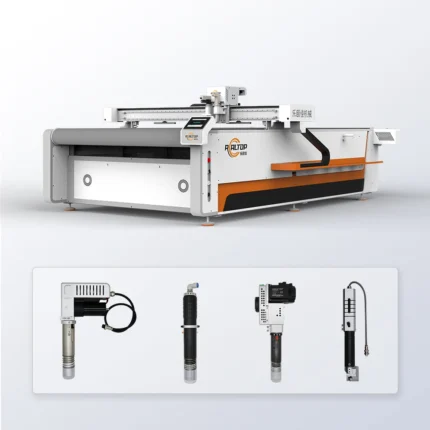
| Tool Head Options | Oscillating knife, Driven rotary knife, Creasing wheel, Kiss cutting tool, Pneumatic knife, Milling tool, V groove knife |
| Cutting Speed | 0–2000 mm/s |
| Cutting Thickness | ≤ 30 mm (basis to be confirmed) |
| Cutting Accuracy | ±0.1 mm |
| Vacuum Pump | 9 kW |
| Voltage Options | 110V, 220V, 380V |
| Supported File Formats | PLT, DXF, AI, PDF |
| Safety Device | Infrared sensor and emergency stop |
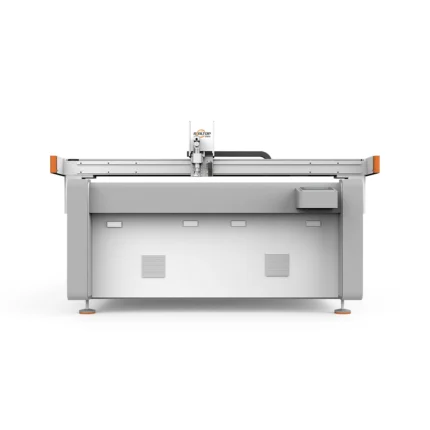
| Machine Dimensions (L×W×H) | 3300×2100×1350 mm |
| Control System | PLC control panel |
| Vacuum Table | Aluminum bellows vacuum table |
| Servo Motor Options | Panasonic, Delta, Dorna |
| Software Language Options | English, Russian, Italian, Chinese (customizable) |
| Packaging Software | Dedicated packaging box structure design software |
| Standards | CE |
Application Suitability
| Application | Material or Output |
|---|---|
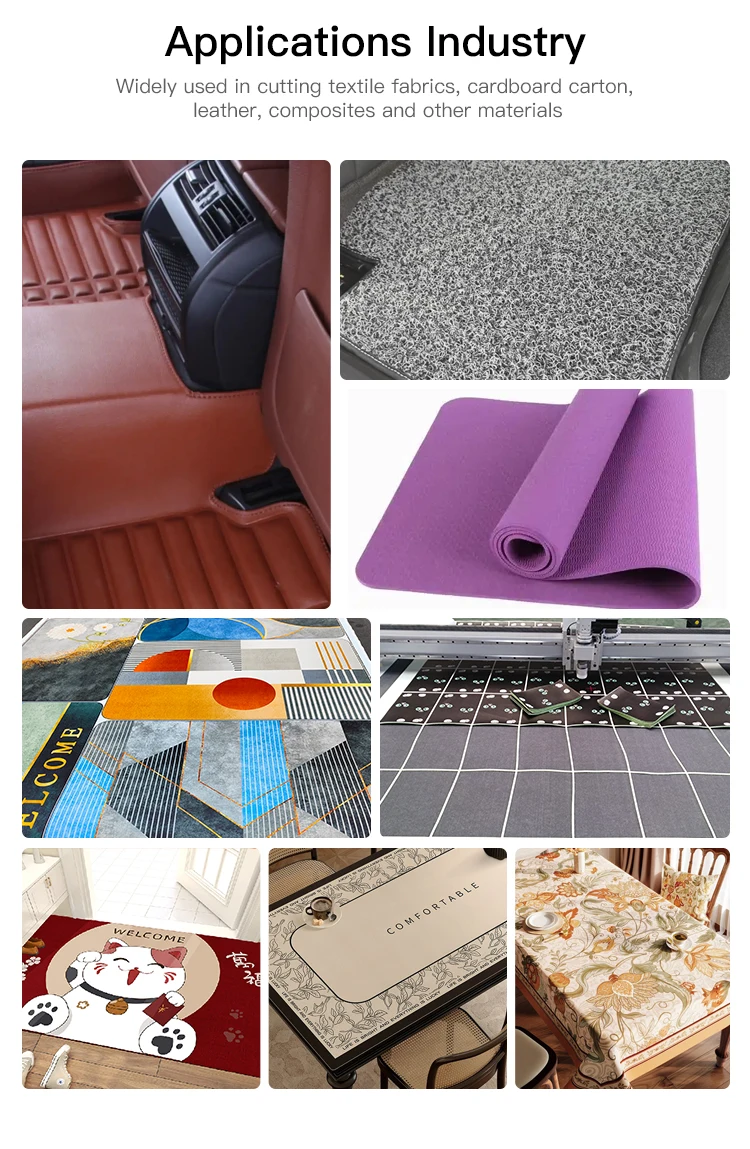
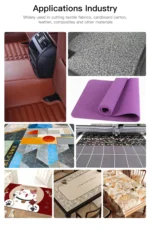
| Apparel manufacturing | Suits, knitwear, lace, complex fabrics |
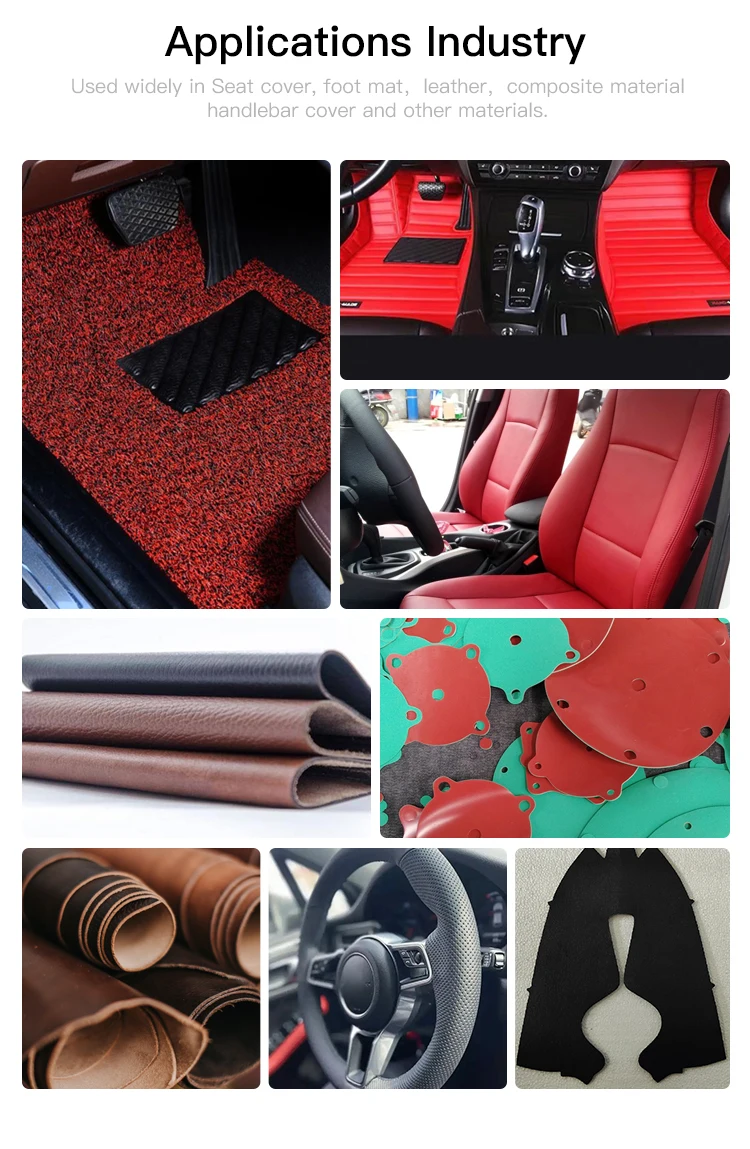
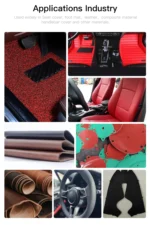
| Automotive interiors | Seat fabrics, carpets, PVC mats |
| Home textiles | Sofa fabrics, curtains, rugs |
| Composite material processing | Carbon fiber prepreg, aramid, specialty materials |
| Signage and gaskets | Cardboard, carton, mats, PVC, EVA, leather, acrylic, foam, PTFE, rubber |
Why "Peak Power" Leaves You with Half-Cut Edges
A CO2 and fiber laser cutting machine manufacturer quotes continuous power to guarantee real cutting depth on your exact material thickness.
When buyers focus only on the peak power rating listed on a brochure, the actual cutting depth often falls short of the promised capacity. This results in incomplete cuts on acrylic or wood, requiring secondary processing that destroys throughput and margin. [NEED_CITE: laser power rating standards for continuous versus peak output]
The Laser Process: CO2 Versus Fiber Capacity
As a CO2 and fiber laser cutting machine manufacturer, the engineering focus is on matching the wavelength and power source to the material’s absorption rate. CO2 lasers are specified for non-metals like acrylic and wood, where the beam seals the edge during the cut, while fiber lasers are deployed for sheet metal where assist gas and focal control determine the kerf quality. Real cutting capacity is defined by continuous power ratings, ensuring the beam maintains sufficient energy density through the full thickness of the material without stalling.
Edge Quality and Assist Gas Control
The quality of the cut edge on synthetics and metals is not just about the laser source; it is dictated by the assist gas pressure and focal point stability. [NEED_CITE: assist gas selection for laser cutting acrylic and sheet metal] An aluminum bellows vacuum table provides the high flatness required to maintain a consistent focal distance across the entire 1600×2500 mm working area. This prevents the beam from defocusing on warped sheets, which is the primary cause of ragged edges and incomplete penetration in high-volume production runs.
Reading the Spec Sheet: Accuracy and Motion
The ±0.1 mm cutting accuracy is achieved through the integration of multi-brand servo drive options, including Panasonic, Delta, and Dorna, which provide the motion precision necessary for complex contour work. The PLC control panel manages the acceleration and deceleration curves, ensuring that the cutting speed of up to 2000 mm/s does not compromise the edge quality at corners. When processing delicate lace or technical composites, this motion stability prevents the material from shifting or fraying, a common failure point in machines with lower-grade drive systems.
The Hidden Cost of Wrong Tooling and Zoning
Selecting the wrong tool head or laser configuration for a specific material results in crushed foam, delaminated composites, or scorched textiles that cannot be sold. [NEED_CITE: material degradation causes in CNC digital cutting] If the vacuum table zoning is insufficient for small parts, the material lifts during the cut, destroying the batch and damaging the cutting head. This is why the configuration must be validated against the buyer’s daily volume and material stack, rather than assumed based on a generic model number.
Why Source from This Laser Cutting and Engraving Equipment Factory
This facility operates as an in-house laser process engineering hub, covering both CO2 and fiber platforms to match the cutting method to the material. The design team specifies tool heads and table configurations per material and production volume, ensuring the machine is built for the actual job. Sample cutting on the buyer’s own material is conducted before commitment to verify real cutting depth and edge quality. Voltage, plug, and control language customization is confirmed via electrical schematics before shipment, preventing installation delays in the target market.
Documentation & Verification
- Machine specification sheet detailing continuous versus peak power ratings for your material.
- Electrical schematic and voltage confirmation document matching your local frequency and plug type.
- Sample cutting report on your specific fabric or acrylic thickness before order confirmation.
- Software license and file format compatibility note for PLT, DXF, AI, and PDF workflows.
- Factory test record verifying ±0.1 mm accuracy and vacuum adsorption performance.
Installation, Commissioning & Support
- Foundation requirements for the 3300×2100×1350 mm frame to ensure long-term leveling.
- Dedicated circuit planning for the 9 kW vacuum pump and laser power source.
- First-run parameter setting for your specific material thickness and cutting speed.
- Operator training on the PLC control panel and dedicated packaging structure design software.
- Spare parts list focusing on oscillating knife blades and laser consumables for your production volume.
Requesting a Production-Ready Quotation
To receive a configuration that matches your workshop, provide the material type, maximum thickness, and daily volume requirements. Specify your local voltage and frequency standards, along with the preferred control language for the PLC panel. If you require sample cutting to verify edge quality on a specific composite or textile, ship a material sample to the factory for a process validation report.
Frequently Asked Questions
Q: How do I verify continuous laser power versus peak power for my material?
A: Request a sample cutting report on your specific material thickness. A reputable CO2 and fiber laser cutting machine manufacturer will provide a test record showing the continuous power setting used to achieve a clean edge, rather than relying on the peak power rating listed in general marketing brochures.
Q: Will the software work with my existing nesting workflow?
A: The system supports PLT, DXF, AI, and PDF file formats. Before shipment, a software license and file format compatibility note is issued to confirm integration with your existing design and nesting software, ensuring no data loss during the import process.
Q: How is voltage and plug type confirmed before shipment?
A: An electrical schematic and voltage confirmation document is provided during the order process. This ensures the 110V, 220V, or 380V configuration, along with the specific plug type and frequency, matches your local industrial standards to prevent installation failures.
Q: What are the assist gas requirements for cutting acrylic and wood?
A: Assist gas selection depends on the material and desired edge finish. The factory provides a configuration list detailing the required gas pressure and type for your specific non-metal application, ensuring the CO2 laser achieves the required edge sealing and engraving resolution.


Related products
2026 Carbon Fiber Cloth Cutting Machine – China Manufacturer
Product Introduction
Fabric Sample Cutter Pillow Machine ¨C 2026 Carbon Fiber Cloth Cutting Machine, ideal for precise cutting of carbon fiber cloth and fabric samples, suitable for pillow production and related textile applications.Product Parameters
| Name | Fabric Sample Cutter Pillow Machine |
| Model | 2026 |
| Material | Carbon Fiber Cloth |
| Application | Pillow Fabric Cutting |
2026 CNC Knife Cutting Machine for Fabric Leather PVC Hot Sale
Product Introduction
2026 Hot Sale CNC Knife Cutting Machine for Fabric, Leather, PVC. Ideal for precise cutting of various materials with advanced CNC technology, perfect for manufacturing needs.
Product Parameters
| Application | Fabric, Leather, PVC |
| Type | CNC Knife Cutting Machine |
| Feature | Precision Cutting |
| Year | 2026 Model |
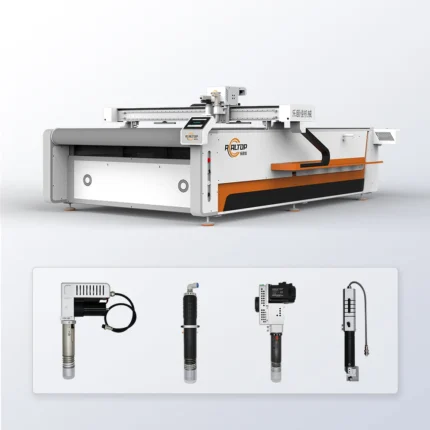
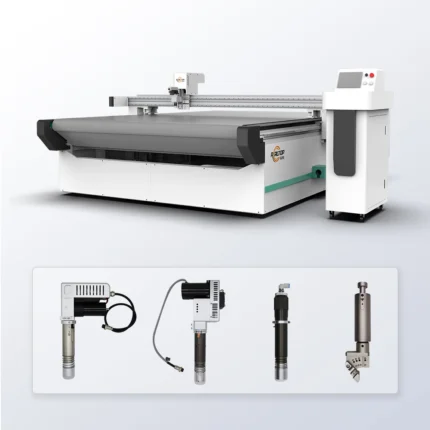
Automatic Fabric Cutting Machine 1200mm Delta Servo 2026
Product Parameters
| Cutting Width | 1200mm |
| Servo System | Delta Servo |
| Model Year | 2026 |
Introduction
High-performance Automatic Fabric Cutting Machine with 1200mm cutting width, equipped with Delta Servo for precision. Ideal for efficient fabric processing in textile industry, ensuring accurate and fast cutting operations.
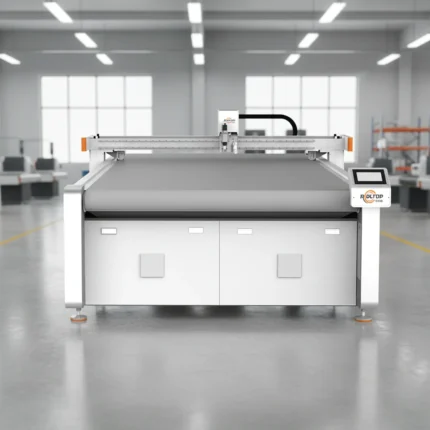
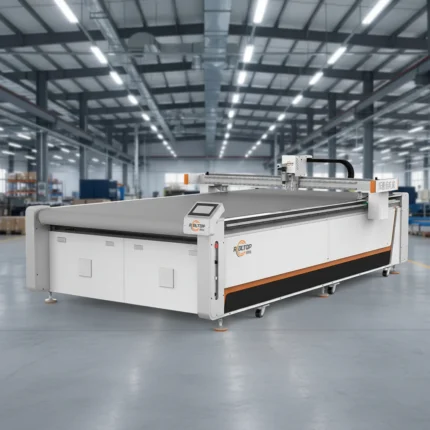
Automatic Multi-Layer Vibrating Knife Cutter 2026
Product Introduction
Automatic Multi-Layer Vibrating Knife Cutter 2026, ideal for precise cutting of various materials with multi-layer processing capability, enhancing production efficiency.
Key Specifications
| Type | Automatic Vibrating Knife Cutter |
| Layer Capacity | Multi-Layer |
| Model | 2026 |
| Function | Precision Cutting |
CNC Vibration Knife System 2026 for Polyester Nylon Non-Woven Prepreg
Product Introduction
CNC Vibration Knife System 2026 is ideal for cutting polyester, nylon, non-woven fabrics, and prepreg materials with precision and efficiency, suitable for industrial manufacturing needs.Product Parameters
| Model | 2026 |
| Cutting Technology | CNC Vibration Knife |
| Materials | Polyester, Nylon, Non-Woven, Prepreg |
Custom CNC Shirt Fabric Cutting Machine 2026
Product Introduction
Custom CNC Shirt Fabric Cutting Machine 2026, ideal for precise fabric cutting in garment manufacturing, offering efficient and accurate cutting solutions.
Product Parameters
| Model | Custom CNC Shirt Fabric Cutting Machine 2026 |
| Type | CNC Fabric Cutting Machine |
| Application | Shirt Fabric Cutting |
| Year | 2026 |

Jinan Realtop PVC Cutting Machine 2026 CE Certified
Product Introduction
Jinan Realtop PVC Cutting Machine 2026 is a CE-certified cutting solution, ideal for precise PVC material processing. Designed for efficiency and reliability in industrial applications.Product Parameters
| Model | 2026 |
| Certification | CE Certified |
| Application | PVC Cutting |
| Manufacturer | Jinan Realtop |
商品评价
There are no reviews yet.