




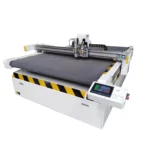


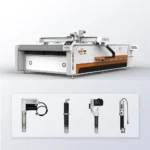
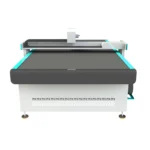
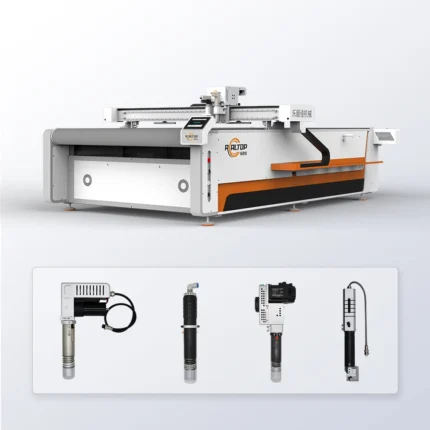
CNC Cutting Machine for Bridal Gown – Model Selection
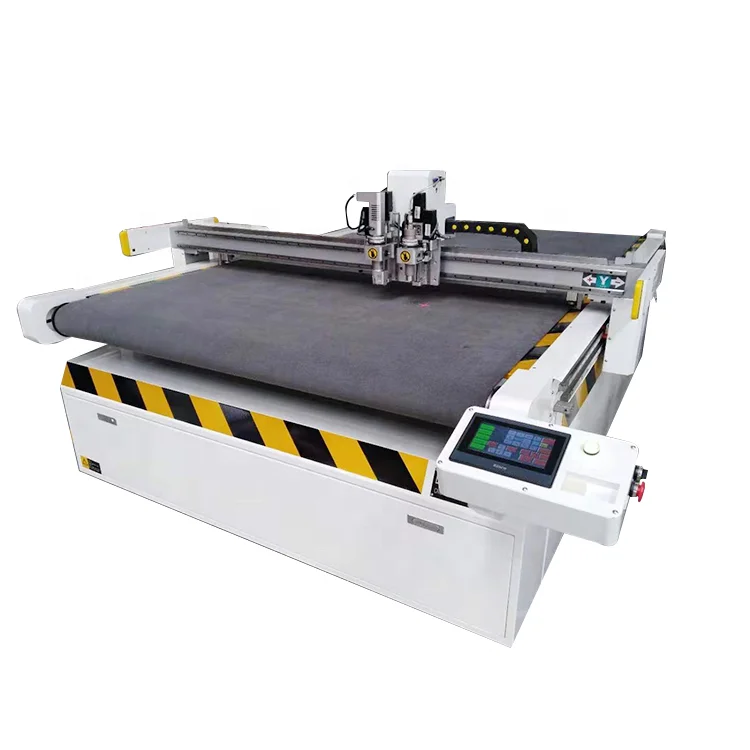
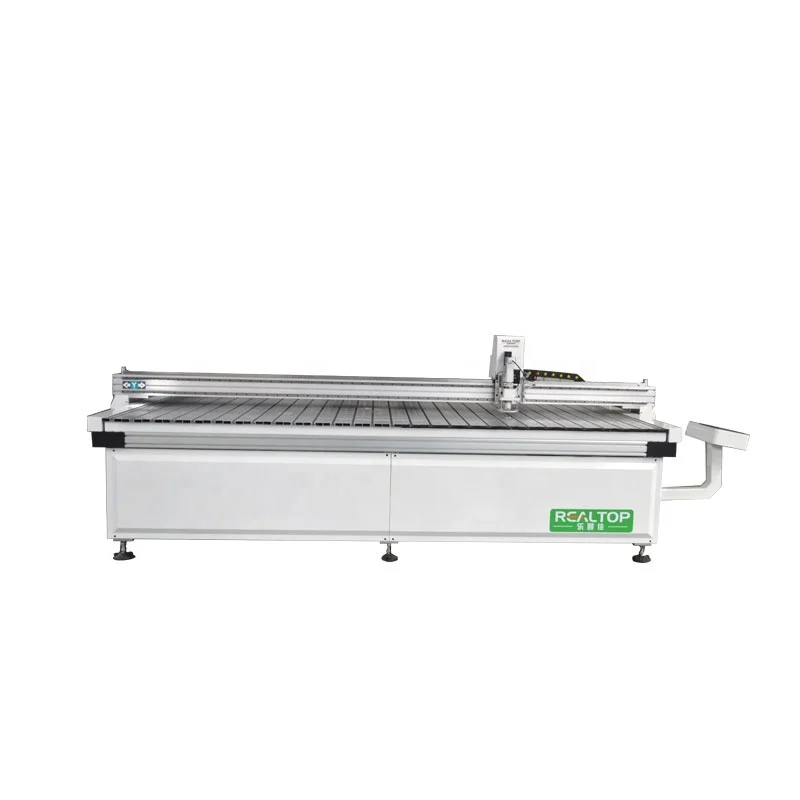
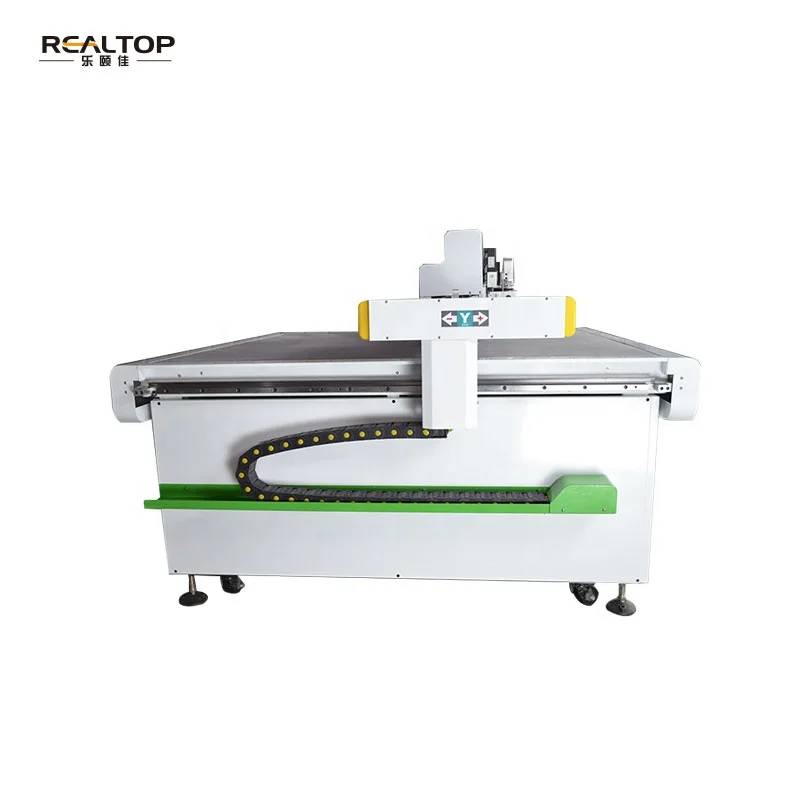
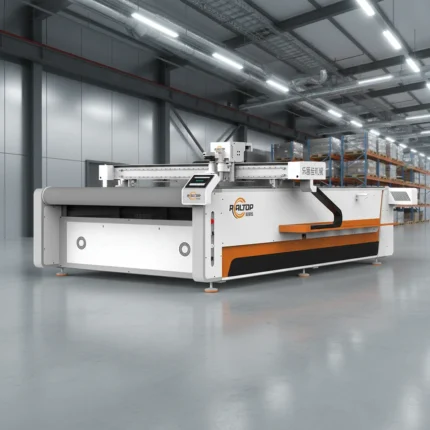
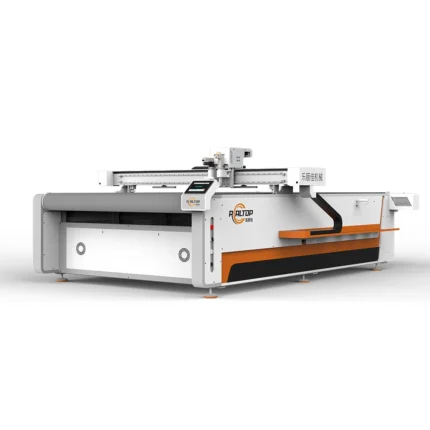
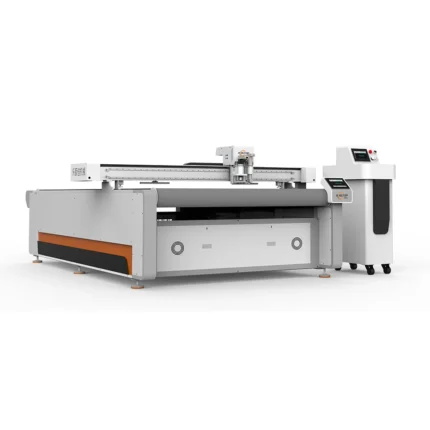
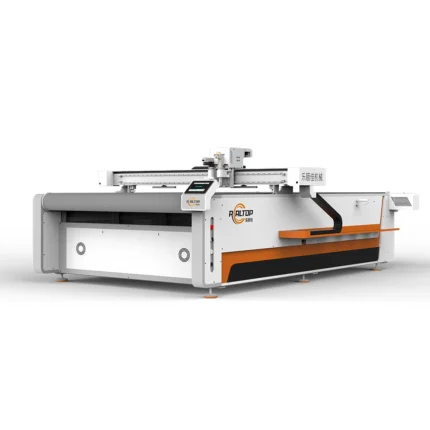
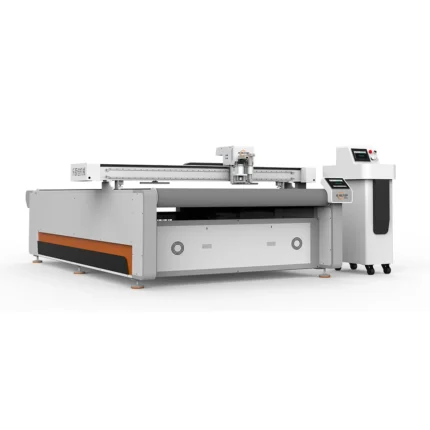
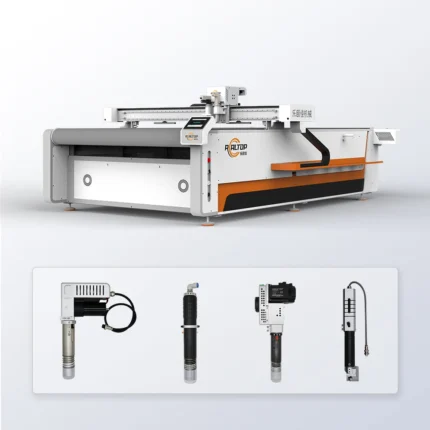
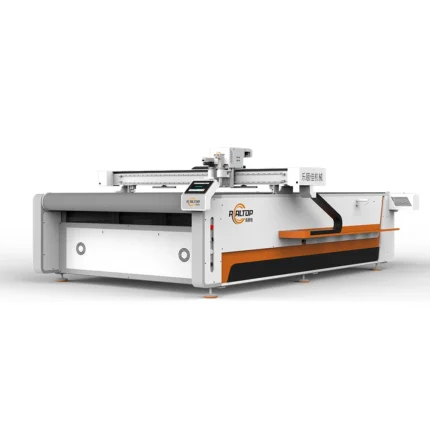
RT-D2516/RT-S2516 CNC Oscillating Knife Cutting Machine, 1600×2500mm, 9kW, Yaskawa Servo — engineered for bridal gown and flexible fabric producers who need clean edges on delicate multi-layer materials.
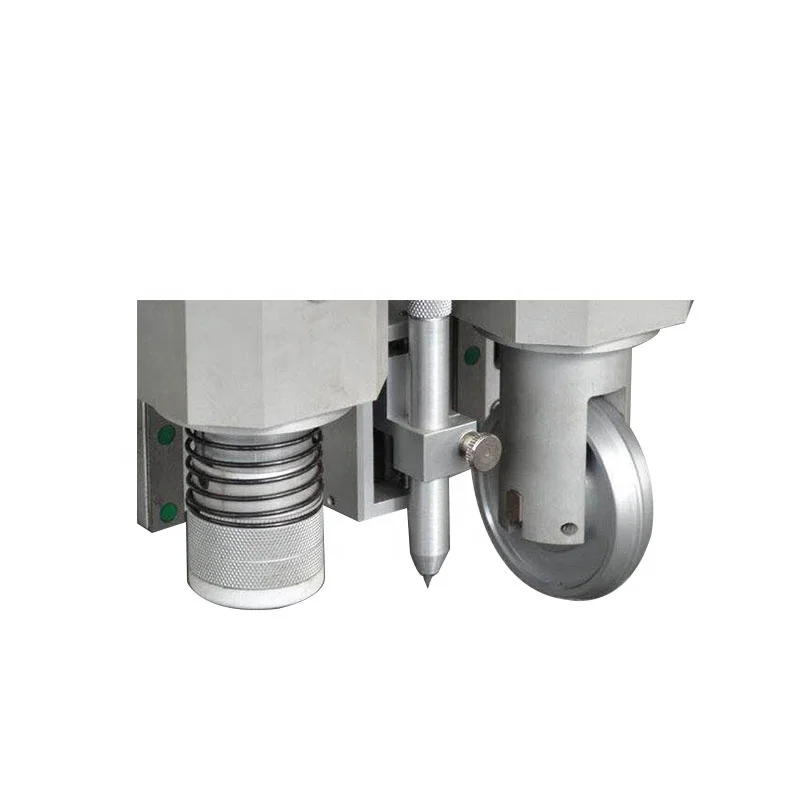
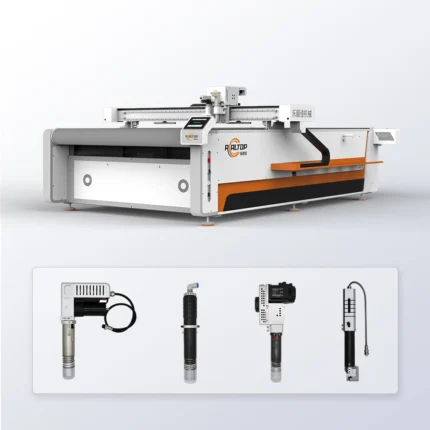
- Swiss imported knife head with vibration full/half cutting
- 800–1200 mm/s translational velocity, ≤0.1mm repeatability
- Auto-feed conveyor with 7.5kW vacuum table
- HP-GL compatible control for garment CAD workflows
Sample cutting on your own fabric before commitment, tool head matched to material thickness, and voltage confirmation for your market.
Configurable cutting heads matched to material, not just working area — the RT-D2516/RT-S2516 pairs a Swiss imported oscillating knife with a 7.5 kW vacuum table and auto-feed conveyor, so edge quality on delicate bridal fabrics and dense composites is set before the machine ships.
Technical Specifications
| Parameter | Value |
|---|---|
| Model | RT-D2516/RT-S2516 |
| Product Type | CNC Oscillating Knife Cutting Machine |
| Working Area | 1600 × 2500 mm |
| Machine Size (L × W × H) | 3450 × 2300 × 1250 mm |
| Rated Power | 9 kW |
| Voltage | 380V ± 10% |
| Tool Head | Swiss imported knife with vibration full cutting, half cutting, and cursor location |
| Translational Velocity | 800–1200 mm/s |
| Cutting Speed | 200–800 mm/s (basis not stated in source — confirm per material and thickness) |
| Repeatability | ≤ 0.1 mm |
| Servo Motor | Japanese Yaskawa |
| Linear Guide | Taiwan Hiwin rail |
| Transmission System | Digital servo motor, linear guide, synchronous belt, ball screw |
| Conveyor Belt | Germany imported |
| Vacuum Pump | 7.5 kW |
| Working Table | Flat vacuum table with auto feeding |
| Safety Device | Infrared sensors |
| Control System | CNC with HP-GL compatible format |
| Certification | CE (implied — verify declaration) |
Application Suitability
| Application | Material or Output |
|---|---|
| Bridal gown and wedding dress production | Multi-layer delicate fabrics such as tulle, organza, satin, and lace overlays |
| Garment and fashion manufacturing | Flexible woven and knit textiles, lining, and interlining materials |
| Leather goods and footwear processing | Genuine leather, synthetic leather, and sponge composite leather |
| Industrial gasket and seal fabrication | PVC, soft glass, silicon, rubber, and foam composites |
| Upholstery and automotive interior | Flexible composite panels and layered textile materials |
Why "Working Area" Alone Fails Fabric and Leather Cutters
A 1600 × 2500 mm table means nothing if the tool head crushes your foam or frays your silk.
I spent years flying across Latin America commissioning cutting lines, and the most expensive mistake I see is buyers choosing a machine by bed size, then discovering the knife head cannot handle their actual material stack. A bridal atelier in Peru ordered a machine based purely on table dimensions, only to find their coated organza frayed under standard oscillating parameters, scrapping hundreds of panels days before a wedding deadline. The RT-D2516/RT-S2516 addresses this by offering configurable tool heads — vibration full cutting, half cutting, and cursor location — each suited to different densities and layer counts. [NEED_CITE: tool head selection criteria for flexible material cutting]
Matching Knife Behavior to the Material Stack
The Swiss imported knife assembly on this CNC Oscillating Knife Cutting Machine for sale supports both full-cut and half-cut vibration modes. Full cutting drives the blade through multi-layer fabric stacks in a single pass, while half cutting scores kiss-cut lines for fold marks or perforations on pattern pieces. For bridal gowns where a single ply of silk organza behaves differently from a twelve-layer lay of cotton lining, switching modes at the control level avoids changing physical tooling mid-run.
Vacuum Hold-Down and Continuous Feed Logic
A 7.5 kW vacuum pump paired with the flat vacuum table keeps lightweight and porous materials locked in place during high-speed traversal. The Germany-imported conveyor belt enables roll-to-cut feeding, so operators load a fabric roll at one end and retrieve cut panels at the other without manual repositioning. This continuous workflow matters when cutting long bridal trains or curtain panels that exceed the reach of a static table. [NEED_CITE: vacuum hold-down requirements for porous textile materials]
Servo Precision and Repeatability on Contour Cuts
Yaskawa digital servo motors driving Hiwin linear rails deliver a repeatability of ≤ 0.1 mm across the full 1600 × 2500 mm travel range. For bridal bodice patterns with tight curves and pointed darts, this tolerance keeps nested pieces matching the original CAD geometry after hundreds of cycles. Translational velocity reaches 800–1200 mm/s on traverse moves, while cutting speed ranges from 200–800 mm/s depending on material density and ply count — a distinction worth confirming against your specific fabric stack before committing to a production schedule.
Decoding Specs That Matter on the Production Floor
The 9 kW rated power covers the combined draw of the servo drives, vacuum pump, and conveyor motor under load. Buyers should verify whether the 380V ± 10% supply matches their facility’s three-phase configuration; a mismatch here means adding a transformer or risking servo drive faults during voltage sags. The HP-GL compatible instruction system integrates with pattern CAD platforms commonly used in garment workshops, but confirming DXF, AI, or PLT file support before shipment prevents software dead-ends at first power-on. Infrared safety sensors halt traversal when an operator enters the cutting zone, a non-negotiable requirement for export markets enforcing machinery safety directives. [NEED_CITE: machinery safety directive requirements for automated cutting equipment]
The Hidden Cost of Skipping a Sample Cut
When a buyer skips material-specific sample testing, the first sign of trouble arrives after the machine is bolted to the factory floor. Coated fabrics that look identical to the eye can require entirely different blade frequencies and vacuum pressures. A leather workshop cutting sponge composite leather discovered their standard oscillating setting left ragged edges on the foam core while the top layer appeared clean, forcing a full re-cut. Requesting a sample cutting report on your actual roll stock — not a generic swatch — catches these mismatches before production starts. [NEED_CITE: material variability effects on cutting edge quality in flexible composites]
Why Source This Machine Through the Full-Catalogue Channel
The RT-D2516/RT-S2516 sits alongside both knife and laser platforms within the same catalogue, so a buyer processing both fabric and acrylic can evaluate which cutting method fits each material rather than forcing one technology across the board. Tool head and table configurations are specified per material type and production volume, not locked to a single default build. Software compatibility is confirmed against your existing nesting workflow before the order is placed. Electrical schematics and voltage documentation are provided in advance so your local electrician can prepare the circuit before the crate arrives.
Documentation & Verification
- Machine specification sheet listing RT-D2516/RT-S2516 tool head and vacuum table configuration
- Electrical schematic confirming 380V ± 10% wiring and breaker sizing for your facility
- Sample cutting report produced on your own fabric, leather, or composite material
- HP-GL software licence and file format compatibility note for your CAD platform
- Factory test record documenting repeatability and speed on your specified ply count
- CE declaration documentation for import clearance in applicable markets
Installation, Commissioning & Support
- Floor space of approximately 3450 × 2300 mm plus operator clearance on three sides
- Dedicated 380V three-phase circuit sized for 9 kW continuous draw plus start-up surge
- Machine ships fully assembled; verify doorway and overhead clearance for 1250 mm height
- First-run calibration of vacuum zoning and knife frequency matched to your material stack
- Operator training covers HP-GL file import, nesting layout, and tool head mode switching
- Spare parts list includes Swiss knife blades, conveyor belt segments, and vacuum seals
Preparing Your Inquiry
When you request a quote, include your material type, maximum ply count, and typical sheet or roll width so the tool head and conveyor can be matched to your actual workflow. State your facility voltage and frequency, along with the control interface language your operators need. If your existing pattern files are in a format beyond HP-GL, send a sample file so compatibility can be verified before the machine enters production.
Frequently Asked Questions
Q: How do I decide between oscillating knife and laser for my fabric cutting operation?
A: Oscillating knife cuts without thermal impact, preserving raw edges on natural fibers and avoiding melt on synthetics. Laser seals edges on synthetic fabrics but can scorch natural fibers. The choice depends on your material mix: a bridal workshop cutting silk and lace typically benefits from knife cutting, while a sportswear line cutting polyester mesh may prefer the sealed edge a laser provides.
Q: Can the vacuum table hold small pattern pieces without them lifting during cutting?
A: Vacuum hold-down effectiveness depends on table zoning. A single-zone vacuum table may lose suction on small pieces surrounded by cut-away waste. Confirm the zoning configuration with the supplier based on your smallest piece dimension and material porosity before the order is finalized.
Q: Will the control system accept my existing pattern files from garment CAD software?
A: The RT-D2516/RT-S2516 uses an HP-GL compatible instruction system, which covers many garment and sign industry CAD platforms. If your workflow outputs DXF, AI, or PLT files, request a file format compatibility note before shipment to ensure your nesting software communicates correctly with the machine controller.
Q: What voltage and frequency confirmation do I need before shipping?
A: The standard configuration is 380V ± 10%, typically at 50 Hz. Buyers in markets running 60 Hz or different three-phase voltages should confirm the servo motor and vacuum pump ratings before production begins. Request an electrical schematic showing breaker and wiring specifications so your electrician can prepare the dedicated circuit in advance.


Related products
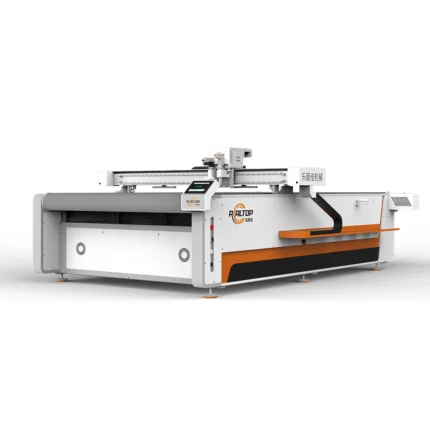
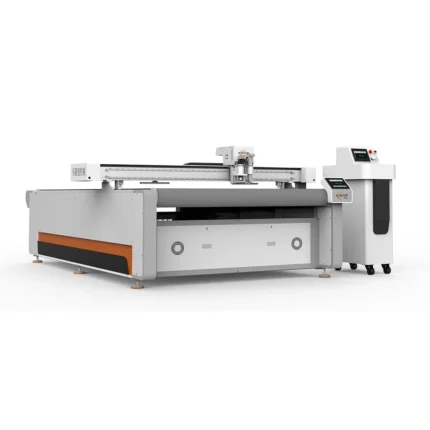
2026 Automatic PVC Tarpaulin Cutter Machine
Product Introduction
High-performance Automatic PVC Tarpaulin Cutter Machine 2026, ideal for precise and efficient cutting of PVC tarpaulin materials, designed for industrial manufacturing needs with reliable operation and user-friendly control.Product Parameters
| Model | 2026 |
| Type | Automatic PVC Tarpaulin Cutter |
| Application | PVC Tarpaulin Cutting |
| Feature | Precise & Efficient Cutting |
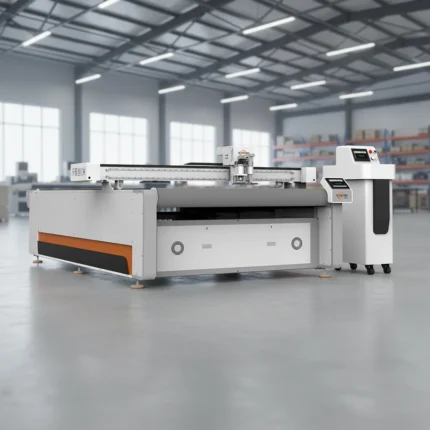
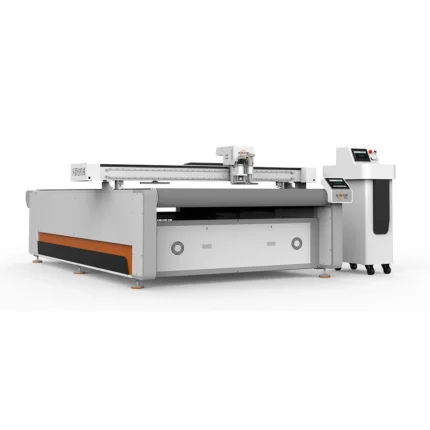
CNC Oscillating Knife Cutting Machine 2026 3000¡Á1600mm High-Speed
Product Parameters
| Model | CNC Oscillating Knife Cutting Machine 2026 |
| Working Area | 3000mm¡Á1600mm |
| Cutting Type | Oscillating Knife |
| Application | Fabric Cutting |
| Feature | High-Speed |
Introduction
High-performance CNC oscillating knife cutting machine with 3000mm¡Á1600mm working area, ideal for high-speed fabric cutting. Precision and efficiency for professional textile processing needs.
Custom CNC Shirt Fabric Cutting Machine 2026
Product Introduction
Custom CNC Shirt Fabric Cutting Machine 2026, ideal for precise fabric cutting in garment manufacturing, offering efficient and accurate cutting solutions.
Product Parameters
| Model | Custom CNC Shirt Fabric Cutting Machine 2026 |
| Type | CNC Fabric Cutting Machine |
| Application | Shirt Fabric Cutting |
| Year | 2026 |
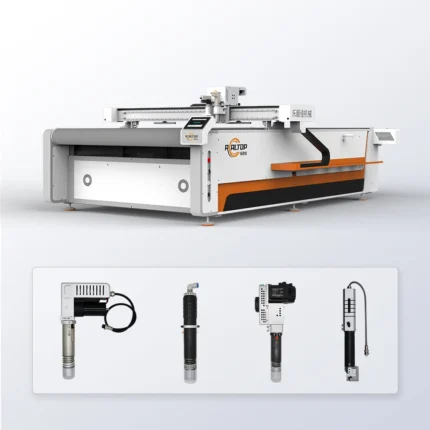
High Speed Fabric Cutting Machine 2026 Round Oscillating Knife
Product Overview
High Speed Fabric Cutting Machine 2026 with round and oscillating knife for efficient fabric cutting. Ideal for textile manufacturing and related industries.Key Specifications
| Cutting Type | Round & Oscillating Knife |
| Model Year | 2026 |
| Application | Fabric Cutting |
| Feature | High Speed Performance |

Jinan Realtop PVC Cutting Machine 2026 CE Certified
Product Introduction
Jinan Realtop PVC Cutting Machine 2026 is a CE-certified cutting solution, ideal for precise PVC material processing. Designed for efficiency and reliability in industrial applications.Product Parameters
| Model | 2026 |
| Certification | CE Certified |
| Application | PVC Cutting |
| Manufacturer | Jinan Realtop |
商品评价
There are no reviews yet.