

CNC Flatbed Oscillating Knife Cutter for Corrugated Cardboard Packaging – OEM Available
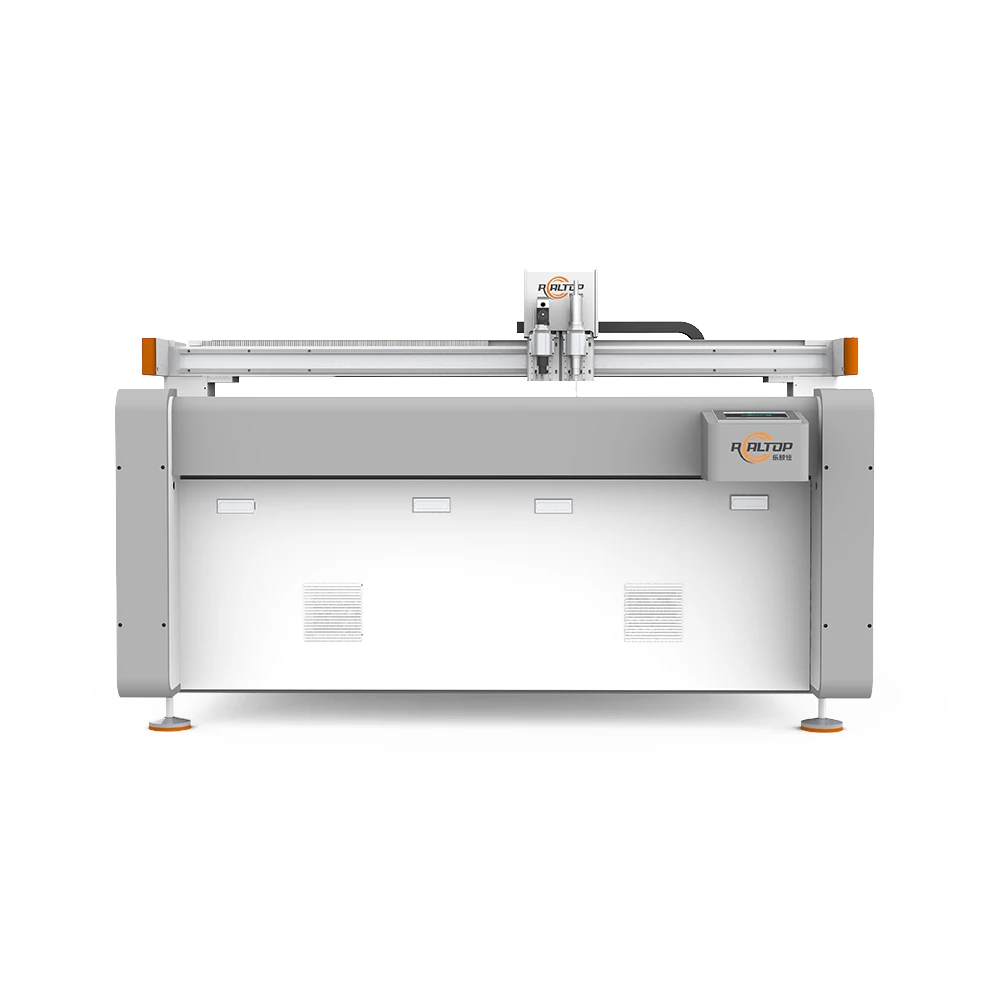
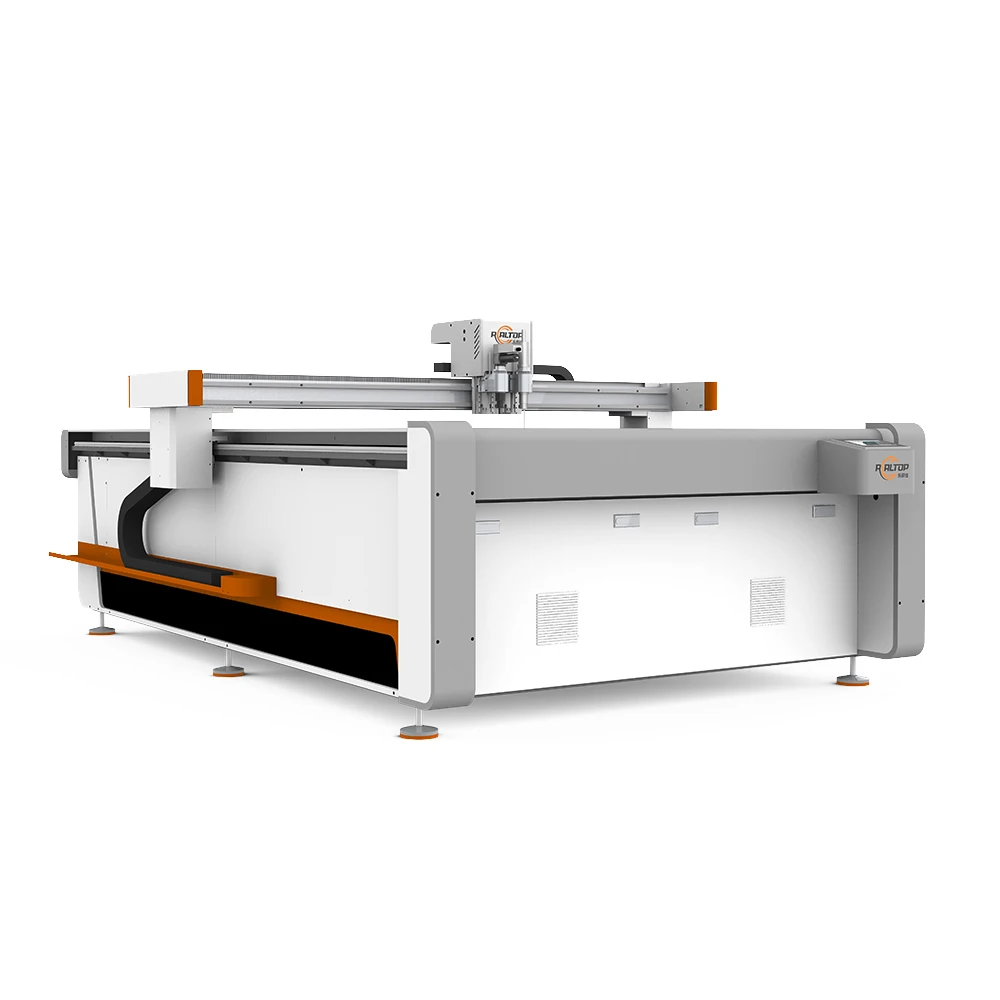
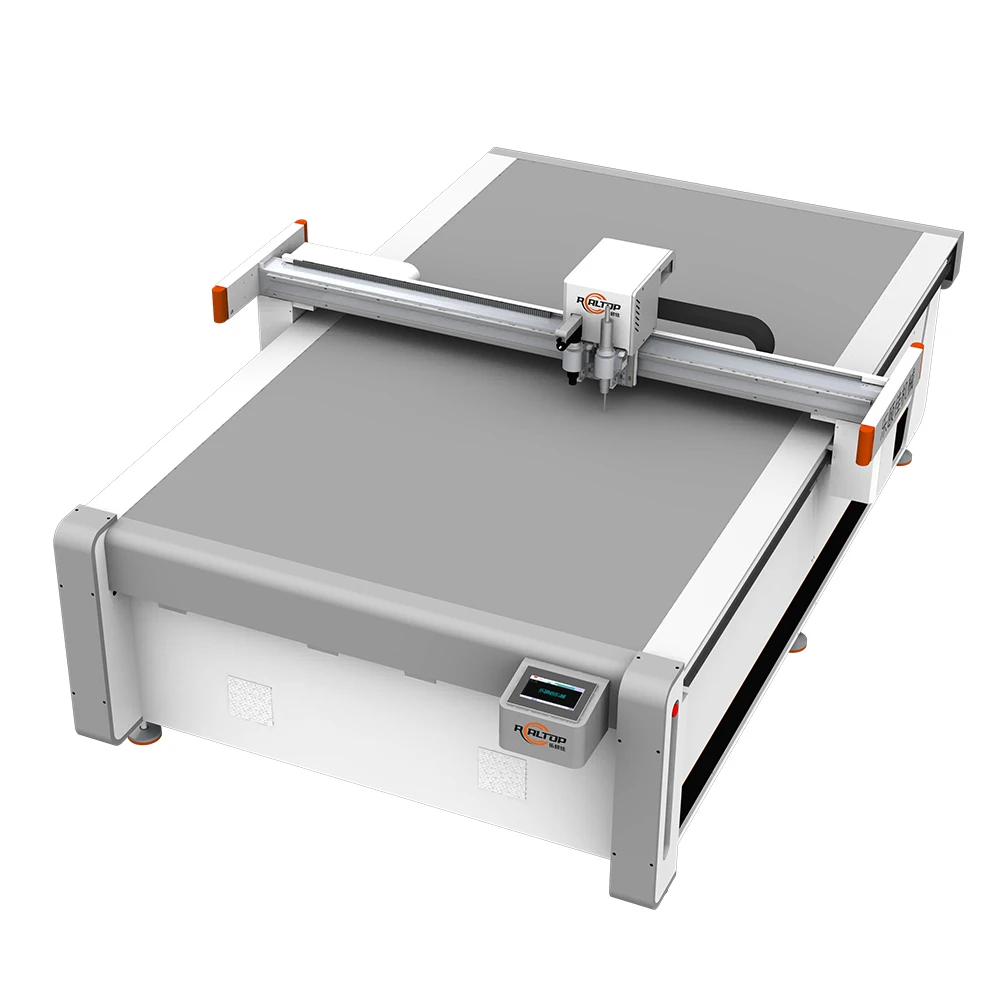
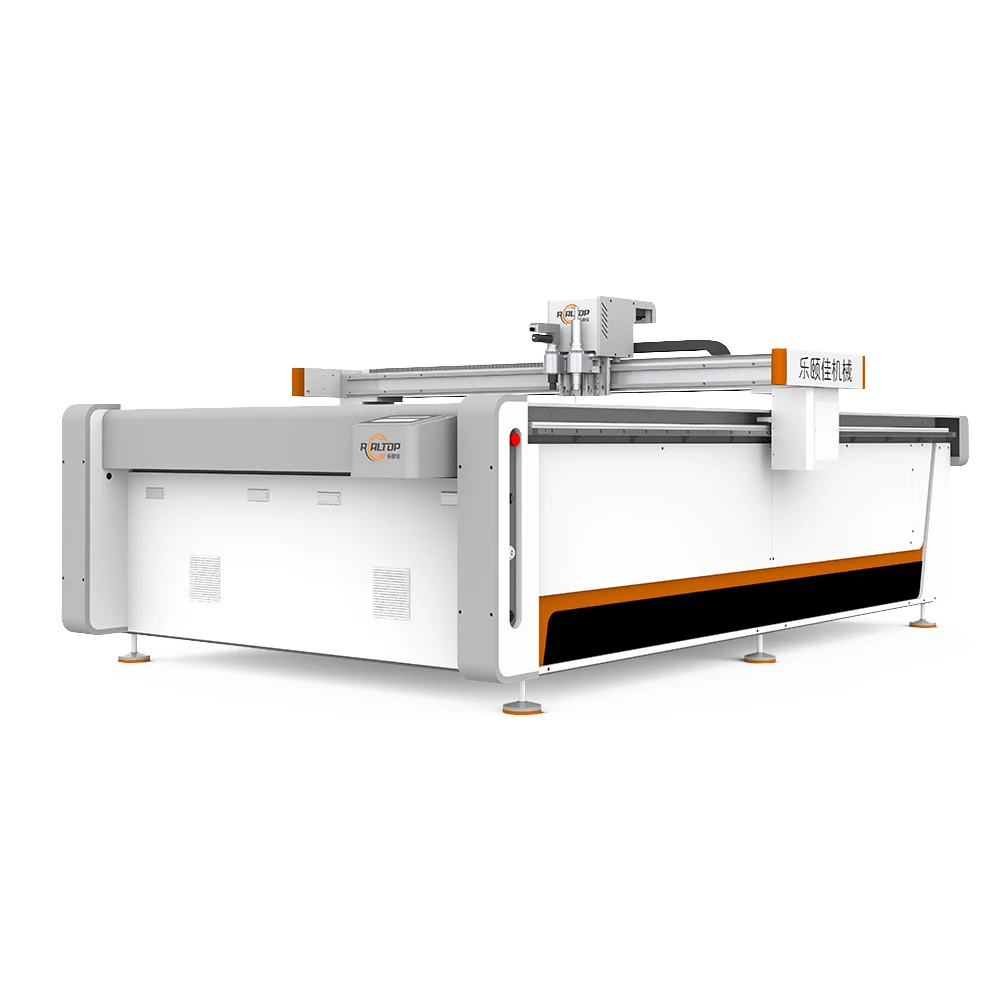
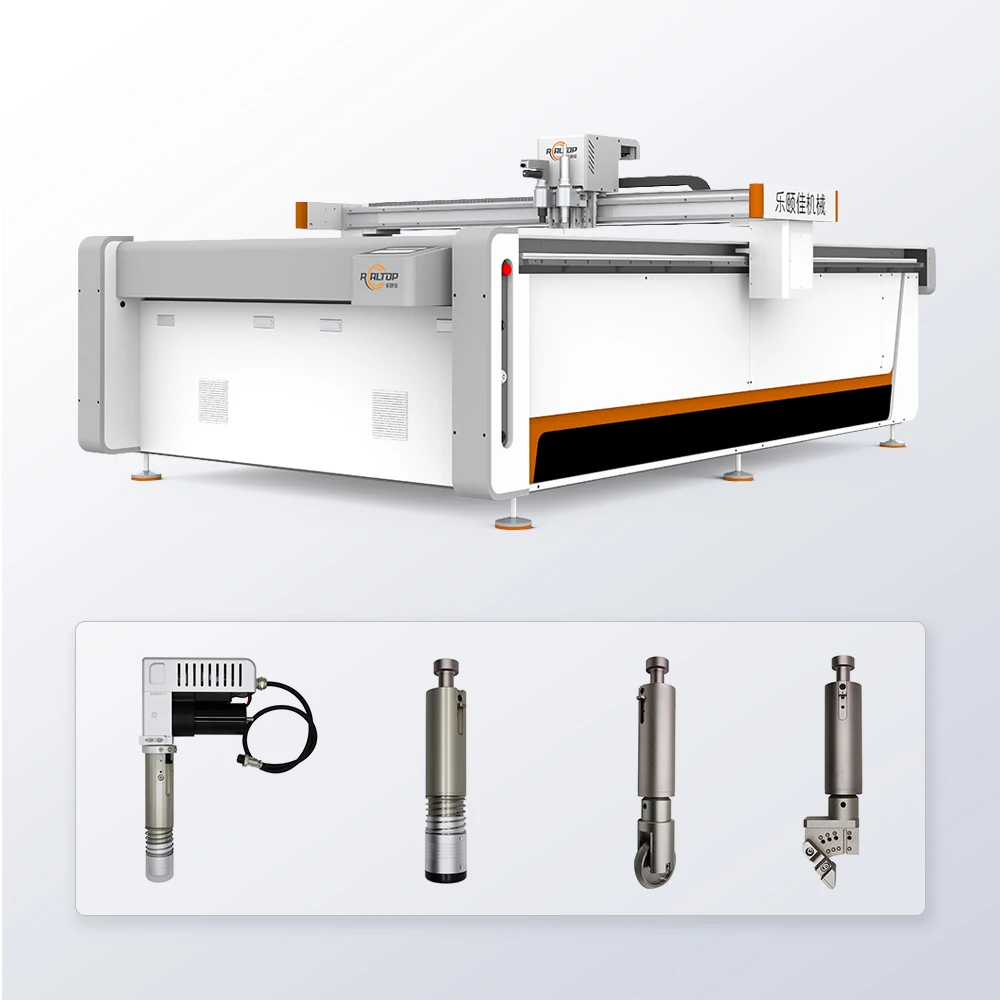
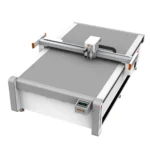
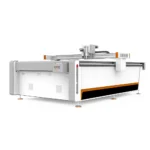
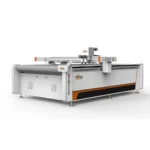
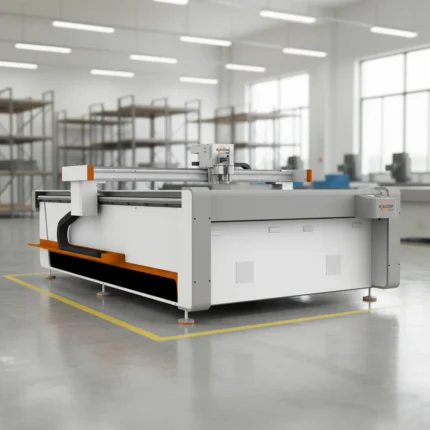
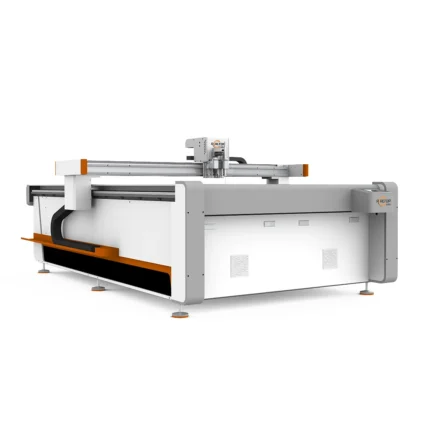
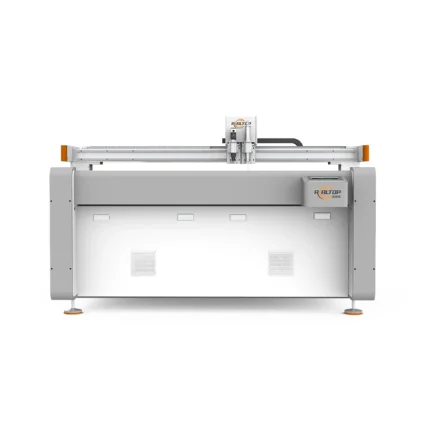
1625 CNC Flatbed Oscillating Knife Cutting Machine, 1600×2500 mm Working Area, ±0.1 mm Cutting Accuracy — configured with interchangeable oscillating knife, creasing wheel and V-groove tool heads for corrugated cardboard, foam and packaging materials. Aluminum bellows vacuum table ensures secure hold-down across flute types from E-flute to BC-flute, with PLC control and dedicated packaging structure design software supporting PLT, DXF, AI and PDF imports. Sample cutting on your own corrugated material provided before order to verify edge quality and tool configuration.
- Working Area: 1600×2500 mm
- Cutting Speed: 0-1500 mm/s
- Cutting Thickness: ≤ 40 mm
- Voltage: 110V / 220V / 380V
- Vacuum Pump: 9KW
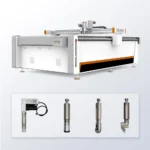
Customized Tooling Per Substrate — we configure oscillating knife, creasing wheel or V-groove head combinations based on your specific flute profile and board density before the machine leaves the factory.
Technical Specifications
| Parameter | Value |
|---|---|
| Product Type | CNC Flatbed Oscillating Knife Cutting Machine |
| Model | 1625(std.) |
| Working Area | 1600×2500 mm |
| Cutting Speed | 0-1500 mm/s |
| Cutting Thickness | ≤ 40mm (basis not stated in source — confirm material type / density) |
| Cutting Accuracy | ±0.1 mm |
| Tool Head Options | Oscillating knife, Driven rotary knife, Creasing wheel, Kiss cutting tool, Pneumatic knife, Milling tool, V groove knife |
| Vacuum Table | Aluminum bellows vacuum table |
| Vacuum Pump | 9KW |
| Control System | PLC control panel |
| Voltage Options | 110V, 220V, 380V |
| Compatible File Formats | PLT, DXF, AI, PDF |
| Safety Devices | Infrared sensor, emergency stop |
| Machine Dimensions | 3300×2100×1350 mm |
| Servo Motor Options | Panasonic, Delta, Dorna |
| Software | Dedicated packaging box structure design software |
| Control Language Options | English, Russian, Italian, Chinese (customizable) |
| Standards | CE |
Application Suitability
| Application | Material or Output |
|---|---|
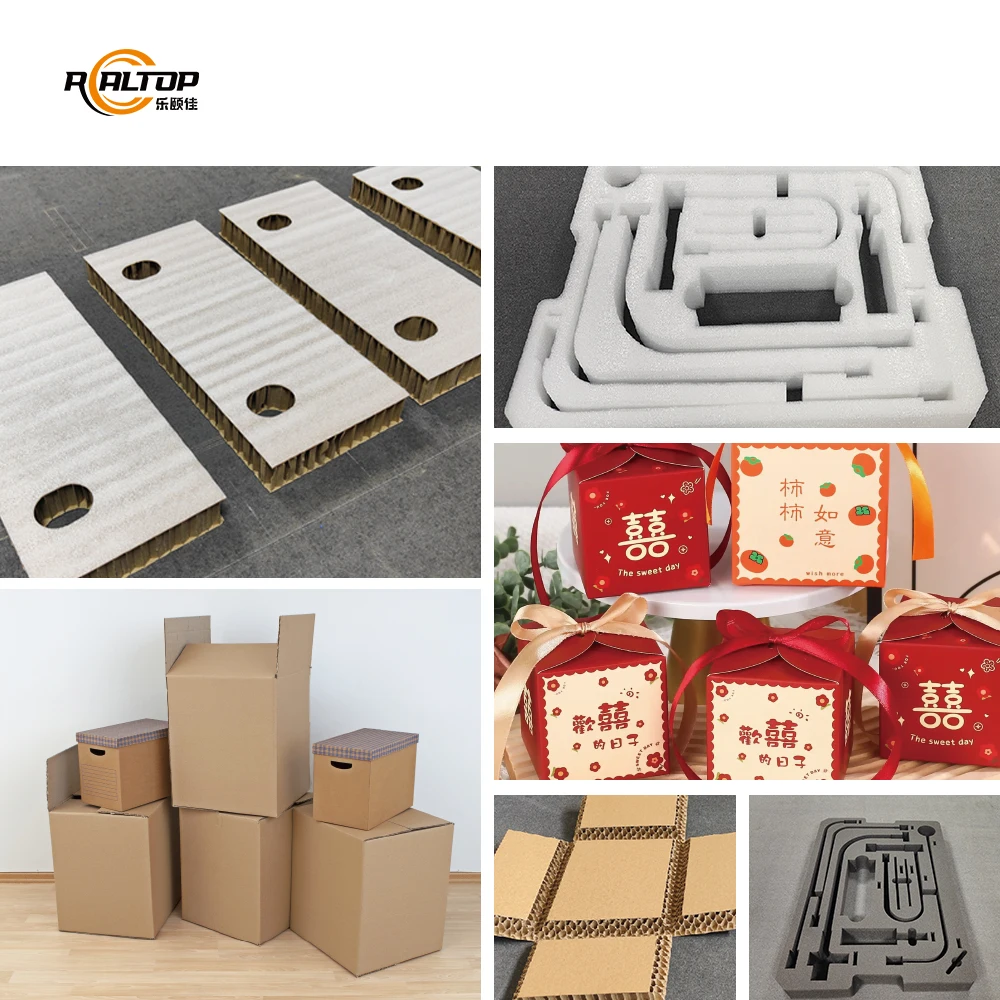
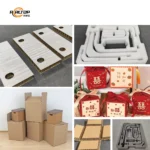
| Corrugated packaging sample making | E-flute, B-flute, BC-flute corrugated cardboard |
| Rigid box and luxury carton production | Greyboard, cardstock, specialty art paper |
| Protective insert fabrication | EVA foam, EPE foam, PU foam sheets |
| Gasket and protective component cutting | Rubber mats, PTFE, adhesive-backed composites |
| Textile and non-woven processing | Velvet, fleece fabric, non-woven fabric |
| Thin plastic sheet fabrication | PVC, PET sheets |
Why Specifying Vacuum Zoning Matters More Than Bed Size
A 1600×2500 mm cutting area is useless if small carton blanks lift off the table mid-cut.
I spent years running the spare parts desk, and the calls I dreaded most came from packaging shops that bought a CNC flatbed oscillating knife cutter for corrugated cardboard based on working area alone. The machine would arrive, they would load a nest of small partition inserts, and the single-zone vacuum would fail to hold pieces under 100 mm across. The knife would catch a lifted edge, snap the oscillating blade, and sometimes damage the tool carriage. Two weeks of downtime waiting for replacement parts, all because the vacuum table zoning was never matched to the actual blank sizes on the nest sheet [NEED_CITE: vacuum hold-down requirements for small-format die-less cutting]. A laser cutting and engraving machine manufacturer with in-house CNC knife capability will zone the aluminum bellows table to match your typical part geometry before shipping.
Multi-Tool Head Selection by Flute Profile
The 1625 platform supports seven interchangeable tool heads, but selecting the right combination depends entirely on the substrates running through your shop. E-flute corrugated typically requires a high-frequency oscillating knife to slice through the liner and medium cleanly without crushing the flute structure, while BC-flute double-wall demands a pneumatic knife with greater downward stroke. Creasing wheels score fold lines without cutting through the board, and V-groove knives remove material strips for rigid box construction where 90-degree folds are required. A CO2 laser cutting machine for packaging may seal edges on synthetics, but knife tooling remains the standard for structural corrugated work where edge compression strength matters.
Software Workflow and File Compatibility
The dedicated packaging box structure design software imports PLT, DXF, AI and PDF profiles, which covers the output from most structural design platforms used in carton sample making. What matters in practice is whether your existing nesting workflow transfers without manual redraw. Before order confirmation, we verify that your specific file format opens cleanly, that kerf compensation applies correctly for your chosen knife diameter, and that the PLC control panel displays in your preferred language. The language options extend to English, Russian, Italian and Chinese as standard, with other languages configurable. This step takes a few hours on a test file but prevents weeks of frustration after installation [NEED_CITE: CNC cutting software file format interoperability standards].
Reading the Specs That Affect Daily Output
The ±0.1 mm cutting accuracy across the full 1600×2500 mm working area holds significance for packaging sample making, where a scored fold line drifting half a millimeter off register produces a box that will not close square. The 9KW vacuum pump paired with the aluminum bellows table provides the suction needed for thick BC-flute board, but the bellows design also maintains surface flatness that rigid honeycomb tables can lose over time. Cutting speed ranges from 0 to 1500 mm/s, though actual traverse speed depends on material density and the complexity of the cut path; intricate carton lock tabs require slower passes than straight perimeter cuts. Servo motor options from Panasonic, Delta or Dorna affect acceleration behavior and long-term positioning repeatability, which becomes noticeable when the machine runs multi-shift production [NEED_CITE: servo motor specification impact on CNC positioning accuracy].
The Cost of Skipping Material Trials
I have seen packaging producers commit to a machine based on a brochure cutting speed figure, only to discover their specific EVA foam density produces melted edges at that feed rate. The oscillating knife that works on 3mm E-flute may leave ragged cuts on 12mm EVA if the stroke frequency is wrong. Worse, a vacuum table specified for full-sheet corrugated blanks often lacks the zoning density to hold nested gasket pieces, causing material shift that wastes entire sheets. These problems surface only when you run your actual material at your intended production pace. Requesting a sample cutting report on your own substrate eliminates this risk before the purchase order is signed [NEED_CITE: material-specific cutting parameter validation in CNC procurement].
Why Packaging Producers Source Here
In-house design covering both knife and laser cutting technologies means you can match the cutting method to your exact material rather than force one process across all substrates. Tool head and table configuration gets specified per material type and production volume, documented in a configuration list before production starts. The aluminum bellows vacuum table provides the flatness and hold-down that corrugated and foam work demands. Software compatibility gets confirmed on your actual DXF or AI files before the order is finalized. Voltage, plug type and control language are locked in during the specification stage, so the machine arrives ready to connect. Sample cutting on your own material happens before you commit, giving you physical evidence of edge quality and cutting accuracy.
Documentation & Verification
- Machine specification sheet listing confirmed tool head and vacuum table configuration for your substrate
- Electrical schematic with voltage and phase confirmation matched to your facility supply
- Sample cutting report produced on your corrugated flute type and board thickness before dispatch
- Factory test record documenting positioning accuracy across the full working envelope
- Software licence documentation with file format compatibility note for your design workflow
- Spare parts list identifying consumable blades, creasing wheels and vacuum table seals
Installation, Commissioning & Support
- Floor space requirement based on 3300×2100 mm machine footprint plus operator access clearance
- Dedicated electrical circuit sized for 9KW vacuum pump plus servo and control load at confirmed voltage
- Machine arrives assembled; leveling and vacuum table flatness verification completed on site
- First-run parameter setting for your specific flute profile, board thickness and cutting speed
- Operator training covering tool head changeover, PLC panel navigation and file import workflow
- Consumable blade and creasing wheel stock recommended based on your daily cutting volume
What We Need to Quote Accurately
Send us the corrugated flute type or foam density you run most often, the maximum sheet size and the typical blank dimensions on your nest layouts. Confirm your facility voltage and phase supply, along with the control panel language your operators require. If you have existing DXF or AI structural files, share a sample so we can verify software compatibility and nesting behavior before the machine enters production.
Frequently Asked Questions
Q: How do I confirm the machine can handle my specific corrugated flute type and board thickness?
A: We run a sample cutting test on your actual material before you commit. You send us sheets of your typical E-flute, B-flute or BC-flute board, and we produce a cutting report showing edge quality, crease definition and achievable speed. This report documents the tool head configuration and vacuum setting that produced acceptable results on your substrate.
Q: Which tool head combination is recommended for my packaging workflow?
A: It depends on your product mix. Corrugated sample making typically uses the oscillating knife for cutting and the creasing wheel for fold lines. Rigid box production adds the V-groove knife for corner relief. We specify the combination based on your actual job list, not a generic package, and document it in the configuration list before production.
Q: Can the vacuum table hold small carton parts securely at production speed?
A: The aluminum bellows vacuum table on the 1625 platform provides full-surface adsorption, but zoning configuration must match your typical blank size. We review your nest layout and confirm the table zoning will hold your smallest pieces without lift. This check happens during the specification stage, eliminating the most common cause of mid-cut material movement.
Q: Does the software import my existing DXF and AI files?
A: The dedicated packaging software accepts PLT, DXF, AI and PDF formats. Before order confirmation, we test your actual design files to verify import accuracy, kerf compensation and nesting behavior. Any translation issues get resolved at this stage, so your operators can load familiar files from day one without manual redraw.
Q: What voltage and control language will be configured before shipment?
A: Voltage options include 110V, 220V and 380V, confirmed against your facility supply during specification. The PLC control panel supports English, Russian, Italian and Chinese as standard, with other languages configurable. Both parameters are documented in the electrical schematic and locked in before the machine enters final assembly.


Related products
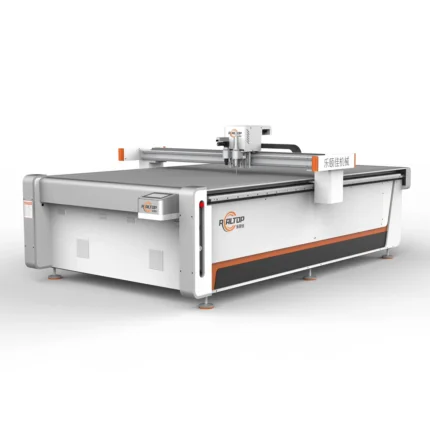
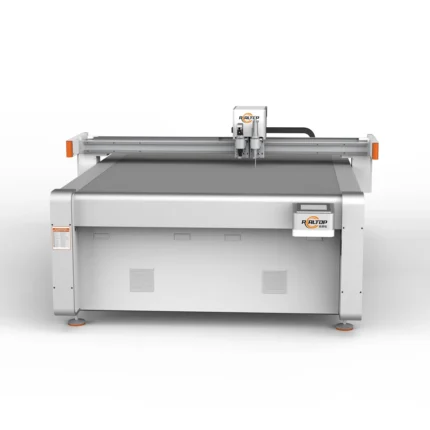
Automatic Digital Cardstock Cutter 2026 CNC Cutter
Product Introduction
Automatic Digital Cardstock Cutter 2026 is a CNC cutting machine ideal for white cardboard and kraft paper. It offers precise and efficient cutting performance, suitable for various paper processing needs in manufacturing and craft applications.Key Specifications
| Type | CNC Digital Cutting Machine |
| Material Compatibility | White Cardboard, Kraft Paper |
| Operation | Automatic |
| Application | Paper Cutting & Processing |
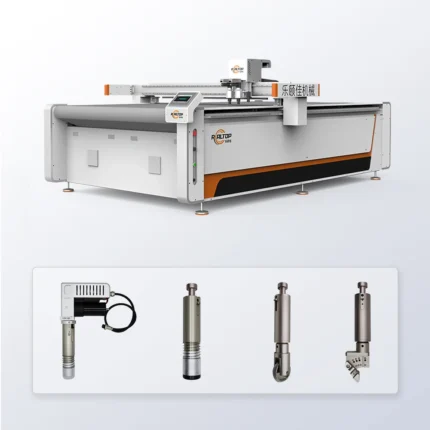
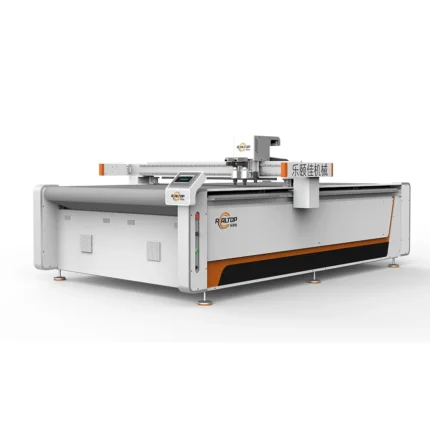
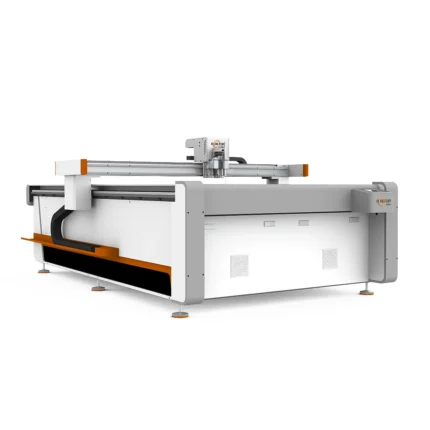
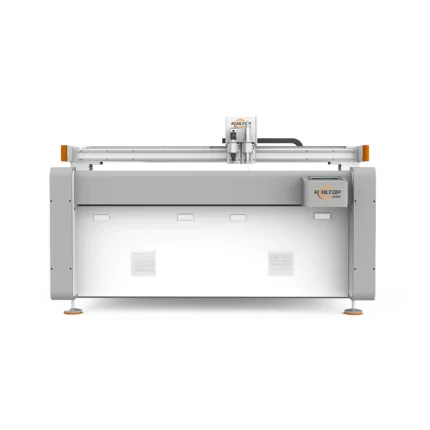
CNC Flatbed Cutter 2026 Digital Corrugated Box Making Machine
Product Introduction
High-precision CNC flatbed cutter designed for efficient cardboard box production. Ideal for 2026 digital corrugated box manufacturing, offering precise cutting and reliable performance for professional packaging solutions.
Key Specifications
| Type | CNC Flatbed Cutter |
| Application | Cardboard Box Production |
| Technology | 2026 Digital System |
| Material | Corrugated Board |

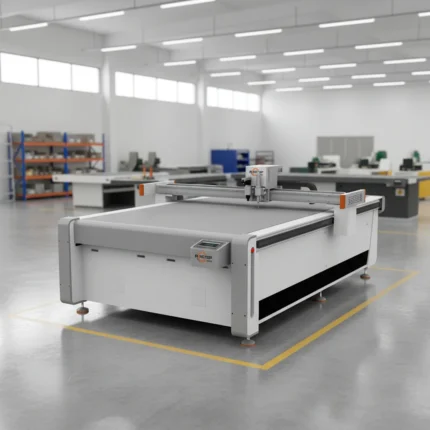
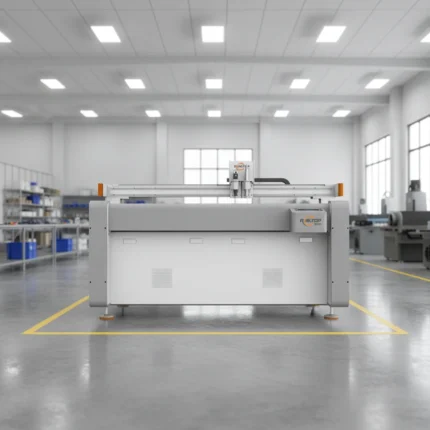
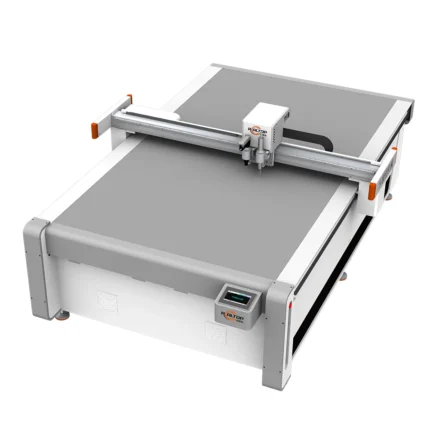
Digital Box Cutter 2026 Oscillating Knife Cardboard Cutter
Product Parameters
| Model | Digital Box Cutter 2026 |
| Cutting Type | Oscillating Knife |
| Material | Corrugated Cardboard |
Introduction
Professional oscillating knife cutting machine for corrugated cardboard. Ideal for precise, efficient cutting in packaging production. Reliable performance from China's leading welding & cutting equipment manufacturer.

商品评价
There are no reviews yet.