



CNC Oscillating Knife Cutting Machine 1625 for Carbon Fiber Prepreg PVC – Manufacturer
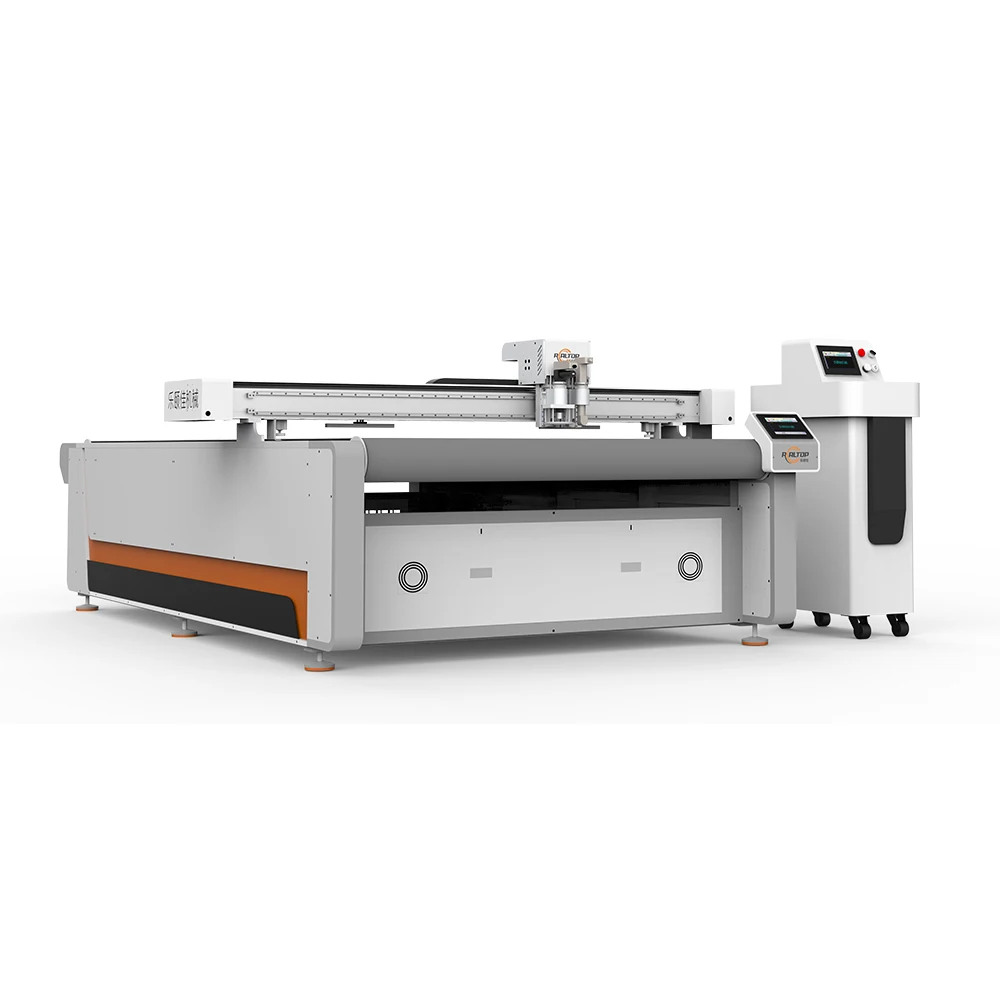
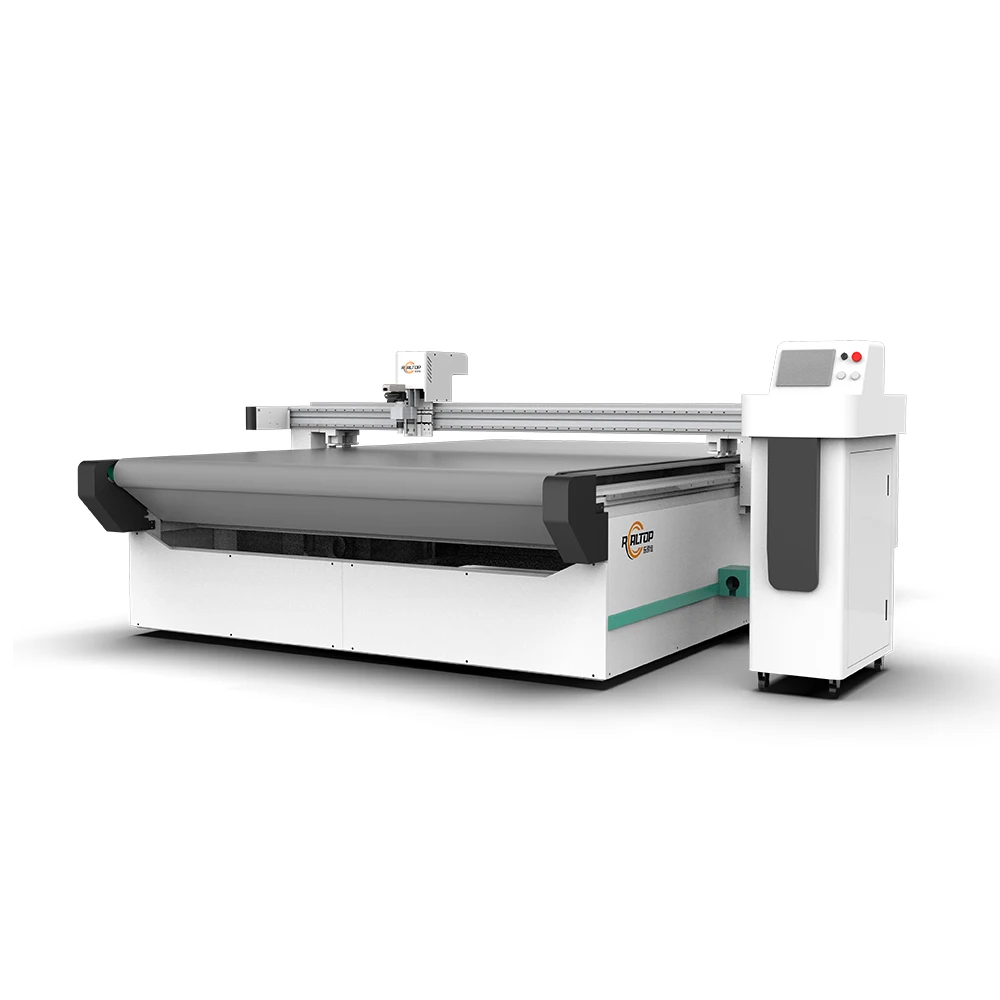
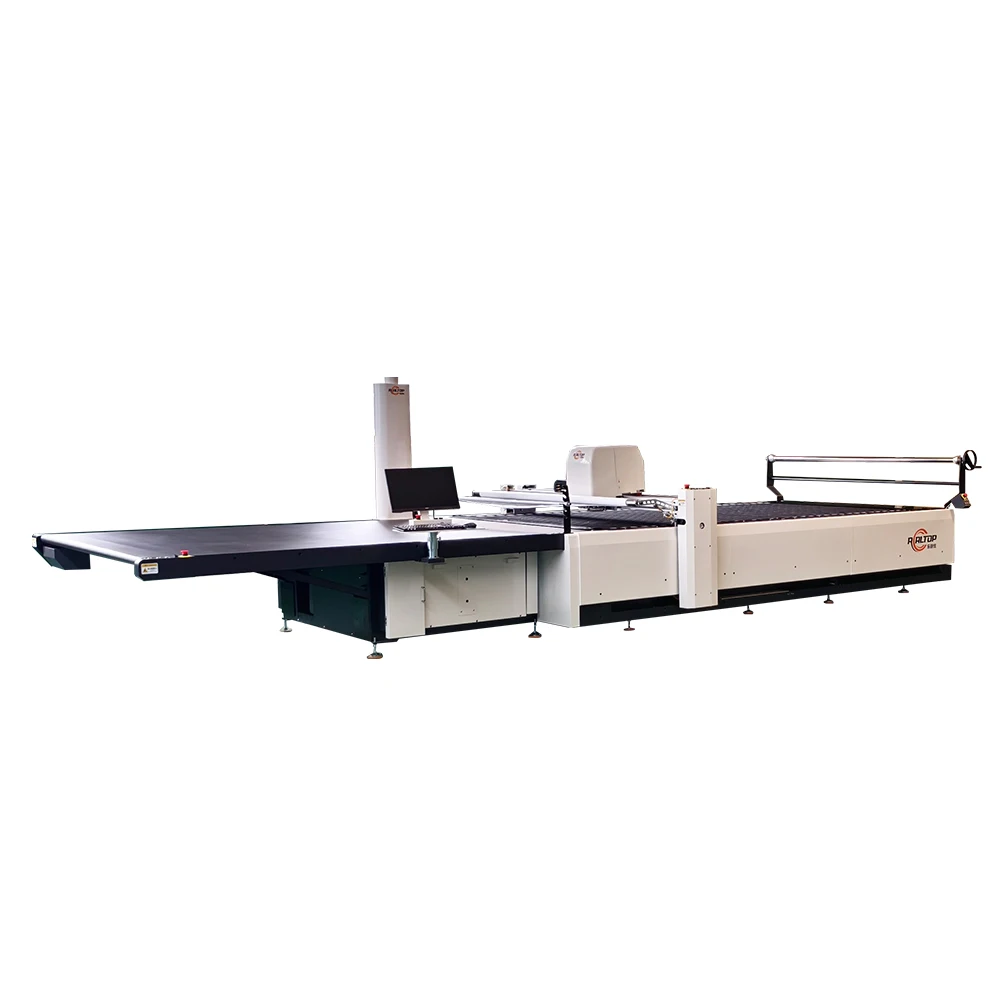
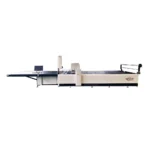
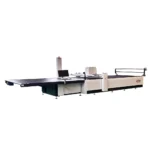
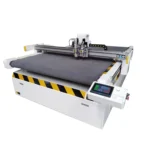
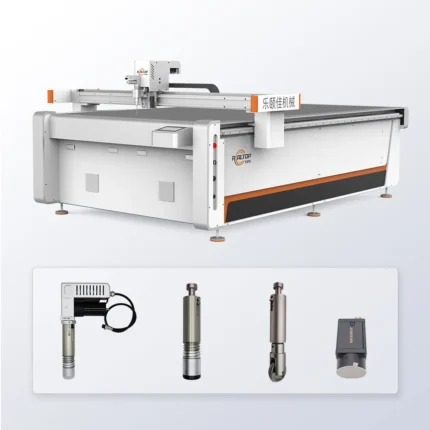
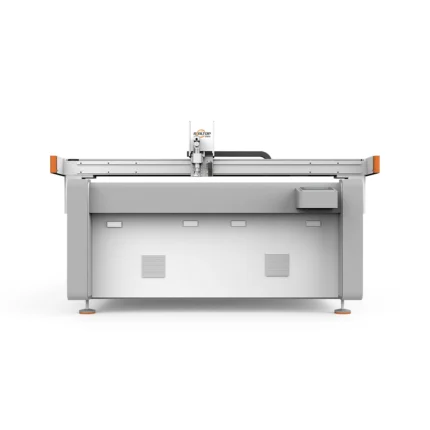
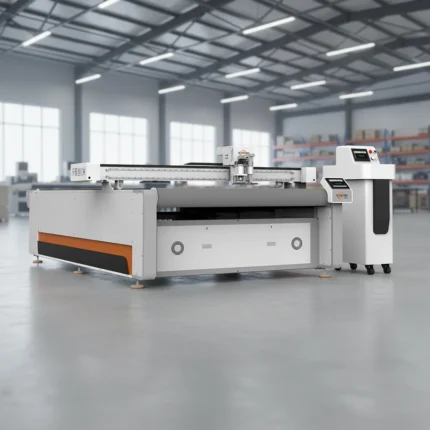
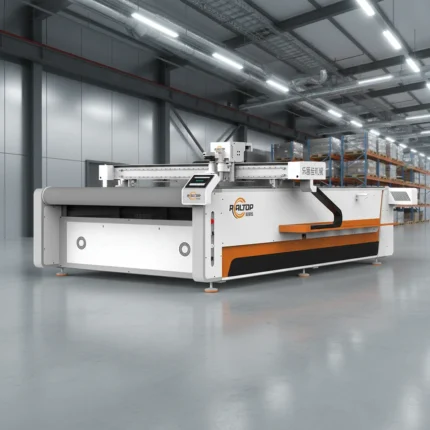
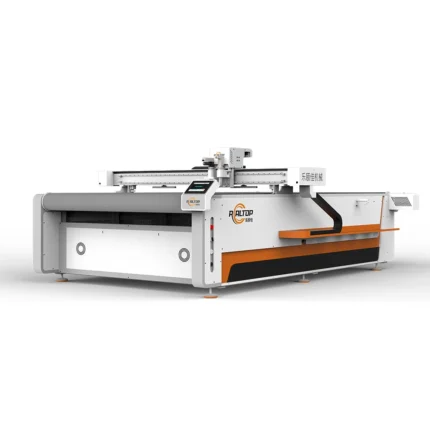
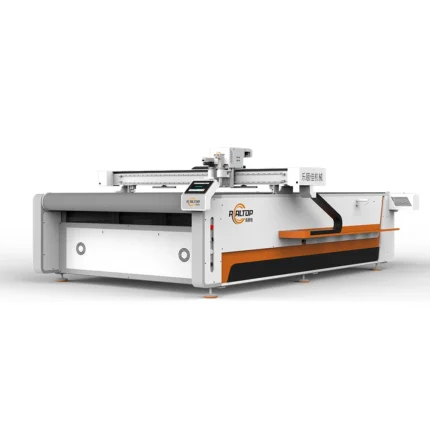
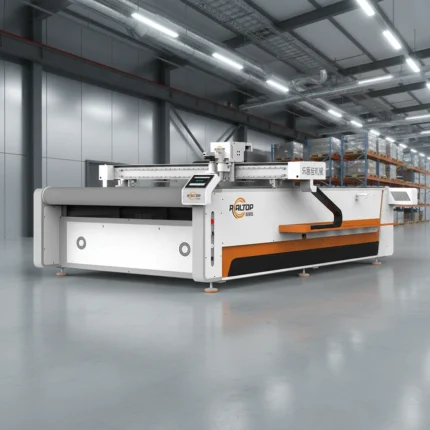
1625 CNC Oscillating Knife Cutting Machine, 1600×2500mm, ±0.1mm Accuracy — cold cutting platform for carbon fiber prepreg, PVC, foam and multi-layer textiles where laser scorching or toxic fumes are unacceptable.
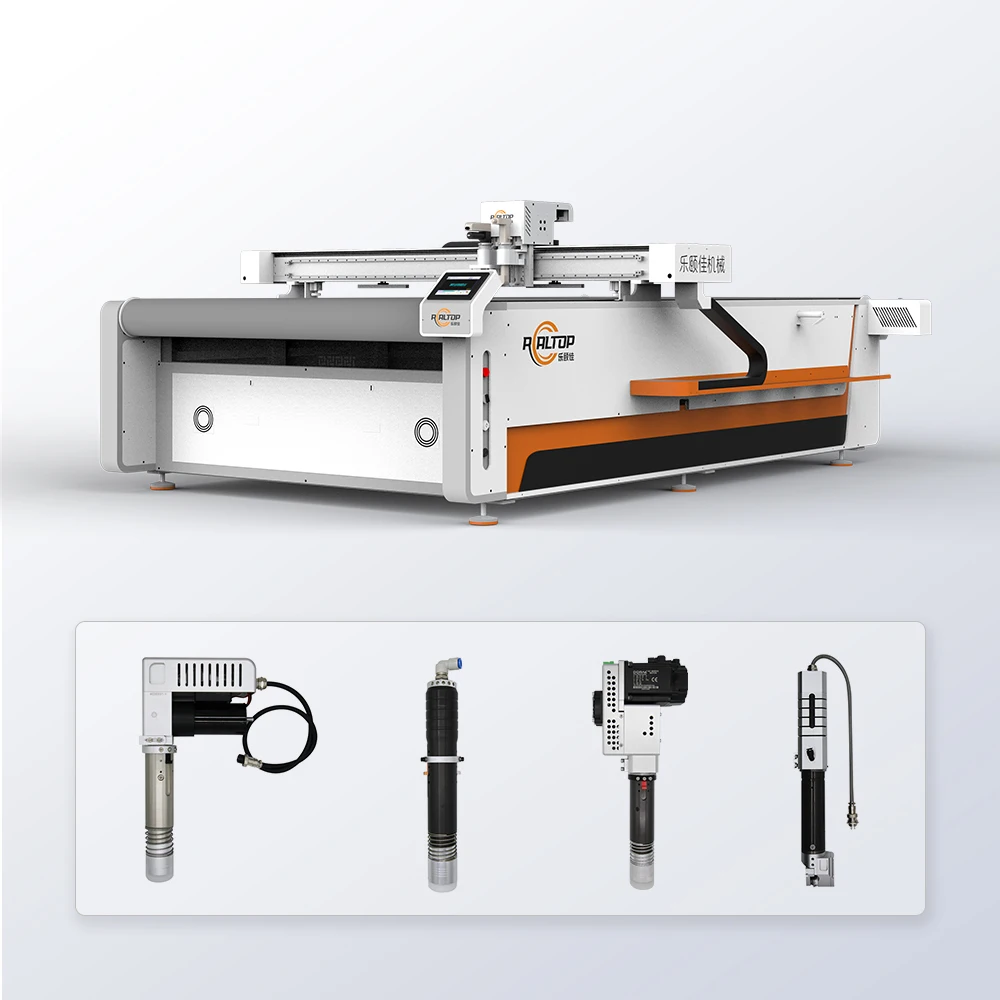
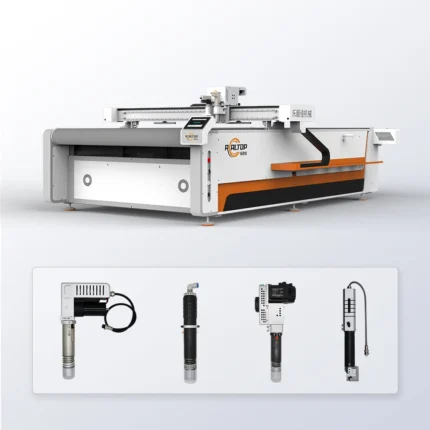
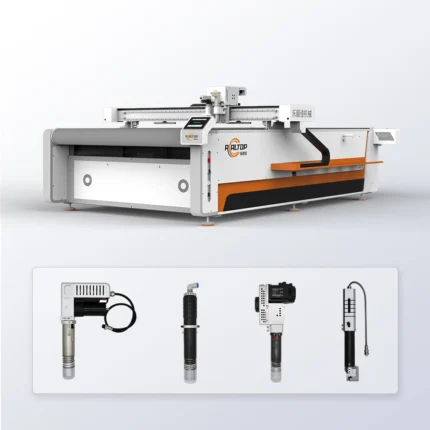
- Oscillating knife, driven rotary knife, creasing wheel and kiss cutting tools on one head, matched to material type and thickness up to 30mm
- Aluminum bellows vacuum table with full-surface adsorption holds multi-layer fabric stacks without shift during high-speed cuts at 0–2000mm/s
- CCD-ready, PLC control with English, Russian, Italian and Chinese interfaces; PLT, DXF, AI and PDF file format compatibility included
REALTOP cuts your sample material in-house before order and confirms voltage, plug type and software licensing so the machine arrives production-ready.
Cold cutting precision — In-house design covering both knife and laser technologies means this CNC oscillating knife cutting machine addresses materials where thermal processes cause scorching, dark edges or toxic fumes, offering a verified cold cutting alternative for prepreg, foam and multi-layer textiles.
Technical Specifications
| Parameter | Value |
|---|---|
| Model | 1625 |
| Product Type | CNC Oscillating Knife Cutting Machine |
| Working Area | 1600×2500 mm |
| Tool Head Options | Oscillating knife, Driven rotary knife, Creasing wheel, Kiss cutting tool, Pneumatic knife, Milling tool, V groove knife |
| Cutting Speed | 0–2000 mm/s |
| Cutting Thickness | ≤ 30 mm (basis not stated in source — confirm material / density) |
| Cutting Accuracy | ±0.1 mm |
| Repeat Positioning Accuracy | ±0.1 mm |
| Vacuum Pump Power | 9 kW |
| Voltage Options | 110V / 220V / 380V (frequency to be confirmed) |
| Control System | PLC control panel |
| File Format Compatibility | PLT, DXF, AI, PDF |
| Safety Features | Infrared sensor device, emergency stop device |
| Machine Size | 3300×2100×1350 mm |
| Vacuum Table | Aluminum bellows vacuum table |
| Servo Drive Options | Panasonic, Delta, Dorna (source value — verify against manufacturer catalog) |
| Software Language Options | English, Russian, Italian, Chinese (custom languages available) |
| Multi-layer Capability | Up to 30–50 mm thickness (basis not stated in source — confirm material type / layer count) |
| Certification | CE (inferred from certification image) |
Application Suitability
| Application | Material or Output |
|---|---|
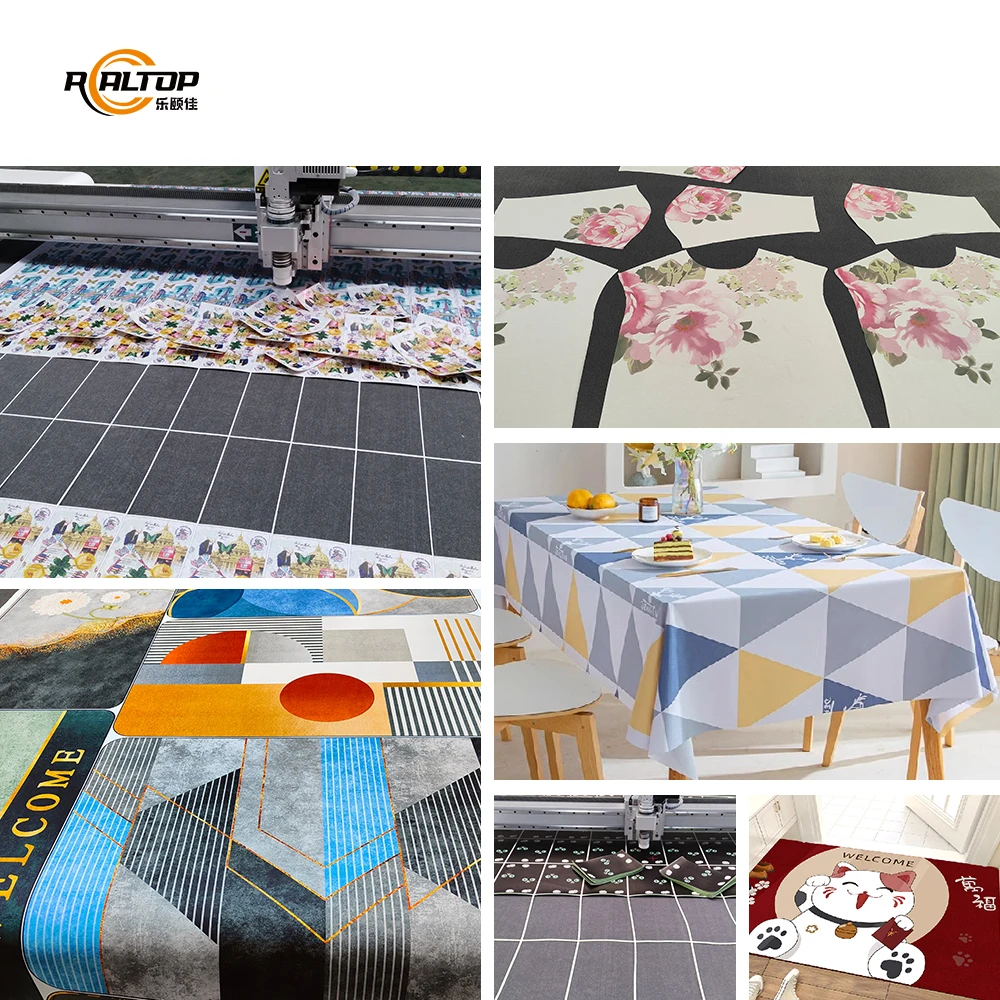
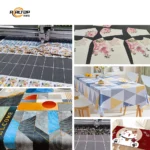
| Apparel manufacturing | Suits, knitwear, lace, complex fabrics in multi-layer stacks |
| Automotive interiors | Seat fabrics, carpets, PVC mats requiring burr-free cold edges |
| Home textiles | Sofa fabrics, curtains, rugs cut without heat-affected zones |
| Composite material processing | Carbon fiber prepreg, aramid, specialty materials where laser thermal damage is unacceptable |
Why "Laser Power" Doesn’t Tell You If It Can Cut Your Material
Cold cutting eliminates the scorching, dark edges and toxic fumes that CO2 lasers produce on prepreg, foam and multi-layer textiles — the question is whether knife or laser is the correct process for your specific material.
I have watched buyers specify a laser cutting and engraving machine based solely on wattage, only to discover their PVC-coated fabric melts and re-seals behind the beam, or their carbon fiber prepreg delaminates at the cut edge from thermal stress. A 150W CO2 tube quoted at peak power often delivers considerably less continuous cutting depth than the brochure suggests [NEED_CITE: continuous versus peak laser power ratings]. The 1625 CNC oscillating knife cutting machine exists for the materials where thermal cutting is simply the wrong process — where edge quality, material integrity and operator safety demand a mechanical blade rather than a focused beam.
Thermal Damage Versus Mechanical Precision
When cutting carbon fiber prepreg or aramid composites, the resin matrix begins to degrade at temperatures well below what a laser beam generates at the cut kerf. The CNC oscillating knife cutting machine applies zero thermal energy to the material, preserving the structural properties that make these composites valuable in the first place. An oscillating knife vibrating at high frequency slices through prepreg stacks without melting the resin, without generating hazardous fumes from vaporized matrix material, and without leaving the darkened heat-affected zone that compromises downstream bonding operations.
Multi-Tool Head Flexibility on a Single Platform
This platform supports seven distinct tool head types — oscillating knife, driven rotary knife, creasing wheel, kiss cutting tool, pneumatic knife, milling tool and V groove knife — meaning a single machine table handles cutting, creasing, routing and kiss-cutting operations without moving the workpiece between stations [NEED_CITE: multi-tool CNC cutting head configurations]. For automotive interior producers cutting both seat fabric and PVC floor mats, the ability to switch from an oscillating knife for woven textiles to a pneumatic knife for thicker PVC eliminates the need for two separate machines on the shop floor.
Reading the Specifications That Actually Matter
The ±0.1 mm cutting accuracy and repeat positioning accuracy are measured across the full 1600×2500 mm working area — this matters because accuracy typically degrades at the extremes of travel on flatbed cutting tables, and the stated tolerance confirms consistency edge-to-edge. The 9 kW vacuum pump paired with an aluminum bellows vacuum table provides full-surface adsorption across the working area; aluminum bellows construction offers superior flatness compared to MDF-backed alternatives, which is critical when cutting thin film or prepreg that will lift and shift if the vacuum hold-down is uneven. File format compatibility with PLT, DXF, AI and PDF covers the standard export paths from most CAD and nesting software packages used in textile and composite production environments.
The Hidden Cost of Specifying the Wrong Process
Buyers who force a laser process onto prepreg or foam often discover the problem only after the machine arrives and production samples fail quality inspection. The heat-affected zone on carbon fiber prepreg weakens the resin bond at the cut edge, causing delamination during layup and cure. PVC materials release hydrochloric acid gas when laser-cut, corroding the machine’s optics and motion components while creating an immediate operator health hazard [NEED_CITE: hazardous fumes from laser cutting PVC and synthetic materials]. Retrofitting extraction and filtration after the fact costs considerably more than specifying the correct cold cutting process from the start.
Why Source This Machine Here
REALTOP designs and manufactures both knife and laser cutting platforms in-house, which means the recommendation between cold cutting and thermal cutting is based on material behavior rather than on which machine type the factory happens to produce. Tool head and table configuration are specified per material and production volume — the buyer is not locked into a standard configuration that may not suit their specific fabric weight or composite thickness. Sample cutting on the buyer’s own material is conducted before order commitment, providing a physical cut report that verifies edge quality, achievable thickness and cutting speed on the actual production stock. Voltage, plug type and control panel language are confirmed against the destination market’s electrical standards before the machine enters production, eliminating the costly rewiring that happens when these details are assumed rather than specified.
Documentation & Verification
- Machine specification sheet listing all confirmed tool heads and table configuration for your material
- Electrical schematic and voltage confirmation document matched to your facility supply
- Sample cutting report produced on your own fabric or prepreg stock before order placement
- Software licence and file format compatibility note for your existing CAD or nesting workflow
- Factory test record documenting cutting accuracy and vacuum performance before dispatch
- Operation and maintenance manual with spare parts list included in shipment documentation
Installation, Commissioning & Support
- Foundation must support the 3300×2100×1350 mm machine footprint with level access for the vacuum table frame
- Dedicated electrical circuit required matching confirmed voltage option (110V / 220V / 380V) and the 9 kW vacuum pump load
- Machine ships in modular assembly; on-site reassembly covers gantry, tool head carriage and vacuum table connection
- First-run commissioning includes cutting accuracy verification across the full 1600×2500 mm working area
- Operator training covers tool head changeover procedures for each configured tool type on your system
- Spare parts list and daily maintenance schedule provided specific to your servo drive and tool head configuration
What We Need to Move Forward
Provide the specific material types, thicknesses and maximum sheet dimensions your operation runs daily, along with your target cutting volume. Confirm your facility’s voltage, frequency and plug standard, plus your preferred control panel language. If you require sample cutting on your own stock before commitment, ship representative material samples with a description of your current nesting or file preparation workflow so the software compatibility can be verified against your existing CAD environment.
Frequently Asked Questions
Q: How do I determine whether knife cutting or laser cutting is the correct process for my material?
A: The decision depends on material composition, thickness and acceptable edge quality. Materials like carbon fiber prepreg, PVC and foam typically require cold cutting to avoid thermal damage, fumes and edge discoloration. Thin woven textiles and acrylic may suit laser cutting. REALTOP manufactures both platforms, so the recommendation is based on material testing rather than pushing a single machine type.
Q: Can the voltage and plug type be customized for my country’s electrical standard?
A: The 1625 supports 110V, 220V and 380V options, with plug type and frequency confirmed before production. Voltage mismatch is one of the most common and costly installation failures on imported equipment. The electrical schematic and voltage confirmation document are included in shipment documentation so your local electrician can verify the supply match before connecting power.
Q: Which software file formats does the control system accept?
A: The system accepts PLT, DXF, AI and PDF files, covering standard export paths from AutoCAD, Adobe Illustrator and most nesting software packages. Software compatibility is verified against your existing workflow before order confirmation, and a file format compatibility note is included in the documentation package so there are no surprises at commissioning.
Q: Is sample cutting available on my own material before I commit to an order?
A: Yes. Ship representative samples of your fabric, prepreg or composite stock and a sample cutting report is produced documenting edge quality, achievable thickness and cutting speed on your actual material. This physical verification eliminates the risk of discovering material incompatibility after the machine has been delivered to your facility.
Q: How do I select the right tool head for my material and application?
A: Tool head selection depends on material type, thickness and required edge finish. An oscillating knife suits multi-layer woven textiles, a pneumatic knife handles thicker PVC and rubber, and a driven rotary knife works on knits and stretch fabrics. The configuration is specified during the inquiry stage based on your material samples and production requirements.


Related products
2026 Carbon Fiber Cloth Cutting Machine – China Manufacturer
Product Introduction
Fabric Sample Cutter Pillow Machine ¨C 2026 Carbon Fiber Cloth Cutting Machine, ideal for precise cutting of carbon fiber cloth and fabric samples, suitable for pillow production and related textile applications.Product Parameters
| Name | Fabric Sample Cutter Pillow Machine |
| Model | 2026 |
| Material | Carbon Fiber Cloth |
| Application | Pillow Fabric Cutting |
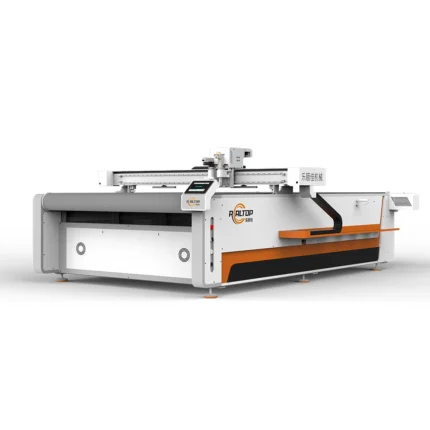
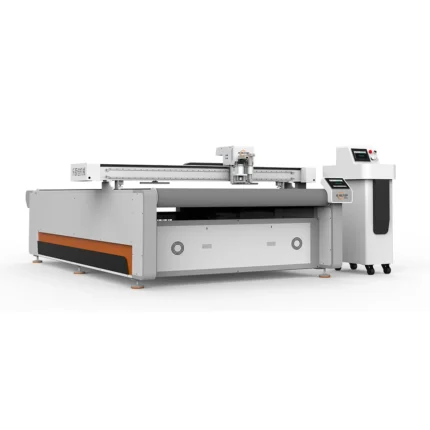
CNC Oscillating Knife Cutting Machine 2026 3000¡Á1600mm High-Speed
Product Parameters
| Model | CNC Oscillating Knife Cutting Machine 2026 |
| Working Area | 3000mm¡Á1600mm |
| Cutting Type | Oscillating Knife |
| Application | Fabric Cutting |
| Feature | High-Speed |
Introduction
High-performance CNC oscillating knife cutting machine with 3000mm¡Á1600mm working area, ideal for high-speed fabric cutting. Precision and efficiency for professional textile processing needs.
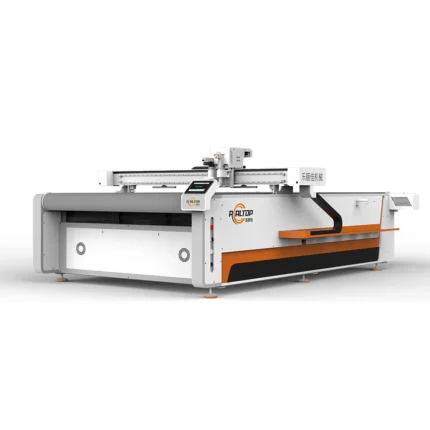

Electric Fabric Rotary Cutter 2026 12V Auto-Cut Industrial
Product Introduction
Industrial-grade Electric Fabric Rotary Cutter designed for precise cutting of scan-printed cloth. Features 12V auto-cut functionality for efficient, automated operation, ideal for professional textile processing.Product Parameters
| Power Supply | 12V |
| Function | Auto-Cut |
| Application | Scan-Printed Cloth |
| Type | Industrial Electric Rotary Cutter |
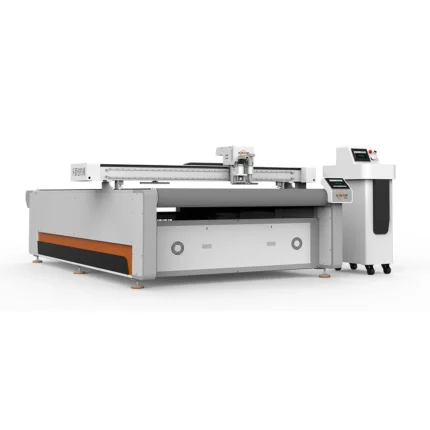
High Speed Fabric Cutting Machine 2026 Round Oscillating Knife
Product Overview
High Speed Fabric Cutting Machine 2026 with round and oscillating knife for efficient fabric cutting. Ideal for textile manufacturing and related industries.Key Specifications
| Cutting Type | Round & Oscillating Knife |
| Model Year | 2026 |
| Application | Fabric Cutting |
| Feature | High Speed Performance |
Jinan Realtop CNC Fabric Slitting Cutter 2026: Advanced Flexible Material Cutter
Product Introduction
Jinan Realtop CNC Fabric Slitting Cutter 2026 is a high-performance cutting equipment designed for precise fabric processing, ideal for industrial manufacturing needs with reliable CNC technology.Specifications
| Model | 2026 |
| Type | CNC Fabric Slitting Cutter |
| Manufacturer | Jinan Realtop |
| Application | Fabric Processing |
| Control System | CNC |

Jinan Realtop PVC Cutting Machine 2026 CE Certified
Product Introduction
Jinan Realtop PVC Cutting Machine 2026 is a CE-certified cutting solution, ideal for precise PVC material processing. Designed for efficiency and reliability in industrial applications.Product Parameters
| Model | 2026 |
| Certification | CE Certified |
| Application | PVC Cutting |
| Manufacturer | Jinan Realtop |
商品评价
There are no reviews yet.