



Coated Textile CNC Oscillating Knife Cutting Machine – Factory Supply
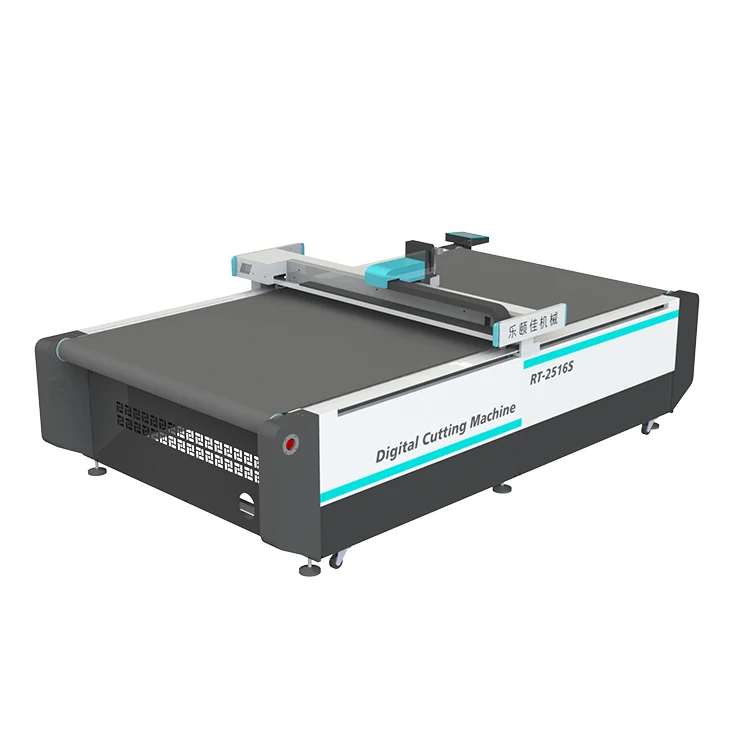
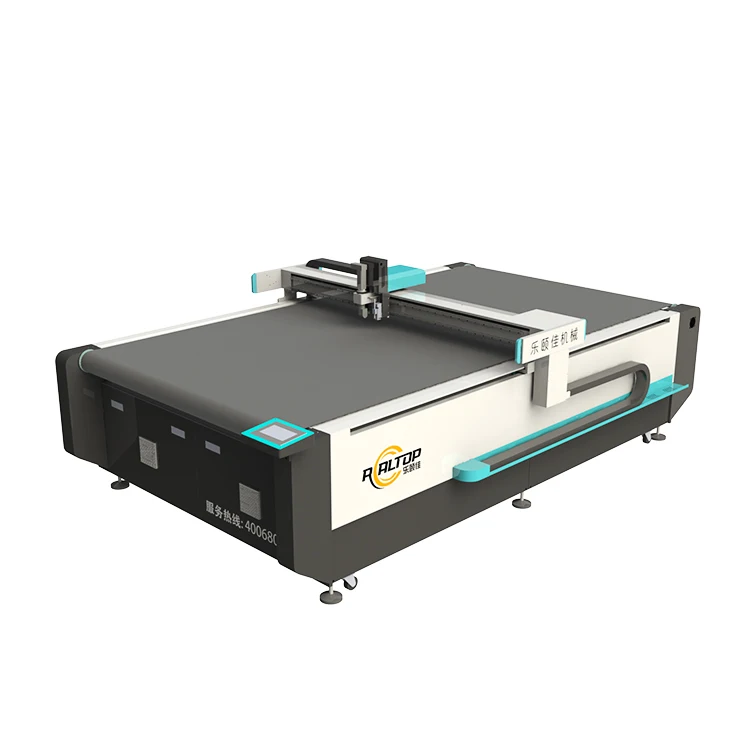
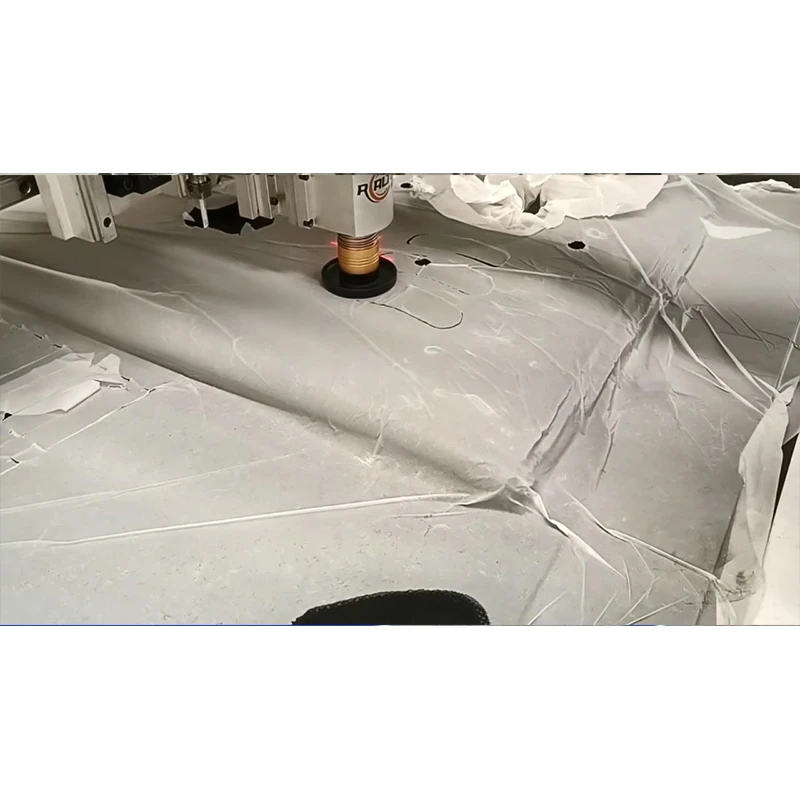
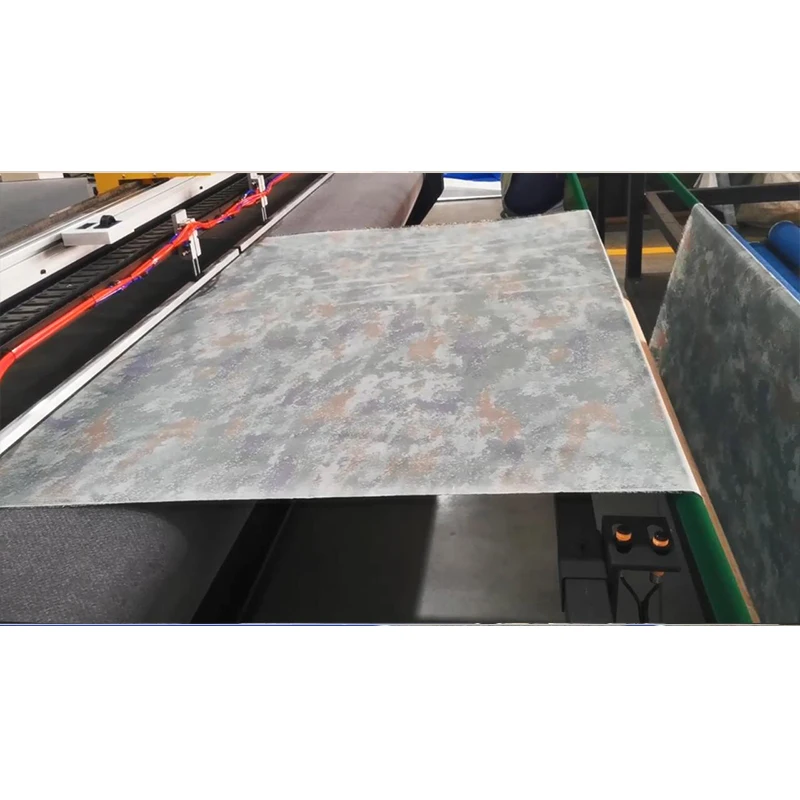
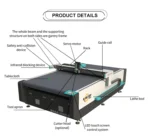
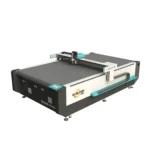
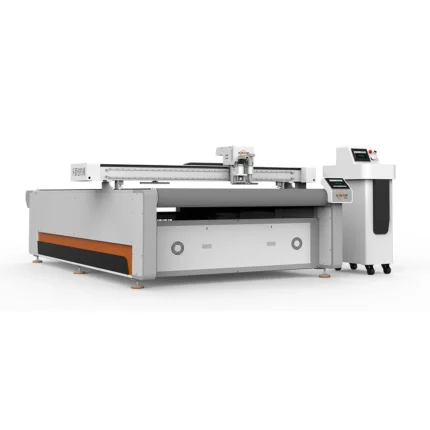
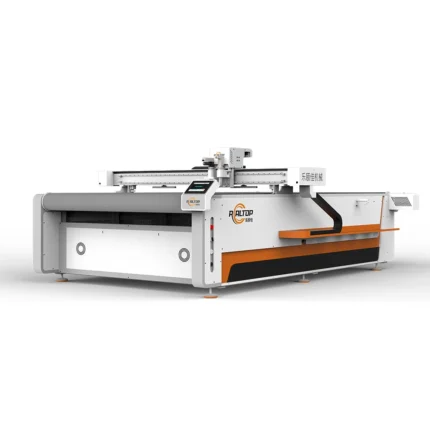
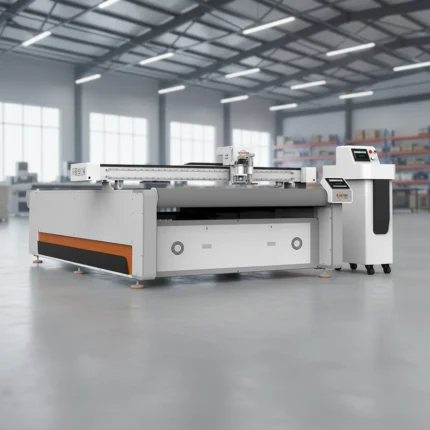
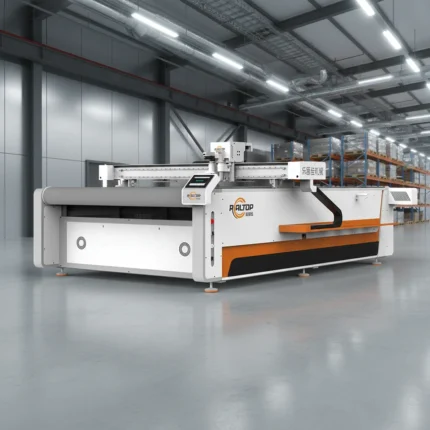
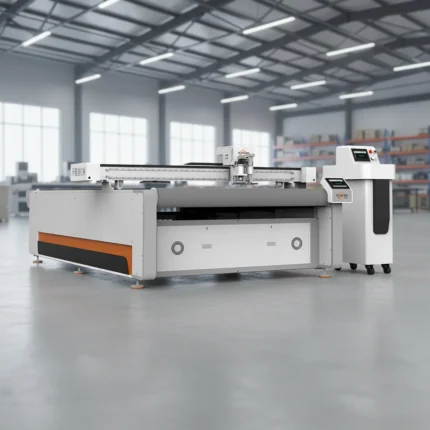
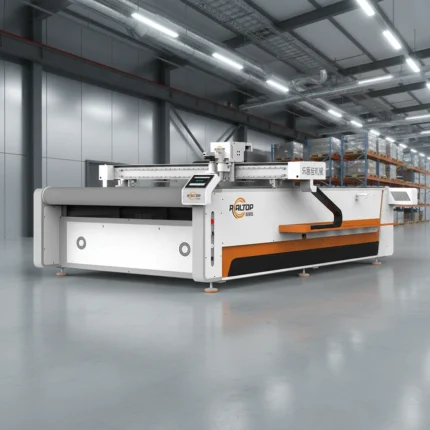
RT-D2516/RT-S2516 CNC Oscillating Knife Cutting Machine, 1600×2500 mm working area, ≤50 mm cutting thickness, 9 kW — engineered for coated textiles, leather and composite materials. Oscillating knife delivers clean, unsealed edges ideal for subsequent sewing, while the zoned vacuum table and 800–1200 mm/s translational velocity ensure stable cutting without material lift on small parts. Modular tool holder allows quick swap to round knife or marking pen as production needs change. Sample cutting on your own material confirms edge quality and real cutting depth before order commitment.
Modular Cutting Configuration — The RT-D2516/RT-S2516 supports interchangeable tool heads including oscillating knife, round knife, and marking pen within a single modular holder, letting production facilities switch between textile, leather, and composite cutting without replacing the entire machine platform.
Technical Specifications
| Parameter | Value |
|---|---|
| Model | RT-D2516/RT-S2516 |
| Product Type | CNC Oscillating Knife Cutting Machine |
| Working Area | 1600×2500 mm |
| Machine Size | 3450×2300×1250 mm |
| Rated Power | 9 kW |
| Vacuum Pump | 7.5 kW |
| Table Type | Flat working table with high-density felt cover, vacuum hold-down |
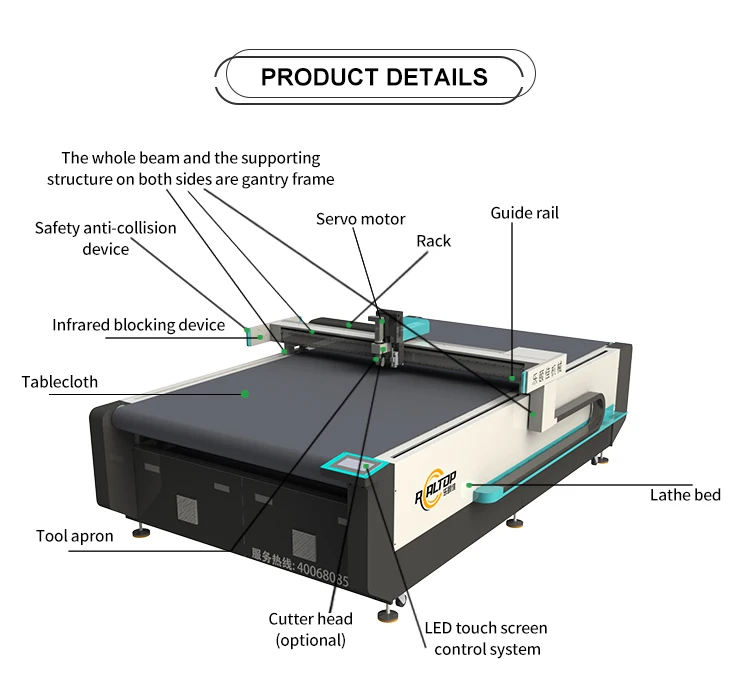
| Multifunctional Head | Swiss imported knife — vibration full cutting, vibration half cutting, cursor location |
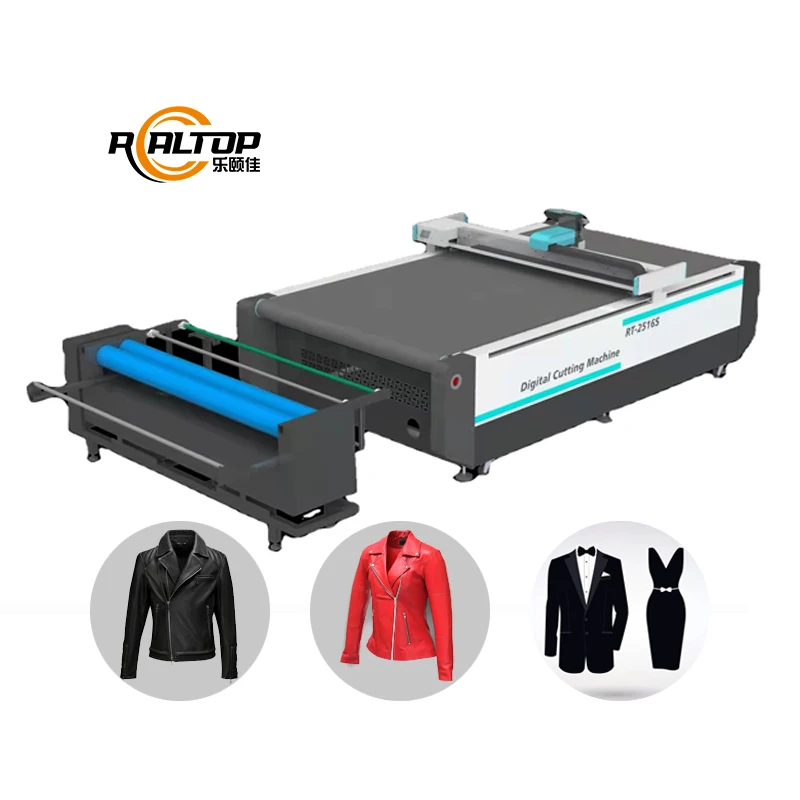
| Compatible Tool Heads | Round knife, marking pen, auto feeder (modular tool holder) |
| Translational Velocity | 800–1200 mm/s |
| Cutting Thickness | ≤50 mm (basis not stated in source — confirm material type and density) |
| Repeated Accuracy | ≤0.1 mm |
| Transmission System | Pinion and rack drive, linear guide, synchronous belt, ball screw |
| Servo Motor | Panasonic digital servo (Delta servo motor optional) |
| Control / Instruction Format | HP-GL compatible |
| Voltage | 380V ±10% |
| Safety Device | Infrared sensors |
| Additional Configuration | Germany imported conveyor belt, Taiwan Hiwin rail |
| Language Options | English, Russian, Italian, Chinese (other languages customizable) |
| Certification | CE |
| Warranty | 1 year |
Application Suitability
| Application | Material or Output |
|---|---|
| Garment and apparel fabric cutting | Single-layer technical textiles, coated fabrics, multi-layer woven and knit materials |
| Leather goods production | Shoe uppers, bag panels, upholstery hides — natural and synthetic leather |
| Automotive interior trim | Sponge composite leather, instrument panel covers, headliner fabrics, gasket materials |
| Composite and foam fabrication | Closed-cell foam, EVA, PE foam, laminated composite panels |
| Home furnishing textiles | Curtain panels, upholstery fabric, cushion covers, mattress ticking |
| Flexible industrial materials | PVC sheet, soft glass, silicone rubber, rubber gasket stock |
Why Coated Textile Producers Discover Cutting Problems After the Machine Arrives
The edge quality you see on uncoated cotton tells you nothing about what happens when a blade meets a polyurethane or flame-retardant finish. Specifying a CNC Oscillating Knife Cutting Machine on working area alone, without testing the actual coated material, leaves you vulnerable to ragged edges, delamination, and crushed foam that no parameter adjustment can fix.
I worked with a coated textile manufacturer in Mexico who ordered a high-power cutting system based on sample swatches of their base fabric. The actual production rolls carried a flame-retardant coating that behaved completely differently under the blade — edges yellowed, layers separated, and the cutting depth that worked on plain fabric left the coated material only partially cut. They lost an entire production run before we could reconfigure the tool head and vacuum zoning. [NEED_CITE: common coated textile cutting defects in garment and automotive supply chains]
The problem was not the machine. It was the assumption that material type alone — without coating specification, thickness under compression, and layer count — was enough to select the right cutting configuration.
Knife Versus CO₂ Laser: Reading the Edge on Coated Fabric
When a coated textile is cut with an oscillating knife, the edge remains unsealed and fibrous, which is precisely what garment manufacturers need for downstream sewing operations where fused edges create needle-break problems. A CO₂ laser, by contrast, melts synthetic fibers at the cut line, producing a sealed edge that prevents fraying but can stiffen the seam allowance and complicate stitching. The CNC Oscillating Knife Cutting Machine preserves the material hand and drape that apparel and automotive interior buyers require.
For technical textiles with thermoplastic coatings — PVC, TPU, certain acrylic finishes — the laser’s thermal effect can cause the coating to bead or retract from the cut edge, exposing the base weave. A mechanical blade cuts through coating and substrate simultaneously without altering either. The decision between knife and laser depends entirely on the downstream process, not on which technology appears more advanced on paper.
Vacuum Zoning and the Small-Part Lift Problem
A 1600×2500 mm cutting bed generates substantial holding force across its full surface, but that force means little when the pattern nests dozens of small collar stays, gussets, or gasket profiles. Without adequate vacuum zoning, the remaining suction spreads across an area larger than the small part being cut, and the translational velocity of 800–1200 mm/s generates enough lateral drag to shift the piece mid-cut. The RT-D2516/RT-S2516 addresses this with a zoned aviation-aluminum countertop beneath the high-density felt cover, allowing vacuum to concentrate on the active cutting zone. [NEED_CITE: vacuum table zoning principles for flatbed digital cutters]
Pinion-and-Rack Drive and Sustained Repeatability
Belt-driven systems offer smooth motion at low cost but stretch under continuous load, degrading the ≤0.1 mm repeated accuracy over extended production runs. The RT-D2516/RT-S2516 uses a pinion-and-rack transmission paired with a Panasonic digital servo motor and Taiwan Hiwin linear guides. In practice, this means the cutting head returns to the same coordinate whether it is making the first cut of the shift or the four-hundredth. For nested patterns on expensive leather hides or multi-layer technical fabric, accumulated positional drift directly translates into unusable off-cuts and material waste that no nesting software can recover.
The HP-GL compatible control format ensures compatibility with widely used CAD and nesting platforms, but buyers must verify that their specific file export workflow — including kerf compensation settings and grain-line markers — transfers correctly before the order is finalized.
What Happens When the Wrong Tool Head Meets Your Material
Selecting an oscillating knife for a material that requires a drag knife — or specifying a round knife for thick sponge composite — produces defects that are not immediately visible on the first test cut. Crushed foam cores, delaminated layers, and frayed edges on coated fabric often appear only after the material has been handled, folded, or put under tension in the next production stage. [NEED_CITE: tool head selection errors in flatbed digital cutting operations] By that point, the material is already consumed, and the production schedule has shifted.
The modular tool holder on this platform allows operators to swap between oscillating knife, round knife, and marking pen as product categories expand, but the initial tool head recommendation must be based on the buyer’s actual material samples, not on generic material category descriptions.
Why Sourcing This Machine Here Reduces Configuration Risk
In-house design and production covering both knife and laser cutting technologies means the RT-D2516/RT-S2516 is specified as a knife system because the buyer’s material demands it, not because knife is the only technology available. The tool head and table configuration is confirmed per material and production volume before the order enters production.
Sample cutting on the buyer’s own coated textile, leather, or composite material is completed before commitment, generating a cutting report that documents edge quality, achievable speed, and layer-count limits. Voltage, plug type, and control language are confirmed against the buyer’s facility specifications — the 380V ±10% base spec must match the local supply, and language customization extends beyond the standard English, Russian, Italian, and Chinese options. [NEED_CITE: industrial voltage standards across Latin American and European markets]
Software compatibility is verified against the buyer’s existing nesting workflow and file format, preventing the situation where a machine arrives and cannot import the production files it was purchased to process.
Documentation & Verification
- Machine specification sheet listing confirmed tool head, vacuum zoning, and servo configuration
- Electrical schematic with voltage and frequency matched to buyer’s facility before build
- Sample cutting report produced on buyer’s own coated textile or composite material
- Factory test record documenting repeated accuracy and vacuum hold-down performance
- Software licence with HP-GL file format compatibility note for buyer’s nesting platform
- Spare parts list with Swiss knife blade, felt cover, and vacuum seal consumables identified
Installation, Commissioning & Support
- 3450×2300 mm footprint requires clear floor space with level concrete substrate for rack alignment
- 9 kW rated power plus 7.5 kW vacuum pump demands dedicated circuit at confirmed 380V ±10%
- Machine ships fully assembled; buyer verifies door and aisle clearance for 2300 mm width
- First-run calibration covers Panasonic servo zeroing, rack backlash check, and vacuum zone mapping
- Operator training includes modular tool head swap procedure and HP-GL file import workflow
- Spare Swiss knife blades and high-density felt cover segments included for initial consumable stock
What to Prepare Before Requesting a Quotation
To avoid the coated-textile misconfiguration I encountered in Mexico, provide the specific material data sheet including coating type, total thickness under compression, and the number of layers you intend to cut simultaneously. Confirm your local voltage and frequency, the control language your operators require, and the CAD file format your current nesting software exports. If you are evaluating knife versus laser for your material, send production-roll samples — not catalog swatches — so that the cutting method decision is based on actual edge behavior rather than assumptions. [NEED_CITE: pre-purchase material sampling best practices for CNC cutting equipment]
Frequently Asked Questions
Q: How do I decide between oscillating knife and CO₂ laser for my coated textile?
A: The decision depends on the downstream process. Knife cutting leaves an unsealed, fibrous edge suitable for sewing and produces no thermal effect on coatings. Laser cutting seals synthetic edges but can melt or bead thermoplastic coatings and stiffen seam allowances. Request sample cuts on your actual coated material to compare edge finish, coating integrity, and suitability for your next production step.
Q: Why does the real cutting depth fall short of the specification I was quoted?
A: Cutting thickness values depend on material density, compressibility, and layer count — variables that differ dramatically between a rigid PVC sheet and a soft sponge composite. A rating of ≤50 mm is a starting reference, not a guarantee across all materials. Confirm achievable cutting depth through a sample cutting report produced on your specific material at your target layer count.
Q: What ventilation does knife cutting require compared to laser cutting?
A: Oscillating knife cutting generates dry particulate dust and fiber fragments, requiring standard dust collection at the cutting bed. CO₂ laser cutting of synthetic textiles produces fumes and volatile compounds that need dedicated extraction with filtration rated for the specific coating chemistry. The extraction infrastructure and ongoing filter costs differ substantially between the two processes.
Q: How do I confirm the right configuration before committing to an order?
A: Provide samples of your production material — not catalog swatches — for a documented sample cutting test. The resulting report covers edge quality, cutting speed, achievable layer count, and recommended tool head. This test also confirms HP-GL file compatibility with your nesting software and verifies that voltage, language, and plug specifications match your facility requirements.
Q: What must be confirmed before the machine ships?
A: Voltage and frequency at your facility must be verified against the 380V ±10% base specification. Control language selection, plug type, and software file format compatibility should all be documented in writing. The tool head configuration — oscillating knife, round knife, marking pen, or a combination — must match the materials confirmed during sample testing, not generic product categories.


Related products
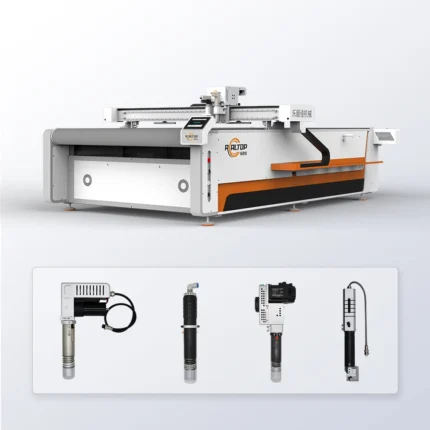
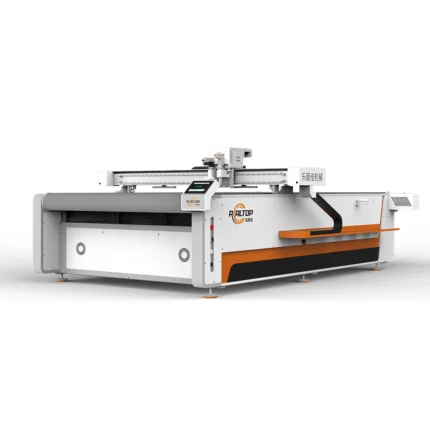
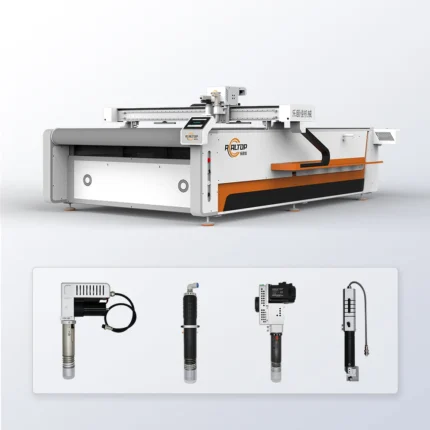
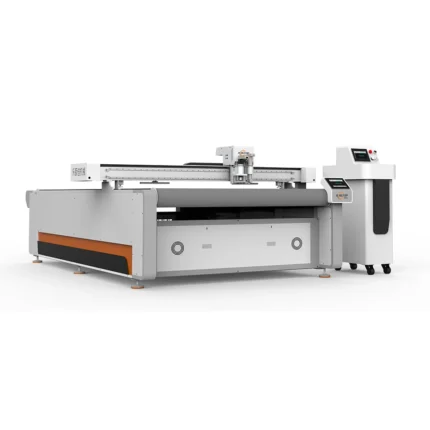
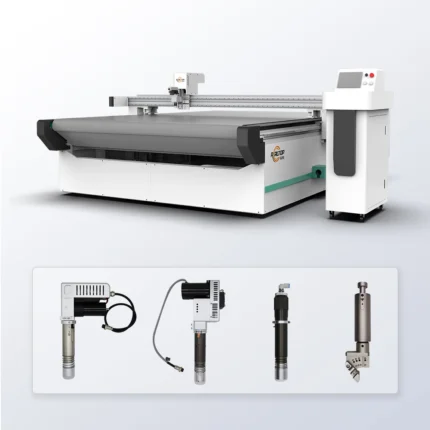
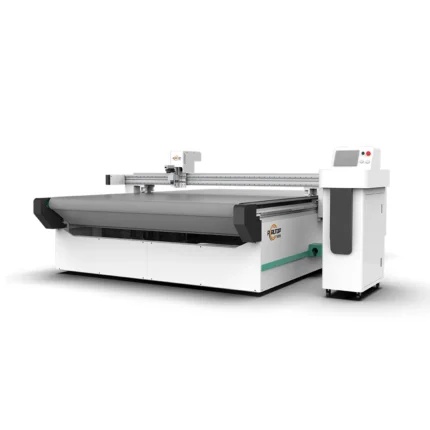
2026 Flatbed Oscillating Knife Cutter 1600x3500mm Auto-Feeding Textile
Product Overview
Flatbed Oscillating Knife Cutting Machine 2026 is a high-precision textile fabric cutter with auto-feeding function, ideal for efficient and accurate cutting tasks in textile manufacturing. It combines advanced oscillating knife technology with a large working area to meet industrial production needs.Key Specifications
| Model | 2026 |
| Working Area | 1600x3500mm |
| Feeding System | Auto-Feeding |
| Cutting Type | Oscillating Knife |
| Application | Textile Fabric |
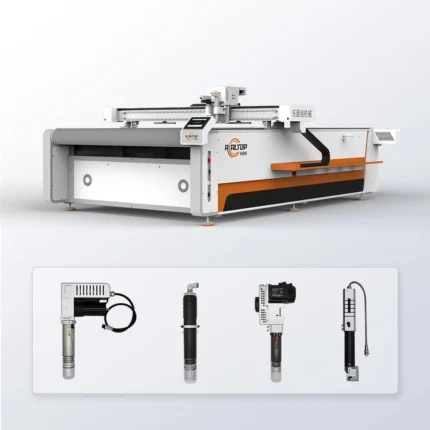
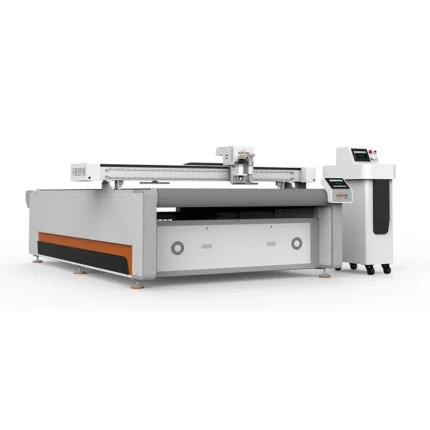
CNC Vibration Knife System 2026 for Polyester Nylon Non-Woven Prepreg
Product Introduction
CNC Vibration Knife System 2026 is ideal for cutting polyester, nylon, non-woven fabrics, and prepreg materials with precision and efficiency, suitable for industrial manufacturing needs.Product Parameters
| Model | 2026 |
| Cutting Technology | CNC Vibration Knife |
| Materials | Polyester, Nylon, Non-Woven, Prepreg |
Jinan Realtop CNC Fabric Slitting Cutter 2026: Advanced Flexible Material Cutter
Product Introduction
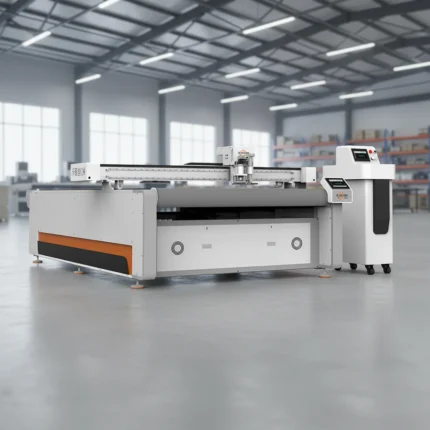
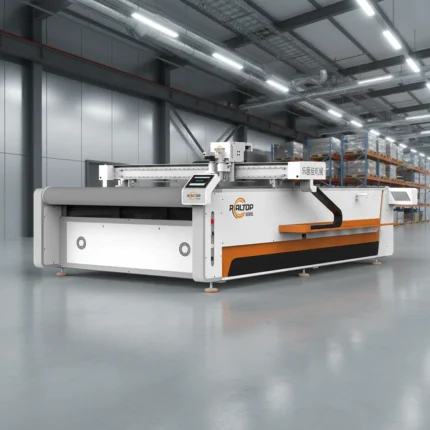
Jinan Realtop CNC Fabric Slitting Cutter 2026 is a high-performance cutting equipment designed for precise fabric processing, ideal for industrial manufacturing needs with reliable CNC technology.Specifications
| Model | 2026 |
| Type | CNC Fabric Slitting Cutter |
| Manufacturer | Jinan Realtop |
| Application | Fabric Processing |
| Control System | CNC |
商品评价
There are no reviews yet.