

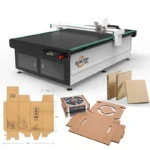

Digital Flatbed Cutter for Cardboard Packaging – Manufacturer
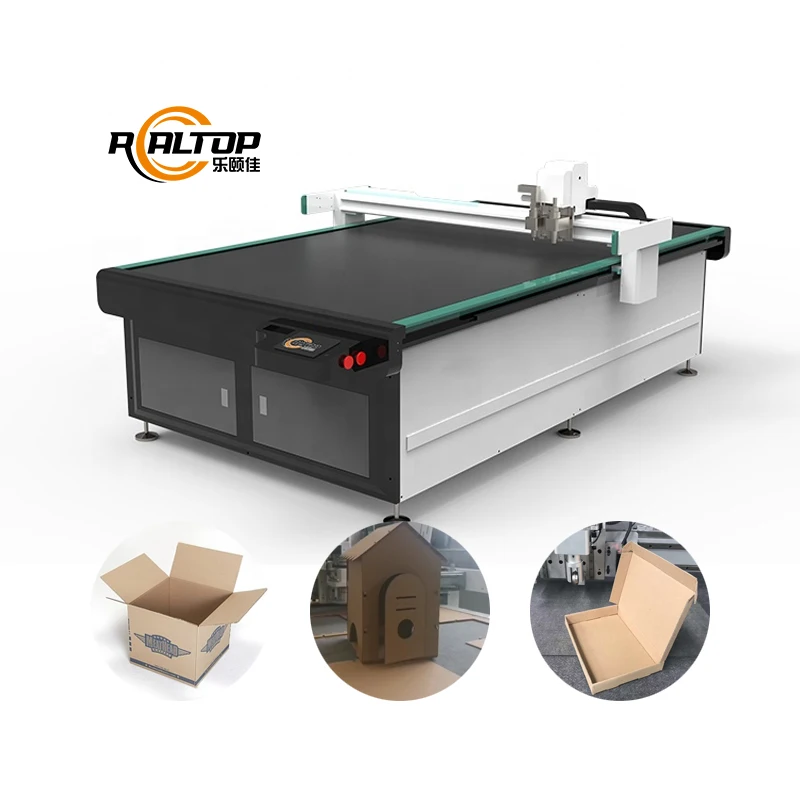
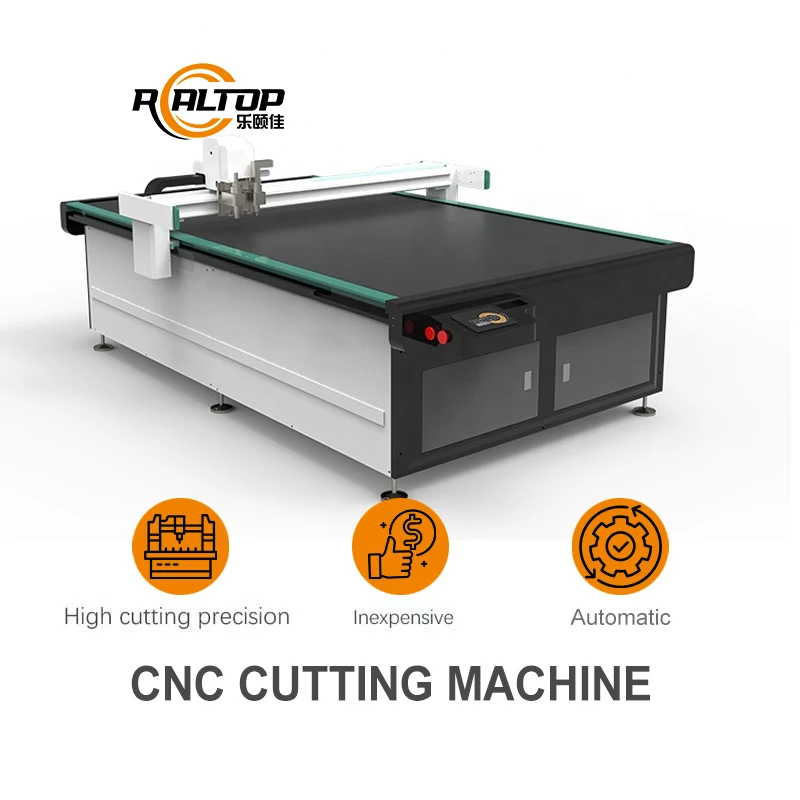
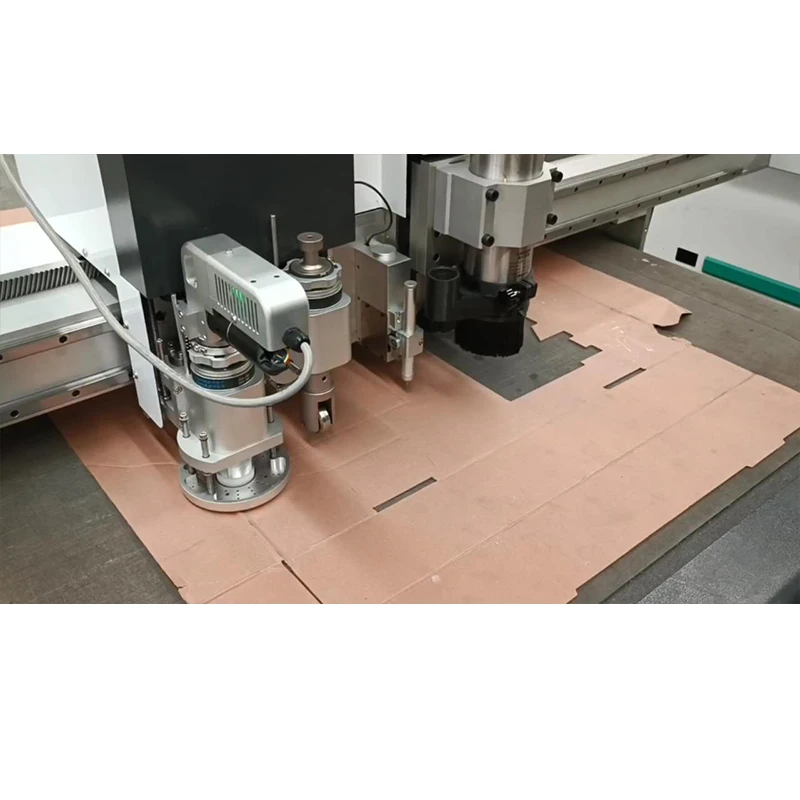
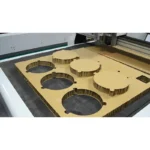
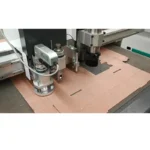
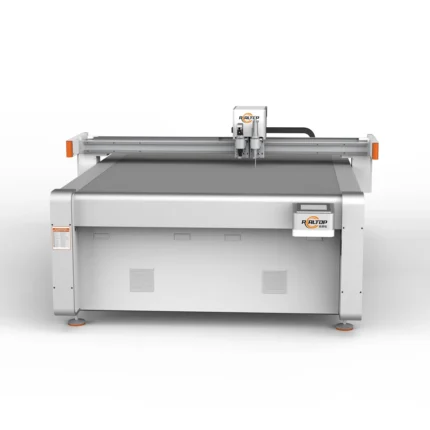
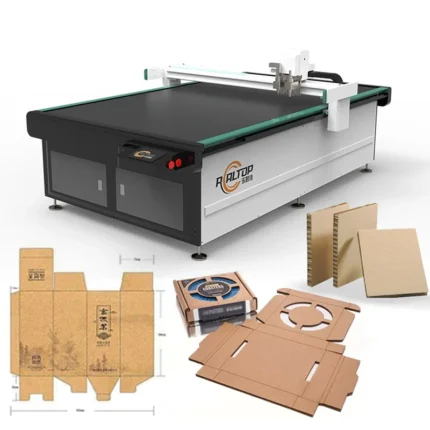
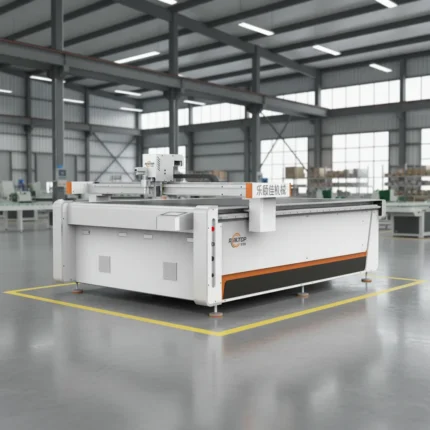
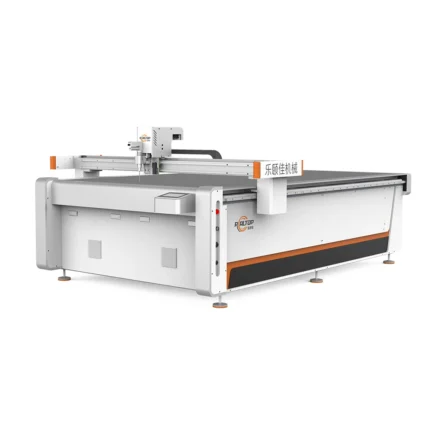
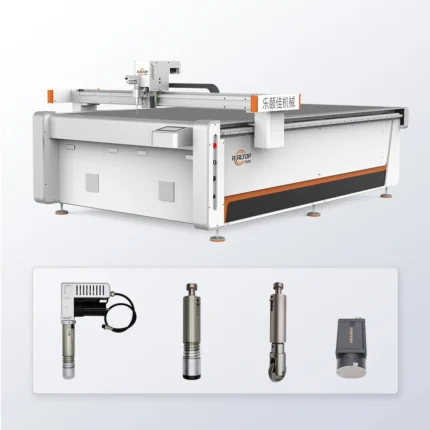
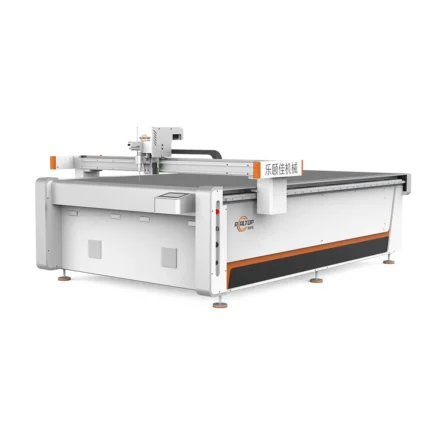
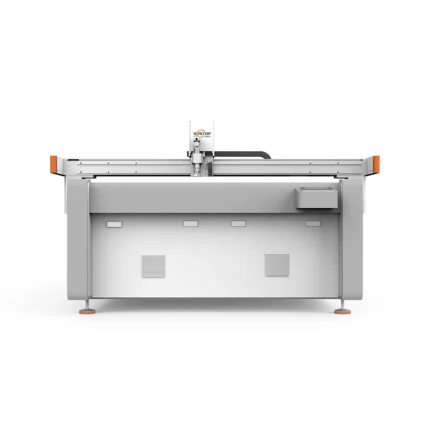
RT-D2516/RT-S2516 CNC Oscillating Knife Cutting Table, 1600×2500mm, 380V — engineered for cardboard packaging and carton sample making with Swiss oscillating knife, Taiwan Hiwin linear guides, and zoned aluminum honeycomb vacuum table. Delivers clean crease-and-cut without burnt edges or smoke on corrugated board, greyboard and sticker materials at 200–800 mm/s. Supports HP-GL format with professional nesting software and multi-language control.
Sample cutting on your own board grade available before commitment, with tool head configuration matched to your material stack and full factory test record provided.
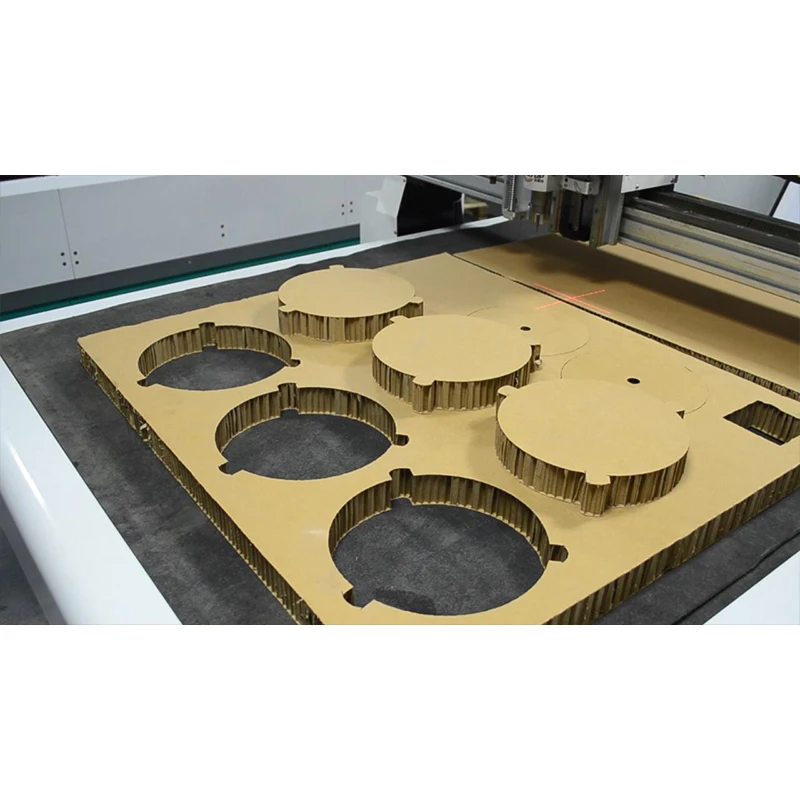
Clean Crease-and-Cut Workflow — A CNC digital flatbed cutter manufacturer must verify blade stroke and vacuum zoning on the buyer’s actual board grade before confirming configuration, ensuring no burnt edges or lift during high-speed contour runs.
Technical Specifications
| Parameter | Value |
|---|---|
| Product Type | CNC Oscillating Knife Cutting Table |
| Model | RT-D2516/RT-S2516 |
| Working Area | 1600×2500 mm |
| Overall Dimensions (L×W×H) | 3450×2300×1250 mm |
| Rated Power | 9 kW |
| Voltage | 380V ±10% |
| Vacuum Pump | 7.5 kW |
| Transmission System | Delta servo motor, imported linear guide, synchronous belt, ball screw |
| Guide Rail | Taiwan Hiwin linear square guide |
| Vacuum Table | Aluminum alloy honeycomb structure with zoned vacuum adsorption |
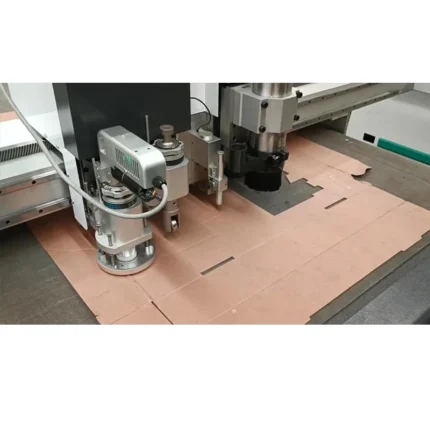
| Tool Head Type | Swiss imported oscillating knife (vibration full cutting, vibration half cutting, cursor location) |
| Translational Velocity | 800–1200 mm/s |
| Cutting Speed | 200–800 mm/s (according to different cutting materials) |
| Cutting Thickness | ≤100 mm (varies with material) |
| Repeatability | ≤0.1 mm |
| Control System | HP-GL compatible format |
| Software | Professional carton nesting software; multi-format import; language customization (English, Russian, Italian, Chinese, others on request) |
| Safety Device | Infrared sensors and emergency stop |
| Table Type | Flatbed working table (conveyor option available) |
| Assembly State | Fully assembled |
| ODM/OEM | Available |
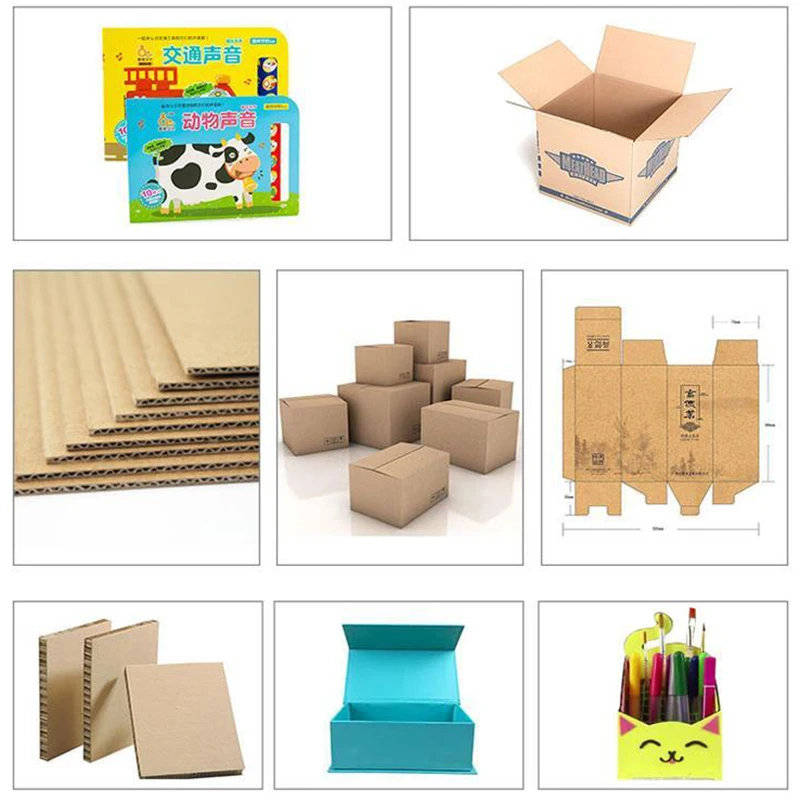
Application Suitability
| Application | Material or Output |
|---|---|
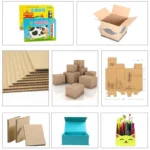
| Carton and packaging sample making | Corrugated board, greyboard, folding carton stock |
| Cardboard cutting for appliance packaging | Multi-ply corrugated and coated paperboard |
| Express paper box and snack packaging | Single and double-wall corrugated, kraft board |
| High-end gift box production | Laminated board, foam-core, rigid box materials |
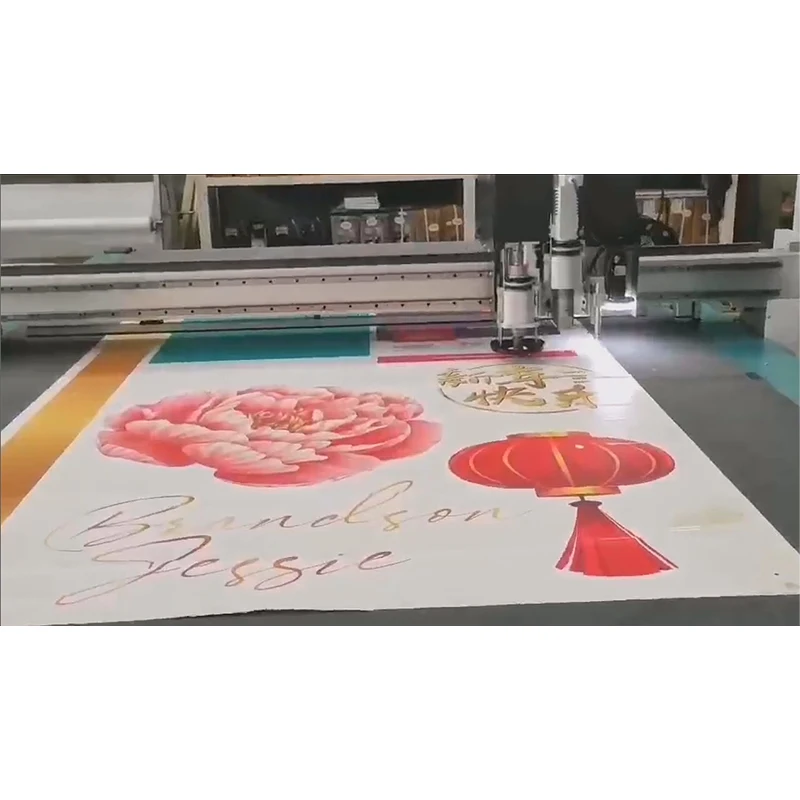
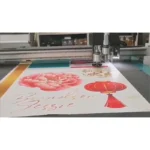
| Sticker and label contour cutting | Vinyl, coated paper, self-adhesive film |
| Billboard and signage cutting | Corrugated plastic, foam PVC, honeycomb paper |
| Business card and hang tag cutting | Card stock, laminated paper, thin plastic |
| Flexible material processing | Leather, PVC, foam, composite sheets |
Why Wattage Claims Fail Where Blade Stroke Succeeds
When sourcing a CNC digital flatbed cutter manufacturer for packaging work, the critical metric is real cutting depth on your specific board grade — not peak power figures that look impressive on a brochure but deliver ragged edges in production.
Real cutting depth is determined by blade stroke length and material density, not by interpreted wattage ratings.
Many buyers have watched a machine struggle through five-layer corrugated board only to find the quoted power rating was measured at peak rather than continuous output, leaving crush marks and incomplete cuts across an entire batch. Knife cutting sidesteps this entirely because the Swiss oscillating knife on the RT-D2516/RT-S2516 physically penetrates the material with each stroke, and the result is immediately verifiable on the table [NEED_CITE: cutting depth verification methods for packaging board]. There is no ambiguity between what the specification sheet says and what the blade actually does to your corrugated stock.
Knife Versus Laser on Corrugated and Coated Board
A CNC digital flatbed cutter manufacturer building for packaging sample rooms and short-run carton producers must address the fundamental limitation of CO2 laser on cellulose-based materials. Laser cutting carbonizes the edge of cardboard and greyboard, producing a dark burn line and smoke residue that contaminates the production environment and requires downstream cleaning. The oscillating knife on this flatbed cutter produces a clean mechanical cut with no thermal effect, preserving the natural fiber edge that packaging buyers expect for premium box presentations.
Zoned Vacuum and Small-Part Stability During Contour Runs
The aluminum alloy honeycomb vacuum table with zoned adsorption addresses a problem that frequently appears in sticker and label production. When cutting small contour shapes from vinyl or coated paper, undivided vacuum tables lose suction on isolated zones, allowing lightweight material to lift and shift under the tool head. The zoned configuration on the RT-D2516/RT-S2516 isolates vacuum to the active cutting area, holding small labels and business card blanks flat even at the upper range of the 200–800 mm/s cutting speed [NEED_CITE: vacuum zoning principles for flatbed digital cutters]. This prevents the misregistration that ruins contour accuracy on short-run label jobs.
How Drive Components Translate to Crease-and-Cut Accuracy
The Taiwan Hiwin linear square guides paired with Delta servo motors deliver the ≤0.1 mm repeatability specification across the full 1600×2500 mm working area. In packaging sample making, this matters most when the machine transitions between a full-cut pass and a creasing wheel pass on the same sheet — any positional drift means the crease line does not align with the cut edge, and the sample folds incorrectly. The 7.5 kW vacuum pump maintains consistent holding force across the honeycomb table surface, preventing the material creep that compound positional errors during multi-tool operations. The synchronous belt and ball screw transmission ensures the oscillating knife follows the exact programmed path, which is essential when cutting interlocking tab-and-slot joints on rigid box structures.
What Happens When the Wrong Tool Head Meets Your Material Stack
A buyer who specifies a machine based on working area alone, without matching the tool head to the actual material composition, faces a failure that shows up within the first week of production. The standard oscillating knife may handle single-wall corrugated cleanly, but when the job switches to five-layer board with a laminated film surface, the blade encounters resistance it was not configured to handle — producing ragged edges, crushed flute structure, and accelerated blade wear that forces unplanned downtime [NEED_CITE: tool head selection criteria by material thickness and composition]. The consequence is not a minor quality issue; it is a production halt while the wrong configuration is diagnosed and corrected under delivery pressure.
Verification Before Commitment: How This Manufacturer Builds Confidence
The in-house design and production capability covering both knife and laser technologies means the cutting method is matched to the material rather than forced into one approach. Tool head and table configuration are specified per the buyer’s material type and production volume before the order is finalized. Software compatibility is confirmed against the buyer’s existing CAD and nesting files so there are no format surprises at commissioning. Sample cutting is performed on the buyer’s own material — at the actual thickness and ply count — before any commitment is made. Voltage, plug type, and control language are verified against the target facility’s electrical supply and operator requirements. The RT-D2516/RT-S2516 ships with the HP-GL compatible control system and professional carton nesting software pre-configured for the buyer’s workflow.
Documentation & Verification
- Machine specification sheet matching the confirmed tool head and table configuration
- Electrical schematic with 380V ±10% voltage confirmation for the target market
- Sample cutting report on buyer’s own cardboard grade and ply count
- Factory test record demonstrating ≤0.1 mm repeatability across the working area
- Software licence and file format compatibility note for existing nesting workflow
- Spare parts list with Swiss oscillating knife blade replacement intervals
Installation, Commissioning & Support
- Floor space allocation based on 3450×2300×1250 mm overall dimensions with access clearance
- Dedicated 380V ±10% power circuit for the 9 kW rated system and 7.5 kW vacuum pump
- Machine arrives fully assembled, requiring only leveling, power connection, and vacuum line setup
- First-run calibration of Delta servo drives and Hiwin guides across the 1600×2500 mm table
- Operator training on tool head changeover between oscillating knife, creasing wheel, and cursor location
- Preventive maintenance schedule for blade replacement and vacuum pump filter service
What to Prepare Before Requesting a Quotation
Share the specific board grades, ply counts, and any lamination or coating on your packaging materials. Indicate your daily cutting volume and the typical sheet sizes you run. Confirm the voltage and frequency available at your facility, along with the preferred control language for your operators. If you have existing carton design files, specify the format so software compatibility can be verified before the machine is built.
Frequently Asked Questions
Q: When does knife cutting outperform laser on cardboard edge quality?
A: CO2 laser carbonizes cellulose fibers, leaving burn marks and smoke residue on corrugated and greyboard edges. The Swiss oscillating knife on the RT-D2516/RT-S2516 produces a clean mechanical cut with no thermal effect, which is essential for premium packaging presentations where edge appearance matters. Laser also requires extraction systems to manage smoke, adding facility overhead that knife cutting avoids entirely.
Q: How is voltage and plug configuration handled for different export markets?
A: The standard specification is 380V ±10%, but the electrical schematic and voltage confirmation sheet are prepared for your specific market before production. Plug type, frequency rating, and control panel language are all verified during the order confirmation stage so the machine arrives ready for connection without on-site electrical modification.
Q: How do I confirm the machine handles my specific board grade?
A: A sample cutting report is produced on your own material at the exact thickness and ply count you intend to run. This report documents edge quality, cutting speed achieved, and tool head configuration used, giving you verified results on your actual production stock before any purchase commitment is made.
Q: Will the software accept my existing carton design files?
A: The HP-GL compatible control system and professional carton nesting software support multiple file format imports. Before the order is finalized, your existing CAD files are tested for compatibility, and a file format compatibility note is provided to confirm which formats import correctly into the nesting workflow.


Related products
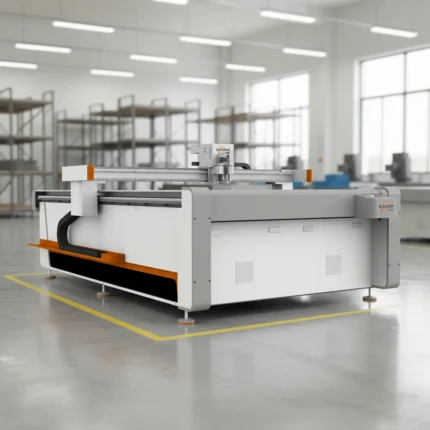
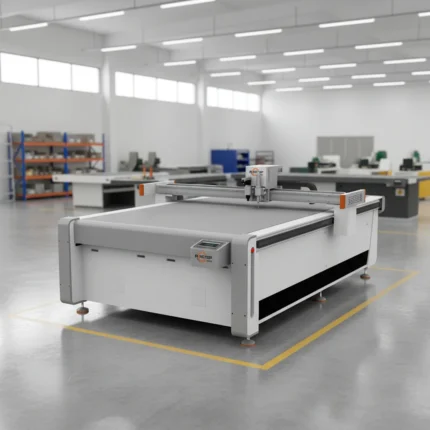
2026 Digital Flatbed Cutting Plotter Auto Corrugated Box Die Cutter
Product Introduction
Digital Flatbed Cutting Plotter 2026, ideal for auto corrugated box die cutting, offering precision and efficiency for professional packaging production.Specifications
| Type | Digital Flatbed Cutting Plotter |
| Model | 2026 |
| Application | Auto Corrugated Box Die Cutting |
| Function | Precision Cutting & Plotting |
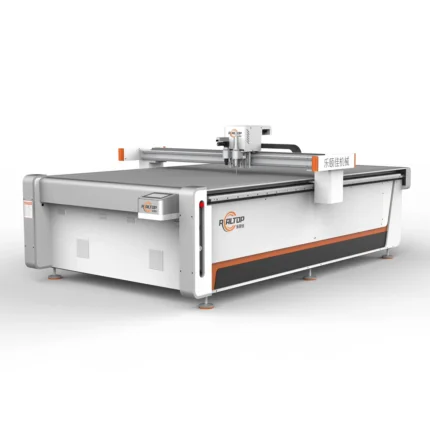
Automatic Digital Cardstock Cutter 2026 CNC Cutter
Product Introduction
Automatic Digital Cardstock Cutter 2026 is a CNC cutting machine ideal for white cardboard and kraft paper. It offers precise and efficient cutting performance, suitable for various paper processing needs in manufacturing and craft applications.Key Specifications
| Type | CNC Digital Cutting Machine |
| Material Compatibility | White Cardboard, Kraft Paper |
| Operation | Automatic |
| Application | Paper Cutting & Processing |
Automation CNC Pizza Box Machine 2026 Rotary Die Cutting
Product Parameters
| Type | Automation CNC Pizza Box Machine |
| Model Year | 2026 |
| Cutting Technology | Rotary Die Cutting |
| Operation | Automated CNC Control |
Introduction
This 2026 Automation CNC Pizza Box Machine features advanced rotary die cutting technology, ensuring precise and efficient pizza box production. With automated CNC control, it offers high productivity and accuracy for professional manufacturing needs.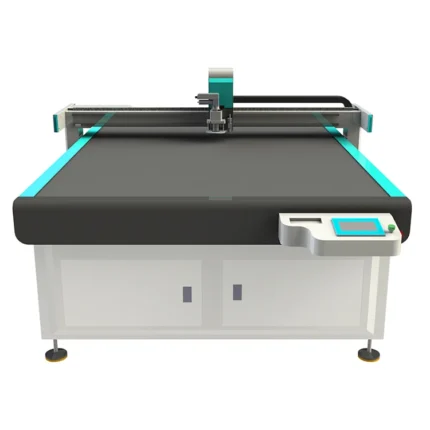
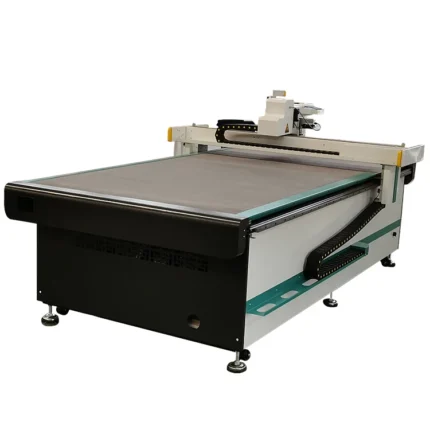
CNC Oscillating Knife Cutting Machine 2026 for Corrugated Cardboard & Honeycomb
Product Introduction
2026 CNC Oscillating Knife Cutting Machine, ideal for corrugated cardboard and honeycomb materials, offering precise and efficient cutting solutions for your production needs.Specifications
| Model | 2026 |
| Type | CNC Oscillating Knife Cutting Machine |
| Applicable Materials | Corrugated Cardboard, Honeycomb |
| Cutting Method | Oscillating Knife |
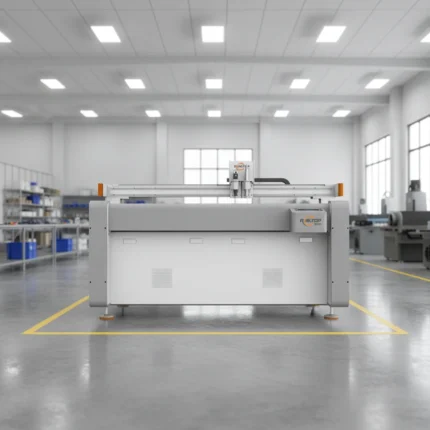
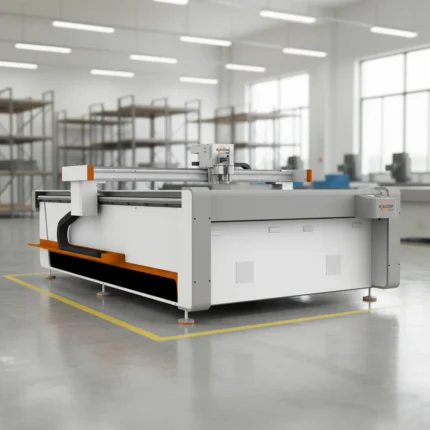
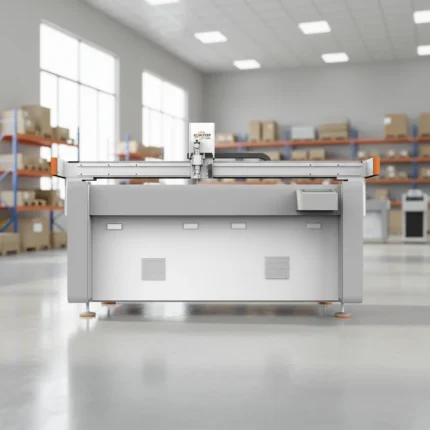
Realtop 2026 Digital Box Cutter High-Speed Corrugated Board
Product Introduction
Realtop Digital Box Cutting Machine 2026 is a high-speed solution for corrugated board cutting, designed for efficient and precise box production in manufacturing settings.Key Specifications
| Model | 2026 |
| Type | Digital Box Cutting Machine |
| Application | Corrugated Board |
| Feature | High-Speed Cutting |
商品评价
There are no reviews yet.