

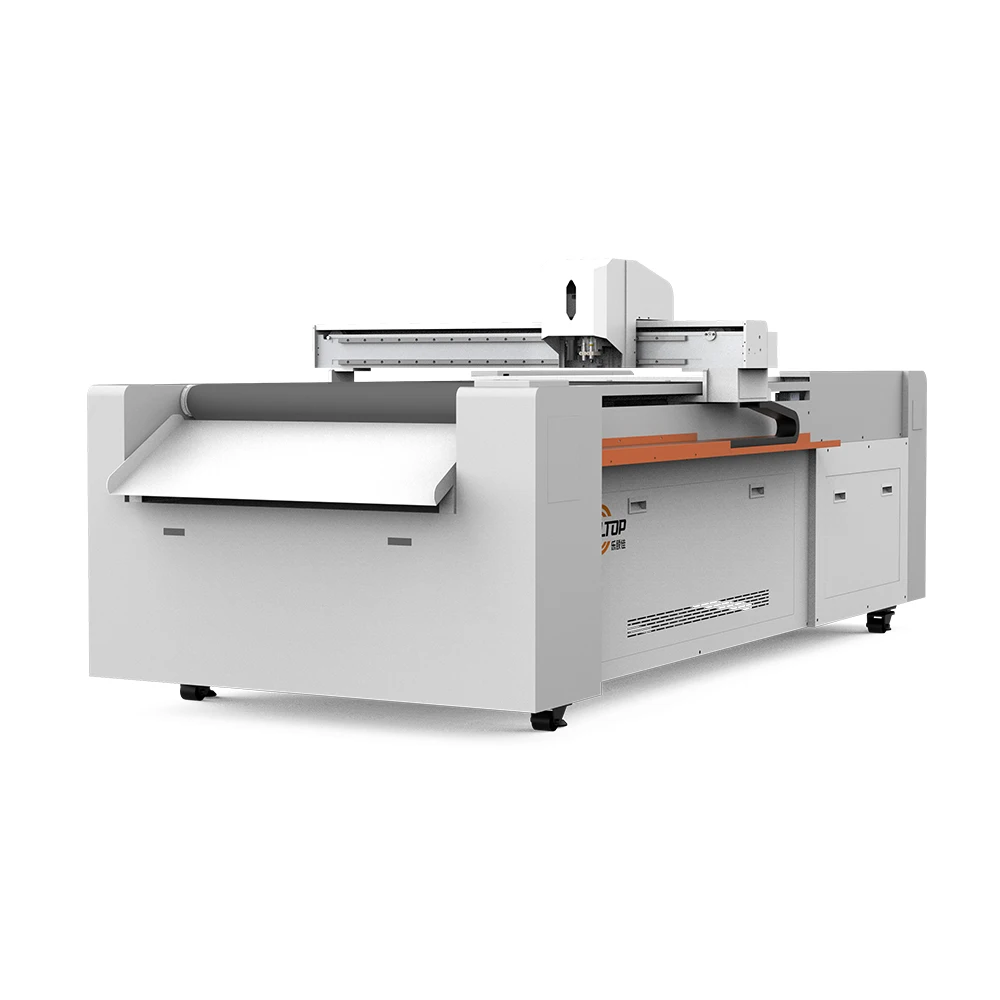
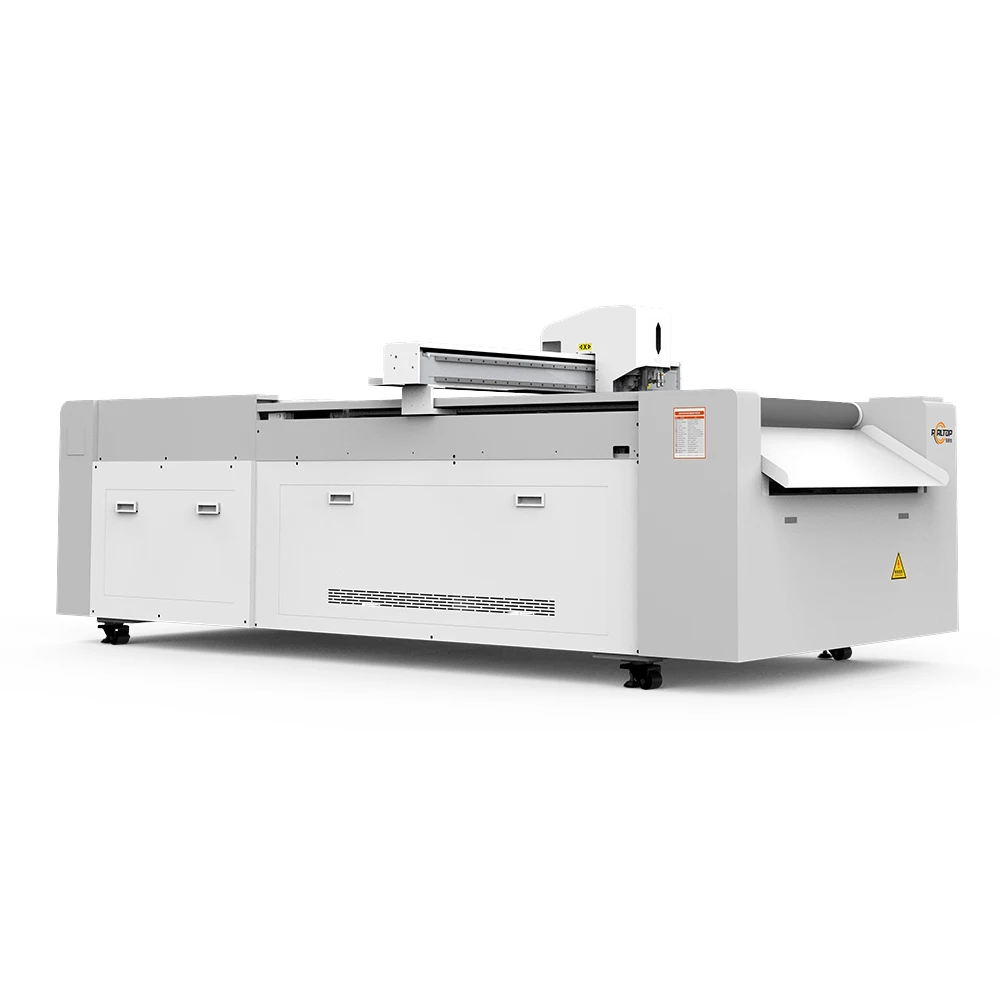
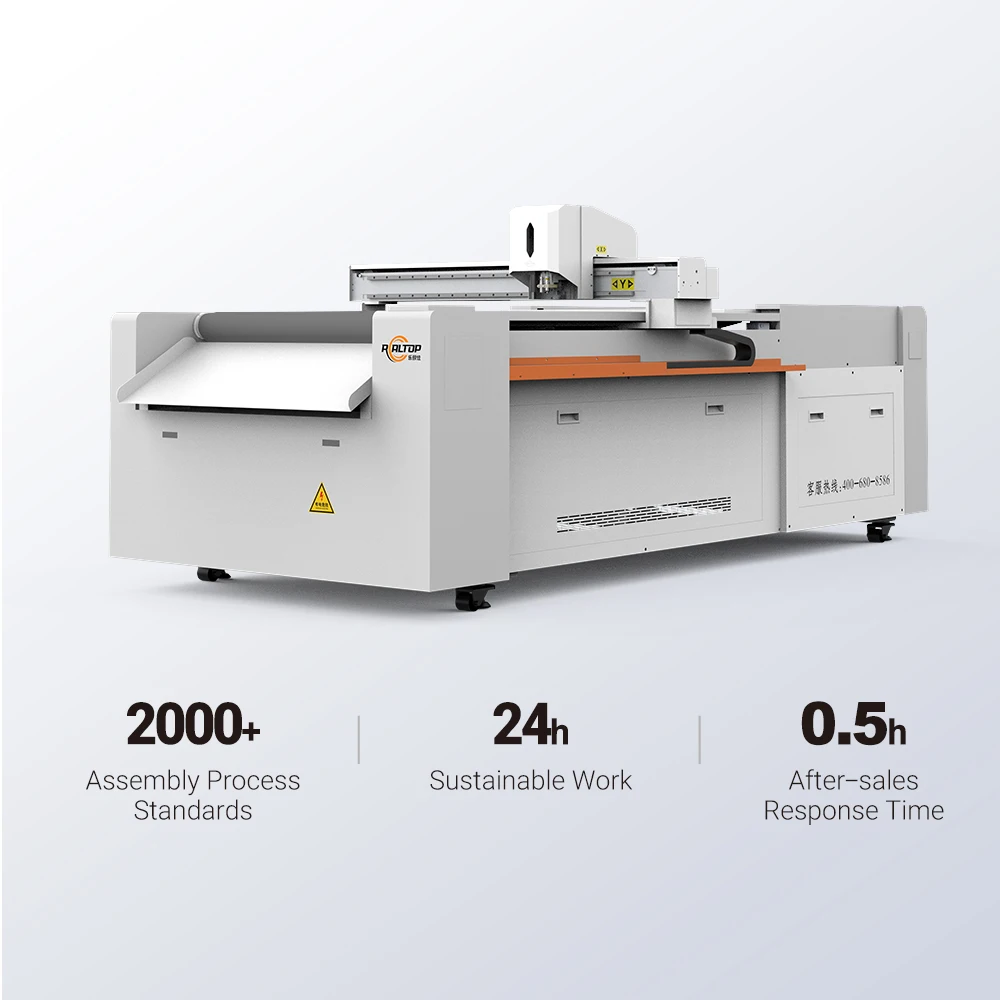
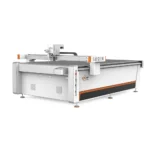

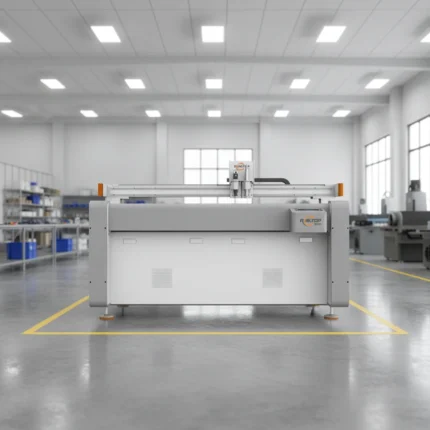
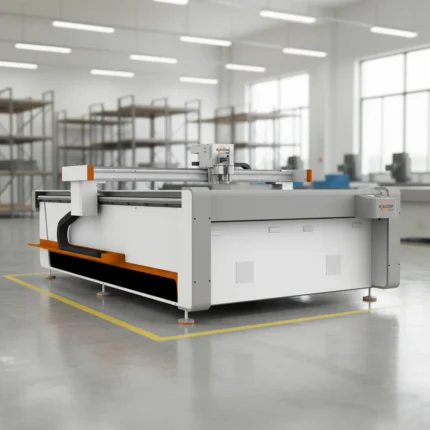
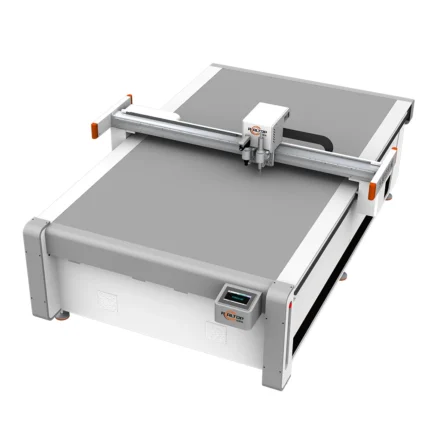
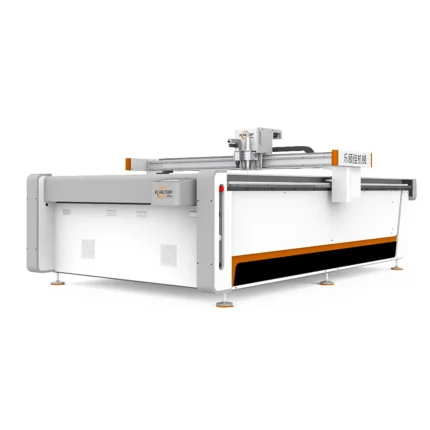
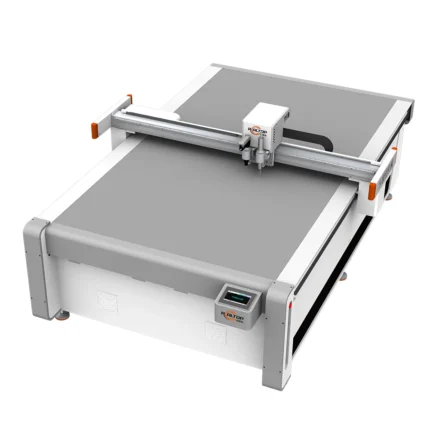
Digital Flatbed Cutter for Vinyl Foam Board Packaging Cutting
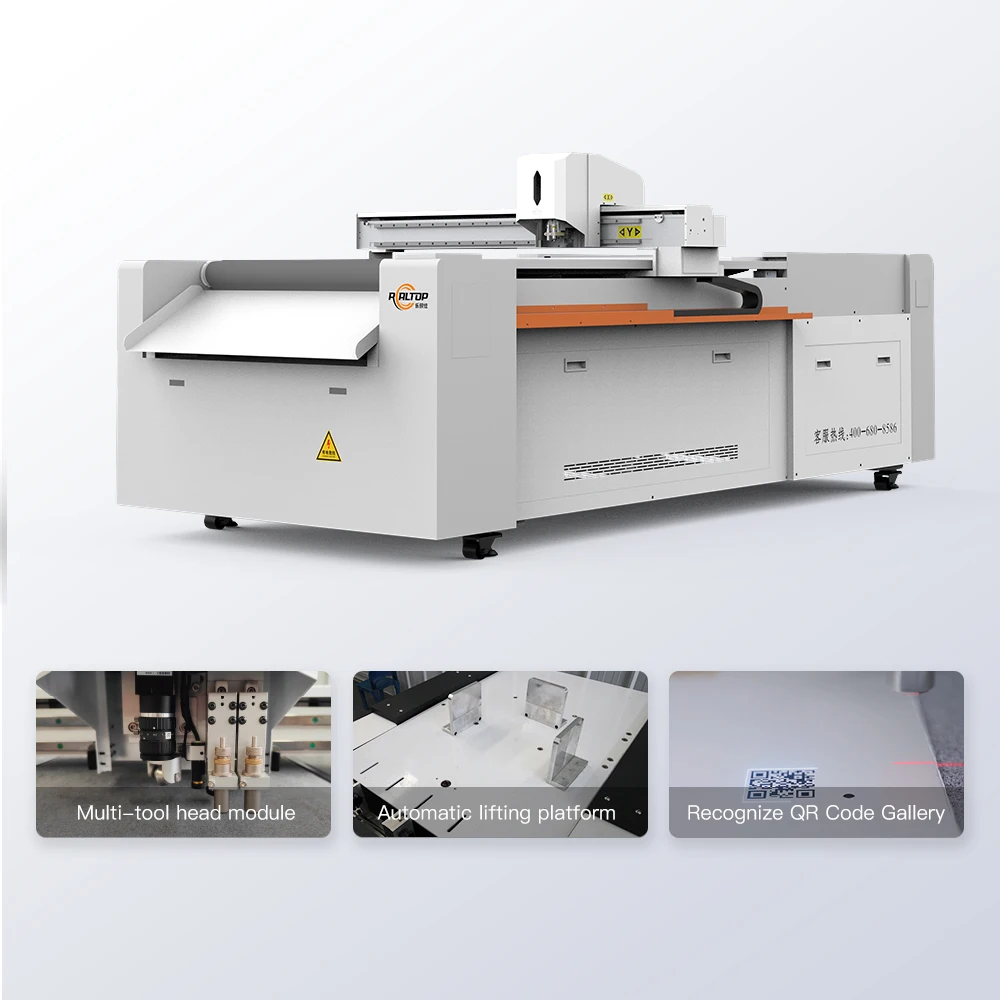
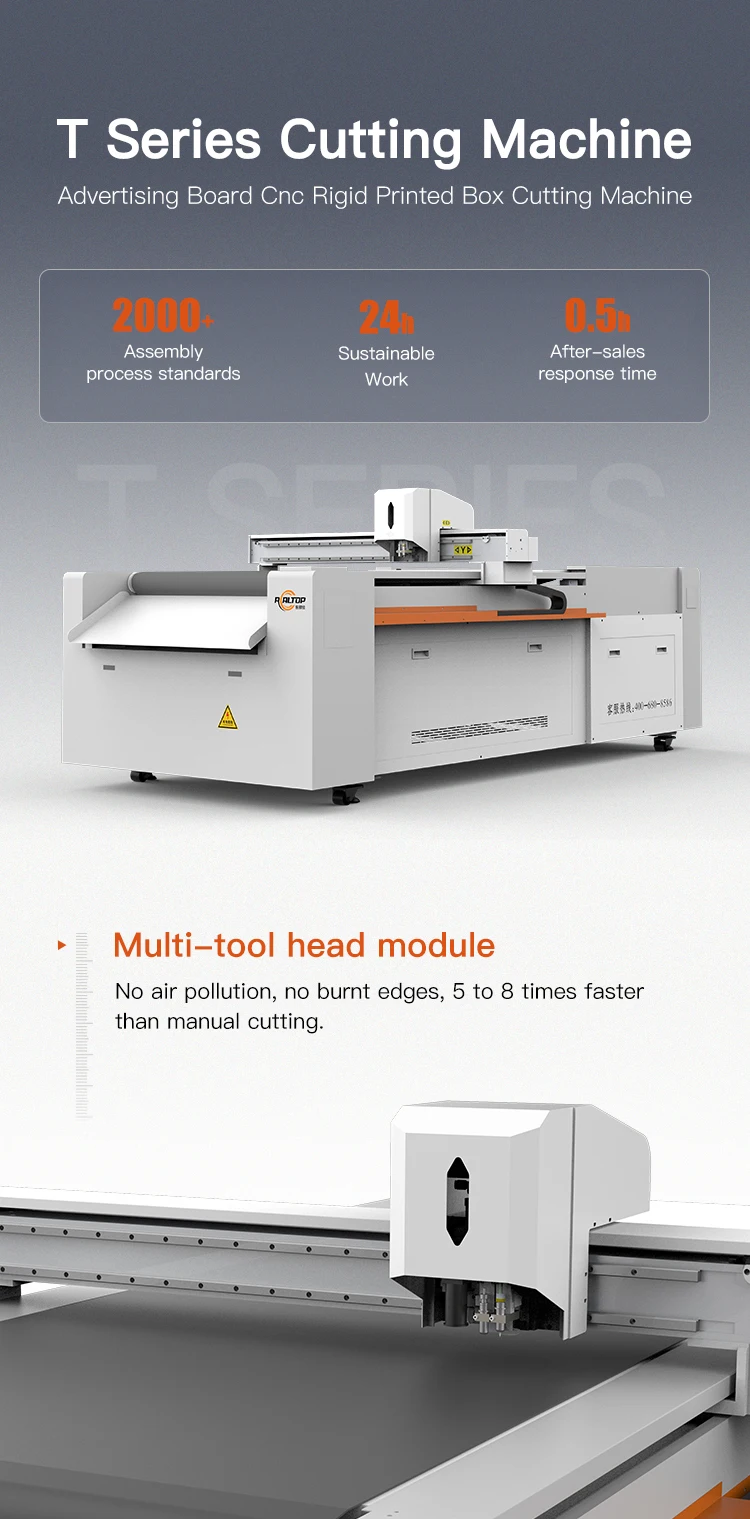
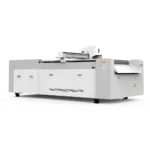
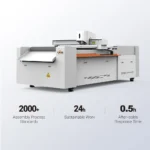
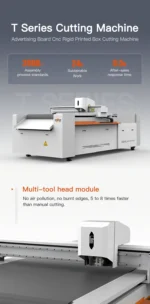
T-series CNC Digital Flatbed Cutting Plotter, ±0.1mm Accuracy, CCD Camera — pairs oscillating knife, creasing wheel and laser options so you match cutting method to material rather than force one process onto incompatible substrates.
- CO2 edge-sealing for vinyl and synthetics, drag knife for cardstock and paper
- PLT, DXF, AI, PDF file integration with your existing nesting workflow
- Voltage, plug and software language confirmed before shipment
Sample cutting on your own material is completed before order commitment, so edge quality and depth are verified against your actual production requirements.
Precision material matching — the T-series integrates knife cutting and laser processing within a single workstation, allowing buyers to select the optimal cutting method for each substrate rather than forcing a single technology across incompatible materials.
Technical Specifications
| Parameter | Value |
|---|---|
| Product Type | CNC Digital Flatbed Cutting Plotter |
| Model Options | T-4060 / T-6080 / T-0912 |
| Working Area | 400×600 mm / 600×800 mm / 900×1200 mm |
| Tool Head Types | Oscillating knife, Creasing wheel, Kiss cutting tool, CCD camera, Marking pen |
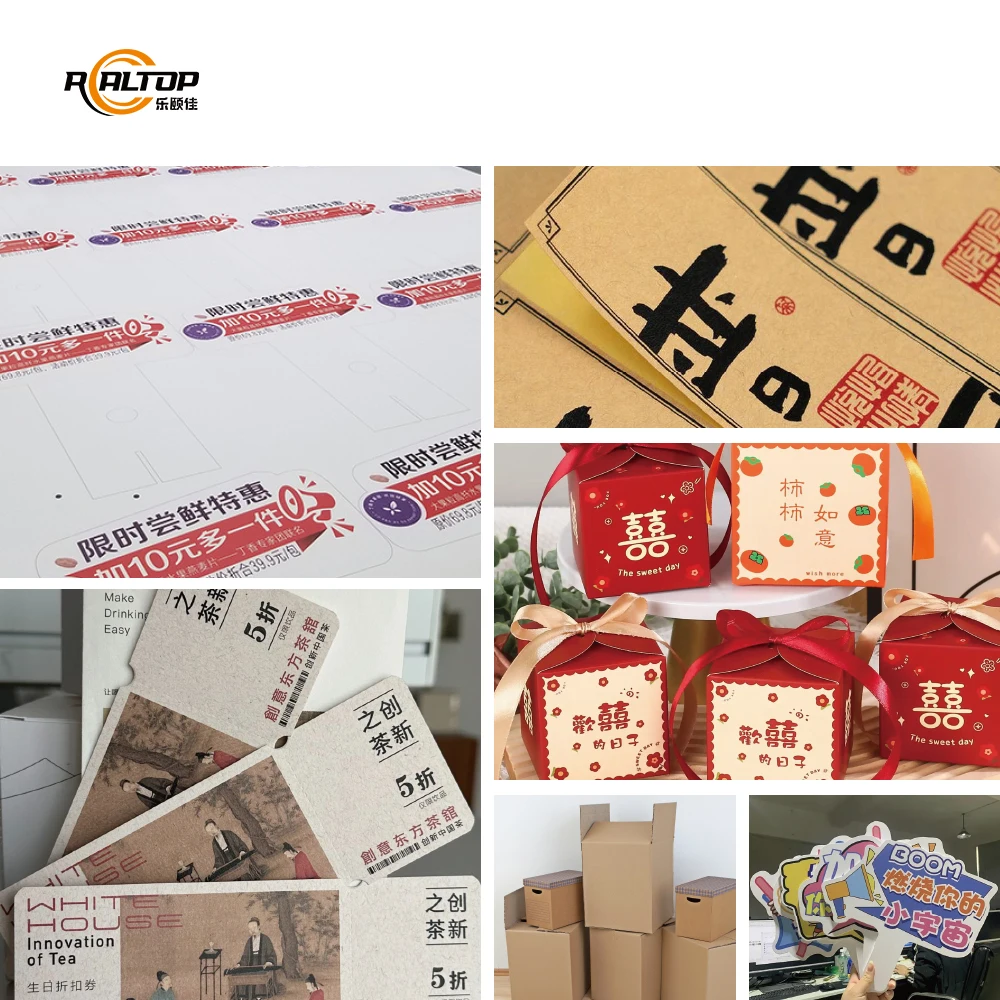
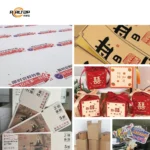
| Applicable Materials | Cardboard, Printed Carton, Cardstock, Leather, Paper, Vinyl sticker |
| Maximum Cutting Speed | 0–1500 mm/s |
| Cutting Thickness Capacity | ≤ 20 mm (basis not stated in source — confirm material and density) |
| Positioning Accuracy | ±0.1 mm repeat positioning precision |
| Vacuum Pump Power | 2.5 kW / 3.2 kW |
| Operating Voltage | 110V, 220V (frequency to be confirmed by target market) |
| Compatible File Formats | PLT, DXF, AI, PDF |
| Safety Devices | Infrared sensor, Emergency stop |
| Software Languages | English, Russian, Italian, Chinese (custom languages available) |
| Compliance | CE |
Application Suitability
| Application | Material or Output |
|---|---|
| Store signage and window graphics | Vinyl sticker, self-adhesive film, acrylic (via laser module) |
| Packaging prototype and carton sampling | Corrugated cardboard, grey board, printed carton stock |
| Craft and cultural design products | Cardstock, leather, specialty paper for intricate cut-out work |
| Light industrial gasket production | Electronic foam, thin composite sheets for small-batch sampling |
| Decal and vehicle graphic finishing | Reflective vinyl, heat transfer film, magnetic sheet |
Why "Laser Power" Means Nothing Without a Material Test
Actual cutting depth must be verified on your specific material before the order is confirmed, not assumed from a datasheet number.
Laser power quoted at peak rather than continuous output is a recurring source of disappointment when machines arrive on the shop floor. A plotter rated for a certain wattage may slice cleanly through 2 mm acrylic in the factory demonstration yet struggle with 3 mm foam board once installed in your facility. The CNC digital cutting plotter laser process integration workflow begins with sample cutting on the buyer’s own material, so edge quality, sealing behavior, and depth are documented in a written report before commitment. I once shipped a CO2 unit to a British signage shop where the voltage standard was never confirmed — the machine sat idle for nearly three weeks while we sourced a matching transformer. [NEED_CITE: voltage and frequency standards by export market]. That kind of delay is entirely avoidable when specifications are locked down early.
Matching the Cutting Method to the Substrate
The core advantage of this CNC digital cutting plotter laser process integration platform lies in method flexibility. Vinyl decals often benefit from CO2 laser cutting because the heat seals the edge and prevents fraying during weeding, while cardstock and corrugated board respond better to an oscillating knife that produces a clean mechanical cut without burn marks. Having both technologies accessible on one flatbed means a packaging sample maker can run creasing and knife cutting in the morning, then switch to laser engraving on leather bookmarks in the afternoon — all without moving the workpiece to a second machine.
CCD Camera Positioning for Printed Contour Work
The integrated CCD camera reads registration marks on pre-printed sheets and adjusts the cutting path in real time, which is essential when producing die-cut labels or folding carton prototypes from digitally printed stock. Without this feature, operators spend excessive time aligning each sheet manually, and misregistration accumulates across a run. The camera system on this plotter is configured to track marks at production-relevant speeds, but mark size, contrast ratio, and placement must be confirmed during the sample stage to ensure reliable tracking [NEED_CITE: CCD registration mark contrast and sizing guidelines].
What the Specification Sheet Actually Tells You
The ±0.1 mm repeat positioning accuracy is the figure that matters most for intricate font cutting and tight-fitting packaging prototypes, where even a slight drift causes crease lines to miss their intended fold. The vacuum pump options of 2.5 kW and 3.2 kW determine how firmly small parts are held during cutting — insufficient vacuum zoning on a large-format table causes lightweight vinyl and cardstock to lift under knife drag, producing ragged edges. File format compatibility across PLT, DXF, AI, and PDF eliminates the need to rebuild artwork from scratch, but the specific nesting software license and version must be confirmed before the machine ships to ensure it communicates with your existing design workflow.
The Hidden Cost of Wrong Tool Head Selection
Choosing a drag knife for a material that requires an oscillating knife — or specifying a creasing wheel with the wrong blade angle — produces crushed foam cores, delaminated edges on corrugated board, or incomplete kiss cuts on vinyl sticker sheets. These defects often go unnoticed during a brief factory demonstration on ideal stock, only to appear once the machine is running the buyer’s actual production materials. The result is wasted substrate, rework time, and frustration directed at a machine that was never configured correctly for the job [NEED_CITE: tool head selection criteria for digital flatbed cutters].
Why Buyers Source This Equipment Here
The manufacturer operates in-house design and production covering both knife and laser cutting technologies, so the cutting method is matched to the material rather than forced into a single-method compromise. Tool head and table configurations are specified per material type and daily production volume, not just working area dimensions. Software compatibility with the buyer’s existing file format and nesting workflow is confirmed before the order is placed. Voltage, plug type, and control panel language are customized and documented prior to shipment. Sample cutting on the buyer’s own material is standard practice, producing a written report on edge quality, cutting depth, and CCD tracking performance before any commitment is made.
Documentation & Verification
- Machine specification sheet listing confirmed tool heads and working area dimensions
- Electrical schematic with voltage and frequency matched to the destination country
- Sample cutting report produced on the buyer’s own material and thickness
- Factory test record documenting positioning accuracy and CCD tracking performance
- Software license and file format compatibility note for the buyer’s design workflow
- Spare parts list identifying consumable blades, lenses, and vacuum table seals
Installation, Commissioning & Support
- Vacuum table requires a level concrete floor to maintain ±0.1 mm positioning accuracy across the full 900×1200 mm work area
- Dedicated electrical circuit matching the confirmed 110V or 220V supply with correct frequency for the 2.5 kW or 3.2 kW vacuum pump
- Desktop-compact models arrive largely assembled; larger-format tables require on-site frame alignment and belt tensioning
- First-run commissioning includes vacuum zone calibration, CCD mark recognition tuning, and test cuts on buyer-supplied material
- Operator training covers tool head changeover, nesting software import, and file format troubleshooting
- Consumable spare kit includes oscillating knife blades, creasing wheels, and CCD calibration targets
Before You Request a Quote
Share the specific material type, thickness, and maximum sheet size you intend to process, along with your daily volume target and local voltage standard. Confirm the control software language your operators need and whether your existing design files are in PLT, DXF, AI, or PDF format. If you are unsure which tool head suits your substrate, send a sample of your material so we can run a cutting test and provide a written report before any quotation is issued.
Frequently Asked Questions
Q: How is real cutting depth verified for my material thickness — is laser power rated continuous or peak?
A: We run a sample cutting test on your actual material before the order is confirmed. The test documents cutting depth, edge quality, and whether the laser power source delivers continuous output at the rated wattage, not just peak values. A written sample report is provided so you can evaluate results before committing.
Q: Which tool head is right for my material, and how is the choice confirmed before shipment?
A: Tool head selection depends on material type, thickness, and the edge quality you require. Oscillating knives suit foam and corrugated board, while creasing wheels handle carton folding lines. We confirm the configuration through sample cutting on your material and document the results in a test report before the machine leaves the factory.
Q: Does the CCD camera track printed registration marks reliably at production speed?
A: The CCD camera is designed to read registration marks on pre-printed sheets during continuous cutting runs. However, mark size, contrast, and placement must meet specific criteria. We test the camera on your printed artwork during the sample stage and document tracking performance at production-relevant speeds before shipment.
Q: What voltage, plug, and software language options are confirmed before the machine leaves the factory?
A: Operating voltage, plug type, and control software language are confirmed during the order stage and documented on the electrical schematic. Available voltages include 110V and 220V, with software in English, Russian, Italian, Chinese, or custom languages. All settings are verified before dispatch to avoid on-site electrical incompatibility.
Q: Can I send my own material for a sample cutting test before committing to the order?
A: Yes, sending your material for a sample test is standard practice. We cut your exact substrate, document edge quality, depth, and CCD tracking results, and share a written report. This ensures the machine configuration is validated against your real production requirements before any purchase commitment.


Related products
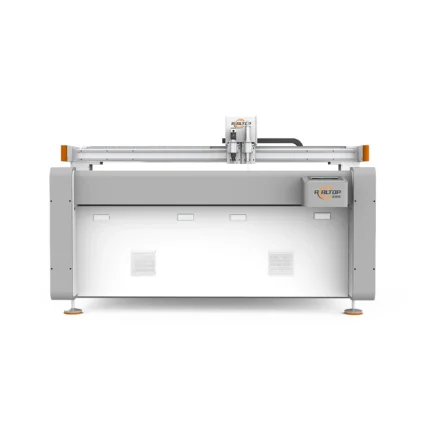
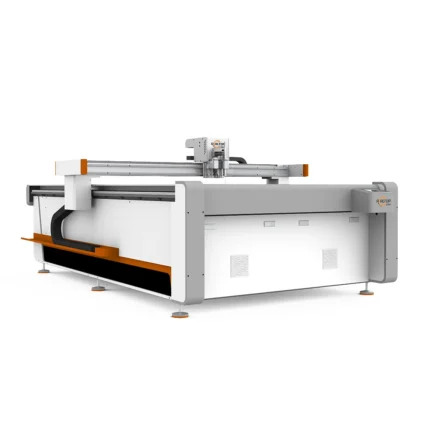
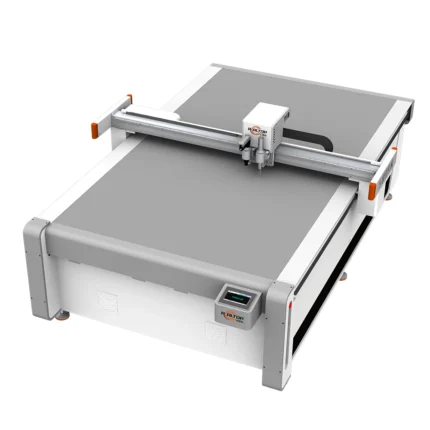
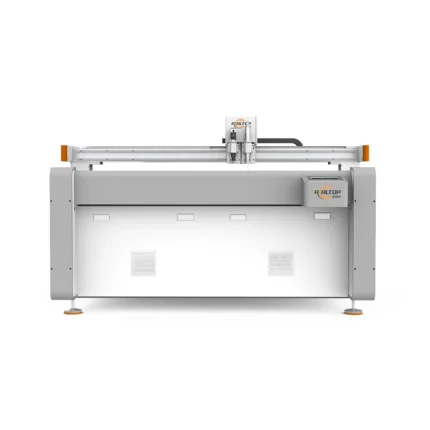
Automatic CNC Cutter Plotter 2026 Flat Bed Cardboard Cutter
Product Introduction
Automatic CNC Cutter Plotter 2026 is a flat bed cardboard cutting machine designed for precise and efficient cutting tasks. Ideal for various cardboard processing needs, it combines advanced CNC technology to deliver accurate results, suitable for manufacturing and packaging applications.Product Parameters
| Type | Automatic CNC Cutter Plotter |
| Model | 2026 |
| Design | Flat Bed |
| Application | Cardboard Cutting |
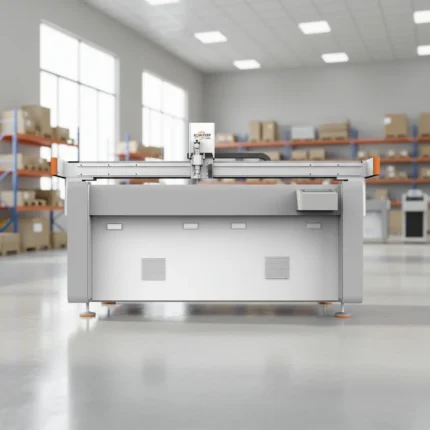
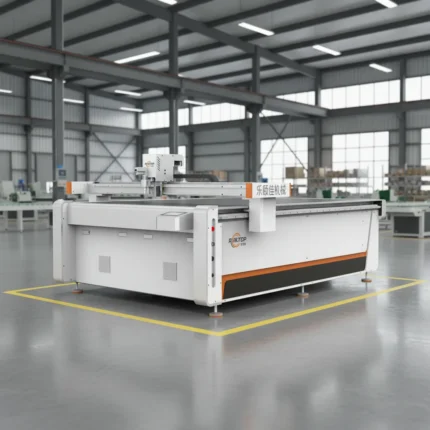
Automatic Die-less Cardboard Vibrating Knife Cutter 2026
Product Introduction
Automatic Die-less Cardboard Vibrating Knife Cutter 2026, a precision cutting solution for cardboard materials, featuring advanced die-less technology for efficient and flexible cutting operations. Ideal for various cardboard processing needs in manufacturing and packaging industries.Key Specifications
| Model | 2026 |
| Type | Automatic Die-less Cutter |
| Cutting Tool | Vibrating Knife |
| Material | Cardboard |

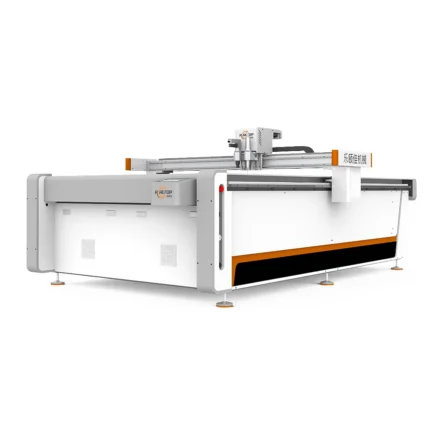
CNC Flatbed Oscillating Knife Cutting Machine 2026
Product Introduction
High-performance CNC Flatbed Oscillating Knife Cutting Machine 2026, ideal for precision cutting of various materials with advanced oscillating knife technology, ensuring efficient and accurate operations for industrial manufacturing needs.Specifications
| Model | 2026 |
| Type | CNC Flatbed Oscillating Knife Cutting Machine |
CNC Vibrating Knife Cutter 2026 Custom Cartons Packaging
Product Introduction
CNC Vibrating Knife Cutter 2026 is ideal for custom cartons & packaging, offering precise cutting solutions for various materials. Engineered by a leading Chinese welding & cutting equipment manufacturer, it ensures efficiency and accuracy for packaging production needs.Key Specifications
| Model | 2026 |
| Type | CNC Vibrating Knife Cutter |
| Application | Custom Cartons & Packaging |
| Manufacturer | Chinese Leading Factory |


Digital CNC Cardboard Cutting Machine 2026
Product Introduction
High-precision Digital CNC Cardboard Cutting Machine 2026, ideal for efficient cardboard processing with advanced CNC technology, ensuring precise and fast cutting performance for various packaging and craft applications.
Key Specifications
| Model | 2026 |
| Type | Digital CNC Cutting Machine |
| Material | Cardboard |
| Feature | High Precision, Efficient Cutting |

商品评价
There are no reviews yet.