


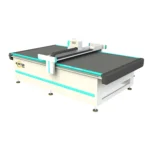
Fabric Cutting Machine for Garment Materials – OEM Available
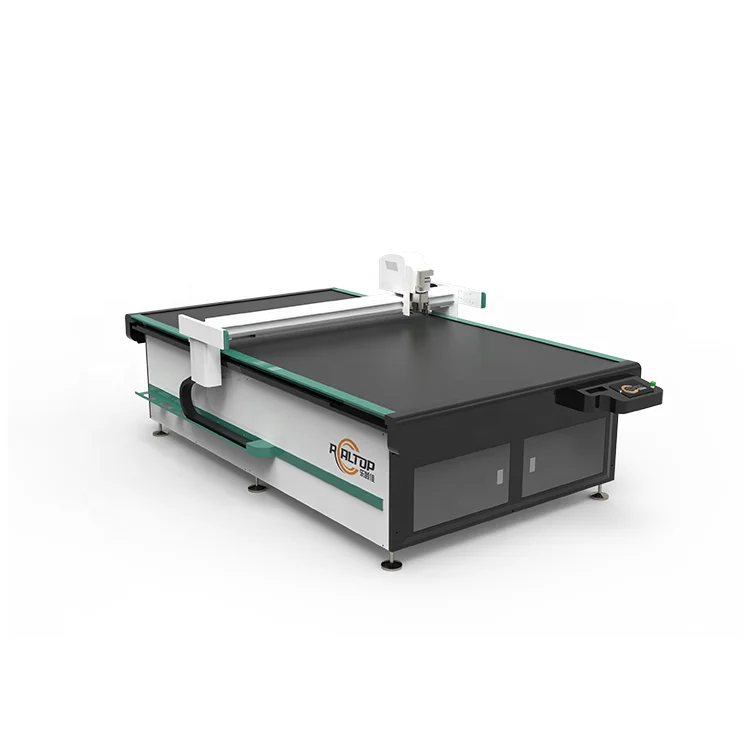
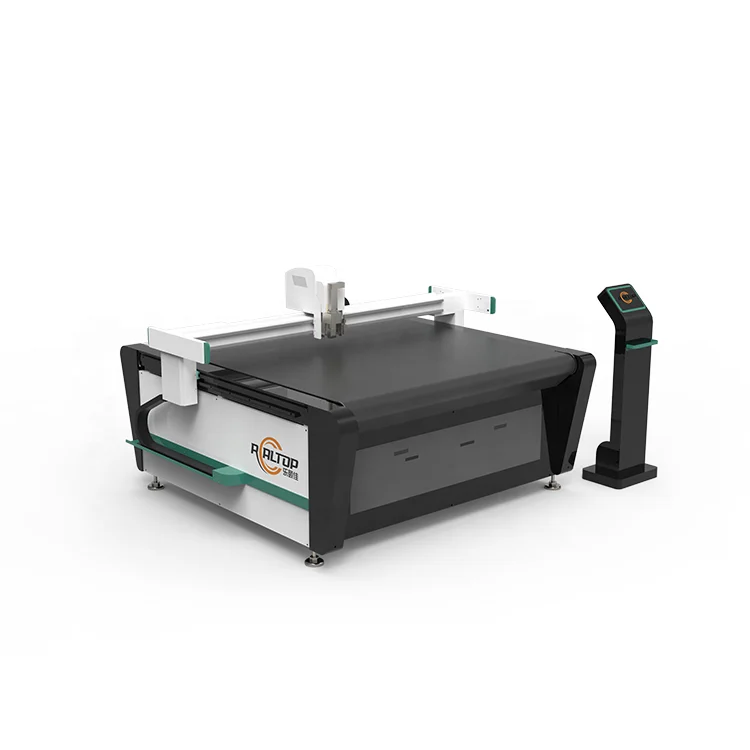
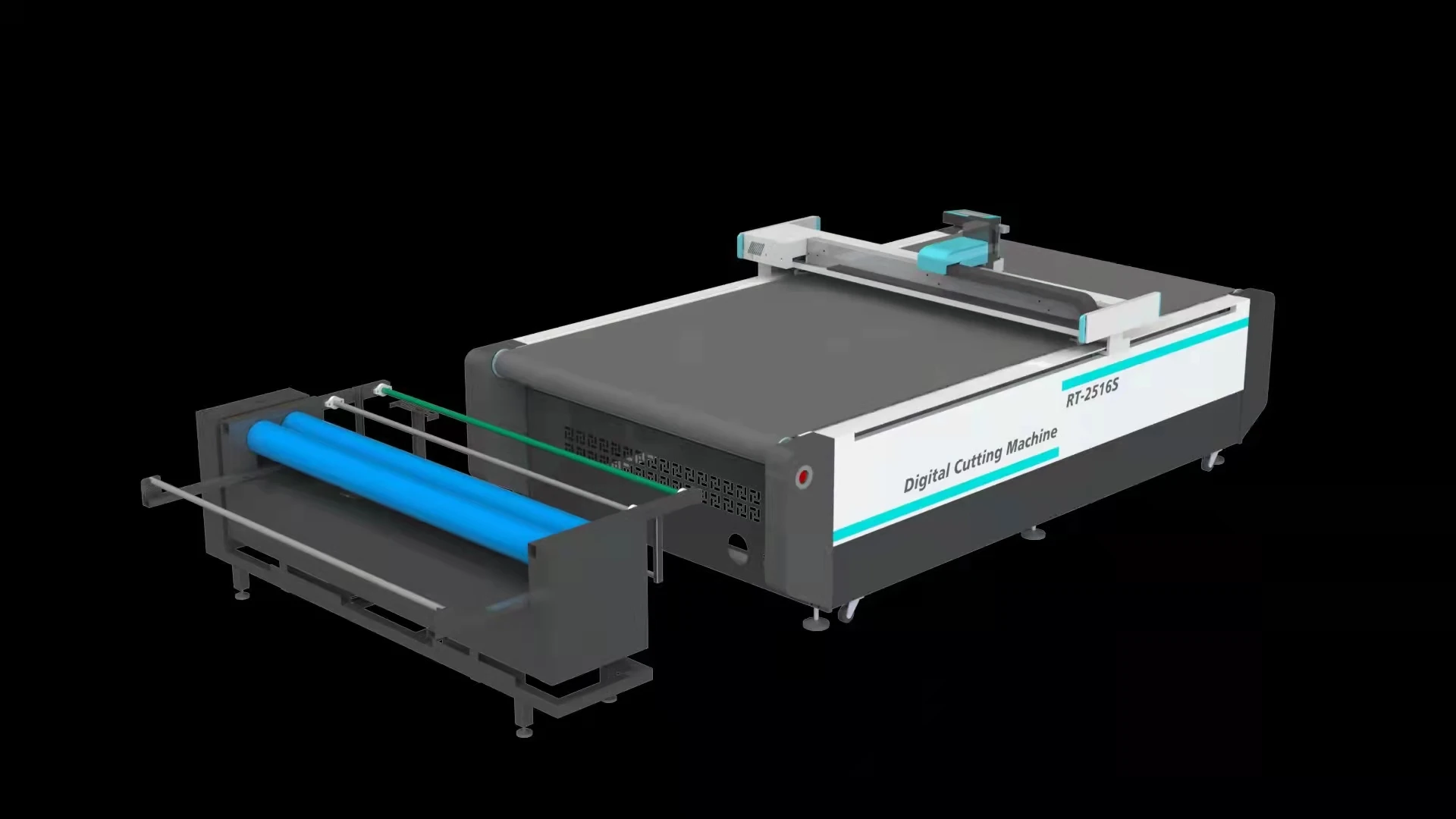
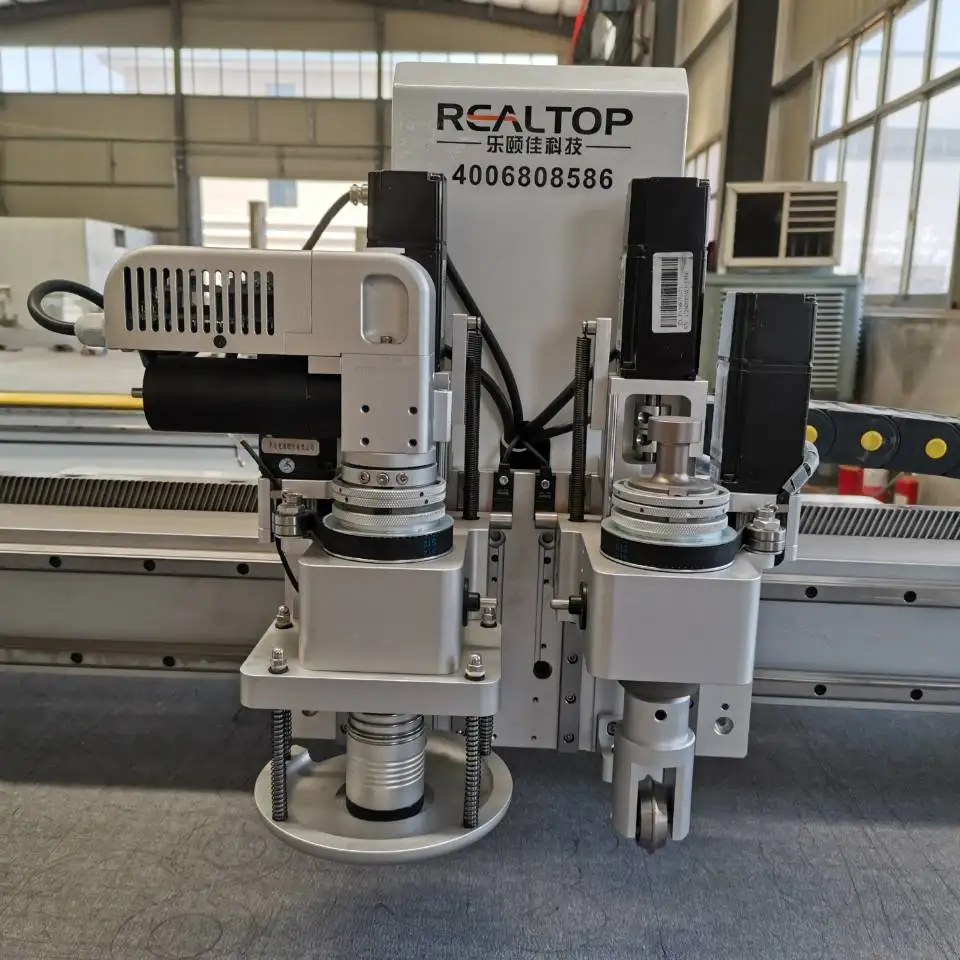
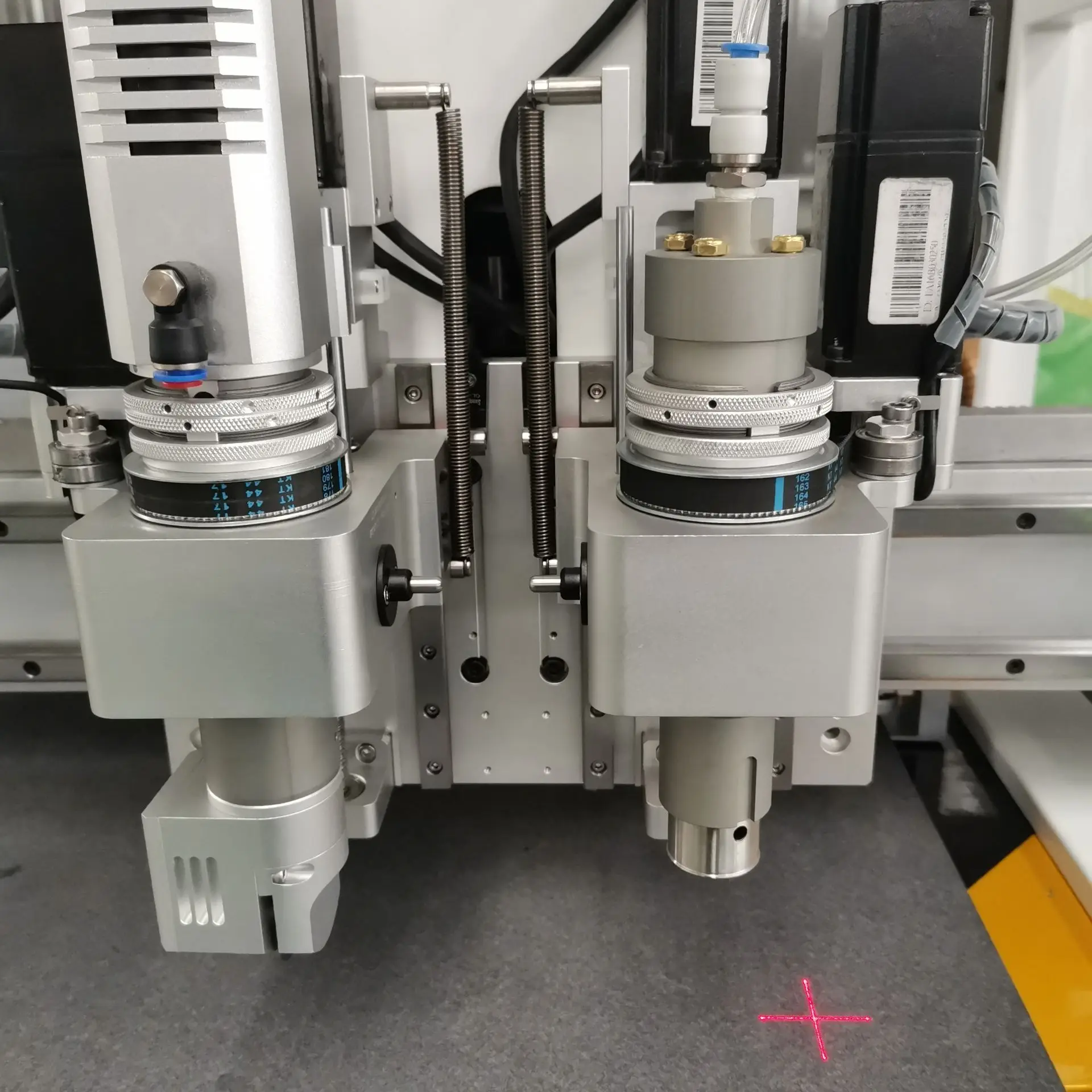
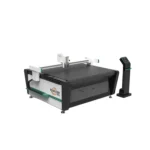
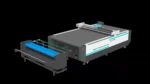
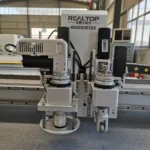
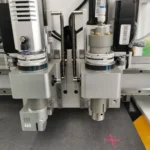
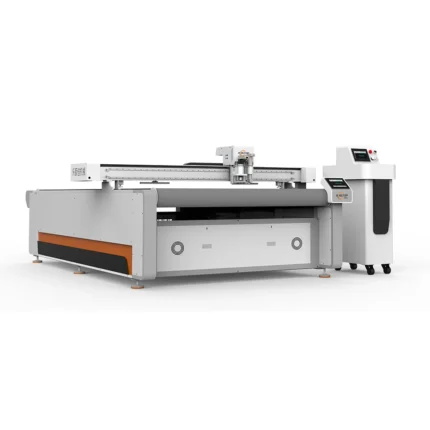
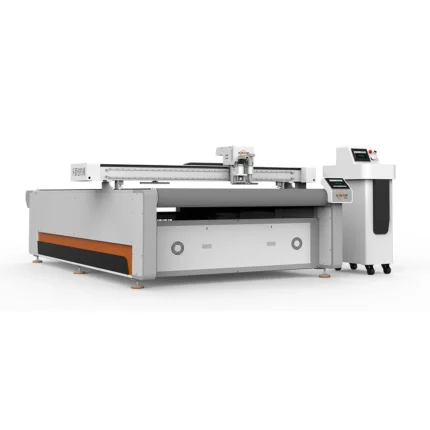
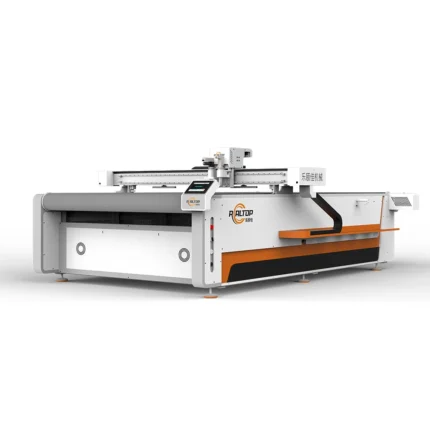
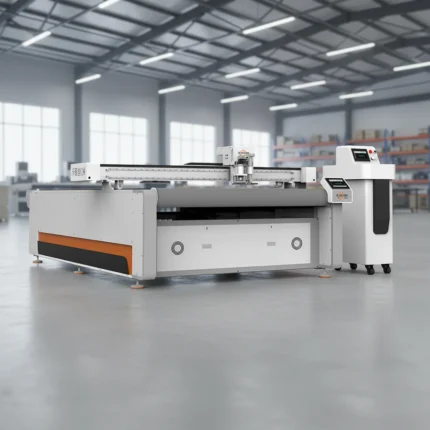
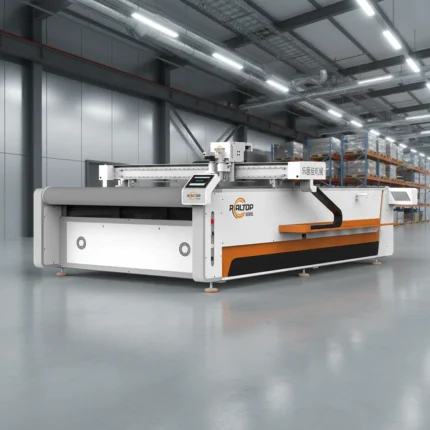
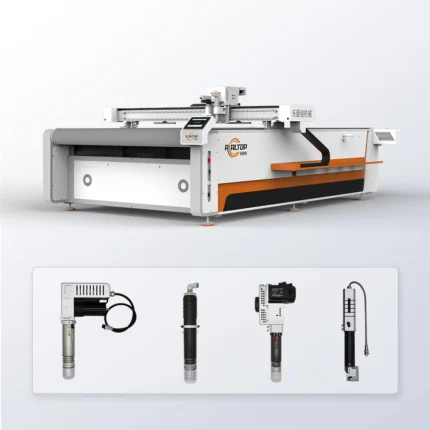
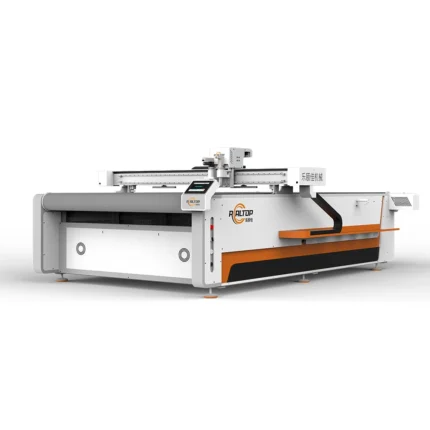
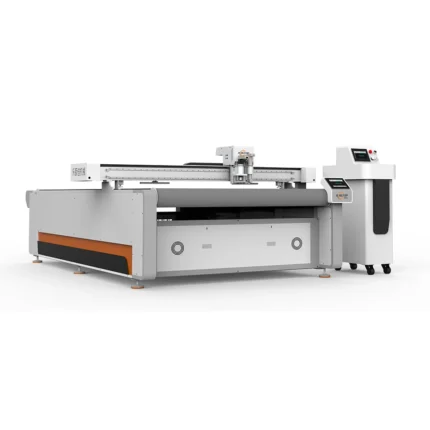
RT-D2516/RT-S2516 CNC Oscillating Knife Cutting Machine, 1600×2500 mm working area, Swiss knife head — engineered for fabric, leather and composite materials where laser thermal input causes melting or edge sealing defects. Auto-feed conveyor with 7.5 kW vacuum hold-down supports roll-to-roll garment production, while Yaskawa servo drives on Hiwin linear guides deliver ≤0.1 mm repeatability at 800–1200 mm/s traverse speed.
REALTOP designs both knife and laser platforms in-house, ensuring the cutting method matches your material requirements rather than forcing a single-technology solution.
- Sample cutting reports on your specific fabric or composite available before commitment
- Voltage, plug type and HMI language confirmed prior to production
- CCD camera and vacuum zoning configuration documented in specification sheet2
Swiss-Engineered Blade, Factory-Direct Sourcing — REALTOP engineers match oscillating knife frequency to your fabric’s tensile strength, preventing edge fraying on coated composites that melt under laser thermal input.
Technical Specifications
| Parameter | Value |
|---|---|
| Model | RT-D2516 / RT-S2516 |
| Working Area | 1600 × 2500 mm |
| Overall Dimensions (L×W×H) | 3450 × 2300 × 1250 mm |
| Rated Power | 9 kW |
| Voltage | 380V ±10% (frequency to be confirmed) |
| Table Type | Flatbed with conveyor belt and auto-feeding |
| Tool Head | Swiss imported oscillating knife (full/half cut, cursor location) |
| Translational Velocity | 800–1200 mm/s |
| Cutting Thickness | 200–800 mm/s (basis to be confirmed) |
| Repeated Accuracy | ≤0.1 mm |
| Transmission System | Digital servo motor, linear guide, synchronous belt, ball screw |
| Instruction System | HP-GL compatible format |
| Vacuum Pump | 7.5 kW |
| Safety Device | Infrared sensors |
| Servo Motor | Japanese Yaskawa |
| Linear Guide | Taiwan Hiwin rail |
| Conveyor Belt | Germany imported |
| OEM/ODM | Supported |
| Lead Time | 7–10 working days ex-works; sea freight 20–35 days to Europe/Americas, 10–30 days to Southeast Asia |
Application Suitability
| Application | Material or Output |
|---|---|
| Garment Fabric Production | Woven textiles, knit fabrics, non-woven layers, flame-retardant coated composites |
| Footwear and Leather Goods | PU leather, sponge composite leather, EVA foam, XPE |
| Automotive Interior Components | Multi-layer foam composites, gasket materials, soft-touch panels |
| Signage and Soft Displays | PVC soft glass, silicone sheets, sticker film, corrugated paper honeycomb |
| Technical Textiles | Glass fiber, carbon fiber fabric, PTFE, ETFE membranes |
When the Wrong Process Burns Your Bottom Line
Fabric cutting requires cold-process precision where laser thermal input causes edge discoloration, delamination, or unacceptable sealing on garment panels.
I have seen buyers commit to a CO2 laser for polyester composites, only to reject the entire sample batch because the edges yellowed and frayed. The laser melts synthetic fibers; the knife shears them cleanly. That material-process mismatch costs weeks of re-sampling and delayed shipment [NEED_CITE: thermal degradation thresholds for coated synthetic fabrics]. Specifying a CNC oscillating knife fabric cutting machine manufacturer that builds both platforms lets you switch process without changing supplier.
Matching Process to Material Outcome
Garment producers need unsealed edges on woven and knit textiles because fused edges stiffen seams and reject quality inspection. The RT-D2516/RT-S2516 oscillating knife shears fibers without thermal input, preserving the drape and hand-feel that laser cutting destroys on flame-retardant coated composites and multi-layer sponge materials.
Why Dual-Technology Matters at Quotation Stage
A CNC oscillating knife fabric cutting machine manufacturer that only sells knife systems will push knife solutions onto acrylic signage jobs that actually need laser edge sealing. REALTOP’s in-house design covers both knife and laser platforms, so the process selection starts with your material’s end-use requirement, not the vendor’s limited catalog.
Drive Train Tolerances and Fabric Registration
The ≤0.1 mm repeatability specification comes from pairing Yaskawa digital servo motors with Taiwan Hiwin linear rails. On roll-to-roll garment fabric with printed registration marks, that precision level prevents pattern drift across a 2500 mm traverse length. The 800–1200 mm/s translational velocity range lets operators balance speed against material stiffness—slower for thick sponge composites, faster for single-layer non-wovens [NEED_CITE: servo response requirements for contour-following knife cutters].
Motion System Implications for Edge Quality
The 7.5 kW vacuum pump holds flexible fabrics flat against the flatbed table, preventing lift that causes ragged cuts on thin films and stickers. Combined with the German-imported conveyor belt’s auto-feeding mechanism, the system maintains material tension consistency from the roll through the cutting zone.
The Hidden Cost of Skipping Voltage Confirmation
The specification sheet lists 380V ±10% but omits frequency and plug standard. Buyers in 60 Hz markets who skip this verification step face motor overheating or vacuum pump underperformance upon arrival. Always lock voltage, frequency, and control language before production begins—not after shipment [NEED_CITE: export machinery electrical standardization requirements].
Why Fabricators Choose This Manufacturer
REALTOP designs both knife and laser platforms in-house, so buyers get process recommendations based on material science rather than catalog limitations. The RT-D2516/RT-S2516 represents the knife-cutting response to materials that reject laser thermal input, backed by Swiss oscillating knife technology and Yaskawa servo precision.
Documentation & Verification
- Electrical schematic confirming your facility’s voltage, frequency, and plug configuration
- Sample cutting report on your specific fabric showing edge quality and cycle time
- HP-GL software compatibility note listing supported file formats from your design workflow
- Tool head and vacuum table configuration list matching your material thickness range
- Factory test record documenting repeatability on your target production material
- Operation manual with control language matching your operator team’s requirements
Installation, Commissioning & Support
- Flatbed dimensions require minimum 4000 × 3000 mm floor space with 1250 mm clearance height
- 9 kW rated power plus 7.5 kW vacuum pump demand dedicated three-phase circuit at confirmed frequency
- Machine ships fully assembled; verify access route for 3450 mm length before delivery
- Commissioning includes parameter dial-in on your fabric stock with oscillating frequency adjustment
- Operator training covers HP-GL file import workflow and conveyor auto-feeding calibration
- Spare parts list identifies Swiss knife blade and German conveyor belt replacement intervals
What Information We Need to Quote Accurately
Send samples of your actual production fabric including any flame-retardant coatings, lamination layers, or adhesive backing. Specify your daily cutting volume, required edge quality standard, and workshop electrical infrastructure. Confirm whether you need the system integrated with existing nesting software or standalone operation.
Frequently Asked Questions
Q: How does REALTOP decide between knife and laser cutting for my material?
A: Process selection starts with your material’s thermal sensitivity and edge requirement. Garment fabrics, foam composites, and coated synthetics need cold knife cutting to prevent melting or discoloration. Acrylic, wood, and paper products typically suit laser edge sealing. We recommend the correct platform based on sample testing before quotation.
Q: What voltage and frequency will the RT-D2516/RT-S2516 ship with?
A: Standard specification is 380V ±10%, but frequency (50 or 60 Hz), plug standard, and control panel language must be confirmed before production. We require your facility electrical specification to match motor ratings and prevent vacuum pump performance issues upon commissioning.
Q: Can I receive a sample cutting report on my fabric before ordering?
A: Yes. We run buyer-supplied material samples and document edge quality, cutting speed, layer capacity, and vacuum hold-down effectiveness. The sample report includes recommended oscillating knife frequency and translational velocity settings specific to your fabric composition and thickness.
Q: What OEM customization is available for machinery distributors?
A: OEM/ODM options include machine color, HMI branding, documentation language, and private-label packaging. Lead time is 7–10 working days ex-works after specification confirmation. We support voltage customization and control interface modifications for importers serving specific regional markets.
Q: Where can I find detailed vacuum zoning and CCD camera specifications?
A: CCD contour recognition availability and vacuum zone configuration for this model require confirmation. Contact our technical team for application-specific table configuration details, nesting software compatibility, and material-specific tooling recommendations beyond the base specification sheet.


Related products
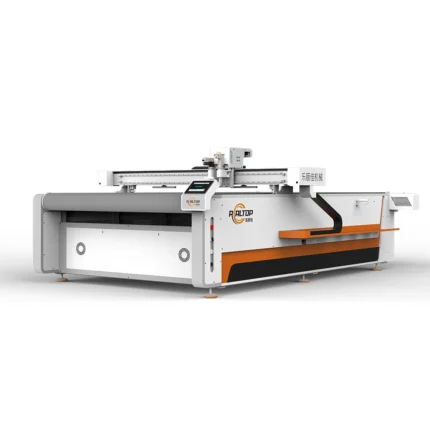
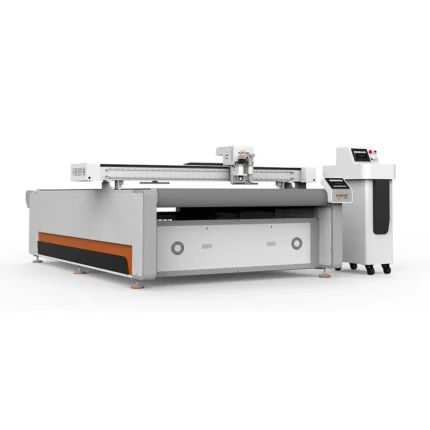
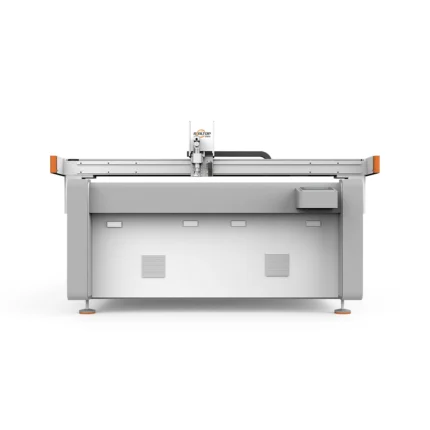
2026 Auto CNC Cloth Cutting Machine High-Precision Fabric Leather Plotter
Product Introduction
2026 Auto CNC Cloth Cutting Machine, a high-precision fabric & leather plotter designed for efficient cutting. Ideal for textile and leather industries with advanced CNC technology.
Key Specifications
| Model | Auto CNC Cloth Cutting Machine 2026 |
| Application | Fabric & Leather |
| Precision | High-Precision Cutting |
| Type | CNC Plotter |
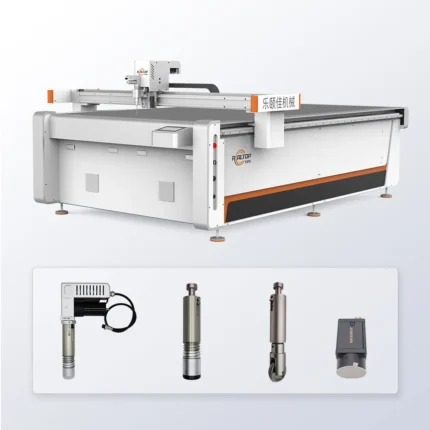
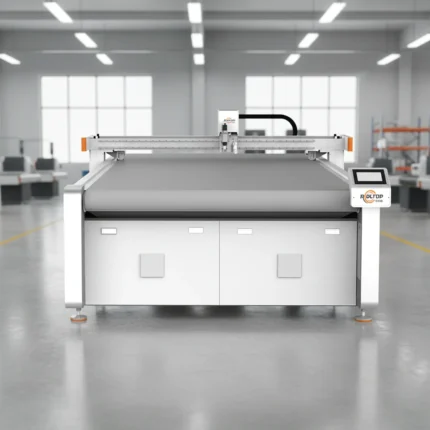
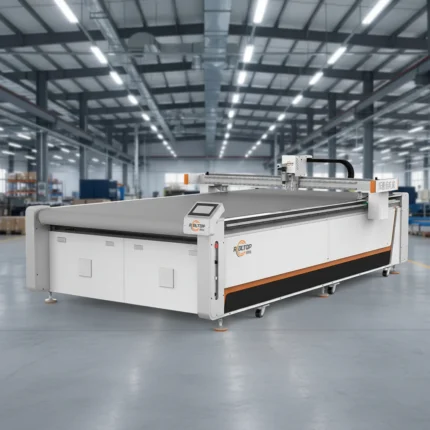
2026 Carbon Fiber Cloth Cutting Machine – China Manufacturer
Product Introduction
Fabric Sample Cutter Pillow Machine ¨C 2026 Carbon Fiber Cloth Cutting Machine, ideal for precise cutting of carbon fiber cloth and fabric samples, suitable for pillow production and related textile applications.Product Parameters
| Name | Fabric Sample Cutter Pillow Machine |
| Model | 2026 |
| Material | Carbon Fiber Cloth |
| Application | Pillow Fabric Cutting |
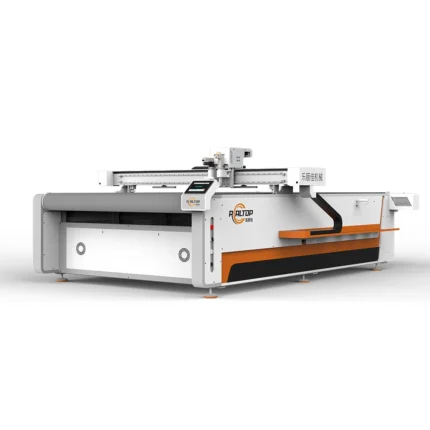
Automatic Multi-Layer Vibrating Knife Cutter 2026
Product Introduction
Automatic Multi-Layer Vibrating Knife Cutter 2026, ideal for precise cutting of various materials with multi-layer processing capability, enhancing production efficiency.
Key Specifications
| Type | Automatic Vibrating Knife Cutter |
| Layer Capacity | Multi-Layer |
| Model | 2026 |
| Function | Precision Cutting |
Realtop CNC Fabric Cutting Machine 2026 CE Certified
Product Introduction
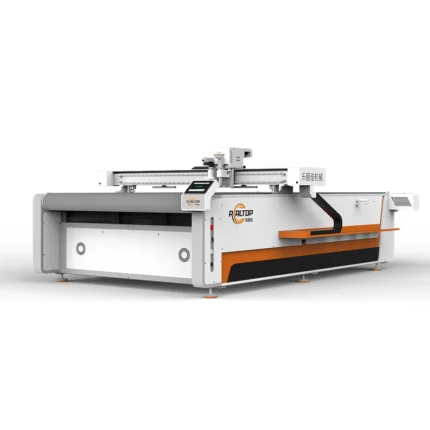
Realtop CNC Fabric Cutting Machine 2026, CE Certified, ideal for precision fabric cutting with advanced CNC technology. Engineered for efficiency and reliability in textile manufacturing processes.Key Specifications
| Model | Realtop CNC Fabric Cutting Machine 2026 |
| Certification | CE Certified |
商品评价
There are no reviews yet.