

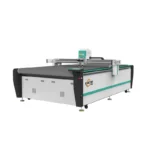
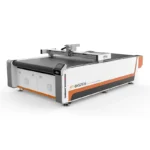
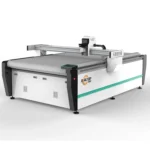
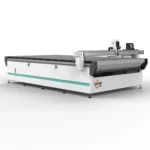
Fabric Cutting Table for Textile & Sofa – Manufacturer
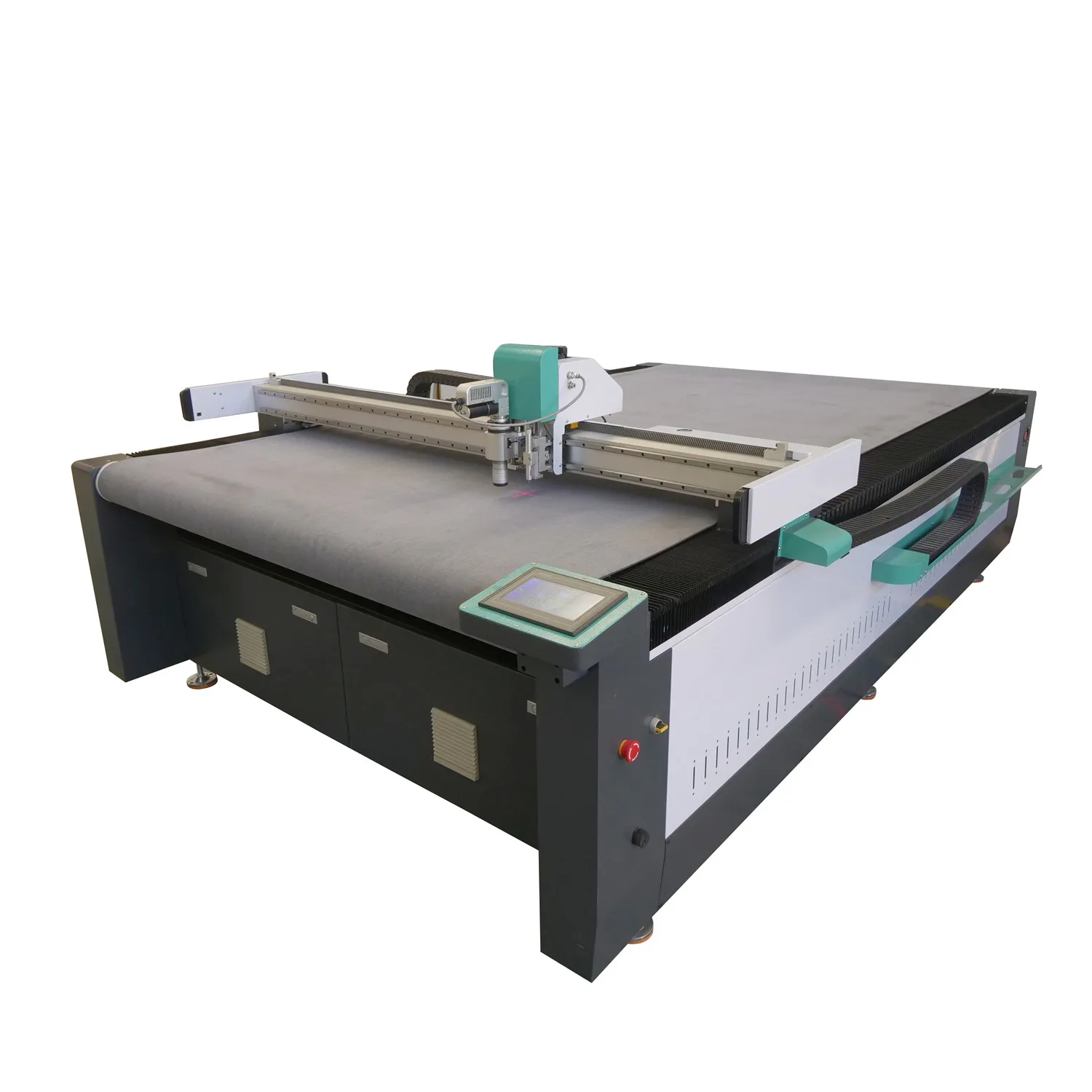
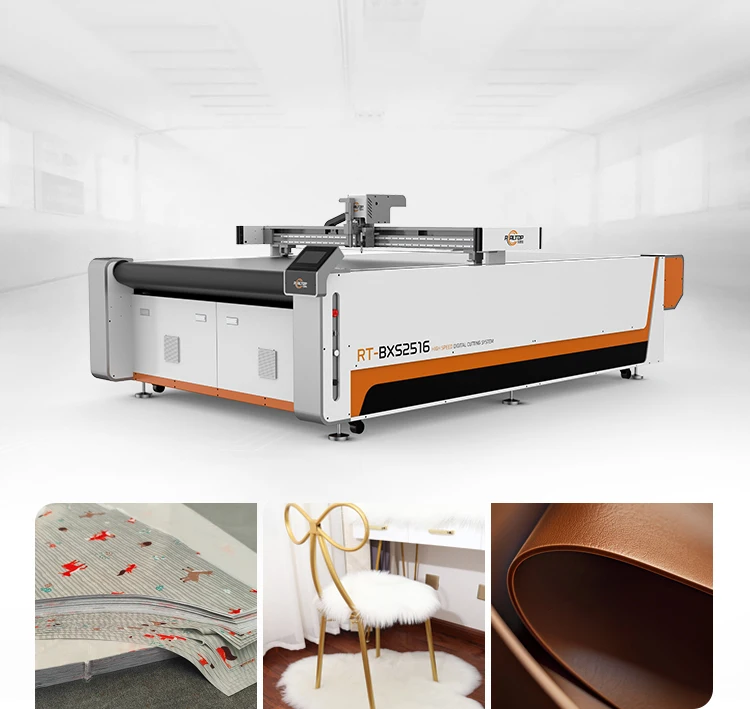
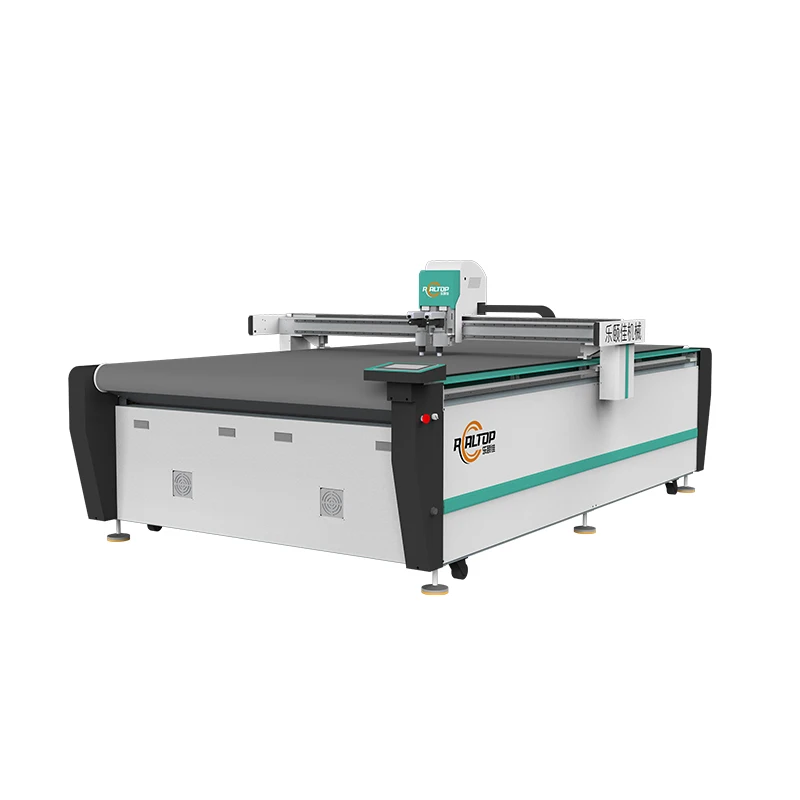
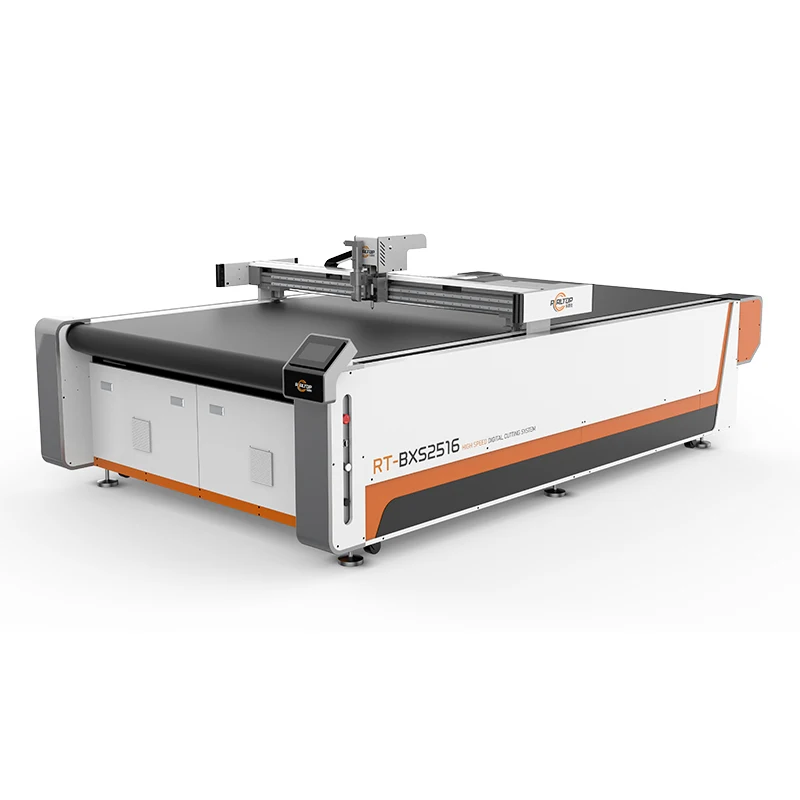
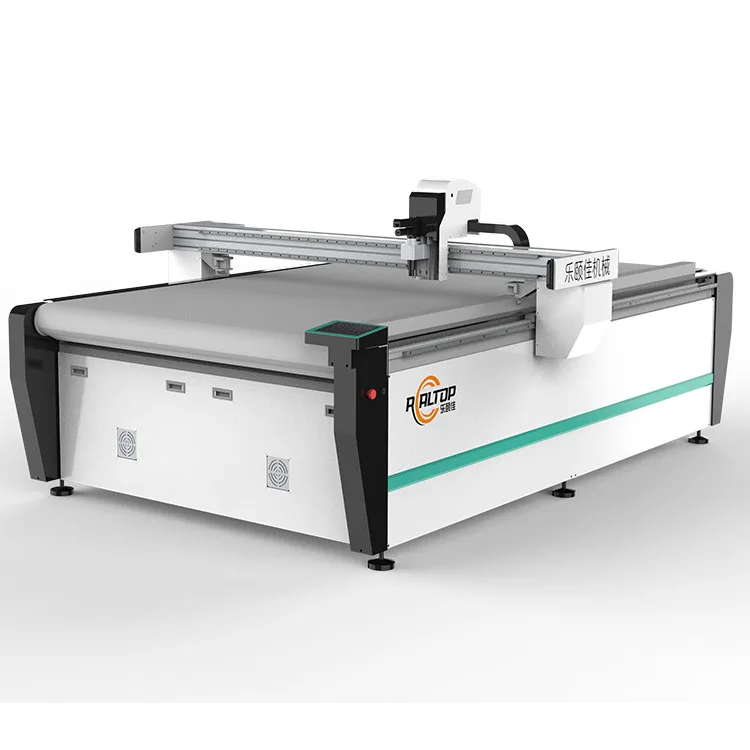
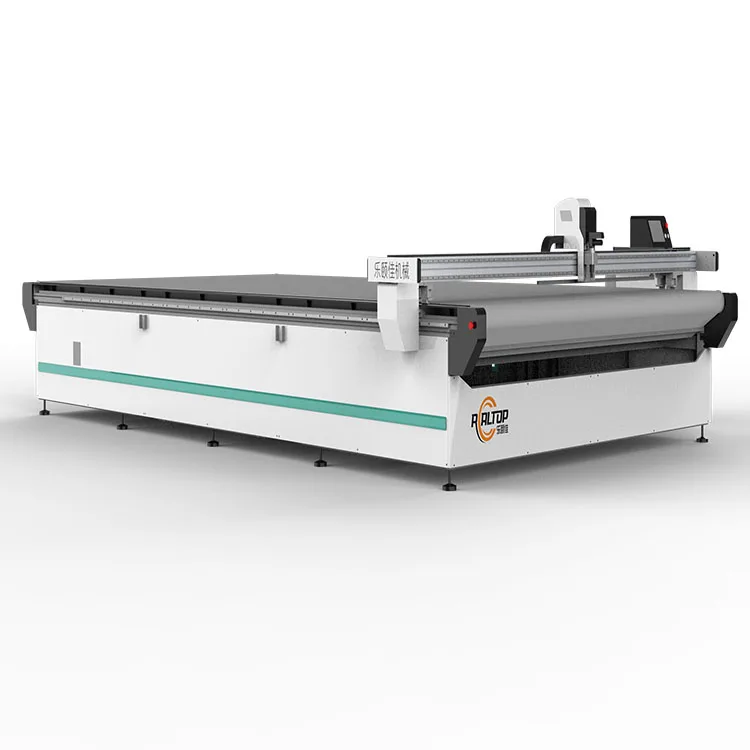
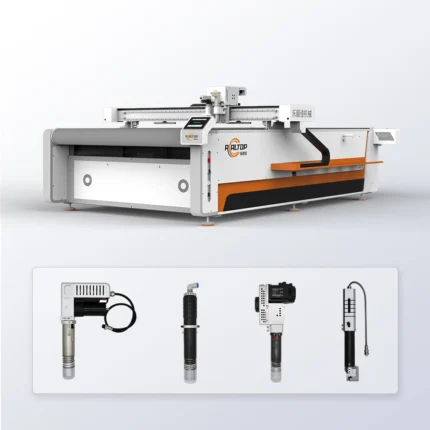
RT-D2516/RT-S2516 CNC Oscillating Knife Cutting Machine, 1600×2500mm Working Area, 9kW, CCD Visual Positioning — engineered for fabric, leather and composite material cutting where laser thermal damage must be avoided.
- Swiss imported vibrating knife with full/half cutting and cursor location for clean textile edges
- Magnesium-aluminum alloy vacuum table with multi-zone adsorption and 7.5kW pump for secure flexible material holding
- Auto-feeding conveyor and panoramic camera recognition for printed contour tracking at production speed
- Compatible with PLT, DXF and AI formats; multiple control languages supported
Sample cutting on your own fabric or composite material is provided before order confirmation, with full specification and voltage documentation verified for your market.
In-house design covering both knife and laser technologies — offered alongside our laser range so buyers can match the cutting method to the material rather than force one method, with this CNC oscillating knife system verified on coated fabrics, composites and technical textiles.
Technical Specifications
| Parameter | Value |
|---|---|
| Product Type | CNC Oscillating Knife Cutting Machine |
| Model | RT-D2516 / RT-S2516 |
| Working Area | 1600 × 2500 mm |
| Machine Size | 3450 × 2300 × 1250 mm |
| Rated Power | 9 kW |
| Vacuum Pump | 7.5 kW |
| Translational Velocity | 800–2000 mm/s |
| Cutting Speed | 200–800 mm/s (varies with material type and thickness) |
| Cutting Thickness | Up to 100 mm (varies with material) |
| Repeated Accuracy | ≤ 0.1 mm |
| Voltage | 380 V ± 10 % |
| Servo Motor | Delta (optional Panasonic) |
| Transmission System | Digital servo motor, linear guide, synchronous belt, ball screw |
| Rail | Taiwan Hiwin |
| Conveyor Belt | Germany imported |
| Table Type | Flat working table or auto-feeding table |
| Vacuum Table Material | Magnesium-aluminum alloy with fluorocarbon PVDF powder spraying and anodic oxidation |
| Multifunctional Head | Swiss imported knife with vibration full cutting, half cutting and cursor location |
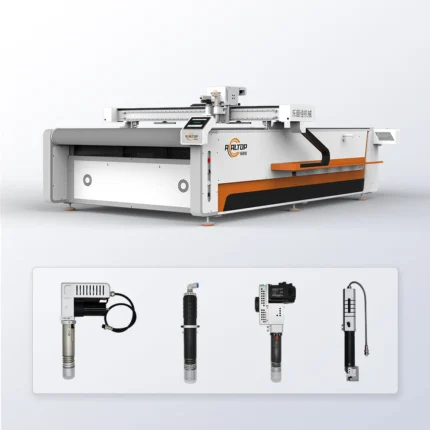
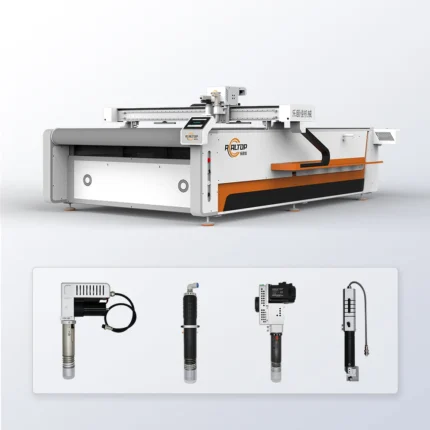
| Tool Head Options | Oscillating knife, pneumatic knife, high-power vibrating knife, circular knife, V cutting knife, drag knife, creasing wheel, dotted line knife, punching, brush |
| Visual Positioning | Small CCD camera mark point positioning, panoramic camera recognition positioning, projection positioning |
| Safety Device | Infrared sensors, anti-collision and emergency stop devices |
| Control Panel | Touch screen, multiple languages supported |
| Instruction System | HP-GL compatible format |
| Software | Auto typesetting software, supports PLT, DXF, AI formats |
| Frame | Welded thick-walled seamless steel structure, high-temperature tempering, CNC machining center finish |
Application Suitability
| Application | Material or Output |
|---|---|
| Garment and footwear cutting | Woven fabric, non-woven fabric, shoe material, luggage material |
| Sofa upholstery and soft furnishings | Leather, PU, textile, carpet, sponge |
| Automotive interior trimming | Composite materials, EVA, XPE, foam board |
| Gasket and sealing pad production | Rubber, PTFE, ETFE, gasket material |
| Signage and advertising | PVC, sticker, film, corrugated cardboard |
| Packaging sample making | Cardboard, plastic box, fiberglass |
Why Burnt Edges Should Not Be an Afterthought
When synthetic textiles meet a laser beam, the heat seals the edge — but it also discolours, melts and releases fumes that require extraction infrastructure.
A sofa upholstery shop I worked with in Vietnam ran their standard polyester through a CO2 tube without issue. The moment they switched to coated Oxford fabric, the edges fused into hard ridges that cracked during stitching. Three days were lost recalibrating before we moved the job onto an oscillating knife line. For garments and technical textiles where edge integrity matters more than edge sealing, a CO2 laser cutting and engraving machine may not be the correct first choice. [NEED_CITE: thermal damage thresholds for coated synthetic textiles]
Knife Versus Laser — Choosing by Material, Not by Habit
Many buyers arrive asking for a CO2 laser cutting and engraving machine because they assume laser is the default for fabric. That assumption holds for acrylic signage or wood engraving, but coated textiles, multi-layer composites and foam laminates often perform better under blade cutting. No heat-affected zone means no edge discolouration, no melted fibres and no fume extraction ductwork to install.
When Laser Still Wins the Argument
Edge sealing on synthetics is where laser retains a clear advantage. Uncoated polyester, nylon and fleece fray quickly after blade cutting, and a laser beam melts a narrow seal that prevents unraveling. A fiber laser cutting machine handles sheet metal and tube that no knife system can touch. The correct decision comes from testing your actual material, not from category assumptions. [NEED_CITE: edge sealing requirements for synthetic woven and non-woven textiles]
What the Working Area and Vacuum Table Mean on the Floor
The 1600 × 2500 mm working area accommodates full-width fabric rolls commonly used in garment and automotive interior production. The magnesium-aluminum alloy vacuum table with fluorocarbon PVDF coating resists the adhesive residue that accumulates when cutting sticker and film materials. A 7.5 kW vacuum pump provides the suction needed to hold lightweight non-woven fabric flat — without it, thin textile lifts during high-speed passes and produces dimensional drift beyond the stated ≤ 0.1 mm repeated accuracy. The auto-feeding conveyor option, built with a Germany-imported belt, supports continuous roll-fed cutting for high-volume runs where manual sheet loading would bottleneck output.
What Happens When Configuration Is Decided After the Order
I have seen production lines stalled because the tool head was chosen based on a catalogue photo rather than a material sample. A drag knife works well on thin vinyl but tears through multi-layer sponge. A vibrating knife cuts clean through EVA foam but leaves ragged edges on woven fiberglass if the oscillation frequency is wrong. When vacuum table zoning does not match the cutting layout, small gasket pieces lift and shift, producing scrap that accumulates across an entire shift. [NEED_CITE: vacuum hold-down requirements for small-part nested cutting layouts]
Why This Machine Is Sourced From Here
In-house design covers both knife and laser cutting technologies, so the recommendation is based on material testing rather than pushing one technology. Tool head and table configuration are specified per material and production volume before an order is placed. CCD camera positioning, including panoramic recognition, is confirmed against your printed mark layout. Software compatibility with PLT, DXF and AI file formats is verified so your existing nesting workflow transfers without conversion errors. Voltage, plug type and control language are confirmed before shipment so the machine arrives ready to power on. Sample cutting on the buyer’s own material is completed before commitment, providing an edge quality report you can review.
Documentation & Verification
- Machine specification sheet confirming tool head and vacuum zone layout for your material
- Electrical schematic with 380 V ± 10 % confirmation and plug type for your market
- Sample cutting report on your actual fabric, leather or composite before commitment
- Software licence note confirming PLT, DXF, AI import and auto-typesetting compatibility
- CE declaration where applicable, verified against current machinery directive scope
- Factory test record covering repeated accuracy and cutting speed on your material
Installation, Commissioning & Support
- Dedicated 380 V circuit with capacity for 9 kW rated power plus 7.5 kW vacuum pump
- Floor space of at least 3450 × 2300 mm plus operator access on three sides
- Machine ships with frame assembled; table and conveyor require on-site alignment
- First-run parameter setting covers knife oscillation frequency, vacuum zone selection and cutting speed
- Touch screen control panel configured in your language — English, Russian, Italian or custom
- Spare parts list identifies consumable knife blades, vacuum seals and belt segments
What We Need to Move Forward
Share the specific material type, thickness and maximum sheet or roll width you plan to cut. Confirm your daily volume and whether you need the flat table or the auto-feeding conveyor for continuous roll processing. Let us know your local voltage standard and the control language your operators require so the configuration is locked before production begins.
Frequently Asked Questions
Q: How do I decide between knife cutting and laser for my fabric?
A: Coated textiles, foam laminates and multi-layer composites generally cut cleaner with an oscillating knife because there is no heat-affected zone. Uncoated synthetics that fray easily benefit from laser edge sealing. We run a sample cut on your actual material and provide an edge quality report so the decision is based on evidence, not assumption.
Q: Can the CCD system track printed marks at full production speed?
A: The system offers small CCD mark point positioning and panoramic camera recognition. Tracking accuracy at your specific translational velocity depends on print contrast, mark size and lighting conditions. We test with your printed material and confirm recognition reliability before the order is finalized.
Q: Is vacuum suction sufficient for small nested parts?
A: The magnesium-aluminum alloy table with a 7.5 kW pump provides multi-zone adsorption. Small gasket or pattern pieces require zone layout matched to your nesting file. Share your typical nesting layout and we confirm zone configuration against your part size distribution.
Q: Will the software accept my existing design files?
A: The auto-typesetting software imports PLT, DXF and AI formats via an HP-GL compatible instruction system. If your workflow uses a proprietary format or a third-party nesting engine, share a sample file and we verify import fidelity and nesting output before commitment.


Related products
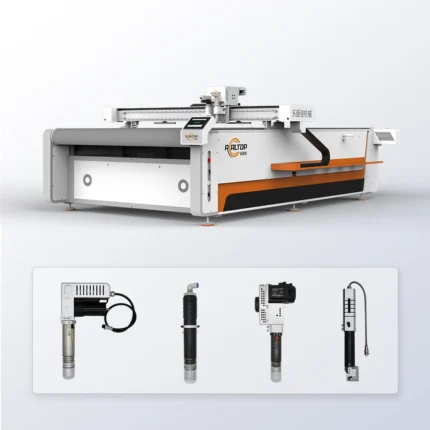
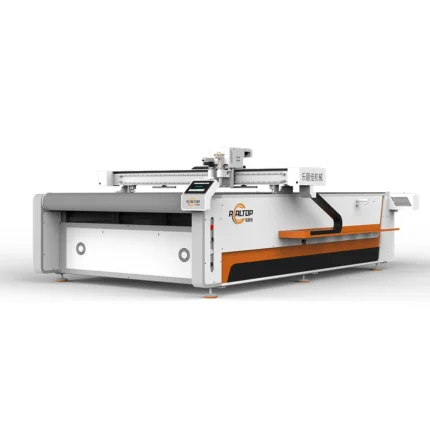
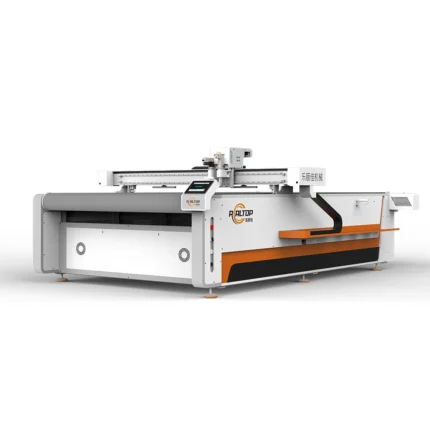
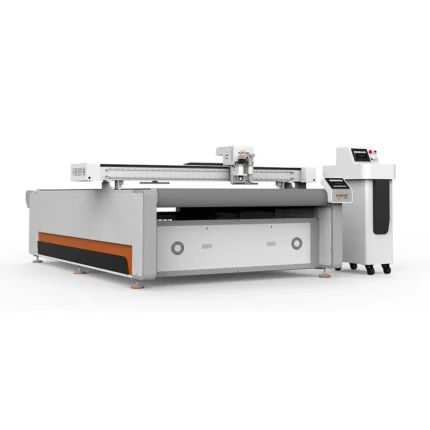
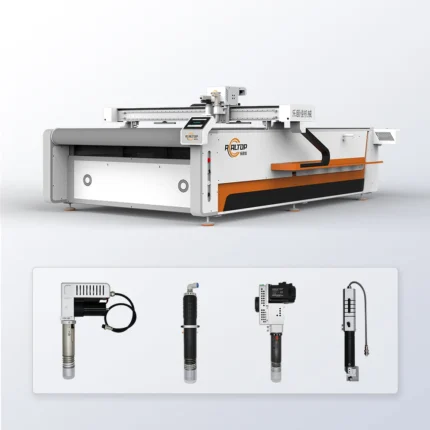
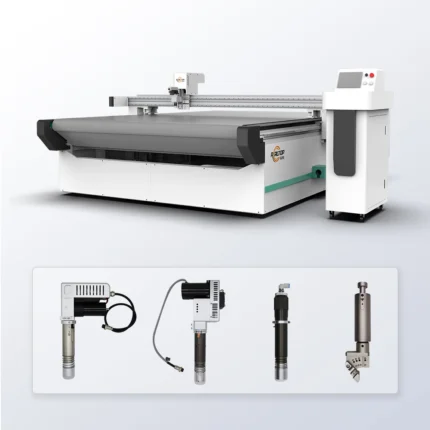
2026 Auto CNC Cloth Cutting Machine High-Precision Fabric Leather Plotter
Product Introduction
2026 Auto CNC Cloth Cutting Machine, a high-precision fabric & leather plotter designed for efficient cutting. Ideal for textile and leather industries with advanced CNC technology.
Key Specifications
| Model | Auto CNC Cloth Cutting Machine 2026 |
| Application | Fabric & Leather |
| Precision | High-Precision Cutting |
| Type | CNC Plotter |
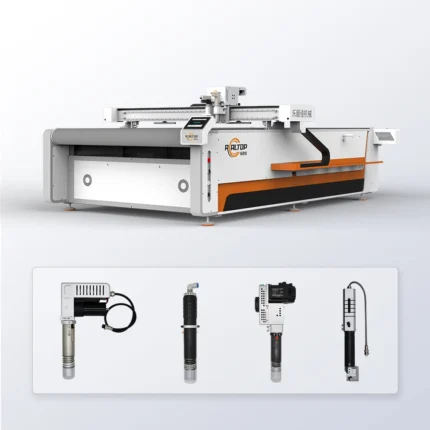
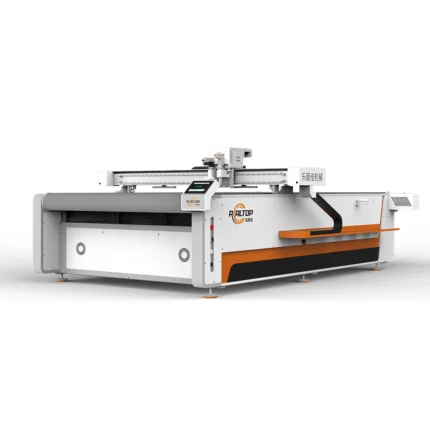
Automatic Fabric Cutting Machine 1200mm Delta Servo 2026
Product Parameters
| Cutting Width | 1200mm |
| Servo System | Delta Servo |
| Model Year | 2026 |
Introduction
High-performance Automatic Fabric Cutting Machine with 1200mm cutting width, equipped with Delta Servo for precision. Ideal for efficient fabric processing in textile industry, ensuring accurate and fast cutting operations.

Jinan Realtop PVC Cutting Machine 2026 CE Certified
Product Introduction
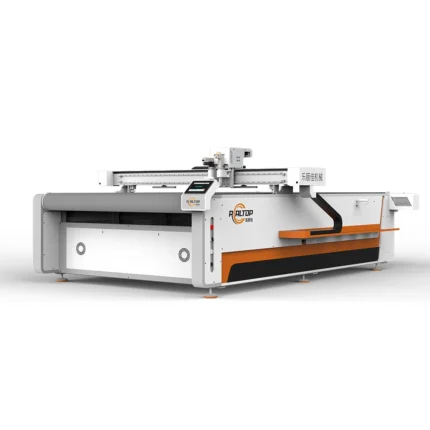
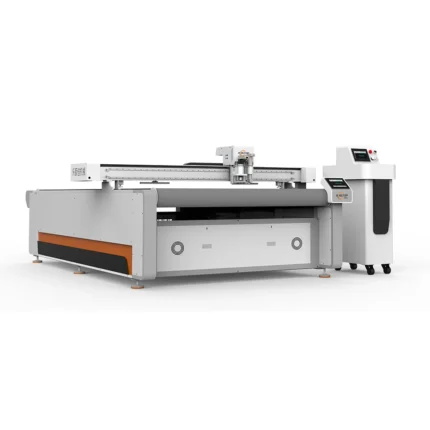
Jinan Realtop PVC Cutting Machine 2026 is a CE-certified cutting solution, ideal for precise PVC material processing. Designed for efficiency and reliability in industrial applications.Product Parameters
| Model | 2026 |
| Certification | CE Certified |
| Application | PVC Cutting |
| Manufacturer | Jinan Realtop |
商品评价
There are no reviews yet.