

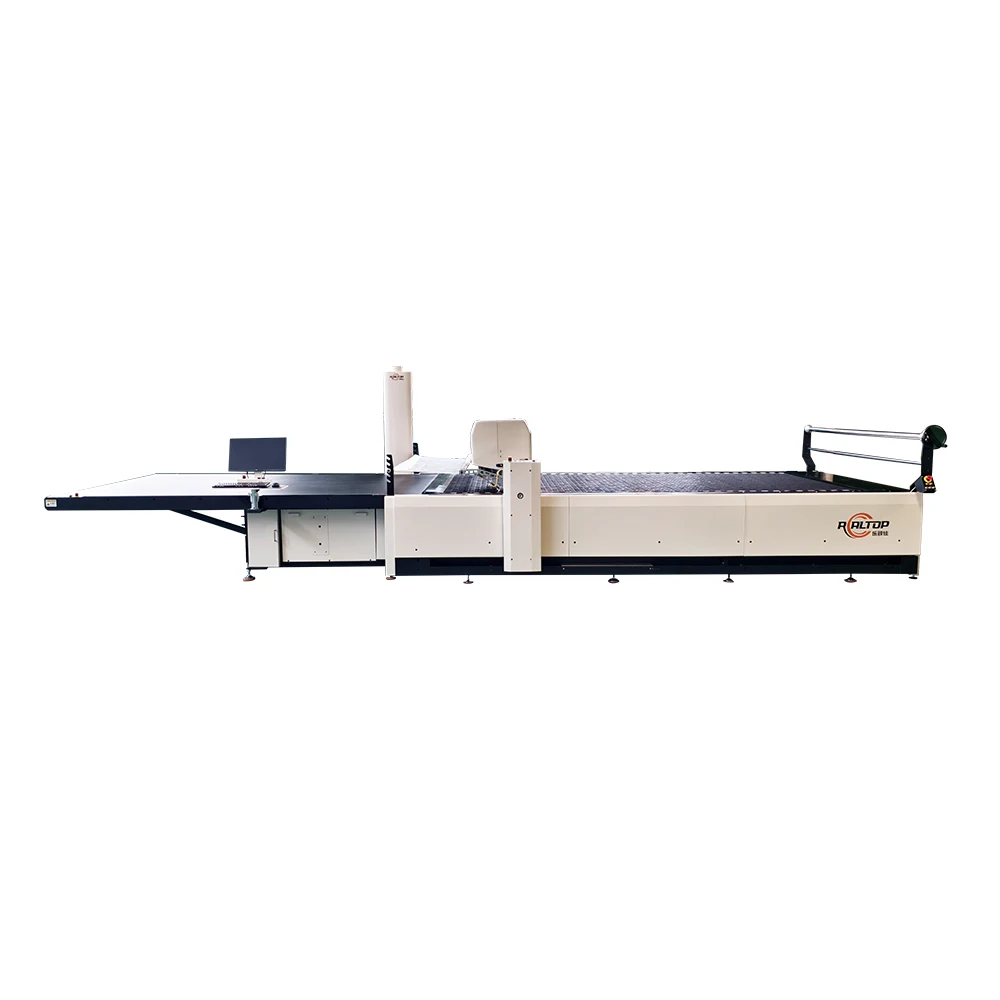
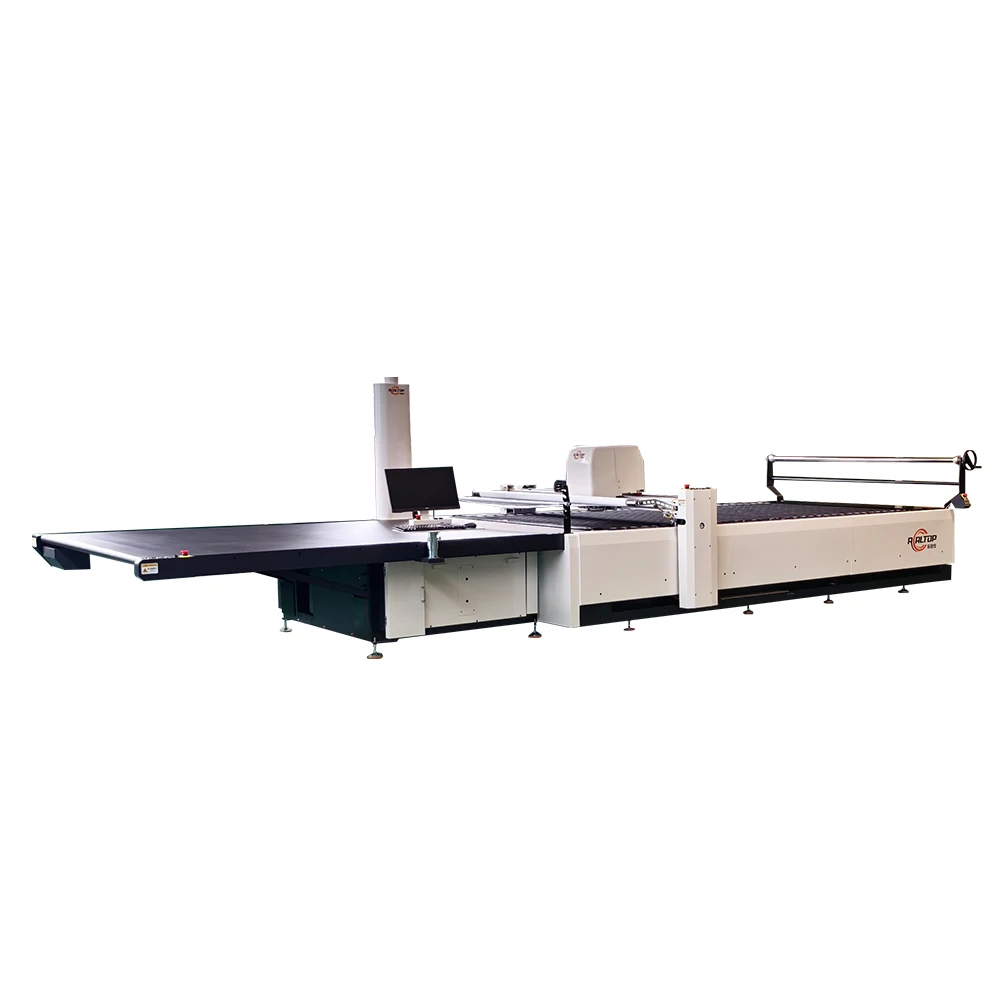



Fabric Sofa CNC Cutting Machine for Garment – Industrial Application
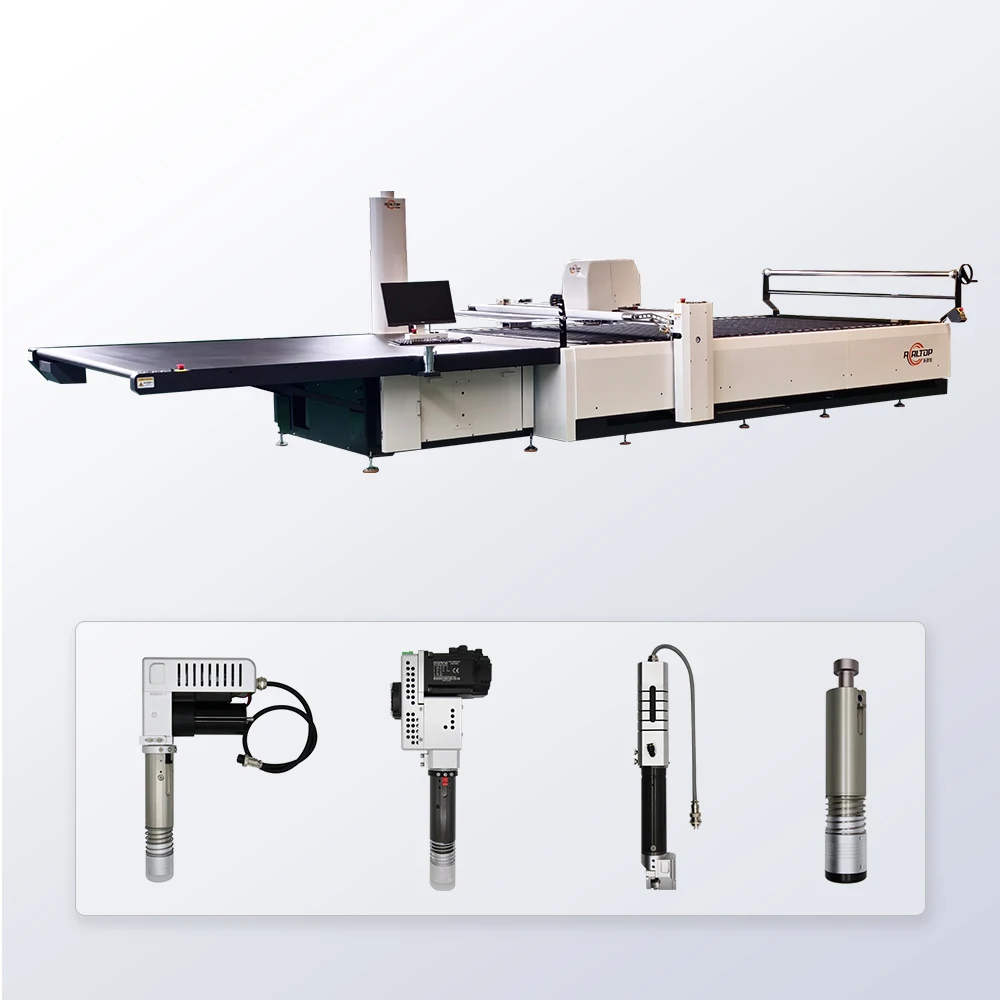
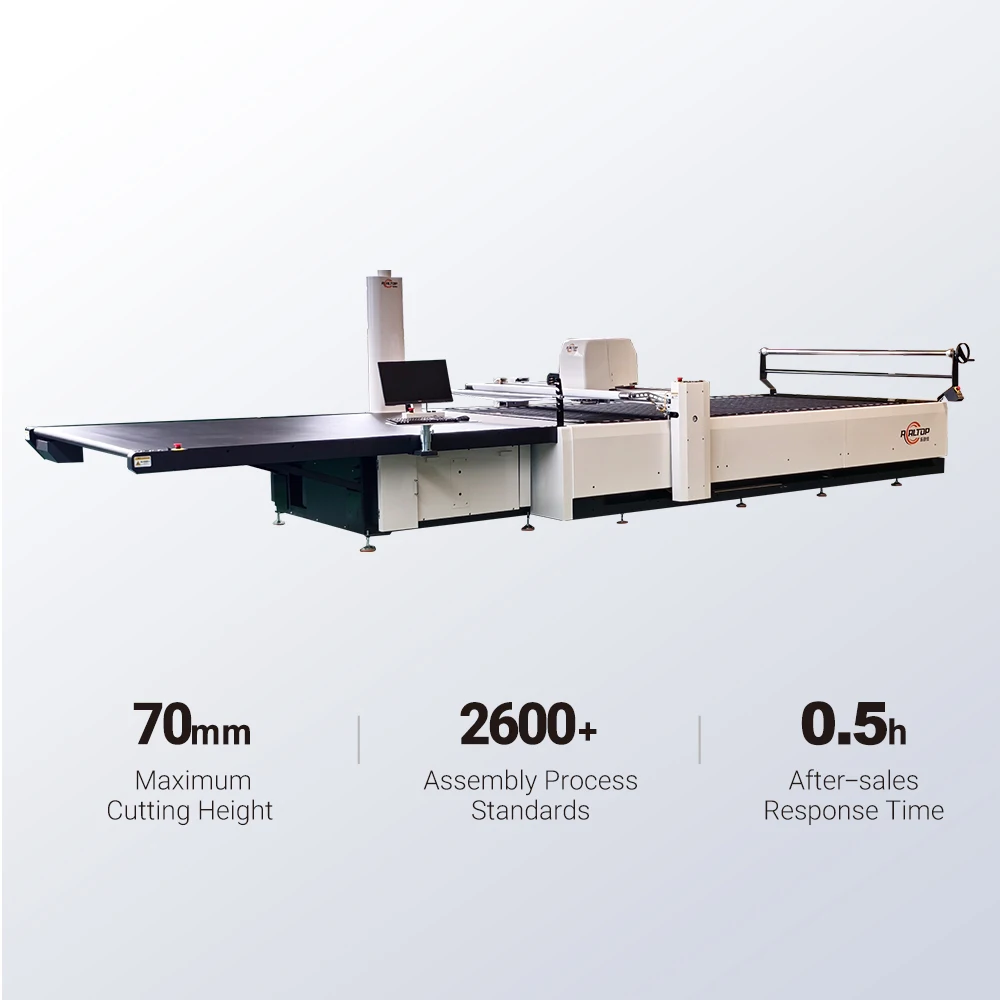
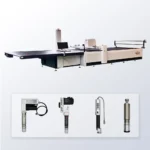
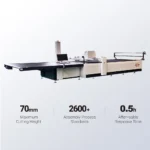
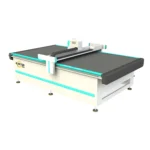
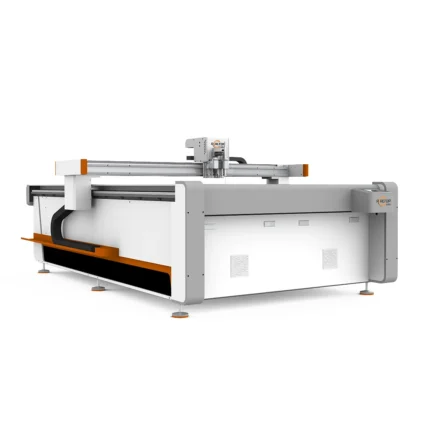
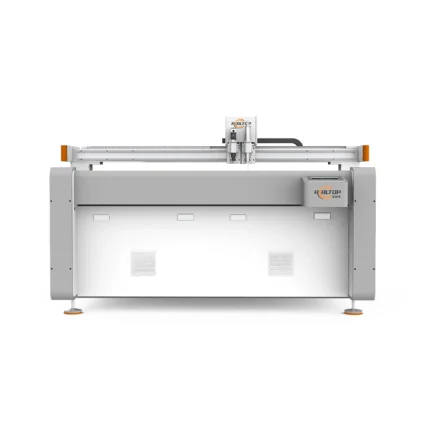
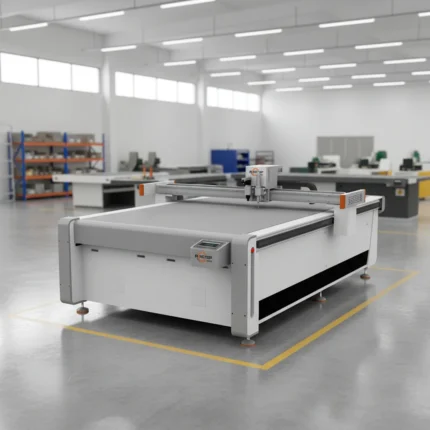
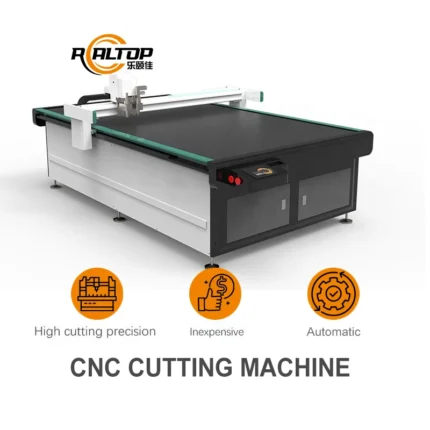
CNC Oscillating Knife Cutting Machine, 2000×1700mm to 3300×2300mm Working Area, 70mm Cutting Thickness — configured for single-ply and multi-ply fabric cutting in garment, home textile and sofa production. Laser versus knife method matched to your fabric weight and density, with vacuum zoning, CCD contour recognition and tool head selection verified against your actual material before order. Intelligent nesting supports DXF, PLT, AI and PDF workflows with automatic defect avoidance. Sample cutting report provided on your own material, confirming edge quality, speed and thickness capacity before commitment.
In-house design team matching tool head to fabric weight — every oscillating knife and vacuum zoning layout is specified against your actual roll stock before the build order is released.
Technical Specifications
| Parameter | Value |
|---|---|
| Product Type | CNC Oscillating Knife Cutting Machine |
| Working Area (L×W) | 2000×1700 mm / 2000×1900 mm / 3300×2300 mm |
| Max Operating Speed | 80 m/min |
| Average Cutting Speed | 12 m/min (basis to be confirmed on buyer fabric) |
| Cutting Thickness | Up to 70 mm after adsorption |
| Repeat Positioning Accuracy | ±0.1 mm |
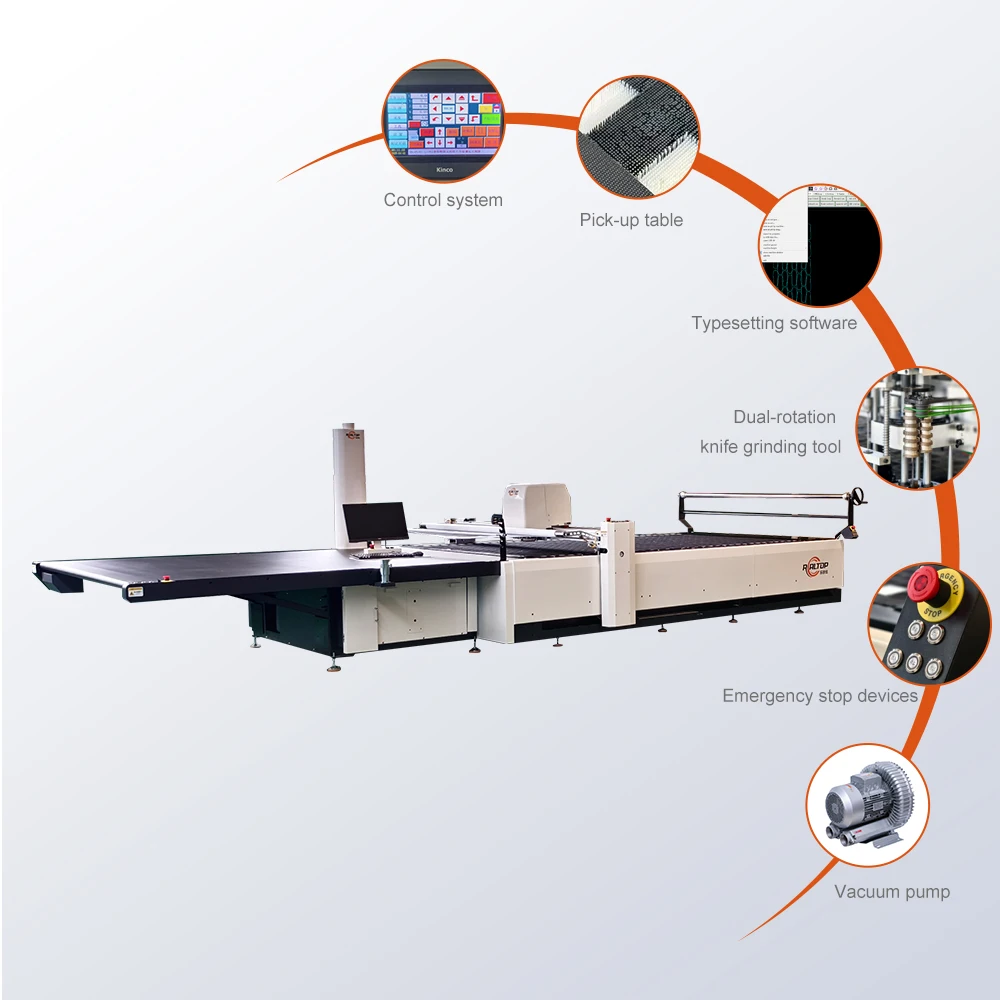
| Vacuum Table | Aluminum bellows vacuum table |
| Blade Grinding Method | Double rotary sharpener |
| Control System | PLC control panel |
| Servo Drive Options | Panasonic / Delta / Dorna (confirm availability at order) |
| Voltage & Frequency | 380V / 50Hz |
| Max Power | 26 kW (rated or peak to be confirmed at order) |
| Air Flow Volume | 160 L/min |
| File Formats Supported | DXF / PLT / AI / PDF |
| Interface Languages | English, Russian, Italian, Chinese, custom languages available |
| Nesting System | Intelligent nesting with automatic defect avoidance |
| Certification | CE (verify current declaration at order) |
Application Suitability
| Application | Material or Output |
|---|---|
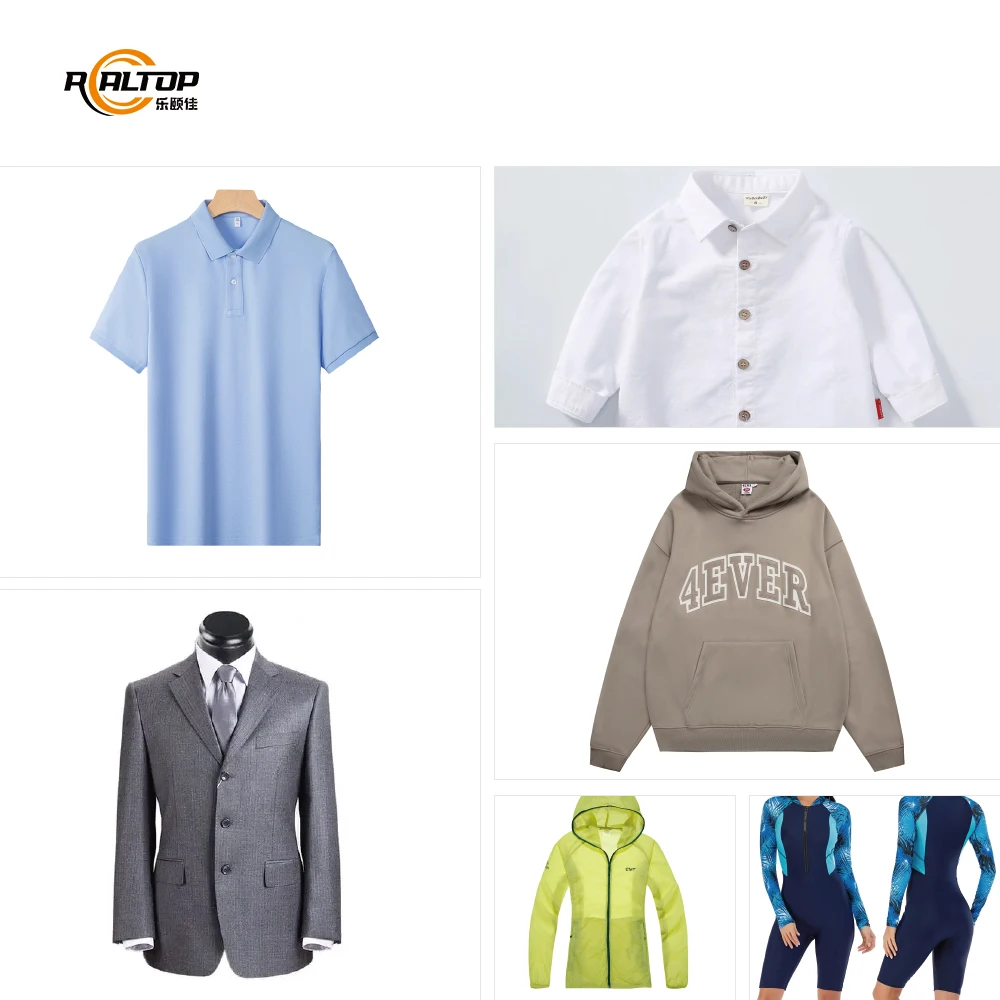
| Suit and knitwear cutting | Single-ply wovens, knits, lace with pattern-matching |
| Sofa and upholstery fabric cutting | Heavy woven textiles, plush, velvet in single or low-ply lays |
| Curtain and home textile production | Wide-width drapery fabrics, blackout linings, rug substrates |
| Multi-layer lay-up cutting | Compressed stacks of knit or woven fabric up to 70 mm after vacuum adsorption |
| Contour and printed panel cutting | Sublimated or screen-printed textiles requiring CCD registration |
Why "Cutting Thickness 70 mm" Means Less Than You Think
Actual usable depth depends entirely on how much your fabric compresses under vacuum. A CNC oscillating knife cutting machine specifications sheet that lists a single thickness figure without material context leaves buyers exposed. I once watched a customer order a single-ply digital cutter rated for 70 mm, then try to run high-density bonded velour that barely compressed at all — the blade stalled halfway through the lay. The machine was not at fault; the specification had simply been read as a universal promise rather than a conditional ceiling. [NEED_CITE: vacuum compression behavior across textile densities]
Blade and Tool Head Selection for Fabric Weight
Matching the oscillating knife to the actual GSM and weave structure of your roll stock is the first configuration decision on any fabric cutting table. A light knit requires a high-frequency, low-amplitude stroke to avoid pulling the yarn, while a 600 GSM sofa velour needs a slower, deeper oscillation to shear the pile cleanly. The double rotary sharpener on this unit keeps the blade edge consistent through long runs of abrasive synthetic blends, which matters when edge fraying on upholstery panels means re-cutting entire sections. Choosing how to choose fabric cutting machine tooling starts with a sample of your heaviest and lightest SKU running through the same head.
Vacuum Zoning and Small Part Hold-Down
The aluminum bellows vacuum table divides the working area into zones so that suction concentrates under the active cutting region rather than bleeding across the full bed. This is critical when cutting small garment pieces — collar panels, pocket flaps, sleeve cuffs — where a full-table vacuum would leave edges lifting mid-stroke. On a 2000×1900 mm working area, zoning lets the operator run a nesting layout that mixes large sofa panels and small cushion pieces without repositioning the fabric between cuts. [NEED_CITE: vacuum table zoning standards for textile cutting]
Decoding the Speed and Accuracy Numbers
The 80 m/min max operating speed represents rapid traverse between cut paths, not the speed at which the blade actually shears fabric. The average cutting speed of 12 m/min is a more realistic planning figure, though this shifts depending on contour complexity and lay height. Repeat positioning accuracy of ±0.1 mm means pattern-matching on striped sofa fabric or aligning a CCD-contour read against a printed registration mark stays within acceptable tolerance for upholstery assembly. The 160 L/min air flow volume feeds the pneumatic knife actuation and vacuum ejectors simultaneously; if your site compressor cannot sustain that flow, the vacuum hold-down degrades and edge quality follows. Intelligent nesting with automatic defect avoidance reads fabric flaws from the scan and routes cut paths around them, which preserves yield on expensive printed textiles. The PLC control panel keeps parameter recall straightforward for operators who switch between fabric types across shifts.
What Happens When the Tool Head Is Wrong
A drag knife dragged through a loose-weave chenille will pull loops and leave a ragged edge that no downstream sewing operator can hide. An oscillating knife set to the wrong stroke amplitude on thin lace will either skip fibers or punch through the conveyor belt underneath. I have seen entire sample rooms shut down because the buyer assumed a single blade type could cover their full material range, only to discover crushed pile on one end and uncut threads on the other. The fix is never a software patch — it is a physical tool swap that could have been specified before the machine left the factory. [NEED_CITE: tool head material compatibility matrices for textile cutting]
Why Source This Configuration Here
The design team specifies oscillating knife type, stroke frequency and vacuum zone count against your submitted fabric samples rather than shipping a default package. CCD camera contour recognition is added only when your workflow actually involves printed panels, keeping the build lean when it is not needed. Software compatibility is confirmed against your existing DXF, PLT, AI or PDF nesting files before the order is locked. Voltage, plug type and control panel language are matched to the destination workshop so the machine runs on day one without transformer improvisation. Every unit undergoes a factory test on the buyer’s own material with a cutting report before dispatch.
Documentation & Verification
- Machine specification sheet listing confirmed tool head and vacuum zone layout
- Electrical schematic with voltage and frequency matched to your site supply
- Sample cutting report on your fabric showing edge quality and achieved speed
- Software licence and file format compatibility note for DXF/PLT/AI/PDF workflows
- Factory test record with photos and cut-sample reference before crating
- Spare parts list covering blades, sharpening stones and vacuum seals
Installation, Commissioning & Support
- 380V/50Hz dedicated circuit with verified earth continuity before the 26 kW load is applied
- Level concrete floor capable of supporting the 3300×2300 mm frame footprint plus operator clearance
- Aluminum bellows vacuum table sections bolted and sealed on-site to prevent suction leaks
- PLC control panel language set and nesting software licensed during first-power commissioning
- Double rotary sharpener calibrated and blade change procedure demonstrated to operators
- Preventive maintenance schedule covering vacuum filter cleaning and servo drive inspection intervals
What We Need From You to Quote Accurately
Send a roll sample of your heaviest and lightest fabric along with the typical lay height you plan to run. Tell us your daily panel count target and the nesting file format your pattern room currently exports. Confirm the available supply voltage and frequency at your facility so we can specify the transformer and motor rating before production begins.
Frequently Asked Questions
Q: How is cutting thickness verified against my specific fabric type and lay height?
A: We ask you to ship a sample of your actual roll stock. Our team runs it through the vacuum table, measures compressed thickness under adsorption, and records whether the oscillating knife shears cleanly at that density. The resulting sample cutting report states the achieved depth and edge condition so you know the capacity before committing.
Q: Which tool head is specified for my material and what edge quality should I expect?
A: The tool head is chosen after we test your fabric. A light knit gets a high-frequency oscillating knife to prevent yarn pull, while dense sofa velour receives a slower, deeper stroke. The sample report documents the edge finish so you can judge whether it meets your sewing or assembly requirements.
Q: Does the software import my existing DXF, PLT, AI and PDF files?
A: We test your actual nesting files on the system before order confirmation. The intelligent nesting module with automatic defect avoidance reads all four formats, and we supply a compatibility note listing any file preparation steps needed on your side.
Q: Can I send my material for sample cutting before committing to the order?
A: Yes. The sample cutting step is standard in our sales process. You send your fabric, we run it on the configured machine, and you receive a report with cut samples, edge photos and measured speed before any production order is placed.


Related products

Automatic CNC Oscillating Knife Packaging Cutting Machine
1625 CNC Oscillating Knife Packaging Cutting Machine, 1600×2500mm, ≤40mm Cutting Depth — configured for corrugated cardboard, foam and packaging material prototyping. Multiple tool heads including oscillating knife, creasing wheel and milling cutter let you match the tool to each material instead of forcing one method. Aluminum honeycomb vacuum table with 9KW pump holds small parts flat during cutting. - Sample cutting on your own material available before commitment, with tool head and voltage customization confirmed before shipment.
CNC Oscillating Knife Cutting Machine 1625 for Packaging – OEM Available
RT-D2516/RT-S2516 CNC Oscillating Knife Cutting Machine, 1600×2500 mm working area, 9 kW rated power, supports cardboard, corrugated board, foam and composite packaging materials with oscillating knife, creasing wheel and V-cutting tool heads.
- Magnesium-aluminum vacuum table with PVDF coating and 7.5 kW pump; CCD mark point or panoramic camera positioning optional for printed contour cutting.
- Digital servo drive with ≤0.1 mm repeatability; HP-GL compatible control accepts PLT, DXF and AI files for packaging sample nesting workflows.
Sample cutting on buyer's own material is provided before commitment, with tool head and vacuum zoning configuration specified per material type and production volume.

CNC Oscillating Knife Cutting Machine for Packaging – Manufacturer
1625 CNC Oscillating Knife Cutting Machine, 1600×2500mm working area, ±0.1mm accuracy — configured for packaging sample and non-metal processing.
- Tool heads: oscillating knife, driven rotary, creasing wheel, kiss cutting, pneumatic, milling, V-groove, matched to corrugated, foam, PVC and composites
- 9kW vacuum pump with aluminum bellows table for small-part hold-down at up to 1500mm/s cutting speed
- Dedicated packaging structure design software, PLT/DXF/AI/PDF import, multi-language PLC control
CO2 laser power verified at continuous rating — not peak — with a cutting test on your material before order, ensuring real depth on acrylic, wood and textile.


CNC Pizza & Cake Box Corrugated Cutting Machine – for Industrial Application
CNC Pizza & Cake Box Corrugated Cutting Machine, 1600×2500mm Working Area, ±0.1mm Accuracy — configured with oscillating knife, creasing wheel and V-groove tool heads matched to corrugated flute type and board weight. Aluminum bellows vacuum table ensures full-surface adsorption, preventing material lift during high-speed cutting of E-flute, B-flute and BC-flute boards. Dedicated packaging design software supports PLT/DXF/AI/PDF import for die-free sample making and short-run production.
- Sample cutting on buyer's own corrugated material before order confirmation
- Tool head and vacuum table configuration specified per material and production volume
- Voltage, plug and control language verified against target market requirements

Corrugated Packaging CNC Cutting Machine – Specifications
RT-D2516/RT-S2516 CNC Oscillating Knife Cutting Machine, 1600×2500mm Working Area, 9kW, Vacuum Table — engineered for corrugated packaging, carton sample making, and sticker contour cutting across non-metal substrates.
- Swiss imported oscillating knife with full-cut and half-cut modes for crease-and-cut workflows
- Taiwan Delta servo drives and Hiwin linear rails deliver ≤0.1mm repeatability
- Aluminum honeycomb vacuum platform with 7.5kW pump for stable hold-down at 800–2000mm/s translational speed
- HP-GL compatible, multi-language control interface
CO2 laser seals synthetic edges but cannot crease card stock — this oscillating knife system handles corrugated, foam board, and flexible materials where blade cutting outperforms thermal processes. Sample cutting on your material available before order confirmation.
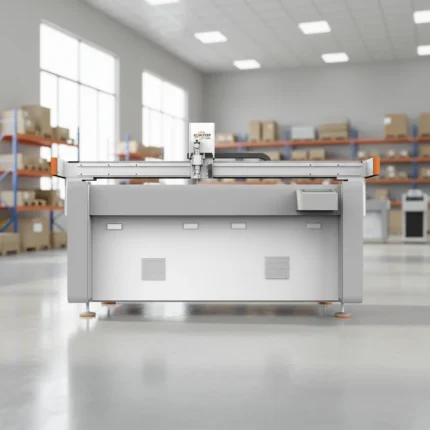
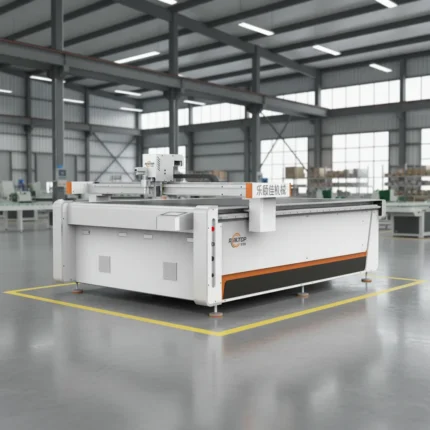
High Speed CNC Vibrating Knife Cutter for Corrugated Box & Cardboard – Manufacturer
RT-D2516/RT-S2516 CNC Oscillating Knife Cutting Machine, 1600×2500mm Working Area, 9kW — configured for corrugated box and cardboard sample making with oscillating knife, creasing wheel and V-cutting tool heads. Translational velocity reaches 800–2000mm/s with ≤0.1mm repeatability, while the aluminum air box vacuum platform ensures uniform hold-down across full sheets. - Multi-tool head handles full-cut, half-cut and creasing in a single pass for packaging workflows. - Supports PLT, DXF and AI file import with auto typesetting software for nesting efficiency. - Sample cutting on your own material before order commitment ensures the configuration matches your exact board grade and thickness.
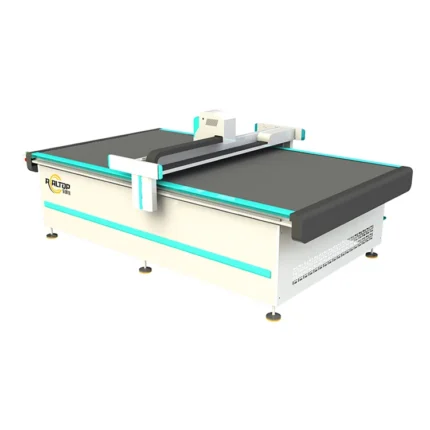
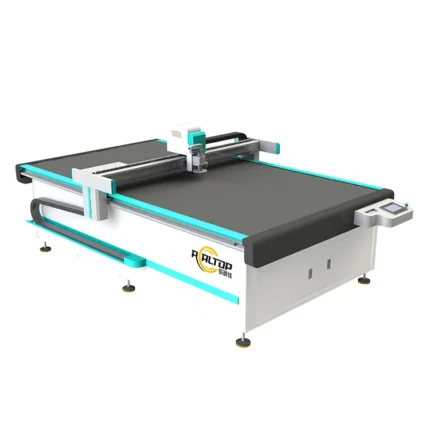
Industrial Application CNC Knife Cutting Machine for Non Woven Bag
RT-D2516/RT-S2516 CNC Oscillating Knife Cutting Machine, 1600×2500mm Working Area, 7.5kW Vacuum Pump — engineered for soft material processing with Swiss-imported multifunctional knife head delivering full cut, half cut, and cursor location in one setup.
- Japanese Yaskawa servos and Taiwan Hiwin linear rails ensure ≤0.1mm repeated accuracy across fabrics, leather, and sponge composites
- Auto-feeding conveyor with HP-GL compatible control supports continuous roll-to-roll nesting workflows
- Infrared safety sensors and 380V±10% power system configured for industrial environments
We match tool head and vacuum table zoning to your specific material thickness and part geometry — with sample cutting on your own stock confirmed before order.
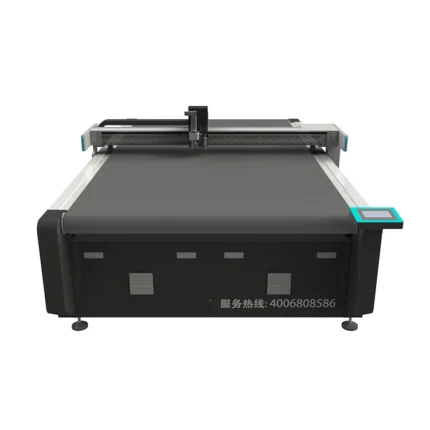
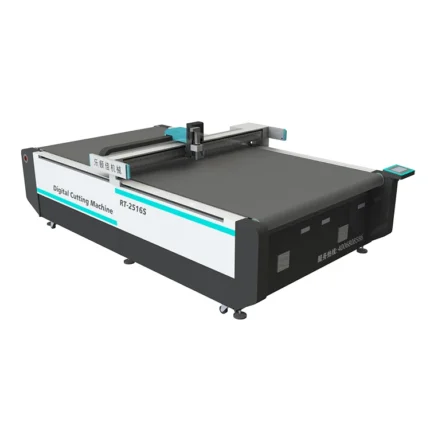
Realtop 2026 Sofa Cover Cutting Machine Oscillating Knife Cutter
Product Introduction
Realtop Sofa Cover Cutting Machine 2026 is an oscillating knife textile fabric cutter designed for precise sofa cover production. Ideal for textile fabric cutting with efficiency and accuracy.Product Parameters
| Model | 2026 |
| Type | Oscillating Knife Cutter |
| Application | Textile Fabric |
| Target Product | Sofa Cover |
商品评价
There are no reviews yet.