

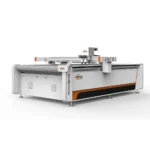

Flatbed Digital Cutting Machine for Packaging – Factory Supply
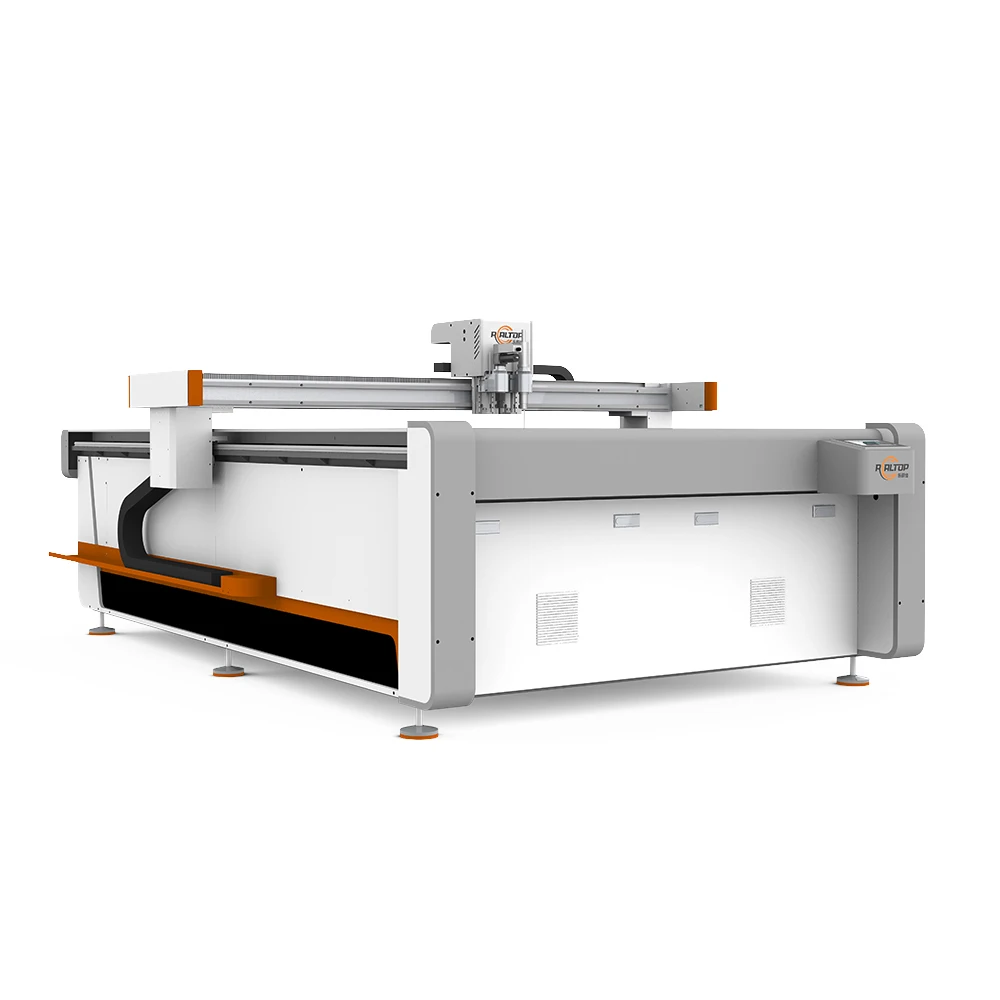
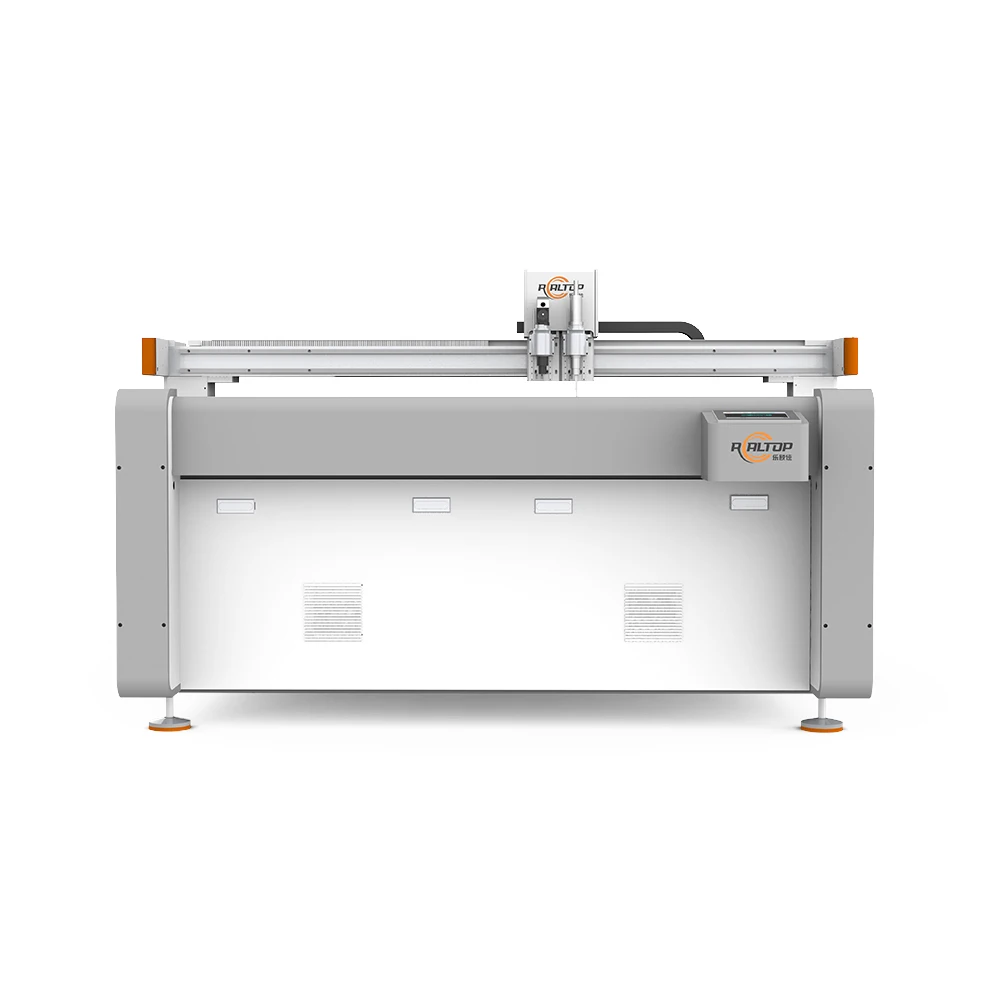
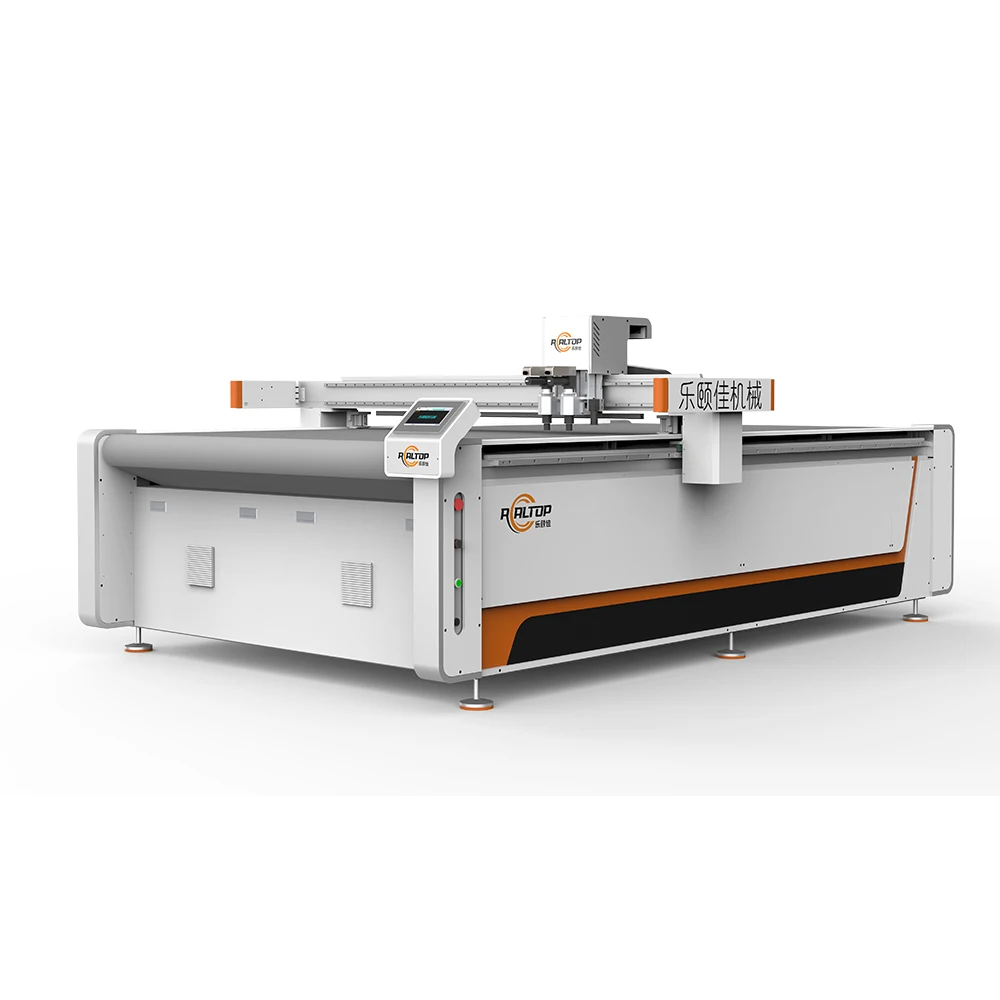
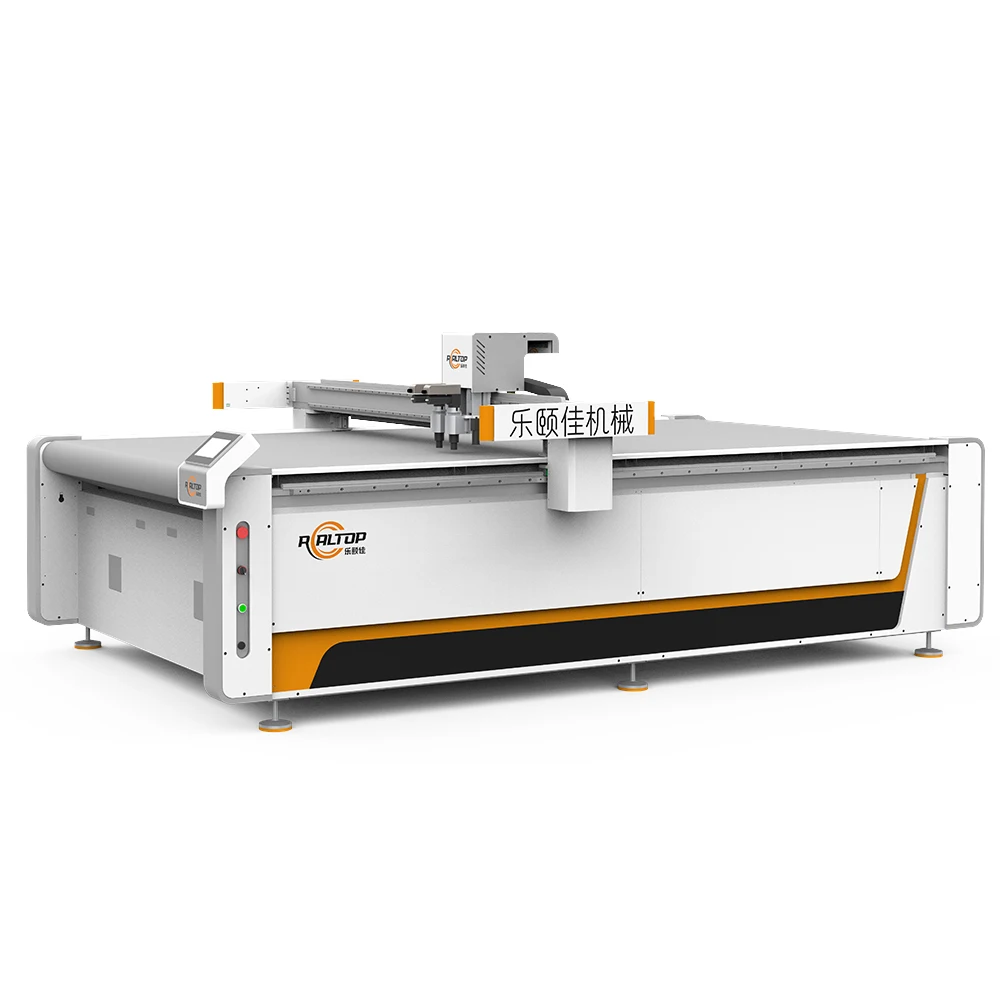
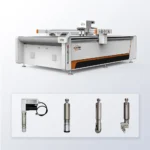
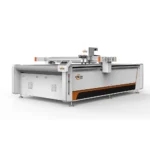
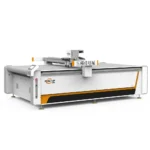
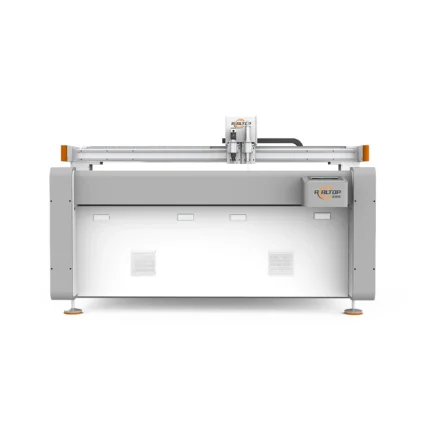
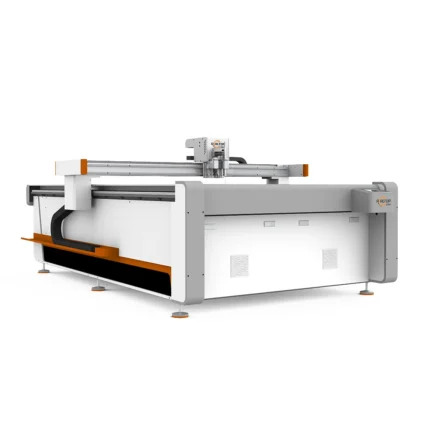
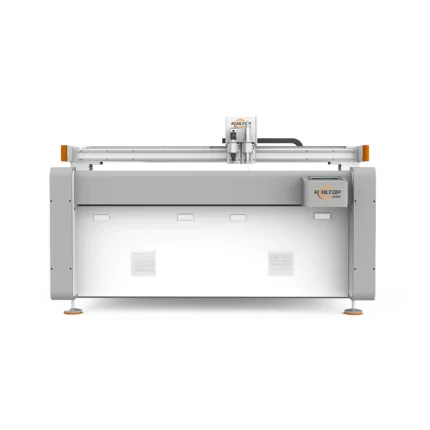
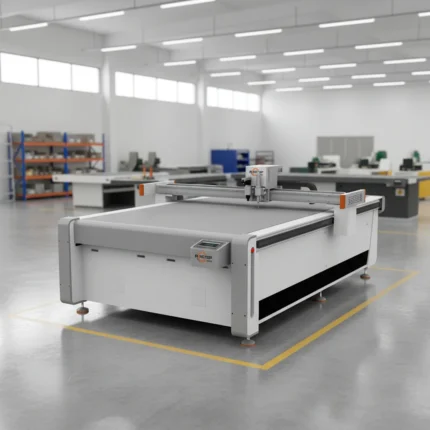
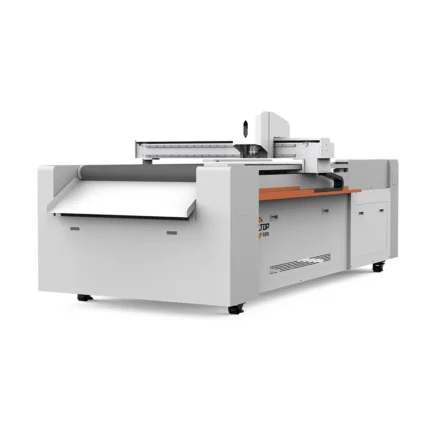
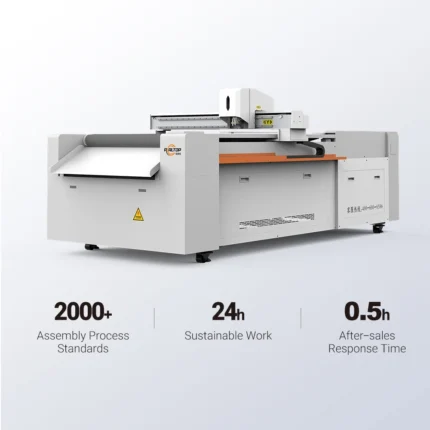
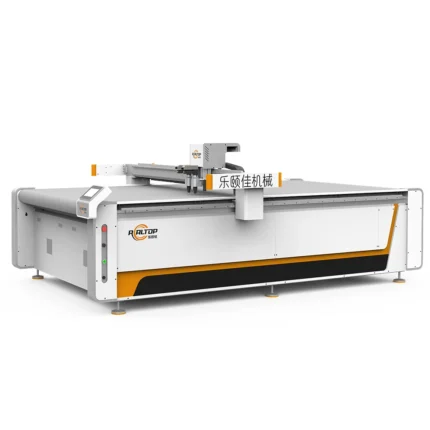
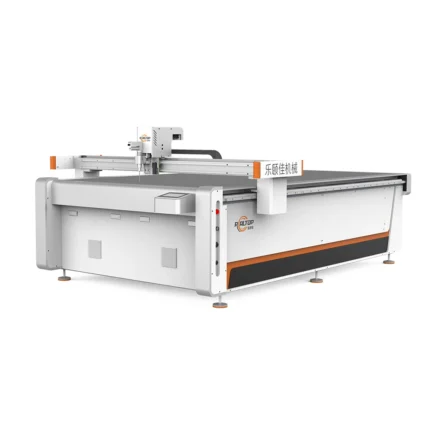
Realtop 1625 (STD) Packaging CNC Cutting Machine, 1600×2500mm, ±0.1mm Accuracy — engineered for packaging sample making and multi-material processing without die-cut molds.
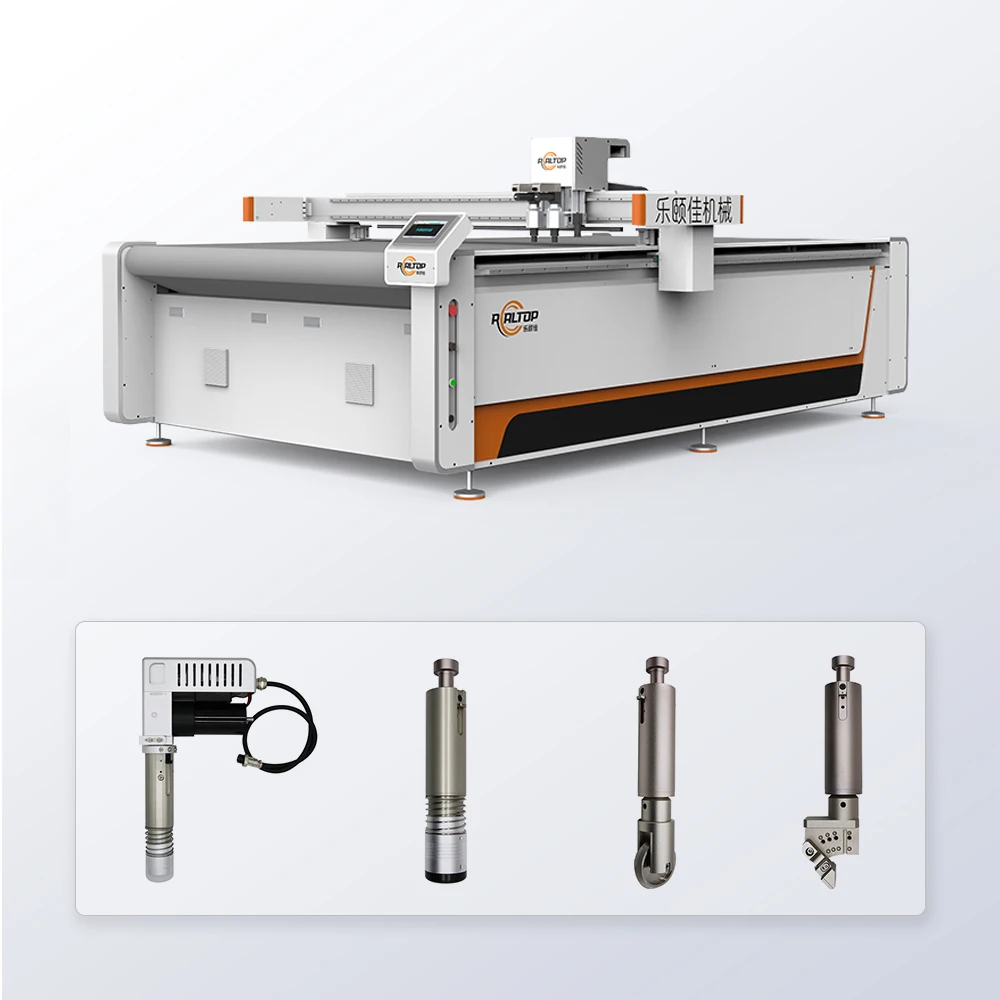
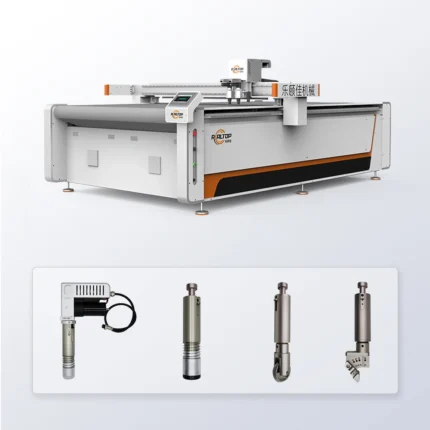
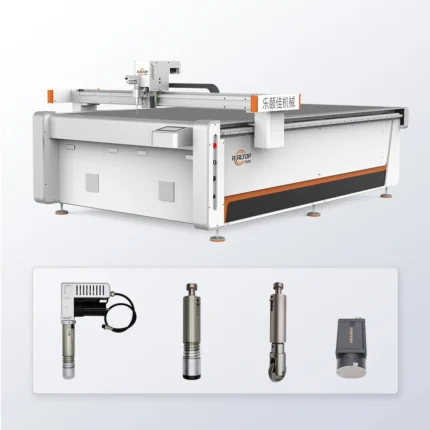
- Seven interchangeable tool heads including oscillating knife, creasing wheel, and V-groove for material-specific edge quality
- Aluminum bellows vacuum table with 9KW pump holds small parts flat during high-speed cutting
- PLC control with dedicated packaging structure design software, supporting PLT/DXF/AI/PDF import
Sample cutting on your own material is completed before order commitment to verify thickness capacity and edge finish.
Tool Head Versatility — matching the cutting method to your exact packaging material eliminates the compromise of forcing one tool across every substrate.
Technical Specifications
| Parameter | Value |
|---|---|
| Model | 1625 (STD) |
| Product Type | CNC Oscillating Knife Cutting Machine |
| Cutting Area | 1600 × 2500 mm |
| Cutting Thickness Capacity | Up to 40 mm |
| Cutting Accuracy | ±0.1 mm |
| Maximum Cutting Speed | 0–1500 mm/s |
| Tool Head Options | Oscillating knife, Driven rotary knife, Creasing wheel, Kiss cutting tool, Pneumatic knife, Milling tool, V-groove knife |
| Vacuum Pump | 9 kW |
| Vacuum Table Surface | Aluminum bellows with full-surface adsorption |
| Control System | PLC control panel |
| Servo Motor Options | Panasonic, Delta, Dorna |
| Voltage Options | 110V, 220V, 380V |
| Compatible File Formats | PLT, DXF, AI, PDF |
| Safety Devices | Infrared sensor device and emergency stop device |
| Software | Dedicated packaging box structure design software |
| Language Options | English, Russian, Italian, Chinese, customizable |
| Machine Dimensions | 3300 × 2100 × 1350 mm |
| Certification | CE |
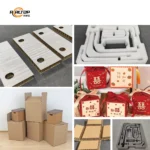
Application Suitability
| Application | Material or Output |
|---|---|
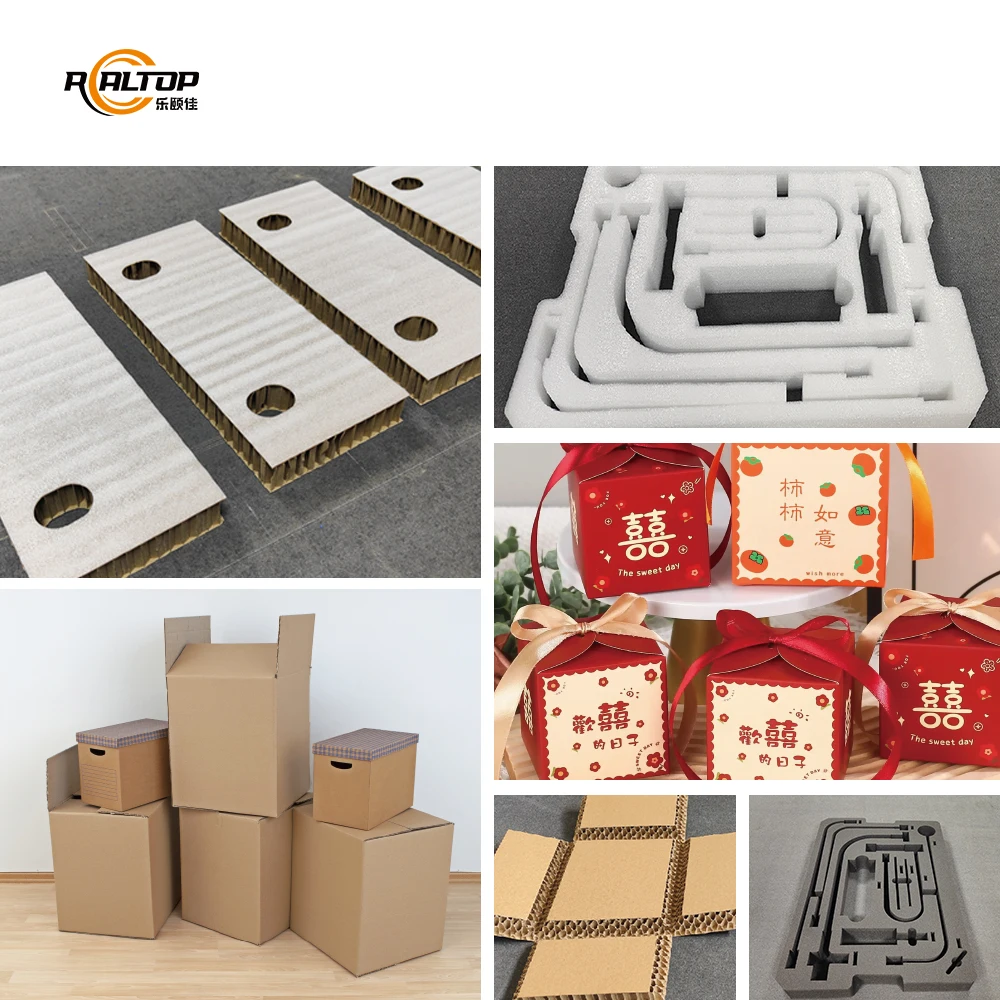
| Packaging sample making | Corrugated board, grey board, folding carton stock |
| Carton and box prototyping | Micro-flute, E-flute, B-flute corrugated sheets |
| Automotive interior components | Seat cover fabrics, carpet material, door panel composites |
| Furniture and home decor | Sofa upholstery fabric, cushion foam, curtain textiles |
| Footwear and luggage | Shoe uppers, insoles, luggage shell materials |
| Advertising signage and displays | Foam board, vinyl sheets, display substrates |
| Composite material processing | Carbon fiber prepreg, fiberglass mat, sound insulation foam |
Why Material Thickness Defines Your Configuration — Not the Other Way Around
A packaging buyer who specifies a flatbed digital cutting machine based on bed size alone will eventually discover that material thickness and composition dictate the real machine requirement.
Confirm the exact substrate stack-up before signing the specification sheet. I once supplied a carton sample cutting configuration based on a buyer’s stated grey board thickness, only to learn on commissioning day that their actual production run used corrugated stock two grades harder. The tooling produced torn edges and the line stopped. That machine had to be reconfigured from scratch while production waited. The laser cutting and engraving machine manufacturer you work with should always request physical samples before finalizing the tool head list. [NEED_CITE: common causes of cutting edge failure in corrugated board processing]
The 1625 (STD) addresses this by offering seven distinct tool options on one carriage, but choosing the right combination requires knowing your thickest substrate, your smallest internal radius, and whether creasing or kiss cutting enters the workflow. A 40 mm cutting depth capacity covers most packaging and foam materials, yet the oscillating knife frequency, the pneumatic knife stroke, and the creasing wheel diameter all shift depending on what actually runs across the vacuum table each day.
The Seven-Tool Carriage Approach
Having oscillating knife, driven rotary knife, creasing wheel, kiss cutting tool, pneumatic knife, milling tool, and V-groove knife available on a single machine means a packaging shop does not need separate stations for scoring, perforating, and through-cutting. Each tool head addresses a different failure mode: the oscillating knife handles thick corrugated without crushing the flute structure, the creasing wheel produces fold lines without penetrating the board, and the V-groove knife creates clean mitre joints for rigid box construction. Selecting the correct head for each material prevents the ragged-edge problem that plagues shops trying to push one blade through every substrate.
Vacuum Hold-Down for Small-Part Geometry
The aluminum bellows vacuum table paired with a 9 kW pump provides full-surface adsorption across the 1600 × 2500 mm working area. This matters most when cutting small packaging inserts, die-line samples, or intricate display components where a single corner lifting off the table ruins the cut and wastes the sheet. Zoning on the vacuum surface allows operators to concentrate suction in the active cutting region rather than bleeding suction across an empty bed. [NEED_CITE: vacuum hold-down requirements for small-part CNC cutting operations]
Reading the Specs That Actually Matter
The ±0.1 mm cutting accuracy figure only holds when the vacuum table keeps the material stationary, the servo motors maintain positional control at the programmed speed, and the blade deflection stays within tolerance for the chosen substrate. At the maximum 1500 mm/s cutting speed, a 40 mm thick corrugated sheet behaves differently than a 2 mm PVC film — the former demands slower traverse with higher oscillation frequency, while the latter requires a kiss cutting tool calibrated to the liner thickness. The PLC control panel stores these parameter sets so operators recall proven configurations rather than re-entering them for every repeat job. Servo motor selection among Panasonic, Delta, and Dorna options affects acceleration behavior and positional settling time, which becomes visible when cutting tight radii in rigid packaging board.
The Cost of Skipping the Sample Cut
When a buyer commits to a configuration without testing their actual material on the machine, the consequences arrive on the factory floor weeks later. A wrong tool head produces crushed flute structure in corrugated board, delaminated edges in composite foam, or incomplete kiss cuts that leave the backing paper scored. These defects force manual rework, waste material sheets, and delay downstream printing and folding operations. The financial loss compounds when the production line idles while waiting for replacement tooling or a service visit. [NEED_CITE: production downtime costs from incorrect CNC cutting configuration]
What Makes This Source Different for Packaging Buyers
The in-house design and production team covers both the knife cutting platform and the tool head engineering, so configuration decisions happen under one roof rather than being outsourced to third-party integrators. The 1625 (STD) arrives with software specifically built for packaging box structure design, meaning the file import chain from DXF or AI through nesting to machine output is validated before the machine ships. Voltage and control language customization — whether 110V with English interface or 380V with Russian menus — gets confirmed on the electrical schematic before production begins, not discovered during installation. The factory runs a cutting test on the buyer’s own supplied material before dispatch, so edge quality and dimensional accuracy are documented facts rather than brochure claims.
Documentation & Verification
- Machine specification sheet matching your confirmed tool head and table configuration
- Electrical schematic with voltage, plug type, and frequency locked before build
- Factory test record cutting your supplied material at production speed
- CE declaration applicable to your import jurisdiction
- Software license with file format compatibility note for your design workflow
- Spare parts list matched to your selected tool heads and consumables
Installation, Commissioning & Support
- Floor space allocation for the 3300 × 2100 × 1350 mm machine footprint with operator clearance
- Dedicated electrical circuit sized for the 9 kW vacuum pump plus servo and PLC load
- Assembled frame and table installation with vacuum line and pump connection
- First-run parameter tuning on your material using the PLC control panel memory
- Operator training on tool head changeover and packaging software nesting workflow
- Consumable blade and creasing wheel inventory sized to your weekly production volume
Before You Request a Quote
Share the exact material types and thicknesses you process, your typical sheet dimensions, and the smallest internal cut radius in your packaging designs. Specify your local voltage and frequency standard along with your preferred control interface language. If you have an existing design workflow built around specific file formats, let the laser cutting and engraving machine manufacturer confirm software compatibility before any commercial discussion proceeds.
Frequently Asked Questions
Q: How do I verify the cutting accuracy claim on my specific packaging material?
A: Request a sample cutting report produced on your own supplied substrate. The test documents edge quality, dimensional accuracy against your file, and achievable cutting speed for that material thickness. This report travels with the machine and serves as the baseline acceptance standard upon delivery.
Q: Which tool head should I use for corrugated board versus foam board?
A: Corrugated board typically requires the oscillating knife to cut through flute structure without crushing it, while foam board works well with the drag knife or oscillating knife depending on density. The creasing wheel handles fold lines on both. Your material samples determine the final tool head selection before the order is confirmed.
Q: Will the software work with my existing packaging design files?
A: The dedicated packaging box structure design software imports PLT, DXF, AI, and PDF formats. Before placing an order, submit a sample file from your current design workflow so the engineering team confirms file compatibility, nesting behavior, and toolpath generation accuracy on the 1625 (STD) control system.
Q: What voltage configurations are available, and when is this confirmed?
A: The machine supports 110V, 220V, and 380V configurations. Voltage, plug type, and frequency are confirmed on the electrical schematic during the specification review stage, before production starts. This prevents costly rewiring or transformer requirements when the machine arrives at your facility.
Q: What does after-sales technical support include once the machine is running?
A: Support covers installation guidance, operator training on tool head changeover and software operation, a spare parts list matched to your configuration, and remote troubleshooting through the PLC control panel. On-site service availability depends on your location and is confirmed during the order process.


Related products
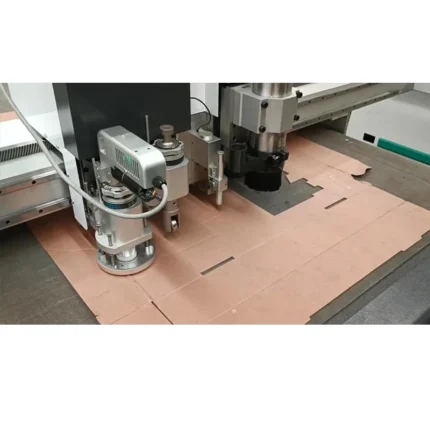
Automation CNC Pizza Box Machine 2026 Rotary Die Cutting
Product Parameters
| Type | Automation CNC Pizza Box Machine |
| Model Year | 2026 |
| Cutting Technology | Rotary Die Cutting |
| Operation | Automated CNC Control |
Introduction
This 2026 Automation CNC Pizza Box Machine features advanced rotary die cutting technology, ensuring precise and efficient pizza box production. With automated CNC control, it offers high productivity and accuracy for professional manufacturing needs.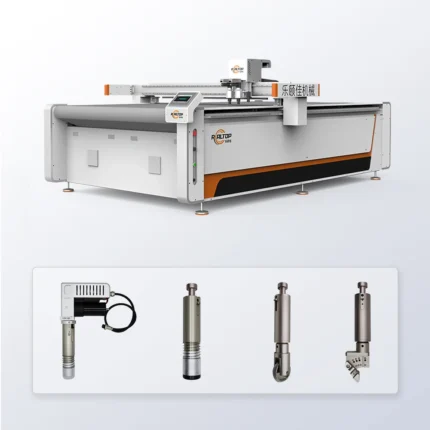
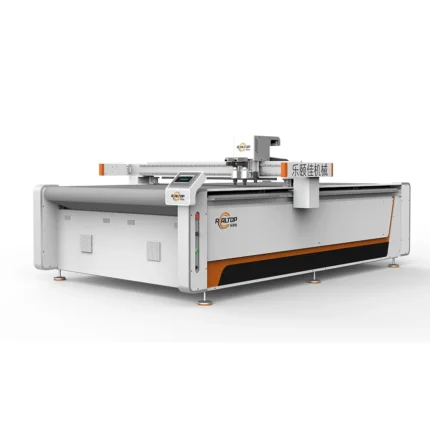
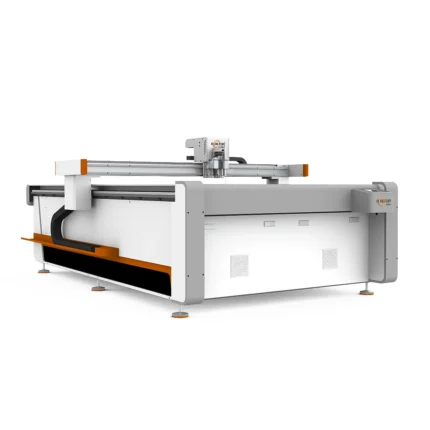
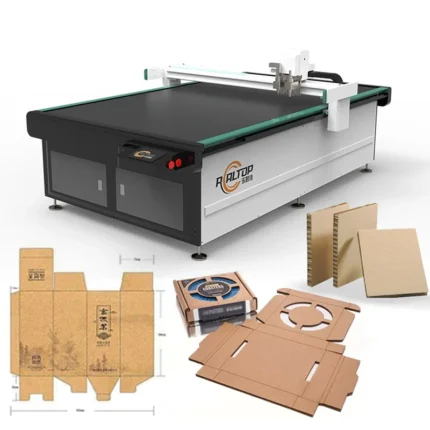
CNC Flatbed Cutter 2026 Digital Corrugated Box Making Machine
Product Introduction
High-precision CNC flatbed cutter designed for efficient cardboard box production. Ideal for 2026 digital corrugated box manufacturing, offering precise cutting and reliable performance for professional packaging solutions.
Key Specifications
| Type | CNC Flatbed Cutter |
| Application | Cardboard Box Production |
| Technology | 2026 Digital System |
| Material | Corrugated Board |

商品评价
There are no reviews yet.