

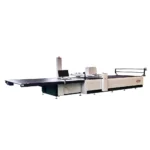
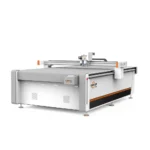
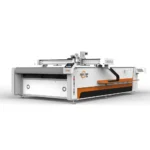
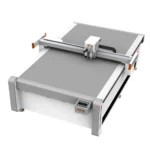
Flexible Material Cutting Machine for Gasket – Industrial Application
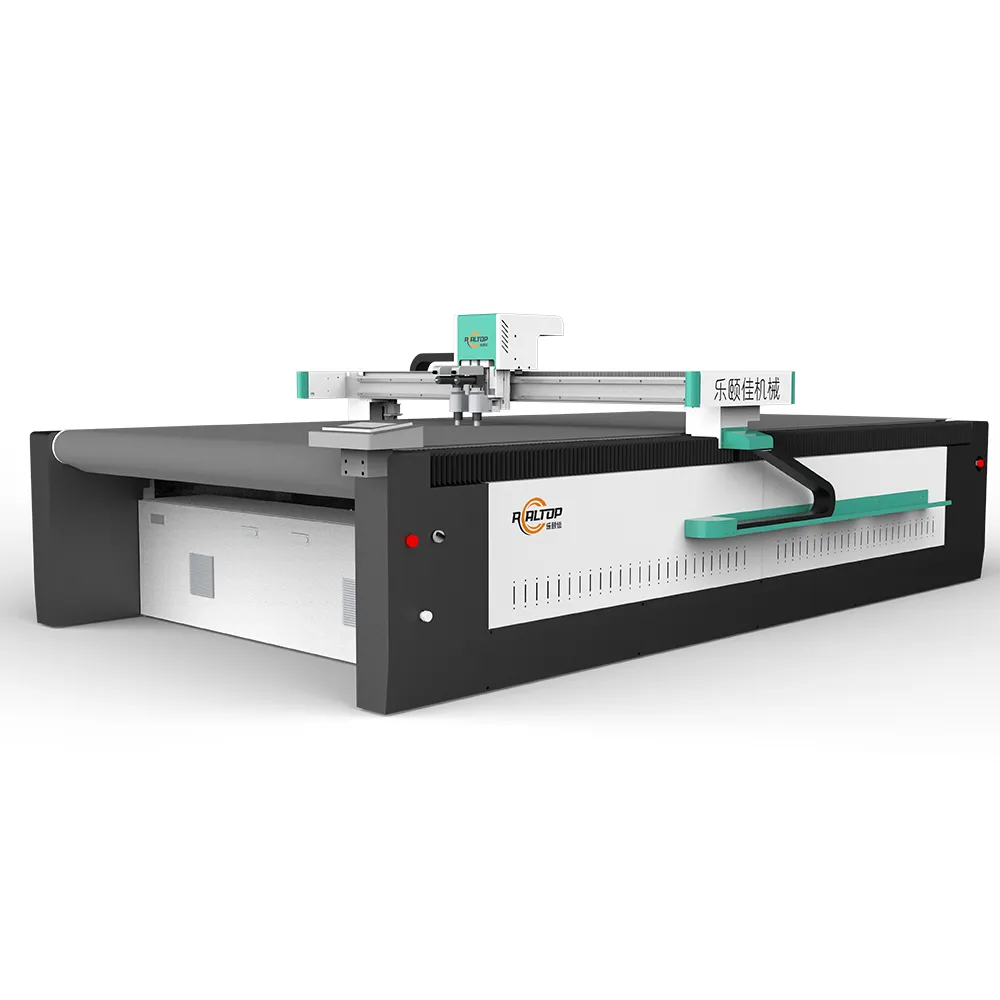
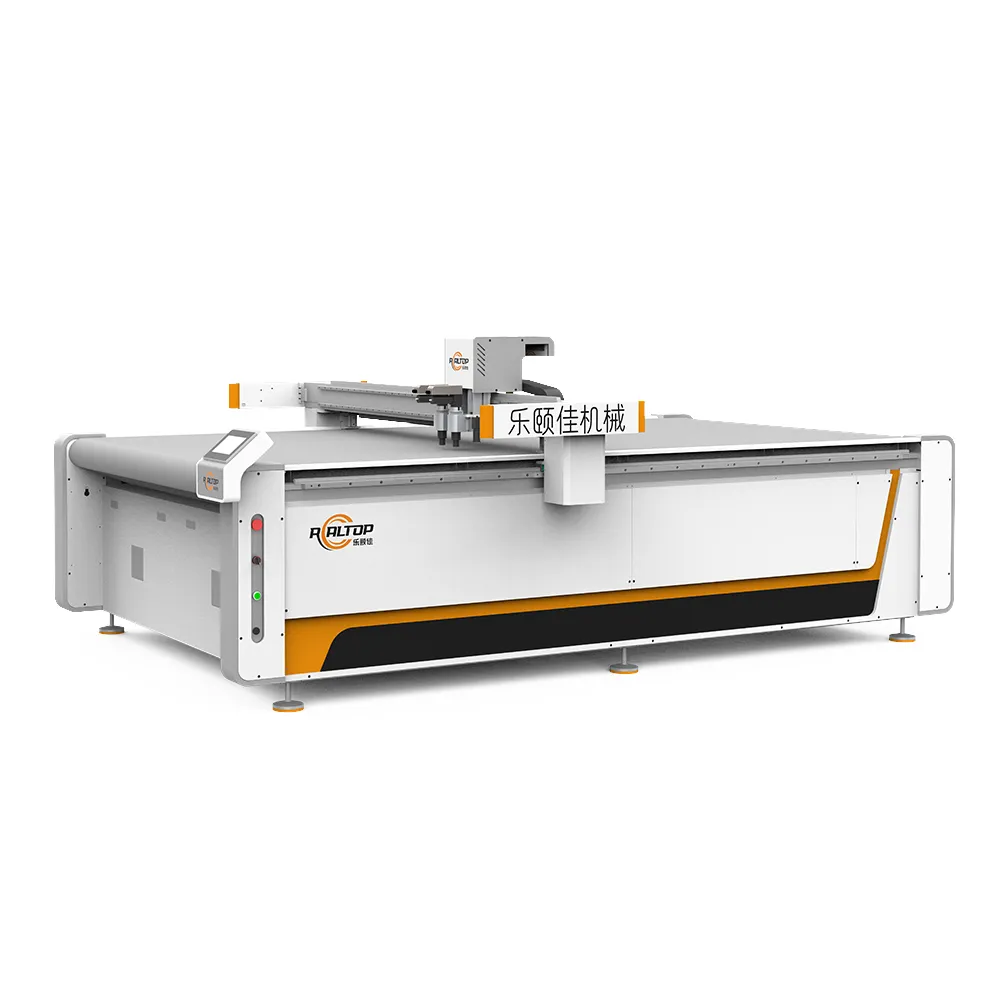
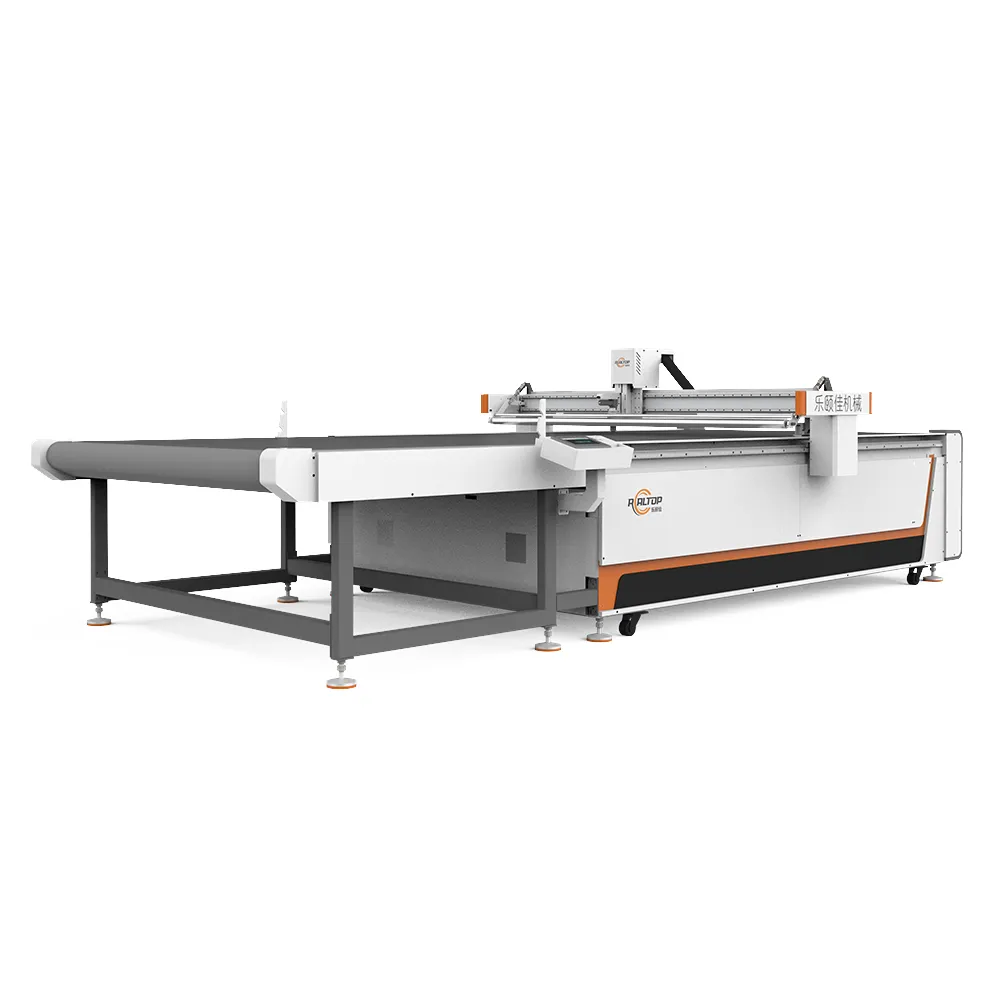
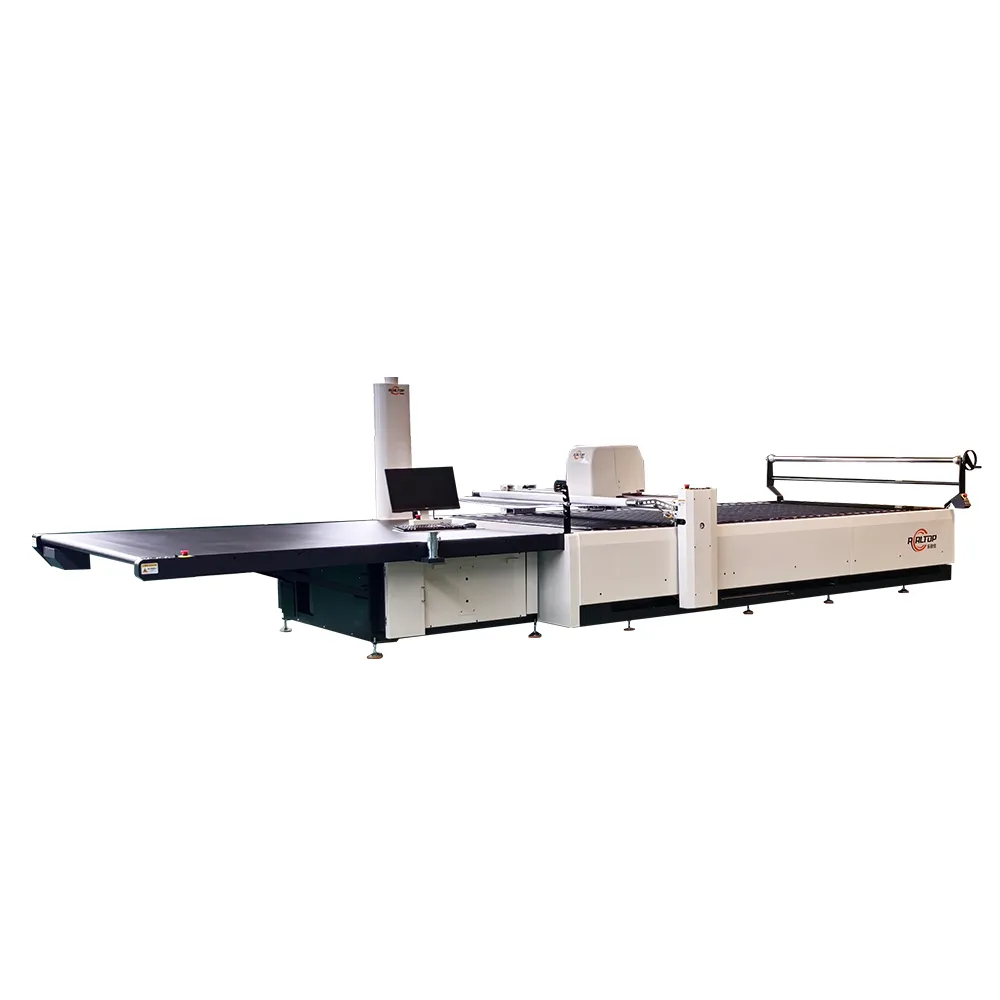
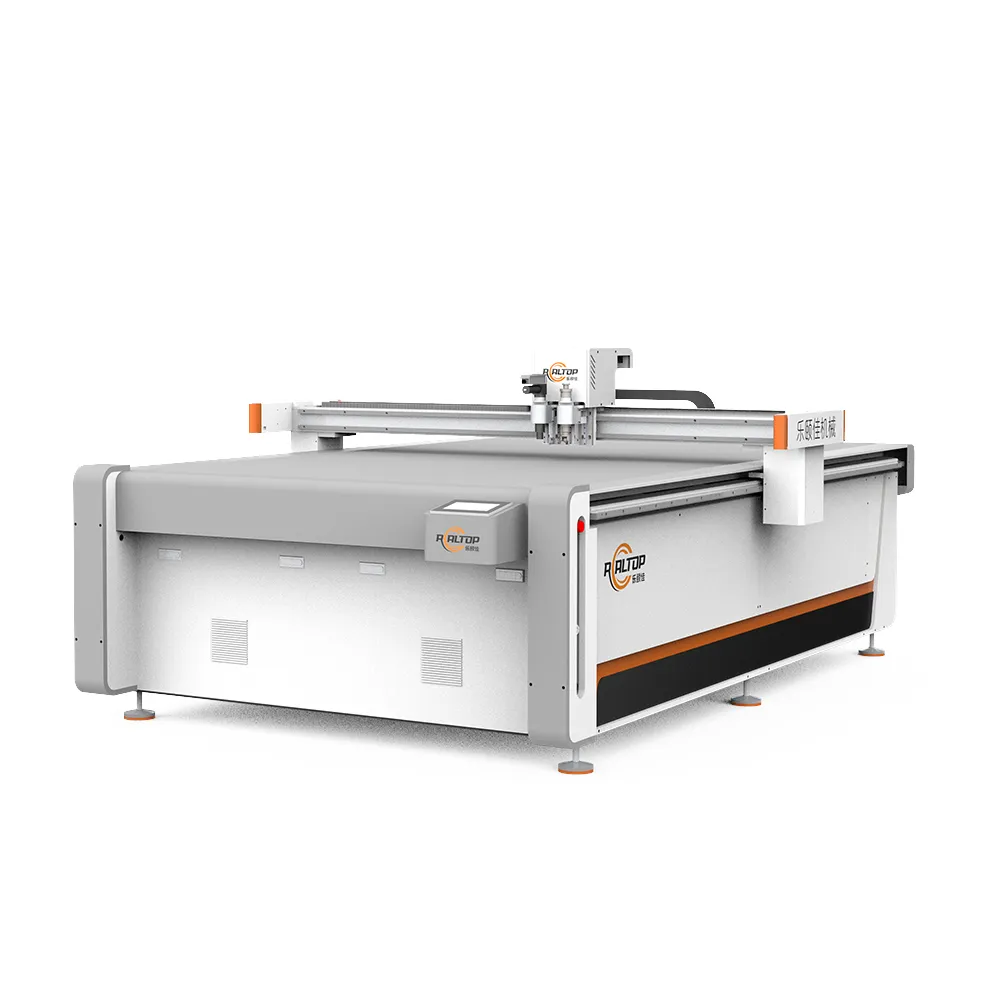
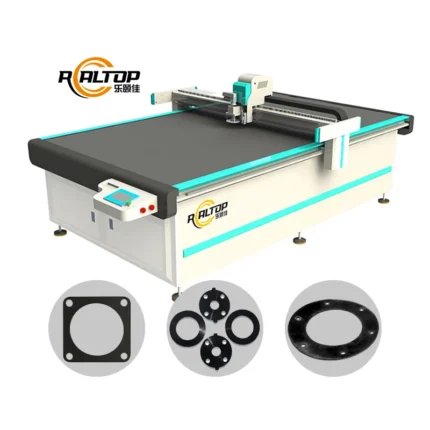
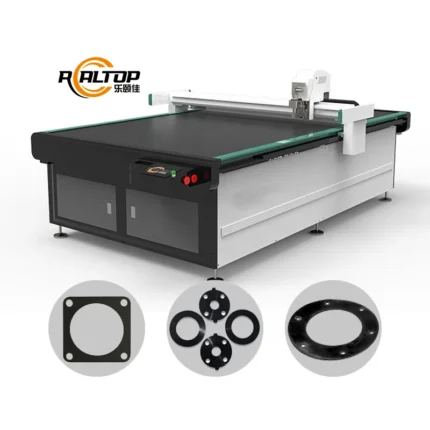
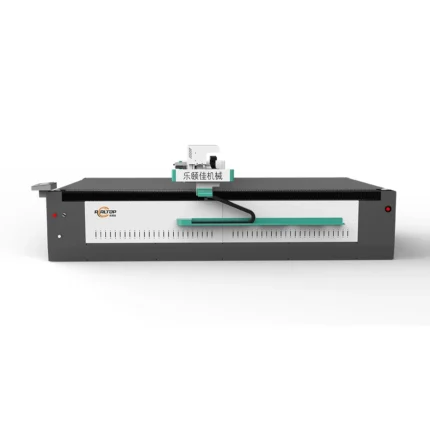
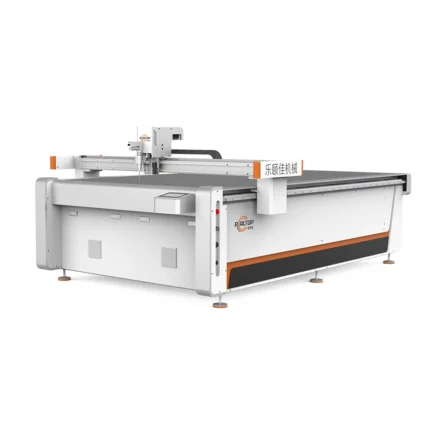
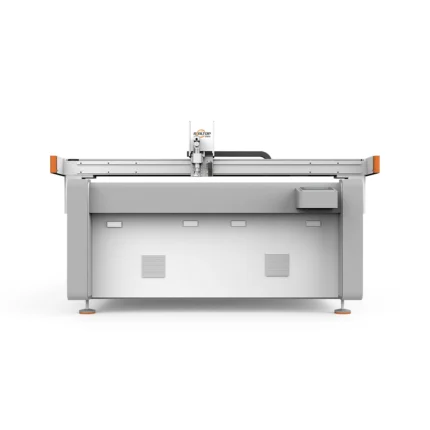
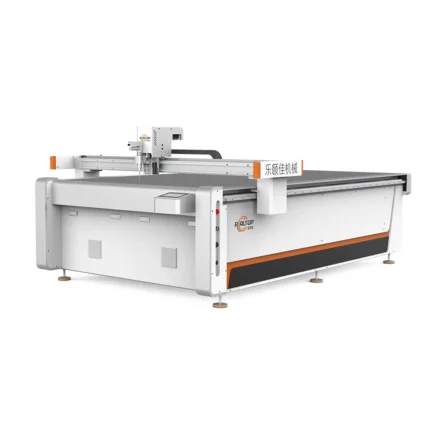
CNC Oscillating Knife Cutting Machine, ≤40mm Thickness, 2000mm/s Speed, CCD Visual Positioning — delivers clean mechanical cuts on gasket, foam and composite materials without thermal distortion.
- Multiple tool heads (oscillating, pneumatic, circular knife) configured per material density and behavior
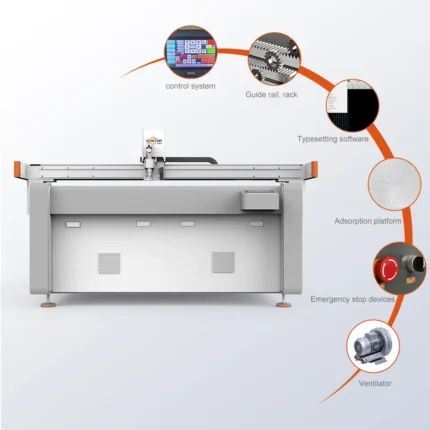
- Panoramic CCD contour recognition tracks printed marks at production speed
- Quenched bed with glass-fiber conveyor belt ensures dimensional stability under continuous runs
Sample cutting on your own material verifies edge quality and cycle time before commitment.
Laser-Complementary Cutting — Configured for flexible materials where thermal sealing would degrade the seal face, this system pairs mechanical cutting with visual contour tracking for gasket and non-metal shops.
Technical Specifications
| Parameter | Value |
|---|---|
| Product Type | CNC Oscillating Knife Cutting Machine |
| Effective Cutting Area | 2500×1600mm (2516) / 2500×2200mm (2522) / 3000×2200mm (3022) |
| Maximum Traverse Speed | 2000mm/s |
| Reset Accuracy | ±0.1mm |
| Cutting Thickness Capacity | ≤40mm (basis not stated in source — confirm material type and density) |
| Table Type | Automatic feeding conveyor |
| Tool Head Options | Round knife, conventional oscillating knife, servo oscillating knife, pneumatic knife, circular knife, marking pen |
| Data Format Compatibility | dxf, plt, ai, pdf |
| Safety System | Infrared blocking stop and anti-collision protection |
| Voltage | 380V / 220V (frequency and phase to be confirmed per destination market) |
| Control System | REALTOP customized high-speed control system |
| Visual Positioning | Panoramic visual positioning with automatic edge and template cutting |
| Bed Construction | Quenched bed with stress elimination |
| Conveyor Belt | Glass fiber tension cord, high temperature and corrosion resistant |
| Internal Wiring | Oxygen-free copper shielded wire |
Application Suitability
| Application | Material or Output |
|---|---|
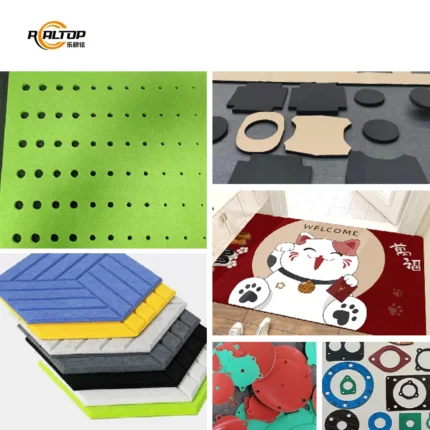
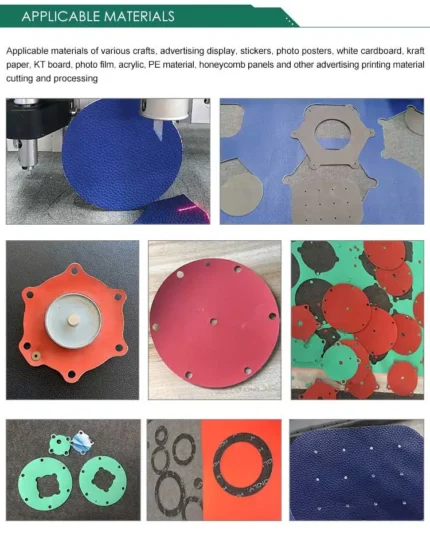
| Gasket and seal manufacturing | Rubber, cork, fiber, aramid, composite sheet |
| Automotive interior trimming | Foam, leather, textile, headliner composite |
| Garment and footwear production | Multi-layer fabric, synthetic leather, PU, EVA |
| Packaging sample making | Corrugated board, card stock, foam insert |
| Signage and advertising | PVC foam board, self-adhesive vinyl, magnetic sheet |
| Industrial insulation fabrication | Ceramic fiber, mineral wool composite, silicone sheet |
Why the Voltage Question Should Come Before the Cutting Method
Laser power quoted at peak rather than continuous often masks the real cutting depth a buyer will see on the shop floor.
When a gasket shop switches from pure rubber to steel-reinforced fiber composite, the thermal process that worked on the sample suddenly produces charred edges and incomplete cuts. Buyers discover that the CO2 laser cutting and engraving machine manufacturer they specified did not account for material density variation across the production run. A knife-based system avoids the thermal degradation problem entirely, but only if the tool head and power configuration match the actual stock [NEED_CITE: voltage and frequency standards by export market].
I spent weeks in a facility across South Asia re-dialing parameters after standard sample testing failed to predict real-world behavior on reinforced gasket material. The cutting method matters less than whether anyone tested the buyer’s actual roll stock before shipment.
Where Thermal Sealing Becomes a Liability
On synthetic gasket materials and sealing composites, a laser-cut edge melts and reseals the surface. That sealed edge loses compressibility, which is the entire functional requirement of a gasket. Mechanical knife cutting preserves the material’s original cross-section and sealing face without heat-affected zones. This is where a CO2 laser cutting and engraving machine manufacturer will direct buyers toward a complementary knife system rather than force a thermal process onto a job that cannot tolerate it.
Panoramic Visual Positioning at Production Speed
Printed contour cutting on gasket sheets with registration marks requires the camera system to track marks reliably as the conveyor feeds material through. The panoramic visual positioning on this platform supports automatic edge detection and template matching across the full cutting width. Verification at actual feed speed on the buyer’s printed substrate remains essential — camera performance in a controlled demonstration does not always translate to continuous production conditions [NEED_CITE: CE machinery directive requirements for industrial equipment].
Reading the Spec Sheet Against the Material
The ≤40mm cutting thickness rating depends entirely on material density, compressibility, and which tool head is mounted. A conventional oscillating knife handles dense rubber differently than a pneumatic knife handles closed-cell foam. The 2000mm/s maximum traverse speed represents axis travel, not cutting speed through material — actual cutting velocity drops as thickness and resistance increase. Quenched bed construction with stress elimination maintains flatness across the 3000×2200mm maximum working area, which directly affects whether the knife holds consistent depth at the table edges. Oxygen-free copper shielded wiring reduces signal interference in the high-speed control loop, preserving the ±0.1mm reset accuracy over long production runs.
The Cost of Wrong Tool Head Selection
A drag knife on compressible foam produces crushed edges and dimensional drift. A circular knife on aramid fiber gasket material frays the weave instead of shearing it cleanly. Buyers who select the tool head from a catalog without matching it to their specific material stack end up with ragged cuts that fail sealing tests. The problem compounds across a production run because the knife wears unevenly against the wrong substrate, introducing replacement cost and downtime [NEED_CITE: industrial knife wear patterns by material hardness].
What This Procurement Channel Covers
In-house design across both laser and knife cutting technologies means the cutting method matches the material rather than the buyer accepting whichever process the catalog defaults to. Tool head and table configuration is specified per material type and production volume, not quoted as a single universal setup. CCD camera positioning for printed contour work is verified on the buyer’s own substrate before commitment. Software compatibility — dxf, plt, ai, pdf — is confirmed against the buyer’s existing nesting workflow before the order is locked. Sample cutting on the buyer’s actual material provides edge quality, dimensional accuracy, and cycle time data before any production decision is made [NEED_CITE: documentation standards for industrial cutting equipment export].
Documentation & Verification
- Machine specification sheet with confirmed tool head and table configuration per material
- Electrical schematic showing voltage, phase, and frequency matched to destination market
- Sample cutting report on buyer’s own gasket material at target thickness
- Factory test record with dimensional accuracy and cycle time measurements
- Software license and file format compatibility note for buyer’s nesting workflow
- Spare parts list with tool head consumables and belt replacement intervals
Installation, Commissioning & Support
- Foundation leveling across the 3000×2200mm maximum footprint to maintain bed flatness
- Dedicated circuit matching confirmed 380V or 220V input with correct phase and frequency
- Conveyor tension and vacuum zone calibration on buyer’s material during commissioning
- Tool head offset and depth calibration against buyer’s specified thickness range
- Operator training on the REALTOP customized high-speed control system and file import workflow
- Scheduled belt and knife consumable replacement intervals documented by material type
What to Include With Your Inquiry
Provide the specific gasket or flexible material type, sheet thickness range, and whether the stock includes reinforcement layers such as wire mesh or fiber weave. State the daily cutting volume and whether the workflow requires conveyor auto-feed for roll stock or flatbed handling for sheet. Confirm the local voltage, phase, frequency, and preferred control language so the electrical and interface configuration is correct before build.
Frequently Asked Questions
Q: When should a gasket shop choose knife cutting over laser cutting?
A: Knife cutting is preferred when the gasket material must retain its original compressibility and sealing face. Laser cutting melts and reseals the edge on synthetics, which can compromise the seal under compression. For fiber, cork, and reinforced composites, mechanical cutting avoids thermal degradation entirely.
Q: How is the 40mm cutting thickness verified?
A: That figure depends on material density and the selected tool head. A pneumatic knife on soft foam cuts deeper than an oscillating knife on dense aramid fiber. Request a sample cutting report on your specific material at your target thickness before confirming the configuration.
Q: What electrical details must be confirmed before shipment?
A: Voltage (380V or 220V), phase, frequency (50Hz or 60Hz), and plug type must match the destination market. The control system language should also be specified. These details are confirmed before production to avoid on-site rewiring and reconfiguration delays.
Q: How does panoramic visual positioning perform at production speed?
A: Camera-based contour tracking must be tested on the buyer’s actual printed substrate at target feed rates. Registration mark contrast, print quality, and material reflectivity all affect tracking reliability. A sample cutting run with printed marks confirms performance before commitment.
Q: Which tool head handles reinforced gasket material?
A: Steel-reinforced or fiber-reinforced gasket sheets typically require a servo oscillating knife for sufficient cutting force and edge quality. The tool head is selected based on a sample cutting test on the buyer’s actual stock, not from a generic recommendation.


Related products
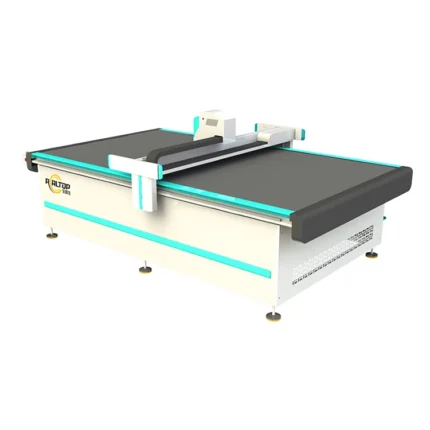
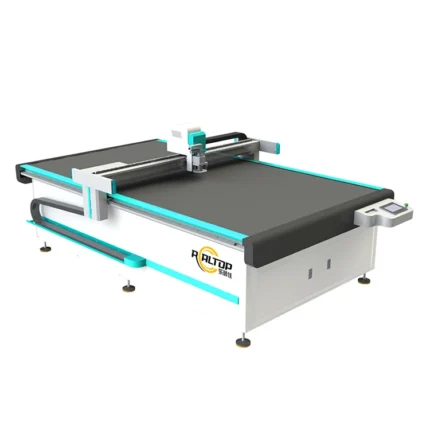
2026 Rubber CNC Cutting Machine High-Precision Auto-Feeding Gasket
Product Introduction
High-precision 2026 model Rubber CNC Digital Cutting Machine designed for gasket production with auto-feeding functionality, ensuring efficient and accurate cutting performance.
Key Specifications
| Model | 2026 |
| Type | Rubber CNC Digital Cutting Machine |
| Application | Gasket Production |
| Feature | High-Precision |
| Function | Auto-Feeding |
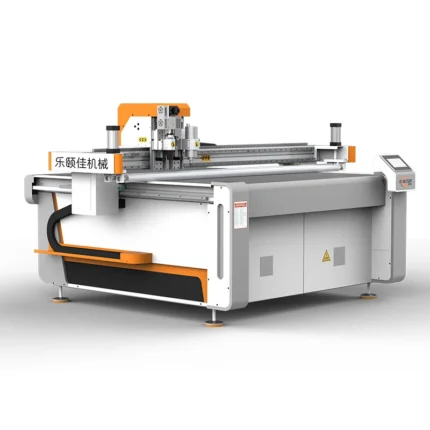
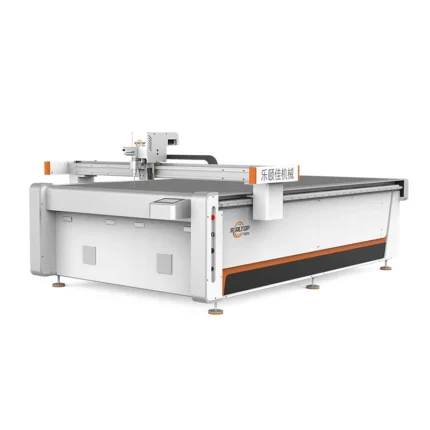
2026 Spiral Wound Gasket Cutter CE Hot Sale
Product Introduction
Hot Sale 2026 Spiral Wound Gasket Cutter with CE certification, ideal for precise gasket cutting in industrial applications. Made by a leading Chinese manufacturer of welding and cutting equipment.Product Parameters
| Model | 2026 |
| Certification | CE |
| Type | Spiral Wound Gasket Cutter |
| Application | Industrial Gasket Cutting |
Realtop 2026 PVC Foam Board Cutting Machine
Product Introduction
A specialized cutting solution for PVC foam boards, ideal for precision cutting tasks in various manufacturing and fabrication applications. Engineered for efficiency and reliability in processing PVC foam materials.Product Parameters
| Model | Realtop PVC Foam Board Cutting Machine 2026 |
Realtop CNC Gasket Cutter 2026 High-Speed Rubber PTFE Cutter
Product Introduction
Realtop CNC Gasket Cutting Machine 2026, a high-speed digital cutter designed for precise cutting of rubber, PTFE, and cork materials, ideal for efficient gasket production.
Product Parameters
| Model | Realtop CNC Gasket Cutting Machine 2026 |
| Type | High-Speed Digital Cutter |
| Materials | Rubber, PTFE, Cork |
Realtop CNC Gasket Cutting Machine 2026 China Manufacturer
Product Introduction
Realtop CNC Gasket Cutting Machine 2026 is a precision tool designed for efficient gasket production, ideal for industrial manufacturing needs with advanced CNC technology.Key Specifications
| Model | Realtop CNC Gasket Cutting Machine 2026 |
| Type | CNC Gasket Cutting Equipment |
| Application | Industrial Gasket Manufacturing |
| Feature | Precision Cutting, Efficient Production |
Realtop Gasket Cutter 2026 Digital Oscillating Machine
Product Introduction
Realtop Gasket Cutter 2026 is a digital oscillating machine designed for precise cutting of silicone, asbestos, and non-asbestos felt materials, ideal for industrial gasket production.Product Parameters
| Model | Realtop Gasket Cutter 2026 |
| Type | Digital Oscillating Machine |
| Material Compatibility | Silicone, Asbestos, Non-Asbestos Felt |
| Operation | Digital Control |


商品评价
There are no reviews yet.