







High Accuracy Single Layer Cloth CNC Cutting Machine – OEM Available
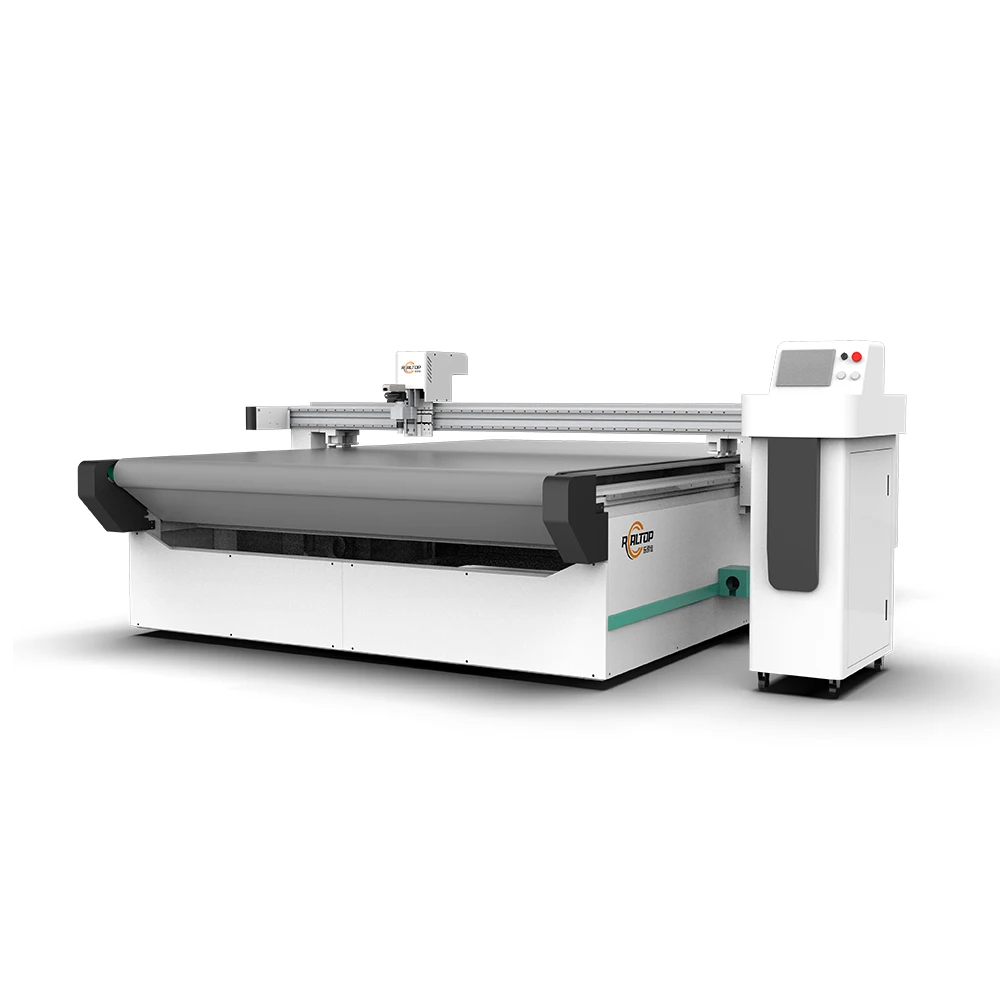
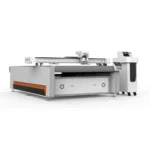
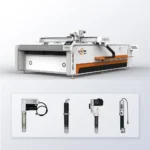
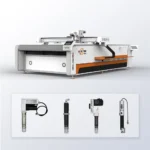
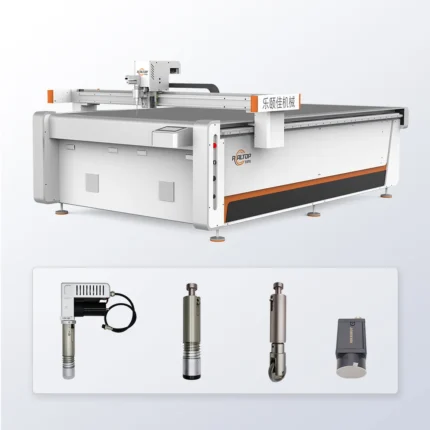
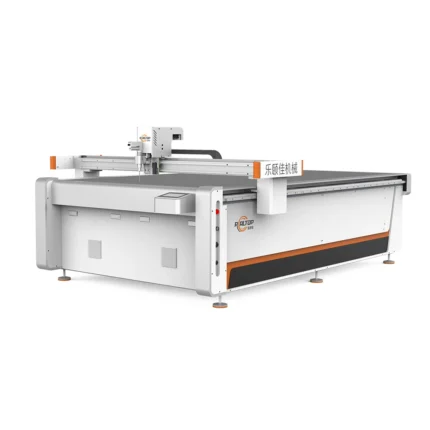
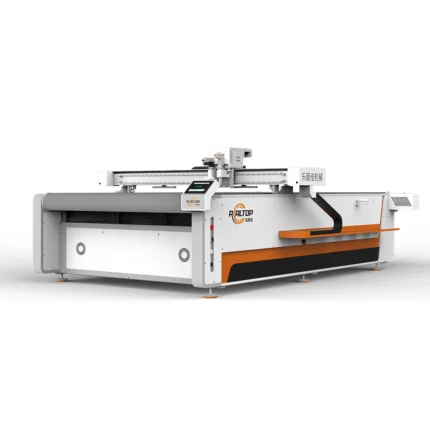
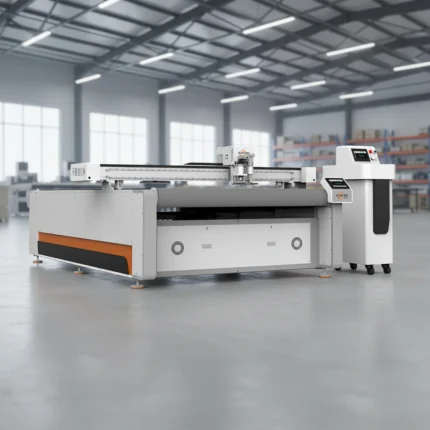
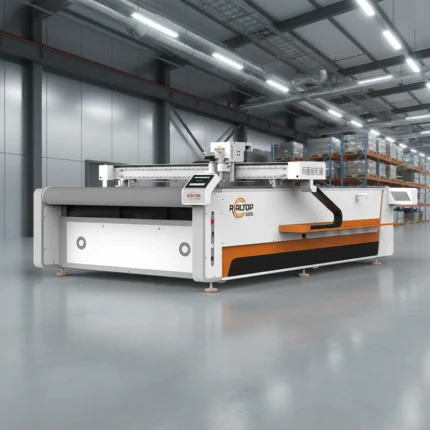
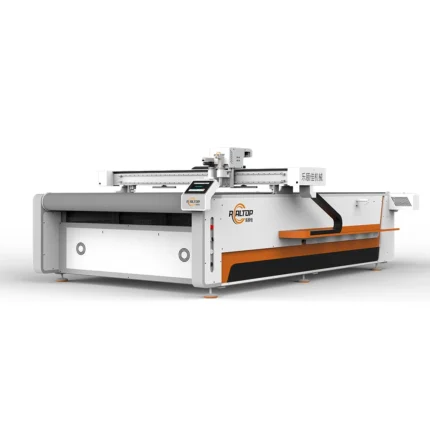
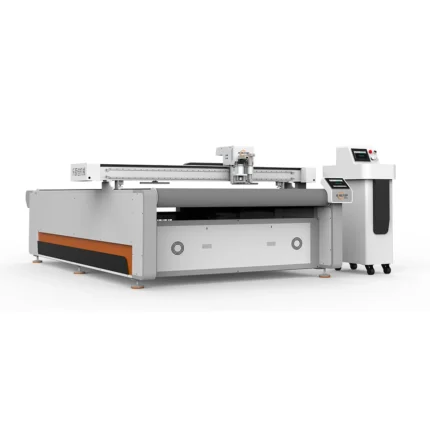
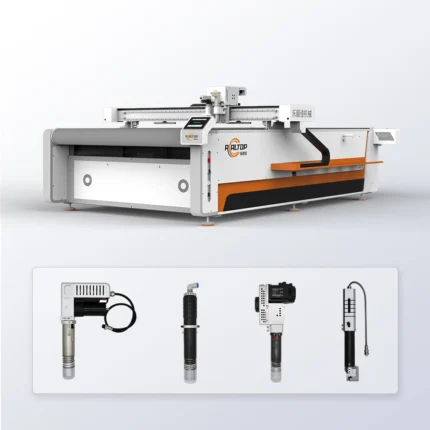
1625 CNC Oscillating Knife Cutting Machine, 1600×2500 mm, ±0.1 mm Accuracy — configured for fabric, leather, and composite cold cutting where laser heat causes edge scorching or delamination.
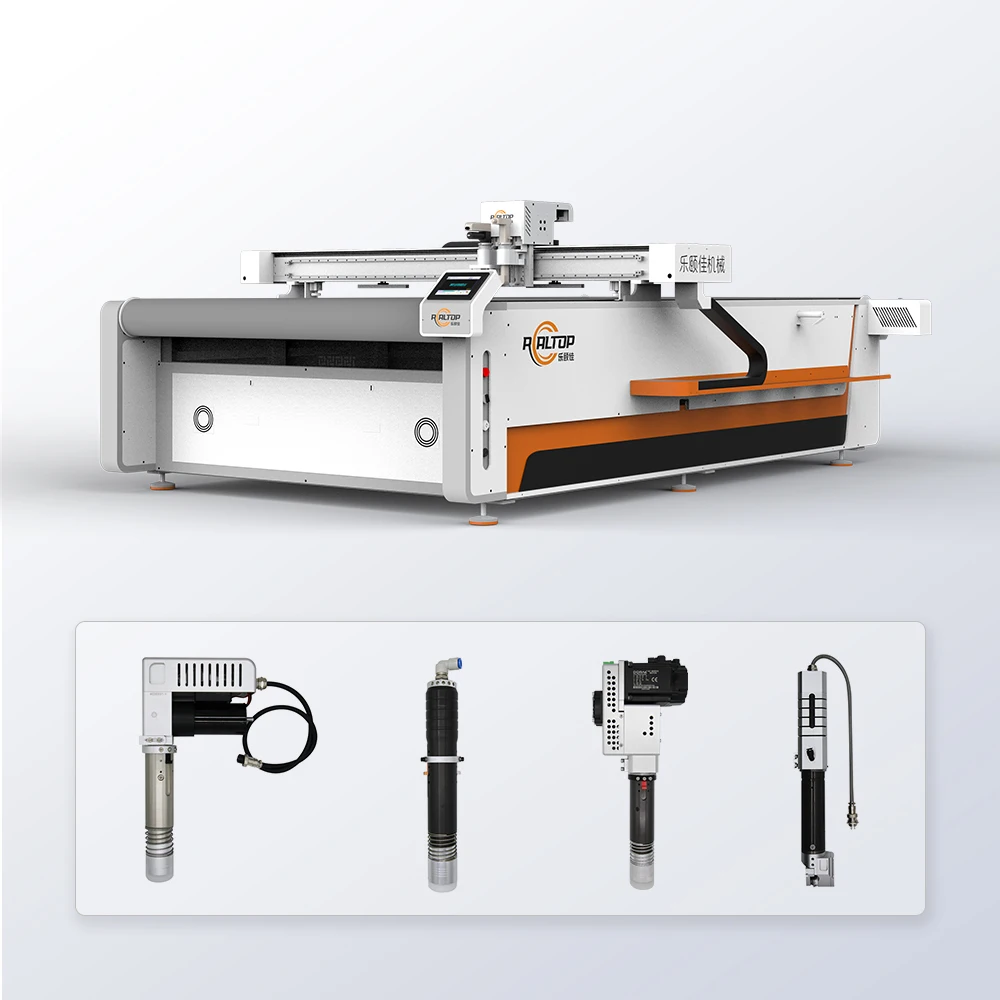
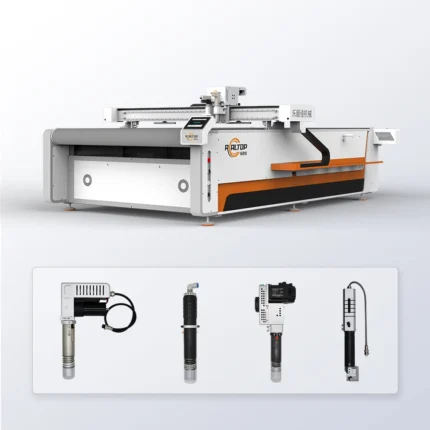
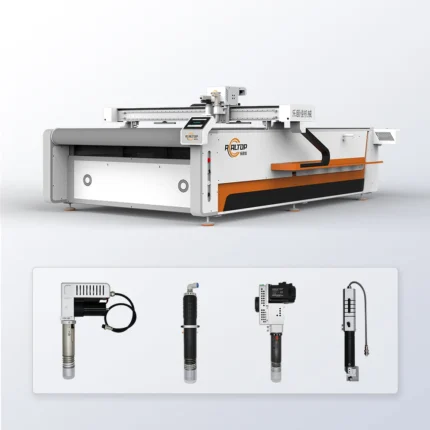
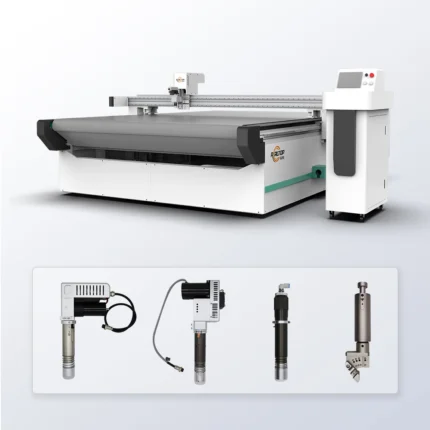
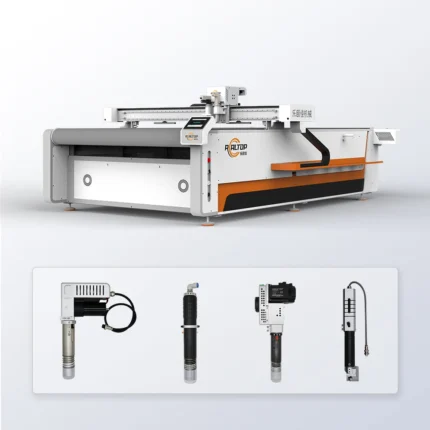
- Interchangeable tool heads: oscillating knife, driven rotary, creasing wheel, V-groove, and milling options
- 9 kW aluminum bellows vacuum table holds small parts flat during high-speed cuts up to 2000 mm/s
- PLC control with DXF/PLT/AI/PDF import and multi-language interface
Sample cutting on your own material confirms tool selection and edge quality before order commitment.
Cold-Cutting Alternative to Laser — The 1625 CNC oscillating knife cutting machine eliminates heat-affected zones on textiles and composites, delivering burr-free edges without the fume extraction requirements that laser systems demand.
Technical Specifications
| Parameter | Value |
|---|---|
| Model | 1625 |
| Product Type | CNC Oscillating Knife Cutting Machine |
| Working Area | 1600×2500 mm |
| Tool Head Options | Oscillating knife, Driven rotary knife, Creasing wheel, Kiss cutting tool, Pneumatic knife, Milling tool, V-groove knife |
| Cutting Speed | 0–2000 mm/s |
| Cutting Thickness | ≤ 30 mm (basis not stated in source — confirm material type and density) |
| Cutting / Positioning Accuracy | ±0.1 mm |
| Vacuum Pump Power | 9 kW |
| Vacuum Table | Aluminum bellows vacuum table |
| Control System | PLC control panel |
| Servo Motors | Multiple options (Panasonic, Delta, Dorna) |
| Voltage Options | 110V, 220V, 380V |
| File Formats Supported | PLT, DXF, AI, PDF |
| Safety Devices | Infrared sensor device and emergency stop device |
| Machine Dimensions (L×W×H) | 3300×2100×1350 mm |
| Software Language Options | English, Russian, Italian, Chinese (special languages customizable) |
| Nesting Software | Intelligent nesting with defect avoidance (source value — verify against manufacturer catalog) |
Application Suitability
| Application | Material or Output |
|---|---|
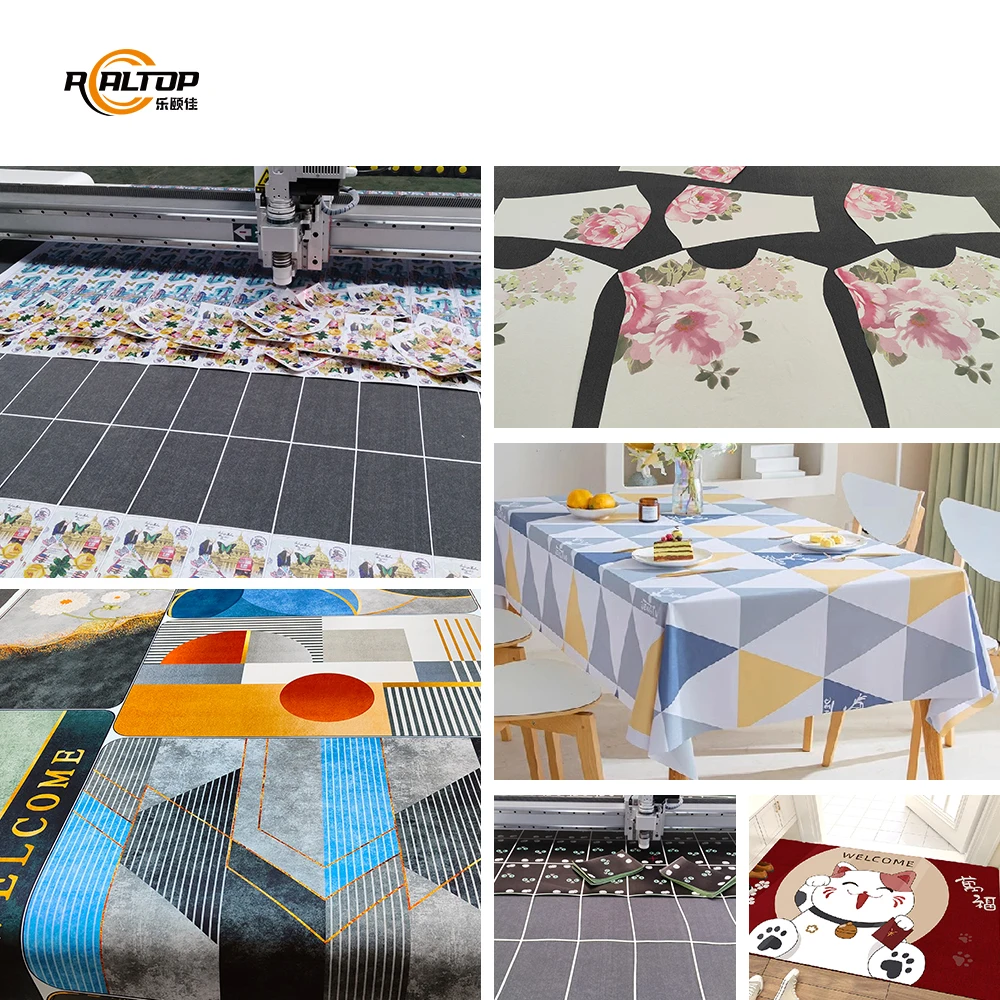
| Apparel and knitwear production | Suits, knitwear, lace, complex woven and knitted fabrics |
| Automotive interior trimming | Seat fabrics, carpets, PVC floor mats |
| Home textile manufacturing | Sofa upholstery fabrics, curtains, area rugs |
| Composite material processing | Carbon fiber prepreg, aramid fabrics, specialty laminates |
Why Fabric Processors Are Moving Away from CO2 Laser Cutting and Engraving Machine Setups for Thick Textiles
Laser power quoted at peak rather than continuous often falls short on thick foam or multi-layer fabric stacks.
When a buyer evaluates a CO2 laser cutting and engraving machine for textiles, the wattage on the nameplate rarely tells the full story. Peak power handles thin synthetics cleanly, but once you stack multi-layer knits or push into dense foam, the actual cutting depth disappoints. Edge scorching on dark fabrics and the need for dedicated fume extraction ductwork add hidden costs that surface only after commissioning. A cold-cutting knife process sidesteps these thermal limitations entirely, which is why many production managers now specify oscillating knife tables where laser heat would compromise material integrity. [NEED_CITE: thermal degradation thresholds for common synthetic textiles]
Matching the Cutting Method to the Material, Not the Other Way Around
The decision between laser and knife cutting often hinges on whether the material can tolerate heat. Synthetics like polyester and nylon melt cleanly under a laser beam, producing a sealed edge. But natural fibers, blended knits, and multi-layer composites respond poorly to thermal energy — edges yellow, fibers fuse together, or the resin in prepreg materials degrades before the cut completes. The 1625 CNC oscillating knife cutting machine addresses this by removing heat from the equation, letting the tool head do the work mechanically.
What the Tool Head Library Actually Covers
Seven interchangeable tool head options mean the machine adapts to the job rather than forcing every material through a single process. An oscillating knife handles most woven and non-woven fabrics at production speed. A driven rotary knife suits continuous cuts on knits where the blade must follow curves without dragging. Kiss cutting tools score adhesive-backed materials without penetrating the liner. Each swap is a configuration choice, not a compromise — and that flexibility matters when a single shop runs automotive seat covers on Monday and carbon fiber prepreg on Wednesday. [NEED_CITE: tool head selection criteria for composite versus textile cutting]
Reading the Specs That Actually Affect Daily Output
The 9 kW vacuum pump paired with an aluminum bellows table provides full-surface hold-down across the 1600×2500 mm work area. For small pattern pieces — think gussets or collar stays — insufficient vacuum zoning lets material lift during the knife stroke, producing miscuts that waste both fabric and time. The ±0.1 mm positioning accuracy holds tolerance tight enough that most garment and automotive fabricators skip secondary trimming on cut edges. Servo motor selection across Panasonic, Delta, or Dorna options lets buyers align with local service availability rather than being locked into a single brand ecosystem. The PLC control panel supports file imports in DXF, PLT, AI, and PDF formats, which matters when a buyer’s existing nesting workflow already generates one of these standards.
The Real Cost of Skipping the Material Test
A buyer once specified a machine based on working area alone, assuming the standard oscillating knife would handle their production mix. The material turned out to be a PVC composite reinforced with glass fiber — the standard blade wore through in a fraction of the expected interval, and the line sat idle for two weeks waiting for replacement tooling. That downtime cost more than the machine itself would have if the correct pneumatic knife head had been specified from the start. Running a sample cut on the buyer’s actual material before shipment prevents this mismatch and confirms which tool head, cutting speed, and vacuum zoning pattern the job requires. [NEED_CITE: tool wear rates on fiber-reinforced composite materials]
Why Production Managers Source This Configuration Here
In-house design covers both knife and laser cutting technologies, so buyers comparing methods get an honest assessment of which process fits their material rather than being steered toward one platform. Tool head and table configurations are specified per material type and production volume, not sold as a one-size package. CCD camera positioning is available for printed contour work where registration marks must be tracked at cutting speed. Voltage, plug type, and control language are confirmed before production starts, avoiding the commissioning delays that happen when a 380V machine arrives at a 220V facility. Sample cutting on the buyer’s own material is standard practice before any order commitment.
Documentation & Verification
- Machine specification sheet matching confirmed tool head and table configuration
- Electrical schematic with voltage and frequency verified against buyer facility supply
- Sample cutting report generated on buyer-supplied material before order finalization
- Software licence and file format compatibility note covering DXF, PLT, AI, and PDF imports
- Factory test record documenting accuracy, vacuum hold-down, and servo response before crating
- Spare parts list identifying consumable blades and wear items by tool head type
Installation, Commissioning & Support
- Floor space requirement of 3300×2100 mm with clearance on three sides for material loading
- Dedicated electrical circuit matching confirmed voltage option (110V, 220V, or 380V) and local frequency
- Machine ships fully assembled with factory test completed prior to dispatch
- First-run parameter tuning covers vacuum zoning map, cutting speed, and tool head offset calibration
- Operator training addresses PLC control panel navigation, file import, and nesting software workflow
- Consumable blade inventory sized to match confirmed tool head types and buyer production volume
What to Include with Your Inquiry
Send the material type, thickness, and sheet dimensions you plan to cut, along with your daily volume target and whether you run single-layer or multi-layer stacks. Specify your facility voltage and frequency, preferred control language, and whether your existing CAD or nesting software outputs DXF, PLT, AI, or PDF files. If your material is a composite or contains reinforcement fibers, note that explicitly so the correct tool head gets selected for the sample test.
Frequently Asked Questions
Q: When should I choose knife cutting over a laser process for fabric?
A: Knife cutting suits materials that scorch, melt, or emit fumes under thermal processing — natural fibers, multi-layer knits, foam, and resin-based composites. Laser works well for single-layer synthetics where edge sealing is desired. If your material contains glass fiber, aramid, or prepreg resin, a cold knife process avoids delamination and preserves material properties at the cut edge.
Q: How do I verify the machine can handle my material thickness?
A: Request a sample cutting test using your own material shipped to the factory beforehand. The test confirms which tool head produces the cleanest edge, what cutting speed the material tolerates, and whether the vacuum table holds the workpiece flat throughout the cut. The resulting report documents all parameters before you commit to the order.
Q: What needs confirming before the machine ships to my facility?
A: Voltage and frequency must match your facility supply — options include 110V, 220V, and 380V. Plug type should align with local standards. Control panel language and software interface language need explicit confirmation. File format compatibility with your existing nesting or CAD workflow should be verified against the supported DXF, PLT, AI, and PDF list.
Q: Which tool head gives the best edge on my specific material?
A: Oscillating knives handle most woven fabrics. Driven rotary knives suit knits with continuous curves. Kiss cutting tools score adhesive materials without cutting the backing. Pneumatic knives manage dense or fiber-reinforced composites. The correct choice depends on material composition and thickness, which the pre-order sample test determines.
Q: Can I import my existing nesting files directly into the machine software?
A: The control system accepts PLT, DXF, AI, and PDF file formats. Before ordering, share a sample file from your current nesting workflow so compatibility can be verified and any translation issues resolved. This prevents production delays caused by software mismatches after the machine arrives on your floor.


Related products
2026 Auto Fabric Cutter Round Knife High Efficiency
Product Introduction
High Efficiency 2026 Auto Fabric Cutter with Round Knife is a professional cutting equipment designed for fabric processing. It features advanced automation and high cutting efficiency, suitable for various fabric materials in industrial production.Product Parameters
| Model | 2026 |
| Type | Auto Fabric Cutter |
| Blade Type | Round Knife |
| Feature | High Efficiency |
2026 CNC Knife Cutting Machine for Fabric Leather PVC Hot Sale
Product Introduction
2026 Hot Sale CNC Knife Cutting Machine for Fabric, Leather, PVC. Ideal for precise cutting of various materials with advanced CNC technology, perfect for manufacturing needs.
Product Parameters
| Application | Fabric, Leather, PVC |
| Type | CNC Knife Cutting Machine |
| Feature | Precision Cutting |
| Year | 2026 Model |
2026 Inflatable Surf SUP Board Cutting Machine
Product Introduction
Ideal for inflatable surf SUP board production, this 2026 cutting machine ensures precise and efficient cutting, tailored for manufacturers seeking reliable performance in water sports equipment manufacturing.
Specifications
| Application | Inflatable Surf SUP Board |
| Type | Cutting Machine |
| Model Year | 2026 |
Automatic Fabric Cutting Machine 1200mm Delta Servo 2026
Product Parameters
| Cutting Width | 1200mm |
| Servo System | Delta Servo |
| Model Year | 2026 |
Introduction
High-performance Automatic Fabric Cutting Machine with 1200mm cutting width, equipped with Delta Servo for precision. Ideal for efficient fabric processing in textile industry, ensuring accurate and fast cutting operations.
Custom CNC Shirt Fabric Cutting Machine 2026
Product Introduction
Custom CNC Shirt Fabric Cutting Machine 2026, ideal for precise fabric cutting in garment manufacturing, offering efficient and accurate cutting solutions.
Product Parameters
| Model | Custom CNC Shirt Fabric Cutting Machine 2026 |
| Type | CNC Fabric Cutting Machine |
| Application | Shirt Fabric Cutting |
| Year | 2026 |

Electric Fabric Rotary Cutter 2026 12V Auto-Cut Industrial
Product Introduction
Industrial-grade Electric Fabric Rotary Cutter designed for precise cutting of scan-printed cloth. Features 12V auto-cut functionality for efficient, automated operation, ideal for professional textile processing.Product Parameters
| Power Supply | 12V |
| Function | Auto-Cut |
| Application | Scan-Printed Cloth |
| Type | Industrial Electric Rotary Cutter |

Jinan Realtop PVC Cutting Machine 2026 CE Certified
Product Introduction
Jinan Realtop PVC Cutting Machine 2026 is a CE-certified cutting solution, ideal for precise PVC material processing. Designed for efficiency and reliability in industrial applications.Product Parameters
| Model | 2026 |
| Certification | CE Certified |
| Application | PVC Cutting |
| Manufacturer | Jinan Realtop |
商品评价
There are no reviews yet.