




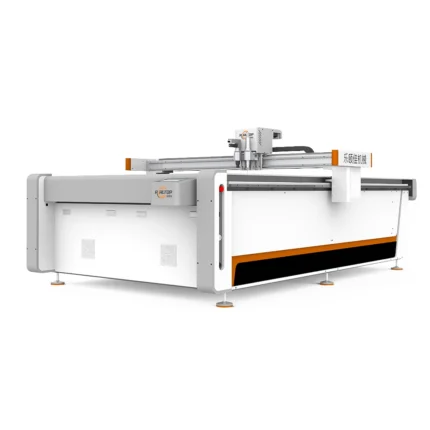
Industrial CNC Oscillating Knife Cutting Machine for Packaging
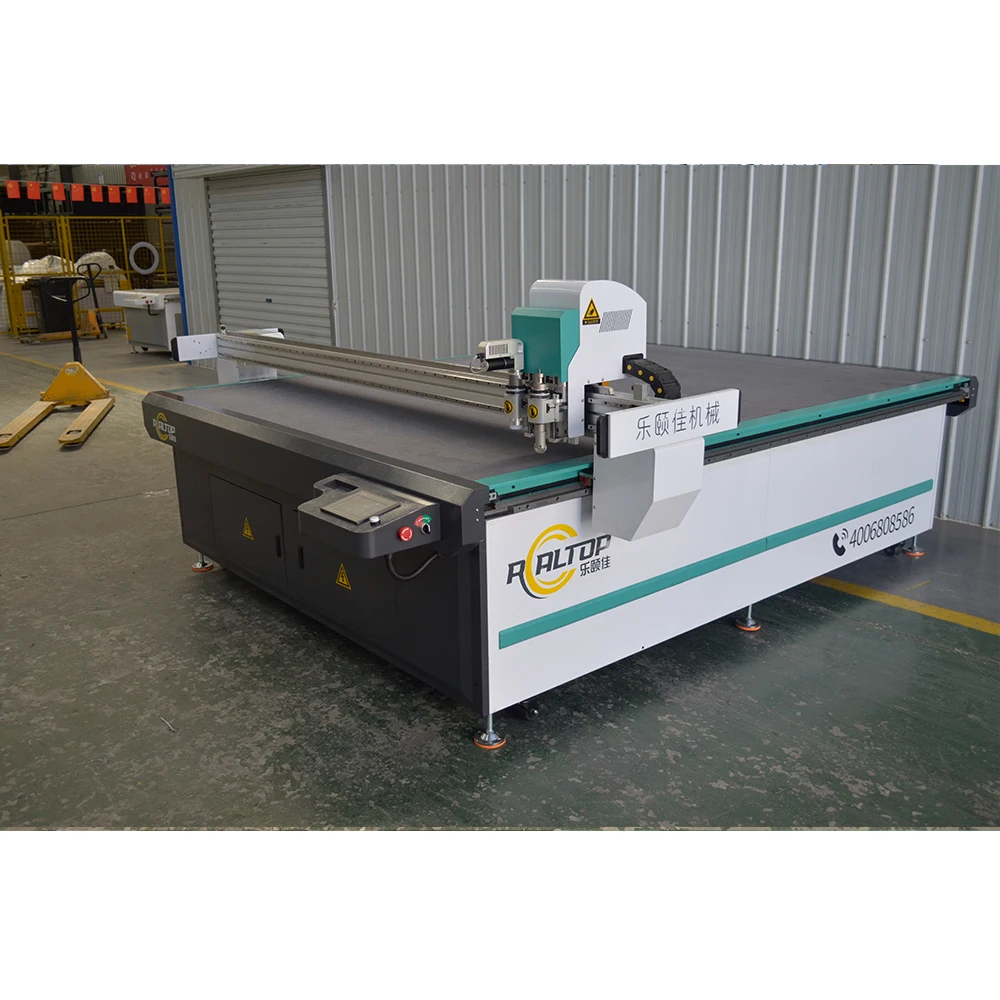
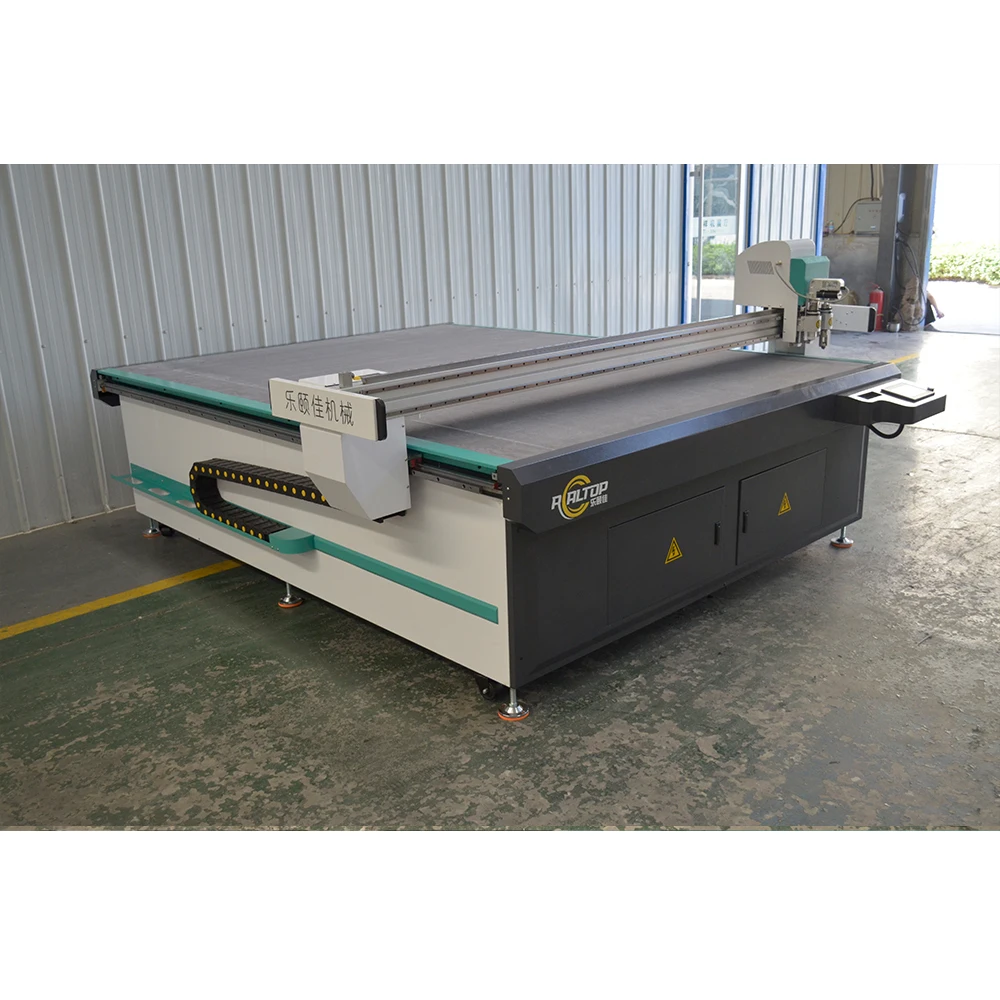
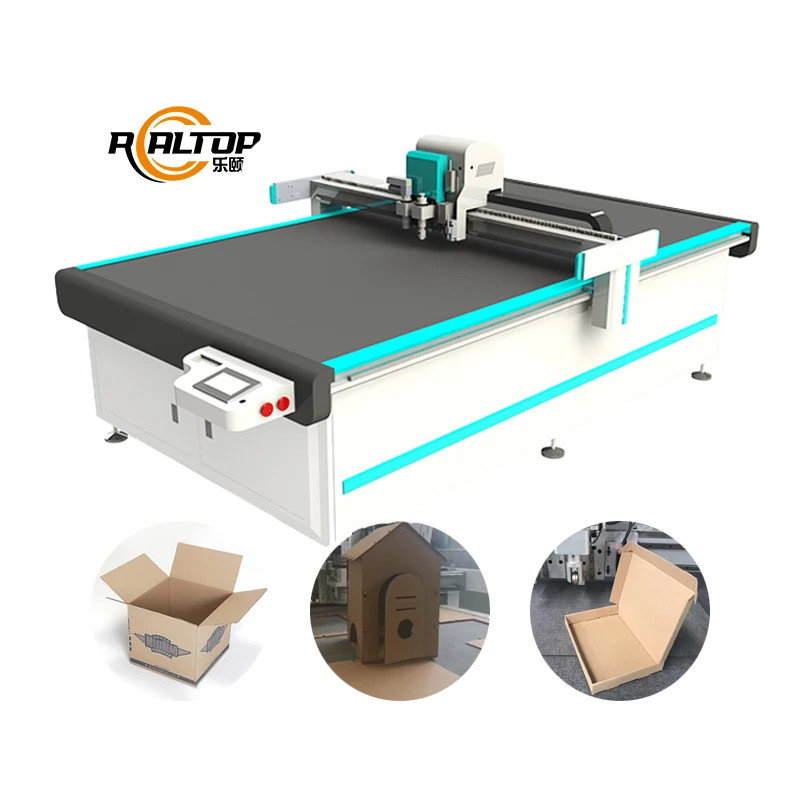
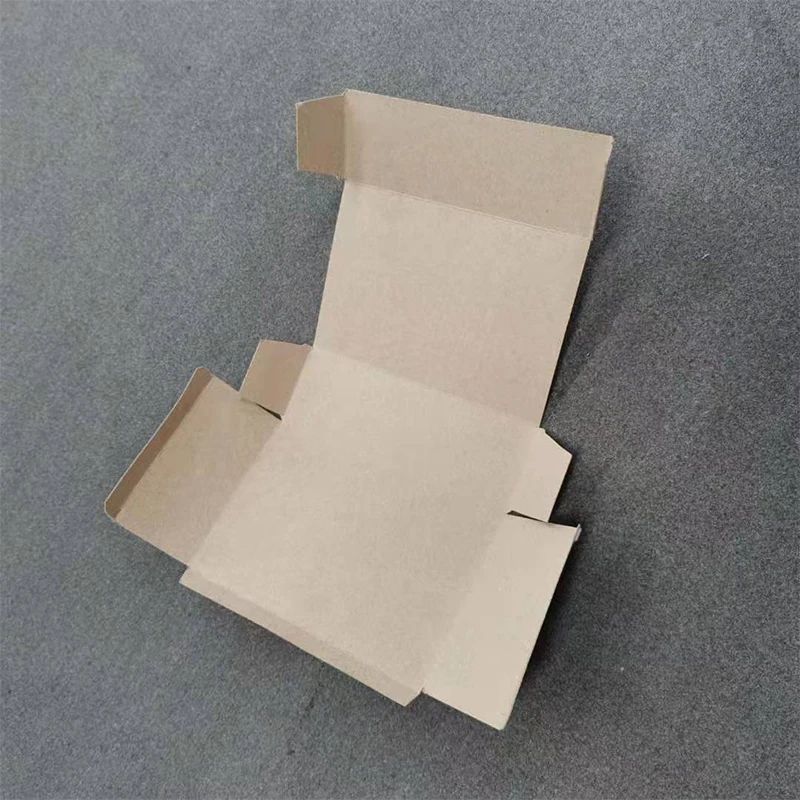
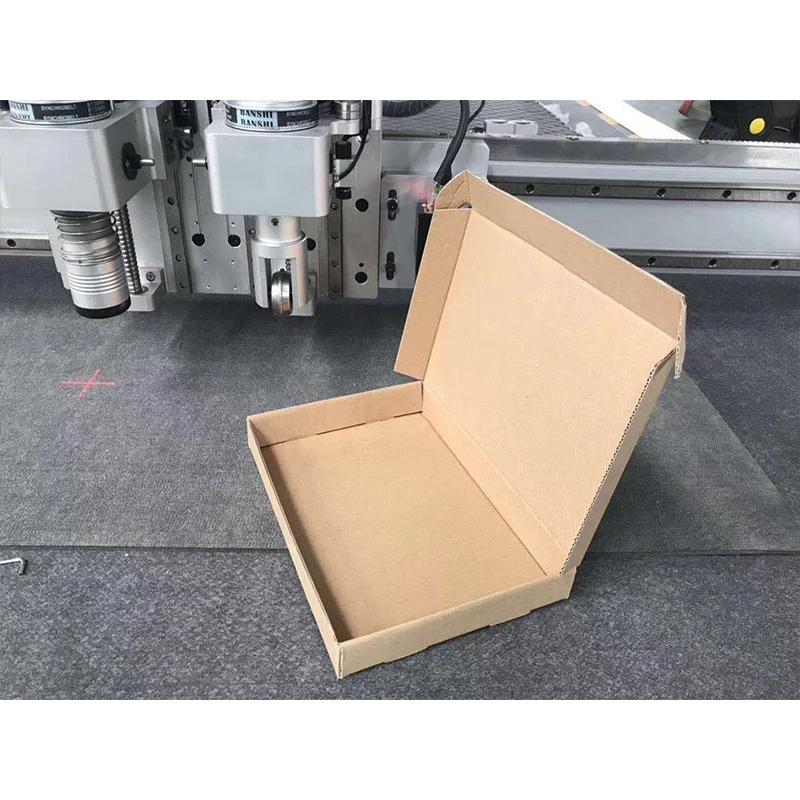
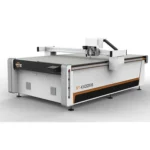
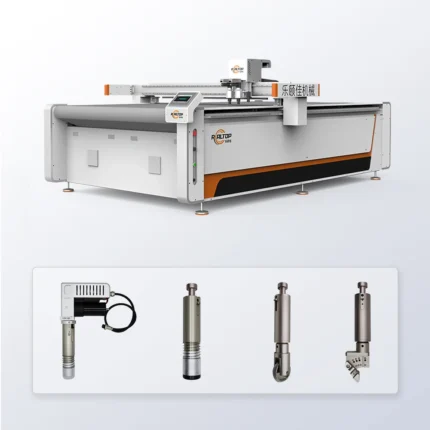
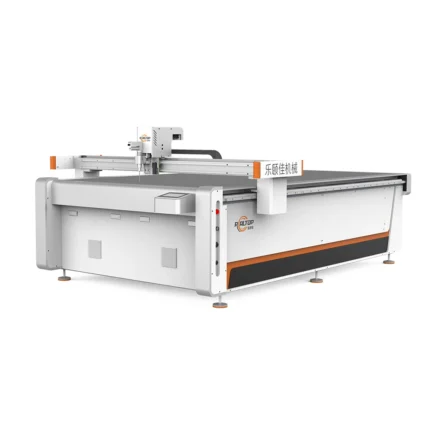
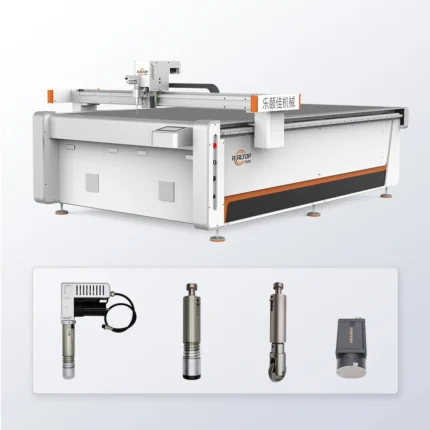
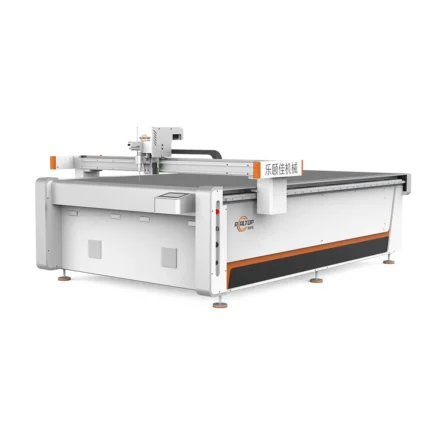
CNC Oscillating Knife Cutting Machine, ≤18mm Cutting Thickness, Vacuum Fixing — equipped with oscillating knife, creasing tool and round punch for cardboard, sticker and label processing. Aluminum honeycomb vacuum table ensures stable hold-down during cutting.
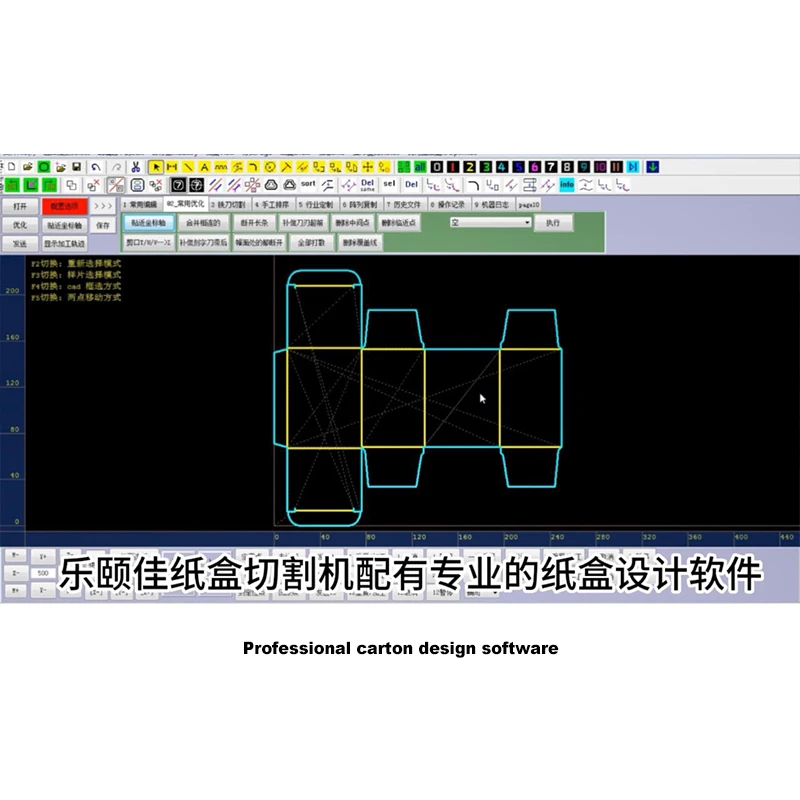
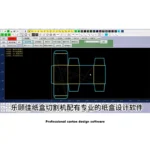
Configured for packaging production workflows with multi-format file support (DXF, OLT, PDF, AI) and professional carton nesting software. Oscillating knife delivers clean edges on coated cardboard without burn marks typical of thermal processes.
- Working area: 2500×1300mm / 1600×2500mm
- Repeated accuracy: <0.05mm
- Servo motor: Dongling / Delta options
- Safety: infrared sensors
Sample cutting on your own material available before commitment, with tool head and table configuration matched to your specific material thickness and daily volume.
Material-matched cutting configuration — Oscillating knife, creasing tool and kiss-cut blade options configured per cardboard grade and sticker stock, avoiding forced single-method compromises.
Technical Specifications
| Parameter | Value |
|---|---|
| Product Type | CNC Oscillating Knife Cutting Machine |
| Working Area | 2500×1300mm / 1600×2500mm (depending on configuration) |
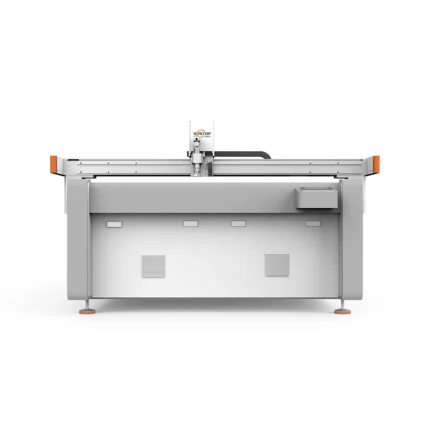
| Machine Size | 3550×1910×1400mm / 3450×2300×1250mm (depending on configuration) |
| Cutting Tools | Oscillating knife, creasing tool, kiss-cut knife tool, round punch |
| Cutting Thickness | Up to 18mm (source value — verify against manufacturer catalog for specific materials) |
| Cutting Materials | Leather, labels, cardboard boxes, paper, stickers, PP paper |
| Fixing Method | Vacuum adsorption on aluminum honeycomb platform |
| Rated Power | 9 kW |
| Voltage | 380V (frequency to be confirmed by target market) |
| Profile Format | DXF, OLT, PDF, AI |
| Transmission | Ethernet port |
| Repeated Accuracy | <0.05mm |
| Servo Motor | Dongling servo (Delta servo available in alternative configuration) |
| Safety Device | Infrared sensors |
| Vacuum Pump | 7.5 kW |
| Frame | Welded thick square seamless steel structure, high temperature treated |
| Guide Rail | Imported straight-line square guide |
| Transmission Method | Rack transmission |
| Table Structure | Aluminum alloy honeycomb vacuum adsorption platform |
| Felt Belt | Wear-resistant anti-pull composite fiber felt |
| Software | Professional carton nesting software, multi-format import, language customizable |
Application Suitability
| Application | Material or Output |
|---|---|
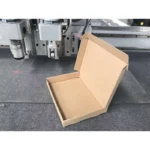
| Packaging carton prototyping | Corrugated cardboard, greyboard, kraft paper up to 18mm |
| Sticker and label production | Adhesive-backed vinyl, PP paper, coated label stock |
| Gift box short-run manufacturing | Art card, coated cardboard, folding carton board |
| Express paper box packaging | Single and double-wall corrugated, honeycomb paper board |
| Large electrical carton packaging | Heavy-duty corrugated board for appliance shipping |
| Billboard and business card cutting | PVC foam board, card stock, laminated paper |
What the Spec Sheet Does Not Tell You About Edge Quality on Coated Board
The wrong tool head on coated cardboard produces delaminated edges that fail visual inspection before the box ever reaches the filling line.
I watched a packaging converter run three-layer corrugated on a drag knife that had been specified for thin card. The crease lines cracked, the top liner peeled at every corner, and the entire batch was rejected by the brand’s QC team [NEED_CITE: edge delamination failure modes on coated corrugated during die-less cutting]. A Laser Cutting and Engraving Machine manufacturer might quote a laser system for this work, but laser cutting on corrugated board leaves burned edges that contaminate food-contact packaging. Knife cutting with the correct oscillating frequency and a dedicated creasing wheel avoids both problems, provided the tool head is chosen after testing the buyer’s actual board grade.
Knife Process Versus Laser Process for Packaging Substrates
Packaging converters often receive quotes for CO2 laser systems when their actual requirement is clean creasing and through-cutting on corrugated and card stock. The CNC Oscillating Knife Cutting Machine addresses this gap with a vibrating blade that slices through multi-layer board without thermal damage, while a separate creasing tool scores fold lines without cracking the top liner. This process distinction matters because laser-cut corrugated edges char and release particulate, which is unacceptable for snack food and pharmaceutical packaging where board contact with product is direct.
Vacuum Hold-Down and Small-Part Stability During High-Speed Traverse
The aluminum honeycomb vacuum table paired with a 7.5 kW pump keeps flat sheet stock locked to the bed during rapid directional changes. Sticker sheets and small label formats are particularly prone to lifting at the trailing edge when the cutting head reverses direction at speed [NEED_CITE: vacuum zoning effectiveness on small-format label stock]. The honeycomb structure distributes suction across the full working area, and the wear-resistant composite fiber felt provides a sacrificial cutting surface that prevents blade contact with the aluminum platen.
Decoding the Specs That Actually Affect Daily Output
The repeated accuracy of <0.05mm matters most on nested sticker layouts where a cumulative drift of even a fraction of a millimeter per cut pushes the final label outside the peel-and-apply tolerance. Rack transmission on the X and Y axes maintains this positional repeatability over long traverse distances across the 2500mm bed length. The oscillating knife tool operates at a vibration frequency suited to fibrous and corrugated substrates, pushing the blade through the material rather than dragging it, which prevents the edge crushing that a static drag knife causes on fluted board. Ethernet-based file transmission from the nesting software to the machine controller eliminates the format conversion errors common with USB workflows on older cutting tables. Imported straight-line square guides on all axes resist deflection under the lateral load generated when the oscillating knife encounters dense corrugated core.
The Cost of Skipping a Material-Specific Tool Head Test
I have seen converters commit to a machine based on a thin-card sample run, only to find the oscillating knife stalls on the triple-wall corrugated they actually produce daily. The blade chatters, the felt belt scores prematurely, and the vacuum system cannot compensate for material that was never tested under real conditions [NEED_CITE: oscillating knife stall and chatter on untested multi-wall corrugated grades]. The felt belt itself carries a stated tension strength increase of 35 percent over standard felt, though the basis for this figure is not stated in source documentation, so belt life under heavy corrugated work should be confirmed during the sample test phase.
Why Source This Configuration Here
In-house design covers both knife and laser cutting platforms, so the correct process is selected for the material rather than forcing one technology across every substrate. Tool head and table configuration is specified against the buyer’s material sample, not a generic demo board. CCD-free automatic contour location simplifies the workflow for plain corrugated and sticker sheets where printed registration marks are absent. Software compatibility with DXF, OLT, PDF and AI files is confirmed before order placement, avoiding nesting workflow disruption on arrival. Voltage, plug configuration and control language are locked in during the specification phase, not discovered as a mismatch at commissioning.
Documentation & Verification
- Machine specification sheet listing every tool head and table zone configured for your material
- Electrical schematic with voltage and frequency matched to your facility supply
- Sample cutting report generated on your own cardboard grade and sticker stock
- Tool head and configuration list tied to each material thickness in your product mix
- Software licence with confirmed file format compatibility for your existing design workflow
- Packing photographs showing felt belt condition and blade supply before crating
Installation, Commissioning & Support
- Foundation must support the 3450×2300mm footprint with level tolerance for the honeycomb vacuum platen
- Dedicated 380V circuit with capacity for the 9 kW rated load plus the 7.5 kW vacuum pump
- Machine ships partially assembled; rail and rack alignment verified on-site during commissioning
- First-run parameter tuning performed on your corrugated grade to set oscillating knife frequency and vacuum zone mapping
- Operator training covers nesting software import, creasing wheel depth adjustment and blade change procedure
- Ten oscillating blades included at delivery; felt belt and blades excluded from the one-year warranty
How to Structure Your Inquiry
Provide the exact material type, board thickness, maximum sheet size and the daily volume your packaging line requires. Specify the local voltage, frequency and plug standard so the electrical package is built correctly before production starts. Indicate which file formats your design team currently outputs so software compatibility is verified before the machine leaves the factory. If you run coated or adhesive-backed stock, send a sample for cutting so the tool head and vacuum configuration are validated against your real production conditions.
Frequently Asked Questions
Q: How do I decide between knife cutting and laser cutting for my packaging materials?
A: Corrugated cardboard, folding carton and adhesive sticker sheets generally suit oscillating knife cutting because the process avoids thermal damage and supports creasing in the same operation. Laser cutting is reserved for engraving or cutting thin non-corrugated substrates where edge sealing is needed. A material sample test confirms which method produces acceptable edge quality for your specific board grade.
Q: Can the cutting edge quality be verified on coated cardboard before I commit?
A: Yes. A sample cutting report is produced on your own coated board and sticker stock, documenting edge condition, crease line integrity and any liner delamination observed. This report accompanies the quotation so you can evaluate cut quality against your brand’s packaging specification before the order is placed.
Q: How is voltage and electrical compatibility handled for export shipments?
A: The electrical schematic and voltage rating are confirmed during the specification phase, matched to your facility’s supply frequency and plug standard. A dedicated circuit capacity check ensures the combined 9 kW machine load and 7.5 kW vacuum pump are supported without tripping upstream breakers at commissioning.
Q: Will the nesting software work with my existing packaging design files?
A: The professional carton nesting software accepts DXF, OLT, PDF and AI imports, and the file format compatibility is tested against your actual design output before order confirmation. Language customization on the software interface is configured to match your operator team’s preference.
Q: What is the typical delivery timeline and can I review the factory test record?
A: Delivery is typically completed within 30 working days from order confirmation. A factory test record is generated during pre-shipment inspection, showing the machine running on your specified material, and this record is included in the documentation package alongside the operation manual and spare parts list.


Related products
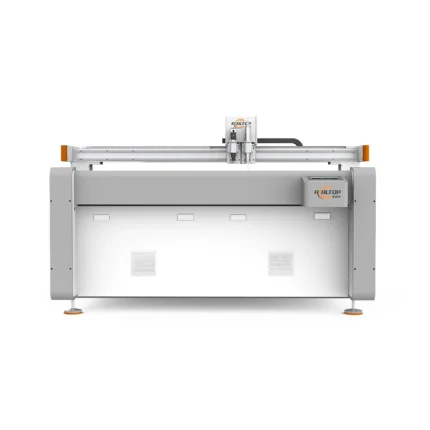
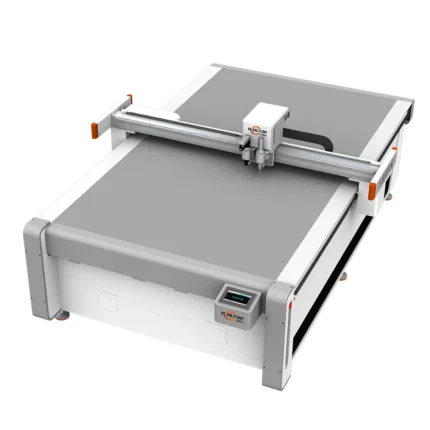
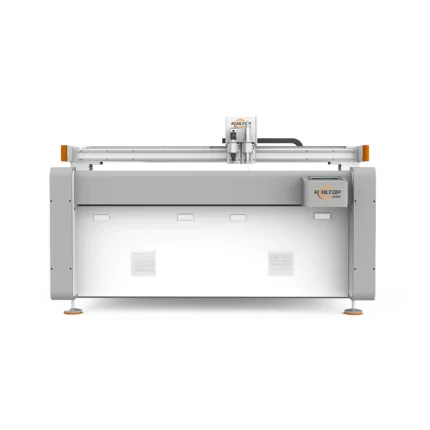
CNC Flatbed Cutter 2026 Digital Corrugated Box Making Machine
Product Introduction
High-precision CNC flatbed cutter designed for efficient cardboard box production. Ideal for 2026 digital corrugated box manufacturing, offering precise cutting and reliable performance for professional packaging solutions.
Key Specifications
| Type | CNC Flatbed Cutter |
| Application | Cardboard Box Production |
| Technology | 2026 Digital System |
| Material | Corrugated Board |
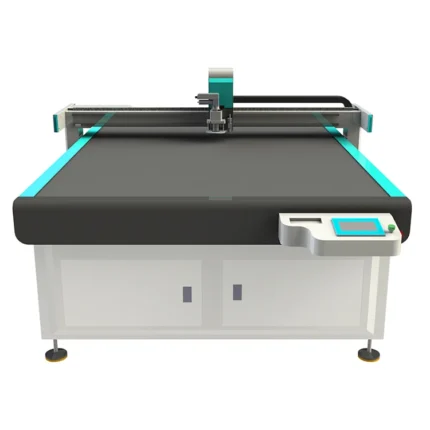
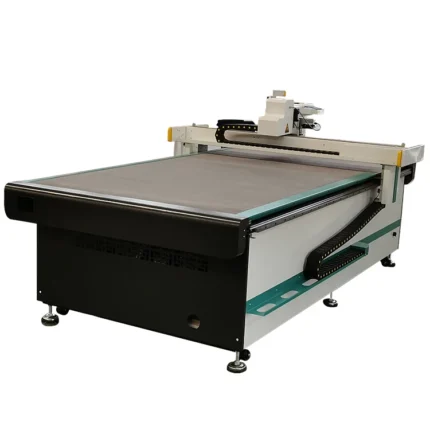
CNC Oscillating Knife Cutting Machine 2026 for Corrugated Cardboard & Honeycomb
Product Introduction
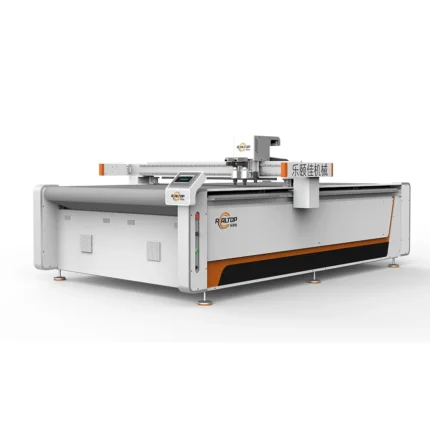
2026 CNC Oscillating Knife Cutting Machine, ideal for corrugated cardboard and honeycomb materials, offering precise and efficient cutting solutions for your production needs.Specifications
| Model | 2026 |
| Type | CNC Oscillating Knife Cutting Machine |
| Applicable Materials | Corrugated Cardboard, Honeycomb |
| Cutting Method | Oscillating Knife |

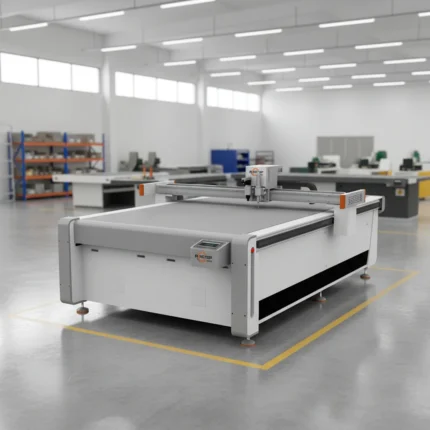
Realtop 2026 Digital Box Cutter High-Speed Corrugated Board
Product Introduction
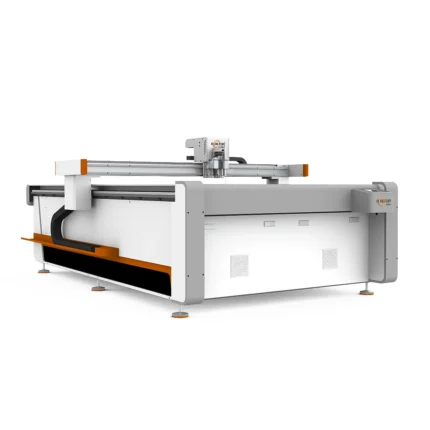
Realtop Digital Box Cutting Machine 2026 is a high-speed solution for corrugated board cutting, designed for efficient and precise box production in manufacturing settings.Key Specifications
| Model | 2026 |
| Type | Digital Box Cutting Machine |
| Application | Corrugated Board |
| Feature | High-Speed Cutting |

商品评价
There are no reviews yet.