

Industrial Garment Cut Machine 2026 Auto Fabric Cutter for Cloth – Factory Supply
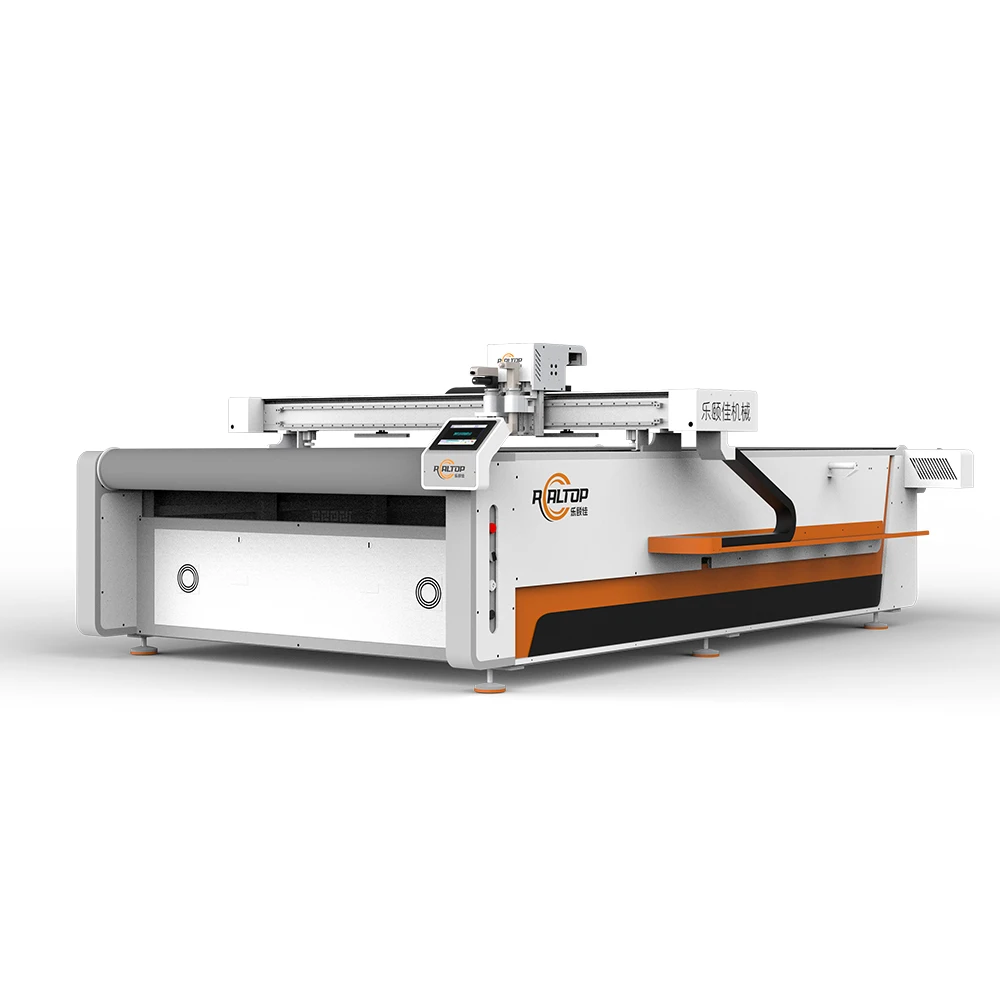
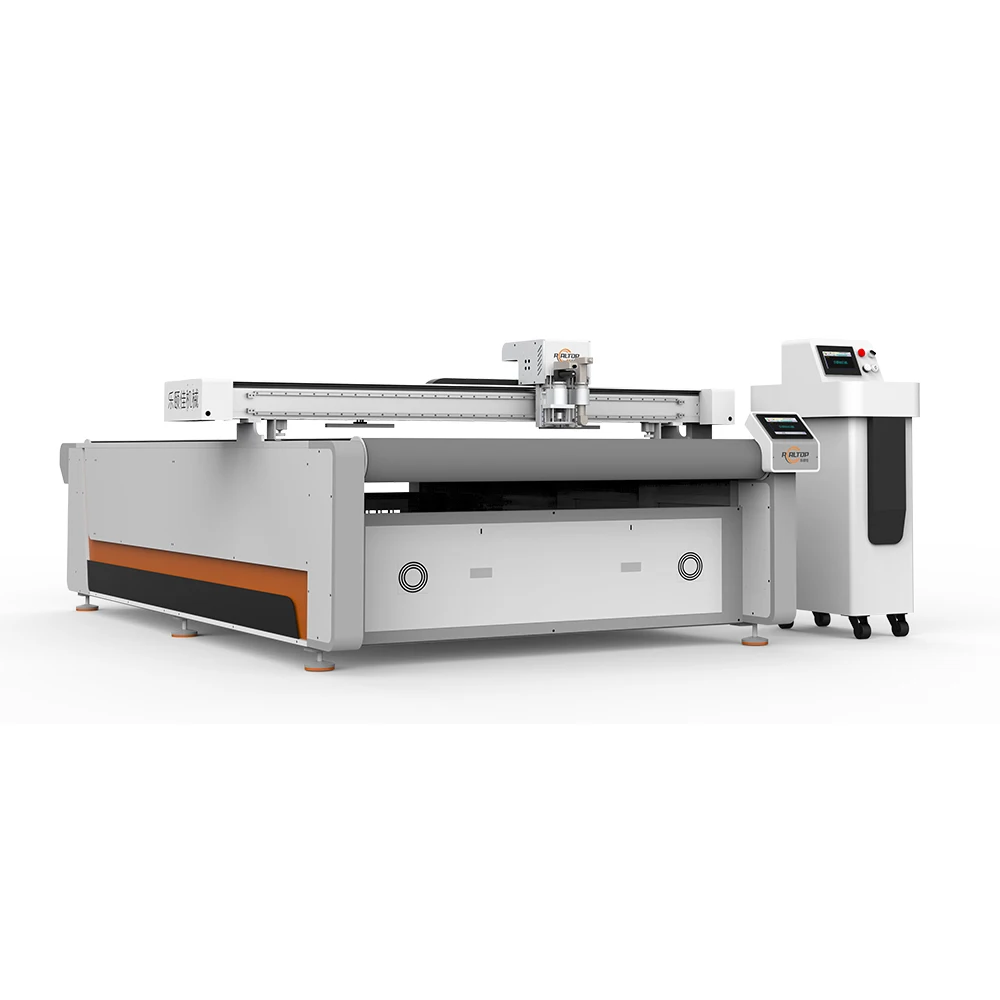
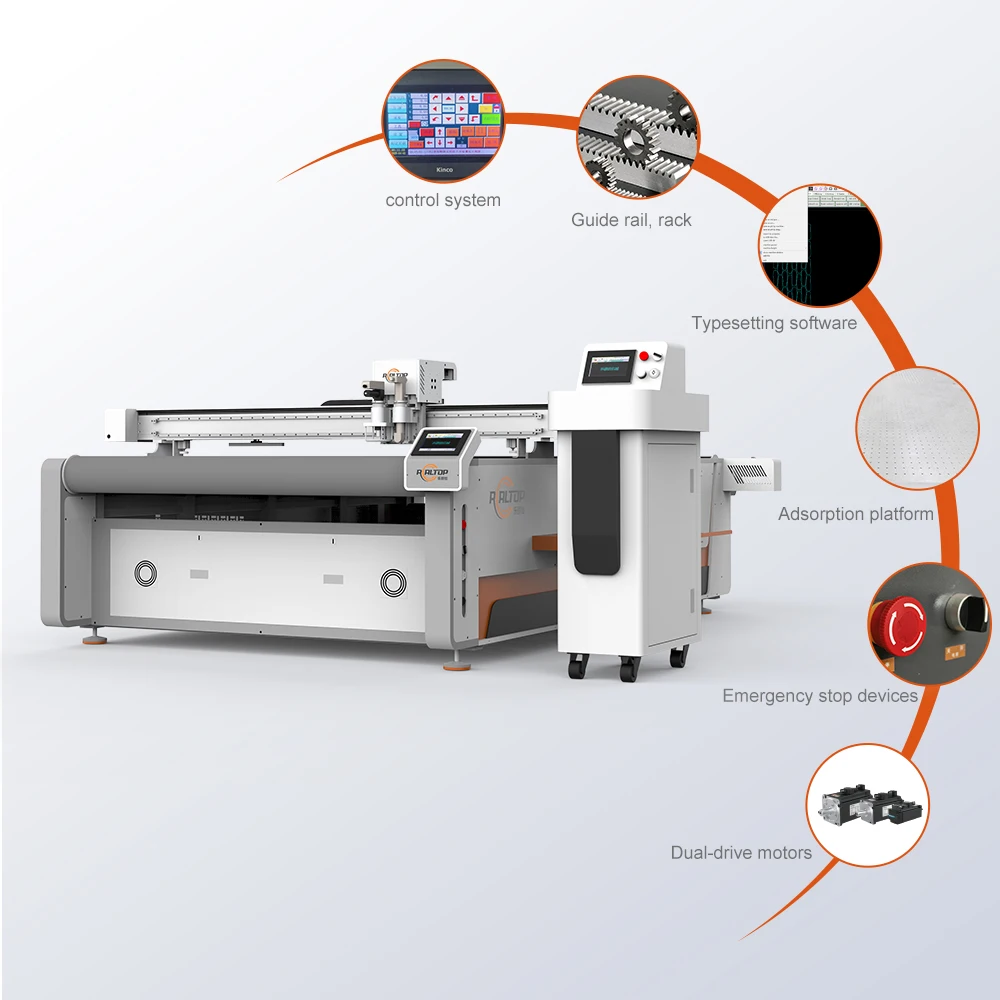
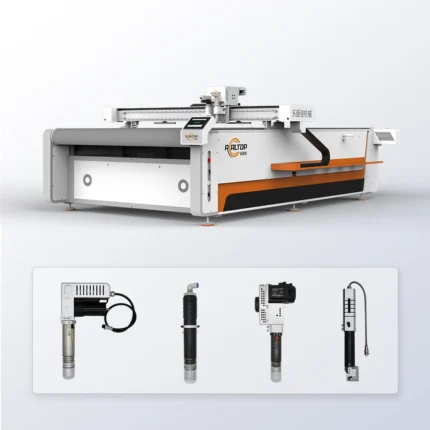
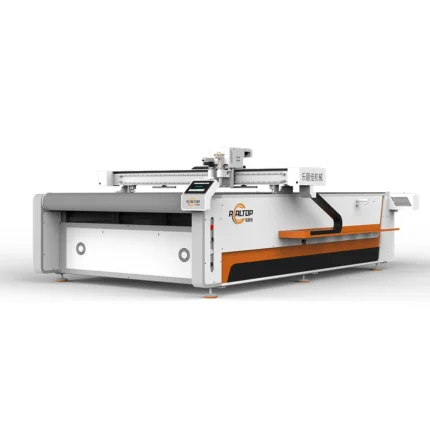
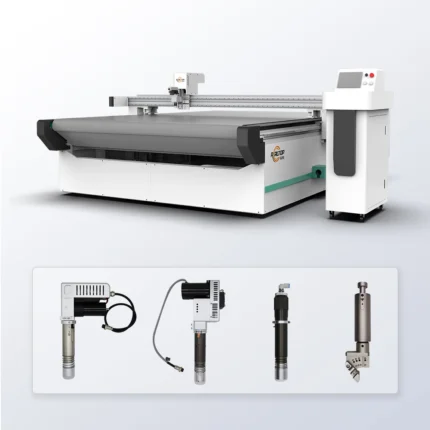
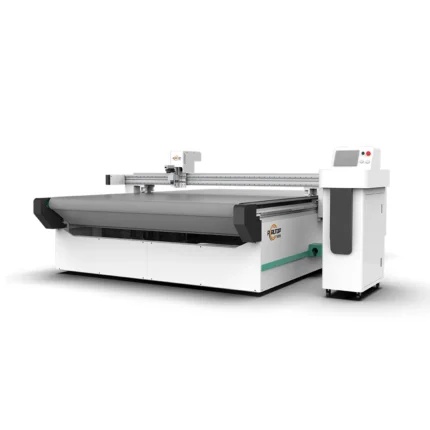
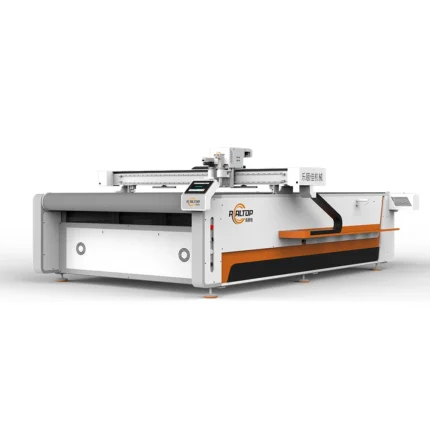
1625 CNC Oscillating Knife Cutting Machine, 1600×2500mm, ±0.1mm Accuracy — configured for multi-layer fabric, leather and composite cutting with interchangeable tool heads matched to material type and thickness.
- Aluminum bellows vacuum table ensures small-part stability; CCD contour recognition available for printed layouts
- PLC control supports DXF/PLT/AI/PDF import and customizable display language
Sample cutting on buyer’s material, tool head configuration list and voltage confirmation provided before order confirmation.
Precision by material sample — every 1625 cutting table ships with a configuration locked to the buyer’s own fabric, leather or composite sample rather than a generic catalogue default.
Technical Specifications
| Parameter | Value |
|---|---|
| Model | 1625 |
| Product Type | CNC Oscillating Knife Cutting Machine |
| Working Area | 1600 × 2500 mm |
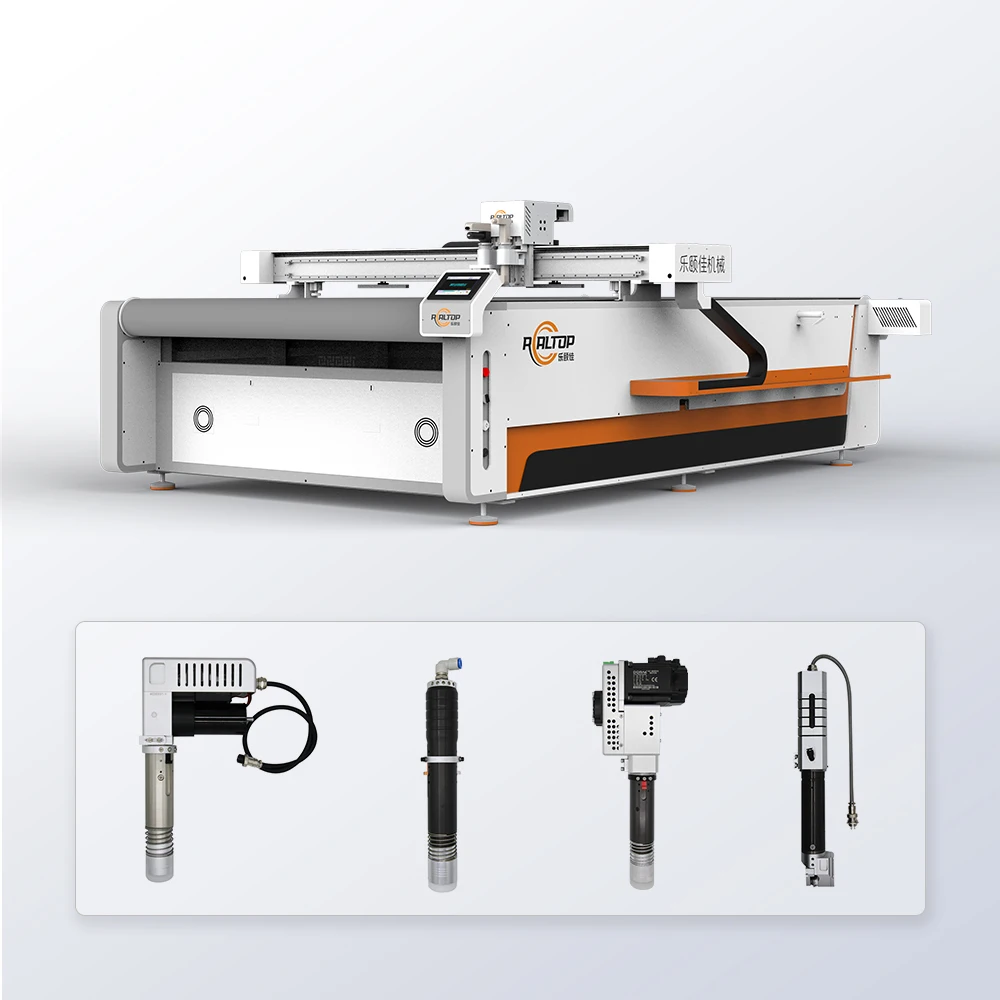
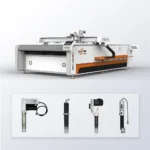
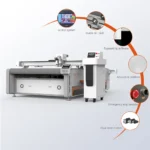
| Tool Head Options | Oscillating knife, Driven rotary knife, Creasing wheel, Kiss cutting tool, Pneumatic knife, Milling tool, V groove knife |
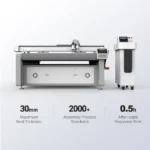
| Cutting Speed | 0–2000 mm/s |
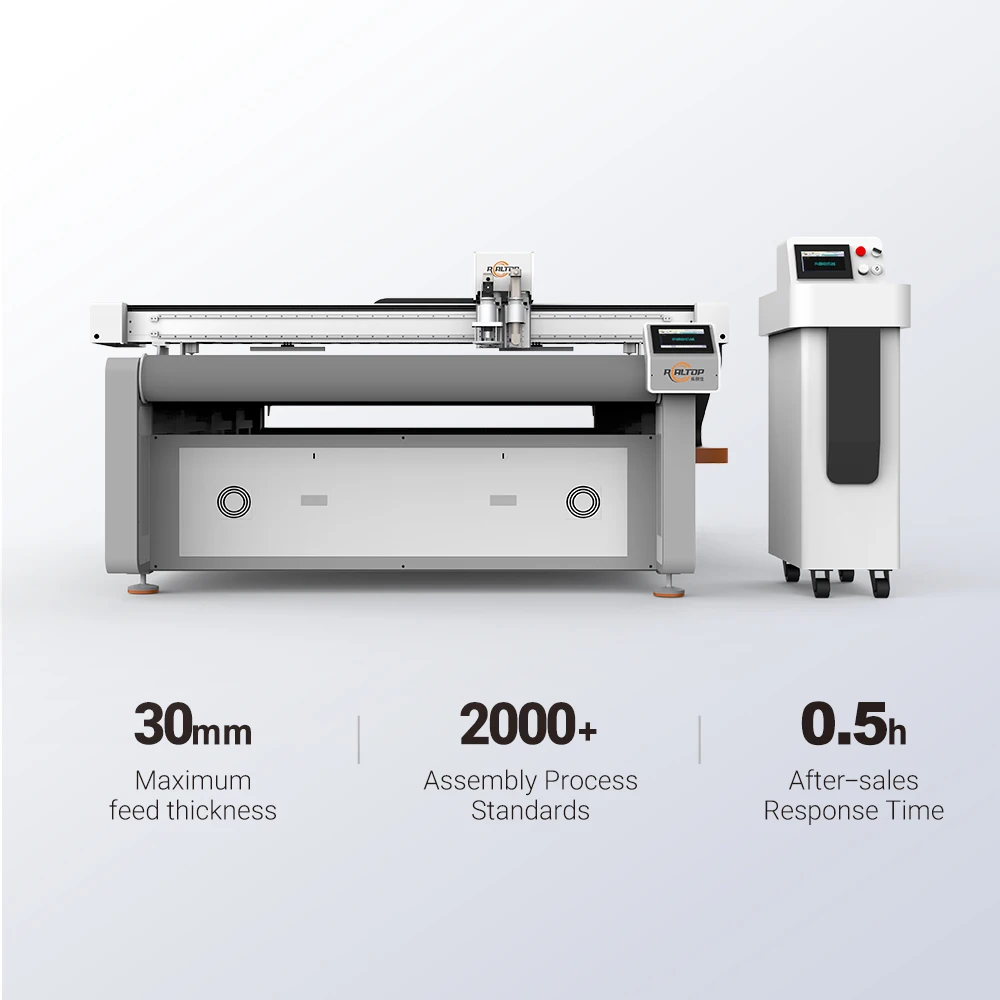
| Cutting Thickness | Up to 30 mm (basis not stated in source — confirm material density and layer count) |
| Positioning Accuracy | ±0.1 mm |
| Vacuum Pump | 9 kW |
| Vacuum Table | Aluminum bellows vacuum table |
| Control System | PLC control panel |
| Voltage Options | 110V / 220V / 380V (configurable before production) |
| File Formats Supported | PLT, DXF, AI, PDF |
| Display Languages | English, Russian, Italian, Chinese (customizable) |
| Safety Devices | Infrared sensor device, emergency stop device |
| Machine Dimensions (L×W×H) | 3300 × 2100 × 1350 mm |
| Servo Motor Options | Panasonic, Delta, Dorna (source value — verify against manufacturer catalog) |
| Standards | CE (implied via certification image — verify text) |
Application Suitability
| Application | Material or Output |
|---|---|
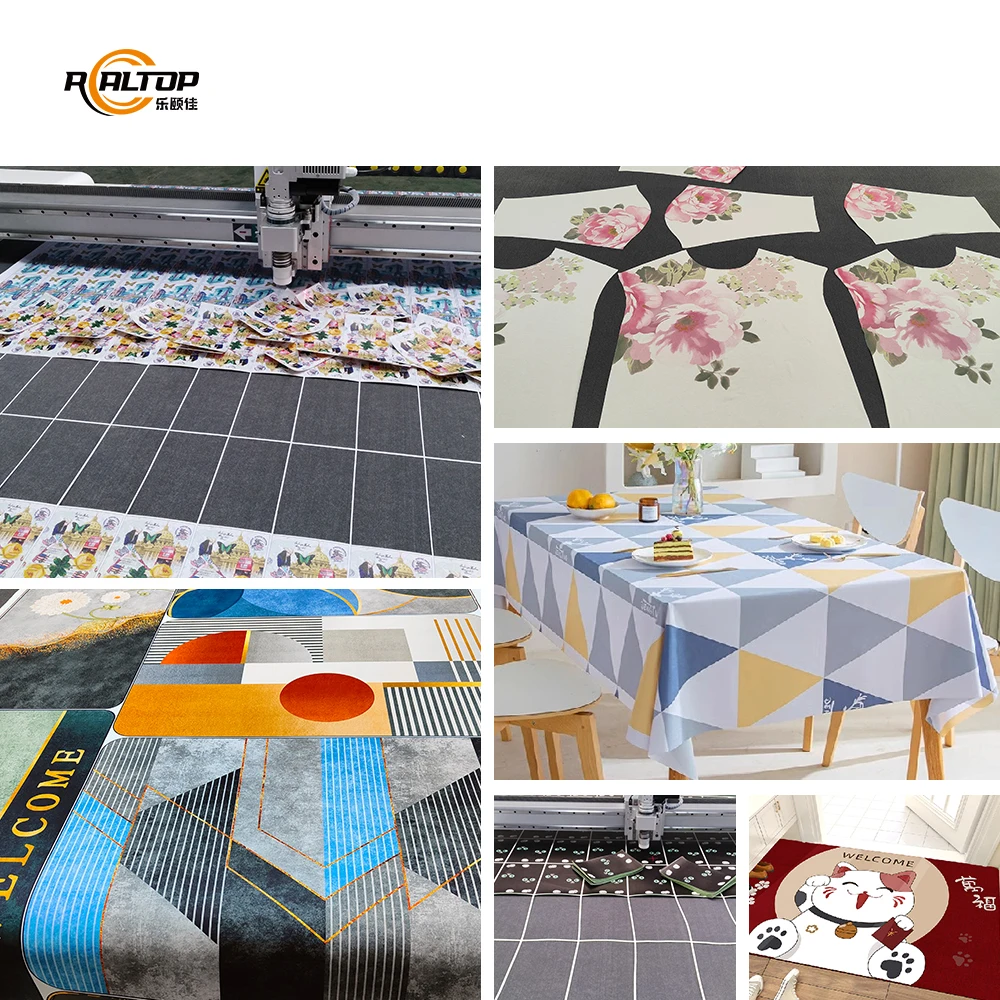
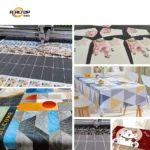
| Apparel manufacturing | Suits, knitwear, lace, pattern-matching fabric layouts |
| Automotive interiors | Seat fabrics, carpets, PVC floor mats |
| Home textiles | Sofa fabrics, curtains, area rugs |
| Composite processing | Carbon fiber prepreg, aramid fabric stacks |
Why Your Material Sample Must Arrive Before the Quote Is Finalized
A cutting depth rating means nothing without knowing what was actually cut to establish it.
When a buyer reads "up to 30 mm" on a CNC Oscillating Knife Cutting Machine for fabric and textile, the natural assumption is that any 30 mm stack will cut clean. But a 30 mm stack of loosely woven knit compresses differently under vacuum than a 30 mm stack of PVC-backed automotive mat. The oscillation frequency that slices through foam may tear through lace. I have seen orders placed on working area alone, only for the buyer to discover on arrival that the default tool head was wrong for their actual material — ragged edges on every piece, the entire first batch unusable. [NEED_CITE: material-specific tool head selection for oscillating knife cutting]
Matching the Tool Head to the Actual Material Stack
The 1625 platform offers seven interchangeable tool heads, but the point is not variety for its own sake. An oscillating knife handles dense foam and gasket material where a drag knife would crush the surface, while a driven rotary knife produces clean edges on multi-layer woven fabric at production speed. For kiss-cutting adhesive-backed textiles without scoring the release liner, the kiss cutting tool is the only option that holds tolerance. The configuration decision starts from the sample the buyer sends in, not from a default that assumes all fabrics behave the same.
Vacuum Zoning and Small-Part Stability at Full Speed
A 1600 × 2500 mm table cutting garment patterns produces dozens of small pieces per nest. If the vacuum zone cannot hold a collar piece flat while the knife travels at 2000 mm/s past it, that piece lifts and the edge is ruined. The aluminum bellows vacuum table on this system is designed to distribute suction across the full surface rather than concentrating it at the center, which is where lift typically occurs first. [NEED_CITE: vacuum table zoning principles for flatbed digital cutters] Proper zoning configuration is confirmed during the sample cutting stage so the buyer sees small-part behavior before committing to the order.
Reading the Specs That Actually Affect Your Production Floor
Positioning accuracy at ±0.1 mm matters most when cutting pattern-matched layouts where a half-millimeter drift across a 2500 mm stroke compounds into visible misalignment on the finished garment. The PLC control panel with multi-language display means the operator in a Russian or Italian workshop does not need to navigate a Chinese-language interface during a production run. File format support for PLT, DXF, AI and PDF allows direct import from most pattern-making and nesting software without an intermediate conversion step that can distort curves. The 9 kW vacuum pump is sized to maintain suction across the full aluminum table surface — undersized pumps lose holding force at the table edges, which is exactly where smaller nested parts sit.
What Happens When Configuration Is Skipped
Choosing the wrong servo motor for a high-speed fabric line means the carriage cannot decelerate cleanly at the end of a stroke, leaving overcut marks on the top layer. Skipping the voltage confirmation step results in a machine wired for 380V arriving in a workshop running 220V three-phase, where the vacuum pump motor burns out on the first day. Without a documented sample cutting report, the buyer has no baseline to verify edge quality against when the machine arrives and the first production run shows fraying that was never visible during the factory test. [NEED_CITE: consequences of incorrect voltage configuration in exported CNC equipment]
Why the Configuration Conversation Starts Here
Every 1625 unit is configured after the buyer’s material is tested on the actual machine, not estimated from a datasheet. Tool head, vacuum zoning and servo brand are locked in based on that test, documented in the configuration list before production begins. The in-house design team covers both the knife cutting platform and the control integration, so file format compatibility and nesting workflow are verified during the sample stage. Voltage, plug type and display language are confirmed on the electrical schematic before the cabinet is wired, not guessed at the packing stage. The result is a CNC Oscillating Knife Cutting Machine for fabric and textile that matches the buyer’s production reality rather than a generic export specification.
Documentation & Verification
- Sample cutting report on buyer’s actual fabric or composite material with edge quality photographs
- Tool head and vacuum table configuration list specifying selected knife type and zoning layout
- Electrical schematic with voltage, plug type and frequency confirmed for destination market
- File format compatibility note verifying nesting software import without conversion errors
- Factory test record showing positioning accuracy and cutting speed on buyer-approved material
Installation, Commissioning & Support
- Floor space requirement based on 3300 × 2100 mm machine footprint plus operator access clearance on three sides
- Dedicated power circuit matching confirmed voltage (110V / 220V / 380V) and 9 kW vacuum pump draw
- Machine ships as a single assembly requiring table leveling and vacuum hose connection on arrival
- First-run parameter tuning on buyer’s material with oscillation frequency and vacuum pressure adjustment
- Operator training on PLC panel in confirmed display language covering tool head changeover procedures
- Spare oscillating knife blades and vacuum table seals included for initial production period
Before You Send the Inquiry
To configure the 1625 correctly, the conversation needs to start with three things: the exact material type and thickness you are cutting (including any backing or coating layers), the nesting software and file format your pattern team currently uses, and the voltage and frequency at your facility. If your production involves multiple material types across the same shift, list them all — the tool head configuration may need to account for quick changeover rather than a single dedicated setup. Send a sample roll of your heaviest and your most delicate material so both can be tested before the configuration is finalized.
Frequently Asked Questions
Q: How is the cutting thickness rating verified before the machine ships?
A: The buyer sends actual production material to the factory, and a sample cutting test is run on the 1625 using the proposed tool head and vacuum configuration. The report documents edge quality, layer count and compression state at the time of cutting, so the thickness rating reflects your specific material rather than a generic test sample.
Q: Which tool head should I choose for my material?
A: That determination is made after your material sample is tested on the machine. The oscillating knife suits dense foam and gasket stock, the driven rotary knife handles multi-layer woven fabric, and the kiss cutting tool is used for adhesive-backed textiles. The configuration list documents the selection and the reasoning before production starts.
Q: Will the vacuum table hold small pattern pieces at full cutting speed?
A: The aluminum bellows vacuum table is configured with zoning matched to your typical nest layout. During the sample cutting stage, small-part holding is specifically tested at production speed, and any lift issues are addressed by adjusting zone boundaries before the final table configuration is locked in.
Q: Is my existing nesting software compatible with this CNC Oscillating Knife Cutting Machine for fabric and textile?
A: The system natively supports PLT, DXF, AI and PDF import. During the sample stage, your actual nesting files are loaded and run to confirm that curves, text annotations and cut order transfer without distortion or missing paths. Any conversion requirements are documented before the order is finalized.
Q: Can voltage, plug type and control language be customized before production?
A: Yes. The electrical schematic is confirmed with the buyer before the cabinet is wired, specifying voltage (110V / 220V / 380V), plug type and frequency for the destination market. The PLC display language is set to the buyer’s preference from the available options or customized if the required language falls outside the standard list.


Related products
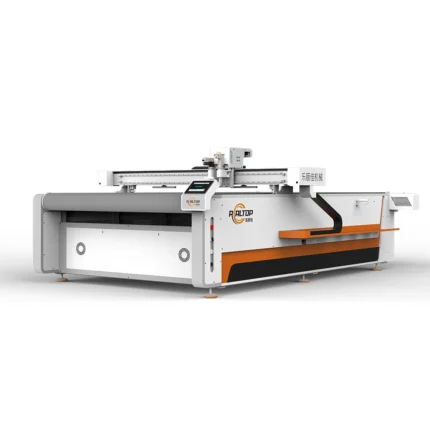
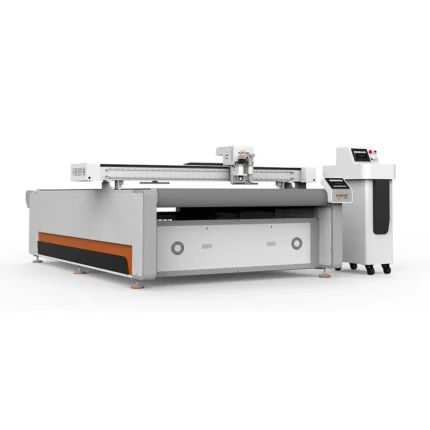
2026 Auto CNC Cloth Cutting Machine High-Precision Fabric Leather Plotter
Product Introduction
2026 Auto CNC Cloth Cutting Machine, a high-precision fabric & leather plotter designed for efficient cutting. Ideal for textile and leather industries with advanced CNC technology.
Key Specifications
| Model | Auto CNC Cloth Cutting Machine 2026 |
| Application | Fabric & Leather |
| Precision | High-Precision Cutting |
| Type | CNC Plotter |
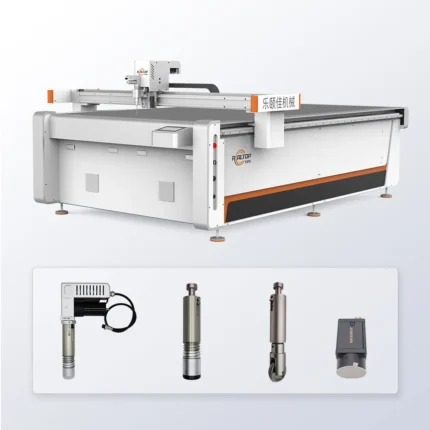
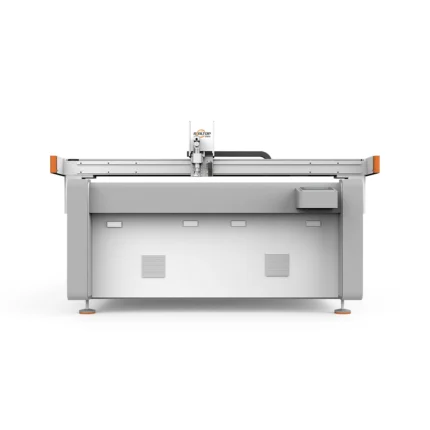
2026 Carbon Fiber Cloth Cutting Machine – China Manufacturer
Product Introduction
Fabric Sample Cutter Pillow Machine ¨C 2026 Carbon Fiber Cloth Cutting Machine, ideal for precise cutting of carbon fiber cloth and fabric samples, suitable for pillow production and related textile applications.Product Parameters
| Name | Fabric Sample Cutter Pillow Machine |
| Model | 2026 |
| Material | Carbon Fiber Cloth |
| Application | Pillow Fabric Cutting |
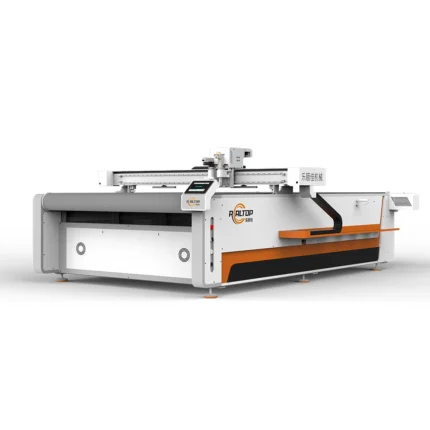
2026 Flatbed Oscillating Knife Cutter 1600x3500mm Auto-Feeding Textile
Product Overview
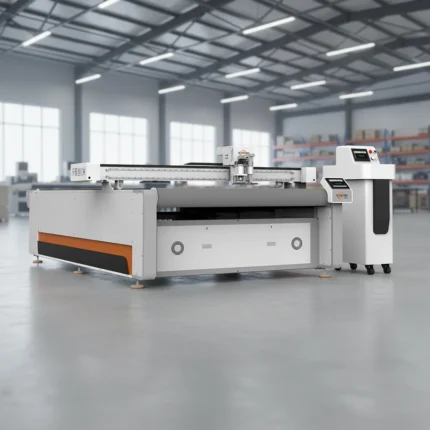
Flatbed Oscillating Knife Cutting Machine 2026 is a high-precision textile fabric cutter with auto-feeding function, ideal for efficient and accurate cutting tasks in textile manufacturing. It combines advanced oscillating knife technology with a large working area to meet industrial production needs.Key Specifications
| Model | 2026 |
| Working Area | 1600x3500mm |
| Feeding System | Auto-Feeding |
| Cutting Type | Oscillating Knife |
| Application | Textile Fabric |
CNC Oscillating Knife Cutting Machine 2026 3000¡Á1600mm High-Speed
Product Parameters
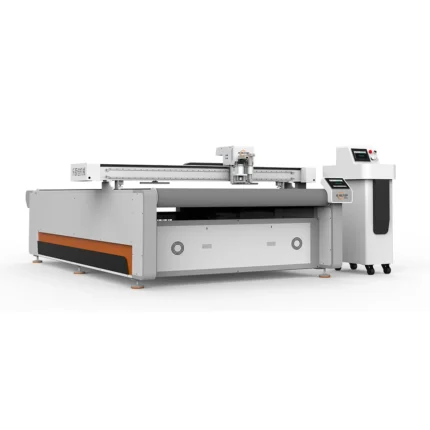
| Model | CNC Oscillating Knife Cutting Machine 2026 |
| Working Area | 3000mm¡Á1600mm |
| Cutting Type | Oscillating Knife |
| Application | Fabric Cutting |
| Feature | High-Speed |
Introduction
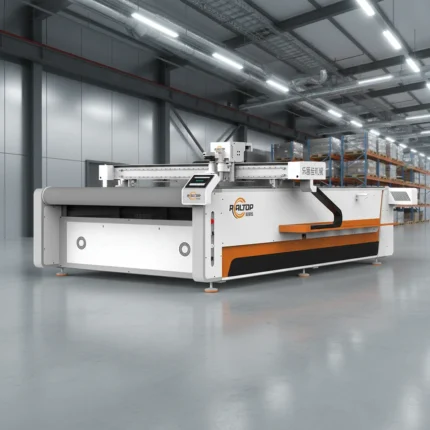
High-performance CNC oscillating knife cutting machine with 3000mm¡Á1600mm working area, ideal for high-speed fabric cutting. Precision and efficiency for professional textile processing needs.
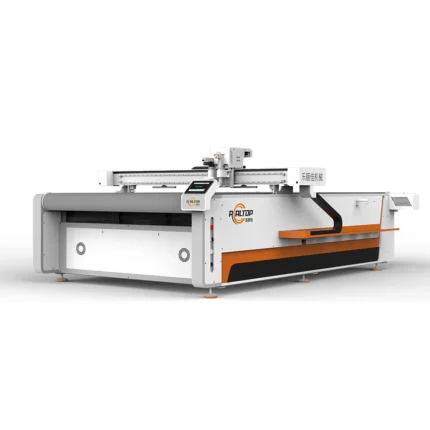

Electric Fabric Rotary Cutter 2026 12V Auto-Cut Industrial
Product Introduction
Industrial-grade Electric Fabric Rotary Cutter designed for precise cutting of scan-printed cloth. Features 12V auto-cut functionality for efficient, automated operation, ideal for professional textile processing.Product Parameters
| Power Supply | 12V |
| Function | Auto-Cut |
| Application | Scan-Printed Cloth |
| Type | Industrial Electric Rotary Cutter |
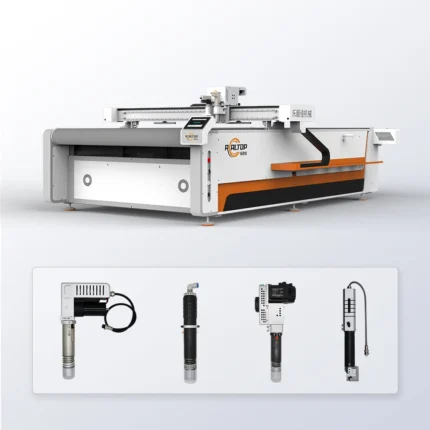
High Speed Fabric Cutting Machine 2026 Round Oscillating Knife
Product Overview
High Speed Fabric Cutting Machine 2026 with round and oscillating knife for efficient fabric cutting. Ideal for textile manufacturing and related industries.Key Specifications
| Cutting Type | Round & Oscillating Knife |
| Model Year | 2026 |
| Application | Fabric Cutting |
| Feature | High Speed Performance |
商品评价
There are no reviews yet.