


Leather CNC Cutting Machine with Vibration Knife – Manufacturer
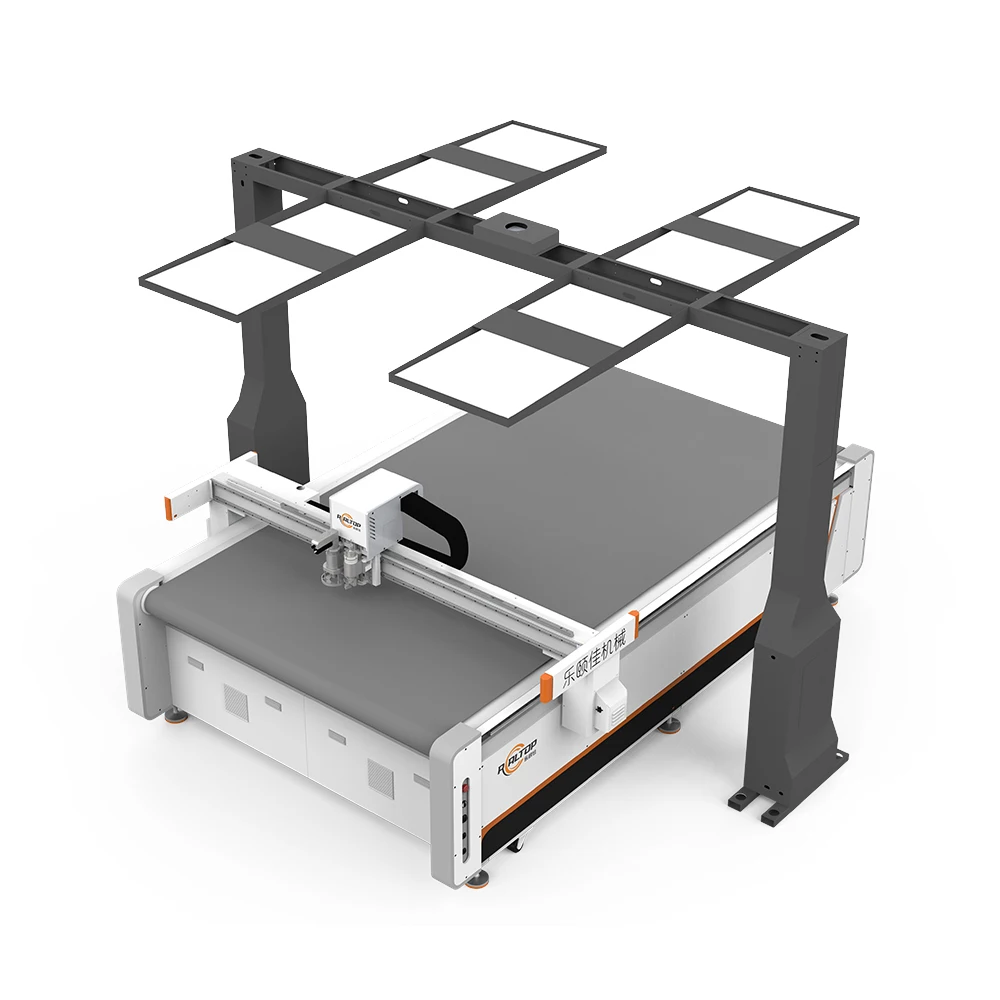
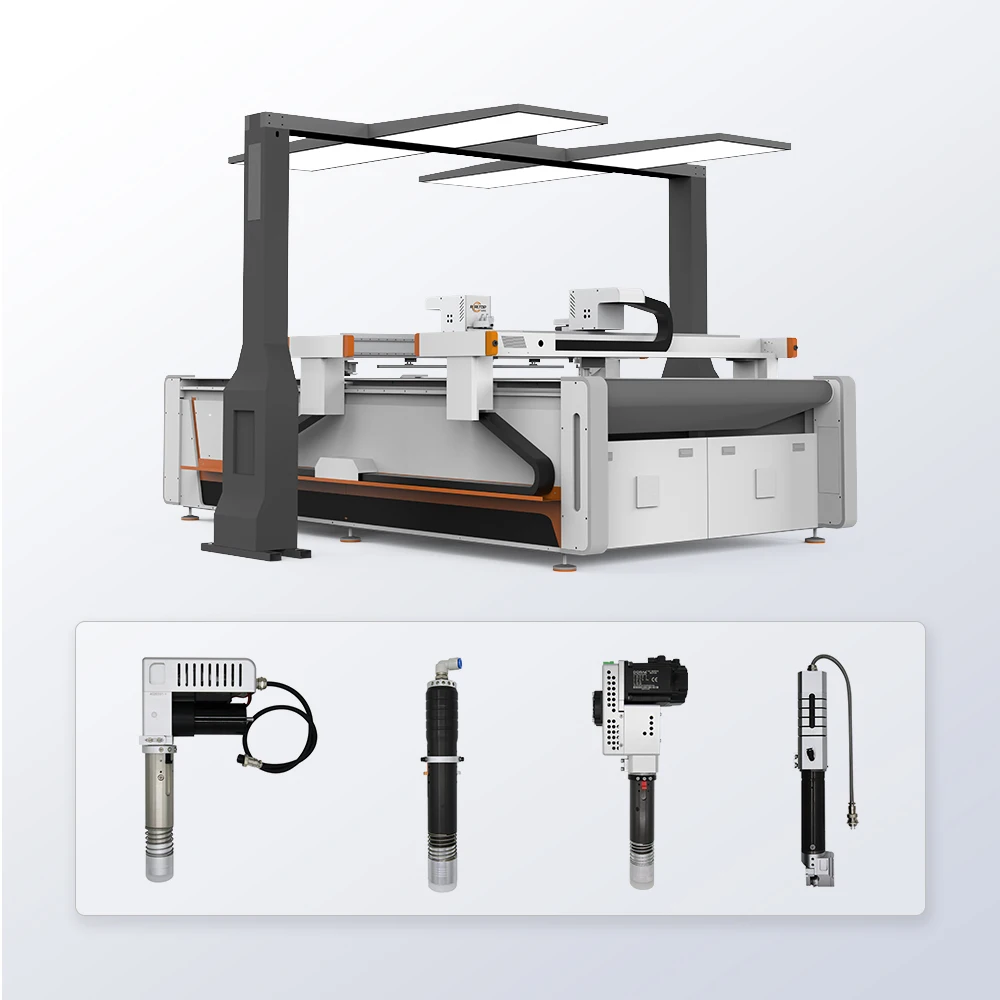
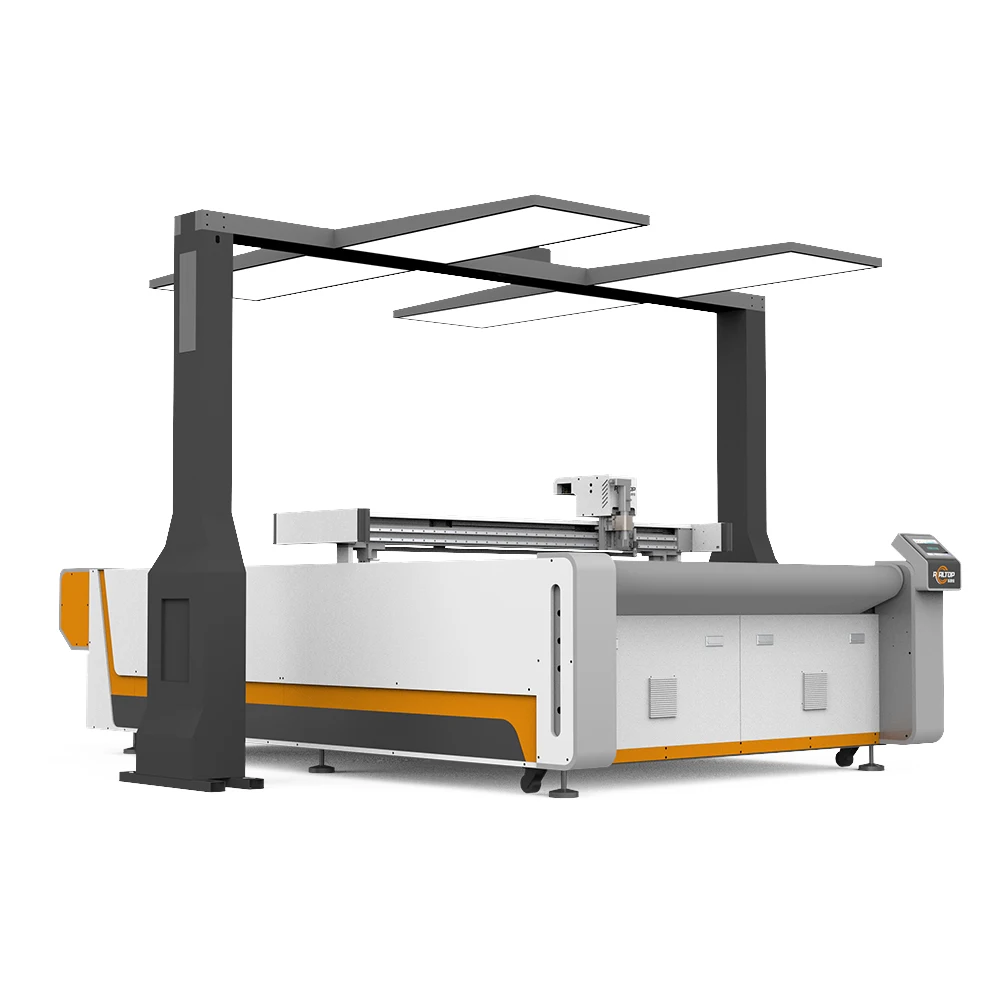
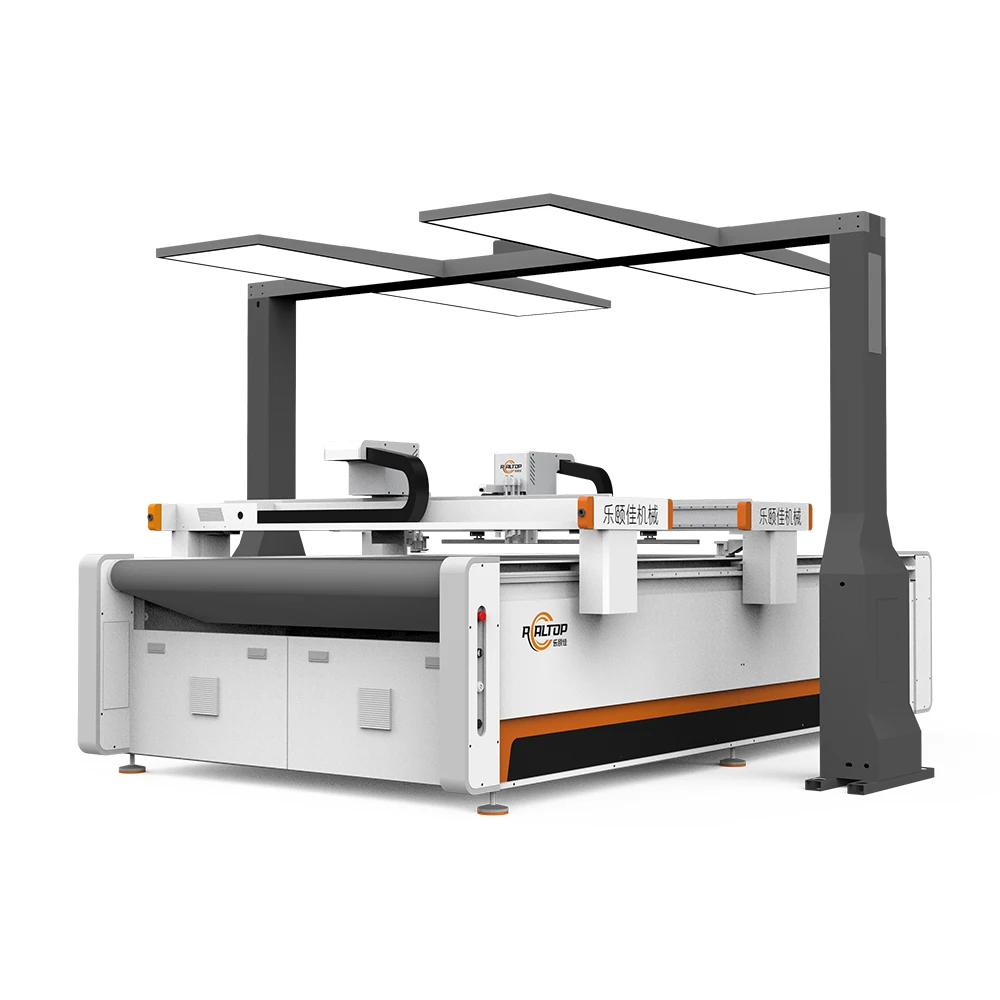
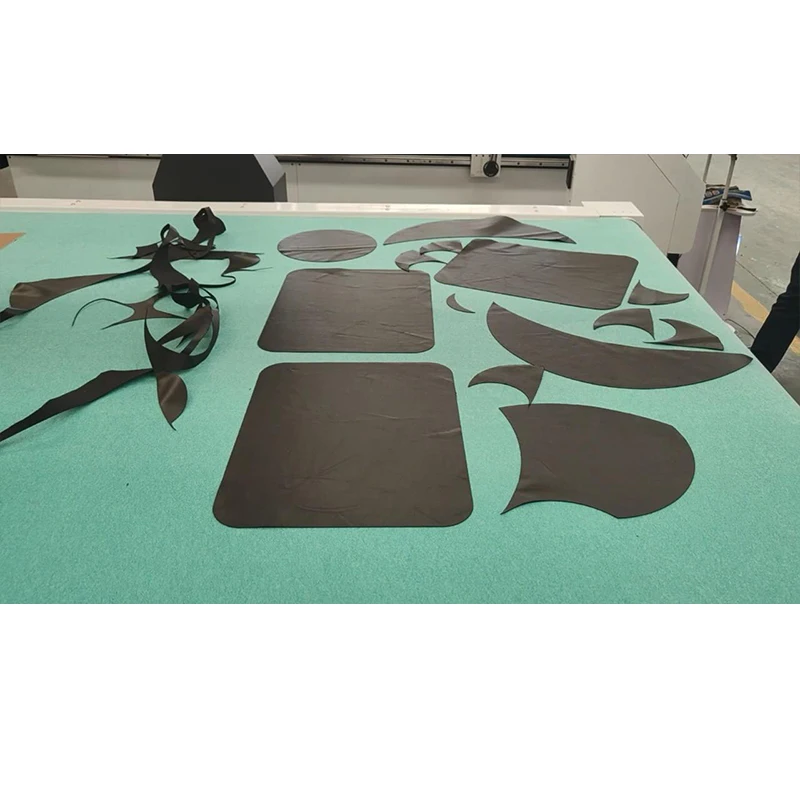
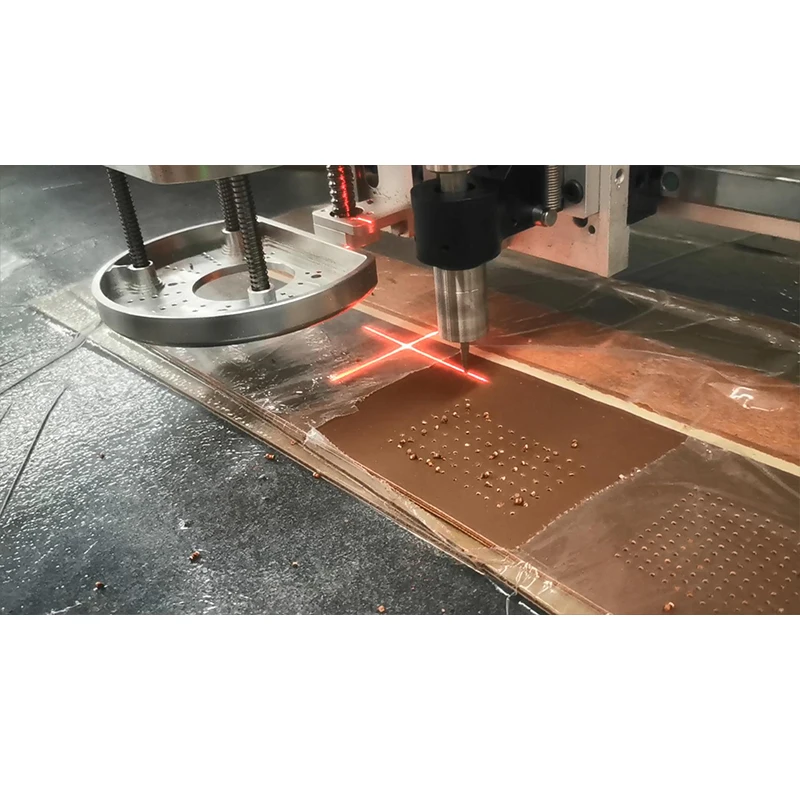
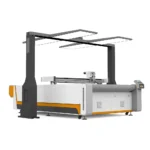
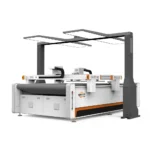
CNC Oscillating Knife Cutting Machine, 1600×2500mm Working Area, ≤30mm Cutting Thickness, ±0.1mm Accuracy — configured with interchangeable tool heads including oscillating knife, driven rotary knife, creasing wheel and V-groove options matched to leather density and production volume. Aluminum bellows vacuum table provides consistent hold-down across the full bed, while CCD camera contour recognition tracks printed marks and genuine leather grain patterns at cutting speeds up to 2000mm/s. Sample cutting on your own leather material is completed and validated before order commitment
Tool Head Versatility — Oscillating, rotary, and pneumatic knife options configured per material density so leather edges stay clean instead of crushed or frayed at the cutting line.
Technical Specifications
| Parameter | Value |
|---|---|
| Product Type | CNC Oscillating Knife Cutting Machine |
| Working Area | 1600 × 2500 mm |
| Cutting Speed | 0–2000 mm/s (basis to be confirmed with material type and thickness) |
| Cutting Thickness | ≤ 30 mm (basis not stated in source — confirm leather type and density) |
| Cutting Accuracy | ±0.1 mm |
| Tool Heads Available | Oscillating knife, Driven rotary knife, Creasing wheel, Kiss cutting tool, Pneumatic knife, Milling tool, V-groove knife |
| Vacuum Table | Aluminum bellows vacuum table |
| Vacuum Pump Power | 9 kW |
| Control System | PLC control panel |
| Servo Motor Options | Panasonic, Delta, Dorna |
| File Formats Supported | PLT, DXF, AI, PDF |
| Voltage Options | 110V, 220V, 380V (configurable per market) |
| Language Options | English, Russian, Italian, Chinese (customizable) |
| Machine Dimensions (L×W×H) | 3300 × 2100 × 1350 mm |
| Safety Devices | Infrared sensor device, emergency stop device |
| Standards | CE |
Application Suitability
| Application | Material or Output |
|---|---|
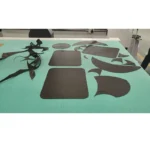
| Shoe upper manufacturing | Genuine leather, PU leather, microfiber leather up to specified thickness |
| Automotive seat covers | Multi-layer automotive upholstery, fiber-reinforced seat leather, synthetic composites |
| Bag and apparel production | Full-grain and corrected-grain leather hides, textile panels |
| Car mats and soft trim | Foam-backed leather, rubber composites, EVA and XPE foam |
| Signage and packaging samples | PVC sheets, corrugated board, foam board, folding carton stock |
| Composite and foam fabrication | Multi-layer textile laminates, industrial gasket material, acoustic foam |
Why the Wrong Tool Head Turns a Clean Edge into a Scrap Bin
Matching the knife type to the leather structure matters more than cutting speed on a CNC oscillating knife leather cutting machine.
I learned this the hard way in a Mexico automotive interior plant. The sample ran fine on standard PU leather back at the factory, but the production line was cutting fiber-reinforced seat leather with a dense woven backing layer. The oscillating knife left ragged edges and couldn’t penetrate the reinforcement. We spent two weeks re-tuning parameters and swapping to a driven rotary knife before the edge quality met the OEM spec. The machine never failed — the initial tool head recommendation did [NEED_CITE: importance of material-specific tool selection in CNC knife cutting operations].
A pneumatic knife works well for thicker, softer hides where downward force keeps the blade engaged. A driven rotary knife handles tough, fibrous laminates that would stall a vibrating blade. Getting this decision right at the quoting stage eliminates the trial-and-error period that delays commissioning and burns material.
Blade Selection Dictates the Entire Leather Cutting Workflow
Leather is not a uniform material. A corrected-grain cowhide for bag panels behaves differently from a fiber-reinforced automotive seat hide, and a CNC oscillating knife leather cutting machine must accommodate that variation through physical tooling, not just software tweaks. The oscillating knife handles most mid-weight leathers and synthetics at high speed, producing a clean shear cut through the grain layer and backing simultaneously.
When the material has a tough woven or non-woven reinforcement layer, the driven rotary knife slices through with a continuous rotary motion rather than a rapid up-and-down stroke, preventing the blade from catching on fibers. The creasing wheel adds fold lines for bag gussets and shoe components without cutting through the material. This tool head versatility means one machine handles the range of materials a leather goods or automotive interior shop encounters in daily production.
Contour Recognition Keeps Genuine Leather Yield High
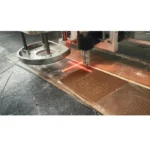
Genuine leather hides are irregular in shape and carry natural defects that must be avoided during nesting. The CCD camera contour recognition system reads printed registration marks and hide boundary outlines, allowing the CNC oscillating knife leather cutting machine to position cut paths around scars, brand marks, and thin spots that would weaken a finished panel [NEED_CITE: CCD contour recognition integration in digital flatbed cutting systems].
For automotive interior producers running small-batch customized seat covers, this means each hide gets mapped before cutting, and the nesting software arranges pattern pieces to maximize usable area. The result is less wasted hide and fewer rejected panels downstream in the sewing department. The system operates at production speed, not just during slow setup passes, which matters when daily volume justifies the machine’s footprint on the floor.
Reading the Specs That Actually Affect Your Cut Quality
The 1600 × 2500 mm working area accommodates full automotive seat cover lay-ups and large hide cutting without repositioning, but the vacuum table zoning is what holds small pieces flat during the final cuts. The aluminum bellows vacuum table delivers consistent suction across the bed, and the 9 kW vacuum pump provides the suction volume needed to keep thinner leathers and textiles from lifting under the knife head. Without adequate hold-down, the blade pulls the material upward, producing a beveled or ragged edge instead of a clean perpendicular cut.
The ±0.1 mm cutting accuracy specification matters most when cutting interlocking pattern pieces for shoe uppers, where a gap or overlap of even half a millimeter creates visible seam mismatches after stitching. Servo motor selection — available with Panasonic, Delta, or Dorna options — affects how smoothly the head transitions between high-speed straight cuts and tight-radius curves around complex pattern contours. PLC control with a multi-language interface reduces the learning curve for operators who may not read English technical manuals. File format support for PLT, DXF, AI, and PDF means most existing CAD workflows connect without a format conversion step that introduces errors.
The Cost of Discovering Configuration Gaps After Shipment
A machine ordered on working area alone, without specifying the leather thickness and reinforcement type, arrives configured for a material it was never intended to cut. The vacuum zones may be too large for small bag hardware pieces, allowing them to shift and lift during cutting [NEED_CITE: vacuum table zoning requirements for small-part CNC cutting]. The voltage and plug type might not match the facility’s electrical supply, requiring an on-site transformer that adds cost and a failure point. Software that cannot import the buyer’s nesting files forces a manual programming step that erases any time advantage the machine was supposed to deliver.
These issues are not defects — they are configuration decisions that were never made during the inquiry stage. The machine builds and ships correctly against its specification sheet. The problem is that the specification sheet did not account for the buyer’s actual production conditions.
What This Purchase Process Should Look Like
In-house design and production covering both knife and laser cutting technologies means the cutting method gets matched to the leather or composite material, rather than forcing one process to handle everything. Tool head and table configuration are specified per material type, thickness, and production volume before the order is confirmed, not adjusted reactively during commissioning.
Sample cutting on the buyer’s actual leather material takes place before commitment, producing a cutting report that documents edge quality, cycle time, and tool wear on the specific material that will run in production. Software compatibility is verified against the buyer’s existing file formats and nesting workflow before the machine ships. Voltage, plug type, and control language are confirmed and documented, so the machine arrives ready to power on and run [NEED_CITE: pre-shipment configuration verification for exported CNC equipment].
Documentation & Verification
- Sample cutting report on your specific leather type and thickness before order confirmation
- Tool head and vacuum table configuration list matched to your material and daily volume
- Electrical schematic with confirmed voltage, plug type, and circuit requirements for your facility
- Software license and file format compatibility note for your CAD and nesting workflow
- Factory test record documenting cut accuracy and edge quality on your material sample
- Packing photographs showing machine condition and tooling inventory before crating
Installation, Commissioning & Support
- Foundation requires a level floor rated for the 3300 × 2100 × 1350 mm machine footprint and dynamic cutting loads
- Dedicated electrical circuit matching confirmed voltage option (110V, 220V, or 380V) with proper grounding
- Machine ships partially disassembled; bed frame and gantry require on-site assembly and alignment
- Initial parameter tuning includes vacuum pressure adjustment and knife oscillation frequency for your leather type
- Operator training covers PLC control panel functions, tool head changeover, and CCD contour recognition setup
- Spare blades, vacuum seals, and drive belt spares provided for early production wear
What to Share Before Requesting a Quote
Send a sample of the actual leather or composite material you plan to cut, including any backing or reinforcement layers, along with the typical thickness range you process. Specify your daily cutting volume and whether you run full hides, pre-cut panels, or roll-fed synthetics. Confirm your facility voltage, frequency, and preferred control language so the quotation reflects the configuration you will receive.
Frequently Asked Questions
Q: How is the correct tool head selected for my leather thickness and material type?
A: We request a sample of your production material and run test cuts with different tool heads — oscillating, rotary, or pneumatic — to evaluate edge quality and penetration through any reinforcement layers. The configuration that delivers clean edges at your required speed is documented in the sample cutting report and locked into the machine specification before production begins.
Q: Can the CCD camera track printed marks and leather grain patterns at full production speed?
A: The CCD contour recognition system reads registration marks and hide boundaries at the machine’s operating cutting speed, not just during slow setup passes. We validate this during the sample cutting phase using your printed materials or hide profiles, and the tracking performance is documented in the pre-order test report.
Q: What vacuum table zoning is available for small leather parts that tend to lift during cutting?
A: The aluminum bellows vacuum table provides zone segmentation so suction concentrates on the area where cutting is actively occurring. This prevents small bag components and shoe upper pieces from lifting off the bed when the knife head moves away. Zone layout is configured based on your typical part sizes during the specification stage.
Q: Which software file formats and nesting workflows are confirmed compatible before shipment?
A: The system supports PLT, DXF, AI, and PDF import natively. Before the machine ships, we verify that your existing CAD files open correctly, nesting parameters produce expected yields, and the output integrates with your workflow. Any format conversion requirements are identified and resolved during this compatibility check.


Related products
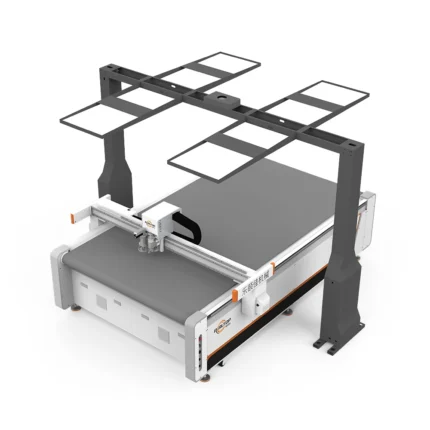
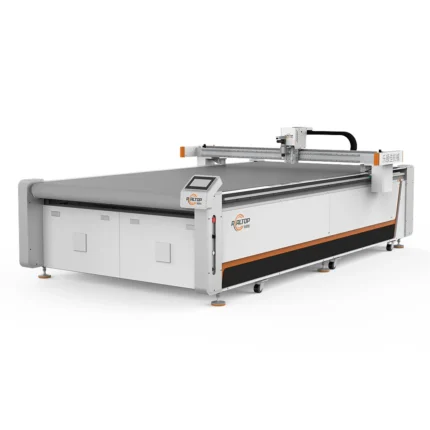
1625 CNC Oscillating Blade Cutter for Artificial Leather & Elastic Fabric
Product Introduction
1625 CNC Oscillating Blade Cutter, ideal for precise cutting of artificial leather and elastic fabric, offering efficient and accurate material processing for 2026 production needs.
Product Parameters
| Model | 1625 |
| Type | CNC Oscillating Blade Cutter |
| Applications | Artificial Leather, Elastic Fabric |
| Year | 2026 |
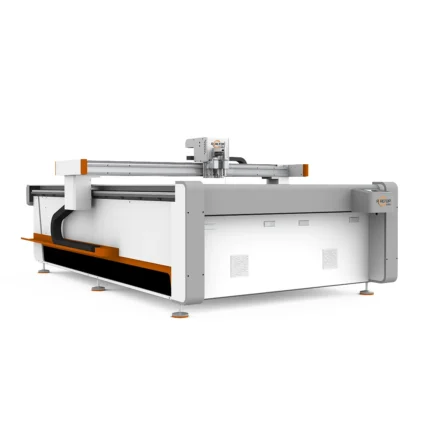
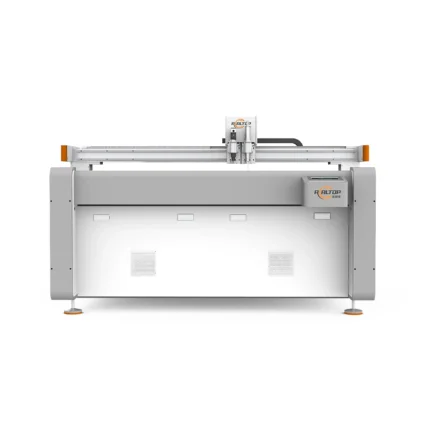
2026 CE Automatic Corrugated Cardboard Cutter Plotter
Product Introduction
Introducing the 2026 Model Automatic Cut Cutter Plotter, designed for corrugated cardboard processing. CE-certified for quality and safety, this advanced machine offers precise cutting performance for efficient production workflows. Ideal for professional manufacturing environments seeking reliable and automated cutting solutions.Product Parameters
| Model | 2026 |
| Certification | CE |
| Application | Corrugated Cardboard |
| Function | Automatic Cutting |
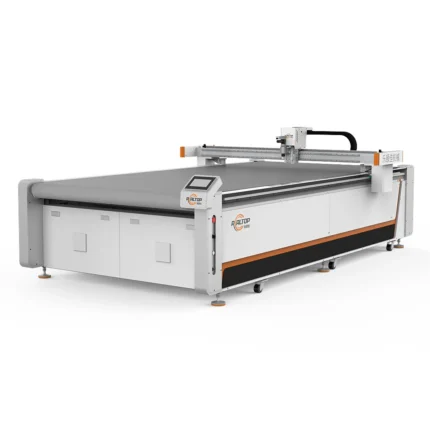

2026 Oscillating Knife Leather Cutting Machine Auto Feed Contour Cut
Product Introduction
2026 New Design Oscillating Knife Cutting Machine, ideal for leather processing with auto feed and contour cut functions, ensuring precise and efficient cutting performance.
Product Parameters
| Function | Auto Feed & Contour Cut |
| Application | Leather Cutting |
| Design | 2026 New Design |
| Type | Oscillating Knife Cutting Machine |


Auto Knife Leather Cutting Machine for Contour & Auto Feed – Manufacturer
RT-D2516/RT-S2516 CNC Oscillating Knife Leather Cutting Machine, 1600×2500mm Working Area, 9kW, 380V — engineered for leather, composite and flexible material processing with Swiss imported knife head supporting full-cut, half-cut and cursor location modes.
- Magnesium-aluminum alloy vacuum table with PVDF coating ensures uniform hold-down across the entire work surface
- CCD camera contour recognition with panoramic and mark-point positioning options for printed leather hides
- Auto-feeding configuration available for continuous medium-to-high volume production runs
- Software supports PLT, DXF, AI formats with auto typesetting and multi-language control panel
Sample cutting on your specific leather type and thickness is completed before order commitment, ensuring tool head selection and edge quality match your production requirements.

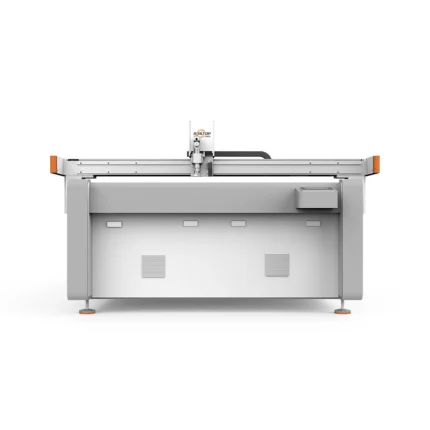
Leather CNC Oscillating Knife Cutter – Realtop1625
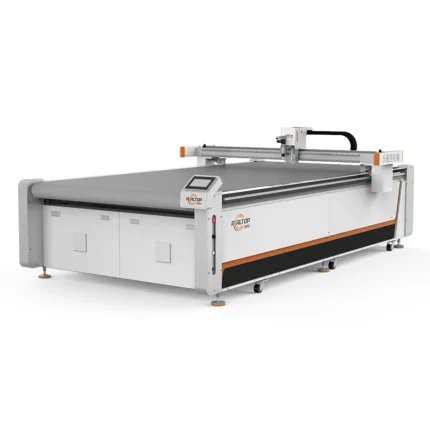
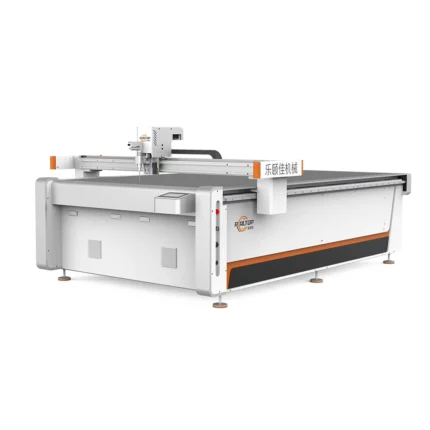
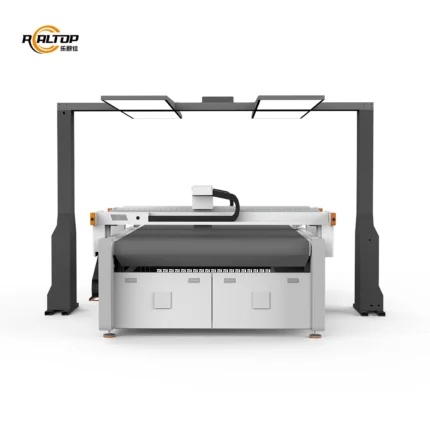
Realtop1625 Leather CNC Cutting Machine, 1600×2500mm, ≤30mm Thickness, CCD Contour Recognition — configured with interchangeable oscillating and rotary knife heads matched to leather grade and fabric density rather than a single fixed tool. Aluminum bellows vacuum table holds small contours flat across the full working area, with CCD camera tracking printed marks on patterned rolls at production speed.
Sample cutting on your own material with a written test report before order commitment, voltage and control language confirmed before shipment.
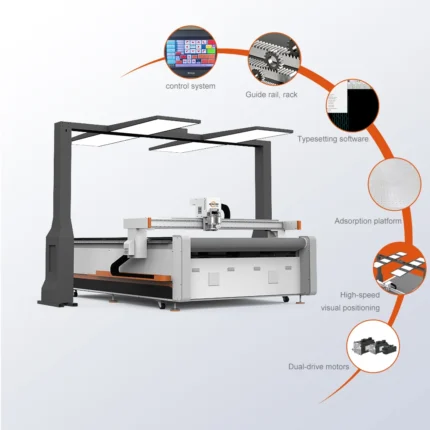
Oscillating Knife Leather Cutter CNC 2026
Product Introduction
Oscillating Knife Leather Cutter CNC 2026 is a precision cutting solution for leather materials, designed for efficient and accurate fabrication in manufacturing settings. Ideal for leather processing with advanced CNC technology.Product Parameters
| Model | Oscillating Knife Leather Cutter CNC 2026 |
| Cutting Type | Oscillating Knife |
| Application | Leather Materials |
| Control System | CNC |
商品评价
There are no reviews yet.