


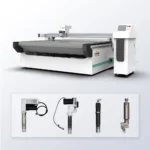
Medical Fabric Cutting Machine – Industrial Application
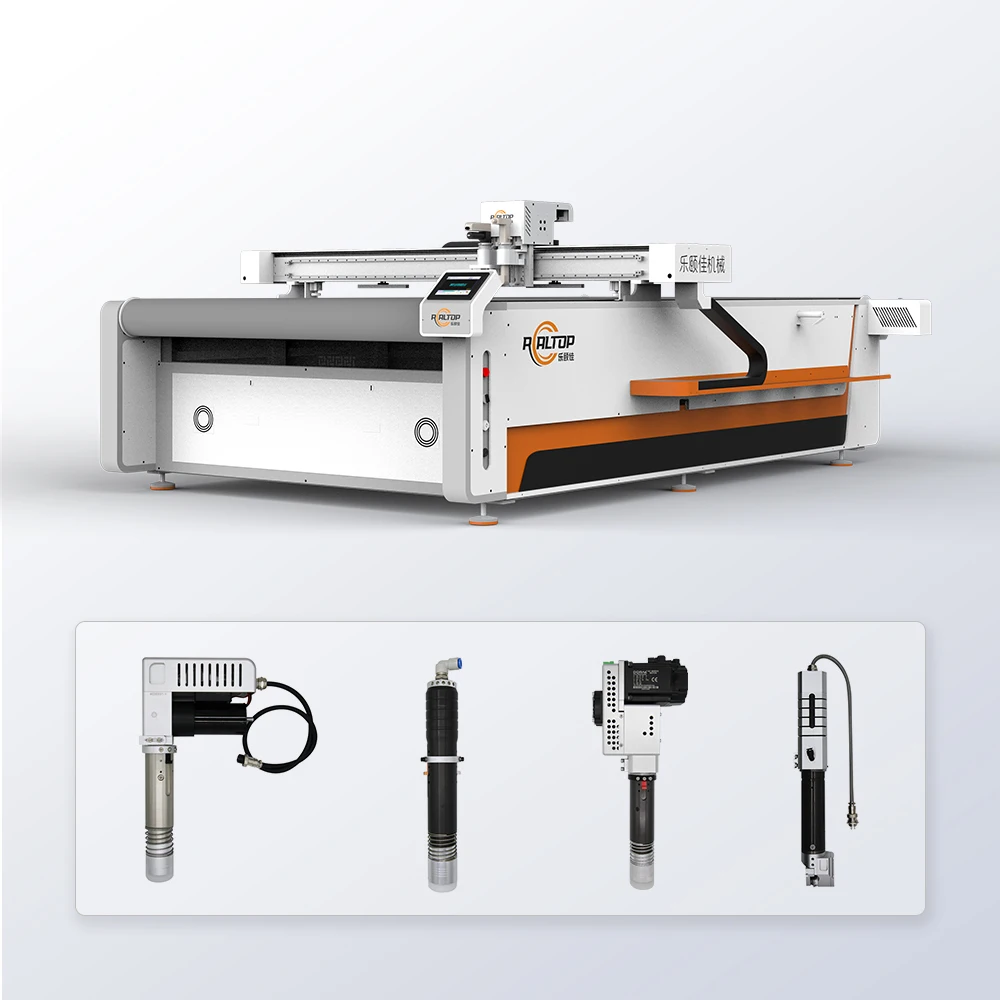
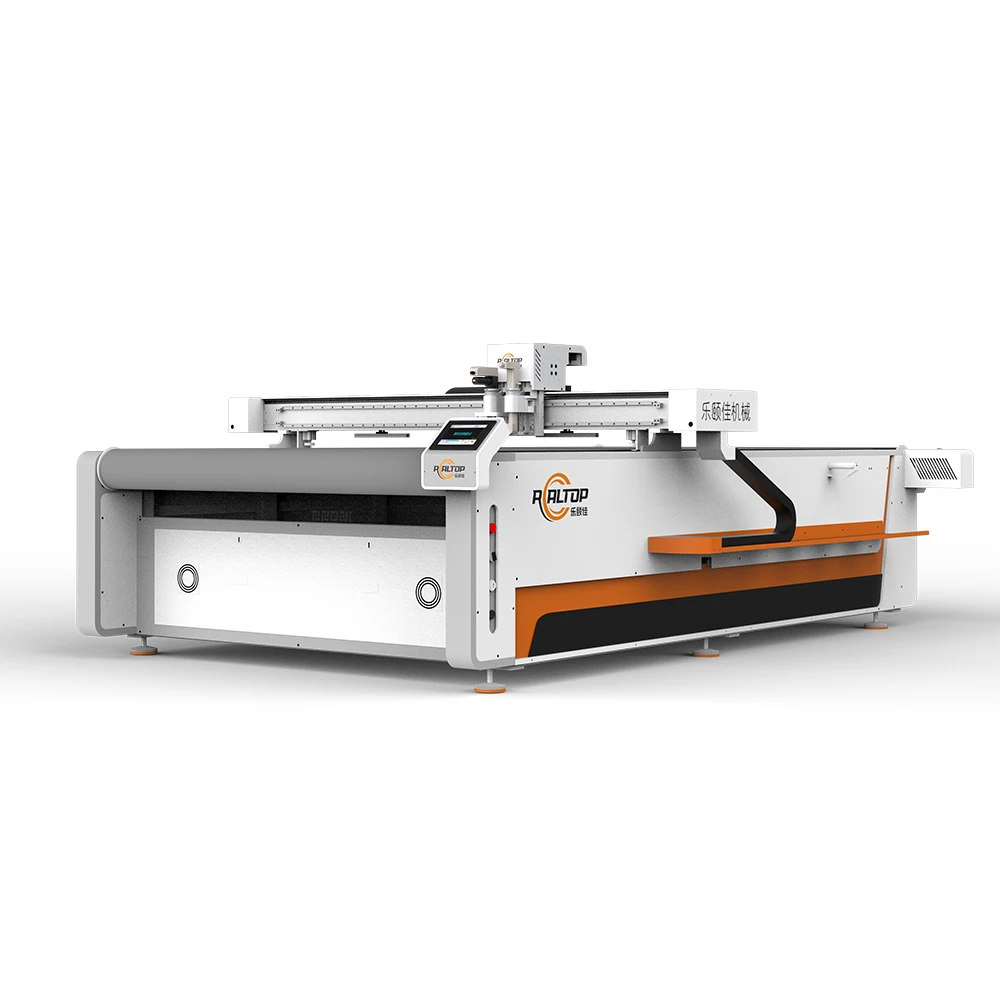
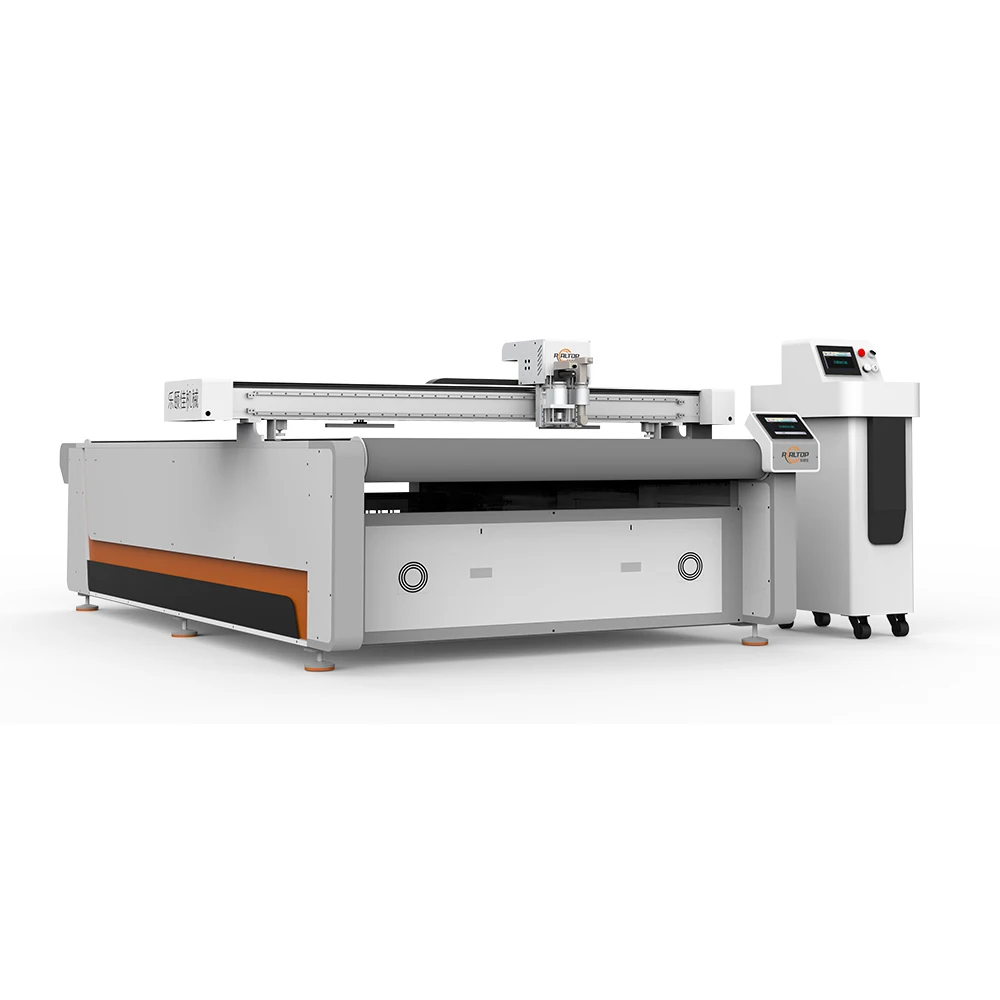
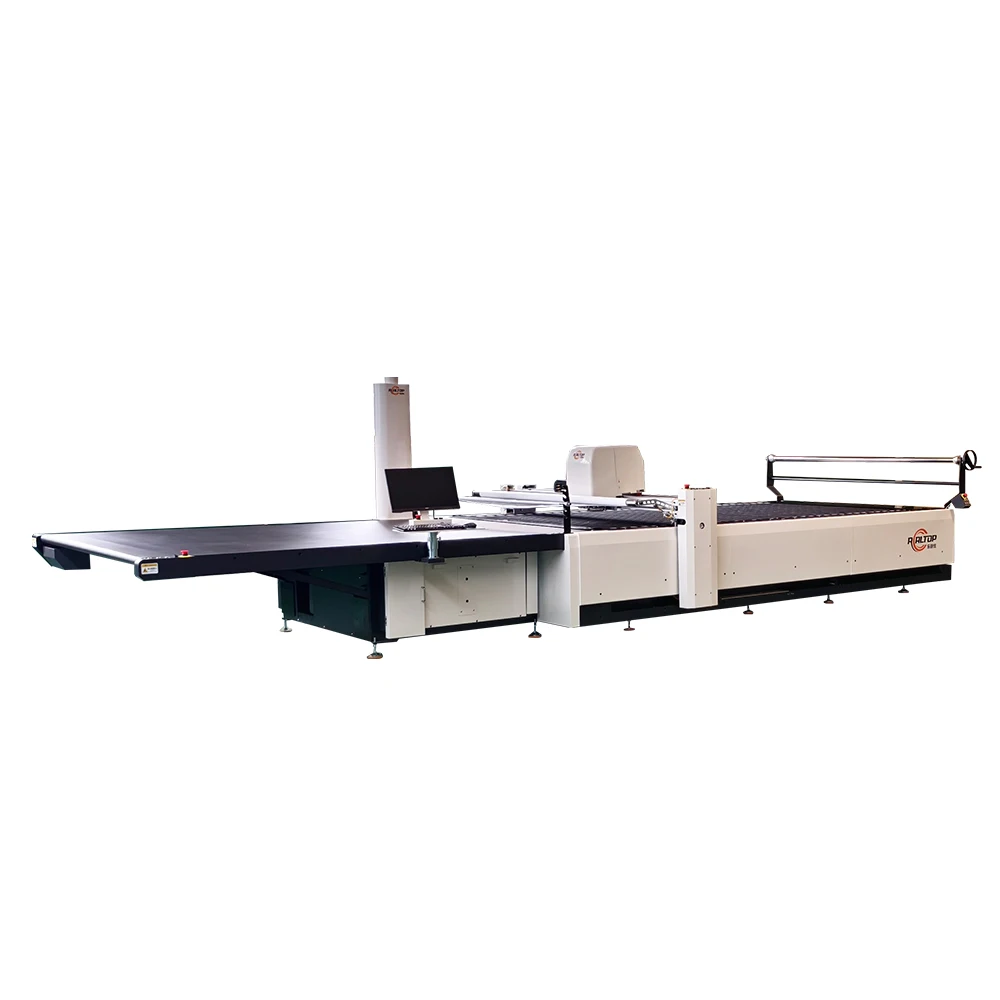
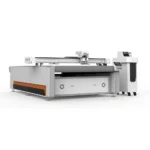
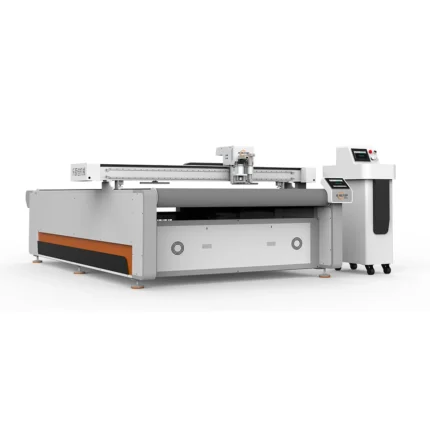
CNC Oscillating Knife Cutting Machine, 1600×2500 mm, 0–2000 mm/s — designed for medical fabric, apparel textiles and multi-layer composite materials. Cold cutting via oscillating knife prevents scorching and dark edges on sensitive fabrics, while the aluminum bellows vacuum table ensures full-surface adsorption for stable multi-layer processing. PLC control with customizable display languages supports international production floors. Sample cutting on your own material, confirmed tool head configuration and verified software compatibility before shipment ensure the system matches your exact production requirements.
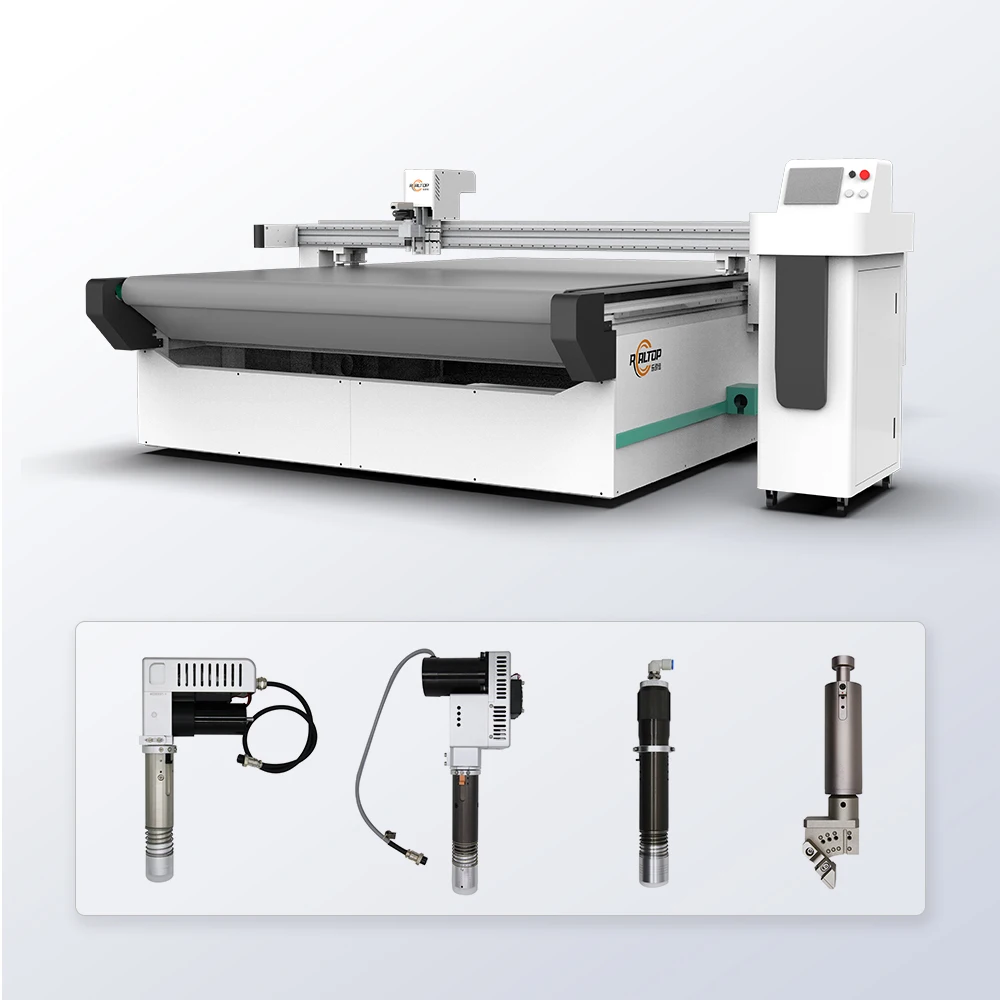
Dual-Process Cutting Platform — oscillating knife cold cutting paired with CO2 laser sealing lets textile processors match the method to the material, avoiding scorched edges on coated medical fabrics that a single-technology machine cannot prevent.
Technical Specifications
| Parameter | Value |
|---|---|
| Product Type | CNC Oscillating Knife Cutting Machine |
| Working Area | 1600×2500 mm |
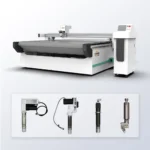
| Available Tool Heads | Oscillating knife, Driven rotary knife, Creasing wheel, Kiss cutting tool, Pneumatic knife, Milling tool, V groove knife |
| Cutting Speed | 0–2000 mm/s |
| Cutting Thickness | ≤30 mm (basis not stated in source — confirm material type and layer count) |
| Positioning Accuracy | ±0.1 mm |
| Vacuum Table | Aluminum bellows vacuum table |
| Vacuum Pump Power | 9 kW |
| Servo Motor Options | Panasonic, Delta, Dorna |
| Control System | PLC with dedicated packaging structure design software |
| Voltage Options | 110V, 220V, 380V (configurable) |
| Supported File Formats | PLT, DXF, AI, PDF |
| Language Options | English, Russian, Italian, Chinese (customizable) |
| Safety Devices | Infrared sensor, Emergency stop |
| Machine Dimensions (L×W×H) | 3300×2100×1350 mm |
| Certification | CE (declared) |
Application Suitability
| Application | Material or Output |
|---|---|
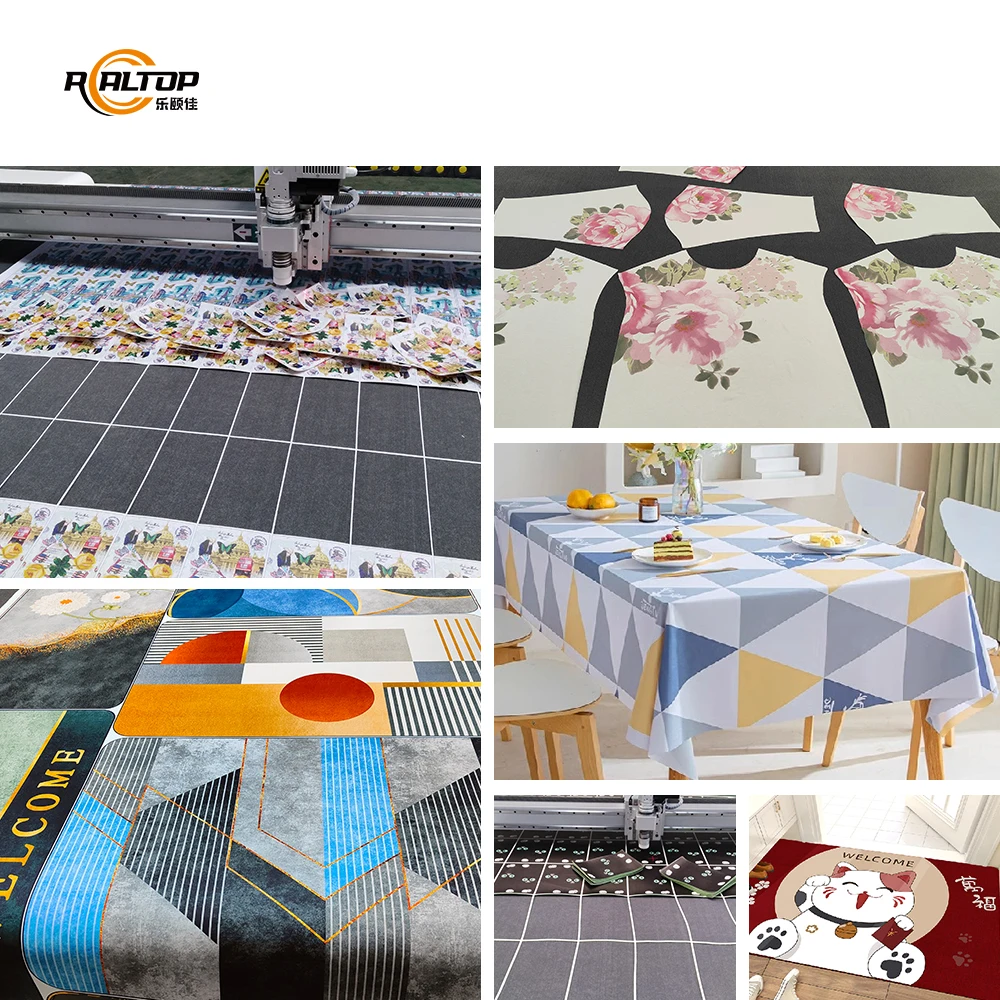
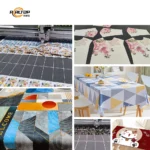
| Apparel manufacturing | Suits, knitwear, lace — pattern-matching layouts on woven and knit fabric |
| Automotive interiors | Seat fabrics, carpets, PVC mats — burr-free edges on multi-layer stacks |
| Home textiles | Sofa fabrics, curtains, rugs — nested cutting for yield optimization |
| Medical textile processing | Coated fabrics, nonwoven barrier materials — sealed or cold-cut edges |
| Composite material processing | Carbon fiber prepreg, aramid weaves — ply cutting before layup |
Why Your Coated Textile Samples Keep Coming Back Yellowed
A CNC fabric cutting machine manufacturer quoting laser power at peak rather than continuous is the most common reason coated and synthetic textiles arrive back from sample testing with charred or discolored edges — the machine simply cannot sustain the wattage needed to cut cleanly at production speed.
Buyers send medical-grade coated polyester or PU-laminated fabric expecting a clean, sealed edge. The sample runs on default cotton settings, the beam dwells too long at low speed, and the coating yellows or delaminates. Three or four re-test rounds follow before the correct combination of power, speed and air assist is dialed in. That delay is avoidable if the actual roll material is on the machine before configuration is finalized. [NEED_CITE: laser cutting parameters for coated technical textiles]
Cold Cutting Eliminates the Thermal Damage Problem
Medical textiles and coated synthetics often cannot tolerate heat. The oscillating knife tool head slices through fabric, nonwoven and laminated materials without generating any thermal effect on the cut edge — no melting, no discoloration, no fume extraction required. For barrier fabrics where edge integrity matters for downstream welding or sewing, cold cutting preserves the coating layer right to the cut line. The driven rotary knife variant handles tightly woven aramid and carbon prepreg where a standard oscillating blade would fray the selvedge.
Sealing Synthetic Edges Without Fraying
Where the material is pure synthetic — polyester fleece, nylon ripstop, or technical mesh — the laser process seals the edge as it cuts, preventing unraveling during handling and sewing. The distinction between continuous and peak wattage directly determines whether the beam can maintain that seal across a long cut path at usable speed [NEED_CITE: continuous versus peak laser power ratings in industrial cutting]. Matching the cutting method to the fabric type, rather than forcing every material through one process, is the operational reason for specifying a dual-technology platform.
Reading the Spec Sheet Against Your Production Reality
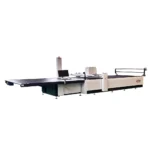
The 1600×2500 mm working area accommodates standard fabric roll widths up to roughly 1.6 meters, which covers most apparel and automotive seat panel layouts. The aluminum bellows vacuum table provides full-surface adsorption across that entire area — critical when cutting multiple plies of lightweight knit where any lift at the edge produces a miscut. The 9 kW vacuum pump maintains hold-down even on porous nonwovens that bleed air. Servo motor selection between Panasonic, Delta and Dorna affects long-term positioning repeatability; the ±0.1 mm accuracy figure holds across the table when the drive system is matched to the actual load. The PLC control panel with customizable display language means operators on different production floors can run the interface without translation errors mid-shift.
The Hidden Cost of a Wrong Tool Head Choice
Specifying an oscillating knife alone for a mixed-material production floor often means the machine handles woven cotton well but tears through coated or laminated fabric at the ply interface. Conversely, running everything through a laser head causes yellowing on flame-retardant coatings and leaves uncured adhesive residue on the cut edge of composite prepregs [NEED_CITE: tool head selection errors in textile cutting operations]. The result is rework, scrap and missed delivery windows — costs that never appear on the machine quotation but show up on the production floor within the first month.
Why Buyers Source This Equipment Here
In-house design covers both knife and laser cutting, so the cutting method is matched to the buyer’s material rather than the buyer adapting to a single-technology limitation. Tool head and vacuum table zoning are specified per material and production volume before the order is placed. Sample cutting on the buyer’s own roll material — including coated medical textile — confirms edge quality before commitment. Voltage, plug type and control language are confirmed and documented before shipment, not discovered on arrival. Software file format compatibility is verified against the buyer’s existing nesting workflow so DXF, PLT, AI or PDF imports run without conversion errors.
Documentation & Verification
- Machine specification sheet listing confirmed tool head and table configuration for your fabric type
- Electrical schematic and voltage confirmation matched to your facility supply
- Sample cutting report on your own roll material before order commitment
- CE declaration documentation where applicable to your import market
- Software licence and file format compatibility note for your nesting workflow
- Spare parts list specifying consumables for your selected knife or laser configuration
Installation, Commissioning & Support
- Foundation must support 3300×2100×1350 mm footprint with level tolerance for the aluminum bellows table
- Dedicated circuit required matching confirmed voltage option (110V, 220V or 380V) at the 9 kW vacuum pump draw
- Machine ships in sectional assembly; vacuum table and gantry bolt on site
- First-run calibration sets oscillating knife depth and laser focal point against your material stack height
- Operator training covers PLC interface navigation in your confirmed display language
- Consumable spare blades and laser optics included per the agreed spare parts list
What We Need to Specify Your Configuration
Send the fabric type, coating specification, ply count and maximum sheet or roll width you run. Include your facility voltage and frequency, preferred control language and the nesting software you currently use. If edge sealing versus cold cutting is a factor for your downstream process, note which garments or panels require which finish so the correct tool head combination can be quoted.
Frequently Asked Questions
Q: How do I decide between oscillating knife and laser cutting for my fabric?
A: Coated, laminated or flame-retardant textiles generally require cold cutting to avoid thermal damage to the finish. Pure synthetics like polyester and nylon benefit from laser edge sealing to prevent fraying. If your production floor handles both categories, a dual-technology configuration lets you assign each job to the appropriate method based on material behavior rather than machine limitation.
Q: What does continuous versus peak laser power mean for my textile cutting?
A: Peak power is the maximum instantaneous output the tube can reach, but continuous power is what the beam sustains over a full cut path at production speed. A machine rated at high peak but lower continuous wattage may seal a short sample cut perfectly yet fail to maintain edge quality across a nested layout of long garment panels.
Q: Can this machine handle multi-layer fabric cutting?
A: The aluminum bellows vacuum table and 9 kW pump maintain hold-down across the full 1600×2500 mm area, supporting multi-ply stacks. Maximum practical stack height depends on your specific fabric density and whether cold cutting or laser sealing is used. A sample test on your actual layered material confirms the workable ply count before configuration is finalized.
Q: How do I send my material for testing before ordering?
A: Ship a representative roll or swatch of your actual production fabric, including any coating or lamination. The sample cutting test runs your material through the proposed tool head configuration, and the results are documented in a cutting report with edge photographs. This confirms edge quality and cutting parameters before the machine enters production.


Related products
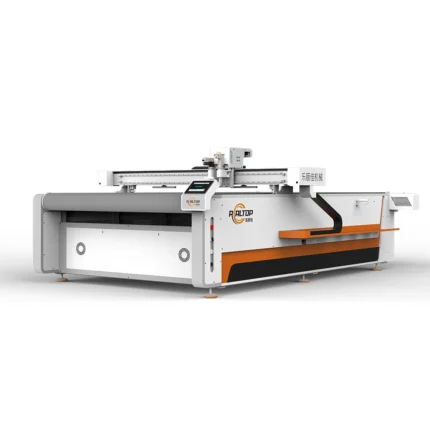
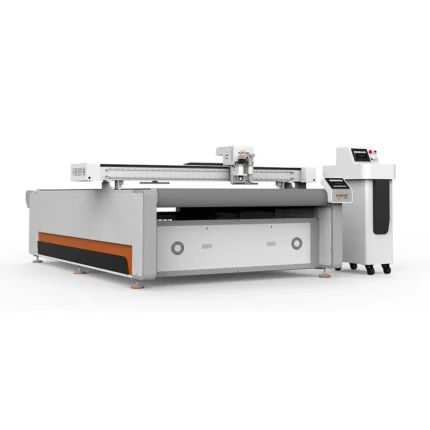
2026 Auto CNC Cloth Cutting Machine High-Precision Fabric Leather Plotter
Product Introduction
2026 Auto CNC Cloth Cutting Machine, a high-precision fabric & leather plotter designed for efficient cutting. Ideal for textile and leather industries with advanced CNC technology.
Key Specifications
| Model | Auto CNC Cloth Cutting Machine 2026 |
| Application | Fabric & Leather |
| Precision | High-Precision Cutting |
| Type | CNC Plotter |
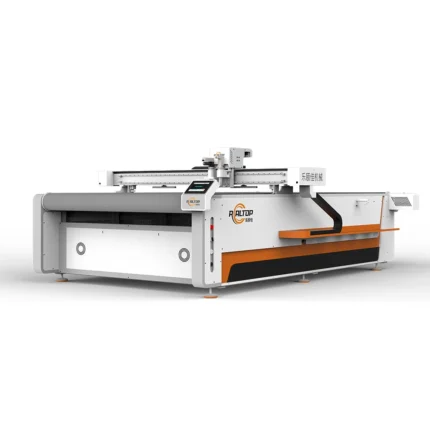
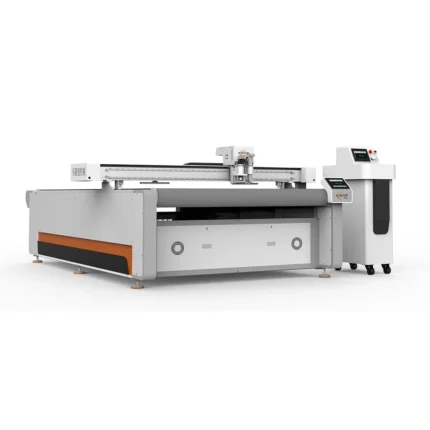
2026 Automatic PVC Tarpaulin Cutter Machine
Product Introduction
High-performance Automatic PVC Tarpaulin Cutter Machine 2026, ideal for precise and efficient cutting of PVC tarpaulin materials, designed for industrial manufacturing needs with reliable operation and user-friendly control.Product Parameters
| Model | 2026 |
| Type | Automatic PVC Tarpaulin Cutter |
| Application | PVC Tarpaulin Cutting |
| Feature | Precise & Efficient Cutting |
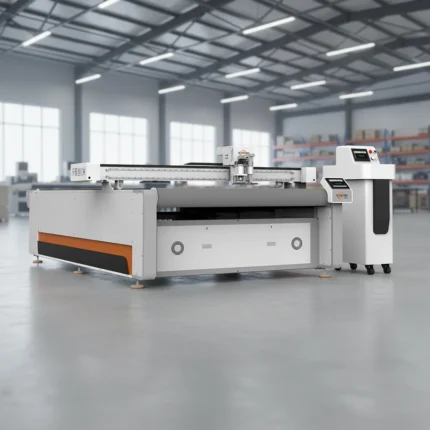
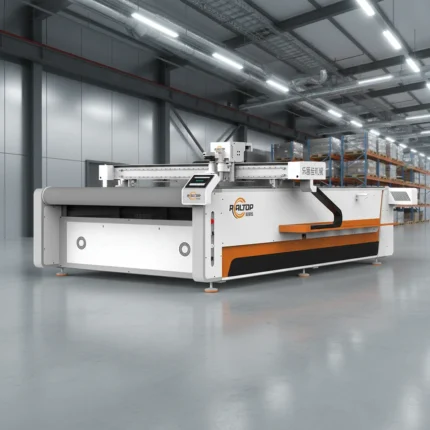
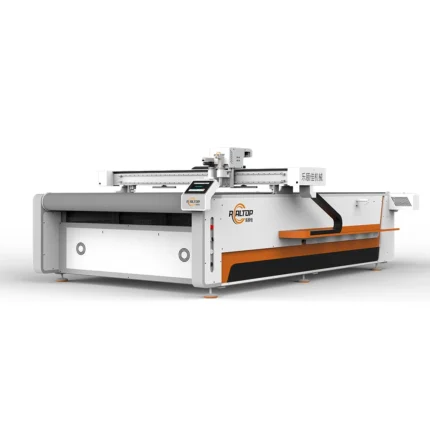
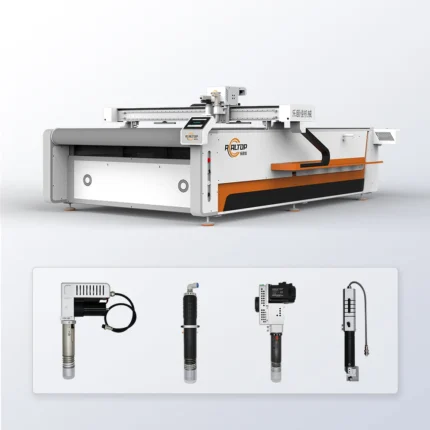
2026 Inflatable Surf SUP Board Cutting Machine
Product Introduction
Ideal for inflatable surf SUP board production, this 2026 cutting machine ensures precise and efficient cutting, tailored for manufacturers seeking reliable performance in water sports equipment manufacturing.
Specifications
| Application | Inflatable Surf SUP Board |
| Type | Cutting Machine |
| Model Year | 2026 |
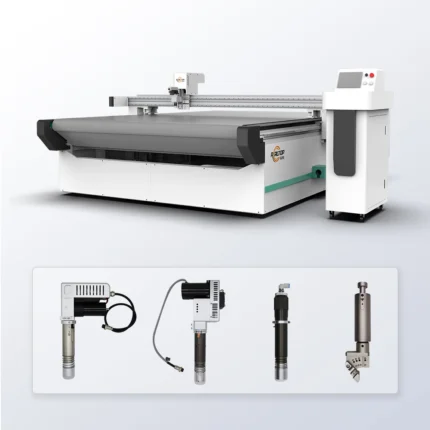
Automatic Fabric Cutting Machine 1200mm Delta Servo 2026
Product Parameters
| Cutting Width | 1200mm |
| Servo System | Delta Servo |
| Model Year | 2026 |
Introduction
High-performance Automatic Fabric Cutting Machine with 1200mm cutting width, equipped with Delta Servo for precision. Ideal for efficient fabric processing in textile industry, ensuring accurate and fast cutting operations.
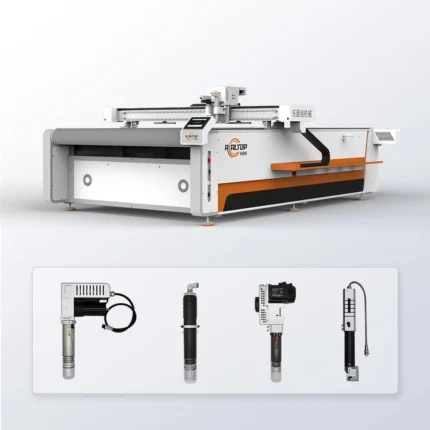
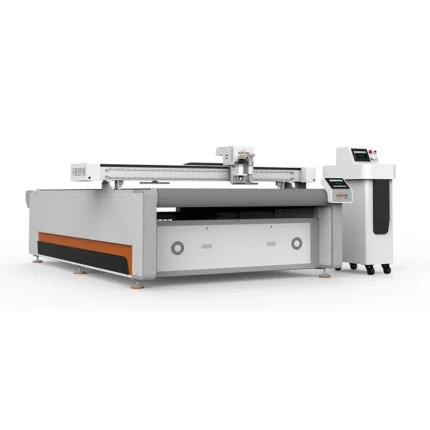
CNC Vibration Knife System 2026 for Polyester Nylon Non-Woven Prepreg
Product Introduction
CNC Vibration Knife System 2026 is ideal for cutting polyester, nylon, non-woven fabrics, and prepreg materials with precision and efficiency, suitable for industrial manufacturing needs.Product Parameters
| Model | 2026 |
| Cutting Technology | CNC Vibration Knife |
| Materials | Polyester, Nylon, Non-Woven, Prepreg |
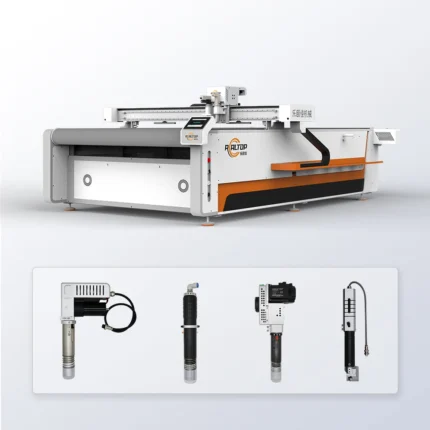
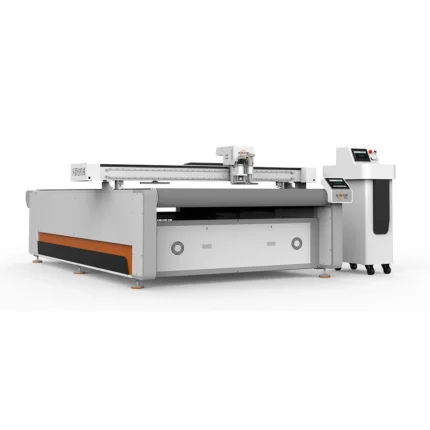
Custom CNC Shirt Fabric Cutting Machine 2026
Product Introduction
Custom CNC Shirt Fabric Cutting Machine 2026, ideal for precise fabric cutting in garment manufacturing, offering efficient and accurate cutting solutions.
Product Parameters
| Model | Custom CNC Shirt Fabric Cutting Machine 2026 |
| Type | CNC Fabric Cutting Machine |
| Application | Shirt Fabric Cutting |
| Year | 2026 |
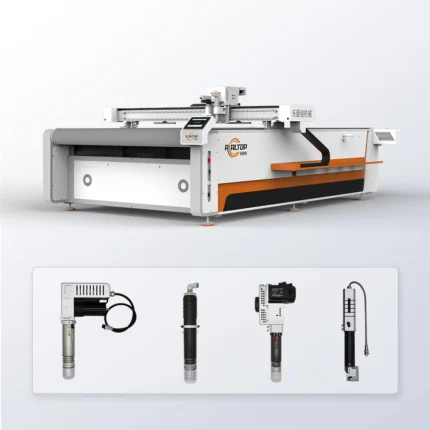
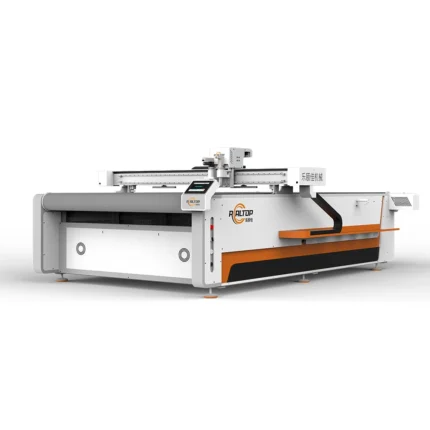
Realtop CNC Fabric Cutting Machine 2026 CE Certified
Product Introduction
Realtop CNC Fabric Cutting Machine 2026, CE Certified, ideal for precision fabric cutting with advanced CNC technology. Engineered for efficiency and reliability in textile manufacturing processes.Key Specifications
| Model | Realtop CNC Fabric Cutting Machine 2026 |
| Certification | CE Certified |
商品评价
There are no reviews yet.