

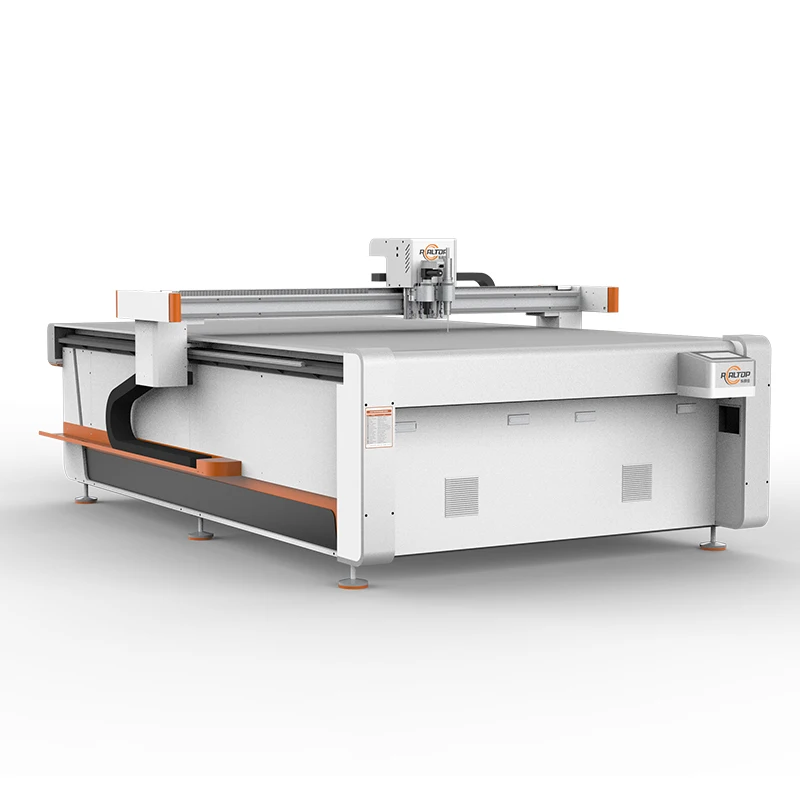
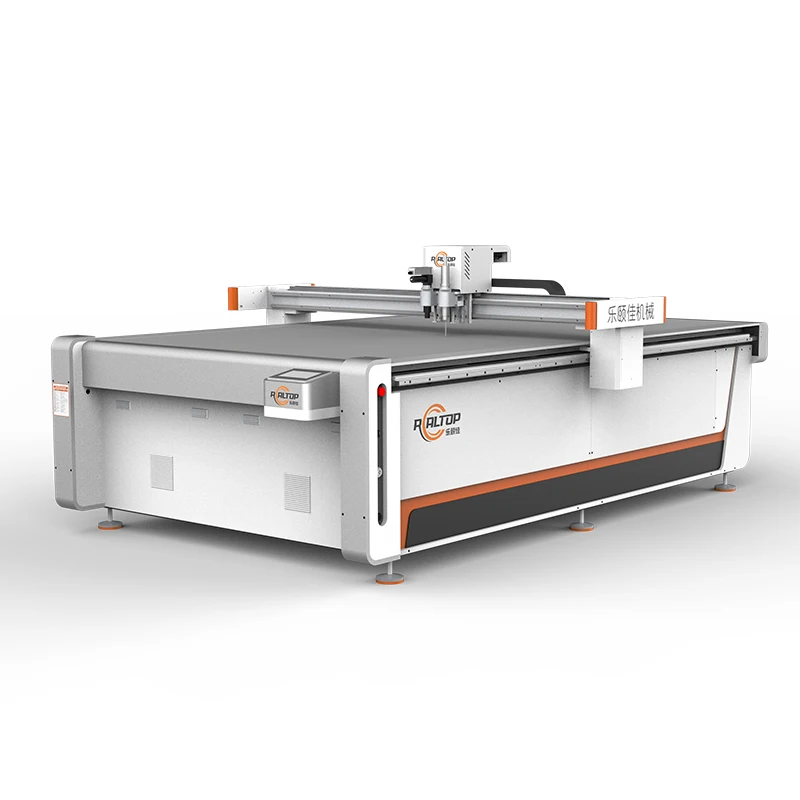
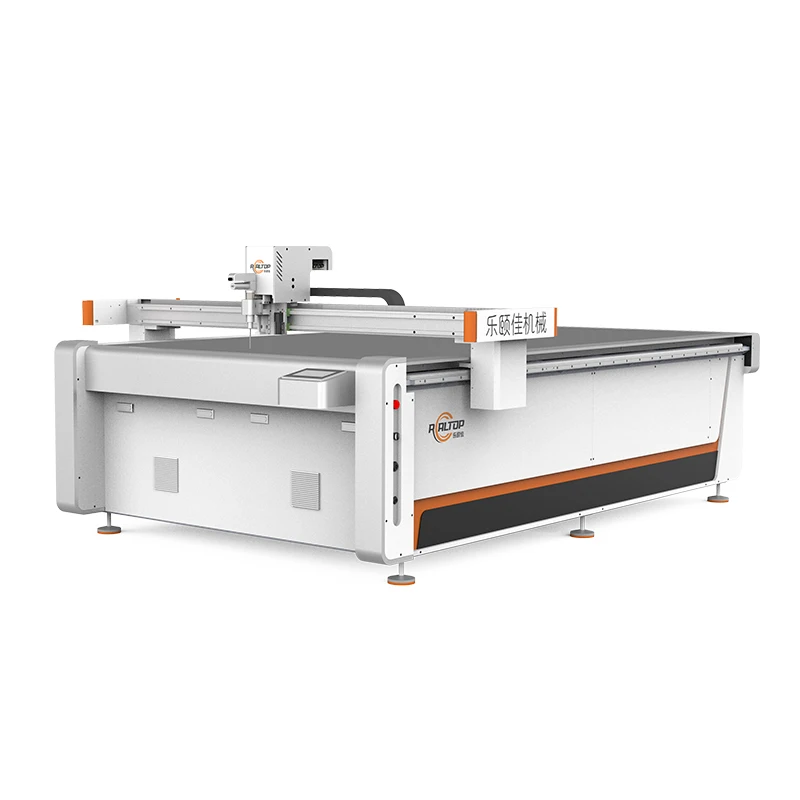
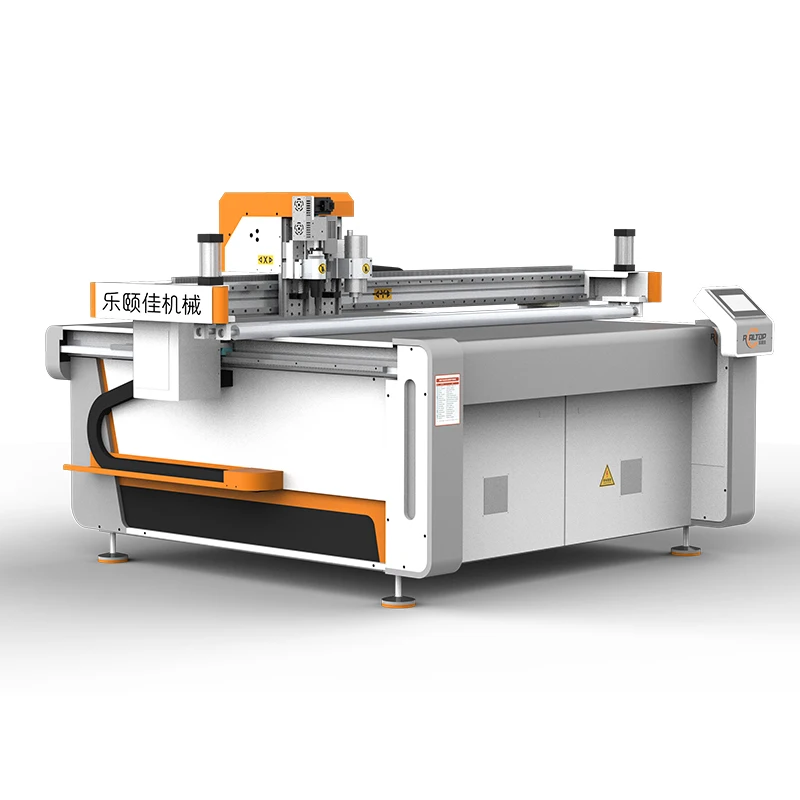
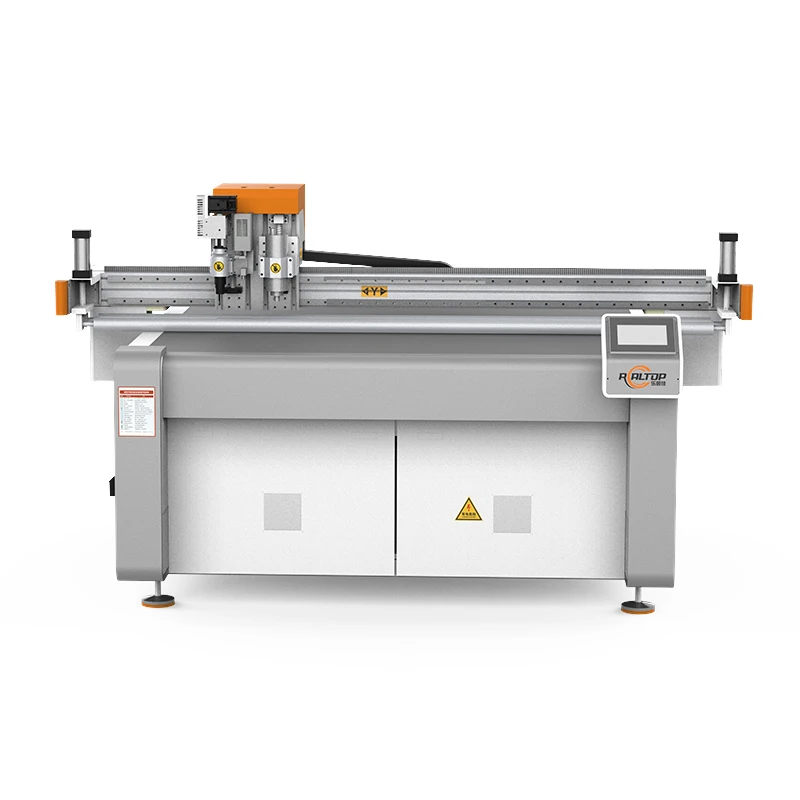
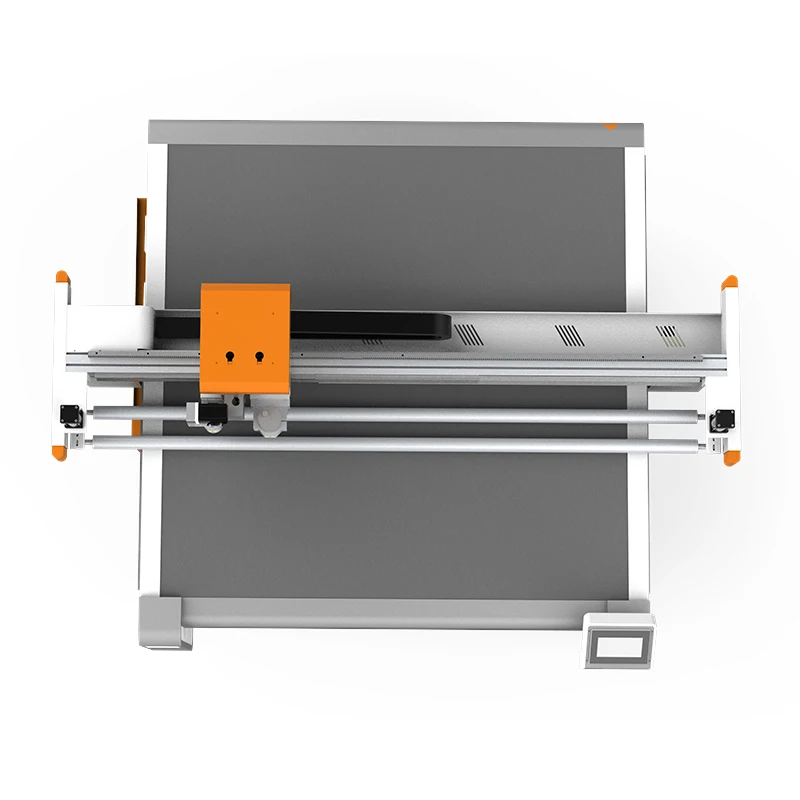

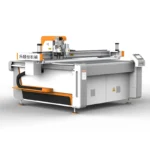
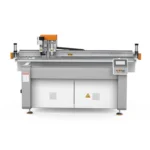
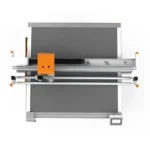
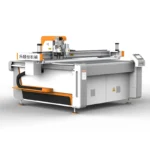
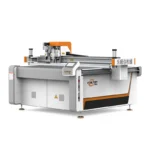
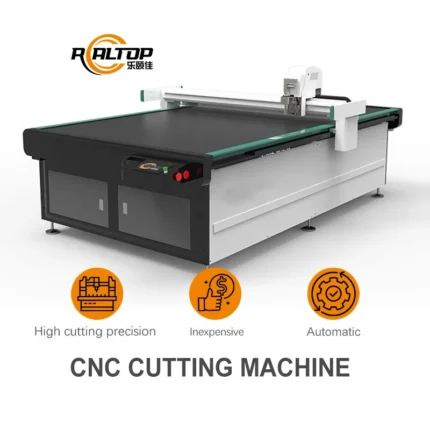
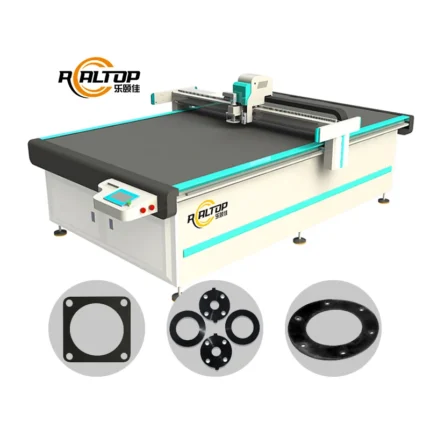
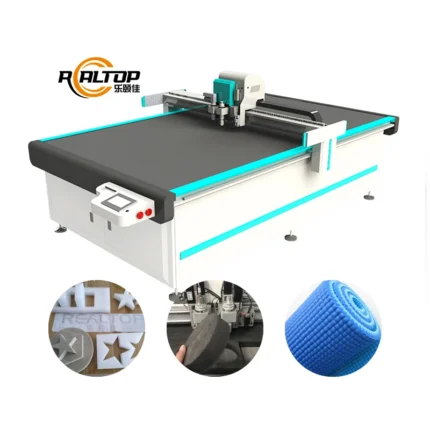
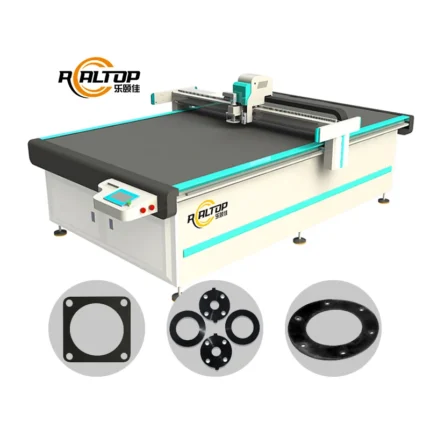
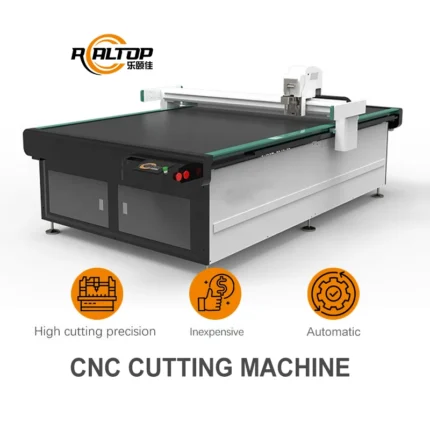
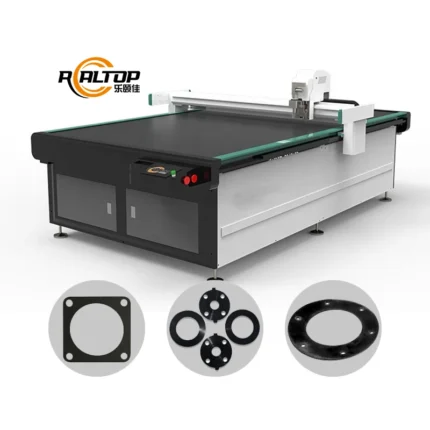
Oscillating Cutting Machine for Gasket Flexible Materials – Manufacturer
SKIP: no identifier
Matching Process to Material — this gasket cutting platform pairs oscillating knife technology with non-metallic sealing materials, avoiding the burnt edges and air pollution that laser processing causes on rubber and composite sheets.
Technical Specifications
| Parameter | Value |
|---|---|
| Product Type | Oscillating Cutting Machine for Gasket Flexible Materials |
| Cutting Method | Oscillating knife, drag knife, creasing wheel, pen (tool head options) |
| Repeated Accuracy | ≤0.1 mm |
| Drive System | Delta servo motors with Taiwan Hiwin linear guides and ball screw transmission |
| Vacuum Table | Magnesium-aluminum alloy with PVDF coating and anodic oxidation |
| Safety System | Infrared induction blocking, beam anti-collision sensors, emergency stop with in-situ resume |
| Voltage | 380V ±10% (configurable) |
| Control Language | Customizable to buyer’s market |
| File Format Support | HP-GL compatible |
Application Suitability
| Application | Material or Output |
|---|---|
| Automotive gasket and sealing pad production | Rubber, silicone, and composite gasket sheets |
| Cylinder head gasket contour cutting | Multi-layer composite materials with printed registration marks |
| Industrial sealing product fabrication | PTFE, ETFE, and fiber-reinforced composite gasket stock |
| HVAC and plumbing seal manufacturing | Closed-cell foam, cork-rubber, and non-asbestos fiber sheets |
Why Specifying Working Area Alone Leads to Gasket Scrap
A machine rated by bed size cannot guarantee it will cut through your thickest gasket material without crushed edges or delamination.
I once watched a Southeast Asian gasket shop take delivery of a flatbed cutter chosen entirely on table dimensions. The oscillating knife head worked fine on their standard 2 mm rubber stock, but when they loaded a 6 mm reinforced composite for a custom order, the blade deflected and produced ragged, unusable sections. The shop was down for days while waiting on a different tool head. Matching the cutting method and tool head configuration to the actual material thickness prevents this kind of line stoppage. [NEED_CITE: common gasket material thickness ranges and tool head selection criteria]
Blade Physical Cutting Versus Laser Heat on Sealing Materials
Laser processing burns organic compounds found in most gasket stock. Rubber, cork-rubber, and non-asbestos fiber sheets release particulate and VOC-laden smoke when cut with a CO2 beam, requiring extraction systems that add cost and maintenance burden. An oscillating cutting machine for gasket flexible materials uses blade contact instead of heat, producing straight, burr-free sections without edge discoloration or material property change. This physical separation matters when the gasket must seal under temperature and pressure in its final application.
Tool Head Selection Dictates Edge Quality on Composites
Gasket materials span a wide density range. Soft silicone requires a high-frequency oscillating stroke to slice cleanly without pulling, while PTFE and reinforced composites demand a stiffer blade with controlled downward force. The Swiss imported oscillating knife on this platform delivers full cutting, half cutting, and cursor location functions, allowing the operator to switch between through-cutting a 3 mm rubber sheet and kiss-cutting a release liner without changing the physical tool. Drag knife and creasing wheel options extend the machine to scoring and perforating tasks common in gasket kit assembly. [NEED_CITE: oscillating knife stroke frequency and material interaction principles]
Reading the Specs That Affect Daily Gasket Output
The ≤0.1 mm repeated accuracy comes from Delta servo motors paired with Taiwan Hiwin linear guides and ball screw transmission. In gasket production, this precision matters when cutting multiple identical seals from a single sheet — deviation beyond the gasket’s tolerance band means the part will not seat in its flange. The magnesium-aluminum alloy vacuum table with PVDF coating provides high flatness across the bed. Uniform suction holds thin gasket stock flat during the cut; without it, vacuum leakage under small parts allows lift and produces dimensional drift. Multi-zone vacuum control lets the operator activate only the section under the workpiece, concentrating holding force where it is needed rather than losing suction across an empty bed.
The Cost of Skipping the Sample Cutting Step
When a buyer commits to a gasket cutter without testing on their actual material, the consequences show up on the first production day. A tool head chosen for general-purpose rubber will crush fiber-reinforced composites, leaving delaminated edges that fail pressure testing. Vacuum table zoning set for large sheets will not hold small gasket blanks, causing material shift mid-cut and scrapped batches. These problems are not visible on a specification sheet — they only appear when the machine meets the buyer’s specific stock. [NEED_CITE: material-specific cutting failures in gasket fabrication]
What This Manufacturer Brings to Gasket Equipment Buyers
In-house design and production covering both knife and laser cutting technologies means the recommendation starts from the material, not from a single machine line. A gasket producer cutting non-metallic sealing stock gets oscillating knife because that is what the process requires, not because the factory only builds one type. Tool head and table configuration is specified per material and production volume, documented before order. CCD camera positioning is available for printed contour work on cylinder head gasket stock where registration accuracy is critical. Software compatibility and HP-GL file format integration are confirmed with the buyer’s existing nesting workflow before the machine enters production. Voltage, control language, and electrical specifications are matched to the target market, with 380V ±10% as the standard configurable range.
Documentation & Verification
- Sample cutting report generated on your specific gasket material and thickness before order commitment
- Tool head and table configuration list matched to your material type and daily volume
- Electrical schematic and voltage confirmation sheet for your local power supply standard
- Software licence and HP-GL file format compatibility note for your nesting system
- Factory test record documenting cutting accuracy and edge quality on your submitted samples
- Operation and maintenance manual with spare parts list for tooling consumables
Installation, Commissioning & Support
- Power supply must match confirmed voltage configuration with a dedicated circuit for servo and vacuum systems
- Vacuum table leveling and multi-zone suction calibration performed on-site after machine positioning
- Tool head offset and oscillating knife stroke parameters set for your specific gasket material during commissioning
- Operator training covers HP-GL file import, nesting workflow, and tool head changeover procedures
- Spare oscillating knife blades and drag knife holders included for initial production ramp-up
- Daily vacuum table surface cleaning and weekly linear guide lubrication schedule documented in manual
Preparing Your Inquiry for Gasket Equipment Evaluation
Send the material type, thickness range, and maximum sheet size you process most frequently. Include your current nesting software name and file format so compatibility can be verified before quotation. Specify the voltage and frequency standard at your facility, along with the preferred control language for the operator interface.
Frequently Asked Questions
Q: How do I choose between oscillating knife, pneumatic knife, and drag knife for my gasket material?
A: Oscillating knife suits most rubber, silicone, and composite gasket stock up to moderate thickness where clean edge finish is required. Drag knife works for thin, single-layer materials like cork and paper gaskets. The correct tool head depends on your material density and thickness — submitting samples for a trial cutting report is the reliable way to confirm selection before order.
Q: What is the real cutting depth for rubber, silicone, and PTFE on this oscillating cutting machine for gasket flexible materials?
A: Maximum cutting depth varies by material density and reinforcement. Soft silicone cuts deeper than fiber-reinforced PTFE at the same knife stroke. Rather than quoting a single thickness figure, the manufacturer runs your submitted material samples and documents the achievable depth and edge quality in a formal sample cutting report before you commit.
Q: Can the control system and electrical supply be configured for my country’s voltage standard?
A: Voltage is configurable with 380V ±10% as the standard range. The electrical schematic and voltage confirmation are prepared for your specific market before production. Control language is set to match your operator requirements. Both items are confirmed in writing prior to order placement.
Q: Will this machine accept my existing nesting software and HP-GL file format?
A: HP-GL format support is standard. Software compatibility with your current nesting workflow is verified during the inquiry stage — you provide a sample file, and the manufacturer confirms import, nesting, and cutting path generation before the order proceeds. Any required format conversion is identified early.
Q: How does the sample cutting process work before I place an order?
A: You ship a representative sample of your gasket material to the factory. The engineering team runs cutting tests using different tool head configurations and documents edge quality, achievable thickness, and cutting speed in a formal report. A cutting video is shared for your review before you make a commitment.


Related products
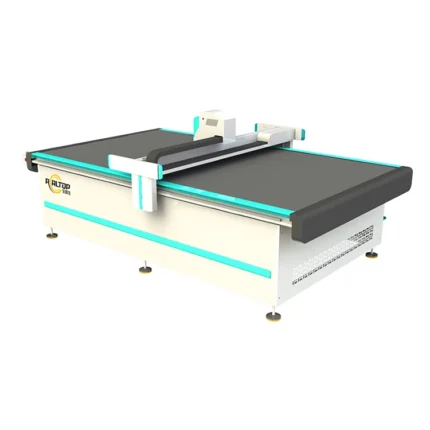
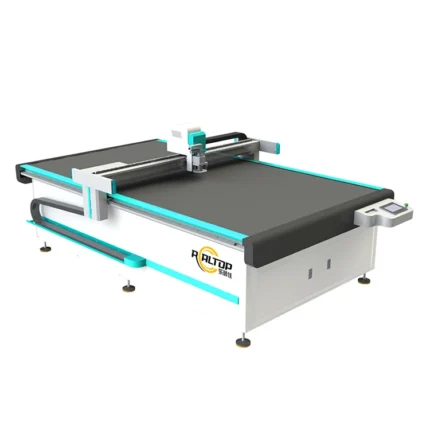
2026 Rubber CNC Cutting Machine High-Precision Auto-Feeding Gasket
Product Introduction
High-precision 2026 model Rubber CNC Digital Cutting Machine designed for gasket production with auto-feeding functionality, ensuring efficient and accurate cutting performance.
Key Specifications
| Model | 2026 |
| Type | Rubber CNC Digital Cutting Machine |
| Application | Gasket Production |
| Feature | High-Precision |
| Function | Auto-Feeding |
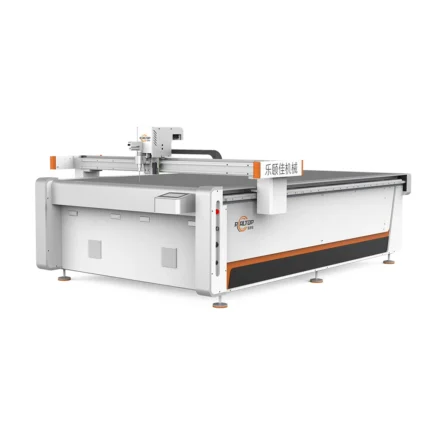
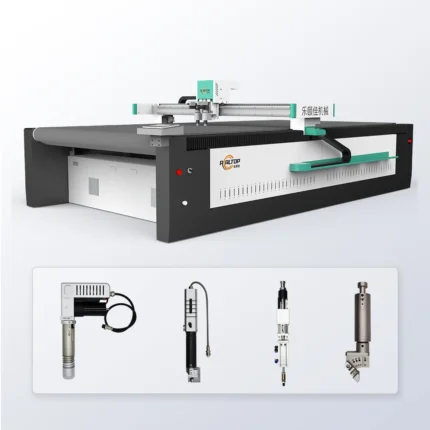
CNC Gasket Cutting Machine 2026 Auto Oscillating Silicone/Asbestos/Felt
Product Introduction
2026 CNC Gasket Cutting Machine with auto oscillating function, ideal for cutting silicone, asbestos, and felt materials. Precision-engineered for efficient gasket production in industrial settings.
Key Specifications
| Type | CNC Gasket Cutting Machine |
| Year | 2026 |
| Function | Auto Oscillating |
| Material Compatibility | Silicone/Asbestos/Felt |
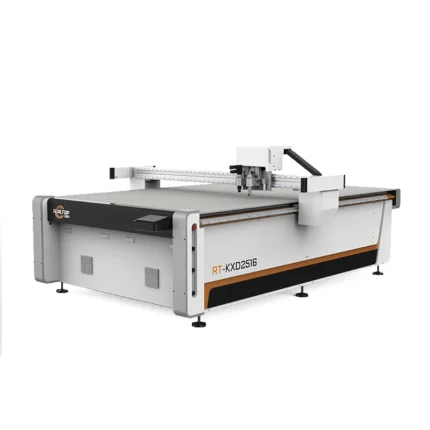
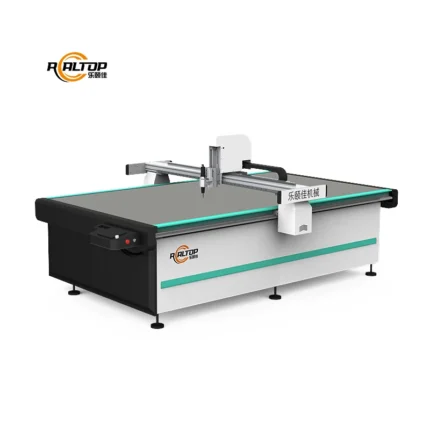
CNC Oscillating Knife Cutting Machine 2026 for Flexible Materials
Product Introduction
2026 CNC Oscillating Knife Cutting Machine, ideal for asbestos, cork, rubber, PTFE, felt, foam. Precision cutting solution from China's leading welding & cutting equipment manufacturer.
Product Parameters
| Model | 2026 |
| Type | CNC Oscillating Knife Cutting Machine |
| Materials | Asbestos, Cork, Rubber, PTFE, Felt, Foam |
| Manufacturer | China Leading Factory |
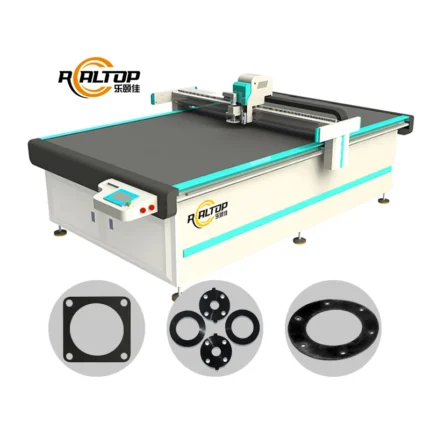
Realtop VAWT 2026 Foam Cutting Machine
Product Introduction
Realtop VAWT Foam Cutting Machine 2026 is a professional-grade cutting equipment designed for efficient foam processing, ideal for various industrial applications with reliable performance and precision cutting capabilities.Product Parameters
| Model | Realtop VAWT 2026 |
| Type | Foam Cutting Machine |
| Application | Industrial Foam Processing |
| Feature | Precision Cutting |
商品评价
There are no reviews yet.